Transcript
Automated transcript · Written by software from the replay's audio. It can mishear names and figures; the replay is the record.
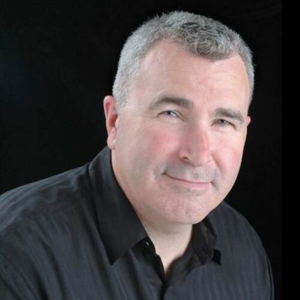
0:08 Hello everyone, it's Terry Lynch from Save Canadian Mining and I want to welcome you to the podcast today. We're very lucky to have a very legendary figure in the world of, well, in the world of litigation really. And his specialty over the last number of years has been suing Wall Street and suing Wall Street banks, and basically for stock manipulation and stock fraud. And he's become probably, I would consider Wes a leading expert in predatory short selling in the world. So I was saying to Wes before we got on the screen that when I started this journey I don't know, 3 years ago, I had like a rudimentary, I'd say college education view of what predatory short selling was and that whole thing and a very, fairly naive, very naive outlook on things. And then on the way through, we've learned how dark it can really be out there.
1:06 And, you know, what we're trying to do is make a difference. But, you know, Wes has been making a difference for the last almost 30 plus years, maybe 40. He's been in pretty much every major television station commentating on the predatory short selling and the stock manipulation and stock fraud and things that have made our capital markets less secure, less trustworthy, less beneficial to ordinary investors. And he's been in a number of documentary films and is in high demand pretty much all around the world in terms of any of these areas. And right now I think you're doing that Naked Truth, right? Wes? Right now I've been hired by a group that's formed a nonprofit corporation called Naked Truth Inc. I'm not a part of that nonprofit, but they're now our client.
2:00 And that group consists of a group of what they refer to as apes. So what's happened is the Reddit community has decided they're gonna be a bigger bully than Wall Street and they've teamed up. I know just in the AMC stock Reddit, I call it sub Reddit group. There's over 4 million apes as they call it investors. And if you expand that to cover GameStop and some of the other meme stocks, it gets into multiple millions. So that nonprofit Naked Truth Inc, which everybody should go to, has a ton of information. So I've teamed up with them informationally. So the last 20 years, while I've been doing great things and making a difference or trying to make a difference in people's lives, frankly, using my God-given talents, so to speak, for the last 42 years. I've spent 21 years in this space. We've done over 20 cases.
2:53 And a lot of the things that we've learned that I can publish publicly is on that Naked Truth website. So if you want to know how this is being done, go look at the hundreds of regulatory actions that I've compiled and my staff has organized and put on that website. Sample lawsuits that we've filed, papers that have been written on this by very high-level academians. For example, Dr. Rob Shapiro has several papers on there. He's a former Undersecretary of Commerce during the Clinton administration.
3:24 You know, represented Tony Blair, as he's a world renowned economist, PhD from Harvard. He's been on our team for 15 years, he wrote a paper that shows that A0A million to 1 billion shares per day, not dollars, A0A billion to 1 billion shares per day are sold but not delivered in the US across all markets. And so that that process, I believe that that that report is several years old, continues today. So there's enormous amounts of information on the Naked Truth, Inc. Website. There's soon going to be a new documentary that's coming out that I cannot discuss today, but you'll soon see it, that you must watch, that covers not only the fraud in the stock market, but the fraud and smoke and mirrors in all of our financial system here in the US, and for that matter, in my view, it applies in Canada and across the world. Although I'm not an expert, frankly, in those territories, I do consider myself an expert in the US.
4:22 So yes, Naked Truth, Inc. Is someplace you ought to go to as a website just to learn about more about what we're going to talk about today, Terry. Yeah, absolutely. Well, listen, Wes, we really appreciate you being here and thank you for your time. Before we get into the conversation with Wes, I wanted to just address the listening audience and just remind them what it is Safe Canadian Mining is trying to achieve and a little bit of a history and genesis. So I'll run you through a very quick slideshow just to bring you up to speed with that. So basically what we're trying to do is stop predatory short selling. So predatory short selling is basically, I call it when they sell a stock and they don't deliver the stock. And they basically, they keep on flipping it and tightening it and never delivering it as Wes would call it stealing. And I think that's probably a very good definition of it. So people sometimes say, are you against short selling? And we say, no, legitimate short selling is a fine, you know, tactic that if you've got a company that you think is not gonna do well and you wanna bet against them and you disclose the bet and you board the stock and you show the sort, then God bless, we got no problem with that, that's fine.
5:32 But predatory short selling is a different animal and that's not good. So what does the research say? Let's go to the next slide. So, I mean, the good news is that, you know, GameStop and Wall Street Bets have made this front page news. And when we started 3 years ago, it wasn't front page news. We saw it as a problem in mining, but now it's becoming front page news and because people realize what, the severity of the problem. And now we're seeing organizations develop to fight the good fight and to maybe take the game home to Wall Street. And this naked truth, Inc. Sounds like an exciting new development. I'm certainly gonna check that out in more detail. Let's go to the next slide. The big takeaway for us, I'm a mining guy and I noticed how difficult it was to raise capital in our sector and how it's changed over the last number of years. I mean, mining is of course a commodity driven business and it's gonna go up and down with the course of commodity.
6:34 But this slide here really is the money shot, as they say. It shows that after the tick test was taken out in 2012, that before it basically mining stocks would typically as an index be above or slightly below the index, generally a little bit above. So it makes sense, it's a commodity business, so you should ride in line with the commodity index. Since they made that change though, the mining index, the whole index across the board is trading at about 35%. So the stock would have to almost triple to get back to where it would have been ordinarily. So that's not just 1 stock, we're talking the index. So that's a structural problem. And that's what we're trying to stop because we're trying to change that because you can't as a good business, sell your stuff for 33 cents on a dollar for long and stay in business. And that's what's happening to mining right now. Next slide.
7:31 So that basically summarized it. The decline is not linked to decline in commodities. It's because of the way that things have happened. Equity capital has dropped from previous amounts raised. So now businesses are not able to finance. So they can't, as a result of not being able to finance the corresponding drop in spending and that's impacted our local communities. Next slide. This just goes to show you where the rule kicked in and it's impacted more adversely the smaller cap guys as you would expect. Next slide. Again, another illustration of the discrepancy we spoke about up front. Again, huge, 34% versus the 84% on the commodity side. So again, a big, big difference. Next slide.
8:24 Go one more. So, what's happened is that just as a result of the equities going down and with no correlation to business reasons, investor confidence in the sector has waned. And so without investor confidence and with these destructive predatory short-selling practices basically the demand for investment has gone way down and so capital mining has gone way down. So that's impacted us across the board. Next slide. And of course, as you would expect, as the capital goes down, our ability to employ people goes down with it. And one of the more, about 10% of mining jobs, roughly, I guess about 12%, is indigenous people. So we're certainly trying to, and these are high paying jobs, like mining jobs are very, very well paid.
9:23 And so the fact that this sector is being crushed is hurting the sector and hurting the indigenous people that we're in these days, certainly trying to bring back and make part of our economy. Next slide. We're starting to get recognition that this is happening. You know, GameStop has brought, you know, this to the front. We're doing, you know, podcasts like this with Wes and other industry leaders in mining, et cetera, to try and bring awareness and trying to compel the government to make some changes. Next slide. The short sellers are getting caught. This was an example of Cormark, which is a securities firm in Canada that had to pay a penalty. And Cormark is a relatively small firm and I'm not trying to single them out. They're just the most recent one that we were able to catch and use as a headline.
10:15 If you think they're the only guy in securities business that's doing this, you'd be sadly mistaken. They're all basically doing this. Next slide. So what can we do? Well, ideally, we think reinstating the TIC test would be super helpful. That at the moment is not coming from the government. So we're looking to get a review of the tick test so that we can have an educated response as to why that's important. But the government did do a major task force examining the Ontario Securities Act, and they did come up with a number of positive recommendations. And the most, you know, 2 most critical ones would be basically to prohibit short sellers from covering in a private placement.
11:02 And then, which, you know, if you know anything about Canadian securities right now, pretty much that's how our financing's happened is that the stocks get shorted and people cover the private placements, but we're basically stealing from the issuer and we're hurting the individual investor. The second recommendation that we liked, the change in the settlement procedures, right now it's T plus 2 plus 10. In other words, if you sold a stock, you're supposed to deliver it in 2 days, but you can sort of say, oh, the dog ate my homework and I forgot my stock at home and you can, in theory, come back in 10 days and deliver it and it's okay. Well, if that was just that one exception for the one individual trader, that wouldn't be a problem. People are driving a truck through this rule. They basically, at the ninth day, on the tenth day of the extra time, they flip into the next number company and they never deliver the stock. So they basically, they sell a stock and they never deliver the stock.
11:55 Or as Wes would say, they just steal it. So Anyway, we think the government has got some good suggestions from its own task force. And our mandate and our objective in these calls and over the next several months is to make sure the government follows through with its commitment to make the changes, to make these changes to help to stop predatory short selling. So that's it for phase 1. Let's go back up to the big screens. So, you know, Wes, that's our little push here just to try and localize the problem. You've been dealing with it in a much broader national scale and, you know, I've listened to a number of your podcasts with other people in this sector. And I find it almost overwhelming to consider how big the problem is, But maybe you could speak to that.
12:49 That might be a good. Yeah, I'd be happy to. First, Terry, let me say thank you for having me. The reality is it takes a village, it takes a nation ultimately to defeat evil. And good men and women have to rise up. And we have a saying here amongst the lawyers that are working and have been working on this for 20 years. You know, the only way that evil can prevail in this space is for good lawyers to do nothing. And that applies to everybody in your sector too. So kudos to you and everybody watching this. And my hope in coming here today is that this creates more awareness. This creates more ways to educate people as to really what's happening. So let me give you a quick journey over 20 years in about 10 or 15 minutes that will help you describe the magnitude of this. And we first started this litigation, I think we filed the first case in New York in 2001.
13:45 It came to us because somebody that Mr. O'Quinn, who was a very successful billionaire lawyer, my partner, not in my firm, but my partner in this case, until he passed away in 2009 mysteriously, ultimately said, let's go do this. Why? Because some of our friends that we went to church with said, look, we own 80% of this company. There's 5 of us that own it. We have our stock certificates in hand and it's trading 100% of the issue now standing every day. We did not have a clue what that was about. So we began a journey of discovering that. So back then, and you can incidentally get this in a book that Suzanne Trimbath has published. So this is a summary of what I'm gonna tell you. It's called Naked, Short, and Greedy. I forget what it costs. I bought like 100 of them and handed them out as presents.
14:33 But I have worked with Suzanne. She's a fabulous economist. And she journals what I'm fixing to tell you in summary version. So at that point, I think it was, you know, the fails to deliver in early 2000 were small numbers, you know, millions of dollars, tens of millions of dollars. And over time, ultimately what happened is Wall Street said, let's figure out a way to take this paperless. In the old days, you sold your stock by paper. They'd send the runner with the certificate over, get the money, take it back. Well, the problem is the bean counters were having trouble keeping up the books. In fact, in the old days, they shut down the stock market because they couldn't keep up with it. So they developed the, in the States, it's the CDS, the Canadian Depository System, for you, but it was the Depository Trust Corporation. The key word is trust, of course.
15:28 And so anyway, that company was to assure that we'll sell this electronically, but we'll create this stock bank. We'll keep everybody honest. When actuality, that practice began to wane, you know, in the early 2000s, and the ability to sell stock that you did not deliver, which you said it right. Yes, it's called stealing. When I was last, the last TV spot I did was on Fox Business with Charles Payne. And he said, well, describe this for me. I said, well, it'd be like taking your car title, Xeroxing it 100 times, selling it to 100 people, but you only had 1 car. If you did that in Texas, that would be called stealing and you would be in jail, you know, by next Friday. Well, the problem is this is so large, it's gotten to be so big, and there's so many people in on it, including the people that govern our financial markets, for God's sakes, that nobody's going to jail over it. And at least to my knowledge hasn't since it started. A lot of great fines that are cost of doing business. So back to the scope.
16:32 So it's grown over time, according to Dr. Shapiro. As I said earlier, 500 million to 1 billion shares per day are sold but not delivered in all US markets. That didn't even count the Canadian markets or the markets in London and the other markets that these same subsidiaries of these investment banks trade in, okay? Don't kid yourself, this isn't just hedge funds that are doing this. This is the prime brokers. In fact, in the 21 cases now that we've done, the main perpetrators from where I sit, I believe, are the proprietary trading desk of the prime brokers in 2 ways. Selling stock they don't own and they don't deliver, that's counterfeiting, And lending stock that they don't have. Go look at their financials, and I bet if you look at them in Canada, which I haven't done just to be transparent, I bet you the 2 biggest money makers in Canada are those 2 categories of income also.
17:32 So according to our experts, and these are multiple experts, the scope of the problem today is in excess of $100 trillion, just in the US. Now that's over 21 years. In fact, if you go to the DTC website, they actually have a new subsidiary called the Obligation Warehouse that was set up many years ago, and that's where all the fails go, okay? Now, first, why do you have a fail? Question to our audience, where else can you sell something, take the cash and not deliver it? I don't know of any place else you can do that except in the financial transactions world, which incidentally, we believe is not just being done in stock, which we know wholeheartedly and in detail is occurring because we our group, our whole team of a massive group of lawyers, counting all the firms in on this with me, incidentally, who should get credit for this, not just me, I have tons of colleagues and paralegals and experts that do all this, not just me.
18:32 I'm just the face of it. The bottom line is we reviewed over 200 million pages of documents. That ladies and gentlemen is a lot of documents, okay? Over 21 years. And that's growing because we're doing more cases. So Is the 100 trillion a reasonable figure? I say absolutely yes. Is it larger accounting bond markets and T-bills and everything else that's being electronically sold but not delivered? I say yes. But certainly with authority, I say absolutely yes in the stock market. So the reality is, Terry, until you're obligated to deliver what you sell, and I mean, if you don't do it, you go to jail, or you get penalized so much you're bankrupt, okay? And until you can only loan stock once, not give locates, which we already know in a Canadian case I was involved in, that you call Merrill or some other firm, let's just call it a firm, and they'll give you locates all day long, and they charge 30, 40, 50% on that stock. Well, guess what? 10 other people are getting locates on that same stock. So until you stop that nonsense, you've created more counterfeit shares by giving that locate, you understand? And so ultimately, the corporation is the only person who's authorized to issue shares.
19:51 These firms, through the lending of shares they don't have, and the selling of shares they don't deliver, are creating counterfeit shares. It's that simple. They're taking the money and they are counterfeiters. It's that simple. And so until we stop that process, as you guys say, I'm going to use elsewhere. I love how you say that process. I love it. Until you stop that, then ultimately you're not going to succeed at anything. Why I agree with you on the uptick rule, important to control market responses. While I agree with you on some of the legislation that I've reviewed that IROC and the OSC, et cetera, that I just read last night that you were kind enough to send to me, why I agree with some of what they're doing. Until you deal with those 2 things, this process is gonna continue.
20:41 And what it means is, is they can make more money off of killing your company than they can building it up. Because you can't necessarily rig it long-term on the way up. You can rig it on the way down, because guess what? When supply exceeds demand every time it's going down. If you keep doing that, you take it to 0. And having gone to Delaware in one of our cases and bought the right to bring the lawsuit as a we paid money to buy that cause of action out of the bankruptcy to sue them and we sued them and they paid. Okay. When we did that, basically, we bought the cause of action from the bankruptcy estate. Why? Because the stock became worthless.
21:26 So all that stock that got sold and not delivered was never even covered because the bankruptcy judge with the stroke of a pen in the final plan of the reorganized bankruptcy canceled all the shares because that's what happens in bankruptcy. So in addition to the financial carnage, Terry, you mentioned it in your sector, you know, in the precious metal sector, et cetera, the mining sector. This kills jobs. This kills families. This kills economies. This kills technology. I can't tell you as a father of 5 daughters and a wife and 5 grandchildren, how irate I am that many of the companies I've represented had cures for cancer. They had cures for all kinds of things, I believe wholeheartedly.
22:14 But that never got to market because they killed it. They killed it. And one of those cases, their competitors, I believe, killed it, okay? So the point to all that is, we have to get control of this, or it's gonna be doomsday, because I'm telling you, ladies and gentlemen who are listening to this, this is financial treason on your country. This is financial treason of a magnitude that makes anything else pales anything else that you've seen, at least certainly that I've seen in my 68 years of my life. So,
22:50 you know, when I listened to it and as I got involved in it and I had my own, you know, education on the on the on the way through it, you know, and I've been dealing with the government and trying to get them to understand it and to make positive change. The problem is, it's such a massive problem is how do we sort of start the solution without killing everything? Because I think that's why we haven't gotten government to really act. At the end of the day, first they say, oh, we don't understand this, Can you explain it to us? As if they're like three-year-olds and they're, you know, they're in government.
23:36 But even so, you go through that and these are, you know, at a more intellectual level, a broader discussion. But in the pure simplicity of it, your article, your example of the printing the card titles and selling them 100 times, everyone gets that, right? I mean, that's just theft and thieves go to jail. You know, it's that simple. And ultimately we got to get there. But I guess the reality is we've got this, unfortunately, house of cards, our financial system that we're in, and having it flat out collapse wouldn't be good for anybody. So we somehow, as practical people, when we're lobbying with governments, we gotta come up with solutions that can enable them to move this, eventually to the shore where we get off the end of the rough seas. But I don't know what the answer is, but I mean, we're trying to get there, but I'd be interested to see what your thoughts are in that, because I know you know that that's a grave situation.
24:40 It is, and I fear for our future, frankly, because of the magnitude of this. And again, this number I cannot document, but I know talking to other experts from other countries that I've collaborated with on this issue, because we've devoted a lot of time and money to this space in 21 years. They think that the scope of the problem worldwide is over $250 trillion. Now, that's just in the stock space. That doesn't count the other things that have been sold but not delivered. But again, I can't back that number up. That's just a cocktail conversation. But you want my gut reaction? It's probably true. So how do you solve it? Well, here's how we have to start. We have to start stopping it continuing. Right. We have to first say, you can no longer sell something that you don't deliver.
25:29 You can no longer loan it more than once. You can no longer short something and that at least to the credit of your regulators is in this proposal I read. You can no longer short an IPO. I mean, hell, we handled 1 case that we looked at. They decided not to hire us. This is 15 years ago. That company is now fortunately very successful. It was an IPO, the all the private shares were locked up under a lockup agreement, there were no shares to borrow. And the first trade is a 3.5 million dollars short from somebody that's going to remain unnamed. But they that that person is what I call a member of the cabal that's perpetrated all this on my country, in my opinion. That's for a different discussion. But nonetheless, so you have to start there, Terry, you have to start there. And you have to impose fines, okay, that ultimately are going to move the needle. When when JP Morgan or Morgan Stanley, I forget who it was recently paid a fine of 8 or 900 million just for spoofing. This is recent.
26:29 Okay, my god. 800 million for spoofing JP Morgan. Yeah. I mean, it was either Morgan or one of their affiliates. You can go to the Naked Truth website and find it out about all the regulatory actions there. And incidentally, when you talked about mismarking tickets, In Canada, I believe it's the same thing. I certainly have proven it here in the States. They're mismarking most shorts long. Because we started Reg Show, we thought we at least had them. Quinn, myself, Patrick Byrne, to his credit and others, helped lobby the SEC to get RegShow passed to January 1st, 2005. What's the first thing they start doing? They start marking them long, because guess what? You're not subject to RegShow, at least until you figure it out, because it's not a short.
27:18 Now, ultimately that delivery fails, but then they figure out some other way to deal with it. They go, they go by putting a call option, put those 2 together, show it to the compliance department and say, we have a synthetic share. Well, guess what? The option contract never gets consummated. They tear it up and then cook the can down the road with another option contract that doesn't get consummated, which is no different than what happens in spoofing and spoofing. They post all these orders as if there's the legitimate things happening. But at the end of the day, they take all those down. Yeah, they move the market in the direction they want, but they don't consummate them. You know, so there's a there's a gentleman in Canada who lives in the States and Canada, David Lauer, who incidentally is excellent on spoofing. He's one of our spoofing experts, L-A-U-E-R.
28:05 So ultimately you have to stop the things that are causing it first. You can't implode the whole system, okay? The SEC did this, at least in part, in the States. They grandfathered all the fails in, the failed deliveries initially, but then over time, they required them to and they started a new rule. And over time, they required them to burn those off. Now, I believe and I know frankly that a lot of those still haven't been burned off. They're hiding them in different places. Because don't forget, there's sales that happen through the CDS and the DTC and Euroclear, but there's also exclearing sales. Don't forget there's sales that happen broker to broker called X-Clearing. I call it when talking to a focus group or a jury and they get it.
28:52 They got 2 sets of books, ladies and gentlemen. They got the books that go through the DTC and then they got the books that go through themselves. Okay, now ultimately that does get reported to some other organizations, but you have to know how to find it, which is why in the in the 65 or 70 company public companies that we've done due diligence on, we've developed proprietary systems, frankly, to know how to find all this stuff, even before we file a suit, at least superficially between ShareIntel and David Winger and his company and our proprietary stuff we've developed. We figured out ways to do this, common sense ways. Essentially, generically, I'll tell you, we look at intersections of information and cross those against the various sources that report it, and it doesn't add up, no surprise.
29:40 And so then we figure out a way to go further, discover that sufficient to file a suit. The most recent suit we filed, incidentally,
29:49 is from a Canadian. I'm not going to mention his name. You know him, Terry. And basically, it's a cross-border case. It's a case where they were doing it, doing the dirty in Canada, and they were doing the dirty in the U.S. Unfortunately, through Iraq, we were never able to get the information we needed in a Norwich order and other things that my colleague in Canada, a fellow lawyer, did a very good job on. But the judge, right or wrong, said, you know, no, you don't get any more information. So we had to go to the States and see another way to do it. And David Lauer and others were kind enough recently to help us do this. So ultimately, it's a big problem. I know in the States, I believe it's the same in Canada, because incidentally, subsidiaries of the same firms that are doing it in the States reside in Canada.
30:39 Yeah, it's a massive problem here. And it's not just in mining, we started in mining because that's what I was in and I was frustrated. But you know, obviously, you know, the work we're doing is is not just for mining, it ultimately will be for all securities. And yes, it's just it. The thing that I found most profound is the lack of transparency. It seems to me that in the public financial markets, transparency is the most important thing. You know, that's why we have audits and audit trails and these sorts of things that, you know, people can look at and make investment decisions based upon, you know, the truth, full, plain and true, as they say. And yet it seems the obscure everything. And it's so hard to get any information and you see these guys marketing things long And it's like, and talking, I've talked to presidents of securities companies, and individually, all these guys are generally decent people, I would say.
31:44 But they're in these systems and it's a part of it. And I said, it seems to me that what we need is a, I grew up, I certainly spent some time in manufacturing and in manufacturing quality control, they would routinely just pick out a random, there was a statistical method, you would basically do quality control. You'd pick so many pieces out and you'd test them and that would give you your 5 Qs or whatever. So 5 nines. But we need to do the same thing with financial transactions. And we need to be able to test them to make sure that what they're saying is true. Because honestly, they're inspired by so much money to not be true. It's just you just, there is obviously honest people in there but the compensation is so powerful, such an inducement, and they're so, they've boiled the frog 1 degree at a time, as they say, the frog doesn't jump out of the water because he's used to the water. But if we could somehow, in my mind, you know, test these things in a in a transparent way, and we need to test them with, honestly, self regulation just does not work. In my view, you can't have the fox and the chicken house, you got to have independent regulators whose mission in life is to catch criminals.
33:06 And they're paid by the government, by the fines they will collect. And they basically pick out these, you know, these independently generated statistical sort of test cases. And then people would get the message that, hey, I can't fool the system. I can't outplay the system, because these guys are the smartest guys in the room. Like they are super sharp guys, because you can pay them. These guys get the most compensation in the planet. So as a result, if you get big money, you got smart debts. So they're always way further ahead than the regulators in terms of how do they bend the rules to their advantage because they're just really super smart. They figure out, they send it over to London, they send it to Zimbabwe, you know, they figured all these these tricks. So we got to somehow, you know, take that incentive away. And in my mind, that's the only way to do it. But I don't know.
33:59 Let me just say this, Terry. Transparency is key. When Rick Shaw got passed, imagine that what got posted every day by the exchanges in the US was the name of the company that got raped. The name of the company whose shares were sold but not delivered. The rapist name did not get published. The person who counterfeited the shares did not get published. You know why?
34:23 According to the SEC, because that would disclose their trading strategies. They can't do that. Well, Jiminy, if you have to file a 13D in the US, I think there's a corresponding rule in Canada, if you own more than 5 or 10% of a company, then why can't there be transparency to say, look, this company is short this much stock. This company on this day did not deliver this many shares. Post all the non deliveries, make it transparent. Yeah, and 8 eliminate, you know, most of the transactions now are happening off the exchanges, they're happening in dark pools, they're happening in these pipes into Canada and to the US. And the cross border thing incidentally is ripe with fraud in my view. Okay.
35:10 Because ultimately you can play the games on both sides of the border. I got the shares in the US. Don't worry about it. You know, that's my parent company, whatever. So the point to all that is, make full disclosure, eliminate these dark pools, eliminate, you know, the ability to buy order flow so you can trade ahead of everybody. Yeah. Make you mark the transaction accurately. If you don't you go to jail. If you go to naked truth, he can see all the fines that have been paid for mismarking tickets. I think it's 20 or 30 pages single spaced. I think it's over. And that's that's just the ones they found. Okay. Yeah, said it accurately. The SEC and I'm sure CDS and the OSC have good people in it, good people.
35:59 But it gets pretty political, frankly, in the US, these are going to Wall Street or coming from Wall Street at the SEC. The new chairman, I'm hopeful it was going to do more. There are good people there. But frankly, they're just out man or out woman, however you want to say it. Yeah. Why? Because frankly, you've said it right. These people print money more than any Monopoly game you've ever played. Okay. So except it's real money. It's our money. In fact, you know, a former attorney general who was the former governor of a very powerful state, I'm not going to mention his name, who I had lunch with in 2009 with Mr. O'Quinn right before he passed, and gotten a car wreck mysteriously. The bottom line is he said it best. He said, this group of people, hedge funds, prime brokers have wiped out at that time, the wealth of an entire generation, okay, that's been stolen.
36:54 Where does it stop? Well, the answer is, I don't know, but we can start by stopping it now. Transparency is critical. Marking things accurate is critical. Disclosure is critical. Selling what you're delivering is critical. Only lending 1 share at a time is critical. Imposing fines that aren't traffic fines. Yeah. And it's good. It's good to financially break you. Yeah, you got it. You got to put people in jail, you know,
37:24 and you got to make examples of, you know, and, you know, otherwise, otherwise, Terry, we're we're enabling crime. This is a crime. You know, it's not just a civil remedy. This is a crime. Ask anybody in your government, the prime minister, when's the last time, Mr. Prime Minister, that you bought a car and paid for it that you didn't get to drive, okay? I mean, it doesn't exist, except in this asset class of financial documents. And believe me, I've gotten an education on Wall Street. They can make anything enormously complicated. A forward contract, a reverse conversion, you know, a synthetic share. I mean, they can dream up stuff. Like you said, they're brilliant.
38:12 They're brilliant. But the ones that are participating in this not everybody on Wall Street are crooks. No, it's simply crooks. And they are stealing money from future generations. It's that simple. And the government's bailed them out here, bailed them out there. I mean, It's ridiculous. It's ridiculous.
38:32 Yeah, and the challenge, I mean, and we're getting to that point now, as I see, we just had our elections yesterday, and I would say the liberals want a minority, again, state in power, and They're certainly a left of center party, moving more and more left. I would consider myself, I would say a capitalist, but I'm a libertarian. I believe in you and me, and I don't believe in government for much of anything really. But I mean, they're there for building bridges and roads and protecting our borders and some simple things. But nonetheless, as we allow the cronyism to take place in our capital markets, it destroys the common man's, common woman's feel for the market and whether they're safe or not, and whether they trust it. And then they start to trust government more, and that's a very slippery slope.
39:30 Welcome to Venezuela because that's where we're headed. You know, because, you know, that things never really worked out and it never will. And I feel like I'm woken up in Atlas shrugged, you know, that's that. And, you know, I feel I feel the same way. I mean, the reality is ultimately what Wall Street needs to understand is people are going to wake up. Okay, and I think they're finally waking up now. To the credit of the Reddit and the subreddit groups, Wall Street vets groups, and I've given, you know, speeches to them too, because I honor them for their courage and for what they're doing. The reality is that the game is changing. People are waking up. When you get 45689 million people who are now a group that are running around, then you better pay attention.
40:20 I think the apes, as they call themselves, taught GameStop short sellers that very quickly. And I think they're doing the same thing with AMC and they're gonna do it with other meme stocks because they're standing up and saying, you're not gonna bully this company. You're gonna stop lying, cheating and stealing, Stop it. And if you don't, then you think you're a bully. Well, welcome to our club of 4 million or 6 million or 8 million. You know, You think you're the biggest bully in the yard? We're bringing the infantry. Okay. And it's not a statewide infantry. It's not a national infantry. It's a worldwide infantry. And I submit and project it's going to continue to grow because it is in effect a revolution.
41:06 It is an internet revolution that is saying, stop it. We're not gonna tolerate it anymore. And to the credit of all those brave men and women, And again, there's lawyers and doctors and street sweepers and minors. And I've talked to so many of them because I've, you know, every, in fact, I even hired a person in my office just to return emails from these people, because I like them so much, you know, and want to respect their time. Yeah. And you know, as we say, in Texas, they're cantaloupe balls. So the bottom line is that it's gonna take all of us, Terry, and more to stop this. It's embedded in our society right now, and we've gotta take it. We've gotta cut out the cancer. We gotta cut out the cancer, Terry. Yeah, there's no sticking your head in the sand.
41:52 It's just too much in our face. We have to deal with it. And it's interesting why we've got not a huge community, like 3,000 plus people in the safe Canadian mining. And generally speaking, the open rate is almost 100% on our podcasts and stuff like that. So these are basically investors that, you know, that have seen their own deals get crushed by these pirates and they're frustrated, you know, and they want change. Sure. We've got a few of them on the line and they're asking some good questions. So I just want to, you know, take a few of the questions from some of the audience. Sure. We could. So I'm just going to just go through that a little bit. I'm going to scroll up. So. John asks, he says, what about the blockchain? Could we not use the blockchain as a way to sort of start to deal with the transparency issue? Because obviously, things get published on the blockchain and of course.
42:47 I think John has hit upon something that's very important. I would refer you to the security and exchange filings. You can go look it up under overstock.com, which is a former client of mine. And Patrick Byrne is still a dear friend of mine, although he's out on the voter fraud trail right now. It has been for some time here in the US. But nonetheless, he filed, to my knowledge, to my knowledge, the first block chain stock ever in the history of the United States that was approved by the SEC. And you can go to the website of overstock.com, find that stock, I think it's a preferred stock. So that's the good news, John. The bad news is, as I was telling Terry prior to going live here, is that if you follow the chronology of that, the liquidity of your stock on that blockchain platform for those preferred shares just hasn't been what they wanted. So I think what I understand through hearsay evidence, so to speak, is that they're going to look at a different way to market that that blockchain platform and maybe increase the liquidity because until you can figure out how to get a ton of people to trade on a blockchain platform, OK, It's not going to work. So to Patrick's credit, who is an enormous patriot, I cannot say enough good about Patrick Byrne, an enormous patriot.
44:11 He's been fighting Wall Street with us for 21 years. And then did the blockchain thing himself, you know, the first in the country. So it's a great idea, John, but it has some practical hurdles that are gonna need to be worked out over time. Yeah, that's a good question. That's a good answer. I'm aware of some interesting stuff in DeFi that's, you know, I think going to start to address that. And I think I'm really super optimistic that deregulated finance through the blockchain is ultimately going to be a big solution to this. And that's why the institutions are resisting it so much because it sort of takes the game away from them. So there'll be a bit of a battle there, but you can't put the genie back in the ball. So I think it's coming.
44:59 Got a question from Joe. Joe asks, why can't people sue the government to force changes to short selling? Can't the case be made that governments are culpable because they allow it to continue? It's fraud, right? It is, and that varies by state government statutes, by the Constitution of that state, the same thing for the federal government, et cetera. I'm sure I'm not an expert in provincial law in your provinces or your country, but I would imagine it would be the same. As a general rule, it is extremely hard to sue a federal or state government. They have immunity for most activities. Are there some things that they're liable for? Yes. Like, for example, in the United States, there's a federal tort claims act, and there are certain state tort claims acts. So we've looked at that, but frankly it would be such a landmark case that would take years and years and years.
45:56 We figured out other ways to do a much more short-term solution by suing these companies, helping them get rid of the cancer by rooting out the counterfeit shares, the shares that were lent that weren't real, that of course create more counterfeit shares, stop the carnage, stop the SEC investigation that was fake, stop the disinformation campaign that was fake, the short and distort as we call it, et cetera. And ultimately that's a quicker solution than the government. That case against the government would take 5 to 10 years by the time it reached the U.S. Supreme Court. And that's not going to be a solution that's going to really solve the problem short term. That's the answer.
46:41 Yeah, I agree with you. You know, and you're just encouraging them to sort of close the circuit. And unfortunately, we need government to wake up and be supportive to actually helping the problem. And as I was saying to the Ontario government, because in Canada, the Securities Act is a provincial jurisdiction, it's not a federal jurisdiction. So it's not Trudeau we would talk or lobby to, it would be Premier Ford or the other premiers and their ministers of finance, et cetera. And we've talked to them and they get it. And the number 1 message I said, guys, the people that are voting for you are the people that are getting hurt. The guys that are not voting for you are offshore because they're taking all their money offshore. They don't pay taxes. They don't employ Canadians.
47:39 The banks maybe are making, the banks are definitely profiting. They're getting a cut of it because of the algorithmic trading and how that all works. But the voters, they're your guys, they're getting killed. So like, I mean, it seems to me like from a pure political, help me help you, this is your constituents that you should be able to motivate. But the lobbying on the other side is powerful, right? I mean, it's a lot of money on the table. Oh my heavens. Yeah, so these guys, they have the best lobbyists. Like, I mean, I started this thing out of a basement. You know, Eric Sprott came in and helped us out. And We've had a number of great companies that have supported us. We've had individuals support us, you know, as we're doing this and you know, this is not my, I haven't, just like you have a law practice, I run a mining company. This is, I'm not doing this 24 7. This is just an advocacy. I'm passionate about trying to make a change, but you know, we're competing against guys that doing this 24 7365 trying to keep the laws the way they are, you know, so that's that's the fight and the challenge, you know, well, and that's right. And I honor, you know, the regulators who said, hey, you can no longer short an IPO, which is part of the things they looked at.
48:49 They also in some of the stuff I read that you were kind enough to send me, you know, they're arguing a little more transparency, it still needs to be far greater than what they proposed. They have said, you know, we're going to really look at people who are disseminating all this false information that we think are shorting stocks. They're gonna come down on them with a 5 or $10 million fine, this type of thing. That's good. But again, until you resolve the supply and demand problem, which is where there's crippling these companies, Frankly, you're just spitting on a fire. You're spitting on a fire. The fire hose is you gotta deliver. You can't lend more than once. You gotta have transparency. All this thrives in darkness. Evil thrives in darkness. Bring it and expose it to the light. And they're gonna run, just like mice running from 3 cats inside a room where there's 1000 mice. They're gonna run like hell when that light gets turned on. Well, it's the same way in this business than in any business, okay?
49:47 Expose it and people will change, okay? So part of today is a cheerleader session. And expose it and get out there and educate yourself. Go to Naked True Think and read up all that stuff. It's all U.S. Based, but hell, it's no different where you are. So, in my view. So a couple more questions, then we're going to wrap it up. Rana asks, She says, I see a lot of algorithmic trading on junior companies now. Are stocks also using this technology to manipulate stocks? Yes, they are. They definitely are using a logarithmic trading, which in itself needs some new regulation, okay? Because I submit there's a lot of illegal activities in that also.
50:36 So the mission when the 33 and 34 Act were enacted, you know, after the Great Depression, which incidentally, was subjected to the same naked short selling concept in the friggin Great Depression in the US. That's what they helped cause part of it. Yeah. So the act was there to create a level playing field. What's happened is, is that level playing for field no longer exists in a general statement. It exists only for the super elites and the people that control the money and this and that where they figured out ways to manipulate the system or game the system. That has to be taken out of play. Otherwise, frankly, this is what Wall Street doesn't get. As this continues to grow, they're going to lose confidence in our markets. And guess what? Every one of those people are out of business.
51:25 Yeah, yeah. No, that's so awfully. They're sitting here. They don't get it. They're digging their own grave. They're too short-sighted to see that. They've been stealing for 20 years, 21 years or longer. I say 20 or 21 I know of, and they're digging their own grave because ultimately people are going to say, to hell with you. I'm going to manage my own money. I'm not going to put it with you. Private equity is going to start doing it doing all this, which incidentally, it's on it's been on the upswing in big time versus IPOs for multiple reasons. And so ultimately, they're gonna they're going to steal theirself right out of business. That's what's going to happen long term in my view. Yeah, you know, but it strikes me these guys, it's like that old fable about the scorpion and the frog, you know, that yes, you know, I think these guys are the scorpion. I don't think they'll the fact that they're going to kill the golden goose. They just can't stop themselves. You know that.
52:18 So it is what it is. One last question, David asks, he says, question I get when I'm pointing out my suspicion of this practice is, how can this make sense for a penny or 2 a share? The answer is you just do it in larger volumes. You know, if you look at the- And over thousands of companies. And over thousands of companies. So most of that is a logarithmic type trading. Right. It's people punching buttons. They're trading on exchanges that are, you know, 6 computers sitting in a room. And so basically, that's how you can do it. And in those places, which usually are on the bulletin board or pink sheet type companies, The bottom line is that the trading volumes are crazy. They're crazy. That's double Wild West. We started out, you know, in some of those bulletin board companies back then. And then, but then ultimately Wall Street figured out, my gosh, I can make more money doing this on the Amex. And then I can make more money doing this on the Amex. And then I can make more money doing this.
53:19 Then I can make more money doing on the New York. Yeah, you know, etc. And the Toronto and here we go. And then they took it worldwide is ZZ Top in Texas says, you know, we're gonna take it nationwide. Okay, except this case, they could they took it worldwide. And that's where it is today, ladies and gentlemen, that's where it is. So, Cam, if you can put up the second deck, I'm just going to do a quick wrap up here. And then we'll say goodbye. Because Wes is gonna leave. I know we could stay here all day and talk. So, how can you help? How can the people that are listening, the audience help? Second slide. And why is it important? Well, it's important, if you look at this, this is a great slide. This is the commodity index. It's the TSXV over the S&P.
54:08 And right now, we're at the bottom of that range. At the top, you can see it gets around 2.5 to 3, that ratio. Right now it's 0.25. So we're looking at a 10-fold potential move here as we go back into a commodity bull market, which typically is certainly in certain metals, the battery metals, even in gold, relatively speaking, 1800, still good. You know, We're moving into a commodity bull market. Well, this is the type of returns that we could generate. So there's gonna be some major profit opportunity here if we can make this thing function normally like it used to before 2012. Next slide. So, we're, as I said, we're basically just a volunteer organization.
54:55 I started, I had a number of great people like Eric Sprott and Sean Roose and Keith Neumeier and others come together to Wayne Tisdale. I could just go on, there's probably 30 great junior mining companies that have helped us out. And we need to raise about 200,000 between now and the end of the year, just to pay the government relations people and the agencies to keep us front and center and keep the pressure on the government while they're going through this legislative process. So we're gonna be talking with our company partners, shortly after the call or over the next week or 10 days to bring that together. But, and also would encourage any of the individuals that are out there listening, if you can help out with a 20 or $100 contribution, that'd be great. It's all going into this one thing of trying to make the capital markets fairer for all of us, for all of our companies and to do something good. I think this will be a legacy thing that we can all be proud of part of. So I wouldn't push it any further than that, but we'll follow up with you, but this will be something you could do to be actively helpful.
56:00 And again, just talk to your companies about the, make them aware that there is some group effort to try and change the game here. And the more people we get in the group, the more powerful it is for the government. They wanna see that they're well represented. So they spread the word and help us, as they say, help us help you. Okay, let's bring it up full screen, I'm gonna wrap it up. So Wes, really thanks so much for coming on. I mean, your depth of knowledge in these areas, it's scary because the problem is so terrifying. But, you know, it all starts with being aware of the problem. You can't solve anything if you're not aware of it. So I think the world is waking up to the fact this is a very big problem.
56:51 People like yourself and obviously GameStop and the Wall Street bets have done a very great thing for humanity by bringing it front and center. And it's how, you know, doing, I see the naked truth is obviously a great thing. I certainly encourage all of our safe community mining audience to get out there and go to the naked truth. Join up, help those guys out there too. Because this is a global situation. And, And if we can sort of turn on the bully, we, you know, the bullies don't like losing money. I can know that. But Wall Street, they start losing money. They change their tactics. They're super sharp. So, you know, we've got to make them lose money. And we need to get the government to make it tougher for them to steal our money. You know, so but Wes, I want to thank you again for for coming on the show and helping to educate us and would certainly look to update you as hopefully we'll get some good results from our government friends and that we make some changes and hopefully advocate for even more changes.
57:52 It was an honor to be here. You know, the reality is I came and spoke virtue of Paul Davis at the Macmillan firm in the fall of 2009 at a conference I think you were at. And if not, maybe we met shortly after that, Terry. But, you know, everybody needs to read that Macmillan report that was done by Paul Taylor and his firm. That firm is an outstanding firm. And you ought to publish that on your website. But the reality is, ladies and gentlemen, we're in this together. I love my Canadian neighbors. I have many, many Canadian friends. And ultimately you think just like we do in the US. We got to stand up for what's right, what's true. The stakes are large here.
58:38 We can't stop not paying attention to this because ultimately, truly the financial fate of our children and grandchildren and great-grandchildren ultimately are at stake here. So let's get out and do something and shame on whoever decides not to. That's the bottom line. Wes, thanks so much again. Thank you. And everyone have a great day. We'll talk to you again soon. Bye-bye.