Transcript
Automated transcript · Written by software from the replay's audio. It can mishear names and figures; the replay is the record.
0:07 Hello everyone and welcome to Save Canadian Mining's live event today, hosted by 6. I'm joined with Terry Lynch, CEO of Power Nickel and founder of Save Canadian Mining, Mack Balcom, President and CEO of SK Mining, and John Chisholm, co-founder of Premium Nickel. The title of today's event is All Investors Are Not Traded Equally,
0:29 and today these gentlemen are going to educate us on the investor inequality and what this means for you as an investor in the space. Just as a couple housekeeping items, this event is being recorded and could be watched on YouTube in the coming days. As well, if you have any comments or questions, there is a chat box in the bottom right corner of your screen, so feel free to contribute to the conversation at any point. But I'll hand things over to Terry and we can kick things off. Great, thanks, Colin. I appreciate that and welcome everyone to the show and look forward to having an engaging conversation today. I've got 2 really interesting friends on the line that I didn't have the pleasure of meeting for some years, and then we met through this process. And because they came at this issue from a little bit of a different side, and I think it's interesting. You know, one of the things we need to do at Safety & Remining is show the many different people that are being impacted by this and how they became aware of it and what their story is because it helps to make it more real. Because one of the things we continually, you know, deal with is skepticism about, is this a real problem or not. You know, so before I introduce the guys, I just wanted to point out that there's a chart up on the screen. I think everyone can see it.
1:40 And that's a chart which basically shows you where we're at. I mean, it's not completely accurate because it's about a year old, but I think it's reflective. It certainly hasn't changed much in our view. It shows where when the tick test was taken off in 2012, it used to be that the TSXV's metal and mining index traded at or above the commodity price indexes based on the waiting for base and precious metals. Today we're almost at 65% down. So it's talks of how it's almost have to triple across the board. So that's the amount of wealth that's been vaporized. And maybe there's some other reasons for it, but generally we feel this predatory short selling and various tactics that they use around it is the primary driver for this. So we're talking about numbers probably in mining alone, over $40 billion in market cap has been lost, probably in the overall general market, because obviously it's not just a money only issue. There might be like a half a billion took to a trillion dollars lost. That's money that every single person watching, that's money out of your investment account, it's money out of your mutual fund, it's money out of your pension fund. So that's why it's important, that's why we're all here.
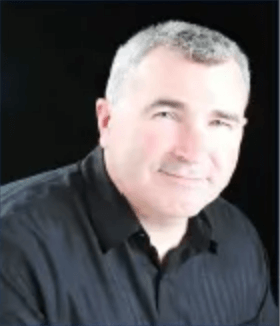
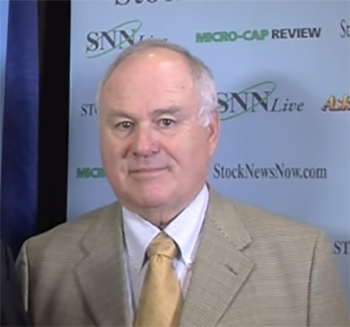
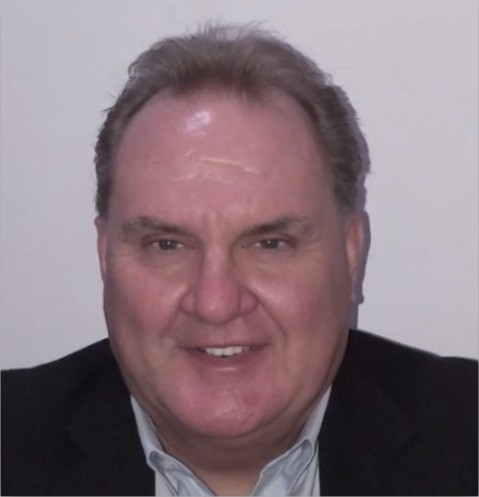
2:52 So that, I just wanted to just reinforce that mentality. Now I'm gonna introduce my 2 esteemed guests. Just beneath me is Mac Balcom. Mac's very unusual. You know, he used to be in the stock fraud division of the RCMP, and then he became a financial planner and he's been running a number of mining companies including SK and, you know, really glad to have Mac on board and we'll hear from him just shortly. Before we get into Mac, I just also wanted to introduce John Chisholm. John
3:27 came from the investment side of the business. He ran, I think it was Woodgundy in Mississauga for many years and became a financier and has bankrolled many a mining company and right now he's co-founder of Premium Nickel. So he comes at it from an investor and from an investor mentality and from trading markets on a daily basis which is a unique perspective. So we're really lucky to have these high quality people that have had a great deal of success in life to join the fray for CA kidney mining as we fight for some justice for us all. So Mac, you're going to be first up today. Why don't you give us a little bit of background yourself and what brought you to the CA Canadian Mining story? Yes, thanks, Terry. As you mentioned, I started my career, I was with the Royal Canadian Mounted police and I morphed into different things but I ended up in what they called commercial crime section investigating white collar crime and in my particular case I ended up with a lot of stock market manipulation.
4:28 So I learned the ins and outs of the market and manipulation that we had in the 70s, which was actually nothing like it is today. And then I realized I wanted to do something different. So in 1981, I left the Royal Canadian Mounted Police and became a financial consultant and actually with the same firm that John was with so we knew each other from before. I did that until 04 and then I retired to retire and I got involved in helping junior mining companies because they asked me and somehow I morphed into taking over SK in 2009, and here we are. And so about, I guess a year and a half ago, looking at that chart you have, I started to realize that there was things happening in my stock that weren't natural.
5:22 And that is the trading. And I say that because in our company, we have about 183 million shares outstanding now. But we have a very big support system with a lot of good shareholders who are not sellers. There probably some people that trade around the edges. But I started seeing this crazy action and indeed a year and a half ago when we were, I would say 2 and a quarter to 50. It really picked up. And finally, I complained to the regulators, CERO, back in the fall, and I complained to the Ontario Securities Commission about this action that I felt was wash trading and manipulation. Subsequently, I didn't know about Save Canadian Mining. I'd heard something about it, but I didn't really know you or the fact that Eric Sprott was involved in that whole thing.
6:19 And then I saw your podcast, I think it was, was it the Black Friday? Black Friday, yeah. And that's when I thought, gee, I'm really on to something here. And so that's when I contacted you. Subsequent to that, I think it was in late November, Ciro, the regulator, announced a settlement with Canaccord Financial. And that settlement involved a 4 year period and over 16,000 wash trades. For those that don't know what a wash trade is, A wash trade is a trade between 2 accounts, maybe controlled by the same person,
7:08 for no beneficial change of ownership, but to make the appearance of some kind of volume, whether it's up volume or down volume, and it's illegal. And it's a big problem within the industry. So in the case of Canaccord, they ended up paying 467,000 dollar fine for 16,000 wash trades over a period of 3 or 4 years. The problem for the investor is, yes, the company paid a fine, which is really a cost of doing business, but the investor still lost money from that trading. The investor has never made whole and
7:53 the dealer, in this case a dealer, just keeps doing business as usual. That's the cost of doing business. So once we've got into this deeper, I see how it is developing. And that's why I'm a big proponent of what we're trying to do here to stop these direct market access pipes from basically stealing from our shareholders. So that's kind of where I'm at. Okay, thanks, Mac. And now, John, I'm gonna put you on the spotlight and maybe you could give us a bit of background on yourself and what brought you to the Safe County Mine. And before that, Harry and John, sorry to interject. There's been some individuals in the audience saying that there's been an echo or a reverb. So if you're not speaking, could I just ask you to go on mic or turn your mic off just to ensure the best audio quality?
8:43 But sorry for interjecting there, John, but go ahead. Sure, all right, thanks, Terry. And so I started back in 87 with Merrill Lynch and we had nice orderly markets. And I remember the first thing that we used to have is a thing called the buy-in. So after a failed trade, which is back then 3 or 5 days, I forgot, it's been so long ago, we would have this, because these trades have failed, before the market opened we'd get a list of people that are going to be bought in right away. So if you had shares you could probably get a little higher. Back then it was eights traded and stocks traded in eights. So you could get some money. So as I started my career I also noted we also at that time were allowed to start our own companies.
9:38 And so I co-founded a few mining companies and then moved into technology companies. And I just started to notice, I retired in 2010 to focus on just the building of business. I enjoyed that too much because compliance became very, very onerous, which is ironic considering where we are today. But I just noticed that in 2012 there was a big shift and that shift was caused by, we call it downtick rule. Right before if you shorted the stock, A, you had to have that shares and B, you had to place those shares for sale on the offer. And that's why we call it uptick. They got away with that, so now you can just pound down. You can short with your shorts, whether it's declared or undeclared, or we call them naked or predatory shorting on The offer and what that does Given what has happened to technology and computerized trading is the ability for an individual to go to a bank and buy a pipe or a DMA. And that for people who don't understand that term, a pipe is direct access, unfettered, into all the capital markets. And we have very numerous, I think, almost 3 what we call ATSs, Alternative Trading Systems.
11:08 And that allows them to flood the markets and hit multiple bids and show a whole bunch of offers on the stocks. And then I started to notice, as more of these ATSs popped up, that there was no clear transparency anymore on the bid ask of the stock, right? The general public doesn't even see, they usually get the TSX venture quote if you're listed on that or the CSC, but they don't see the other 10 where all these actors are playing. And what happens is that They stack up a whole bunch of offers to make it look like there's a lot of trading going on and then they're wash trading between themselves on different, through different banks and pipes because they control numerous, numerous pipes.
12:01 And just to try to keep this really simple, because this is very, very complicated. These guys are professionals.
12:08 They got access to billions of dollars. They got the best talent, and they're using AI. And, And what we're seeing now is the progression from 2012 to today is they're more advanced, they're better at it, and they're building up, it almost feels like a wall. If you've looked at any of your junior stocks, you're just going, why does every time a press release come out, the stocks go down? Because they've looked at, these machine learnings have looked at millions and millions of press releases, they study the patterns of people get excited, they buy it, and then they come in and they crush it. As soon as they see there's the lightning on the bid sides and everything, they're programmed. And they'll end up probably by the end of the day, the last hour and a half, taking it back to 0 and flood. So that is where the frustration. So these programs are designed to drive out the individual investor.
13:05 And a lot of you, and I get a lot of comments from people that used to have 5 or 10% of their portfolio in the junior market saying, why would I do this anymore? It's a rigged game. In good times the stocks don't move and in bad times, like we've experienced over the last year, year and a half, because people have given up, they just pound these bids down. And you can see it in the share prices of really good companies that have just been decimated from $5 to $1, $3 to 50 cents, right? And then what drove me to save Canadian mining is that I've been blessed and it's done very well for me and my family and my friends over the years is that, and I've made a lot of friends up in the northern Ontario, and I see this having a huge effect on the formation of capital in Canada because the smaller companies right now do not have access to our capital markets which is the whole idea to get listed.
14:09 And why we haven't seen an IPO in Canada in 18 months or even more on the technology side and the
14:20 mining side is, obviously it's been rising interest as markets, but it's also because people are not gonna go public anymore because your stock will get attacked, right? And because by nature, a small cap company only has news once in a while, and these machines know this, and they take advantage, and they wash trades, and even when you have a bid in there, they'll trade all around you, and it looks like, oh my God, there's lots of shares happening, or you put out a press release and then it goes up and then it goes down and people just, you know, they're not watching all the time. They're like, oh, well, that release must have been no good, right, because, you know, the stock market's down. So it uses very advanced computerized programs to study the market and use it to its benefit.
15:08 I think you've done a great job explaining that, John. One of our goals today was to talk a bit about the plumbing and break it down and to help the ordinary investor to understand a bit because I think there's a lot of disbelief in that as an individual investor, your ability to short stocks just doesn't exist. At least, I don't believe it does in any ordinary sense. And so, I think investors sort of think, well, if I can't do it, then how does the system come about? And because they're operating from this mentality that as investors, I'm being treated the same way as the bigger guy. It's just that we have different, different sized wallets, but we're treated the same way. So if I had problems shorting a stock, they would have problems shorting stock. So we need to break that, that concept, that concept is just simply not true.
16:05 So, and that was the shocking revelation I learned in the last 6 weeks when I really got to understand this short exempt designation. Initially, I was under the understanding that it was just market makers that had this short exempt status that allowed
16:22 them to create liquidity in the market by getting on either side of the trade and just to help support liquidity in any stock. That's what the short market exempt designation was for. That was my understanding. But then I learned about 6 weeks ago, and this is when we went public with that, was that no, anybody that rents pipe, Pipe to pipe, when you rent, there's 3 pipe providers in Canada, CIBC, Merrill Lynch and TD, so I understand. So if you're an individual with a big position or if you're a hedge fund, onshore or offshore, and you rent pipe through those 3 businesses, you automatically get short market exam status. Okay, that status that John doesn't have, Mac doesn't have, Terry doesn't have, Kyle doesn't have, none of the listening out there today has that.
17:11 So they can do things that we can't do. And The things they're doing is that they've learned over time because now these guys have unlimited capital, they have the best talent in the business because they can hire and they can pay the most money, and they program these machines to come up with tactics that understand the market's underlying psychologies and they just suppress bids. You know, and this is what's happened is that, you know, we've seen it in evidences in the Max own stock, premium, power nickel, It happens all the time. You put out great news, you're thinking, hey, stock's going to double today. This is awesome news. It's like John just put out 1 for premium nickel. It's like the best hole since Boise's Bay. And I think the stock went down, John,
17:57 right? I mean, it's like, how does this happen? It's just, that's not what practical investors do. You know, on really good news, you're buying. But the problem is this tactic and whether, you know, I suspect what's happened is that the programmers behind these short market exempt guys simply took advantage of what we have to admit is lax regulations, okay? Our regulatory agencies, CIRO and their policers, the securities commissions of our provinces have failed in their job of regulating these markets. We just have to be honest about that at this point. And of course, nobody likes to be called a failure, so they're very defensive about this.
18:45 And they'll roll out, you know, they're great. Now, we're just commenting this morning on some CSA issues. And it's just on the fringes of the matter. It doesn't deal with the core issues of what we're talking about. Doesn't deal with the manufacturer of these suppressive selling tactics that the short market exempt allows. It doesn't deal with the fact that all investors are not traded equal. And that's the concept that we gotta get. And I think it's sort of, I know as I'm listening here, and listening to John and Matt talk, I'm getting depressed. I'm thinking, no, no, this isn't about being depressed anymore because this has become so egregious that we should now be optimistic that we can actually change it. Because one thing about people, they won't stand for inequality. I mean, I think that's one thing, I really believe in the
19:39 Canadian public's belief that all people are created equally and should be treated equally and investors too. And I think the fact that this is not the case, this is what the regulatory guys are gonna have to face the music, is the politicians, this is the key, the regulators will not change, unless we force them to change with political action by getting the politicians to force to change because they're in their own echo chamber. They'll find all sorts of reasons. I've tried lobbying these guys for 3 and a half years. May as well pound my head against the wall. Got absolutely nowhere. So The only thing that will change is when our politicians wake up and we the people can get politicians to wake up. And that's sort of what we're transitioning in safe keeping in mind to saying, hey guys, you know, we're going to continue to educate you on the problem, but now We all have to take action. The 3 people on the screen here are taking action by getting out and speaking. We're volunteers.
20:35 Nobody's getting paid to do this. This is all just strictly, in fact, if anything, it probably in the short term brings unwarranted attention and punishment to our stocks because they're focusing on us. But in the long term, we're trying to get justice, you know, and we need more people and more companies to mount the fight. Because if we mount the fight together with the politicians and get on their case, then I think we can do something. I wanted to, you know, one of the things we're gonna try and do today on the plumbing breakdown is that, this is a complex issue, we're trying to keep it simple for people so they can understand. I'm gonna send out later when we do a follow up and we send the video to our various lists, there's a really great video I encourage you to watch by Patrick Byrne.
21:25 And Patrick Byrne started Overstock and he's literally, I would say probably the first guy that really noticed the plumbing in America was wrong. And of course, it's moved up here as well. And he gives a phenomenal explanation on that, and I'll send that along. And I think that'll help you to understand it. But I want to come back to Mac for a second because Mac, he came from the RCMP. So he came from an evidence-based job. Hearsay is just BS, you can't go anywhere with hearsay. So we need more evidence. And Mac, I want you to walk us through your thoughts on, you know, how we go forward, you know, in an evidence-based way to move this process along.
22:13 Yeah, I, having investigated things to take to criminal court,
22:21 I think more now on civil court, because criminal court is very difficult to prove or to get a jury to understand. But before I go there, I want to just elaborate on 1 thing John said. When we were brokers, stockbrokers,
22:40 if a client called us up and said, I want to short XYZ stock. We would look in the account and if the stock wasn't there, we'd tell them, look, I'll call the loan post and see if I can borrow that stock so you can short it. But if you didn't have it, the stock, and you didn't have a certificate that was gonna be delivered in, we couldn't short it. Going back to your direct market access pipes, these guys do whatever they want that a regular broker cannot do, a regular client, and that's what's different. Now, in terms of how would 1, what we really have to do here is without the power of investigation, and obviously
23:36 our complaints to our regulators leads us nowhere. So without the power to investigate, In other words, go to the banks, serve a search warrant on them and ask for their records of their trading and do the same with the other pipe issuing companies, direct market access. Then you have to get this artificial intelligence analysis to analyze where these trades are, how many of these trades between dealers on the pipes are wash trades, or how many times did they put up a phony offer or a phony bid to try to influence that stock.
24:23 Now in a big stock like Apple Computer or any of those big high tech stocks, that stuff is, it's probably non-existent because they're so liquid and so sought after that there's no problem. But when you get into the little junior companies, like a junior tech stock, a junior biotech, a junior miner, they're not as liquid. And how they move is through people's personal belief on what that stock is going to do. And so if we go to these companies that are doing what we just described, we have to get A, behind which direct market access pipes are trading, who they're trading with, because they're trading among themselves a lot of the time, that wash trading.
25:17 And then we have to get back to the accounts that are doing it and follow the money. It's always about following the money. Where did it go after it got put in that account? And come back to square 1, which will be a link between all these accounts. They're not acting independently at all. And that is the whole crux of the matter. It's like the casino. People are playing in this game and you know what the house takes. So in this case, these direct market access guys are the pipes and they're taking the money and our shareholders are being hurt badly. And
26:03 if the CEOs and management of these companies are major shareholders, which we are at our company, it's very painful, not only for our shareholders, but for us. And it's a hard, hard thing to investigate.
26:23 But with a civil action, it's probably the way that this thing will have to get investigated. So that's kind of what we think has to happen here. And it's not gonna be easy. John, thoughts? Yes, it's a real David and Goliath here, but I really get the sense, especially in the last 4 or 5 months, that there's a groundswell of at least people trying to understand the issue because they kind of see it, they intuitively know there's something broken in the market, and, but it's really, really hard, unless you're a seasoned professional, and you study it every day, to really understand the nuances of what's going on. But, and that's why
27:14 I think it's difficult when you look at the compliance on it. And I think that's where we can catch it. Because if you are collecting what we call economics, which is money for every trade that goes through that pipe, which a bank charges,
27:33 Their stance was, that's all we do. We don't have any obligation from a compliance point of view. And I think Terry can talk to that about a certain case down in the States. But just to keep it simple, is that I think now there is a ground swelling even from some of the politicians that I talked to and I've spent a lot of time up in Queens Park battling to try to get the you know changes to put the simple changes we need is maybe ban the bots on companies with market caps under a billion dollars, place out the computerized programs and reinstate the uptick rule. And then kind of the holy grail of compliance is that if you do a trade, you got to settle.
28:20 Right now, it's a trade plus 2 days. In May, we're going to go to trade plus 1 day. But a lot of these trades that are going through the pipes
28:31 do not settle. And this is where we need to have companies, and this is kind of the ask of what I think people can do, is that we need companies, about 10 or 12 companies, We got probably close to half of those people there, but we need some more, to come up and spend the 5 or $10,000. And I think your shareholders would appreciate it. Do the analysis
28:58 on your stock trading through this firm down in the States, and they use AI and they'll come back. And those are say, like, for example, on PNR, since February the 14th, we traded 24 million shares. Well, we can look at the vast majority of these shares, are wash trades. You can see there 500s, 500s, 100s and everything. So we're gonna do that work and we're gonna understand hopefully that what is the effects of this. And then we can put all that information together based with some of the decisions down in the States and present to the people that are supposed to be monitoring this and the banks themselves and say, look, we've got to deal with this and if we don't deal with this, we're going to have to take some sort of action.
29:49 Right. Yeah, a hundred percent. You know, I mean, I mean, the, the, the case that you're talking about is Harrington global against CIBC at all in New York, and, you know, we're going to have in a couple of weeks, I think I'm going to have the CEO of Harrington Global on the next podcast, hopefully. We'll go through this in more detail when Danny's able to do that. He's in litigation still on that matter. But perhaps in a few weeks, he can speak more freely.
30:18 But the big takeaway from that case was that basically the New York judge found that in fact the CIBC was responsible for compliance of its pipe, which only makes sense, right? I mean, the only reason why they're valuable is because they're a broker and they're providing access. So of course, your ordinary broker, if you phone up, you know, John the broker, he's responsible for your trade. So why wouldn't the computer be responsible if that's the way they're moving? So in fact, that was a big landmark ruling. So because the reason why it's landmark is because now if the banks are not providing proper compliance and that can be proven, then the bank's balance sheet is now open, okay? Before, basically they were saying, hey, it's not about us, if there's somebody over there doing something illegal with our pipes, you go and sue those guys. And the reality is, you know, those guys generally run a series of numbered companies with a mothership. So they fund them just in time. They're always fully funded, like they're always more, like they're shorting a company, they'll have 2 to 1 capital up for it. But if you sue these guys, you can imagine, if you look at Mac's case, their stock went from 350 down to 25 cents, and If this was causing that, think about the damage, 3 and a quarter worth of
31:49 damage. So at 25 cents, they got 50 cents worth of value in there. What would be the point of Mac suing that? It doesn't really make any sense because he'd never, even if he won, and it would take, you know, there's, you know, it takes a long time to put it together, you do win, but if all you could get was 50 cents, what would be the point? The point is you need to get the 325 and then you need to get damages. That's where you have to go on the case side of things. And at SafeCity Mining, we're now talking actively with
32:19 litigation experts and lawyers. And frankly, you know, it's not an open and shut case to say that we're going to do a class action against these guys. But we have to do the homework, the due diligence, that it may cost a couple hundred thousand bucks to actually get to the point of where we can say, with any sort of confidence, that we could pursue a case and have a really strong chance of winning. Because there's no point in chasing this down until we're confident that if we run it down, we're going to win.
32:49 And because it will take years to make this happen. And I've always viewed, you know, litigation as sort of like the last resort. But I think we have to be ready to go there and be do the due diligence and be in a position that if it makes sense, if our lawyers, advisors that we're using, and these are top tiers, professional advisors that are commonly fighting against banks, then we could choose to go that way. I think it's also part of our tactics is that you need to have this hammer, which is billion dollar litigations, while you're also reaching out with the velvet glove to the politicians and the regulators are saying, guys, you guys are in a bad spot right now. We've got the evidence, it's growing,
33:41 that investors are now waking up to this pure, rancid inequality of our system that's completely unfair to the individual investors, to the mutual funds, to the pension funds, that's gonna come down on your side. You're watching this. You maybe didn't cause it, but unfortunately, you're in the hot seat now. You've got to change it. Otherwise, if you don't change it, it's either you're with us, the citizens of Canada, the companies of Canada, the pension funds and the mutual funds of Canada, or you're with the bad guys, which are basically using bank pipe systems to trade short market exempt and to wreak havoc on our system and trash billions and billions of dollars. Who are you with? And that's sort of, you know, so that's what we're, you know, the message that we'll be taking, you know, that we'll be working, you know, in forums like this. And we're putting up, I was hoping to get it up this week.
34:37 It's in draft form, it may be up today. It'll be up shortly on State Community Mining where we'll have a series of emails that we would suggest that you could possibly use to inform your
34:51 own shareholders, press releases that you could use to inform the community of your support for this matter, tweets or X sort of social media posts that you can use to, you know, to tweet the bank CEOs, to tweet government officials, etc. Because it's going to take activism on our side, because we're, as John said, this is David and Goliath, and Unfortunately, we're not Goliath, we're David. We gotta sort of work
35:20 as individuals collectively together, which can defeat these systems, to say, hey, this is so rancidly unfair that this gotta stop. And hopefully between the 2 pieces, we can get somewhere. And if we do, the promise, the reward for all of us doing this is that you see that gap that's on the screen, that gap's going to disappear in a heartbeat. And it's going to go rapidly back the other way. And we'll, you know, because, you know, if you look at the, we were chatting before we got on the call, just about the macro setup for commodities right now, particularly, you know, the precious metals, et cetera. You know, it doesn't get much better than this. You know, So the macro conditions for a spectacular mining boom are already in place, but the investors have left because, unfortunately, it's a rig game and they've been wise to leave. But I was asked at VRIC, at the Vancouver Resource Investment Conference about 2 months ago, my thoughts on the market. And I said, you know what, the market's so bad, it's now good.
36:30 And one of the best moves in the market is when it goes from bad to less bad. And that stocks can double on that move in just a nanosecond. And I found psychologically myself in these situations, if you don't, like I said, I'll find, management teams are like, stocks are like, you know, sectors are like, but I look at the charts and I'm disgusted by the charts and thinking, well, it's probably going lower and I'll buy it lower and I don't get in and then they do make the move from bad to less bad and double. And then it's like, that thing may go on a 10 bag or a 20 bag or run, but I never can psychologically can get into it. And that's what I'm saying to the audience is that, even though we're talking through these problems, the fact that we're talking about the problems, I believe will mean that these problems are going to be addressed, okay? Because there's a growing audience and you are going to get active because you're listening because this is your money.
37:23 And so the markets will change. So there's a reason to be optimistic here as much as the tone is sort of depressing and the fact that we do have these problems, but it's not lost because we're getting smart people like John and Mac and many people listening are getting active and that's hopeful. So- Can I make a comment here? Yeah. As I've delved into this, I think of having worked for major banks and they all have codes of ethics and they all have fiduciary responsibilities to their clients. All of these investors that trade through the bank-owned brokerage firms, they have a fiduciary responsibility to.
38:15 Using these direct market access pipes, knowing now, especially with the proof that's in Harrington, where the liability fell to not just CIBC, but several other banks. And they were found non-compliant on these, non-forcing compliance on these pipes, they know that the use of these pipes now is breaking their fiduciary responsibility to their clients at their brokerage firms. And they're doing it wantingly and against their codes of ethics that they publish and try to sell to people as this great big institution that's so ethical.
39:09 And at the same time, they know their people are being hurt badly because they're making a few bucks on renting out this, what I would almost call illegal pipes. So I think that's that fiduciary responsibility is a big issue and they're not exercising it in my view. So we'll see where it goes. John, thoughts? We just need a level playing field where compliance is respected on both sides. And a trade is a trade. And when you see these offers, these multiple offers on multiple ATS sites and you try to buy them, a lot of times they disappear.
40:00 If they're showing 50, 75,000, you might only get 5,000 or 7,500. And next thing you know, they move up a cent. They're so fast and so aggressive. And it's discouraged a lot of people. And what I'm saying about this is I've gone through 5 cycles of commodities. I tell people this is the second worst one because after Bre-X and during the dot-com, it was really rough for junior mining to raise capital. But what followed that was one of the best explosions of price moving on the upside. And given gold up another $40 today, silver up over a dollar, copper, the metal with the PhD is up over 433 today.
40:50 That's getting very, very up near the highs. And I think that what we're gonna see is if we could get this thing fixed relatively soon, or at least 1 or 2 fixes, or by doing what we're doing, bringing awareness to these people, and just put them on notice. I think smart people do the right decision. And I truly believe the powers to be at the banks don't fully understand what is happening on this dark side of the trading room with these pipes and these direct market access and the damage that's being done. So that we need to get transparency where if there's a bid and an ask, maybe I don't know if they got to combine it all into one system even though there's different routes of different trading systems, where there's 1 share price, where if you see 12,000 shares on the offer, that's 12,000 shares.
41:45 And if you're gonna short, borrow the stock, right? And deliver it, and have a trade like they do in Australia. T plus 2 means T plus 2. And you can't short a stock unless you have it in your account beforehand. These are just simple rules that most people would assume is happening already, but they're not. And that's the shocking thing that, you know, I've discovered over the last, you know, 3, 4 years trying to deal with this problem. Yeah, I think you're 100% right, John. And so, what we're gonna try to do to combat that is, we're gonna put up some tools that save kidney mining to help people. I see a number of comments in the comment box and we're going to go to questions here shortly. One of the comments is, well, it's not just mining, why don't you broaden the pitch? And that's something we're doing.
42:43 I've got maybe half a dozen pubcos that are non-mining that want to join. I mean, obviously that the rules that we're gonna fix aren't just gonna be about mining, it's gonna be about the small cap markets. And as John said, anything under a billion dollars is probably the number to start with, a fix there, and that would be a huge leap forward for the economy. I think John's message about the banks at the top levels probably not being fully aware of this, I think that may be true. You know, I hope that is true. Because in my mind, if you think, if the math is correct and we've lost at least a half a trillion dollars in capital in our system as a result of these destructive tactics, Do you know that 90% of that wealth would be in Canadian banks?
43:35 Think about the money that they're losing by not having that. So yeah, they are making a killing, shooting fish in the barrel, participating in this short, you know, predatory shorting process that's created lots of friction and commission and in short-term gratification and certain profit centers in the banks are making great P&Ls and I'm sure guys are getting big bonuses and all that stuff, but the overall cost to the bank is huge. They're actually probably the biggest loser in this. They would actually open up their minds to think about the destruction that they've caused. But the challenge in my mind is the regulatory guys, the self-regulatory thing just doesn't work the way it's currently set up. There's no ombudsman to protect the individual investor, the mutual fund investor, the pension fund investor.
44:25 Government theoretically should be doing that role, but they're not. You know, so We need some changes, but in the short term, the one thing that we've tried to focus on to get an achievable victory is ban the bots. If we could simply get them to stop the bots from having rights that they have that we don't have, which is just unethical as hell. If we could get those bots banned for under a billion dollars, this market would go a long ways to healing itself, okay? And so we're gonna, while there's a lot of things that need to be fixed in the fullness of time and probably we need a Royal Commission to address all of them and really transparent tape being 1 that John was talking about, which makes enormous sense. So all investors can see all the trading activity.
45:13 We gotta sort of be, because we're a gorilla outfit, we need to think about what victory is achievable. So what's achievable in my mind right now is banning these bots. It's just so wrong on so many levels that hedge funds or large investors can have rights that we individuals don't have, or mutual funds don't have, or pension funds don't have, that is just wrong. It needs to stop now, and the message needs to be to our politicians that you either are for us or you're against us. If you're not for us on this issue, then we're voting against you in the next election and we're going to rally and we're going to work against you. On the other hand, if you're for us, we're going to support the hell out of you. It's that simple. That's that was the message. I talked to the, you know, chief of staff or, you know, from, you know, the Ontario government, you know, finance group. And I gave him a very aggressive message, but a professional message just saying, guys, this is such a bread and butter issue for the Ford Nation that this is about Northern communities where the mines are. It's about the individual small businesses and investors that are being crippled. It's about these communities that are not functioning because the jobs aren't there. It's about our First Nations partners who have 10% of the jobs in mining and high paying jobs, if, as, and when we do create mines.
46:43 You know, so there's so many pluses to solving this problem for the Ford Nation, it's mind blowing to me that they can't get around it. But the problem is they go and they talk to the echo chamber at Ciro and at the OSC. And those people, they can pull out statistics and all sorts of stuff that are, in my mind, BS, because they're manufacturing, it's like failed trades. They control what a failed, CERO doesn't even identify a failed trade. Failed trades are identified by the very banks that allow them to happen, if, as, and when they decide to do it. I mean, how is that? How crazy is that, that that's not a hard and fast statistic that's somehow produced on a daily basis that we all can transparently see? So the message- Terry, one of these discussions about failed trades, because these guys have so many companies that have access through these pipes.
47:40 So say company A has a short position of 100,000 shares and it's not settled. And as John said, they used to have the buy in rule. Well, all these guys do now because they trade for nothing is they just they just they they just do a trade among themselves, a wash trade where the one company that's short buys a hundred thousand from the other company that probably doesn't even have it. So the other companies now short, they just keep kiting that short around. I mean, it is difficult for a lot of people to see, but this is what's going on. And I was advised out of the States by some of the people we talked to down there, that that's what goes on. That's how they cover the so called naked short with a series of accounts. And they just moved the short around until it's feasible.
48:36 You know, they've scared enough people that they can get a cell and cover it. Yeah, I mean, that's that's I believe that to be the case, Mac. And the challenge, of course, is, you know, when you get back to the empirical side of things, the evidence, the hard factual evidence, a it's enormously costly put together. You know, when we talked to West Christian, Eric Sprott, and I, about possibly litigating this way back when we first started safety mining. You know, Wes said, it's probably going to cost like $3 million to get to the bottom of this, you know, in terms of and take 3 years, and it'll be painful. And yeah, you'll win at the end of the day, but it'll be a grind. You know, it's like that did not look like fun for us at the time. And we thought, well, let's maybe maybe we can lobby and get them to change. Now, as it turns out, that was not effective. And maybe we maybe we have to go that route.
49:28 But the challenge is, you know, you've got these 0 and OSC always saying, well, we got to see evidence, we got to see evidence, but it's like they manufacture the evidence in their own way. And they control the access to the evidence. So it's like, it's very tough. So that's why I think the only, you know, the vulnerable piece that we can attack, that individuals can attack, that we can collectively beat the system on, is the politicians. Because they have to get elected every 4 years or whatever. And it's like, this is such a bread and butter issue to every single Canadian family. It's their pension, it's their retirement, it's their futures that are being stolen here. And at the end of the day, they want answers. And this inequality is so key. It's the jobs that these people, we hire people, but you know, with restricted money, you're not hiring people. So in the northern communities, we're in northern British Columbia, we're not going to hire as many people this year as we did last year, and it's because of this issue.
50:38 And you mentioned something that's very imperative, and I know this from having done these investigations way back. To try to do an investigation like this and get an instant result, at the end of the day, that's difficult. And as you say, if I'm sitting here looking, saying, I'm saying 5 years from now, I'm gonna get a result. I'm saying, well, that's no good. The result has got to come from the change in the legislation and the change in the bank's behavior. Yes. And if the banks don't care about their clients and they continue to do this, then we've got a problem. And if the governments, because they got so many problems anyway, this problem is probably far down the list of what they care about.
51:31 Even though it's very imperative that they care about it, because that's where tax dollars come from, is the creation of mines. And without the creation of mines, you don't have employment and you don't have tax revenue. So- well, and we can see now globally, you know, South Korea, you know, banned short selling because of these problems. Capital inflows into South Korea have been up enormously in the last few months as a result of that. I don't know if you looked at the capital outflow in Canada, but it's staggering. Money is leaving this country like fast. If you go around the world, as we all do, promoting your own companies, raising capital for our own companies, man, it's very tough. When you say you're listed in Canada, they just don't like Canada anymore. You know, from, they don't love the country. Pierre Lassonde and Frank Jooster just did a big PR publication on pension funds and what they invest, how much of their money in Canada, they actually invest in Canada. If they invest elsewhere.
52:34 There's no investment, little investment coming into Canada. And we used to get a lot of investment out of Europe, Australia, I think now, it's just not the same. And, and unless we can get action. I mean, you know, you talk about trying to do a lawsuit, you can win the battle and lose the war. And you know, you'll go broke while the other guys are still doing their pipes. So it's a big issue. Yeah, I think with the lawsuit side of things where we've come at it from safety and my perspective is that we need to do the due diligence to see if we can actually legally win this, you know, and that's going to take some, you know, discovery and some work from competent legal professionals to verify if that's possible.
53:36 And we have to get there. Now, deciding to prosecute it is a whole other thing, but we didn't know if it's possible or not. Because right now, we're just, you know, conversations are, it's like, it looks possible, but there needs to be a bunch more work. And that's from the guys that have won 10, 11 settlements, you know, of 10 to a hundred million dollars. So, we need to get through that, you know, but I think we need, and our position at SayCounty Mining is, we're exploring that, and we're gonna go down that pathway to see if that's a viable option for us. But the big way to win this is to get public support from the companies, from the shareholders of companies, and from the broad community that's being impacted by the loss of wealth in Canada. Okay. That's where we can win this. John, over to you. Yeah.
54:25 Maybe what we should do, it's getting close to an hour. Should we start to take a few questions or you want to take a look at some answers. Yeah, so let's look at a few questions here. Kyle, have you been looking at the questions? Anything jumps in your mind that we should chat on? A question from asking, can you post some suggested texts that people can use when emailing the MPPs, something that describes the issues clearly. That's all gonna be up on SafeCademyMind shortly, maybe today, but certainly over the next couple of days. And we'll send that out to the list to say, hey, look, the support material is there available for you to access and to follow. So that's coming.
55:11 The best thing you can do there is obviously, if you're not a member of Safe Canada Mining, please sign up, that would be helpful. A question about, you know, broadening the pitch from safe Canadian mining to safe Canadian small caps. And, you know, that's something, you know, we're obviously, I've been contacted by a number of non-mining companies who are experiencing the exact same thing. I'm big in biotech. I know this to be true. And we're certainly looking at how we can work with those communities as well. That makes sense. And that's something we'll be pursuing. And before I go, one of the things we're doing this for is to help Canadian mining companies, obviously.
56:08 And one of the ways we can help is, I wanna give a little bit of an audience to both John and Mac to tell us a little bit about Premium Nickel and SK and just a little elevator pitch because obviously if you're here, you're obviously an interested mining investor and you guys love your company and passionate enough about it that you're here fighting for them. So why don't you tell us a little bit about, let's start with you, John, on premium. Okay, it's located in Botswana. We took it over a few years back. It was one of the largest producers of copper and nickel and the smelter failed. It was the largest polluter in Africa.
56:54 We eventually did a deal with them, took over the properties, I believe in the beginning of 2022, went public in August of 2022 and have faced nothing but headwinds in the market with rising ingest rates and lower commodity prices and obviously this wash trading issues. But you know, it's what we're doing is working towards making this the greenest low carbon copper nickel footprint. It's gonna be nickel, it's a sulfide, not like in Indonesia, which is mainly laterites and very pollutive. And we're very excited about where we're going forward.
57:42 This is a mine, and we're putting a mine back into production. And if you read our press releases over the last year, we have some of the most spectacular intercepts. And when we announced our last one around February the 13th, we think we're at like most stocks, I guess people who own it think they're undervalued. But considering we have working shafts, and this is a mine, and it's gonna be a large mine, when we announced our discovery, well, not discovery, but one of our largest intercepts, that basically over the next month and a half, our stock went down by 50%. We lost over $100 million worth of market cap. And we put out nothing but good news.
58:27 And so it's very frustrating when you see that, or when people come up to you and say, please don't put out any more press releases because your stock goes down every time. It's like, so what, like that just shows you how broken and we must be at the bottom of markets. But You know, it's like a lot of great companies out there are so undervalued. And I think with this big move in commodities, like, you know, a $400 move in gold and, you know, silver almost 30 and, you know, copper now they're saying, you know, a lot of people are, the big houses are saying now it's going to be $6.50 to $8, right? So it's, those kind of moves are going to attract mergers and acquisitions.
59:13 And I think that is, from what I hear from the firm even up to last night on the street is that, you know, that this activity is gonna start soon. And I think that will bring back investors. And if we could just get the government on site to level the playing field, I think it would be probably one of the greatest commodity bull markets, and a lot of people haven't seen a real good commodity bull market, that is where there is great wealth creation, and we need these metals, and they should come from places in the Western world of democracy. And we need those supply chains. And this is a securities problem too. Like, you know, in countries, we get a lot of inbound from governments around the world about securing their supply chain because of our asset potential to produce a lot of that metal they need. So I think it's gonna be a very exciting time, but more importantly, it's I think for the development of keeping Canada's top spot in the mining sector and attracting young people to this market because the young people don't start at the real tent holes in that. They start a lot of times in junior mining companies.
1:00:30 And I hear them over the last 10 years is a lot of people have left, you know, they work for nothing and stock options and their stock options are worth nothing. So if we can get this, you know, proper share appreciation price back into the marketplace, I think we'll be well suited to regain a lot of lost ground in a quick bit. All right, thanks, John. Mac, over to you. Yeah, I don't. SK Mining, we've done a ton of YouTube videos that people can just go to YouTube, they can go to things on our site, skmining.com, to tell our story. Basically, we have 560 square kilometers of ground surrounding the old SK Creek mine, which was the richest gold mine in the world.
1:01:21 Our goal had been to find what we call Eskay 2, but we're now finding that we have different types of gold than the volcanogenic mass of sulfide. So we're broadening that scope. We do have some success, but we don't have a deposit that's mineable right now. It's a big problem with these companies because you can only work about 4 months up there because of the snowfall and the weather. So I think if you, the best explanation I can give you for our company is to go to YouTube, look up SK Mining, and you'll find a ton of things. There's a very good one by John de Decker that he did last November, explaining the geology and the work that we've done over the years. The last 4 years, we've spent upwards of $40 million drilling and getting data, doing geophysics and exploration.
1:02:23 And these companies need a lot of money to find a major deposit. To give you an idea, what's the prize? If you found SK-II right now, it'd be worth somewhere between 3 and 6 billion dollars net present value. So the size of the prize is amazing. Mack, thanks very much. So guys, we're pretty much running out of time here. I want to thank you for coming on board and for supporting Safe Canadian Mining, for helping us explain to the audience what we're fighting for here, why we're fighting for it, and how they can be active. So I'll close by just reminding everyone that if you're not a member of Safe Canadian Mining, please join up now. We'll be putting much more tools there for you to be helpful.
1:03:08 You know, we'll be reaching out for you to help in any way you can, whether it be tweeting or social media posts or contributing some cash or having your companies contribute, we just need to get active. Because if we can get active, this is such a righteous issue. The fact that not all investors are equated equal is just wrong. You know that, I know that, and ultimately the government is gonna know that. So let's- And the bank, hey, Terry, the banks know that. And the banks know that. Yes. And I believe if the banks are, you know, they've got the broadest customer base in the country, that's you and I. We deal with the Canadian banks. So if enough of us get pissed, they're gonna change. It's about social media pressure.
1:03:53 So we have to mount that. If we do that, then we'll get the change we need. And if we get that change, as John said, wow, I mean, the rise in small cap stocks in mining and in other sectors will be unbelievable and will help to create a much more vibrant economy for our country and the Lord knows we could use it. So without any further ado, thank you again for coming and look forward to talking to you in the next couple of weeks and we'll have another issue for you at that point in time. So everyone have a great day and a safe weekend and look forward to talk to you soon again. Cheers for now.