Transcript
Automated transcript · Written by software from the replay's audio. It can mishear names and figures; the replay is the record.
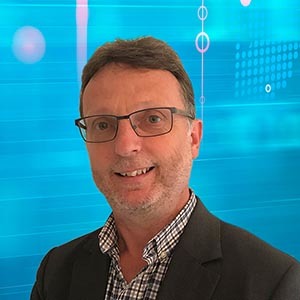
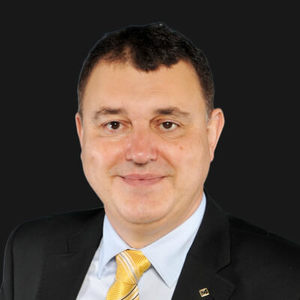
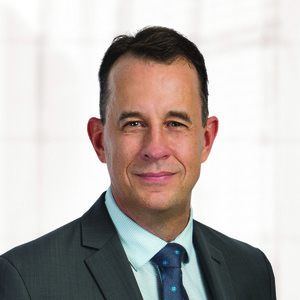
0:07 Welcome to today's panel, Promising Gold Explorers, hosted by 6. The focus of today's discussion is going to be around the unique advantages and challenges facing gold explorer companies, as exemplified by some of the innovative practices and experiences employed by the companies represented here today. Today's panel is being recorded and will be available to watch in the coming days for on-demand viewing on Six.com. I encourage the audience to ask questions of our panel today using the Q&A chat on the right hand side of your screen at any time. With that, I'd like to introduce each of our speakers for today. From Beemells, we have CEO and President John Wilton. From CannaGold Resources, we have CEO Catelyn Kieliszewski. From Lavris Gold, President, CEO, and Director Mike DeRose. From Orford Mining, President, CEO, and Director David Christie. And from Vior, we have President, CEO and Director Mark Fedosewicz.
0:54 Before we dive in, I'd like to gill around the room and have each of our speakers provide the audience with a quick 2 minute elevator pitch, just to orient us to the companies and the jurisdictions. We're gonna be reviewing in today's conversation. With that, I'd like to go over to you, John. Thanks very much, Cameron, and thanks to SIXX for the opportunity to join this panel and looking forward to the discussions. Just my own background very briefly, I have about more than 30 years now experience in the mining business. I'm a geologist by background, experience really in feasibility studies for various types of mining project, gold and base metals, and been involved in a number of acquisitions
1:40 of nickel and also PGE projects. In the late 1990s with a very good friend and colleague. We were fortunate enough to to lead the team that discovered what became the Ochoa-Colo gold mine in Namibia that B2Gold has put into production. So to get to B Metals, we founded B Metals about 4 years ago. The company was founded by Clive Johnson, Tom Garrigan and Roger Richet, principals of B2Gold and prior to that, Bima Gold Corp. Mark Connolly joined us as a non-executive chairman about 2.5 years ago. So a very, very experienced, experienced team, a lot of experience in navigating capital markets in times when things are tough and not so tough. And also discovering and putting mines into production across the world.
2:36 In B-Metals, our main project at the moment is exploring for gold in Japan. We have 5 high quality gold exploration projects in Japan that we call our Kazan projects, which is a Japanese word for volcano, very apt, and we're drilling at the Kato project right now. We put out some recent, our first holes results a couple of weeks ago. In addition to that, we're exploring for copper, looking for extensions of the Zambian copper belt and we have a high-grade zinc polymetallic project in Idaho in the USA.
3:15 All right, well thank you John and with that we'll pass things over to Catalin. Yeah, again, thanks everyone for attending. It's great to have an opportunity to tell a 30-year-old story how it's becoming a brand new story. A little bit of background about myself. I've been involved in mining space and senior roles for about 20 plus years. I was fortunate enough to be part of the Tudor Gold success story. For those that don't know, it was myself and the George Julie who got that company going from about $0.25 to $4 and being one of the largest discovery of the decade with a total gold made in Israel about 28 million ounces in the Golden Triangle.
4:02 But really what's very exciting for me is the fact that after about 30 years with Canna Gold, with the new Polaris project, which is one of the highest-grade undeveloped gold projects probably in Canada for sure, Average grade about over 10 grams per ton, over 1 million ounces. The company has been struggling as any other junior would for the last 30 years with ups and downs and work and stops. Now, is a fundamental change that just happened about a month ago in the company. The company has a significant support from a private equity group. We invested a bunch of money in the company. They were able to also put a brand new board in the company about a month ago, and those people in the board now are very, very experienced professionals in the mining space that are now involved in a junior company.
4:58 But more importantly, you know, they have made a commitment to fund the project's development to feasibility and permitting. So it's a very unique situation where, you know, we are all facing a very tough, you know, market as we all experience to be in a position where you know that you've got the backing and the commitment to bring the project to visibility and permitting. So very exciting times for the company. As a matter of fact, I was the CEO of the same company from 14 to 18, during the time when we managed to do quite well with the company at the time. And it's great to be back now with a group of highly, highly experienced professionals in the board and a very strong private equity group who has made a significant commitment to the company.
5:51 So really, we would like investors to brush off the dust from Canna Gold and look at it as a brand new thing. The good thing, and really what makes this thing very exciting, is as we all know in the junior space, everybody is starting things. We're going to do this, we're going to do that, we're going to do that. And it's always subject to market conditions and financing. In the junior space, really it's always an effort to raise capital, raise more capital, raise more capital, right? It's great to be in a position where we know that capital is being provided to us
6:25 to the point of basically building the project. So, a very unique situation and it's really great to be back at Canna Gold. It's great to have the support of a great technical team and watch us how we actually now implement the plan that we put forward about a month ago to effectively begin the feasibility work, which is going to be announced very soon, to start the permitting process, which we are already working on, and to restart the drilling for the feasibility, which again is going to be announced very soon. So exciting times ahead and more than happy to answer questions as we go through the presentation at the end. Thank you. Wonderful. And with that, we'll go over to you, Mike.
7:14 And then to 6 for allowing me to participate in this panel. And thanks to everyone for taking the time to listen to us today. I'm Mike DeRose, I'm the President and CEO of Laveris Gold Corporation. My academic background is in geology, mineral economics with a focus on exploration economics and environmental engineering. Labris Gold is a new company, a new publicly listed company that was listed in April of this year. We were spun out from Amarillo Gold corporation that was taken over by Hot Childs Mining. Hot Childs is building the Mara Rosa project to production. Labris is focusing on southern Brazil, gold exploration in southern Brazil.
8:00 We started the company with $10 million in cash, a 2 percent net smelter return royalty on all the Mara Rosa exploration ground, and also our gold portfolio, exploration portfolio which consists of 22,000 hectares of ground. We have 1 million ounces of gold inventory, 43-101 compliant, and we currently have a 16,000 meter diamond drilling program ongoing, and we should have a lot of news flow in the near future. So a new company, tight capital structure, good in mineral endowment as a starting point, and lots of catalyst to great value for investors in the future. All right. Thanks a lot, Mike. With that, we'll hand things over to David. Hi, thank you. And thanks to everyone for tuning in here and hearing what we have to say. I appreciate that. My name is David Christie. I am the president and CEO of Orford Mining. Orford Mining became a public company in 2017.
8:58 So we're just a little over 4 years old. The company is exploring in the province of Quebec. We have 3 key project areas covering 1,400 square kilometers of land. First of all, we have a nickel project called West Raglan, very high-grade nickel, platinum, PGEs and copper. We're about 90 kilometers to the west of the Raglan Nickel Mine, which is a world-class asset at the bottom of its cash cost curve. Right now we have Wailu Metals earning into that project we operate. We're drilling about 3,000 meters of drilling on that project right now as we speak. And then just north of that, we have the Kigabit Gold Project. We believe this is a new Gold District in Canada. It's in the same belt, just to the north of the Raglan Nickel Belt in a different group of rocks. And we believe we have high-grade Gold across the entire project at surface. And we're currently drilling 3000m of drilling on that project as well. And our third area is the Jatel region. We have 4 projects in that area.
9:56 We have just finished drilling this past winter, the Jatel Eagle project. This is in the center of the Abbott Tibi, right next door to where Agnico Eagle got its gold mining started at the Eagle tailbell. We're right on strike with that mine and we drilled off an area called the South Gold Zone. We think we have the potential of outlining a large, low-grade mineral deposit there. And so we'll be doing more drilling this coming year. Alamos Gold is a significant shareholder in our company. They own about 25%.
10:25 We just finished the financing for $2.4M and we're completely financed up for the next year. That's it. All right. Thanks a lot, David. Last but not least, Mark, I'll hand things over to you. Thank you, Cam. And good afternoon, ladies and gentlemen. Just a brief background on Vior. We are a Quebec-based junior Gold explorer that's been around for over 35 years. It was in its predecessor form an incubator for several very successful discoveries, including Virginia Gold's discovery that was sold to Gold Corp for over 500 million dollars. Our strategy is effectively exploration on multiple high potential Gold projects in arguably 2 of the best mining jurisdictions in the world, mainly Quebec and Nevada, with the primary objective of making a new economic Gold discovery.
11:21 Our project portfolio consists of our flagship Belter Gold project, but investors also have discovery upside on no less than 8 other promising gold projects within our portfolio. At present, our primary focus and efforts are centered on systematic exploration program at our flagship Belter Gold Project that's situated just south of Val d'Or and Rueyn-Niranda in the heart of Quebec's mining district. Belterre is a district scale gold project that includes the option to purchase 100% of the past producing high grade Belterre gold mine. You know, This former Gold mine produced almost 1Moz of Gold at an average grade of just over 10.7g per tonne in the 1940s and 1950s.
12:11 We have a highly committed and experienced management team and technical team, as well as some very strong financial and technical partners in the likes of Osisko Mining that currently own approximately 11% partially diluted in our company. VR has been extremely busy since consolidating this flagship Gold project a little less than 2-years ago. We've achieved a number of exploration milestones, including discovering some wider Gold-bearing intercepts and structures at depth, along with some high-grade new intercepts that will all help in targeting for our next drill program. We look forward to a very busy fall-winter. We await some summer field program results and we continue our data compilation and drill targeting process for a substantial drill program this coming winter.
13:06 All right, John. Well, thanks for all of that. Now that we're properly introduced, let's start with the actual conversation. And to kick us off, listen, I want to And I think the audience would like to know your thoughts on this, your analogies, your experiences, and maybe some folks. But are there any fundamental differences that exist between exploring for gold and any other kind of project? What are the advantages and what are the challenges associated with it and in your experience. So, and whoever would like to hop in, please go ahead.
13:38 Maybe I could start. I think one of the differences between gold versus other commodities, such as copper, zinc, nickel, etc., in some ways can relate to infrastructure challenges. In gold, your final product is typically a gold bar. So you can find gold projects in very remote regions of the world. And certainly exploration for remote areas for gold is something that people look for. I think you're a bit more constrained or at least challenged a bit more when you're looking for base metals such as copper or nickel, whereby you typically have to create an end product which is more like a concentrate. So you have to think long and hard about the infrastructure challenges of moving that concentrate to your final market. So I think that's one of the biggest differences of gold exploration and targeting versus other commodity groups.
14:28 Yeah, I think that's a good point here and
14:35 to a large extent, the way I look at gold, it's actually in my opinion probably even more difficult to exploit than other metals. The reason behind that is really the amount of gold you need to make an economical deposit. So you really have in the gold space 2 general scenarios. You either have enough high grade for a possible underground operation and you need a fairly
14:58 significant grade to allow for the CAPES and development costs, or you need to have a lot of low-grade, right? And a lot of low-grade meaning a significant number to run a large open-pit operation. And the easy projects, the one that were drive-to and within infrastructure, have basically been exhausted many, many years. So what we are looking at today in the gold space is projects really in tough areas in terms of no infrastructure,
15:30 no power. And I can give you the example of Treaty Creek, which is again a lot of gold. It's a project that's about 30 kilometers from power and roads, but it's a huge resource, right? New Polaris project, it's a project that
15:48 would have access to a barging system, and It's also a combination of barge and fly fly in so you know those challenges are really making You know things harder to build or more expensive to build. And you need better gold price and better grade. So I think it's very important to make a distinction between what's a discovery and a nice intercept and what can actually be a mine. And that's really difficult with gold. You know, you've got many discoveries around the world, tons of them, and any of those are going to be mines. And the percentage, I don't have the exact number, but It's really small from what actually has been discovered to becoming a mine. So I would call it a difficult environment for gold because you need many things to make it work.
16:44 I would just add to Michael and Catalin's comments. You know, I believe that gold may be a little bit better understood by investors than many of the other metals out there, but at the end of the day, exploration remains a very rigorous process where you cannot improvise. You need a strong technical team working on a project to build value creation for shareholders. Yeah, I think that's a good point. And I think from a from a technical point of view, one of the important things with base metals is getting early mineralogy and metallurgical test work because often with base metal deposits more complex metallurgical extraction as Michael was alluding to earlier compared to a lot of gold processing which to a large degree can be more or less off the shelf type components bolted together in various ways.
17:39 And there is an impact on of infrastructure for base metal mines. But in today's world, I mean we're doing gold and base metals in our company at this point in time. You know, the investor interest in in green metals, specifically copper, is very high. So that's getting a lot of, I think, traction at the moment in that the world's looking to become greener and use new technologies and copper specifically is always going to be a big component in that energy, in that sort of energy transition and quality projects in that space are few and far between.
18:23 Yeah, I just made a comment that, you know, really what Caitlin was talking about is what we call depletion. So if you look at, you know, every time you mine a ton of ore in any commodity, you know, that ton is consumed and so you have to replace it obviously through expiration over a long period of time. So you have depletion on the one hand, which is causing mineral supply to rise over time. But on the other hand, you have technology or advances in technology that tend to offset that depletion effect. So that over time, you know, the supply and demand will ultimately meet itself just through those offsetting forces. So I think it's important to understand that, yes, we do have depletion effects, but that it's not a rigid thing. It sort of changes over time.
19:12 Absolutely, Michael. David, I think you had a point.
19:16 Yeah, so I think a lot of good points made there. The end product in gold, definitely, as Mike said, can be much easier. You can have concentrates that contain gold, so that doesn't always, isn't always the case. Some of the largest gold mines in the world produce a concentrate, look at Freeport or Demogamy or any of those kind of things. So, you know, I think when we look at the whole world right now and the way we want to do things, I think, you know, high grade deposits are obviously the best for ESG, you know, you have less impact on the environment. So I think looking for high-grade deposits is a key way to go. When you compare base metal exploration to gold exploration, base metal exploration, when you're looking for a high-grade like our West Raglan project at Orford has, you know pretty well when you hit it that you're in the percentage nickel you need to see, you can tell with your
20:07 eyeballs. Whereas gold, you might look really good and it takes you a lot of drill holes to actually really understand whether you have a deposit because gold, you can't really tell with your eyeballs what you're looking at. And plus, there's a lot more environments for gold mineralization, a lot more structural controls, a lot more geological environments, you know, nickel deposits, there's 3 or 4 different types of deposits and same for copper. You know, I would say base metal exploration can be much easier because it's it's it's it responds much better to basic techniques. And if you're successful, those techniques, you'll hit the hit the sulfides you want to see. Whereas gold, it takes a lot more work to get to that to that point. And I think that's sort of way also, I think Caitlin was talking about very difficult to find ore deposits in areas with roads, because they've all been found. Well, that's not really the case. You take the Windfall Lake deposit that I worked on when I was with Eagle Hill. Now, a very large deposit that the Cisco mining guys are developing.
21:07 So that's right on a road next to a big power line. So things can be found and will be found, especially in covered areas of Canadian Shield.
21:17 That's it. Absolutely. Thank you, gentlemen. You know, getting into that, you talked about your projects, you've all sort of hinted at it. And now we might have a good understanding of what, what it takes to go flying gold. But I'd love to hear now, you know, maybe some specific examples. What are some of the key innovations or strategies that you've had to employ or that you do employ specifically to convince shareholders that you can provide the results you want to see? David, you were just talking about how maybe it's a bit more up in the air.
21:49 Well, I think you have to show that you're doing the basic step-by-step techniques when you're exploring for gold and you have to show progress, right? So people want to see great. They want to see that you're moving the project along and the story or the puzzle is starting to be unraveled. Because gold exploration is very much a puzzle. There's a lot of science involved, but serendipity must shine on you quite a bit to make it work.
22:17 Yeah, I think I would just add, maybe a further to David's comments. I'll use our flagship Belter Gold project as an example. With our recent high-grade validation
22:31 at surface and through drilling, we've been able to provide excellent results to convince some of the shareholders that the process is working. We haven't yet necessarily hit the economic deposit that the market wants to see, But most of the well-heeled investors, producers understand that it is a process. It could take several drill campaigns before you hit what the market will truly react to. Our strategy aims at taking advantage of a large historic data bank of over 3,000 drill holes near surface, plus our own recently compiled data, either be it a high-resolution mag survey, field program sampling and some small drill programs and integrate all this into a 3D model to hopefully unlock the potential drilling exploration that's necessary and needs to be done.
23:31 That's why we're excited with our flagship project.
23:35 It's a proven mining district with a lot of untapped potential and a lot of unused data that hasn't been put into a 3D model. Absolutely, Mark. Thank you for that. John, I think you were about to say something as well. Yeah, I was just going to really add to that. A lot of it is not really innovations per se. It's about doing the basics correctly. It's a bit like sport. And the more efficiently you can do those basics, generally the better returns you'll have. It's all about focusing on money in the ground exploration, keeping your overheads to a minimum and getting investors money basically at the drill bit where it adds the most value.
24:15 We're finding at our Kato project out in Japan, you know, I've taken Dr. Richard Slido out there, who's an expert in that style of mineralization, low-sulfuration, epithermal deposits. We're getting a better understanding as we continue our drilling program, geologically where we are in the system, where we should expect higher grades and continuity of grades. So it's all about applying those sort of experts. And obviously internally, we've got guys like Tom Garrigan, who is
24:47 instrumental in discovering cupol in eastern Russia, multi-million ounce deposits in the same style of mineralization. So you've got a leverage off that expertise at your disposal, but also do the basics right and keep as efficient as possible and get that money in the ground. That's a key part. Yeah, that's true. I mean, I was going to add something here. If you look at the investor base, you know, putting aside the institutional sophisticated investors and, you know, eventually other corporations that often, very often, are part of your shareholder registry. Most of the investors are non-technical, right? So people don't know much about mining. They like the opportunity and the risk reward potential of a junior exploration. So if you keep that in mind, I think it's very critical to have a path to something, being a path to discovery, a path
25:40 to feasibility, in our case, in production, and stick to it. Because really, investors will judge you based on what you said you're going to do and what you've actually ended up doing. So it's a very simple value proposition in my opinion from that perspective considering that most of the retail investors are non-technical. They want to see that you have a clear plan, you've got the people in place, the money in place, and then you come back to them and say, hey, we've actually done this, done that, check box, and then move the company forward. So as we all know it, the junior space is littered with lots of companies and a very large number of them have been around for a long time and things have only been going sideways, right? So very few actually end up breaking through and making those discoveries and advancing those projects and and why not? So it's unfortunately the reality of our sector.
26:39 But investors are well aware about that. And, you know, they they are, I guess, very picky to a large extent when they invest in companies. I would just add to it more holistically. I mean, what is mineral exploration? It's essentially, it's an information gathering and decision-making process. So we as exploration professional, we spend a lot of money generating a lot of information via geophysics, geochemistry, geology,
27:07 and ultimately drilling. And you have to start sort of big picture and work your way down so that by the time you get to a drilling target, It's very well thought out and very well defined in terms of your understanding of what it is you're drilling. And the other aspect to it is you need to be able to walk away from those, there's an economic dimension. And so you need to be able to always assess your drilling results and understand whether or not, you know, any particular result, any discovery of a mineral occurrence is ultimately going to become an economically viable deposit. So we're not in it for sort of an academic exercise. We're in it to find economic mineral deposits. And I think a lot of investors and a lot of,
27:49 call them technocrats who run these junior mining companies, they may be fantastic geologists, but they don't understand the economic dimension. And so you can waste a lot of time and more importantly, a lot of stakeholder money chasing your tail, literally. And so you have to have an economic dimension and be very clear in terms of what your minimum sort of tonnage grade criteria are for any particular target you're drilling off.
28:15 I agree 100%. Yeah, that's a very good point Yeah, good point. Michael. I I kind of I've seen that firsthand You know when we when we made that or Chicago discovery back in 1998 1999 We got a dozen holes. It looked interesting. We realized it did have economic potential, although gold was under $350 an ounce at that time. But quite quickly in that process, you have to realize, we've got to concentrate here on drilling up a resource that can be in that case open pit and economic which for a lot of geologists they would find that the boring stuff because it's not the exciting sort of going out drilling another structure but you've got to quickly make that decision focus on building that resource because that's really your value.
29:03 And you can always go and do exploration around that once you've got the initial resource under your belt. So that's critical. I agree with you completely. Absolutely. So speaking about value, let's consider the potential reality that there's a shareholder or potential shareholder, I guess, sitting in the attendee room right now watching.
29:27 What would you consider to be the most critical element that they should take note of, especially considering the market now when they're looking at gold exploration projects. And that's open to anyone. Go ahead, David.
29:44 I think when investors are looking at gold exploration companies, they have to first look, do they have quality projects? Have the people that are running the company working there done it before or being involved in things that have worked before?
29:58 And are they continuing to progress on those projects, whether the market's good or bad, are they able to raise money?
30:04 If they can do all, if they're doing all those things, then they're an investment you should look at. You know, that's how I look at things when I make investments. And if you, if you see companies that are, you know, sitting on their asses and not moving forward, then those aren't companies you really want to go near. So I think you want to see companies that progress their projects, whether it's good times or bad times, and are out there talking to the market, whether it's good times or bad times. So people who are hiding at their behind their desks and not talking, those aren't the guys you want to talk
30:36 to. Yeah, I agree with David 100% on all those points. And I would also argue that, especially in the junior end of the market, what investors want to see is management whose interests are aligned with stakeholders. In other words, how much of this company do you own? How much money are you and how much risk are you taking on? If you want me to cut a check to you, hopefully you're aligned with what we're doing. So I think, you know, the junior end of the market is, you know, It's on the venture exchange for a reason, which is high risk, high return. And so, you know, if you're asking people to support your
31:08 corporate goals, then you should be aligned with your stakeholders, in my opinion. I agree. Oh, go ahead. No, sorry. I was going to give you an example of Cannaval here, which is a company that's actually sitting on TSX main board, has been trading for about 30 years.
31:26 And it's not until recently when a big private equity group realized the unlocked potential in the company. You know, the company has been sitting on 1 million ounce at over 10 grams gold deposit and have been making slow progress, but nothing major, powers, feasibility, and permitting. So it's not really until, as I said, recently when a private equity group realized the value, decided to invest money in the company, wanted to get the existing board to work with them for the benefits of our shareholders and was unable to do so, so they've actually launched a proxy fund, which was overhang
32:02 raised, supported by the shareholders. So now we have actually a situation where this great project that's been idling for the 30 years period has a clear path to move forward. So it's great to see that, actually. And I applauded those guys. And For this reason, outside of the fact that the project is fantastic,
32:24 that I even decided to come back because when I was here for about 4 years, from 14 to 18, we did very well. But again, there were challenges in then the board and why not really move the project forward. So it's really great to see some, you know, active shareholders that are willing to change the status quo and realize where the potential lies and do everything they can to move the project forward and really to unlock the shareholder value for everyone, so It's a very unique situation and I would like to see more of this happening in Canada. There are still
33:02 You know companies sitting around on great projects that are not advancing due to people, egos, lifestyle issues. So It's actually great to see the example of Cannago and I really hope that more investors that have the means and the intentions to move this project forward would be willing to unlock those values from wrong hands really in a lot of cases. So
33:35 yeah, I would ask investors to look for those turnaround situations as well. I would also add that it's a little bit like real estate. I think location is very important. It is for us in Quebec and Nevada. It forms part of our project generation criteria. Number 1, accessibility that can reduce the cost of exploration. Number 2, is it in an area with mineral endowment? Is it a proven mining district that can help greatly? And grade. Grade is important for us. In some ways, it mitigates exploration risk and increases the potential for value creation.
34:24 Thirdly, close to producers. That was one of our project criteria. We want a project that's situated where we could be potentially bought out if we do have an economic discovery. We're in an area where we don't need to find multi-million ounces of high-grade. We have producers around us and that can increase the return on investment with a transaction. And then lastly, the ability to raise capital should be another critical element. I mean, I agree in terms of our project in southern Brazil, we're in an area of really fantastic infrastructure. In fact, the town of Lavras de Sol was sort of centered in and around where most of the mineral occurrences that we have on our property are.
35:17 And one of the things we've done, being in Brazil, we have a country manager and our country manager's actually moved right into this town of Lavarista, Seoul. And the idea behind that is to get community engagement. So, He can dialogue with the mayor, he can dialogue with the local families. When he's eating his lunch, he's meeting people and he can talk about our project. The idea is to get the buy-in from at the local level. I think that's one of the things that we're fortunate enough to be able to implement in terms of our strategy. I think the prospectivity of the train is obviously key. You know, we have a tagline where we say we're driven by geology, prospectivity and opportunity. And often you have to go and get to those really perspective rocks. I mean, Japan is not that well known for its gold exploration potential. But the fact remains the world's highest grade gold mine of any scale.
36:18 It was discovered in Japan in the early 1980s, Hishikari gold mine, still in production by Sumitomo Metals and Mining, and it's produced north of 13 million ounces of gold at Originally over 40 grams per ton currently producing at 20 grams a ton. So Yeah, that's that's important terrain That's why we there in Japan and also where we're drilling at the moment on our Kato project up on the northern island of Kaido. We're in a forested area, very few people there, but again, always important to follow the local traditions and be open and transparent with the local communities. And we've got good support in that part of Japan with real interest that we can help keep young people and investment in an area of Japan where there is a tendency for people to move down to the bright lights of Tokyo and the other major population centers.
37:23 Absolutely. And I just want to touch on that point that John, you, you John and you Michael just both brought up, Given the focus of ESG investing in today's world, how do each of your companies go about actually getting that local buy-in for your project? And also specifically, what are some of your project's issues and concerns? How do you approach them? Now, John, I think you really just kind of answered that question right away. I'd like to pass things off to maybe Catalyn to lead us off. Sure, I mean that's a fantastic point you raised. I mean, you could have the best project on earth, if you don't have the buy-in from your local community, it doesn't go anywhere. And you've seen many, many examples throughout the world and in Canada and why not. So you have to really be mindful that the project you're working on, it's a partnership with the local community.
38:09 In our case, we are very fortunate to have established an excellent relation with the First Nations group that we are dealing with, engaging with them, we're hiring their people, and we are also very fortunate to deal with a group that's pro-development, pro-mining. Very often you're seeing projects in Canada, too, to a large extent, don't go anywhere because of those issues, right? And those are all important factors, outside of the fact that you need to engage with the local community. We are also, in the case of Carnival, we are looking to stand out, to every product that has the least amount of footprint. We are looking to employ possibly water, hydropower generation.
38:58 We're looking to move away from a wet tailings dam and do that dry start to reduce the impact and why not? So there's many things that the companies should do and have to do actually, to be honest with you, to be able to get things permitted. So those are very important elements and we take them very seriously in our case. I'll chime in here. For VR, this is certainly one of the top concerns of our local stakeholders and First Nations around most of our projects. And for obvious reasons, as well as gold producers, we've approached no less than 7 producers in the past 6 months, just to make them aware of what we were doing, give them a little tutorial about our project.
39:51 And one of the questions that comes up all the time is, how do the local stakeholders view your flagship project? Have you initiated discussions with the local First Nations. And in all respects, we have, we've been around for 35 years. We've had no issues whatsoever on ESG issues. We've got a rigorous internal approach concerning communications and the environmental process. Fortunately, all of our projects are located in areas where there's already infrastructure, where there's already mining activities nearby, So this can help mitigate some of the environmental footprint. And most importantly, we initiate communication with the local communities in the First Nation at a very, very early stage, just to have them engaged and receptive to what we're doing.
40:52 Yeah, when you look at Orford's projects, we have projects both in very remote areas, which require more care and time to make sure we're doing things that aren't going to have any impact on the environment. And then we also work in the Abatibi, which is a well-known mining area that has lots of gold mines and lots of infrastructure. So we have to work in both those areas almost the same, despite their differences. So we have constant contact with all the communities, both in the Nunavik region of Northern Quebec and in the Abitibi. And we continue that and we try to employ as many either First Nations owned enterprises or directly employ people on our projects. And we continue to do that on our Kickavac projects. Some of our best prospectors are some Inuit that we've been hiring for year after year. So we train them and they've become quite good at what they're doing.
41:45 So we continue to do that type of work and hopefully, you know, as we move forward, we continue to involve them in our developments and see that prosperity for all involved. Yeah, in terms of our project, just following up, we hire locally as well. Our geologists are Brazilian from the local area. All of the field crew are basically locals. I don't think we have any expats actually that are down in Brazil. So management is based here in Canada, in the Toronto area, and all of our people are basically from the local community. So it's really, we find it at least a really good advantage to have an office down there where basically everything is done.
42:31 And, you know, we encourage the local community to interact with us and, you know, visit our office and, you know, we let them know what we're doing. And we also have a land, a person who basically is a local and he's very helpful in terms of, you know, we need to do some drilling on a certain person or groups or families land, he can go and engage with them and get it done basically. Cause you know, some of these people have, you know, 30, 40, 50 year relationships kind of idea. So it's very much engaging with the community, communicating effectively with them and making sure that there's no surprises on either end and then listening to their concerns and reacting to them appropriately. Absolutely Michael. I started this question sort of saying, John, that you would already answer it, but I don't want to speak for you.
43:18 Are there any other points that you'd like to highlight or bring up? Yeah, I think they're all valid points, you know, and it really comes down to that first point of contact when you start a new project or You take over a project from another group. It's having that sort of respect and transparency and deliver on your promises, really, with the local communities. That's really the fundamentals. And although We didn't give it names, I guess, when I started as an exploration geologist 32 years ago, whenever it was. We were kind of taught those things from day 1. We didn't give them the current nomenclature that we give them today, but that remains important. And I see now when you're working in Japan or you're working in the Zambian Copper Belt same principles apply you're dealing with people you're dealing with communities there's certain relationships that you have to respect, whether that be key people in Japan or whether that be the local chief near your project in Zambia, for example.
44:28 Absolutely. Well, gentlemen, thank you so much for the conversation so far. I think now's a good time to switch over to the Q&A. We already have some questions lining up. I'd like to remind everyone in the audience that you can ask questions using the Q&A tab found on the right-hand side of your screen. But to start with, gentlemen, the first question is, when's gold due for a re-rate? I think it's overdue. And, you know, and given, you know, the high inflation and, you know, global war and why not, gold should have been a lot higher. Now, if you look at gold price, in my opinion, it's already at a very decent price. So even though I would wish to be a lot higher, I think gold at about $1,800, It's a pretty good price, at least for us, because we have over 10 grams of gold average resource, but probably for many other projects as well.
45:26 So does gold move higher from here? Fundamentally, it has to. Is it at a good price? I think it's at a decent price right now already. So that's my opinion on it My view my view on gold is that it's it's gonna move higher in the next couple years, but it's gonna be a volatile up and down transition and might not be pretty sometimes, but it might be amazing sometimes. So you got to have wear your hard hat and hope that things continue to move up. But I think they will. The economy, the world, all the various pressures out there. It's a great hedge against all that uncertainty and people will continue to go to it. And you know, the gold market's quite tiny so we don't need a lot of incremental investors to make it move. So I think you'll see it move.
46:17 Just in follow-up to David, I think it's just a matter of time before the price of Gold migrates to the next level. It'll probably do what we least expect it. I think a lot of people have been pretty down over the last 6-months on the price of Gold and Silver. We may be in store for a surprise over the next 12-18-months. There's a lot of factors out there that I think could help it with some tailwinds that a lot of people are forgetting, namely the printing of government debt and private debt over the last 10 years. I think at some point that is going to be a factor that will come home to roost and probably be one of the catalysts.
47:05 Just jumping in quickly there at the end of that, the seasonality part of gold, September is usually the biggest percentage move in a gold price that we have between August and September. So maybe this may be a good one to be invested for the time being. I guess from my opinion is that gold is essentially just a negatively correlated asset class. And to the extent that we've seen, you know, the S&P 500, Nasdaq and some of these broader equity markets on a run like a sustainable market for such a long period of time with recent correction, but not a significant correction, in my opinion, is telling. Gold has held its ground compared to a lot of other asset classes during this recent turbulence. And I think that's a good thing. Will it go higher? I suspect it will, but when? Who knows. I mean, I think it really depends on when money flows start to move into this space in a more serious sort of way. I don't think we've seen that yet, but it should, we are no doubt overdue for correction.
48:06 So stay tuned. In terms of the equities of having being a former gold mining analyst, I can say that the gold equities, be it the senior producers, the intermediates, the juniors, or the expert exploration type companies are certainly trading at significant discounts even compared to the 1800 dollar gold price. And so there's no question, at least in my opinion, that these valuations for the whole equity arena certainly undervalued. So we'll see how it goes. Yeah, I would just sort of say, like Kathleen mentioned, let's not forget gold is at around about $1,800 at the moment, which is pretty robust at the moment. I'm pretty sure it will get higher. I think there's been some reports that some of the central banks have been buying in the very recent times.
48:57 And at some point, It looks like the US may start easing off on the hiking of interest rates to deal with inflation. So all those features, when you take those out and then you look at the world situation with Russia and Ukraine and potentially China and Taiwan, you know, you would say that there has to be value and upside in the in the gold price. But still remains that, you know, if you can't make your projects and see value in your exploration properties working at 1700 or 1800 gold, then you really shouldn't be you really shouldn't be working them, quite frankly. Absolutely. Well, thank you gentlemen for that great answer, those great answers rather. What sorts of disputes normally arise in gold mining in your respective companies and how are they sorted out?
49:52 Audience member gives examples of, you know, delays in mine planning, reduction in output, input ratios. You know, There is another question somewhat related to this. Maybe you can speak to this. For instance, how badly are assay delays impacting you this quarter? Well, we're focused mainly on the expiration side. So I mean, I guess if there's any conflicts, it's how do we prioritize our expiration targeting and where we want to spend our money and where can we get the biggest bang for our buck? I think when you're in a down market, especially in the junior end like we are now, obviously everybody is elbowing for airtime and it's these big headlines, these high grade long intercepts that tend to resonate with investors. So you know I'd say that that's probably where we if there is a conflict kind of thing that's where we that would be our conflict anyway.
50:48 So the other aspect, I guess, is just related to, just the permitting side and just where do we start to focus on the permitting? And so we're starting to have some of those conversations within our group in terms of, if we were to build a mine, we'll put a plant and all that sort of stuff. So it's early days, but certainly those conversations are starting. Yeah, I would just add, you know, it's not the question isn't as pertinent to us explorers as it is to potential producers, but you know, if disputes were to arise, they typically happen perhaps with issues with First Nations that we just discussed in a couple of questions ago and permitting aspects as well. But our case so far so good, touch wood, but I can't think of any other areas with respect to disputes.
51:44 I think- I would not add that, you know, we have some disputes with, you know, contractors sometimes, drillers, you know, because there's such a tight market, it doesn't always work out that well. So sometimes there's disputes that way. And Cameron asked about assay lab slowness. And so lots of disputes with the assay lab, you know, they say well pay us 3 times the normal rate and you get a rush assay. Well, they still not rush. So So there's those kind of disputes happening to slow down the progress of your exploration and don't get you the results You want when you want them? So disputes with the people you work with sometimes because the market is so tight for employees and contractors in Canada. Anyway, I'm not sure what it's like at Revols. Sorry, Catalin. Yeah, no problem. No, I was saying that, you know, probably investors, you know, equate the word dispute with risk, right? What's the risk to the company?
52:35 That's what I would guess. But I would say, you know, the biggest single risk is for going concern basis for all of us, since we have no revenue, is the ability to raise capital and continue the work we are all set to do, right? It's a single biggest risk because, you know, yes, we have contacts, we all have raised money in the past, but we all know that, you know, market is cyclical. So in down terms, you have to slow down, right? Regardless how much we really want to go. So, you know, to the extent that one company could mitigate that, which is hard, you need the backing of somebody, and we are fortunate in our case, it's a much reduced risk, because then once you have a path to something, in our case a path to feasibility and permitting, you must want to know that you can get there. And this is, in my view, the single biggest risk facing juniors.
53:30 There's no certainty of funding to get you to that point. I think increasingly, especially in these relatively tough markets where investors are really looking For the occasional gem that will give them good returns and value. You've got to cut your cloth according to We're also fortunate that we have B2 gold as a strategic investor at the 19% level. They've seen the value in the work that we're doing at this point so they we just arranged a loan with B2 so we can keep advancing our projects without going back into the current market, which would be dilutive for current investors. And also on some of our earlier stage programs, such as the copper exploration in Zambia, already 2 years ago, I brought Jogmech, the Japanese state agency in as a strategic partner there on that project at the 28% level.
54:34 So in the event of a major discovery, good partners to have on board with a lot of clout and deep pockets who would probably look to put that project equity towards one of the large Japanese corporates. So you've got to kind of be a bit strategic in your thinking and kind of be prepared to, to, to keep your head down to a degree. But as Kathleen said, you still got to show the investors that you advancing the projects without trying to be over diluted. Difficult game to play but that's really what I think shows the companies that will survive these tough markets which comes down to project quality and often experience in the team. Teams like we have that have seen these sort of situations before and have come out on the other side.
55:26 Yeah, I guess just on managing sort of financial risk or financing risk, one of the things that we have at Lavarus is we have a 2% revenue-based royalty on what they call the Mayor Rosa Exploration Ground, which is, you know, Hofstra bought the project from Mamma Rio for this Mayor Rosa deposit or this posse deposit. So that should be going into production probably in the first half of 2024, according to their latest news. And we have this 2% royalty, which I think is something that we can use to either finance if market doesn't get really tough, or hopefully it will become a revenue producing royalty at some point in the future. So it gives us a little bit of flexibility that maybe other juniors don't have, but certainly point well taken from John and Caitlin in terms of managing your cash balance and trying not to be too dilutive when markets get sour.
56:25 Absolutely. Well, gentlemen, listen, unfortunately we are coming up on our time for today. So I want to thank you each for coming in and joining going through these great conversations You know sharing with the audience, you know your expertise experiences some Analogies, I'd also of course like to thank everyone in the audience who's joined us today Especially those who have asked questions if your question has gone unanswered I'll be sure to pass this along to our teams in the future so that they can connect with you, of course. And in the coming days, as I mentioned, this video will be available as an on-demand recording on Six.com. But gentlemen, again, I want to thank you all for coming on today, and I hope you all have a good rest of your day. ♪