Transcript
Automated transcript · Written by software from the replay's audio. It can mishear names and figures; the replay is the record.
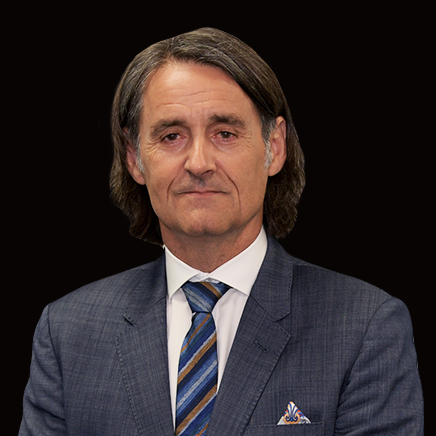
0:07 Good evening, good afternoon, good morning, depending on where in the world you're tuning in from. It's quite a global audience today, so I really appreciate you guys taking the time to spend with us. Today I'm joined by Wayne Bramwell, Managing Director and CEO of WestGold Resources for a virtual town hall to conclude the calendar year. How are you this morning, Wayne? I'm doing well, Rami. How are you? Good. Good. I'm well. I got a bit of housekeeping to get into before we get into today's event. So bear with me. First, it's an interactive town hall. So please do submit questions into the live chat in the bottom right of your screen, really at any time during today's event. I've got some questions for Wayne first, many of which were submitted by investors over email, but then we'll get into those live questions before we conclude for the day. If for whatever reason we don't get your questions today I'm gonna go ahead and make sure Wayne and the West Gold team have them and they'll get back to you really as soon as possible.
0:54 Last thing, today's event is being recorded and will be available for replay in the morning Eastern time on Wednesday. Without further ado I'd love to get into the protein of today's event. So Wayne, I'm just going to grill you for a bit, if you don't mind. Dive straight in, Ramio. Let's go. Come on. Perfect. Perfect. I'm ready. So this is the first one. The Bluebird South junction area has shown, to my eyes, impressive resource and reserve growth. I'm curious if you could walk us through key findings from your last series of drilling campaigns and how this fits into the broad Murchison strategy.
1:27 Look, it's been a big year for the Bluebird South Junction mine and that system. We've added more than a million ounces to that mine in the last 12 months. And that's been a function of continually drilling it for the last 2 years. We've had 4 to 5 drill rigs sitting on that mine, inside that mine and on the surface drilling it for 18 months. And that's culminated in a big resource and reserve upgrade this year, which has added a million ounces to resource.
1:55 That's great. In the same vein, the Starlight resource upgrade is significant news for shareholders. So I'm curious, what are the next steps in developing that asset and how does it complement other existing operations in the region?
2:09 Great question. I'm actually at the Fortnum mine today, or the Fortnum operation, which is the home of the Starlight Underground. We're really happy in terms of, again, this is an ore body that has been under-drilled forever. Like Bluebird South Junction, we've been drilling this mine now solidly with between 2 and 4 rigs for the last 18-months, and that's resulted in a massive resource reserve upgrade. Yesterday, we announced the output of a Scoping Study into the expansion of the Fortnum mine,
2:39 which has only been capable because of the drilling we did to expand the Starlight resource. So, you know, this, across the whole company in the last 2 years, we've really committed to drilling. We're starting to see the benefits of that investment across all the assets. Bluebird South Junction, growth, extending mine life. Starlight,
3:00 growth, extending mine life. All of these things are giving the business a much longer planning horizon. Well, firstly, more data, a much longer planning horizon and allowing us to take far more strategic decisions about how we expand these mines to drive our costs down. That's great. It's always good when drilling pays off. It's good to see you.
3:21 With Great Fingal's development tracking ahead of schedule, what are the key milestones that investors in the room here today should watch for next year? Look, we will do a Great Fingal update early in the new year. I mean, again, the decline is well advanced. I mean, under the current schedule, likely to pull first ore stopes in Q4 of this FY25. So, the middle of calendar 25. But There are some early opportunities there and we'll speak to that in a sort of a project update early in the new year. But this mine, for those who don't know, is something we're really proud of. It's a historic mine. We've been in there redeveloping, pushing on a new decline or ramp for 18-months now. And what it does for West Gold as a business, it brings tonnage and grade. You know, this mine at steady state will do 40,000t a month, but we're expecting to be able to mine this ore body at close to 5 grams per tonne.
4:19 Great. And moving to Big Bell, operational enhancements there have shown pretty promising results in terms of volume. I'm curious if you could elaborate on what specific improvements were implemented and how they impacted that productivity.
4:32 Look, before the merger with Karora, our Big Bell mine was the number 1 asset in the business. And it was our biggest mine. It was doing anywhere between 1t to 1.1t per annum a year. And again, prior to the merger, we'd planned on expanding this mine. Well, post the merger, I mean, we've now got a much larger asset package. We've decided that we're already expanding Beta Hunt. We're expanding Bluebird South Junction. Trying
5:00 to activate the expansion of Big Bell, trying to do 3 things at once was poorly timed. So we basically, where that mine's at now, it's very much focused on delivering 80 to 100,000 tonnes of production a month. It's, We're optimising the cost base there. So we will expand that mine, just not at the moment. At the moment, the real priorities are around Beta Hunt and Bluebird South Junction. So long story short, trying to do too much with too few people always ends up in the same place. Our priority really is to get Beta to above 2Mt per annum, Bluebird South Junction to above 1Mt to
5:39 1.2Mt per annum, and then we'll start to look at the potential expansion of Bluebird if the returns and the economics make sense. Great, I appreciate that extra context. I know there's been considerable interest in the Fletcher Zone and Higginsville drilling programs. I get emails. So I'm curious, what potential do you see in those areas and how do you see them contributing to West Gold's growth?
6:05 The Fletcher zone at Beta Hunt was one of our main attractions in actually talking to Karora about this potential merger. As we sit here today, I mean, some months ago we released an expiration target for the Fletcher zone, which we told the market that our view as an exploration target across this 2km long strike that Karora had drilled was a potential of 1.6Moz to 2.2Moz. What we told the market at that point, which was I think September now, shortly after we'd merged with Corora, was that we were going to focus on drilling the lower 1km of this target with the view of trying to define or deliver a maiden resource in the March quarter of next year. As we sit here today, we've got 4 rigs, I think, operating at Fletcher, belting the hell out of this zone, getting more data and more call with the view that we will deliver this mated resource in the March quarter next year. That will really, in our mind, crystallise
7:06 a lot of things. I mean, we think Fletcher is a repeat of the Western Flank zone. And if what we believe is true, being able to deliver a large maiden resource in the March quarter will then trigger a lot of other expansion opportunities.
7:24 That's great. I'm going to move, if you don't mind, to the recent ore purchase agreement with New Murchison. It's an interesting development. I'm curious if you could explain to the folks in the room what your asset optimisation strategy is and how arrangements like this are creating value for shareholders. It's a really good question, Romya. We did this deal with what a company called Aura Gold. It's changed its name now to New Murchison Gold. And this in some sense is quite, I think, a really smart commercial model for both groups of shareholders. Around the processing plants that West Gold owns now, which we have 5, There are a lot of small explorers who have mineral resources, but no processing solution. Trying to build processing plants in anyone's country now is a costly and slow process. So we've gone to the explorers around, who sit around us and go, hey, here's a good idea. If you want to mine this ore body, don't go and build a new processing plant. That's a really inefficient use
8:25 of capital. Let's do a commercial deal which can leverage our sunk costs and our capital and end up with a scenario whereby if you want to mine, you can mine, we'll buy the ore under an ore purchase agreement and process it at our processing plant. Simplistically, I think this is a really capital efficient way of developing new projects.
8:46 Because some of these smaller cap companies, explorers, the ability to raise equity or debt to build these projects is really hard. I mean, we, through our scale, don't have those issues. We've got cash, we've got debt, we've got processing capital. So, if these groups can all work together for the greater good, or for the greater good of 2 groups of shareholders, I think it's just good business. So, the deal that we've done with New Murchison Gold, I think is really positive for the new Murchison shareholders and for West Gold, because we now have got access to open pit ore from the Crown Prince deposit, which we think that new Murchison can mine at close to 3g per tonne. That source of soft oxide material, which we don't have currently in our own package or don't have currently defined, gives us the ability to increase the throughput in our Bluebird processing plant and generate more ounces.
9:44 So Simplistically, West Gold is really interested in doing, making smart business decisions. And if we can help other people monetize their assets and by utilizing
9:57 our capital base, everyone's a winner. Yeah, great. There's one question that I always like to ask this when companies have expanded significantly, as I know West Gold has. How have you managed to maintain and strengthen your safety culture while you're integrating new assets and team members at the same time?
10:15 That is a fantastic question. I mean, the safety culture has been one of the key things which have changed on West Gold over the last few years. And it's really clear. It's a really simple model. If we get the safety culture right in these mines, productivity follows. Poor safety culture, you very much struggle to generate good production and good outcomes. So how do we maintain this? Certainly in the merger with Karora, what we did, we deployed a lot of our own safety people and our safety systems into the Beta Hunt and Higginsville operations, and we were really lucky. The workforces there could see that our systems were more advanced than theirs, and that they were very receptive to adopting our systems and our processes.
11:02 The Karora teams were doing really well, but were also short staffed and poorly resourced. So for us to be able to bring people and systems, which they didn't have to recreate,
11:16 was welcome in their operations. How do we maintain that rage? We basically, we are continually educating our workforce about safe and profitable answers, and that really,
11:28 we are guided by our principles here, which our values are really simple. Choose safety, show respect, create value. Really, safety is where it starts. If you don't choose safety, that is something or you're prepared to take shortcuts in our business. These are things we won't stand by. And those people that end up staying with West Gold very long, Romeo, which in some sense, that is where it stops and starts. If we can't do it safely, we're not doing it. And for people that don't want to do it safely, this is not the place for them. That's a good rule of thumb. While we're on talent acquisition, I know it is a traditionally pretty competitive labour market. So I'm curious, what, in your opinion, makes West Gold kind of an employer of choice for folks who are looking for work?
12:15 Look, some context for the North American investors here. Now, certainly in Western Australia where we operate, labour has been in short supply even 6-months ago, 12-months ago. All the mine operators were, post-COVID, were struggling to maintain their workforces and had much higher turnover. In the last 12 months, the sort of the wind back or in some sense the collapse of the Nickel industry, the slowdown in the Lithium space and also some
12:49 headcount reduction in the iron ore world has meant there's been a greater supply of stuff into the West Australian market, which has really removed a lot of these labour pressures. How do we maintain the talent or how do we retain the talent we've got and acquire
13:06 new talent? Well, I guess we're up front about our values, about the things we stand by and the behaviours that we won't stand by. We're also, I think, as a business, pretty open and honest about how we roll. I mean, we're a little different than some of our peers where we are owner operators, which is really common in North America, not so common in Australia, where we mine the ore bodies that we own with our own people and our own equipment. That's an appeal to a lot of people. I think West Gold too, you know, it's the fact that we've shown both our staff and the market that we're prepared to invest in drilling to extend these mine lives is showing a different
13:48 phase of the business. Certainly, West Gold is starting to evolve. And I think we're pretty clear about we're getting better, I should say, about how we communicate about what we stand for, what our aspirations are. And I think that's a pretty strong pitch or employee value proposition. Look, we're still getting better at that. I mean, this business is not for everyone. But, you know, I think we're getting,
14:12 I know we're on the right path because we are getting far, you know, the amount of the quality of the resumes that come to us now, there are people who want to join this business because they like what we're doing. And that's really the proof in the pudding. If people want to join this business because they like what they see, I mean, that's the best client reference that I can see. That's good to hear. 1 investor wrote in asking if you're going to be coming to Canada and the United States to promote West Gold in the coming year. Sure. 100%.
14:43 Myself and the chief growth officer were in the US and Canada in September. We'll be back for PDAC. And for those in North America, I'm at Fortnum today. It's 42 degrees Celsius. So being in Toronto in February, which in Perth is maybe in the 30s.
15:03 And there's all this white stuff in Toronto on the ground which as a West Australian I don't really understand but I'm look up we'll be back and we'll be back regularly snow and being in Toronto in North America in the winter is just something we have to deal with now. There you go. I'll be coming from Mexico to see you at PDEC in the snow and the slush, so I'll see you there.
15:24 As a West Australian, I'm not really equipped for snow, but it's something which we're getting more comfortable with. You do sort of get used to it.
15:33 Somebody asked, how soon do we expect to be able to show improvements in margins? Yeah, great question. I mean, the post merger, I mean, we closed the deal with Karora on August 1st. And the messaging to the market was, look, it's going to take us a half, 2 quarters to start to stabilise and start to optimise the business. So certainly in our financial year Q3, the March quarter, that's when you'll start to see our costs really start to fall and margins escalate. Great. Somebody wanted to know if you think you'll be exploring Lake Cowan and the sleuth trend
16:08 sooner rather than later? To answer to that is sooner. We're drilling Lake Cowan target as we speak. So, yes, that was one of the other appeals of the Kaurora assets was really the Higginsville package and how little had been done. Even though West Gold had previously owned that area long before I was in the company, I mean, as a fresh set of eyes, we could see, wow, there is significant greenfields opportunities down there. So, happy to say, I think at the moment we've got 3 rigs running in the Higginsville area. Certainly, the Lake Cowan target was one of the earliest ones we've started. Vine, which is
16:49 a target very close to the Higginsville mill, is being tested as we speak. And we've also got a drill rig underground at 2 Boys. So we told the market we were going to start drilling quickly at Higginsville. We're doing that. That sounds like a sooner rather than a later. Great. Very soon. One person wrote in, and this is reflected also by one of the questions in the chat, so we'll try to tackle both at once. They write in
17:14 saying it looks like they're still being hit with short sellers who don't own the stock. What's being done to fight against naked short selling? And then somebody in the chat asks, is there consideration of share buybacks to knock down shorts?
17:24 Look, we look at the short position and look, there was a lot of shorts in the stock during the merger, as would be expected. But the short position in this stock now is very, very small. So no, it's not something which we see as driving the share price at all. Great. I appreciate that. Somebody noted in the chat that you just mentioned you'd be mining at 3g a tonne. And he says that the inferred resource is 3.9g a tonne. So he's curious where that discrepancy comes from. Is that for, which ore body is this? Is it for Bluebird South Junction? I believe so, yeah.
17:57 And look, I say 3 on a bad day at Bluebird South Junction, it's sort of 3 to 3.5 and when we mine it clean and really well, that number's north of 4. So, you know, don't be,
18:11 I won't round this to 2 decimal points, mining is not that precise. No, appreciate it. And also on that point, Rami, I'd rather be conservative and tell people we're going to mine it at 3 and deliver it at 4, then tell them that we're going to mine it at 4 and deliver it at 3. Yeah, Investors do not like the reverse. I've certainly seen that. One person asked when, and I know this might not be a question you can necessarily answer yourself, but when could we anticipate EPS estimates from the investment bankers that follow West
18:42 Gold? Look, you'd have to ask the bankers. I mean, at the moment, my focus is continuing to drill and extend out all bodies and start to optimise the business. But look, at the moment in Australia, we have 7 analysts covering the stock. We are now starting to work on the North American analysts who certainly seem to be more driven by EPS. But there's a multitude of metrics which different shareholders look at.
19:10 EPS is not something that is in my top 3. So really, It's really a question for the bankers. No, appreciate that. Now, I do apologize. Somebody has corrected me in the chat. It looks like they were talking about crown deposit, not- Oh, no, yes. Well, look, that's the crown prince will be getting mined by new merchants in gold. That number, we think that all will be better, much better than 3. But look, until they start mining, let's be conservative. And if it turns up on our, in front of our Bluebird Mill at 4, you'll be the second person that I tell.
19:44 Perfect. I'm curious when we'll see first results from the Fletcher zone. There were a couple of questions about that. So can I group them together? Good question. I think early in the new year, the target was obviously in the March quarter to put out a maiden resource. I'd like to be able to put some early stage drilling into the market. So most likely would be a target of February. It really depends on how many metres we get into this ore body. So yes, I think all I can say there is early in the new year, we'd like to put some drill data into the market, but quickly followed up by this made in resource.
20:20 Great. Now, one question was emailed in and it's reflected by Juergen's question in the chat. And they want to know if there's a possibility for dividends in 2025, or is it more important to solidify future advantages, position on the cost curve, etc?
20:33 No, Jürgen, great question. 100% chance of a dividend this year. I mean, we paid 2 dividends last year and we don't want these things to be intermittent. We want them to be consistent. So my view of the world is that capital returns is important. We have to try and balance generating enough free cash to reinvest in our business, but also provide capital returns to our shareholders. I don't see these things as mutually exclusive. We've got to be able to do both. Reinvest in the business, grow these assets, but also return capital to the shareholders. Awesome.
21:08 Curious, if you've got the numbers on you, great. Looking for an estimate for second quarter production. Second quarter, we're in second quarter now. So we're in Q2 production now. Again, all I can say is it'll be better than quarter 1.
21:23 Back to the story at merger time, we knew that would take a half, 2 quarters to stabilise and integrate these businesses. We're in December now, we're at the end of the second quarter. Certainly production, the expectation is that we back ended our production into FY25. So Q3 and Q4 will be much stronger than Q1 and Q2. But the trend is your friend. Great. Thank you. David from the chat asks, is the company planning a reverse split?
21:54 This is a very North American thing, a reverse split, no. Great. That's a code word. I don't know whether we're talking about. The next question from Barry, consideration of share buybacks knock down shorts. Well, we don't have any shorts in the stock, but again, share buybacks certainly a consideration based upon it's another way of thinking about capital returns. That actually question from Barry C. Actually dovetails back into a question about EPS. I mean, Australian companies don't do a lot of share buybacks, but it's something which I've got a view of, probably more, which is more
22:33 in common with North American gold companies, whereby if you have a lot of capital, share buybacks are a way of reducing the share count and basically managing that EPS number. So
22:47 the takeaway from this question really is I'm not against it and there's a time at this stage. I'm not sure when the time is. I appreciate that answer. David asks kind of for the big number, what are the total gold ounce resources measured and indicated for the combined company? Great question, David. It keeps changing every day. Post-merger, from day 1 of the merger, I think we were around 13.3Moz
23:12 of resource and around 3.3Moz of reserve. We've added additional ounces to that since then, which is again, we've upgraded Bluebird South Junction. We've upgraded Starlight. You've seen that recently. Would be worthwhile us totalling all those numbers up in a new corporate presentation post-Christmas to go, okay, here we were at $13.3M and $13.3M at the year, effectively, September. Here's where we are January 1. I can tell you with the drilling that we're doing, these numbers are Certainly the reserve position is growing very fast. Great. Someone in the chat asks, how much diesel fuel is used for running operations and if it's hedged?
23:56 I'll unpack that in 2 ways. Do we hedge fuel? No, we don't. How much diesel do we use? I'll go back to the beginning of 2023,
24:08 when the business was only half as large, when it was just the Murchison, our number was 8.3 million litres a month. We dropped that number to less than 2 million litres per month with the old business by converting our power stations to gas and solar. So, post the Karora merger, I mean, we were already, had dropped our diesel consumption significantly. Picking up the Karora assets now, Higginsville is still run on diesel. So, diesel is still the predominant source of energy for our Higginsville operations and we're actually evaluating now how we reduce that. And that most likely will be exactly what we've done in the Murchison, moving away from diesel-fired gen sets to gas and solar farms.
24:54 Beta Hunt the same. Beta Hunt, we're looking at how we power it. Beta Hunt, that's currently on the grid. But what we want to do in the Southern Goldfields is exactly what we've done in the Murchison. Reduce our diesel consumption
25:10 so our cost base reflects a lower cost energy input, which solar and gas has provided. About US$30 to US$60 an ounce cost reduction in the mergers and business. I think that number probably could be higher in the Southern Goldfields if once we have gas and solar online. Great. I appreciate that.
25:33 Character in the chat, first, thank you for the opportunity to ask questions. Then I want to know if you've made progress on future proofing ore stockpiles to reduce the impact of weather events like what happened earlier this year. Again, Another really good question. I mean, where we operate in Western Australia is arid, but again, particularly now in the summer period, high intense rainfall events are common. We lost time last year at multiple of our mines because we have these really hot, intense rainfall events. We are underground miners, which means you've got a deeper hole in the ground, that water ends up in the underground. What have we done to mitigate that risk? Certainly in most of our mines, and here at Starlight, we've very much modified our pumping capability underground and also how we manage the water on the surface. If you can stop that water going from the surface into the pit then it won't end up in the underground.
26:30 We made significant changes to surface infrastructure, bunding and pumping situations last year, whereby we've recently had a rainfall event here at Starlight. I think we lost maybe 3 or 4 days to a small
26:45 part of the mine, where last year, one part of our mine was, our deeper mine was flooded for weeks, if not months. So what have we done? We've really, to mitigate the risk, looked at how our pumping infrastructure is set up in these mines, how we protect the mines on the surface from water inflow, and also being better organised about having crushed or stockpiles in front of these processing plants. Because like most operators
27:15 in WA, we run a hub and spoke model. So, we have a processing plant, we may have a mine here. So, you're exposed to road haulage and if it rains and you lose access to the road, clearly you can't get the ore to the hub. What we do now, particularly over this part of the year, we make sure we've got greater stocks closer to the hub. So if it rains and we do lose road access, we don't lose production. Sorry, long winded answer to that question, but it was a really good question in terms of future proofing, in terms of making sure that we can keep these mines running irrespective and with limited
27:54 impact from weather. No, I appreciate that. Somebody asks, how's the development of South Junction progressing and have there been any surprises?
28:04 It's mining, so we get surprised every day. Sometimes those surprises are good. Some of those surprises are not so good. But I guess what we're seeing in South Junction now, and I was at underground at South Junction yesterday, What is really a positive surprise is Blue Bird South Junction, we started mining the Blue Bird loads in this mine 18-months ago. Those loads were quite, not very thick, but high grade. The South Junction loads are much thicker. I mean, they're lower grade, but they're much thicker. So they generate a lot more ounces. So being underground yesterday, it was a very, and I'm a visual person, really interesting to see the Bluebird loads, 2 to 3 metres wide, really high grade.
28:49 The junction loads, some of those things are wider than 10m, so we can get a lot more tonnage out of the South Junction side. South Junction in this mine will generate the volume, a lot of volume and ore around maybe 3g per tonne, the Bluebird side generates less volume but higher grade. That's a really good mix. If you can have those 2 loads working in tandem or working in parallel, you've got the benefit of volume plus grade to generate higher production, which, you know, Bluebird South Junction now is
29:23 very much key to the growth in the Murchison. So yeah, that was really good to see. We're a little bit behind in terms of where I'd like to see us in South Junction, but very much the team now is playing catch-up. Just let me explain that. This mine has gone from 250,000t of production 18-months ago. We expanded it to 500,000t of production. Now we're taking it to 1.1 to 1.2 million tonnes of production. We put a lot of pressure on being able to expand the infrastructure at the same rate. So an operating team that's playing catch up is not atypical. It's just we have to get better and make sure that we are planning ahead as against trying to catch up.
30:10 Great. Sorry, another long-winded… No, no, I appreciate being thorough. Now, we're getting towards the end of the event, but I do have a couple more questions. One person wants to know, to the best of my ability to answer, any thoughts on why State Street Corp is buying and selling large packages of West Gold shares?
30:29 Well, one reason, look, I'm a mining CEO, I don't run an investment fund, but I'd like to think that State Street keep buying the stock because they like it, they like the story. Why do they keep selling it? Well, I think because, you know, there is volatility in the space. We're a large liquid stock, so they have the opportunity to do that. Look, I'm happy if they buy and if they buy and make money, then come back and sell and come back and buy some more. Look, I'm okay with that. But we're seeing a lot more people buying and holding than
31:01 people buying and selling. I mean, yesterday's announcement on the Fortnum expansion was a really positive day in the market for us, and in some sense reflects people's growing confidence in the strategy in the business. Great. One person asked, is the Starlight ore body open in all directions? Is there a drilling plan to continue to expand the resource? Look, I'm really proud to be here. I've just been to Starlight shift change last night and this morning with the crew, and let's just say they're really confident. They're really happy about yesterday's release because what yesterday's release said is that this mine, which has been running since the late 90s and always had a very short mine life, now we can see a 10-year plan in front of it. So, yes, we will continue to drill. The nightfall ore body is we're continuing to drill, but Starlight, we call it a single mine, is actually a multitude of different loads. So it's very similar in some sense to Beta Hunt. We talk about a single mine having 2 loads that we're mining.
32:02 Fletcher is the third. Bluebird South Junction, we're mining 2 loads there. There's a third coming on. Within Starlight, there's ore bodies inside it called Waterbore, Nightfall, the Starlight load. So, yeah, we're continuing to drill this ore body and it's just giving us more data
32:19 and showing us more opportunities. So look, we won't stop drilling any of our assets because in the last 2 years, drilling has been the secret source and the game changer for us for increased productivity and profitability. Great. As a lengthy question in the chat, I noted that you mentioned you'd be providing the market with more clarity on how the company is going to grow to become a 500,000 to 600,000 producer. Curious what milestones you'd be met for that to be a reality?
32:48 Milestones, basically doing the work to be able to make statements that don't appear to be, being able to do the work to make statements which we can support with data. Very much early in the new year. Again, I'm putting together a corporate presentation which really sort of now, with 6 months of management of the Southern Goldfields assets, we've now got a much better view of what Beta Hunt could be and where we want to take it. Certainly, Bluebird South Junction, again, this is something which our data set is growing regularly. We can now have got a far better basis to make statements about where we think the ultimate production can be from Bluebird South Junction. Starlight, also, we've got a different view over the last few months. Again, data has transformed our view of this asset. So, in terms of being able to give investors a view of what we see the key growth drivers in the business, I think we'll be in a good position to do that during the March quarter. And really, that's going to speak to, without going, hey, here's a five-year plan or a three-year plan, and here's the hard numbers the analysts
33:57 can fixate on. What I prefer to do is go, okay, here's the key growth drivers in the business. Here's where Beta Hunt is now. Here's where we think we can get it to over a period of time. Here's Bluebird South Junction. This is where it's at. This is where we see it getting to.
34:13 Great Fingal, which again, Great Fingal is key to our growth aspirations because it also brings grade. We've got more data we can talk to early in the new year about how we see Great Fingal being sequenced and Starlight. Starlight is this little mine has punched above its weight for so long. And it's such a, it makes me proud to see the workforce here, because 2 years ago, this mine, we considered closing because we had no data and we were running out of ideas. 2 years later, we're like, okay, this thing's, we've now can see a 10-year life in it. How do we expand it? And yesterday's study or scoping study on the Fortnum expansion plan really speaks to our sort of forward-looking view of what these assets can do. And the difference from 2 years ago, drilling, that's all it is. Drilling and a team focused on investing, seeing drilling as an investment, not a cost.
35:11 Awesome. Love this question in the chat. And this is, I think, what we're going to conclude on today. He wants to know what is really exciting the geo team right now, other than beta hunt, because he knows they're already excited about beta hunt. These geologists, I tell you, they're all,
35:25 at the moment, as we sit here today, I think we have 22 drill rigs running across the group. A lot of 16, at least 16 of them are underground, the rest are on the surface. What is exciting them? I think probably having a couple of weeks off over Christmas is their most excited about because they've worked really hard this year. They've drilled a shed load of metres. And so a couple of weeks off over Christmas, I think is well-deserved. What are they really excited about? Certainly, I've had a little bit of a sneak peek into what's happening at Fletcher. That looks really interesting. Bluebird South Junction, just this system is so under-drilled. We haven't found the edges of it and we haven't found how deep it is.
36:11 So, Bluebird South Junction, we can see is a multi-decade mine. We're moving it up to 1.2Mt
36:18 per annum. Getting it North of 1.5Mt, personally, I don't think it's going to be that hard. Could it be 2Mt per annum of production? The drilling will tell. Great. Fingal, that's really exciting. We're still drilling Fingal, but even outside of our existing mines, we are doing greenfields exploration here. So we're already starting to work on the next suite of assets. And a lot of that is focused around Higginsville and around Mekithara. Awesome. Now, there was one more question that snuck in. Ganesh, we dealt with that earlier, so it should be in the recording, which we'll get tomorrow morning Eastern time. The last question, truly last one this time, I promise. Tom snuck in. Has Big Bell Investment lived up to your expectations? Look, I think we are the third owners of Big Bell. So again, it's a really good question, Tom. I might answer this or unpack this thing differently.
37:11 We're very much driven now by returns or return on investment. And with the portfolio we have now, currently 6 underground mines running and the seventh in development being Great Fingal. All of these assets compete for capital. Our approach to capital allocation is, where does that capital generate the highest return? In our old business, when it was just the mergers, and Big Bell being the biggest mine, probably demanded more capital because of its scale. Now it is competing shoulder to shoulder with Beta Hunt, Starlight and Bluebird South Junction. So, that competition for capital is about where are the returns highest. As I sit here today, I see the best deployment of our capital into Beta Hunt, really high returns available there, Bluebird South Junction, Starlight and Great Fingal. So, I'm not being disrespectful to Big Bell, but Big Bell, like all of these assets, have to compete. And if we can get a higher return from US$1 of investment in Starlight, well then Starlight's going to get the chocolates.
38:16 Awesome. Well, Wayne, this was a great chat. Thank you so much for joining me and everybody who spent time with us. Appreciate it very much. You will get the recording tomorrow, but I hope everybody has a wonderful holiday. Wayne, of course, yourself as well. Seasons greetings to all. Look, West Gold doesn't stop over this period. Our team works 24-7,365. I'm hoping to be back earlier in the new year to answer some of these questions in more detail and certainly with some more drill data. So thanks for your time today, Romeo, and thanks for everyone who's patched in. See you again in January Wayne. Thank you everyone. Stay safe everyone.