Transcript
Automated transcript · Written by software from the replay's audio. It can mishear names and figures; the replay is the record.
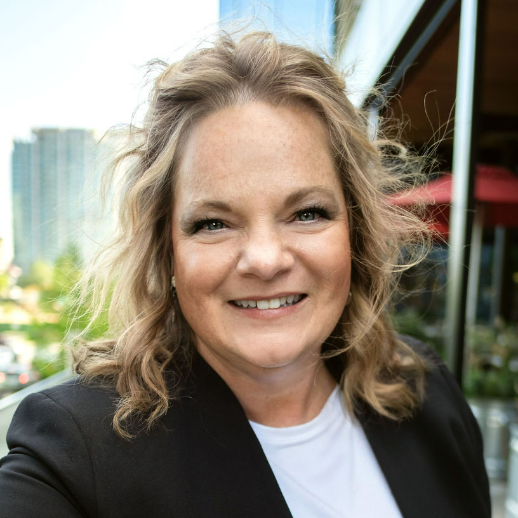
0:06 Well, welcome everybody to our first series webinar with Custom Health. We decided to pre record this and then post it for all of our investors out there interested. And the reason we're doing that is because we'd like to do a series of 3 to 4 investor calls that we will share more information every week and what's happening at Custom Health and with Shane Bishop who's at the helm of Custom Health. So we're just gonna jump in and get started. My name is April Moss, and I work with the American Technology Coalition, and we're doing some very unique things in the healthcare industry that we wanna share with you, and in particular around custom health today. You have my bio on there. I've worked with big giants like Procter & Gamble and Starbucks, and I've worked with brokerage firms, and I've done a lot of entrepreneurial work with startups and no different than today, working with Shane, as you'll find out, that he has a stellar background in that entrepreneurial mindset that really is a driving force behind what Custom Health is doing today.
1:15 So, Shane, I thought I'd let you just jump in. And this is kind of a casual conversation for our audience. And if you want to give a little bit about your background and who you are, and then we'll go a little bit further into the custom health and then talk a little bit, give a little bit of a hint about what we're doing around the opioid task force. Amazing April, thank you so much for your time today. Appreciate it. Yeah, a little history on myself. So you know, pharmacist by profession,
1:42 came out of university and, you know, selected my first position in a pharmacy in northern British Columbia with an individual who at the time was leading a wholesale division for a major chain of pharmacies as well as had his own chain of pharmacies across northern Canada. So I was able to jump right in and learn you know kind of soup to nuts everything about pharmacy from wholesale distribution through to really patient care work. Some amazing clinical pharmacists along the way. Came back to my hometown, Kelowna, British Columbia, which happens to be a one of the retirement capitals of Canada, which fits well into the story of what we've evolved into over time. But I started my own retail pharmacy here in Kelowna in my early days, learned the ropes of starting a new business.
2:31 Every single person that walked through the door was someone you really, really needed to focus on and care about to grow your business. And I think that was my first insight into really helping people, patient care, and seeing how loyal people could become to your business and you as a pharmacist and such was pretty exciting. From there I actually joined a group of other pharmacies, some friends of mine, where we brought together a number of pharmacies and ended up taking that structure public. From that, I learned obviously a little bit about the public markets and growing a much larger business. But I got super interested in technology. There were some new packaging concepts that were coming out onto the market and I ended up spinning out kind of the first closed door non-retail pharmacy in Western Canada and it was McKesson's actually first customer to adopt something called multi-dose strip packaging.
3:34 And because I'm sitting at home on my desk, I do have some items I can show. So this is the concept in the early days. It was a strip of packaging that comes out of a vending machine, you know, for April, 08:00 in the morning would be all of your medications in a single pouch, you know, very easy to open up. And what I ended up doing is I ended up presenting this new packaging format to long term care facilities out here in Western Canada. And the practice in long-term care facilities at the time, and still is in some places across North America, is if you look at what a nurse has to do to provide medication administration in a nursing home in a long-term care facility or assisted living facility, Pharmacies were providing medications in something called blister cards. So if someone was, you know, an individual in a facility is taking, you know, 14 medications, which is completely normal, and 3 or 4 times a day, The pharmacy would actually package an individual dose of medication in a single card. So if someone's on 14 medications in the morning, you would actually have 14 actual cards for a morning dosing pass for an individual patient. So the practice would be at the morning administration time, nurse would go back to this cabinet, bring out this massive stack of cards for all the patients on their ward, get a Dixie cup, start to punch out all these tablets, and then you have either
5:04 you're going into a resident's room or they're coming to the med cart where the nurse is, and it's, you can just see what happens, right? Pharmacies are making errors with, you know, actually dropping these tablets with these cards. Nursing is, things are going to the wrong patient, and then on top of that you now have to document as a nurse in a facility or whoever's authorized to provide the medication administration, you have to document beside each dose of medication that you've actually given it out and it's on paper. So what I realized after documenting all the miscommunications and errors between pharmacy and long-term care facilities that there's a much better way to do this. So we actually, you know, and as we evolve through the story, this kind of core platform is what drives us to where we are today, which is kind of the future in the patient home.
5:53 But what we did is we actually worked with McKesson at the time, and we created a platform in pharmacy. So in pharmacy, we basically integrate our technology into all the different pharmacy management solutions, all the big ones in Canada and the United States. We pick up something called a flat file, it's a file of what needs to be packaged for a patient at a certain dosing time. We pick that file up, we actually then modify that file. We send that file to this packager, which then drops all the tablets and capsules into a pouch for a dosing time for an individual, and it applies a barcode onto the pouch and we basically, in our system, we get back, hey, this is what was supposed to be packaged for this individual at this time, get a handshake back from the automation that says, hey, we've actually put all this in there. Here's the barcode. And then we're able to take that information electronically, send it up to the cloud, and then down to our different solutions. But in the long term care facilities called an EMAR electronic medication administration record.
6:51 And what this advanced into was a nurse would basically take, you know, one of these pouches, right. Instead of like a stack of cards, where it'd be like a single pouch and all these pouches are stored in like a little drawer. So it's very easy to manage for the nurse. You take the pouch out, you scan it, it pops up on the screen. Every item that's in the pouch against every item that should actually be taken in real time. Right. So we built all this communication and had a goal to really improve nursing practice, make life much easier and quicker and simpler for everyone, but really at the end of the day, it's about patient safety, right? Eliminating, eradicating communication errors. One of the early advancements that came along the way, not only the EMR and everything that we built and all the pieces in the pharmacy that make sure that you know what a patient should be taking has actually been packaged because you'd be surprised at how many errors happen in pharmacy in real life.
7:41 But all these pouches now run through vision checking technology. So these scanners actually scan for right size, shape, color, quantity, for 100% accuracy of everything, leaving the pharmacy. So pretty cool, pretty cool. I got to see that. Yeah. Yeah, down in Florida, I went to your closed pharmacy and they kind of ran through they purposely put a couple you know errors in there and it immediately caught it identified everything it spit it out so there was no you know you couldn't you could not move forward unless you fix that issue and they had to repackage so it is absolutely amazing what you guys have put together. And that's really cool. And I know some of the different facilities down in Florida that they're sending those to, because sometimes they still are scanning.
8:26 Not everybody with your new technology and your Spencer can utilize that. So you're still using that technology.
8:32 And that's light years ahead of what they're what they are doing. I've seen it and it's interesting just to throw in a personal story here is that my mom you know she's on like 19 different medications right now right And so we're at home doing this. Thank goodness my sister's a nurse. And we're trying to manage, you know, all those thousands of little pill boxes that you got to put in Monday, Tuesday, Wednesday, and then it's 3 times a day, 4 times a day. And just trying to keep her up with managing that She's 82. She does pretty good with it, but it's almost like a full-time job, just making sure she's getting her medications. And then we can talk later about there's nobody really looking at her medications and having 19 of them. You and I know that what is it after 9 or 10 that there's, you know, there's like complications with those they, you know, nobody's watching it and the doctor's not watching it. So what you guys are bringing to the table with the pharmacies plus the technology is absolutely amazing.
9:33 And you can't get fast enough up here into the Pacific Northwest. Yeah. So anyway. Yeah, it's amazing how many times I have a conversation with someone who is either managing their, someone in their family's medications. Like it's very, very prevalent. Yeah. And stressful, stressful on everybody, right? Oh, it is. As a family caregiver, you know, you're rushing, you're dropping these tablets into dosettes, you're doing whatever you can to help out. And, you know, we see in the retail pharmacy side, you know, these dosettes come back and they're all out of order
10:01 and out of place. There's still tablets in there and it's like, oh my goodness, right? So, you know, these are some of the things where, you know, and I think, you know, I had a personal thing as well with my wife where after we had our daughter, she ended up having some issues and concerns and it was amazing to see what happens. Obviously, being a pharmacist, I was able to be there by her side and kind of help her. She ended up coming after multiple surgeries and things. She ended up with a penicillin allergy. So after I think the second surgery, took some penicillin. Now she's like instantly breaking out in rashes and hives and you know, having all these symptoms of almost like anaphylactic type reaction. She's on a bunch of blood thinners and different things. And I would catch, you know, you know, catch basically, you know, in the hospital and as an outpatient, being prescribed things that interact with, you know, blood thinners, right? That could actually be detrimental to her health.
11:01 And after the third surgery, after flagging everyone that she has a now severe penicillin allergy, came home with a bunch of penicillin and you know, I can go on and on about all the things that happened. And I was like, Hey, this is, this is, this is crazy. And you know, we have all these technologies and solutions. So we really got, you know, invested in, you know, finding a, you know, a strong, you know, manufacturing partner. And I just ended up being a group that I know extremely well. And we actually ended up trying to take what we've created for long-term care facilities into the patient home. So they can deal with like, you know, your mother and you know, the issues that I had with my wife. So, and you know, along the way, we had sold the pharmacies and kind of put all the money back into the technology and the platform.
11:47 And then we started getting into this, you know, this new space. So we leveraged our network of pharmacies across Canada. We didn't own them, but we still have, you know, 70, 80 pharmacies across North America and growing actually every day now that are in our network that provide our solutions to long-term care facilities. But more importantly now the focus being you know in the patient home how do we help that patient you know extend you know their stay in their own home versus being you know pushing Genesis to live in a facility a long-term care facility. That's what we all want right. But as soon as inevitably, as soon as someone's on, you know, you know, 10, 12, 14, 16 medications, life becomes complicated. Errors happen. Obviously, especially if someone's on a bunch of vials and you have a medicine cabinet filled with these different vials and something's discontinued or something's added on, it gets extremely complex to manage. And some of these things lead to patients ending up in the hospital.
12:43 As a result of that, people start to question and start to push people out of their homes. It's a big thing for us and our company to ensure that we find a way that people can maintain their autonomy in their own home. And I think what I'm about to show you is something that's working super effectively for that. Yeah. But, you know, so what we set out to do is really, you know, benefit from our platform, benefit from that, that packaging technology, the accuracy of what's leaving a pharmacy and deploy that into the home. So what we ended up doing is, you know, partnering with the manufacturer of this little device here that we know that it's called Spencer. Yeah, it's called Spencer. And what we do is, you know, based on that technology platform, we generate, you know, a cartridge of medications, generate a cartridge of medications for an individual
13:34 needs to be extremely easy to load for an individual in their home. That barcode on the front actually represents a patient identifier that's married up to the serial number of the device I'm about to show you. And it also has prescription numbers and dosing times in the event that the device is, you know, running offline. So basically this cartridge gets packaged through the same platform that I just discussed.
14:00 It gets delivered to the patient home, the individual just drops it into the cartridge, drops the cartridge into the device, super easy to load, and then it's kind of off and running. And, you know, just a quick question there. So is it the individual donor? Do you have somebody coming to the home for this initial setup and help them through all this entire process? Yeah, I mean it really depends on the individual so we do both absolutely we can remote manage this it's super easy So if you deliver the cartridge with the device to someone's home, all that happens is, you know, our 24-7 support team works with our, you know, with individuals on their schedule. You plug the device in or help them plug the device in. It turns on, brings up something that they need to sign off on, which is really, you know, the sharing of the data with the clinical team, right? So making sure that those in the circle of care are able to utilize this data for the betterment of the patient, but all data is really owned by the patient at the end of the day.
15:07 So that's something that's super important with what we do. And then basically this connects to the closest cell tower. So automatically it connects and then in our dashboard, in our organization, we can see all of the patients that are live with the device in their home and making sure that it's working, et cetera. So which is, which is super important. Again, if the device was to go offline or the power goes out, this has a battery so it stays running. And also it will run offline with that barcode. Once it gets scanned, that data jumps into this device, it'll actually work offline and still push out the medication. So it's basically bulletproof for delivering the medication. Super easy to load. You're not messing around with dosettes and all those sort of things. And what it does is it basically, you know, it beeps and whistles and flashes, it gets louder and louder and brighter and brighter.
15:57 It touches the screen because you're, you know, it's flashing and it's getting getting louder. It pushes out that pouch of medication to the mouth of the device here. So, so April for yourself at 08:00 in the morning, that pouch of you know, 11 medications would come out. And then what we do is we ensure that the individual has it in their hand. So it'll again, if you don't pull it out of there and run it through the little laser light, it'll start to do the same thing, alert the patient. So we know that it's actually an individual's hand, which we can then mark as, you know, adherent. Does have a camera on the front for telehealth. It integrates to all the Bluetooth devices, which when we start looking at where we're at today, the reimbursement for things that we do as an organization have come full circle and they're kind of pointing out what we do.
16:48 So, you know, it connects to blood pressure devices, glucometers, oxygen. We get all this data back to our clinical teams. We have a team of a couple hundred clinical pharmacists that look at the data and becomes very powerful. My favorite thing about what we do and kind of like, you know, what's the advantage, you know, what's the differentiator of us over anybody else is at the time of administration, we ask a question. So I'll give you an example. One of the first things we did when we brought this to market and to get into the market, we knew that we had to collect data. We had to differentiate ourselves, especially if we're going to go down into the US and attract some of these large payers. We need to show the data. So we actually rolled this out across Canada to start across some of our network pharmacies. We focus on Parkinson's patients.
17:37 And, you know, number 1, those patients are taking, you know, medications 567 times a day, and a lot of medication. And a lot of those medications, you know, cause side effects and that sort of thing. So by asking questions such as, you know, how are your tremors today? Right. Moderate, severe. And it was, we get all this data back and we essentially, you know, and, and, and we ran a, you know, We ran a study with Alberta Health Services,
18:04 and they determined that the adherence rate, and we're published in the Geriatrics Journal, send all the links out to all this information, 98% adherence rates, 98% of the time that the patient actually has their medication in their hand at the right time, which is unheard of when you look at any competitor or whatever else is out there. And because of that adherence, every time we pull that dose of medication out, we pop a question up on the screen and 91% of the time, an individual responds to the question on the screen. So we would get that information about a patient's tremors and kind of the state of their disease. And also, you know, the efficacy of the drug, are there side effects? We get all this information back and data back, which was like, which was like amazing. So we ended up, we ended up with our clinical team analyzing the data that we took for 90 days on a number of patients and took that data to the patient's neurologist and changed the lives of the patients. All these patients today are testimonial patients of ours because we, you know, in fact, the majority of them have literally stated the best care they've ever had as a Parkinson's patient is with us and our solution.
19:08 Solution being the pharmacy, accurate, the device on the patient countertop, and then our clinical team actually doing something with the data. So we, you know, took the data bundle in a boat, pass it on to the patient's neurologist, made all of our recommendations. That's amazing. They're always mortified because they see this data. Oh, I didn't know my patient was having all these issues. Well, it's not fair to the physicians and the specialists because they don't have the ability to get data. They don't have the time to look at daily data. Right. So so we're extracting this data on a daily and our team will bundle this up, you know, and pass it on with the recommendations and the insights, which allows, you know, with better data, you know, the specialists and physicians, you know, clinicians to make, you know, to do, to do to do things in a better way, and really help their patients in a much more responsive way, which is what we're seeing.
20:01 So really change the lives of these patients with, you know, with the solution. That's kind of, you know, how we evolved.
20:07 You know, the other thing that we've, you know, well, one thing I just want to insert here that I think is absolutely amazing. And you're on trend with everything that's happening now in healthcare. People want to be at home, The whole telehealth medicine, the in-home care, I mean, it is just skyrocketing. After COVID, people want to take better care of themselves. They want to know how to do that. They want to use the information that's getting the, the doctors want to, the, you know, providers want to, everybody wants to come together and create something new and unique. And you're already ahead of the game on this. I mean, it is absolutely amazing what you're doing and how fast you're growing and the need, like, Like I wasn't joking. I wish you were out here now because the amount of time that we're spending with my mom and having to work back with the doctors and just with the pharmacist and trying to make sure that things are all happening. This is how, mine's not unique. I talked to all my friends. Their parents are moving in with them, right? It's that time. We've got this happening so fast in real time and you guys have these solutions and then you're building on that. Your entrepreneurial spirit is just driving you to do this. You cannot not do it. That's the one thing I've learned about you, Shane. You just don't stop. I don't know when y just you know what you is just revolutionary and bringing together, not wi but the greater organizai more about next week as we talk more about the opioid task force, but just the way that you connect people and pull them
21:39 in and they see your vision, it's absolutely amazing what's happening. So I'm on this ride with you and journey because I believe in what you're doing and I believe we need to get there faster, you know, and we need to be better at this. So I just, I just wanted to throw that in there because I don't think people understand just how prevalent this is and then how fast our investors who we're talking to just how fast this is happening and you're on the forefront of all of it. There's nobody else out there doing this and they'll see more over the next couple of weeks exactly what we mean. Yeah, definitely lots of excitement with some of the, you know, all the key stakeholders, you know, that are involved in certain chronic conditions, bring them all together with technologies and services and solutions.
22:23 Yeah, very, very exciting to be a component of some of these solutions for sure. We're lucky because of how we enter the patient home with with medication. There's lots of amazing technologies out there. A lot of them are kind of siloed into a certain car condition, a certain thing that they do.
22:42 You know we have the clinical team right which is amazing if you look at you know pharmacists it really is releasing the capacity of pharmacists in our model as well because pharmacists are trained in every chronic condition, right? Because we're trained in every medication that looks after a chronic condition. And, you know, typically when someone's diagnosed with a condition, you know, obviously like, you know, exercise and all the, you know, all the things that drive, you know, someone's health. But a lot of times they also prescribed a medication and the medication needs to do something. And it really is the pharmacists that are in a position with the data to, you know, to realize and work with the patient, you know, driving the outcome that is, you know, desired.
23:27 So, you know, pharmacists can do all these things. And then when given the right information, they can, you know, make recommendations on increased dose, different medications and such. Without that data,
23:38 there's there's nothing much we can do. And that includes the physician, right? So yeah, so you know, it's all about it's all about the data. It's all about the response rates to these questions. Mirroring up a device such as a blood pressure, hypertensive blood pressure cuff, capturing that reading, looking at the actual dose of medication that the patient's taking for hypertension.
24:03 And then responding to some of those questions, are they feeling dizzy, are they sleeping? Like all these sort of things, when you correlate that data, it becomes extremely powerful. And our pharmacists are trained to deal with these complex issues and work with this data. And, you know, to your point, you know, no one's really put all these pieces together, you know, ensuring that everything that comes out of pharmacy is accurate, you know, having cool technology in the home that's very easy to use that extracts a lot of data from the patient and then wrapping around a clinical team that actually does something with it. So we're definitely unique in that way, you know, kind of, I think, yeah, market to actually pull it all together. So super exciting. So one question I had was, you know, when my mom is seeing all these specialists now, right? It's the world of specialists. And she's got, I think, 13 different doctors, you know, and she's got some health issues that have just built up over the years. She's fought off cancer and COVID and, you know, She has COPD, she stopped smoking years ago, but that the effects of that are still there. There's all these multiple things and doctors, how do you how does all this information get back to all those multiple doctors?
25:12 Yeah, so first off, I mean, it takes a lot of coordination. So you know, typically, or, you know, your, you know, your retail pharmacy, you know, on the street corner, a lot of amazing, you know, pharmacists and everyone passionate, you know, working, you know, in these pharmacies for sure. But they don't have the bandwidth then and the team to really do what needs to get done, right? So we have, you know, clinical team specialists and coordinated with pharmacies, especially when we own and operate the pharmacies. A part of our model is, you know, yes, expanding our network, but also owning and operate pharmacies in key geographies where we have these very large payers because we can control the kind of the quality of which we can deploy, how quickly we can deploy our technology. So that's an important piece of the conversation.
25:57 But when you actually control the pharmacy as well as the clinical team, you're able to perform these outreaches to the specialists and the physicians and other pharmacies and really coordinate all the information and bring it into one spot. The issue with how things operate today is your mother likely goes to different pharmacies because she's going to different specialists across town and that sort of thing. No one has the actual, you know, the true, you know, the true set of data that's required to really take care of a patient, right? It's all in silos. So we break that down. We do a lot of work on the front end to make that happen. So we spend the time to get all of that data on board a patient promptly with, you know, a full reconciliation of all their medications, end up tuning, you know, their medications before they go live on the system.
26:49 Because like your mother, I'm sure if we looked at her profile with our clinical team, you know, she's seeing a bunch of specialists, her primary care physician, seeing, you know, a bunch of pharmacists. Quite likely we would pick up on something that needs to be adjusted, or there's overlap in medications or something. It's just someone's fault. It's just how the systems are. So we put a lot of time up front with our teams to make sure that when an individual is enrolled that everyone not only has access to the data moving forward, but it's accurate and true from the beginning. Yeah, awesome. So I want to transition because we are here talking to investors. So I want to spend the next 5 minutes talking to the investors and what you guys are offering and you know, what are you trying to raise and why are you trying to raise it and kind of the projector there And then we have a link that we sent on the chat and we also will have on the platform for people to just go ahead and schedule a call so that Shane and I can get on a call with you and explain more from an investor standpoint.
27:44 We'll spend a few minutes there. And then I wanna kind of set us up for our next series of next week and just send a little you know talk about our press release next week and some of the things that are happening to and welcome people back next time. Yeah absolutely I mean yeah we're in you know we're in a position now you know with the company that we're starting to have some very large scale contracts thrown at us, which is amazing. Because we went out and captured the data, we did the studies, we've run pilots, we've signed, you know, state, you know, contracts to in the US with Medicaid. So large health plans are jumping on board now. We, we do some pretty cool stuff, like with, with opioids.
28:30 As you now know, we are one of our services on the clinical side is opioid deprescribing for large health plans. Like we just do some pretty, pretty innovative things. With everything that we've done, we're now starting to sign some very large contracts, you know, where, you know, it can lead to, you know, tens of thousands of these devices out into, out into the market. We generate as a company around, $150 per patient per month for the technology in the patient home with clinical oversight. And then patients must, you know, they must work with one of our network pharmacies and or come to a pharmacy that we own and operate. Patients typically are on 10 plus medications on average, which generates roughly $500 per patient per month in our pharmacies. So we have what we call a double stack of revenue that we drive, this 150 per patient per month, plus the pharmacy revenue. So on an annualized basis, it's roughly $70,000 per patient, which is significant in healthcare, in healthcare for sure. So With the latest round of contracts that we've signed or are heading our way, we know we need to invest in device inventory. We need to invest in pharmacy inventory.
29:42 Our pharmacies grow very quickly. If you look at the world of pharmacy, adding 100 patients a month to a pharmacy is significant. We can add a couple thousand high-volume patients to a pharmacy in a year, which is unheard of. Our pharmacies grow quickly. That growth
30:03 of acquiring the prescription inventory and the way that, you know, you receive money back from the payers and the timing to pay for the whole sandwich, you always get behind the cashflow. So we need to invest in the, in this growth. So as an overall we're looking to raise about $40 million right now, US. And that can be in a combination of, you know, equity and debt at this point in time. But it's for, you know, growth acceleration. Yeah, we have we have a lot of amazing things happening. And of course, when we get back next week and discuss some of these interesting, larger opportunities, I think people understand kind of where we're headed. Yeah, we'll send and we'll post on here after the call and we post the this video from the webinar, we'll have a deck in there that people can look at as well. So that's amazing. But everybody loves I mean, I came from a from a startup company where it was Y Combinator backed. So one of the largest incubators in the globe and, And boy, if I had what you have, growth, growth, growth, growth, growth, sell, sell, sell, right? Yeah, exactly.
31:10 It's a no brainer, right? And I think one of the things that I wanna touch on before we jump into the stuff for next week is that people have a sense of what you're doing, the amazing technology, the innovation, and they're just going to continue to learn about it. It's absolutely incredible what we've got here.
31:28 And one of the things that people want to understand is a little bit about you personally. And I know you absolutely hate talking about yourself and your family, but we'll post a video about you. But one of the things that really struck me was your entrepreneurial spirit. It's 8 years old and then, you know, working in construction. So can you just give us a little insight to who you were as a little guy and kind of the things that drove you to,
31:55 it just seems like from a young age, you've been an entrepreneur, you're from a blue collar family. So it's a very unique story. Yeah, I guess, you know, I mean, yeah, as an individual growing up, grew up in the Okanagan Valley, here in Kelowna, which is, it really is a fruit basket of Canada. Lots of orchards and that sort of thing. So, you know, in, in, in my area of town as a young children, I guess probably when I was 8, 9, 10, 11, I was out picking cherries and that sort of thing. So always, always, you know, working and, you know, creating some, you know, form of revenue, But I think it was really the work ethic, I think was the big thing. Played a lot of sports growing up. Was lucky enough to be captains of a lot of the teams that I was on.
32:45 Which I think again, it's all about learning to lead by example. I think it was a big thing with the sports teams. Always just wanted to be part of pushing everybody and driving success. Ended up graduating here in Kelowna. Had decent enough grades to get into pharmacy school down at UBC and spent a number of years there learning the trade which was amazing. But I think getting there, I worked all summers, night and day and put myself through to the university, did a lot of construction work. My dad was into construction, had his own construction company. So I did a lot of those types of things.
33:32 It's amazing. I love the fact that I can go out and build a deck. I just did that last weekend, you know, up on a little crater out on the Pomo Lake. So it's fun to, it's kind of fun to just like dust off the tools and be able to do something like that and finish something. You know, what we're doing here in healthcare, it's amazing to see the response and how you help a patient, but it never ends, right? I mean, there's just so much to do and so much to accomplish. But yeah, and then from graduating at UBC, played a lot of sports and things there as well. Really really tried to find my first place as a pharmacist, you know, with someone who is going to provide me more as a thought leader mentor than just finding a job on the street corner. Right. So I ended up going up north and like I said, with a, you know, amazing individual who was running one of the largest wholesaler distribution centers in, in, in, in British Columbia and this province.
34:31 He was the president of the chain of pharmacies, I think around 100 pharmacies at the time, owned probably 4 or 5 pharmacies himself. So I really learned everything about the business, which was key. So I've always been driven to, you know, to learn everything that I can from everyone that I meet, right? I mean, I think that's just super important. So I learned a lot of business there. And then, you know, then the idea to do something better based on health systems we're currently working really, you know, allowed me to jump into technology. Right? So, you know, and then that story is kind of funny, you know, in itself, you know, one of my best friends who helped me start the original organization was listening to me about, you know, long-term care and I have this new package and stuff. And he was like, Yeah, you know, you got some good ideas. I know this tech company out of Toronto once you come and meet them. So anyways, I ended up flying out to Toronto and jumping up on a whiteboard and saying, here's what we need to do to create this electronic and administrate here. This has to do this, nurses need to do this, this has to scan, this has to communicate back. And I don't know how it happened, but anyways, I managed to get this all on a whiteboard.
35:38 A couple weeks later, they came back with a proposal and said, we can do this and here's how we do it. So that's, I'm like, hey, let's, you know, let's go for it. Right, let's go for it. So, so I think, you know, I just, you know, I just, I just like to drive. I just like, let's, let's go, let's get it done let's make it happen yeah could be rough I've obviously had a you know like everyone who's an entrepreneur you have all your ups and downs, but for me it's like just, you know, you see where you need to get to, you just keep going, do whatever you can do to make it happen. And, you know, the driving force behind it at the end of the day, it's like literally changing these patients' lives. Like it's just like how things are done today and what you see like you're just your story, right? I mean, I can only imagine the stress on the family like and everything like that's like, that's it's everywhere. Tens of millions of people across North America are dealing with all these issues and growing concerns and growing every day, right? So definitely want to be part of helping fix that, helping individuals.
36:34 And I'm glad to be able to position the company where it's at today and gone through a lot of the rough spots and now it's really about scales. Well, what's exciting about that is that same whiteboard incident, we've absolutely seen at the American MedTech Coalition, you know, your hands all over this opioid task force. It was our idea, we had some of the things to put together, but the way that you've, you know, orchestrated Who needs to be part of this? You know, how is it gonna affect every every aspect of the entire opioid? Deterrence opioid addiction You know Process and in in the closed-loop system. You're the only one that I know I've We've done all the research on you. There's nothing out there like it. There's nothing that you're doing that anybody else is doing today. And so I think I can see the whiteboard. I can see that in you because in a short few, 4 to 6 weeks, what you've put together is going to be life-changing and so next week we'll really dive deep a little bit more into the opioid task force we got a great press release coming out this next Tuesday we've got some key players we're bringing on so the next few weeks is just going to be story after story and message about message about all the amazing stuff you're doing. If people aren't investing in you, you know, I'm not sure why, because they're not going to find a better deal right now out there. So, you know, having talked to hundreds of investors, this is the real deal. So very excited to get started with you. And
38:05 Shane, is there anything else you'd like to say before we close out this session and we'll jump in next week? Yeah, no, I mean, listen, thanks so much for your time. And thank you for the thoughtful questions and digging in and yeah, looking forward to next week for sure. A lot of excitement, I think, around what we're doing. It's going to be super, super impactful on the lives of many, many people, hopefully across North America. Yeah, and more to come. So again, thank you so much for putting this together. Appreciate it. That's awesome. And we'll include, again, we'll post for everybody to see a pitch deck on the investment and why you want to join. We'll have the links to the press releases, some stories about Shane and about Custom Health that you can review. And then most importantly, you'll have a Calendly link if You