Transcript
Automated transcript · Written by software from the replay's audio. It can mishear names and figures; the replay is the record.
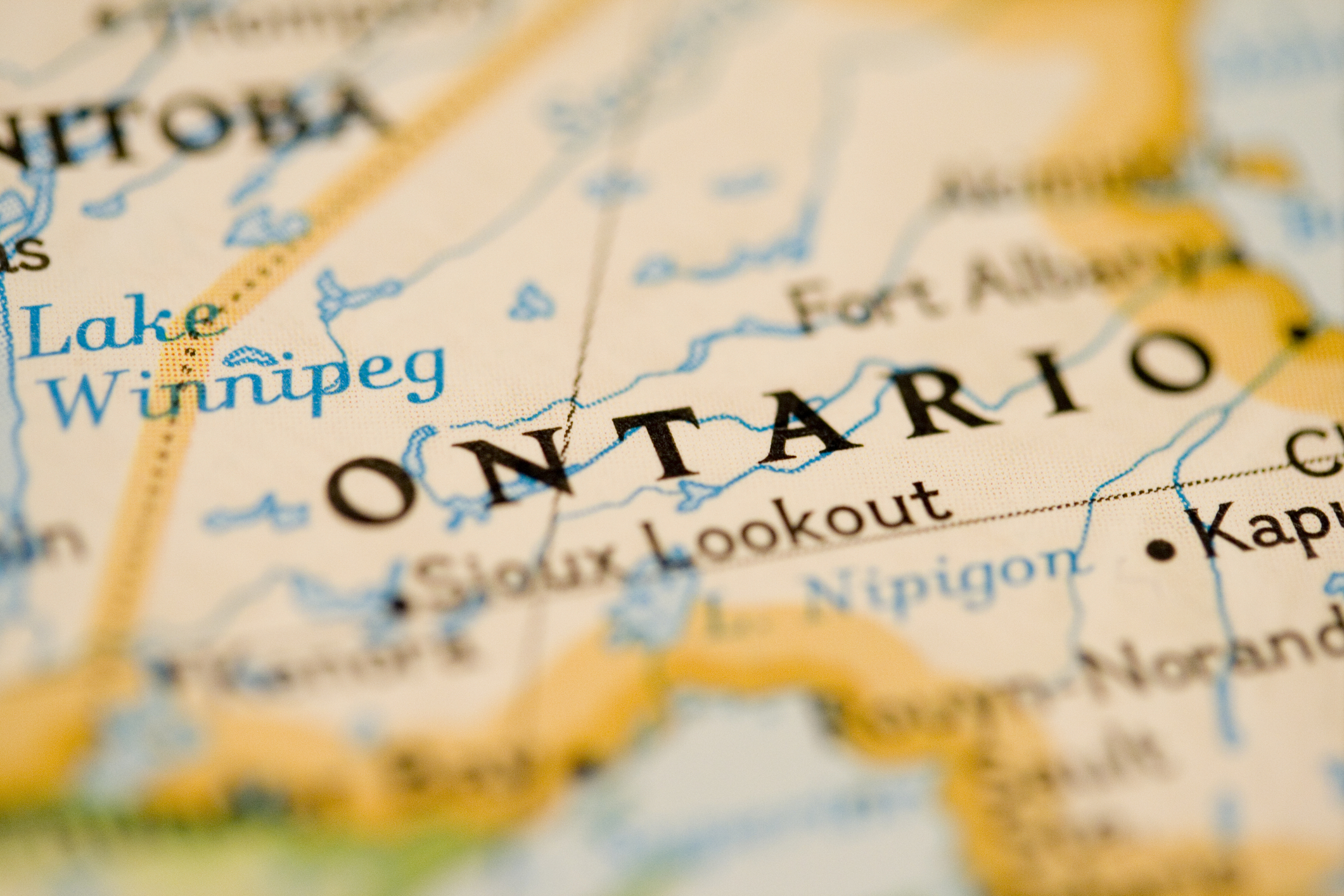
0:07 Welcome, everyone, to another sixth panel. This is 1 that I'm looking forward to. Obviously, a lot of big names on this panel, and 1 that's going to be pretty exciting to listen to, I hope. The title of this one is Rich in History and Minerals, Mining in Ontario. My name is Matthew Mickleboro of Junior Resource Investing, and I'll be moderating. I will turn it over to the panelists here as quick as I can, but as always, there's just a preamble to clear up. First off, disclaimers. These are going to be fairly standard. Blue Sky Savings will be made. No 1 here is your financial advisor. If you want the full disclaimers, please check the YouTube video. Also, some notes. This is being recorded just so you're aware. And I will do my best. As you can tell, this is a crowded panel. There's 5, including myself here today. So it's going to be a busy panel, but I will do my best to my level best to get your questions involved. So if you do have a question for any one of the panelists here today, please stick into the chat and I'll do my best.
0:56 Otherwise, I'll just do a quick introduction, and I'll pass it off to our panelists here. Turning a resource discovery into an actual producing mine is no easy feat. And if you're in the industry, you understand that perhaps the biggest hurdle to making this happen isn't just what is being mined, the mineral, the grade, or the tonnage, but where. Jurisdiction matters immensely. Do you have the infrastructure required to succeed? Do you have roads and power stations and all the other physical necessities? But do you also have the intellectual infrastructure required? A population of skilled and semi-skilled workers, post-secondary schools teaching the next generation and more? And even further, what government supports are there or aren't there? What is the tax and royalty regime? What policies and programs are in place? These are often the types of questions that end up defining whether or not a deposit ever actually becomes a mine.
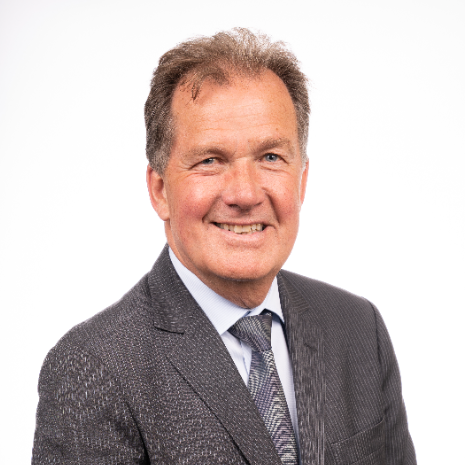
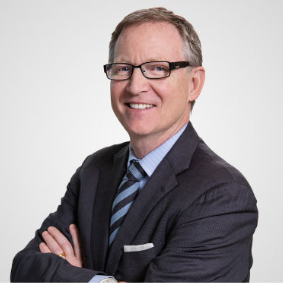
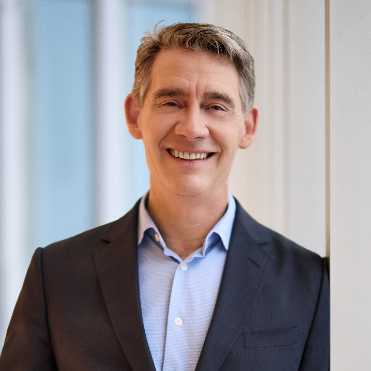
1:45 Jurisdiction matters immensely. And through this lens, Ontario stands up as a global mining leader. So here to discuss Ontario as a mining jurisdiction are a range of industry members, ranging from exploration to production and even into elected office. Joining me then are Ontario Minister of Mines, Honourable George Peary, John McCluskey, CEO of Alamos Gold, Dan Wilton, CEO of First Mining, Brian Skanderbeg, CEO of GFG Resources, and Renaud Adams, CEO of IAMGOLD. Welcome, gentlemen. And there's one more bit of preamble here before I let you guys take it away. Just some clarifications on what it's going to look like. As I said, it's a bit of a busy panel. You're not all going to answer all the questions, just the audience is aware as well. I'll get 2 or 3 of you to chime in per question, but please also, I hope to have some dynamic conversations involved. So if you do want to speak on something that's not actually your turn, please feel free to jump in after the original respondents have had their turn. And we'll end this conversation today with some specific company questions as well. Anyway, all that out of the way, I will start the first question here, and it'll be 1 for Minister Peery. I think we have you on the show. It makes sense to have you here and begin it all for us.
2:51 I want to discuss mining in Ontario. Critical Minerals Initiative, Ontario's Critical Minerals Initiative, gets a lot of deserved attention. However, gold, and maybe we can argue here that it should be, is not on that list.
3:04 Of course, regardless, though, this is a panel of gold explorers and an audience of gold exploration investors. So those big battery plants and carmaker investments that have been hitting the headlines lately don't directly impact this conversation. So with that in mind, Minister Peary, please, if you don't mind, can you just discuss or point to major programs, funding, policy initiatives, implemented or announced, or in what way you can demonstrate that your government has focused on the mining industry and supporting it as best you can? Yeah, thanks very much for the question, Matthew. As you know, it is my responsibility for rolling out the critical mineral strategy here in Ontario. But as I said, having the mandate to talk about critical minerals means that I can talk about mining with impunity. And of course, gold mining is a big part of that. And because of my history, I love to talk about gold mining. But specifically, when we talk about, there's 2 things really that are very, very important to all miners.
3:59 And 1 is the Ontario Junior Expiration Program. We've got a very robust program in place that helps the junior miners. In fact, we're so successful that Ontario was already the number 1 jurisdiction for expiration in Canada. Very proud of that program. Can we do more? Yes. Will we try to do more? Yes. But fundamentally, and this is a direct result of one of the things that we're talking about, just a little off air was with Cody Lake. I mean, it was involved there when I was the mayor. Of course, I knew Greg Gibson. It's a world-class asset that took 15 or 17 years to get permitted. I thought that was unacceptable and meeting the Premier at the groundbreaking 3.5-years ago was fundamental to me and my career in deciding to run Provincial Ed. But the first thing, of course, that we had to do is change the Mining Act.
4:57 We did that and the focus is, of course, on permitting. And they got Royal Assent last year in May and the regulations all got rolled in April.
5:09 I'm very proud of that bill. There's not a word in that bill that's changed from the old to the new vis-a-vis our world-class Ontario's world-class environmental standards, nor the Ontario's duty to consult. So, and this makes it sound like it was
5:27 my doing and it wasn't, because When we first talked about this, I think everybody that is in front of us right now was involved. We got all the industry leaders and said, what do you need? How do we get this done? And That's why we were able to pull that together so quickly and get it through the legislature. And I think the results speak for themselves. Is there more work to do? Yes, there is. But it's a very, very good start.
6:01 Excellent. And maybe I'll follow this up then and Brian, I'll have you lead this off if you don't mind as an exploration company. For company executives, how have you felt the benefit of Ontario Policies in your project? How has Ontario helped make your job easier, Brian? Yeah, look, I mean, we're a regional focused explorer and a small cap company. So for us, it comes down to the finance side of it, but then the technical side of it. So when I think of Ontario policy, I can touch on a couple of key pieces on each of those. One of those is the flow through financing. And this has been a big piece of kind of, I guess, evolution over the last year with federal government's push to it. But for a company like TFT and financing our initiatives,
6:42 this flow-through piece for Ontario is very, very key to how we operate and how we finance our ideas. And so I know that the provincial government supportive of continuing the flow through initiatives. And that's a very, very key piece for us. So maintaining and building the flow through structure, exceptionally productive and key for us. That's on the financing angle. When I think of the technical angle for it and what the government flags, I think George's in minister here is very appropriate in talking about the OJEP program being, you know, a truly good vehicle and supportive
7:17 of the exploration. So I won't reiterate that one. I would maybe take a different one where you look at some of these provincial government, university company initiatives and the work and the technical research around the geological and exploration ideas within something like the Timmins camp is a great example of how government and the universities and the industry is all really working cooperatively to build the knowledge in the camp. And there's a piece where if you take 5 or 10 or $15 million investment, it actually benefits immensely everybody on this platform today, whether it's Alamos or IM Gold or First Mining or GFG. So I think there's really good examples where the policy and the execution of the 3 Ps, the government, the industry and the university is working well together.
8:05 Combine it with OJEP and look at the flow-through angle. Those are 3 really critical pieces for a company the size of GFG. Excellent. So maybe a kind of classic flip side, fall up to this and I'll start this with a classic Canadian analogy is to skate where the puck is going, right? Success now, making sure you plan for success in the future as well as just as critical. So maybe what does mining in Ontario need to succeed in the future? And There's a few of you that I'll shoulder tap, but John, would you like to lead us off on that one? Sure. I think that Brian hit on a really critical point that we have the Minister on the panel here. And what role specifically can the Ontario government play in making that future for mining in Ontario a brighter one? You know, The industry doesn't really look for much,
9:04 very little really when it comes to tax incentives, things of that nature. You know, when you think about the billions of dollars that have been offered to non-Canadian companies to come to Canada to build manufacturing plants of various kinds.
9:22 It's quite staggering, the difference between the 2. So what can the government do? Create incentives, to create tax incentives in particular, and taking away incentives like the Feds with respect to flow through, that just doesn't make any sense. We have a massive province and it's relatively underexplored. I mean, Ontario's half the size of Mexico. Just think about that scale. It's twice the size of Texas practically. It's the size of Alaska. It's a massive province. And it's underlain by the Canadian Shield. God knows what there is out there to be found. There's massive potential.
10:07 And anyone who's looked at it closely is well aware of that. So how do we get those high risk dollars to be spent? Whether it's looking for critical minerals or whatever mineral you want to be looking for,
10:22 you've got to have incentives in place. And I think it not only comes down to specifically the flow through dollars, But for example, if we want to attract more young people to take up mining in universities, we've
10:38 got to create an industry where it looks like there's a bright future. I mean, young people aren't stupid. If high tech looks like it's the place to be, that's exactly where they're going to go. That's where they've been going for the last 15 years, including some of my own kids. So, I would say we need to create incentives for companies to hire more young people, hire more university students, put young geologists to work. I mean, we do this every year, every year around, you know, late April, we probably have 15 to 20 young people coming in and working for us. And I say that's the best education they're getting over the course of their university years. Being on the ground with senior geologists, seeing exactly what we're doing and learning about the new techniques and the approaches that are being taken by the industry, it's all well and fine to understand the model and so forth, but getting on the ground and seeing how it's done, there's nothing like that.
11:42 And if we can create incentives along those lines for companies to hire more young people. I think that's going to go a long way. I would say that Ontario is probably one of the most forward-thinking jurisdictions anywhere in the world where it comes to mining right now. They understand the need for infrastructure, the work that has gone into power, for example. Power is a massive advantage that Ontario has over the majority of mining jurisdictions in the world. And I think that the Ford government in particular has done an amazing job in taking
12:19 that issue up and making it work on behalf of the industry and all Ontarians, frankly. So, look, I could go on, but I'll leave it there and let some of the other panelists comment. Thank you, John. Dan, I'll pass over to you. Anything that you want to discuss in terms of evolving pressures and demands? Well, I think we're particularly
12:42 involved right now in a permitting process. And it was something I know that the minister's taken, you know, very seriously and personally in terms of having a look at how you can better streamline this permitting process. Now, the good news is we're near the end of that process, I think, submitting our final environmental assessment in September of this year. The challenge is we've been in this process federally and provincially since 2018. But what I would say is that We've benefited immensely from a lot of the coordination that really the Minister's Office plays in bringing a bunch of different ministries together when you really need them there to make a decision or to help advance something on a specific file. So we felt very, very well supported.
13:42 Not without a tick-ups, but by and large, very, very well supported. Listen, I think if there's another area that the province really does need to focus on, it's whatever it can do to build its relationships with indigenous communities and
14:03 provide a bit of a clearer path on that consultation role that it largely kind of delegates to industry to move forward. So, you know, I think it's always a bit of a challenge when industry has to really kind of step in and do a bunch of the work in what is really kind of government to government relationships between Indigenous communities and the province. And the province. And there's no simple answer to how that can work differently or better, but just whatever we can do to enhance that relationship, make that relationship work. I think it then kind of smooths a lot of the process and I think can have real impacts on time frames for permitting processes as well.
15:01 Well said And Renaud, what are your thoughts on this?
15:04 I'd like to bring back maybe a couple of comments that my colleagues made. So there is no doubt in my mind that we've seen, and especially at Cote, the benefits of all the work that was done on the policy side. I mean, you can put and get to the finish line on time and without having the proper framework on board. And I think we've witnessed that, how we could move from 1 step to another, tailings movement every year you need to. So all that I think we've seen. When I look at the future, when I look at the next 345 years, the next generation, so John, you touch a point on labor. And I think this is like a challenge, but also a tremendous opportunity. I look at it and I feel that we need to find a way to maintain and even grow everything that has to do with skills and unskilled workforce.
16:01 There is a lot on the agenda. There is a lot of explorations going on. There is a lot of projects in the pipelines. We know the ministers and the critical minerals. You know, all that is on the roadmap. But the reality being in the last 10 years, we've seen a decline. We've seen the decline of people joining university and the geology on the mining side. It's all about sustainable.
16:24 I think Ontario has everything on paper, you know, to become the mining, the capital mining of Canada, and been one of the top jurisdictions in the world. But you need to have the skills that follows and comes with it.
16:40 This is where we're prepared as a young dog to partner even further. But I like to see a tendency to reverse. We're bringing more technology and it's a truly unbelievable opportunity to start attracting other domain as well. Environmental, water, diversity, community outreach, those are all things that we're going to move to the next level. And I think we're prepared to do that. But when it comes to how we're going to staff our mind, professional and less more like operational, I can foresee a challenge here. If there is one area that I think our government and industry need and will need, and absolutely need to partner over the next years, is we need to reverse this. As we build Ontario as the capital mining, we need to have the skills that goes with it. Those will be definitely.
17:38 Reconciliation, what does that mean, reconciliation process into modern mining model? How could we do things differently? What I like to see as an opportunity more than a challenge down the road. How are we going to look at the community outreach, consultations, are we going to look at partnerships in the next generations? Again, I thought, you know, I think we've done awesome things and changing the perceptions. But the next year is about how we address partnership. That's why we would see are the key points for a company like us.
18:16 This is actually a good opportunity. There are a couple of audience questions that dovetail into this conversation around workforce and how to encourage it quite nicely. This one, I'll just leave it open to the table. The second one is framed more for Minister Peery, but This 1 comes from Kevin. One of the challenges facing the industry is talent. Excuse me, suppliers and contractors to the industry are now in direct competition with each other. How do you solve that challenge? And so, I mean, we recognize that we need a greater skilled, unskilled, semi-skilled workforce. How do we actually make that happen? I'll leave that open to the floor here. Well, number 1, if I can jump into that, I really feel that the emphasis from the federal government should have been on the colleges. If you think about international students, and obviously the conflicts in relation to that.
19:06 You know, we need tradespeople and the tradespeople are generated in the colleges. We need to really, and from the province's point of view, we've put tens of millions of dollars into the college system. And we need to train people globally, around the world, into our colleges. And our colleges are world-class. They know the trades, they know...
19:34 So It starts right in the colleges. So these jobs that are being produced, will be produced, are very well-paying jobs. They're high-skilled jobs. They're challenging jobs, technically challenging jobs. The last thing you could say these jobs would be, would they be, they were boring. And I expect young people would want to be involved in challenging careers. And I think that's what mining offers. But we have to put, ensure that everybody, I mean the federal government as well, as putting the money back into the college system because they will drive the future generations. And I love what's been done in the province in relation to allowing
20:24 the trades to move right back into the high school systems so we can advance those careers, advance those well-paying jobs.
20:34 I think that's where it starts from a labor point of view. I think for a number of years, the focus wasn't on trades, and we're paying for it now. The mining sector is, quite frankly, booming in all sectors. Gold for sure, and certainly in the critical minerals. We've got a number of great jobs taken. One of the things that Brian was talking about, I should have mentioned, was the OGS, what they're doing to advance that skillset and the knowledge and it's all free and Ontario provides that. And again, I'll talk about companies like Morocco, if you can't get excited about some of the research that's being done, all associated with mining and processing, then I don't know what would excite you, because they are challenging, very rewarding
21:31 careers that are out there. So I think it all starts with education. And it's the same holds for the indigenous communities as well. Micro credentials that are being recognized in the colleges.
21:46 The indigenous people are the largest single source of employment, a single source of employment that we have. And they're a growing population as well. So getting back to what Dan talked about, relationships with the indigenous people, Yeah, absolutely required. We've got a number of programs like revenue sharing that we have in place where the money that would go to the general revenue to the general revenue of the province, up to 44% goes right back into those communities. And it's all about building capacity. And with capacity, of course, you've got the ability to consult. You're dealing with educated people that are advancing the resources in their traditional territories.
22:37 The communities like TTN, certainly Matogmi First Nation, Flying Post, all of Waban, and certainly Weber Cay and Martin Falls, There's numerous, numerous, numerous communities, indigenous communities that see this because they see that's what we do as miners. We build the community. We increase
22:58 the standard of living in all those communities and they end up being healthier, prosperous communities. We've seen that in northern Quebec on the back of the revenue stream associated with Bay James. So, quite frankly, guys, I think we have the answers amongst us. We just have to execute on them.
23:18 Well, I'll do a quick follow-up here back to you then, Mr. Pierre, just one more. And you touched on this and I guess I'll ask you just to clarify a little bit of further detail. But can you just explain your government's commitment to trade schools?
23:30 And this is coming from Sybil and she's asking in particular Dryden to have that workforce. What have you done to make sure that local Ontario trade schools have what they need to develop the next generation of workforce? Well, I think, you know, you know how I, what that speaks to, I mean, we've got Jill Duncan, and she's the Ministry of Education, College, Colleges, Universities, and she'll be in Sudbury just probably Tuesday night, Wednesday, Thursday, talking about critical industries, critical minerals, and it's in where we're, that'll be, that's a, that's a, that whole, That whole
24:04 event will be hosted at the Cambrian College. And the number of Jill Dunlop is the minister of colleges and universities. So that's how important it is to the government. And we continue to put in money into the trades to ensure that
24:23 those courses and people will have a chance to succeed in the mining sector. That's what we're doing. Are we a little bit behind? Well, we're behind because quite frankly the trades weren't focused way back in the 90s. People were talking about mining was supposed to be a sunset industry and all that kind of stuff. I mean, I'm old enough and so is John. I mean, in the 2000 era where, you know, what was the price of Gold? That fateful Wednesday, about $265 an ounce. I mean, that was a frightful time and, you know, we were supposed to be a sunset
25:03 industry. Well, we're not. We had 1 premier, as a matter of fact, that said their economy wouldn't be defined by guys digging holes in the ground. And my response has been, and I say it all the time, well, we dig world-class holes in the ground.
25:19 We're the best, we're the best, and we have to tell each other that we're the best and we'll attract the kids into the industry because they want to be in, they want out, they want to be associated with the best, and quite frankly, We are. Well, in this next conversation, or this next question rather, it fits nicely as well, because it is a question of public perception, right? That there's this weird tension or strange tension between the absolute critical nature of all mining in Canada, and then also sometimes what might be considered a questionable kind of public perception. And so I guess my question that I have to pose next is, how do we guide public perception to understand how critical mining is and have it not be such kind of a potentially sort of a dirty word or whatever, right? I mean, so is this adhering to best practice? Is this just better public, you know, more effective public outreach?
26:09 How do we make people understand just how critical this industry is? And Rino, do you want to lead this one off? Absolutely.
26:16 Well, let's start by saying, you know, what we should be proud of, because I think there is really no other industry out there, or for sure one of the top industries that has transformed itself the most over the last decade.
26:32 You're looking at the best practices in on sustainability and how we're bringing technology in. You're looking at water and stewardship and community outreach.
26:48 Nobody could argue on how that we've made like very bold step to change the image of the mining. That's the one thing you know I would see. The other thing too is everything we're talking here today, if you're in the industry, you're so proud of what we've done. But I feel sometimes that we try to not lose the game rather than try to winning the game. Winning The game is to be out there and to tell the story because we do a lot of very good things, right? We have our disclosures. We set in sustainability report everything good we do, but we're not that industry that it's like on purpose out there Because at the end of the day, even
27:36 the most against mining, if they are people against mining, they're probably like benefiting from mining a hundred times a day, just without knowing it or not acknowledging it. I feel a little bit like, well, we understand what mining is necessary, but not in my backyard. Well, we cannot move the deposits.
27:58 So mining is not only necessary, it's one of the fundamental pillars of any society. And so I feel like we need to be out there, it's like, help us doing it better. From the standpoint that it's an absolute necessity for the development of the society and the growth as an industry, as a population as well? Well, nothing is perfect, but mining is, you know, you by definition create impact to Mother Earth because this is natural resources, this is the task that we have, it's not an easy task, it's like you're doing so many good things for the world but we feel, I feel sometimes that we're not enough out there, you know, like come and help us, you know, it's exciting, it's transformative, you know, and there's a lot of very good things happening, you know, for us.
28:54 So we feel sometimes a bit, you know, of the, of the latency, you know, or
29:01 a bit of a stop, you know, and our initiative to be out there and talk about it. And that's my philosophy is mining is not just a necessity, it's a fundamental.
29:12 And we, you know, and more people would come in, you know, and touch on diversified approach and what are our needs we we're going to continue to improve you know the way we do and and this is what we need the most out there right now is let's not be ashamed of what we do this is this is great we're turning we keep improving we're bringing all aspects that quite frankly, other industries are lagging. So why not just be out there and tell our story? And if I can jump in, Matthew, I'd like to give you the, you know, we just pulled and we just had some results from polling that's been done. And, you know, 71% of Ontarians want the government to encourage more investment in jobs in mining. 71%, that's a significant majority.
29:58 74% of Ontarians want to see more mining projects in our province. And I think that's on the back of our philosophy about sustainability. And every miner knows that the definition of sustainability is meeting the needs of the current generation without sacrificing the needs of the next generation. That's how we operate. Our discharge water is cleaner than the intake water. Every single mine we have in Ontario operates to those standards. We've got to know that. We have, and if we're going to promote mining, we've got to promote all of mining. Obviously, I want to tell you a little bit more about coal, but I'll talk about Nickel. We don't want the Nickel from Indonesia. It's financed by Chinese, it's powered by coal and the tailings goes into the ocean. We don't want that. We want the Nickel to come from Ontario and places like Sudbury and Timmins in the Ring of Fire and other locations.
30:49 Canada Nickel is a perfect story. Hydrogen fleet, they'll generate the hydrogen by burning natural gas and the CO2 will be sequestered in Serpentine. This is the type of solutions that miners can deliver. And every single individual in Ontario will be impressed by this. This is a new way to go. A new way to understand what we do in mining. Gold. Gold isn't a critical mineral right now, but it will be, it will be because gold, it's been proven, I just read the studies just earlier this morning, that gold will protect the satellites in space from laser attack. And that is the type of critical mineral that we obviously need to keep us safe.
31:38 It's important for national, it's always been important for national security. So it ties everything together. Mining ties everything together. And I agree with Renaud
31:50 completely. We are absolutely essential, not just critical, we're essential. And one thing I'd add to that, it's interesting, we sort of grapple as an industry about how we sort of change the perception from the top down. How do we get the big picture of how mining is impacting people's lives? What I've seen, even actually, interestingly, in the last 2 or 3 weeks, you really wanna make that impact. It's just getting young people working at your sites and then having them telling other young people about what it's like to work at your site. So, you know, we have a great employee who's a Laxal First Nation member. He's been with us for a couple of years.
32:37 Great increasing
32:40 capability, started as an environmental monitor on behalf of the community, and then was doing a great job. We fired him on our team. Really led some very important environmental work that was being done up at the site. And then you have him, we're at a jobs fair, a careers fair in the Laxal communities a few weeks ago. And he gets to present the work that he's doing and talk about fundamental, you know, environmental scientific research that he's doing. And you give him the
33:10 profile to be able to do that, but that's what really helps attract people in. It's somehow, you know, what are those programs that, and we've benefited from a number of them, and they exist. There's sort of like the, you know, whether it's partial funding of university students or, you know, partial funding of community members coming to work. But those are phenomenally powerful, as long as we as the industry
33:39 help set up those forums for those one-on-one stories about how young people really understand and experience the work of a modern mining company. That's what's really going to attract other people in.
33:56 One of the features of Ontario and frankly Canada is that Everybody lives in Southern Ontario. Toronto has got, what is it, four-fifths of the population of Ontario is basically living in that corridor from Windsor up through the so-called Mississauga Conurbation,
34:19 from basically, you got Milton to the West and it stretches all the way out to Ajax and beyond to the East. That's where people live. That's where all the votes are as well. Where are the mines? The mines are in, you know, they're in Timmins and Kirkland Lake and Sudbury and Wawa, I don't wanna forget Wawa, Thunder Bay, places like that. You know, that's where the mines are. And when, you know, we have this massive immigration coming into Canada right now, where are people going to live? I'll tell you where they're not going. I don't see anybody showing up right now in Wawa. And I don't see anybody showing up in Kirkland Lake either. They're settling in Toronto and in the so-called GTA. And I'm not even sure they're aware of the opportunities in the northern part of the province.
35:11 Then the other side of it is, in this massive population we have in Southern Ontario, what are kids being taught at school? What are they being told about mining? Well, by and large, I know I raised 4 kids here, and I can tell you the message was not very good. And I think as long as we have an education system that is filling our kids with ideas about mining being, at best, a necessary evil, that's not gonna go a long way. And it's not even correct for it, first of all, and it's not gonna go a long way to encouraging young people to wanna pursue careers in the mining industry. And I think there's a need to address that. And I think you need to educate the teachers. I don't know where the teachers were educated and where they got all those ideas, but Frankly, that's just too prevalent a notion in the minds of the backbone of the population of this province.
36:10 And, you know, here in Toronto, you talk about this business district, there's a concentration of legal expertise, geological consultants, exploration consultants, the stock market itself. I mean, think of all the elements that you find in Toronto that basically works for and finances the mineral industry. If you took it out of Toronto, you would literally hollow out the financial district. And nobody would want to see that. In other words, I think there's just so many places that the mining industry sort of manifests itself. It has big influence without it being really recognized. And, you know, a company like Alamos, we're a smaller company in the grand scheme of things, but not so small anymore. We've got a bigger market capitalization than Air Canada, like by $2 billion bigger.
37:09 And how many Canadians have heard of animals? Not many. And yet, we're providing excellent jobs and we're creating jobs in parts of the province where a few other industries would go. And we're not just investing a little money, we're investing literally billions of dollars. We put a billion dollars into Matashwa just outside of Kirkland Lake. We're investing a billion dollars in Wawa right now, creating one of the biggest gold complexes in the world. And those, we've invested heavily in exploration. So you talk about sustainability, there's no sustainability without reserves. You've got to know where you're going in the next 10 to 20 years. So if you've got A56 year reserve life, where's your sustainability there? What are you talking about?
38:01 So, companies must invest in this way. And the mining industry understands that and has actually been doing that. But how do we address it in terms of, you know, closing the disconnect between Ontarians and the important role, the critical role that the mining industry plays. I think there's a lot of work to be done on that front and I think that's another area where industry and the province of Ontario, the government of Ontario could really collaborate in terms of making sure that when the consumer goes to the store, I remember being a kid looking at these chickens in the butcher store and not understanding that that chicken sitting there well plucked and dressed and ready for cooking was the same thing that was running around in the barnyard.
39:01 Eventually, your parents helped sort that out. But I still think there's a lot of Ontarians who aren't very different from where I was as a kid when it comes to the mining industry. They don't understand that the mines that we're operating that are producing the nickel and the copper and the zinc and everything else, It's the very same metals that build the airplanes and the turbines and for the generators and everything else that makes modern life a reality. And we've got a job to do in terms of educating people, in terms of understanding the critical nature of not just certain minerals, but the critical nature of the mining industry as a whole. No, I appreciate a lot of obviously a passion on this one, ready to stop apologizing and start advocating, right? And if people understand what critical mining is, and there's nowhere else in the world to be but Canada and Ontario in terms of best practice.
39:51 I will switch gears here. And so this is maybe looking, drawing back to the topic of Ontario and then maybe looking kind of further afield from there. And this one will be, I'll let Brian lead this off and I'll open the floor from there for other people to jump in. But, you know, what other jurisdictions are doing things that you think are smart or effective, just in terms of policy or implementation? Brian, what are your thoughts on that? Yeah, I think there's some good places to look at our peers and peers across Canada to learn initiatives. And I would flag Quebec and I would flag Saskatchewan as being a Saskatchewan resident. I'm very cognizant of what goes on in this province here. And I think both jurisdictions are doing a good job. If you looked at Quebec and how they use SOCAM developing their exploration initiatives and pushing an initiative from a government standpoint and partnerships, it's kind of a unique structure.
40:43 And I also think the tax incentive piece as it's been developed in Quebec is world class. And world class by means both funding model and the incentive model and how it relates to both the buyer, the end user, the company and the provider and individual taxpayer. I think that piece that Quebec has is quite refined and a very good example. Their indigenous consultation path also a little different than maybe what's led by Ontario. I would flag the Saskatchewan angle where here in Saskatoon, we're surrounded by potash mines and we're the head office of the uranium companies. The visibility, this visibility piece is really, I think, something that Saskatchewan does a better job of, and it's led provincially by the Sask Mining Association.
41:36 So that's a different vehicle that is solely promoting mining in this province. And it does change perception, it changes young people's attitudes, it advertises on TV, you see it in our presence on social media. And so I think there's initiatives that you can pull out of Saskatchewan and Quebec, that Ontario as a jurisdiction could even make our we have with the Ontario Mining Association, the OMA, which is equivalent to the SMA. I think there's ways to make the OMA more effective, both from an outreach perspective and a lobbying perspective, and continue to improve that. And then come back from the taxation and so camp. So those are 2 jurisdictions that I think there's a lot to learn from to improve our policy.
42:26 Thank you, Brian. I'll open the floor to anybody else on this one. Well, I would agree with Brian's comments on Quebec. We're funding exploration in northern Quebec right now, in addition to what we're doing in Ontario. It's a smaller portion of our overall budget, but we're well acquainted with the incentives in place there. And we think Quebec does a very good job on that front, as does Manitoba with the Manitoba mineral incentive program. It works very well. And I think that another feature of Quebec is, you know, Quebec invests in Quebec, you know, the Quebec pension fund, we all know it well, and they used to be fairly significant shareholders of our company, they're not anymore.
43:13 But they own virtually every company that's operating in Quebec. And you don't see a similar sort of feature in Ontario. I think that they're doing something very, very specific. They've also made great strides in terms of their relationship with First Nations. It's a much more straightforward process, I would say, in Quebec. We haven't gone through that process yet, but just in terms of the investigations we've made, if you want to develop a mineral closet in Quebec, there's a much more straightforward approach taken with respect to First Nations consultation and impact benefits.
44:02 It's an opaque process in Toronto. I don't think the federal government or the provincial government plays anywhere near enough of a role. And not only are we essentially expected to carry the ball on this as an industry. And in many cases, you know, the message is quite clear. Unless you have First Nations agreements in place, don't bother coming and asking for a permit. Well, that really makes it a very awkwardly tilted playing field. And so it's one thing to, you know, leave the burden in our lap. It's another thing to also basically make it almost a conditioned precedent that we get impact benefits agreements in place with First Nations before we can get things permitted. Now, I'm talking generalities, not specifics. I mean, we've done very well and had great cooperation with the Ontario government with respect to our, particularly our Island Gold Permits. And it's been operating for a long time, but as you know, we're expanding it.
45:16 But I think we need to see more of that. I think we need to see less opacity, more clarity in terms of what's expected. And I think that it's not just an education process for politicians to understand specifically what's going on, but I think that among the First Nations communities themselves, there's very little discussion on this subject. In fact, most First Nation agreements are confidential. So 1 First Nation isn't telling the other First Nation exactly what the deal is. And so you're dealing with each sort of case on a one-off basis and that doesn't work.
46:07 You can't figure out what something's worth until you figure out what the market is. Is 1 project exactly like another project? No, all these mining projects are very, very different depending on the commodity, depending on the size of the resource, the grade of the resource and so on. In other words, some big deposits can afford a fairly generous, a very generous sort of structure and can provide more in terms of benefits. Others just will never get to that scale or will never be that profitable to be able to support the same kind of benefits. And these are topics that I just can confine with respect to the direct conversations that I've had with First Nations communities, that These are where I see that there's gaps missing. And I think there needs to be more work done in terms of making it a more transparent process.
47:15 Yeah, If I could, Matthew, I'd like to just comment about some of what John has said, and he's 100% correct. I mean, obviously, the number 1 jurisdiction from the point of view of Indigenous relations is Quebec. And it's on the basis of the revenue stream that was developed from the Bay James projects that were probably developed around 30 years ago, I think, were the fourth iteration of the expansions in the dams. I don't know if they'll go ahead with the fifth or not. But with that, they have the overarching agreements with the indigenous communities. And it's very apparent those communities are vibrant, they're healthy. They've got a number of companies, Air Quebec is just one of them, that will last any mines. I mean, the companies that should be out there for another 500 years. And that's how they've been set up so that they've built the capacity.
48:14 They have, Again, they have full participation with the benefits of the land they have. But it was all based on the revenue stream associated with the Bay James project. Can something like that happen in Ontario? Yes. And why do I say that? Because of basically our government. Number 1, the Premier wants to see this happen and we've got an energy portfolio that's led by Minister Smith that's looking at every possible type of energy. And I think we can do some magnificent things on that file to ensure that everybody participates, everybody is prosperous, and a much easier, with a much easier protocol and policies in place to divide, I mean to drive towards a solution.
49:11 So yes, John, you're quite right, Quebec has got the number 1, is the number 1 jurisdiction for the indigenous relations. And we're working hard to get there. Thank you. Well, we will transition. We will have just a perfect 10 minutes left here for our last category here, just in terms of company by company questions. And Minister Pierre, I might just throw it right back at you if you don't mind. Question is regarding, right, so I mean, you've established that you, you know, the support of the mining industry, but a question about how you balance that economic growth with environmental sustainability. Well, as I said, I don't know that I understand that idea of balancing because there will never be any sacrifice to the environmental standards. Ontario's got world-class environmental standards and there will never be any denigration of that responsibility.
50:05 I'm old enough that we lived through that transition. And we've learned from the mistakes from people that came before us and some of the stuff that we did as well. And we're not gonna go back there. We just get with that. And that's why I'll quote a goat, $3.2 billion project, full employment with the flying post and the First Nation, 1600 people in the height of the construction with full employment, as I say, with the indigenous communities, and they don't even discharge water. So it's all possible. And In fact, I think the economy is stronger because we're so good from an environmental point of view. There is no sacrifice in the economy.
50:54 Recently in Washington, we had the same conversation with the Department of Defense and then later with the Department of the Interior. And there's this, the idea that something has to be, something has to be sacrificed. Not at all. Because if you look at the end result, you'll see that it's far more economical to do it correctly the first time, do it right. And that's, every miner in this panel will tell you that. There is no sacrifice from an environmental regulation point of view. Dan, first of all, I'll move it over to you here. You've sometimes said that you're at year 7 of an eight-year journey. Do you just explain what that last mile looks like for Spring-Pole? Well, yeah, very exciting time coming up. So submitting our final environmental assessment on Spring-Pole targeting in September.
51:48 That's after having submitted a draft EA more than 2 years ago now. So we've been in constant dialogue with regulators, both federal and provincial, and with the indigenous communities we're working with for 2 years before we submit the final EA. So all of that feedback, you know, 1700 plus comments that had come back, all being incorporated into this final document that gets submitted and then goes through the real formal part of that EA process. But, you know, we're optimistic that after 2 and a half years, there hopefully aren't any questions unanswered or unasked at that point. I think, you know, we've I think the final EA will address most of those things. Then getting to the point by the end of 2025, where we're going to have one of very few projects at Springpole that can be built between now and 2030.
52:46 You've got a couple of people who, with both Renaud and John, who have amazing projects that have been part of this generation of a massive build in Canada over the last 3 or 4 years. But there's really not that much advanced in the pipeline beyond that. And so, you know, we're very excited about Springpole really, you know, opening up a new district in Northwestern Ontario with really district scale exploration beside it. So yeah, it's, we're, you know, we never say we're getting to the finish line, we're actually still another year from the starting line of where it gets really interesting with a permit with EA approval and or a project with EA approval and driving through permitting to actually really start to do the real hard work of turning this into real economic growth for the province and the communities around us.
53:42 Renaud I'll pass this over to you and I am gold next here. So you've recently brought your Cote Gold project into production, which is no small feat and definitely worthy of congratulations. But I guess, what is next for Cote after that ramp-up period? Well, next for us is of course, continue to get more out of the best. And for us, you know, owning an asset like Cote Gold, second largest gold deposit already in Canada, and continue to grow amongst the top gold producer profile and so forth. A lot that hasn't been said enough about Cote is all eyes are on the commissioning, the ramp-up, and we'll get there by the end of the year. And this is really just a phase 1. This really represents a life of mine of 18 years with 7.5 million ounces in it.
54:32 We're already sitting at about 20 million ounces in the continued to grow. So expect us to enter into more organic growth momentum once we ramp up, go after all those ounces that are not currently in the plan and just continue to build massive organic growth and value for our shareholders. It's the first time now since the since the company was founded, it's the same time that the majority of the business is now shifted to Canada. And this is the big thing that we have achieved. Love what we've done in the past. Do not look at the past as a wrong way. I thought we did extremely well in the past, but the ability now that 80% of our business is shifting Canada and we could looking at the future, we could look at the next generations with the strong position.
55:25 For Ontario, we'll continue to be awesome. Just at the base case, you know, we're talking about 10 billion plus GDPs, the partially contribution to Ontario GDP, over 5 billions in wages, and this is just the phase 1. So as we grow this business, so much more will come to benefit as well, Ontario in general. But for us, it's transformative. For us, it's a new chapter that has been written. It's as simple as that. We feel that we're reborn again with a Canadian-focused vision. And Brian, I'll give you an opportunity here to discuss GFG. You've, you know, the last little while here, you've decided to focus solely on your Timmons Camp projects. I mean, do you want to, this may be a service to recap the conversation a bit on your perspective of this, but what makes Ontario that draw that drew you in to have you focus it primarily here? And then what's next for GFG in the next little while as well?
56:21 Sure, Matt. Being a company that's worked in a few different jurisdictions and then pivoted back and really focused on Ontario, you know, It comes down to what we start with, which is just endowment. And it's a term that's usually referred to as dollars perspective, but as a miner, we think of endowment as a resource. And Ontario just has an immense amount of endowment, whether it's gold, nickel, copper, PGEs, lithium, talc, timber. There's phenomenal and world-class endowment of all those pieces. And then as an explorer, I look for, and we look for what's preserved endowment. So what's left to be found? And again, Ontario sits so high because of its nature, of its overburden cover and its nature of its setting in terms of how the deposit sits and what's yet to be found. And I think if you look at Cote Lake and you look at a history of this, where you have a camp that's been operational for 90 plus years.
57:16 And 20 years ago, we found, Trelawney found a fantastic world-class ore body. And that's what I mean by preserved endowment, what's yet to be found in Ontario has a lot more to be found. So that's the piece that is the technical side. And then we go to the infrastructure and we have either the human infrastructure or the physical infrastructure, power, roads, rail, and people, all those things Ontario's world class. So as an explorer, we look at our risk and if we look at our risk it's the probability of finding a mine and it's the probability of developing a mine. And both of those, we really sit so high in Ontario that as a company we could not find a better jurisdiction to go focus on. And so I truly believe Ontario is a great place to work. It's a great place to find the next mine. And it's why we choose to focus there at TFT.
58:07 Timmins is our focus. We have 3 advanced assets, 3 assets in Timmins. Some of them really early stage where we're testing a target for the first time. It's a concept, it's a mine there. We'll go put a drill hole in it. Other ones are moving towards resource stage. So over the next 12 to 24 months, we would be optimistic to be able to take something towards a resource stage and continue to find that next discovery that could be the next Cote or young Davids in mind. And that's really what our focus is over the next 12 or 24 months of TFT. Thank you, Brian. And John, best for last year, right? So obviously with Alamos, you have a wide portfolio, right? In terms of jurisdictional exposure, you know, could you just maybe just, again, maybe as just to put a bowl in this conversation Can you explain some of the key differences that you see in Ontario versus other jurisdictions that you work in?
58:54 There's just a long list of advantages that Ontario has and and and specifically for us as a you know, we're a company with a head office in Toronto. The proximity of our operations is just a huge advantage. You know, if I want to leave at 4 in the morning, I can be in Kirkland Lake before lunch, And that's driving up there in a pickup truck, which I like to do actually. Similarly, we've got this culture, we're part of this culture. It's the language, it's the values, it's this sense of being, you know, we're working at home.
59:47 There's a big, big advantage to that and it would be the first thing that I would mention. Ontario has an abundance of clean power. That is a big, big thing. And it's making its case very well known among investors around the world now. If you want to invest in good projects, projects with low carbon intensity, You want to be investing in projects in places like Ontario. We have clean power and we've been investing heavily at Young Davidson. For example, we invested over $350M into developing the lower mine. We fully automated the mine. It's all tied into the Ontario power grid. So we lowered the carbon footprint of that operation by about 40%, just by making that investment. And now we're doing the same thing at our Dubroville operation at Island Gold.
1:00:51 We've got a big investment sinking a shaft, again, which will be tied into the grid. We're taking away all the trucks that are moving up and down the ramp. And Instead of as we go deeper, tripling the number of trucks we're going to use, we're going to reduce the number of vehicles required. I think we're going to use 5 in the whole operation. And we're going to, well, we double the size of the underground. So it's remarkable what you can achieve. But this is the kind of investment that's required. It's a billion-dollar investment. We've just acquired the Argonaut Gold. We will close it in July. That will bring in the Geno deposit. Between the 2, they sit literally 300m apart. There's 11.5Moz in all categories of reserves and resources.
1:01:43 That's a massive resource and it's got a lot of upside to it. Therefore, between those 3 Ontario operations, we've got each of them have close to a 20-year reserve life and they're still expanding. We're still finding more mineral everywhere we're drilling. So these are projects that are going to be there for the long term for sure and it's literally transforming those communities where we operate. We need to do all the things that that you would imagine we need to do in terms of helping with housing development. So there's places for people to live. We don't wanna be treating a place like Duburville as a fly in and fly out operation. Over time, people should move into that community and build that community. And we can already see the early stages of that happening now.
1:02:36 Similar thing in Kirkland Lake. There's a shortage of housing. There's a lot of work to be done in terms of developing those communities. There was a time when Kirkland Lake had something like 7 operating mines down the Golden Mile. Main Street Kirkland Lake was essentially a mining road. And what an incredibly vibrant community it was then. Well, it's coming back in a big, big way. And we're applying the kind of modern exploration techniques involving everything that you'd imagine, including AI, in order to make the most of those very expensive exploration dollars that we're spending.
1:03:27 And we're having success as an industry, and Alamos is specifically having success as a company, finding more and more reserves and resources. Well, that gives you the backdrop to overlay those discussions about sustainability. You can start thinking for the long term. You can develop for the long term. And the small operations, how do you invest? How do you agree to invest a billion dollars in capital if you've got a five-year reserve life in front of you? It's not that easy to do. But these are the things that we're taking on today. And, you know, when I think of Cote Lake, the capital that has been put into that development of that mine, these are intergenerational assets.
1:04:17 These are great for us now, but these are the generations that not only our kids are going to be running, but their kids are still going to be running these mines. That's how long they're going to be around. And if you're exploring the young volcanics in either western Canada or Mexico or along the Cordillera running down the western hemisphere, it's a different proposition altogether. And you face all kinds of challenges from lack of water, lack of power, the short life of a lot of the mines that are found in those jurisdictions. The Canadian Shield, one of the best parts of exploring there is you tap into these deposits that can go for 100 years. And this is the kind of thing that I think we have to educate Ontarians about so they really understand that they're sitting on top of mineral riches that we can't even begin to quantify.
1:05:20 I still run into people all the time that, you know, they ask, well, what do you do? I say, well, I'm the CEO of a gold mining company. Well, where do you operate? I say, well, I'm operating in Ontario. And they say, there's gold in Ontario? I get that all the time. And these are people, not necessarily recent immigrants, although that's very common to hear, taxi drivers, one thing or another. They're always asking that question, sitting in the backseat from that run from the airport. And yeah, they're always quite surprised at just how rich the mineral endowment of this province is. And if we want to be good stewards of it and pass this industry on to the next generation in really good hands.
1:06:06 We've got to think in a very enlightened way and we've got to think about collaborating as an industry and as government. And we need to make sure that we inform Ontarians of just why a city like Toronto is such a vibrant and rich city. A big part of it has to do with this industry and really the responsibility is on our shoulders to make sure they understand that. Well thank you gentlemen, well said to all of you. Just a quick mention of the chat here, I apologize this will be the end of it for today. Sybil in particular has a couple of questions for Dan that I would encourage her to reach out to you Dan. Otherwise gentlemen, Honourable Minister Pirie, Brian, Dan, John, and Renaud, thank you for your time here, and thank you for everybody listening, and we'll speak again soon, I'm sure. Have a good day, everybody. Well, thanks very much.
1:06:57 Very enjoyable. Thanks a lot. Thank you. Thank you.