Replay available

Permitting Discussion With Dan Wilton & Steve Lines

Join First Mining Gold's VP Sustainability, Steve Lines, and CEO, Dan Wilton, for a discussion on the company's permitting process at First Mining Gold’s Springpole Project. Both are available for questions live from the audience following the brief Q&A.

Thu, June 13, 2024 at 2:00 PMendedReplay
Permitting Discussion With Dan Wilton & Steve Lines
Company
First Mining Gold Corp. (TSX:FF)
Date
Thu, Jun 13, 2024, 2:00 PM ET
Replay
Watch the replay on this page · 59 min

On 6ix: 6ix.com/event/permitting-discussion-with-dan-wilton-and-steve-lines

Replay

Transcript

Automated transcript · Written by software from the replay's audio. It can mishear names and figures; the replay is the record.

0:07 So good morning, good afternoon, good evening, depending on where in the world you're signing in from. There does seem to be an international audience today, so I appreciate everybody making time. I'm thrilled to be joined by Dan Wheldon and Steve Lines of FirstMiningGold. How are you both doing today? Doing well. Good to see you, Romeo. Good to see you again, Dan. Hey, Romeo. Nice to see you. Hey, Steve. So before we get into the discussion, there's a couple of housekeeping items I just wanted to quickly run through. Today's discussion is interactive. You are encouraged to ask questions throughout the event. There's a button on the bottom right corner of your screen that opens up the chat tab. Feel free to ask questions at your leisure. If they're right on topic, I might sneak them in. Otherwise, we'll try to address them all at the end. I want to let you know today's event is also being recorded and the replay will be available hopefully by day's end, so look out for that in your inbox.

0:53 But enough out of me, I want to jump right into the chat today. So Steve is kind of the star of this event. I'd love if you started us off by just telling us about yourself, your title role, when you first joined First Mining, et cetera. Okay, it's always a little bit bizarre to talk about myself, but I'll give my best shot. Yeah, so I joined First Mining in, I think it was early December of 2020. And my role is the Vice President of Sustainability, which essentially means I oversee the majority of what we're doing on the Springpole environmental assessment, to the environment side of things, the regulatory side of things, and importantly, the community and indigenous relations side as well.

1:47 I really got into this line of work, which is a big, you know, passion of mine in a bit of a roundabout way, really. I went to Concordia University in Montreal. I'm a born and raised Montrealer, Habs fan, you know, to my detriment, I suppose, most of the time, but anyway, that's a different story. And I was going to Concordia and studying ecology. And then when I finished my undergrad there, I didn't quite know what to do. And you know, quickly realized that, you know, you keep going down the ecology path and you know that path narrows and you become, you know, very specialized in kind of 1 thing.

2:38 And, you know, my character, I guess, isn't quite suited for that type of a narrow scope. And so I went off and worked for a summer and I had a teacher reach out to me from the university. And he said, Steve, we've got this new graduate program that we're kicking off at the university next year. And it's an environmental impact assessment. I had no clue what that was. He sent me a brochure and he said, you know, if you join the program, we'll also send you to Mexico to do half of it. I thought, well, this is a great deal. So I joined on to that and, you know, I was sent a pamphlet and it was very much describing what EA was about. And to me it was kind of baffling at the time, but you know, it covers social aspects, economic aspects, legal aspects, environmental, regulatory, and so on. I thought, well, wow, this is interesting.

3:36 So, I went kind of full in on that. And after that program, again, like in Montreal at the time, there wasn't like a lot of jobs available in the environmental field. It's not like today where you can walk into, you know, an SLR office or a WSP office and have a job tomorrow because everybody's, you know, looking for, you know, new talent, especially in the environmental sector. But I managed to get a consulting job in Montreal and it was with a gentleman named Dr. Paul Wilkinson and he was working up in Nunavut at the time reviewing mining projects for a co-management board.

4:22 So up in the Northern part of Canada, a lot of the decision-making on mining projects is made by indigenous people under that land claim agreement. So I went up there, originally I was only supposed to go for

4:35 6 months and ended up being there for 3 years. And I got to work on pretty much every mining project in Nunavut that was brought forward, kind of between 2001 and 2010.

4:56 And so, that's kind of really where, you know, I guess people say they cut their teeth on things and, you know, but really got to understand regulatory process and decision-making process and what regulators need in order to understand a mining project and also what they need in order to be able to approve projects. You know, kind of how they take laws, regulations and policies and apply those to various projects and, you know, ultimately at the end of the day, turn that into a decision. And then after that,

5:40 there's a certain bureaucracy, I guess, everybody knows with working for government, and it wasn't really my thing. And I wanted to have a more hands-on contribution to delivering development and bringing the types of benefits that I was seeing starting to develop up in the Canadian North. And when you live there, you know, it resonates with you, you know, the vastness of the country and the remoteness of the country and, you know, what it's like for communities in particular that are isolated, to have economic development and some of the challenges that people face.

6:28 It was an opportunity for me to help sort of advance that, you know, and make a contribution to it. So after I was left Nunavut, I went back to school. I went to the University of Calgary, finished up my master's there, and then went to work for De Beers back up in Yellowknife on the Gatcho Kwe project. We also worked on the Meadowbank project when I was a regulator up in Nunavut. And these all have like very close similarities to Springpole, although, you know, Meadowbank and Gatcho Quay are quite a bit larger in scale than, you know, what we're talking about in terms of the size of Springpole.

7:15 So yeah, I did 3 years with De Beers on the Gatcho Quay project, which was of course built. And then in about 2013, it's kind of decided it was time to head back closer to family in the Montreal area, try and rekindle my Habs roots. And yeah, came back South. And then it was roundabout then in 2013, 2014 that the Hard Rock project out in the Geraldton area that really started to get going with the initiation of that EA process in 2014. And I had joined Greenstone Gold in, well it was Premier Gold at the time, and then the JV happened with Greenstone later on, but was on that project for about 6.5-years, right through from the beginning of the EA all the way through to the permitting of that project and was absolutely delighted a couple of weeks ago to learn that they poured their first gold.

8:14 It was tremendous. Great, well, thanks Steve for that introduction, Really appreciate it. And Dan, before we get any further in grilling Steve on some of the items, it would be great just for the folks in the audience who might not be 100 percent familiar. Just give a brief synopsis of First Mining Gold and where your flagship projects are at stagewise? Yeah, absolutely. So First Mining is advancing 2 of the 10 largest undeveloped gold projects in Canada. Our Springpole project, located in northwestern Ontario, which is about 100 kilometres from Red Lake, 100 kilometres east of Red Lake, Ontario. And it's, as we will hear more about, in advanced stages of the environmental assessment process,

9:00 and largely done a feasibility study process there as well. And we're also working on our DuParquet Gold Project in the Abitibi region in Quebec. It's about 50 kilometers north and a little bit west of Ruanaranda. And again, 2 of the largest and most significant development projects in the gold industry in Canada. Awesome, thank you. Steve, you ready for being grilled a little bit? Perfect. So back in June 2022, First Mining submitted a draft version of the environmental assessment document, called the EA from here on. I'd love if you could give viewers in the room today an idea of what's contained in that document, the length of time it takes to prepare, and who's on the other end reviewing it?

9:53 Yeah, sure. And I think the document, I think it was actually published in May of 22, So just over 2 years ago, you know, at this point, which is a big, you know, milestone for the project to have been able to publish that kind of a document. In its entirety, that draft EA is about just over 10,000 pages of documentation. And you know, you see this over time with EAs in Canada, the progression of them. You know, you pick up an EA from, you know, 2002 and it's probably like 2, 3 binders thick.

10:49 You know, you look at an EA nowadays and the binders you can stack them, you know, from the floor all the way to the ceiling. It's a vastly different space nowadays. And I think there's an upside and a downside to that, you know, which we can talk about. But our draft EA for the Spring Pole project, It introduced essentially all of the baseline environmental data that has been collected on this project to that point in time. And I think what's fairly unique about Springpole and that draft EA is the amount of data that it actually contained.

11:39 Because Springpole is not a new project, right? It's been around for some time. People have been doing a lot of work on that, you know, even before First Mining acquired it. So in some cases we had data going back a decade, which is rare, you know, to have that, you know, kind of information informing the draft DA. So we were, we pulled that information together and we took the pre-feasibility study that was published, you know, just earlier. And, you know, what I refer to, and, you know, Dan, I think you've referred to this as well, is, you know, we kind of take that pre-feasibility study project and we green it up.

12:26 You know, we take it into the environmental assessment realm, which is the environment realm, the community realm. And we try and make changes to that project wherever possible, wherever feasible and reasonable to improve it. And so there were some differences, right? And from the PFS to the draft EA,

12:51 that we saw that we were able to make in consultation with some technical experts and some of the early feedback maybe that we got through the federal guideline process and the provincial terms of reference process. And so with that, we gave like a very first indication of what the project might look like and a full view. You know, we wanted to share a holistic view of what that project looked like in 2022, with a first cut of what the potential effects are from the project, how we would propose to mitigate those effects, and what the benefits, you know, from the project might be as well.

13:39 And we've sent that document out to essentially everybody that is interested in reviewing it. You know, certainly the Indigenous communities in and around Springpole, you know, their feedback on the project, their information sharing, understanding, you know, what key issues they have is absolutely critical for us and the planning of this project. But we also sent it around to all of the federal departments that eventually would have to permit the project. So folks like Transport Canada, Natural Resources Canada, Environment Canada, Fisheries and Oceans Canada, Health Canada, the Impact Assessment Agency of course, and then all the provincial departments as well, you know, their equivalents.

14:36 And so the important part of circulating that information that early, And that's not perfect information, right? It's a snapshot of a project in time that is still undergoing planning. But we want to get the feedback early on in that planning process so that we can meaningfully consider it before decisions are made and before additional planning work kind of goes too far because sometimes you get a project where you're in an EA and a company's published a feasibility study and taking it to that level. And, you know, that often makes it a little bit more challenging to sort of make changes at that point in time.

15:25 So we tried to do it a little bit earlier on. You know, And since that time, we've received comments from every federal agency and every provincial agency. And as of this year, we've received comments from key indigenous communities as well. We've been able to make optimizations to the project to, you know, try and incorporate some of that feedback. And again, like, all along, for the last 2 years since that document was published, we haven't stopped our work. So sometimes you'll see a proponent and maybe they don't have the experience in the kind of a process, but they'll say, well, I published a draft EA. I have a lot of baseline environmental information.

16:19 No, I think we're good. But we've taken the approach that, we need to continue that data set building and supplementing some of the studies that we did prior to 2022 with additional areas of study. And for us, it was pedal to the metal. We didn't cut corners. There are no shortcuts in this whatsoever. And we've gone out every year and collected the data that we need to collect to make sure that we have the best understanding that we can have about the Spring Pole project site. And all of that is driving towards, you know, the eventual submission of a final EA.

17:05 You know, And along the way, the other thing that we didn't really have around the time of the draft EA was kind of formalized studies from the communities around their traditional land use and with their traditional knowledge. And over the period of time, the last 2 years, we've been able to advance a lot of that work with the communities by providing capacity support for them to have their own advisors, undertake their own studies to help inform what we're trying to plan here as far as the project. I mean, that's not to say that now that we've received information, we're good to go, but that's not the case, that ought to never be the case.

17:51 You know, we have to continue the efforts, you know, right through the EA, but also through the life of mine. You know, we don't just get a study from the community and say, thank you very much, and we go away and do our thing. It's an ongoing relationship that we're trying to build and information sharing along the way. Appreciate that. One thing, tell me if this is me asking you to speak out of school, but I'm curious if you can give the audience today any insight into what the feedback was to the submission of the EA, what sort of questions and comments you've been tackling over the last 2 years.

18:27 Yeah, I mean, you know, Broadly speaking, in the last 2 years, I think at this point in time, we're up to about 2000 comments and questions that we've received on the draft EA. And to put that into context, in my mind, it's right in the ballpark of where we want to be and should be. You know, I've kind of benchmarked that against the hard rock project, you know, that I did prior to first mining with a lot of the team members that we have here. We received up until the final EA about 2,500

19:06 comments and questions on that project. So it just shows that people are engaged in it, communities, regulators, and we're able to work through a number of those questions and comments. One of the overarching ones, and rightfully so, was around baseline environmental data.

19:29 And so, when we published the draft EA, studies were ongoing and studies were being supplemented. So it contained the information that we had pretty much up until 2021. So we've been able to address, you know, a significant portion of those commas that we received just on the basis of having done more work. And just to try to give like a sense of what's involved in that, Like we're studying every aspect of the environment, whether it's water, air, noise, wildlife, groundwater, aquatics, fish, Pretty much everything there is to study, we're aiming to study it.

20:19 And just on the terrestrial component itself, for the baseline environment, we have something in the neighborhood of about 20,000 hours that have been spent on-site doing work. And so it's through that process and expanding the dataset that we're aiming to address a lot of the comments that came through on the draft EA. You know, and there are other key areas as well. It's you know we've got fish habitat you know that we're going to have to manage. So we've been taking a look at other past projects that have been very similar although like I've said before quite a bit bigger than than Spring Pole like Gatcho Quay, you know Diyavik, Meadowbank.

21:06 You know there's a lot of lessons learned there. There's a lot of things that, you know, demonstrate what can be done very well as far as fish habitat offsetting and compensation. So that's been a very key area. You know, and caribou habitat management as well. Northwestern Ontario is, you know, boreal caribou habitat. You know, there's a lot of forestry activity that takes place in the landscape. The landscape's seen, you know, a fair amount of forest fires over the last year. So the effort that's been going into modeling that habitat, understanding how caribou use the landscape has also been a real key area that's emerged from the the draft EA. And again that comes back to the baseline work where it was in the February of 2023 that First Mining initiated a satellite telemetry collaring program for Boreal Caribou, and not just in relation to Springpool, but in relation to the region around it, the home range of 3 different caribou populations there. And that's a four-year program that we've committed to.

22:26 And we're monitoring movement, and that helps us better understand and mitigate potential effects on caribou. But even beyond that, it helps species conservation and management. And that data set is going to be able to help inform how Ontario and hopefully in partnership with Indigenous communities go about the long-term management and conservation of a species like caribou in the region.

22:58 Otherwise, you get some more standard questions about effects from dust and how we're gonna mitigate that and so on. Water quality has also been a big one. Spring Pole is located at an area where there's water on most sides of the project. The further you get north on the Canadian landscape, you encounter more and more water. So how we manage that has been a key area. We've done a lot more engineering work around key facilities like the co-disposal facility, design work to capture and collect water. We've worked with water treatment service plant providers to better understand the treatment capabilities of, you know, some of the technologies that are being used now in the mining context.

23:54 And, you know, we're seeing really good water quality modeling results that are just trying, They're just now starting to come out from the final EA work.

24:05 Great. I do notice there's a lot of great questions in the chat. We're going to be taking just a few seconds. I just have a couple more that I wanted to get through first. I would appreciate your patience. I think we will be able to get to almost all of them today. 1 really specific element of Springpole I wanted to pick your brain on. So the main deposit is under the Bay of a Lake, so cofferdams do have to be built. Curious for your perspective on how this is affected and will affect the permitting process?

24:30 It was, I mean as far as like the permitting process goes, it doesn't change anything. It's the same EA process. It's the same permitting process. The permits that would be required for the Springpole project are the same permits that were required for the Hard Rock project. It's the same EA process that we're going through. What it affects is more so, you know, the technical work and the technical modeling that we're looking at. It affects more the strategies that and the options that we look at for closure and reclamation, once the mine is closed.

25:20 And it affects some of the engineering studies that we have to look at. And from that perspective, I think the other thing to mention that we've done recently in the last 6 months is establish an independent geotechnical and tailings review board. So this is best practice, not just in Canada, but globally. So that's composed of 3 of the best experts in the world when it comes to mine waste management and tailings facilities. And that includes Dr. Ward Wilson, Dr. Peter Lighthall and John Lupo. These are top-notch specialists from North America that are sitting on an independent board, reviewing our plans, providing recommendations for how we go about future studies, and they're going to be with us

26:16 through construction and operation of the facility. So it's more at that level, you know, that we look at it. As far as the process itself goes, it's the same type of process as we would have seen for hard rock, same for permitting. Oh, good to know. Now, one question, and I know we got a couple of people emailed this in, what happens next? Is it the preparation of the final environmental assessment? What's kind of the next step investors can look to? Yeah, it's a, you know, I'm kind of always trying to forecast what's coming down the pipe. And, and, you know, the one thing is the federal EA process that we're in and the provincial EA process, It's, these are not new processes.

27:05 You know, again, they're the same as what we've managed through on Hard Rock. Currently, we're in the process of producing the final EA, right? And again, when you think about the draft being 10,000 pages, this one is probably gonna be, you know, in the realm of 12 to 14, just because of all the additional data that's gonna feed into it.

27:30 You know, and it's work that's been started many months ago as baseline information's coming through. We know we're trying to take a look at, you know, how this changes and optimizes the modeling work that was done in the draft EA. So all of that work is ongoing. There's a great team, you know, of technical experts that are behind that at WSP.

27:52 I think you can kind of tell a lot about a project by the folks that are working on it. In our case, especially on that technical side, we have some of the top Canadian technical experts that have done most of the mines in Ontario and in other parts of the country. So that's very good to see that level of quality. And all of this is sort of driving towards the submission of the final EA, which will happen in the second half of this year. We're targeting the end of the summer, but we wanna get it right. That is the most important factor here. You know, it's hard to put a date on something and say, okay, well, September 21st.

28:41 But, you know, and the other thing to mention is that, you know, the work that we've engaged

28:51 on it with the Indigenous communities and, you know, in particular, you know, Cat Lake and Slate Falls, which are the 2 closest communities, you know, to the project, are about 45 kilometers away, you know, and Cat Lake, sorry, Slate Falls being, you know, the closest downstream community to the project. Their studies, right at their review, it kind of just got going last year. And so we're going through the process of having technical meetings with them. You know, they've sent us some of their studies, which we're going through to understand, you know, and there's, so there's more dialogue to be had there. So all of this, again, is just, you know, aiming to submit a final EA, you know, towards the end of the summer of this year.

29:47 And that will really sort of kick off the federal and provincial regulatory processes, but it will also really kick off, you know, the community led reviews and assessments of the project that we've been working with the communities on for the past year and a half now to really try and establish consultation and engagement protocols. How do they wanna work with us? What resources do they need? What process do they want to follow? So we're still working through some of those discussions. A lot of it I think has come, you know, a long way this year. And, you know, we want to make sure that those are set up, that people are ready to receive that final EA when it does come in the door.

30:40 Great. Now, I know we just talked about how it's hard to put a timeline on stuff, so bear with me for my next question. But after the date of submission, what's the estimated timeline for approval? Yeah, I mean, the best way to kind of ballpark that is kind of benchmarking it against other projects. And again, the most recent one is Hard Rock. And that from about the final EA to the approval of Hard Rock, that took about 16 months. And so if we use that at a benchmark, sort of the latter half of 2025, would be a general target for Springpole.

31:33 Having said that, we're entering a process and the process has various steps to it. And so Once we submit a final EA, the federal government is going to take a look at it, and first they're going to ask one question. And that question is, did we conform and meet the federal guidelines for the assessment? So That in itself is sort of step 1. Once we've confirmed that the documents meet conformity, then we'll go into a second phase, which is more detailed, where the reviewers are going to be taking a look at the technical adequacy of the information that's presented. And also asking the question, did we do what we said we were gonna do between the draft and the final EA?

32:26 And so there's typically 234 rounds of information requests during that kind of technical review phase. And then once those questions are sorted out, then the federal government will, you know, then sort of internalize the reporting. They'll produce a draft report, you know, typically with, you know, draft conditions of approval, you know, that would get circulated around for review and comment, and then it would go to a minister for decision. The provincial process is somewhat similar, although it's not as maybe structured, I would call it as the federal process. But in parallel to all of that, once we submit that final EA, it's also gonna be undergoing review by other stakeholders, and the Indigenous communities as well. So they'll mobilize their teams of reviewers to review the documentation.

33:32 You know, again, it's a big document. It's not gonna happen in 30 days. And it'll be a bit of an iterative process of going back and forth to, you know, again, answer more questions. But the, you know, I think a key point is, you know, in some circles, there's a lot of debate between whether or not to do a draft or not. And, you know, for myself, I think, you know, Dan has always been very supportive of this, is there's a real importance to doing a draft EA. And there's 2 primary reasons for that. One is to do consultation and engagement, particularly with indigenous communities before a project has been taken too far, right? I mean, one of the key principles of consultation is do it early.

34:20 And so, you know, if you just plow ahead and submit a final EA with never having done a draft, then it's much harder to incorporate kind of feedback. And then that feeds into a second problem that's caused by not doing the draft, which is you don't have the same opportunity to address the comments and questions. So if you just kind of plow into it, you know, it's just a potential disaster of, you know, questions and people feeling like they haven't really had a say in the process or in the project planning. So you know our approach has really been to try and address as much as we can you know leading into the final EA. It's not to say that we're going to be able to address everything, but, you know, we want to kind of understand for sure what the key issues are, make sure we've done, you know, good work around that, and, you know, try and facilitate the final EA process, not just for us, but for everybody that's, you know, gonna have to pick up that document.

35:23 Oh, appreciate that extra context for folks looking for timeline, I think that's really helpful. Yeah, one other thing I just wanna ask Steve on this front is, we always kind of think, okay, this is a binary, or we hear from investors that they think this is a binary process, right? Like you submit it into a black box and then some point, 16 months down the road, you'll either get a yes or a no. I mean, we've heard about all the discussion that we've had so far, but like, what are the milestones in that process and how public are those milestones that we go through through the federal and provincial EA? Well, I mean, the milestones, you gotta kind of closely watch for them, you know, and you can have access to them through the Canadian or the Impact Assessment Agency of Canada website, where SpringPoll has a project website and you have access to the correspondence that comes out from the federal government. So again, going back to Hard Rock, once we achieve conformity, there's gonna be a letter that comes out that says, okay, your final EA conforms to the EIS guidelines. We're now moving on to a technical review.

36:40 Once that's done, there ought to be another piece of correspondence that said, okay, You've now answered all the questions that we have, and we're going to be taking the time to now write our report. And then after that, again, like the agency will come out with a report and they're going to do consultation on that report, you know, with the public, with the indigenous communities, with other stakeholders, and that report is also public. And so, there are these steps along the way that people do have access to. And it's harder now because the process that we've been in for the last 2 years, there aren't many rules to it. This is a draft EA is a proponent driven process.

37:27 And so we're not following, you know, a federal guide on how to do this and how to navigate it. But once, you know, the final EA goes in, it is more structured and it's more led by, you know, by the agency and by the regulators. Yeah, and I think just important, just important to note that, yeah, there are gonna be a number of milestones that go along. And in addition to that, I guess you end up with draft condition letters that come out where one of the things that they will consult on is a list of potential conditions for approval of the project, right? Like they're just, I think it's, while we think of it as one big milestone in achieving, you know, ultimately achieving environmental assessment approval, That is 1 milestone in 1 process. There are a number of other processes that we're still going through, and particularly the processes where we're, you know, we're seeking consent with the Indigenous communities that we're working with.

38:29 But Yeah, I just think it's important to note that there are a lot of interim milestones that demonstrate progress on this over the next year and a half. And there's other things as well, right? I mean, the Indigenous communities can very well have their own set of conditions that they would like us to see adopt for the project. I think the feds in the province, they do try and incorporate that into their own decision-making and their own conditions, but it doesn't always, you know, jive. And so we'll be working in parallel to that, you know, with the Indigenous communities to better understand, you know, some additional mitigation measures that they might want to see applied to the project and other conditions, you know, of the like.

39:20 So there is that part of it as well. Okay, I appreciate that. Now I know there's a lot of questions in the chat. I have a few more myself, but I'm just going to jump to a couple of the audience questions. Everybody's been so patient. I just wanted to get to some of them before we keep rolling. So first one I think actually probably would be directed to Dan as my guest, though, Steve, obviously feel free to comment. Steve Smith asks, why has the market not anticipated permitting success to this point? Steve, thanks for the question and great to hear from you. It's a question we ask ourselves, right? I think our project has particularly always had this perception of being overly difficult. And this perception that, you know, there was a different process or different standards that you have to go to because, you know, of, particularly, the dikes and dewatering for the open pit.

40:19 It's part of the reason why we have the team that we have. Part of the reason we were able to attract Steve to this project is he's worked on very similar projects. Both Meadowbank and Gatcho Quay had very similar issues. It's just the reality of building open pit mining projects in Northern Canada, you have to manage a lot of water. So, you know, I think when does better, second question, Steve, is when does the market start anticipating permitting success? I think every one of those milestones along the way over the course of the next year and a half, I think every one of those milestones should start giving investors a sense that, you know, the finish line's in sight, right?

41:06 We are going to make it through this process. And the other thing that's just important to understand is that there aren't many other projects in Canada of our size and scale that are this far advanced, particularly at Springpole. There really are not many other large projects that have done all of this work. When you look at the number of projects that entered into the federal process pre-2019, I'm not sure how many are left, but we're one of the last ones to have got into that process because we just submitted prior to them changing the process in 2019. So yeah, I think every one of these milestones we hit along the way just demonstrates progress.

41:53 And I really hope and I think that it's not going to be just a binary wait for the outcome. I think we're going to be able to demonstrate a lot of progress along the way. Great. Steve, don't know if you had additional commentary on that, but let me know. No, I think that's great. Awesome. M. Stewart from the chat asks, I'll throw this one to Steve, do you anticipate any overall permitting delays due to the Cat Lake Road? So for the Cat Lake Road, so yeah, it's a good question and an important one. And this is something that, you know, we've tried to clarify even along the way.

42:42 So first mining on the exploration side, Apart from the Springpole project, applied for permits to build a winter road into the exploration camps so we could resupply the camp. Historically that was done over an ice road, you know, that traveled many kilometers over a lake in the winter time. And there was a few accidents which became, the situation just became too risky to continue building that type of a nice road. So we went for an overland route and we received the permits for that in February and not long after the receipt of permits, council for Cat Lake decided to submit a judicial review on those, essentially challenging the consultation that was carried out by the Ministry of Natural Resources on the permits.

43:50 So not long after that, a judge granted an interim stay on those permits, which meant that we had to stop the work on building that winter road. To date and the process is ongoing, I don't wanna, I can't say too much because of that, but the parties have continued to dialogue. The process itself really drove a lot of dialogue between First Mining and Cat Lake. We do continue that today, but that is a separate, almost mini project itself compared to the Springpole project and what we're seeking approval for with respect to building the Springpole mine.

44:43 You know, for the mine where it includes an all-weather access road, you know, not a winter road, it's a, you know, a double-lane gravel road into the mine that would bring in all the deliveries for construction and operation. The Cat Lake road challenge was on a winter only temporary five-year roads for us to resupply the site. So there's you know in my mind that does not impact you know the the Springpole EA and you know the associated regulatory approvals for the Springpole Mine Project itself. They're just 2 separate things. Now, just one other part that I would add to that is we are very aware, and it's been a big part of the discussion that we've been having with Cat Lake, is that communities need to see an all-season road built up to Cat Lake. We've heard very clearly that that really is a priority.

45:56 We had the, you know, the privilege of being in the community in Cat Lake last week for a community meeting. It's something that we continue to hear. And it's something that we're very supportive of, as you know, a very good example of the types of infrastructure that a development like the Springpole project can help deliver in benefits to communities like Cat Lake. So it's something that, yeah, that aspect of it I think is another very important part and I think it creates a real opportunity for us to work together and not just first mining and Cat Lake but obviously other levels of government as well toward making that a reality.

46:48 And it extends even beyond that, right? When you like Dan saying that when you have a project like Springpole, it's not just about planning the mine itself. This is an underserviced region of Northwestern Ontario in many different respects. And it's not, it's infrastructure, it's health and social services. You know, so we're trying to take a bit of a broader view here and figure out like how do we bring all these pieces of the puzzle together and, you know, kind of leverage that to deliver broader benefits to communities aside from just, okay, well, we're gonna have jobs at the mine site. You know, and the road infrastructure in particular, it's, you know, it's the intent is to connect Cat Lake down to Sioux Lookout.

47:41 But the other important factor in there is, you know, there's a whole southern section of like existing road that's in terrible shape, you know, and that's utilized by Slate Falls. It's essentially their community access road and it's, you know, there's no maintenance that's being done on it. And so we're hoping to be able to drive some of the infrastructure upgrades across this region for the benefit of multiple communities and other parties as well. I appreciate that. I got questions, gonna combine a number of questions from the chat. So, and a question I had actually, Adrian asked, are there any unique issues at Springpole? Asar Fenya asked, what keeps you up at night?

48:31 And I was gonna ask what stumbling blocks could you potentially see? So Steve, I'll throw it to you for that combination question. Basically, what keeps you up at night? What are potential roadblocks that you foresee? Yeah, I mean, there's nothing that keeps me up at night. Sleep quite well, except there's a lot of work to do that extends often into the evening and gets you up early in the morning. So from that respect, it's just really busy times. And, you know, if there's nothing unique about spring poll, I used to have a thesis professor and he would always sort of pound the desk and he would say, you know, you got to remember when you go forward in your careers that you got to stand on the shoulders of giants. You know, Meaning that most of what you do is not unique, and it's been done before.

49:23 And like I said, for Springpool, it's been done on larger scales. I think it's new to the region, but there's a lot, you know, of past work and really good work, you know, to be able to to build on. You know, our focus now is by and large on the communities. You know, we've done our field work, we've done our technical work, but the focus is really on, you know, the key local Indigenous communities around the project and ensuring that they are set up with their processes and with their resources to be able to fully understand the project and fully participate in, you know, the planning process that we're in, and that's still ongoing, and that they're able to participate in all future stages of the project.

50:28 And it's gonna be the focus, not just in the interim, but it's going to be the focus for, you know, the rest of the life of the project. Yeah, I think I would just add on to that to say, you know, Again, not that keeps me up at night, but there's still, there's a lot of work to do. One of my real concerns is for the communities to derive and individuals in those communities to derive real benefit from this project. It's amazing opportunity, but there's a lot of just preparedness, skills, getting skills training, just getting people in the community at a point where, you know, they can really benefit from the employment or the contracting opportunities that are, and other opportunities that are coming up at the project.

51:30 That's a lot of work. And it's something that requires a large and coordinated effort on the part of the company, on the part of the communities, and I think a real role for governments to play in that as well in terms of helping to make sure that we can have a situation at Springpole that is going to allow the communities to benefit in the maximum way. Great. And I got some kudos from the chat, and Then I'll turn to other questions. So WCW Warren notes, it's great to hear the hours of work and details put into this permitting project. They say they always believe the indigenous community and respect their culture is important to their relationship moving this project forward. Just wanted to share that comment with you guys. But Pete asks from the chat, the word on the street, I always love that expression, the word on the street, is that you need to conduct an indigenous-led EA. I was curious what that means and how the company's managing that.

52:27 Yeah, so that's a very good question and very well-informed question as well. And so, I think a lot of it is about perspective, you know, and the regulatory processes around, The regulatory processes around Ontario and Canada, it doesn't always fit well with how Indigenous communities view things, how they approach things, their culture, their values, their laws. And so, over the last, I would say, 5 years in Ontario, we've seen more and more communities want to undertake their own processes and their own, you know, assessments of the project.

53:31 And you know, that's what we've been embarking on for Springpole for the last, you know, year plus, year and a half, in working with the communities to try and develop that, to try and understand it. And a lot of that comes from, you know, the capacity support for the communities to make sure that they have the resources to be able to develop, you know, these processes that they would like to implement. It's, you know, to sum it up, I guess a little bit, each community has its uniqueness. And their consultation protocols can differ from community to community.

54:17 And it's how each community wants to engage, not only with the company, but with their own community memberships, their leaderships, to understand projects, to participate in the planning, and ultimately at the end of the day, exactly like on Hard Rock, for communities to be able to understand it in a way where they can either support it or not. And that's a really important aspect of respecting people's cultures and values and how they want to arrive at an informed understanding of a project and what it means, you know, not just from an impact perspective, but, you know, from a mitigation perspective on the environment, from a monitoring perspective on the environment, and how can they participate in benefits, because that's unique as well from community to community.

55:30 Different business interests, different capacities, and different businesses that have been established and different aspirations for the future. So it's just a unique way for each community to work through an understanding of the Spring Pool project. And it's, you know, a very important component of the work. I appreciate that extra context. And I know I've already kept you guys twice as long as I said I would. We are only 3 minutes to the end of the hour. For everybody who asked questions, really appreciate those, really excellent questions. I know we didn't get to 100% of them, but I am going to pass them through to Paul and the rest of the team at First Mining, so they will be able to get back to you quite quickly. But just to end off the hour, I did want to ask both of you gentlemen, just in kind of short form, what are you most excited about for the second half of 2024?

56:22 Steve, I can start with you. Well, for sure the submission of the final EA, it's always a major milestone for any project. Recently, we've had some opportunities to engage with the communities and have community meetings. After the fall hunt period, we hope to be able to go back into the communities and provide updates. You know, we've got some hopeful site tours coming up. I would love to, you know, bring up some old colleagues at Hard Rock and particularly those from the indigenous communities and, you know, carry out a site tour over there with, you know, bringing some of the communities from the Springpole area out, you know, to see how that's going and what was accomplished.

57:16 So yeah, just, you know, there's some projects on Spring Pool and, you know, lots of exciting stuff on DuParquet as well, which, you know, Montreal, they're on a Quebecer, and that's – there's a lot of exciting stuff happening on DuParquet as well. Possible. Save DuParquet stuff for the next webinar. Dan, I'll leave it to you to wrap up. But what are you most excited about in the back half of this year? Oh, I mean, you know, this is a very important part, right? I think it's difficult to overstate, you know, the milestones that we're achieving here. I've been here for 5 and a half years and I remember when I first started early in 2019, like getting to that final EA stage seemed a long way away.

58:03 It's now there. And once you're in it in the same way that the last few years have flown by, the next 18 months is going to fly by as well. Still an enormous amount of work to do. Steve and his team have done an amazing job to advance the project. Still a lot of very important discussions for us to have, and a lot more work to be done on our part, on the government's part, and on the part of the communities, but very excited about the direction that we're going here. Yeah, and I think just, I kind of said it when I hit January 1st this year, and I came to realize, when we talk about timeframes for projects like this, some of this stuff feels like it's going to be right around the corner.

59:00 Again, lots of work to do, but exciting times. Awesome. Certainly a lot coming back after this here. Steve, Dan, thanks so much for joining me today and everybody in the audience. Thank you
Follow First Mining Gold Corp. into a list and get an email when it puts out news.

Latest news releases

Companies on this call

Speakers

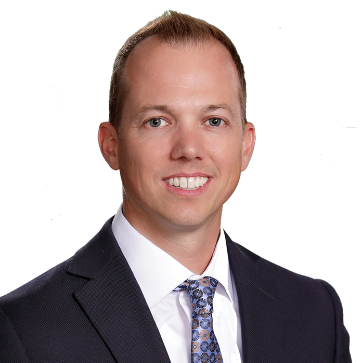
Speaker profile Dan Wilton

Dan Wilton

CEO & Director at First Mining Gold

Dan Wilton has more than 25 years of experience in M&A, corporate finance and principal investing in the mining sector, having executed as principal or advised on more than $10 billion of mergers, acquisitions and divestitures and more than $1 billion of financings. Dan was previously a Partner at Pacific Road Capital Management, a mining-focused private equity investment firm with approximately $800 million under management. Prior to joining Pacific Road, Dan's previous roles included Managing Director and Head of the Global Mining and Metals Group at National Bank Financial Inc., Managing Director in Business Development at General Electric based in London, England, and other corporate finance and M&A roles at global financial institutions based in Toronto and New York. Dan is a Director of Providence Living, a residential care and assisted living provider based in Vancouver, BC, and serves on the Audit and Finance and Quality Committees. Dan served on the Board of Providence Health Care for 11 years, including acting as Vice Chair for 6 years and Chair of the Audit and Finance Committee during the financing and approval process for the New St. Paul's development. Dan holds a B.Comm (First Class Honours) from Queen's University and an MBA (with Distinction) from INSEAD in France.

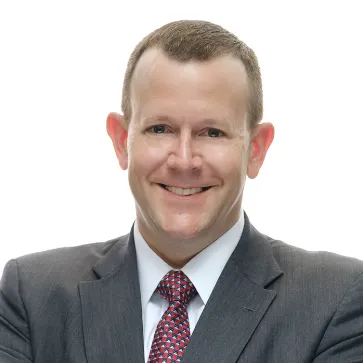
Speaker profile Steve Lines

Steve Lines

VP, Sustainability at First Mining Gold

Steve has over 20 years of professional practice in environmental assessment, permitting, Indigenous and community affairs on major mining projects. Prior to joining First Mining Gold Steve led the Hardrock Gold Project Environment Assessment for Greenstone Gold Mines successfully obtaining approvals and permits from the federal and provincial governments and working in partnership with Indigenous communities to implement benefit agreements. Steve has also worked for De Beers where he held progressively responsible positions in developing and implementing strategies for the approval of the Gahcho Kué Diamond Mine. Steve has worked with Fortune Minerals Limited to obtain approvals for the NICO Project, as well as on behalf of Lupin Mines Incorporated to obtain key permits for its assets in Nunavut, Canada. Steve has a strong understanding of permitting processes and consultation requirements for mining projects having held positions as a regulator for environmental assessments and water management licensing. Steve completed both an undergraduate degree in Ecology and post-graduate diploma in Environmental Impact Assessment at Concordia University, and completed an M.Sc. in Environmental Impact Assessment at the University of Calgary.

More from First Mining Gold Corp.