Transcript
Automated transcript · Written by software from the replay's audio. It can mishear names and figures; the replay is the record.
0:08 Hello, everyone, and welcome to the Nevada Lithium live event hosted by 6. I'm pleased to introduce our speaker for today, Stephen Renschler, the CEO. He'll discuss key insights from the recent FastMarkets European lithium market conference, his discussions with lithium end users and other participants, topics discussed at the Nevada governor's inaugural lithium summit, and the latest updates on the path forward for Nevada Lithium. After that, we'll be accepting questions. As a reminder, you can submit your questions at any
0:40 time in the chat. As always, this event is being recorded and will be available to watch shortly afterwards. So without further ado, Steve, I guess let's get started. Super. Thanks, Max. Thanks to everybody for taking the time today to be with us. So as Max outlined, there was already a lot on the plate to talk about prior to, I think, the big news that came out this morning, which is, of course, Rio Tinto coming after Arcadium. And so let's add a little bit more on the plate and talk about why this is important, because I think it confirms the signs that I think we started to talk about on the last webinar of essentially a bottoming of the lithium cycle.
1:26 And this is the way conceptually I suggest you should think about it. Remember, of course, that, you know, the lithium industry is very, very, it's nascent, right? Really, it doesn't exist. Yes, there's over a million tons of production last year. But again, the long-term demand far outweighs that. And essentially, this cycle of lithium started no more than a couple of years ago. So there are not many suppliers. We talked about the bifurcation because of the Chinese, the Inflation Reduction Act, and the world sort of separating itself into a bunch of different camps. You know, all of this just contributing to distortion as to what the real price for lithium is. And, you know, how can this be addressed going forward? What should we think of as long-term prices?
2:14 Well, the first thing I could tell you is that we started to see you know different signs. Over the past months frankly going back to the beginning of the year and- the first thing the producers will do. Obviously as prices get low as they will start to cut back their high cost operations. They will start to reduce capital expenditures on projects that are farther out, you know, all of these sorts of things. And in fact, we were seeing that the Australian producers like Core, they had started to cut back. More recently, you saw the Chinese battery makers like CATL in particular they shut down that Jiangxi mine which was about 5% of global supply. You know that was long ago. There have been other cutbacks in capital expenditures etc. All of this pointing to essentially hey we know that the lithium industry is just not gonna survive at these prices.
3:08 And in fact, when you see something, I would argue like you do with Rio and you see mergers and acquisitions happen like this, this has traditionally been a very, very good sign of being around the bottom. And I will tell you that from being around talks like this and mergers and acquisitions, etc., you can't for a second think that everybody just decided last night, you know, Rio and Arcadium got together last night and decided that they were going to do this, right? This has been going on for quite a while. Some people might say that's why Arcadium was even created, you know, putting together Alchem and Liven, and I don't know. But my point is you can rest assured that this has been going on for a number of months. And I mean a fair number of months, which to me signifies the fact that the industry insiders, right, have thought for quite a while that, hey, these prices are too low. And of course, they would be the first to figure this out. They're in control of production, near-term production, things like that.
4:05 So I'm saying all this to you because obviously we've all suffered from tremendously high prices to then very low prices. I always get asked, well, how come lithium prices could drop so much? And of course, one of the things I like to say is, well, they should never have gotten that high in the first place. And if you're new to this part of resource investing, and again, the only analog I can really think of to lithium was back with rare earths, is that when you're just starting out, if you just think about it in really, you know, simple terms, if you've got, you know, 1 apple out there and somebody wants to make an apple pie and 8 people want to eat that pie, you're going to get a lot of bidding on that apple. And nobody can really do anything. You can't grow apples more quickly than nature will let you grow them.
4:51 If you're in something that's more established like copper, you know, there's millions of apples out there. And there might be millions of bakers and millions of people who want to buy the pies. But you can adjust the supply and demand fairly quickly without these massive price swings to make supply and demand become equal. But you just simply can't do that with lithium. This is something that we're going to continue to deal with going forward. And I think that we're going to see multiple cycles, you know, before we get out to sort of like 2030, where a lot of the big, I would say, sedimentary deposits like ours will be very close to production or be into production. So I wanted to start with that just because obviously, you know, you don't get this kind of news every day in our industry and it's important but again I think it's something that we should all look to is that's the bellwether sign that we're starting to come around the corner.
5:40 That's on the supply side the demand I think is going to be following I think clearly we still have a little bit to go to start to see demand pick up. And I'll tell you some of the things I learned while I was at these different conferences. But in general, what I would say is we still have overhang. People are waiting to see what's going to go on with the US election. You've heard me say many times. I think it's going to be non-event for lithium. I think regardless of the party that gets in there, the money that's in the Inflation Reduction Act and the beginning of the progress towards the transition to EVs has already started and it will continue as the infrastructure in the US is built out and as they build frankly better cars, better EVs that are more suited to the American frankly consumer.
6:26 And a number of the talks that I've had with people is that You can see that process is starting. I was told that privately by a number of the car companies with regards to they see the Chinese models, they've been buying them, frankly bringing them back to reverse engineering them. And you see there was a big article or interview done with Ford not long ago that went into great detail about what Ford's chairman CEO had done in terms of looking at all these cars and bringing them back and understanding that this is really the avenue forward. And if you think about it, I mean, it's what the Chinese have always done to the Western world. And this is just doing the same thing, but in reverse. Get those products, reverse engineering, and figure out how to get them to the market.
7:12 I don't think it's going to take as long as what people are thinking. But Again, that's just my opinion. So supply and demand, I think in terms of coming together, hopefully we start to see a response in lithium prices, you know, as we go into the new year. But again, I think we're around the curve. So that's a good thing. Now, specific to what's going on at Bonnie Clare. Last week we put out a second drill results press release. The second in basically under 4 weeks. The first that we did called a month ago, we talked about a Northeast extension of this high-grade lithium and boron mineralization that we've basically just started to find in the last round of drilling that we had done. So, 2023, we called it the 23 drilling campaign.
8:03 The first hole, 2401, hit the best results that we ever had. Again, just some of the stuff in the headlines was 5,000 ppm lithium and 16,000 ppm boron over 150 meters. Again, remember, Bonnie Clare, these are massive intercepts of very, very high grade mineralization. And this pushed everything out a couple hundred meters to the to the northeast and at the time we were still saying well we think that this mineralization is open again the high grade mineralization is open in 3 directions. The stuff at surface frankly we're pretty sure exist in 4 directions but we're talking about the material that we found let's just call it anywhere from 1800 feet, so 600 meters, down to essentially 2800 feet, or almost 3000 feet.
8:54 This is the stuff when we determined that we did not want to sterilize this deposit and we wanted to make sure that we were drilling all the way through the mineralization, this is the stuff that we're talking about, the 3, 4, 5, 6,000 ppm lithium, and now the associated boron. Now we fast forward to last week, and we basically published the results of what was just called an infill hole. It was an infill hole in the sense of we came back from the Northeast extension, all right, a few hundred meters because we wanted this hole to serve the purpose of increasing the statistical confidence, right? How sure are you that this high-grade mineralization exists between 2 other holes? So basically split the difference. And it did so.
9:41 But if you think about, you know, sort of again, looking to the northeast, so you're looking to the upper right from something that's down at the lower left, and if you shoot a line between those 2 right on the axis, okay, fine, we got that confidence. But our hole was also a little bit below that line to the southeast. And we had another hole that had been done down there, which we had frankly lost. We lost the whole a number of years ago so we didn't get down to the depth that we're talking about now. But the second hole was again below the axis that northeast southwest trajectory. And we found again tremendous mineralization which tells us that this mineralization definitely does extend to the southeast. So here we go again. Now, 2 out of 3 directions, we know for sure this massive intercept or blanket of high-grade lithium and boron now goes down to the southeast as well.
10:34 This is the kind of thing where, again, 3,000 ppm lithium, 9,000 ppm boron, not as high as what we'd found all the way to the northeast, but again, that's because the geological teams are telling us we would expect to find the even higher grades as we continue to the northeast because we're getting deeper. We came back a little bit not quite as deep. We found out the mineralization is still there just not as massive. But again what happens if we proceed to the Southeast? Remains to be determined. But all of this obviously is extraordinarily good for an updated resource report, which will be the next step of what we're doing at Bonnie Clare. Now, for new reviewers and others who just have been doing other things, let's just go back for a second and remember where we're at.
11:24 We already have a PEA that was done, let's call it 3 years ago, on Bonnie Clare, which was using material, lithium mineralization, that on average was about 1500 ppm if you look at the models that we had put together. But none of this high-grade mineralization was known at that point in time. And so ultimately what we want to do is get back to a PEA that reflects not only this high-grade lithium, but also the boron, which had never been encountered before, never we thought could be potentially a revenue producer for us. The first step in doing that is saying, okay, what do we have here first? How much mineralization do we have? That is going to be the updated resource report. I expect to see a draft of that in a couple of weeks, and then we're going to have to, you know, press release it, et cetera, fairly soon after that. Let's just call it a month, just ballpark it, something like that. GRE, Global Resource Engineering is doing this. They were the ones who had authored our PEA back in time.
12:26 They're getting all the data, they know exactly what they're looking at, you know, they have a historical relationship with us. So, you know, we don't know what the numbers are yet. Again, these latest numbers just we received last week, it's gonna take a little bit of time, but I don't think a whole lot of time. And we expect to see some very, very interesting numbers. And interesting here means, I think, good, because essentially we've got mineralization that goes from the surface, again, going down, let's just say, 5 to 700 feet. That's lower grade. Let's call it somewhere around 1,000 ppm. Then we have a piece of sandstone in the middle, that's you know called another 5 to 700 feet, there's no lithium in that, then you get through that and then you get down into the material that we had used in our PEA before, you know, so call it down to 2000 feet and now you have all this other stuff that's going on for another you know 800 to maybe a thousand feet which has never been reflected in any of these reports.
13:26 The resource report will finally bring that to bear we'll see what we have And then we're going to proceed with an updated PEA, which will then bring in economics, all the other things that you would expect to see. And we're going to end up essentially with what I think is a new deposit. I think it's going to be even better than we had before. And we're very, very excited. There were going to be some other things that I think are going to come to play into that recent updated PEA. The first of which is that I think we're going to have a higher lithium price to deal with. Again nobody believes that $13,400 you know lithium is in fact a long-term sustainable price. So that's going to be a very big lever. We're going to have up-to-date CAPEX estimates from the engineers, all these sorts of things. And I think we're going to be looking at some flexibility as to what kind of project that we're going to build.
14:19 Remembering again that the mining method at this time is proposed to be the borehole mining method. And for those of you again who have never really seen this, Cameco uses a version of this up at Cigar Lake where basically they drill down to whatever depth they want, they rotate a drill stream and they basically inject just high pressure water in which causes the dirt to turn into a slurry and you pump it to the surface, right? You're not hydraulically fracturing anything and leaving the rock in place, you're basically just dissolving it because it's not very hard material at that depth, which is exactly what we have at Bonny Clare. You pump it up, again, remembering at this point in time that we just did an advanced study on this in which the engineer said that the depths at 3,000 feet are not going to be any problem at all.
15:05 You're going to use airlift to bring everything to the surface. We also don't think there's going to be subsidence at this point in time because we have a huge layer of sandstone above. But one of the things that we don't know is how the material between each of those vertical drills will behave. And if in fact the material sort of starts to cave in on itself, it's really going to lend even better efficiencies to scale. That's the kind of thing that I think we would see obviously in an infield test, which at this point in time, we think we're still gonna do for the PFS. However, there is the potential that we could do it afterwards. And the reason that I mentioned it is that we've been finding other companies that are planning to, or almost about to use this method up in Canada. Again, Denison looks like they're going to use it. They've been developing it for a long time.
15:54 And also in Australia, it looks like there's a company that's using it at shallower depths. All of this will end industry gravitas towards our ability to use it. So we're going to see how this plays out with regard to the PFS, because I mentioned before, it's going to be an expensive test. Once we go in the field, it will require additional permitting, et cetera. But if we can find the experts who have the, you know, on-hand experience who are qualified professionals, we're trying to get a hold of them now and see if there's a different way to look at this. So that is essentially, that's the latest on what's going on at Bonnie Clare, the drill results, etc. I don't think it could get much better, so we're looking forward obviously to that to the updated resource report.
16:42 Now over the course of let's just call it the last 6, 7 weeks, you know, I've also been to some different places. The first of which was going over to Amsterdam, to the Lithium Conference hosted by Fast Markets. And I certainly wanted to do that, but I also wanted to get to see essentially one of our major shareholders who's based out of Amsterdam, who is facilitating our introductions to people he knows, other, you know, likewise minded individuals, to wealth managers, all this sorts of thing. So obviously we had a number of different things in mind for Amsterdam behind the conference. All of these things worked out very well. Just to sort of fill you in on you know I guess what the overall tenor of the conference was, was that you know Europe still doesn't know what's going on with regards to lithium, really no different than in other places in the world.
17:40 They're concerned about demand, even though I think European car demand has stayed a little bit higher than US car demand. All of this demand is not as high as the latest Chinese demand. However it's still pretty significant which is what I try to tell people. One of the reasons I also wanted to go to that conference was to essentially be able to talk to OEMs who are headquartered in Europe. So these are car makers right the battery makers because you know we've all been seeing more and more hesitation for the development of European mines. And to me I think the poster child is in Serbia with the Adar deposit that has been, you know, sort of going to and fro in terms of the potential for development. That's a very, very big lithium mine. Also, it's a very big boron mine.
18:26 And we've always known that, you know, Europe in particular, they do not want new mines in the backyards. They're clearly enamored with DLE because it's an elegant solution, right? You can use geothermal or you can use old oil field brines if they've got lithium content, that kind of thing, stick it on a box, et cetera, and you know, no open pits, no fuss, no muss, no acid. Well, you know, again, as I've been trying to tell people for probably almost 4 years now, DLE is not the panacea everybody thought it would be. It's not commercialized technology. There would be delays and there are delays. And I think all of that coupled again with you know, Yadar and also lower lithium prices is starting to make the European car makers think a little bit outside the box. I mean, they obviously would love to have this Eurocentric sort of cycle where it starts in Europe from the mine and they recycle it, they put it in their car batteries, all this kind of stuff, and it stays in Europe. I'm not entirely sure it will be, but obviously the Europeans would qualify as recipients of the Inflation Reduction Act tax credits.
19:32 So they're logical people to continue to talk to, and I did talk to them. So as I said, not somber, but sort of, you know, there's nothing enthusiastic that's going on there with regards to lithium pricing in the overall environment, but that was also before what Rio just did with Arcadium. So things I would suspect are going to start to change. Not only, as I said, did we see people at the Fast Marcus conference, we got to see our shareholder and have a great lunch and a bunch of meetings with him, bankers as I said, you know, wealth managers, those kinds of introductions that we had hoped he would make for us, and he did. We also hosted a luncheon, and I would say, well, we were sold out. We had a full table, every bit of 20 investors, and these had people I would characterize as high net worth, small fund, you know, savvy retail investors, etc., who had been asking to hear a lithium story for a number of years.
20:31 We had a company host us, essentially set up the lunch and everything, very, very successful. We've had tremendous feedback. What we've also learned from that, too, is certain things that we're going to be addressing in terms of how we can make it even more easy for people to buy our stock in Europe, things like that, the kinds of things that interest them. Like obviously they like to hear from a US citizen what's going on with the US election, gives them a different perspective, you know, because obviously that's also a big thing that's on everybody's minds but very very good foray let's put it that way into that part of the European market. I would anticipate in the future we would be setting something up and hitting different cities in there in a more methodical way, you know, obviously not just Amsterdam.
21:22 So we were quite busy when we were there and I would say it went very, very well. Then no more than, call it 2 weeks ago, I went out to a lithium conference that was hosted by the governor of Nevada. This was his Inaugural lithium summit. This is how they they phrased it and I wanted to go out there for a number of reasons Apart from obviously I've always thought in the mat is going to be the centerpiece of the US lithium industry. But I wanted to know, all right, who exactly is it that we need to be in touch with? Because I am telling you, there must be every bit of 25, 30 different departments out there who all are involved somehow in the development of lithium out there and trying to sort of pick your way through them is not the most productive way, I don't think, to do it.
22:11 So I wanted to do that. The other thing I really wanted to do was find out sort of what people's experiences have been with the administration of federal money, right? So these are all the loans, all this money that's supposed to be available to people to go in and to find lithium, etc. And I really felt that the governor's office would be able to help us. To me, it's logical that they should understand what's going on and et cetera, and be able to help and all that kind of thing. And what I had done was put together some suggestions and frankly volunteered Nevada Lithium to
22:47 help in an educational effort, prepare materials, I'm more than willing to talk, all these sorts of things, to help basically the accessibility of those federal funds. Because what we found out is, you know, frankly I knew it from before, but it was confirmation that, you know, all of these loans that you see are essentially for late construction period, you know, projects, right? These are the Thacker Passes, the Ioneers, et cetera. And that's where most of that money is. And these are the things that you'll see, $700 million, $2.2 billion, all of these. And these are essentially, you think of them as low-cost industry loans. They're necessary. Don't get me wrong, because it was a very interesting point that was brought up by the CEO of Ioneer.
23:34 You see, you know, there really has not been project financing for a new lithium project. And you think about it, there really haven't been new lithium projects.
23:42 So it's really going to come down to those government loans when the time comes. Now, obviously, we're nowhere near there. In the meantime, the rest of trying to access some money, not from that same office, but from various portions of the DOD and even the DOE, so Department of Defense, Department of Energy, becomes sort of this little dance you try to do where it's like, well, how, you know, you want to develop a mine. So, you know, we're talking about drilling, we're talking about metallurgical studies, you know, all these sorts of things. But everybody else, whoever basically orchestrated this money and allocated it, it's for recycling, it's for repurposing, it's for all of this stuff that all essentially ties into the Inflation Reduction Act.
24:27 So of course we've been trying to think about ways that we could also add various bits or talk about things in different ways to be able to access it. But to me, the repurposing,
24:37 a state-led coalition would make obvious sense in where if you just took US mining interests and said Nevada, Arizona, Colorado, Utah, it's called 5 or 6 of these states. If you could bring to bear, you know, in the US there are 2 senators for each state, so that would be 12. In the case that I had brought to them, it's talking about almost 30 congressmen, many of whom are in swing states in the US, and just said, look, the easiest way to get money to our localities is to reallocate some of these federal funds for E&P, right?
25:12 Or pardon me, exploration and development. It would make a lot of sense. And if you think about it, I'll just give you an illustration that I gave them. We spent a million dollars to drill 2 holes, you know, in our campaign. And if we had been able to find essentially a drilling company that was in Nevada, 100% would have the money that we spent would have stayed in Nevada, as was about 30% did. And you say, okay, $300,000. But the way these folks all think about, remember, you're talking about the people running everything out there, they're academics, they're think tank, they're bureaucrats, whatever. You start to hear stuff you didn't hear until you go back into economics, back in college or whatever, and economic multipliers come into play. And I'd always sort of been taught it was somewhere around 2 or whatever.
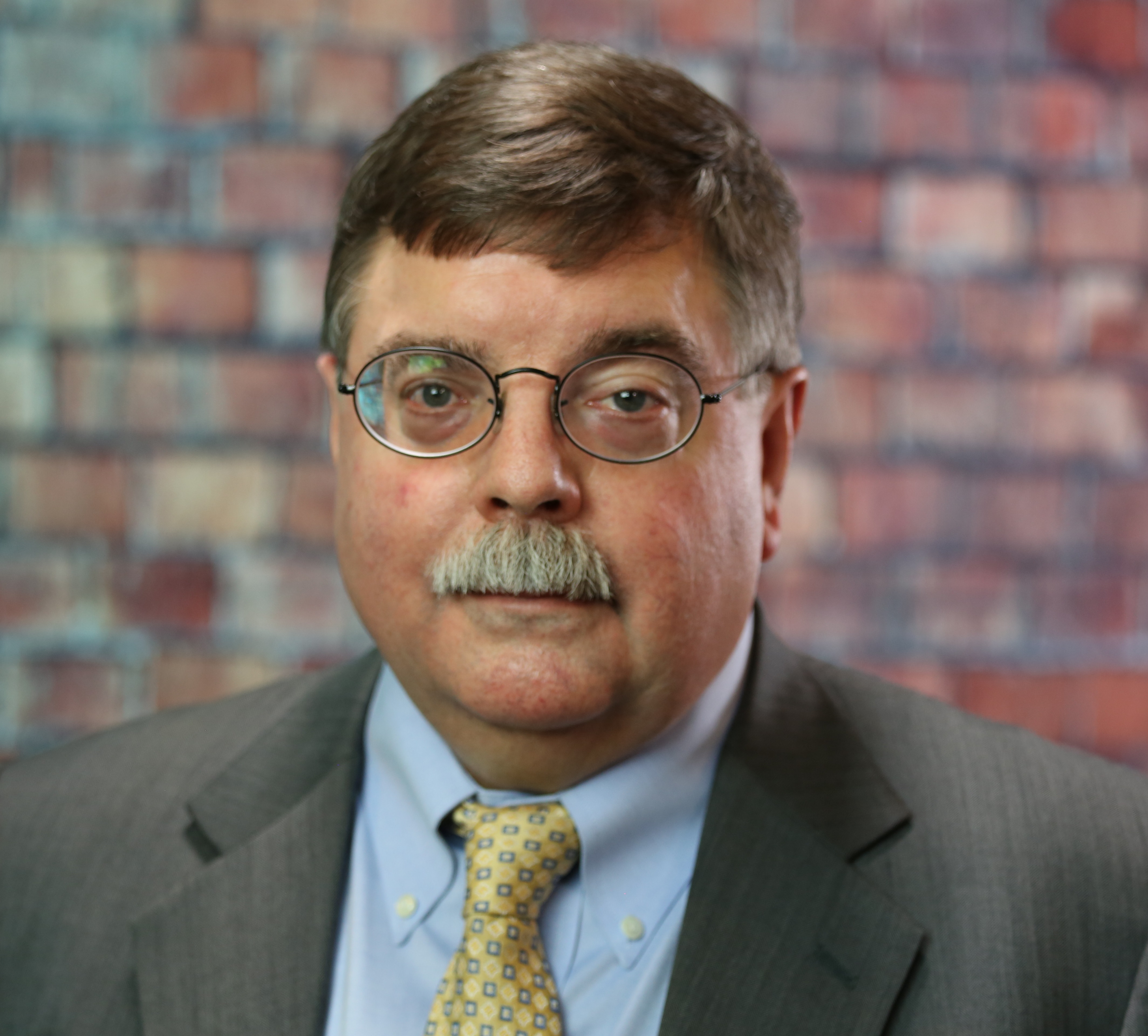
26:02 So $300,000 becomes you know $600,000. Well these folks are talking 4 and 5 so the point is the impact is even greater than what I was telling them. And frankly I got a very good reception to the kind of stuff that I was talking about. So specifically I'll put a picture up here we'll have a laugh about it Max if you want to put it up. And I can't see it yet but you will see this is going to be. Essentially the head of the Department of Natural Resources and Conservation.
26:36 In Nevada. As you see they grow them big out in Nevada is a very very fine fellow by name James Settlemyer. I had his entire department all the senior leadership to myself for almost an hour and a half talking about how we could bring this kind of money into Nevada at an earlier stage. And he's all for it. He gets it. He's sort of like, Steve, well, would you share your drilling data with the state, you know, if we could help do it?" I'm like, absolutely. The point in my saying this to you and showing you a picture like this is these people want to help. I was told many times, or I should say I was asked many times, are you getting all the help that you can, you know, that you need? Now, this is not the Bureau of Land Management, right? Remember that 85% of the land in Nevada is owned by the federal government.
27:22 But all of these permits, water, air, all of this obviously are going to be necessary when we finally get an operating permit for the mine. So to make, you know, contacts like this,
27:34 you know, he raises cattle, I used to raise cattle, you know, all sorts of things, you know how it is. All of this stuff is very, very important. You meet people and you have colleagues that you can turn to. You know, Obviously, they're not as familiar with the parts of the industry that I am and vice versa. And we can use each other as, frankly, educational tools, et cetera, whatever. So even if it were just for that meeting alone, I would think it was a very valuable trip. But I met other people who are also thinking outside of the box and these are different battery coalitions, there's the Nevada Mining Association, other consultants talking about different things, all of whom I've started to make contact with, because again, we're in this for the long haul.
28:21 What I will tell you is that Nevada is gearing up to become the centerpiece of the U.S. Lithium industry.
28:28 Do I personally think the focus is in all the correct places at this point in time? No, I don't. I think there's also frankly, a huge effort on part of Nevada to grab whatever California is puking out because people can't run businesses in California. So it's everything from advanced manufacturing to research and development center as well as the mines. So they're very, very busy people. You know, as we go forward, I think we're going to see an acceleration in certain things we've heard in the news about the BLM, accelerating their timeframes, trying to make things more fluid so that people can, of course, you know, this is again when you get up really into feasibility study, they can get those types of things done more quickly with more certainty, which will obviously help with financing.
29:18 But I think in the end, the way that we should think about this is that this is not people aren't playing this game for like a 2 year lithium spike in prices. They are setting the stage for something that they understand is going to go on for their grandchildren. There is no doubt in my mind. When I first told everybody that I had heard Governor Lombardo's
29:44 speech up in Toronto, which I think was over a year ago now, and how I was so impressed with the man. Let me tell you, when he kicked off the remarks, I was every bit as impressed. And when I see the way that, basically, the way he's thinking about it is filtering down to all of the subordinates and all these different divisions within Nevada, I have great faith that this is all going to take place. So I think at this point in time, hopefully I haven't, there's one more thing I just wanted to say. This is something, this is an area, let's just call it the lithium industry in the US where we want to root for everybody to succeed. I know you've often heard me talk about this in terms of supply and demand and where it's the kind of thing where every one of these, every one of these projects is going to be needed over time. If the demand is even remotely true. I understand there's a bit of a mismatch right now.
30:41 There was a great amount of emphasis on the 2, 2 projects that are the farthest along, right? So that's gonna be Thacker Pass and that's gonna be Ioneer's Rhyolite Ridge. And Rhyolite Ridge looks like they're gonna get basically the record decision on the environmental impact study that they got almost a month ago from the BLM, Positive EIS, and congratulations to them. It was just a huge hurdle to get by. But what I wanted to mention to you is, on the second day, the CEOs of both companies got up and they made it a point when they talked about Nevada going forward and what was important was to not start the exploration companies. That the pipeline was every bit as important as what they were doing and even though people talked about you know, oh wow you got a 2 billion dollar loan and all this sort of stuff. They went out of their way to tell people that you have no idea how tough it is for small exploration companies, you know, the capital, requiring the capital, raising the capital, the long time constraints, sort of the misinformation that's out there, how hard it is to get offtake, all of this stuff. And the reason that I bring it up is because that's the kind of support that you want from industry players.
31:58 Obviously they've been through it, But, you know, as Ioneer will tell you, you know, they may have started this process of drilling again in 2016, but there have been holes in there from I think 10 or 15 years prior to it, right? This is long term stuff. So if anybody's watching from those companies, I can't thank you enough just on behalf for the rest of us who are out here behind you. It's all it's important because you bring the kind of thing that that I was trying to tell people for 36 hours you know you bring it into focus and I think it's going to help all of us. So in summary what do we as investors have? We have a massive beast of a project that just continues to get better. We have news flow that is going to continue through the beginning of the year in a way that I can identify. We'll clearly have more news flow after that, but let's just focus on where we're going to be going into Q1, something with an updated PEA.
32:52 It looks like we've turned the tide with regards to finding a bottom at unsustainably low lithium prices, which should help sentiment. Within a month, we're going to have the end of the US elections which is going to remove the uncertainty of an overhang there though I think in either case you're going to see essentially demand for lithium stay strong because EBs are here to stay in my opinion. You've seen 1 point of stimulus come out from the Federal Reserve already. You've seen the Chinese come through with essentially, I think, half of the stimulus that people expected. I don't think from the way things are in the US that we're done with stimulus here. Again, that is just my opinion. And I think you're going to find significant progress on the demand side as the OEMs essentially go and re-engineer or reverse engineer some of these what look to be incredible Chinese cars that are not going to be available here because of tariffs or other things.
33:49 And you will find a way for car companies, domestic and in Europe, to essentially bring all of the benefits of those models to bear quicker, I think, rather than later. So I'm very, very positive looking forward. I know this is obviously not been fun. It's been prolonged, but the signs are pointing favorably for us. And I think with that, Max, if there are any questions, let's have them. Yeah, perfect. Thanks, Steve. And I'll combine a couple of questions here for the first one. So what's your timeline for extraction and first revenues? At this point in time, I still tell people we're talking late 2030, maybe 2031. That's everything sort of as it is now.
34:36 Now, if the BLM permitting process is streamlined, you could potentially save time there. If all of a sudden there was a massive cash infusion into Nevada lithium, you could save time there. If you wanted to start building something before the end of feasibility study, take a chance, you could save time there. But I wouldn't do it that way. I think the way you think about it is we, as along with essentially all the other projects are gonna be somewhere in that timeframe, just as the massive, you know, lithium demand should be hitting. That's what I would think about. Excellent. That answers a follow-up question I was going to ask about what would escalate that process? Whether lithium price skyrocketing would escalate it, but I think you answered that.
35:26 Yeah, yeah. Look, the timeline, lithium prices going higher translates into a higher perceived value for the project, which hopefully would then translate into higher enthusiasm from investors right the whole idea is you want to you know get the money that that you're going to need as quickly as you can without diluting the company to the you know any more than you have to to keep that progress going forward. So you know higher lithium prices would certainly help because it would make it easier for OEMs to invest. I mean we've all seen the news you know released from people like Stellantis etc things like that. They've got to tighten their belts until they clear stuff up. And they're clearly not the only ones. So right now, the length of the process is the length of the process.
36:12 We're just making sure that we don't lose any more time than we need to in the meantime. Okay, perfect. And have you started on your federal permits? And if you have, how long do you see that process taking? Well, typically when people talk about the federal permits, they're talking about the BLM and that whole environmental impact study, and that's the NEPA process, right, the Environmental Policy Act, and that we would start a feasibility study. You know, that's the official start. However, what we're doing is getting all the baseline, You know, you start to take your environmental surveys, which we've already done, and will continue to do. Things you think about with water, other things. What we're doing is busy expanding the operating permit so that we can disturb more surface area, particularly up to the north.
37:05 What people have to remember is, again, when you think about what a beast Bonnie Clare is, you're talking about something that's 7 miles, 10 kilometers, ballpark, something like that as a square, larger than Manhattan Island. If you just put a road in that's 10 foot wide right and you got to get from one end to the other you use up a lot of the surface disturbance that you're permitted to have. So you know we're proceeding with that we expect to have that I think by the end of year and expanded a disturbance area But the big permitting is not going to start for a little bit. You know, and when I say a little bit, you know, 18 months, 2 years kind of stuff. That's ballpark what I'm thinking. Perfect. And so in terms of the $6 million private placement, how's it being used in terms of advancing the goals of the company?
37:58 Well, a lot of it is going into the direct work. So the direct work, meaning the drills that you just saw. So we did that very very quickly the 2 holes which I think is going to be what we do for now and a lot of scientific studies that are going on. So we're progressing with not only metallurgical work, but other things with regards to hydrology, things like that. So a lot of it's going into that. We obviously are also very, very mindful of the fact that the lithium market hasn't turned yet. Investor segment hasn't turned yet. So we make sure that we're going to have a reserve here to be sure that we don't have to raise money right away. And also we have money dedicated to marketing because it is very, very important. You know, I'm pretty sure you're gonna see us at the big conferences again in early 2024, but we also are outreaching in less public ways, important ways, which I think would make sense to people. Actually, it's the kind of thing that I've always talked about in terms of my outreach to potential out users end users looking for Off take and out years and things like that, you know, all of this kind of stuff is wrapped up in the budget So it's a multifaceted approach that we're taking to the budget to make sure that we don't get behind in any one area. We're in constant contact with quite a few people.
39:27 And I will just tell you, to me, there's an irony to it, but it is what it is. In the end, the car companies, they're waiting to see how demand settles out, even though again, in the end, they're the ones who are responsible for the demand with this cycle of the lithium industries, ups and downs. So it's just a constant educational process, constant updating process. And we're in the middle of that. So that that's pretty much what we're doing. Perfect. Thank you. And not naming any names, obviously, But have you been in talks with any companies and in particular EV companies in funding or potentially funding the operations? Yeah, they're the ones that you would see in the news and the ones with NDAs, I can't tell them, but you'd recognize them all.
40:15 Perfect. Thank you. And are you still potentially interested in selling before you go into production? And what would the criteria be for that for you, at least? So I think that what the question means is, would we sell the company before going into production? That is always an avenue for shareholder value. Absolutely, I would never discount that. And if you look at our investor presentation materials, you'll see I've always laid that out as sort of a path forward. 1 option has always been, you take it all the way to the end and then what you would assume is that you know you what you're the value of your company would would essentially accrete to the net present value of whatever the project was and I've also mentioned to people that there are certainly examples where companies are valued at higher than the net present value of their projects. And that's because, you know, investors think that any number of things could be wrong in that net present value calculation. It could think that the long-term price that's used in there is too low, or the interest rate discount is too high, anything like that.
41:18 But there are tons of examples. And I would say it's probably much more the norm where a company the size of ours, and let's just say, okay, a junior resource exploration development company, basically gangs up, partners up, whatever you want to be with somebody, you know, bigger, somebody who's done it all before, however you want to couch it. Some sort of a coalition partnership with people who can bring all sorts of, you know, comprehensive abilities to bear, everything from financing to metallurgy to construction, whatever it is. And then there are a number of ways to progress. Do you sell the company outright for something that makes sense for shareholders? Do you continue to participate with a carried interest? Do you participate with a non-carrier? All sorts of variations on this. But the way to think about it is the value for doing that won't be as great as if you take it all the way forward. But what you're doing is you're reducing the time to being paid and you're reducing the uncertainty.
42:17 So very, very clearly, it will always be there, potentially, I would say, for us to, in one way or another, get other people involved, sell the company, participate in a different way than we are now. Perfect. Thank you. And in terms of water availability, is there water available within the target formation or does it need to be acquired elsewhere? Well within the target, this is, you know, How do I say this? I don't think the person means within the targeted formation, so let me just sort of tell you how it works in Nevada. You know, there are hydrographic basins, and there's over 200 of them, I can't remember. And in our hydrographic basin, the water is all non-usable.
43:06 It's essentially saltwater. It's brine, but so far we haven't found lithium of high enough concentration in it, but it's still called a brine. So you can't use it for irrigation. You can't grow alfalfa. People can't drink it, that kind of stuff. And there is water in our basin that is available. It looks like there's water that may be getting pumped out of our basin to go to a gold mine that's in a different basin. It's a very dynamic subject. It can be obviously it's a very contentious subject out in The American west because a lot of it's desert. But there's a lot of water underneath- and the way that they allocate that water. Way they say is called the appropriation allocation all these things. There are areas that are over allocated and have been for decades and decades and decades and will continue to be so.
43:59 And part of the reasoning is because mining is considered to be sort of a temporary use of water, right? Theoretically the mine comes to the end, the water then has a chance to recharge, etc., all these kinds of things. So that was a long answer to basically what I'm trying to say is that water is available. Water is always going to be an issue. It is the kind of thing that we are starting to look at as early as possible, along with community relations, all these things, because these are the kinds of things that take a very, very long time to work out. And you don't wanna be tripped up by them along the way. So it's not exactly in the formation. I don't think that is the way to think about it, but there's water there. Perfect. Thank you very much, Steve. And I think that's it for the questions that we've had for today.
44:48 So thank you for taking us through this very in-depth dive on your activities in the past little while and on the updates from site. And thank you everyone for submitting your questions. And The recording will be available to watch on demand later today so look out for that. And before we wrap up I'd like to pass things back over to you Steve for any closing remarks you'd like to make. All right well Max thanks again for your time. You know obviously everybody I know things have they have not been fun there certainly- for quite a while. But I think definitely the light at the end of the tunnel is not a train that's coming right at us so. You know it be a good cheer take a take hope in what's going on. I think that you're gonna like what we're gonna be seeing over the course of the next couple of months with regards to how this high-grade lithium and boron mineralization is gonna impact the project.
45:45 You know that our technical teams, we're obviously gonna be thinking of different ways that we can enhance the value of what we have here. And I think all that's going to come hand in hand just as you know again the overhang from the US election is coming to an end. I can't think of where you could get a bigger bang for the buck than Nevada lithium right now. I mean, the look, she is just a beast. And we're in the best jurisdiction in the world. We haven't found anywhere near all that we're going to find. We're moving ahead, I think, as quickly if not more quickly than anybody else out there, certainly with what we have. And it just looks like that there's gonna be good news continuing going forward. So if you're not a shareholder, I hope you'll join us. If you are a shareholder, thank you so much for your support, stick with us. And I will be speaking with you hopefully in the not too distant future and I hope you all take care of yourselves.