Transcript
Automated transcript · Written by software from the replay's audio. It can mishear names and figures; the replay is the record.
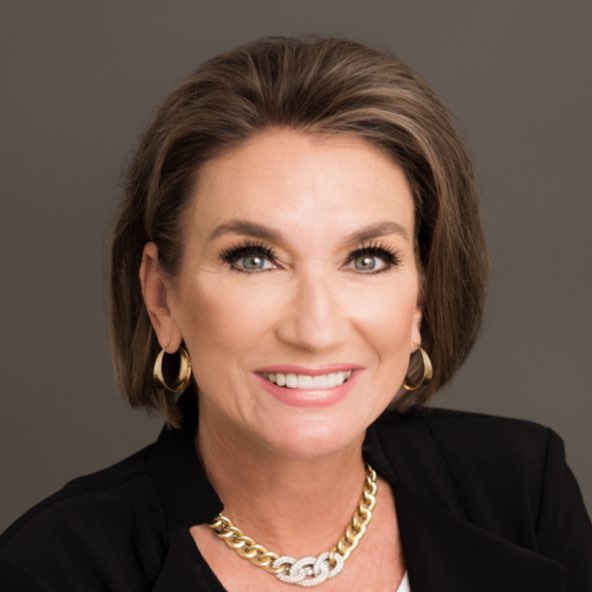
0:08 Okay, folks, we're going to go ahead and get started now. Unfortunately, Sean has not been able to join us yet, but we are hoping that he jumps in soon. But for now, it's just myself and Diane G. Garrett, the CEO of Hycroft Mining. Thanks for joining me today, Diane. Thank you, Romeo. Great to be here as always on the 6 platform and hello to all of our audience out there. And thank you everybody for joining. I got a bit of housekeeping before we get into the discussion. And again, hoping Sean's going to join us in just a few minutes. So first thing I'm going to say is today's event is being recorded, so it will be available later in the day for review.
0:42 Pop right into your email. Feel free to share it whenever it comes in. You can also find it on YouTube as well as the 6 website. Today's event is also interactive, so I appreciate a lot of you sent in questions beforehand on the registration form. That's awesome, and we'll try to get to as many as we can today. But if you do have questions live during the event, please do feel free. The bottom right hand of the screen, there's a little chat button. If you open that up, you'll be able to ask questions during
1:06 the event, and I'll try to get to them as soon as we're finished the kind of planned discussion today. If for whatever reason we don't get your question, there's Sean. Thanks for joining us, Sean. Hey, Sean. I'm so sorry for being late. My sincere apologies. All good. We're just getting right into the chat. Just doing housekeeping. So you're actually right on time. OK, perfect. Perfect. And if we don't get your questions today and again, we'll try to get to most of them, But if we don't, I'll make sure the relevant team, whether it's Dolly Varden or Highcroft, get back to you as soon as possible. So they'll get those questions right after.
1:38 So without further ado, I'd love to jump right into this discussion. It's about the state of the silver markets and silver mining generally between the projects represented by Highcroft and Dolly Varden. But I also wanted to just get the audience, get to know you guys a bit before we get started. Whether you're from Highcroft's audience or Dolly Varden audience or the 6 audience, I want to give a chance to get to know you guys personally just a little bit before we get started. So with that, I will start with a bit of a personal question, and that's if you could share a pivotal moment in your career that led you to your current leadership role in the mining industry. Diane, I can start with you there. Just if there is that flashpoint moment that got you where we are.
2:16 Yes and no. I actually was busy doing corporate development work for a company and I was on the board of Remarco Minerals, which was my first CEO position. And we were the victim or recipient of a hostile takeover, not by 1, but 2 companies. And at the time, I was the only independent director on the board. And so it was up to me to deal with this hostile takeover. And we were able to work some plans. I worked closely with the shareholders. And at the end of all that I found some loopholes in agreement that brought quite a few millions back into the treasury. The shareholders asked if I would then take the company forward. They saw that gold industry was changing, and So I said, no, but I'll find you somebody.
3:03 And then they kept coming back to me. So that that was what happened. I kind of fell into it through that way. Your own selection committee. I love that.
3:14 Sean, I'll shoot to you for a pivotal moment. I have a follow up question for Diane if I could. Go for it please. That was in South Carolina? That was before we ever had South Carolina. So that was when Remarco had a lot of exploration projects in Nevada and their business model was to drill them out and then sell them off to majors. And I was on the board at that time. I was actually, I joined the Highcroft CEO position
3:45 in 2002, I believe, or 3. We didn't pick up South Carolina until late in 2007. We were still doing a lot of work in Nevada. And you had a lot of success in South Carolina?
3:57 Yeah, big success. Huge discovery. Yes. And the reason I bring that up is the first time I heard your name was I wanted to go into South Carolina. And someone said, and I said, well, you look at Remarco and all the success and they go, yeah, but that was Diane Garrett. You know, you're no Diane Garrett.
4:18 So and that's why I was when 6 said they were putting this together. I jumped at the opportunity because yeah, no, it's you're you're a legend. And it's incredible to be with you. That's very kind of you. I don't know that that's all true. And we're the same, I just dress a little bit different and have fabulous earrings. That's the only difference between us really, Sean. We both do good work in the industry and that's what's important. Right on.
4:47 So Sean, if you could, a pivotal moment just in yours, unless that one counts, you're no Diane Garrett, I think that's a pivotal moment for sure. I'd love to use that one. Look, for me, what comes to mind if I'm really honest, and I think
5:03 one of the things that's led to my success is, you know, even when you've got bad news with shareholders, to be honest and transparent and share it. But for me, if I'm self-servingly honest about the most pivotal moment For me, it would have to be, I think I was given the opportunity to be a CEO because we were heading into a bear market and nobody else wanted to do it. These companies needed fixing. Similar to your independent director situation, Diane, it was just a moment where it was, you know, the people I were working for had just made so much money in the bull market of 2010 and 11 that when we started to turn into a bear market, they said, you know, we're gonna, we're done, we're off, we're done.
5:49 And so it was an opportunity for me. I think I was in my, I don't know, maybe my early thirties at the time.
5:57 And it was an opportunity to, that was the pivotal moment, a bear market created, companies not having treasury, not having the leadership vacuum and void. It was my moment. That was my opportunity. And good for you to not shy away from that. Because mere mortals would have said, bear market, Look, I'm fine when it's a bull market and everything's good and I look good, but to step in at that time and then look at what an amazing job you've done here to it. Dolly Barton. So thank you. That means a lot coming from you.
6:33 And I could admit, maybe I just didn't know any better. I didn't know how much work I was signing up for and how tough it was gonna be. That's what I say, ignorance is bliss sometimes. Because if you knew, and you knew how difficult it can be, You might have thought otherwise. I mean, I got to turn a question back to you because I'm really intrigued by how you came up with Dolly Parton for the company name. What's the genesis of that? So Dolly, First of all, I can't take credit for the naming rights. So Dolly was a character in a Dickens novel called Barnaby Rudge. And so Dolly Varden was a female character who wore these elaborate dresses and created this incredible
7:25 fashion trend and so it was a novel in a Dickens, a character in a Dickens novel And then there was a fish that was named after the character and the mine was named after the fish. And again, I think what the prospector was thinking is when he saw this rich silver ore, you know, this native silver, and it was sparkling and it was shiny and it was bright. He thought of
7:54 that character in the novel. He thought of the bright elaborate dresses, the sparkle, And that's how the project got its name. Okay. So it has nothing to do with Dolly Parton, the country Western singer. It does for me, but not. Okay, fair enough. That's fair. Speaking about silver, I know Sean, last time we chatted fairly recently, you noted, I think accurately, that while silver is often discussed as a store of value, it is primarily used in industry. And I'm curious for both of your perspectives, looking at the macro for silver, what do you think are the industrial and development trends that are going to impact price moving forward. And Sean, I can start there with you. Yeah, sure. Like, I've got kind of a strange view on this, which is that I actually think silver has been in a bear market. If I look at the last hundred years, I think 98% of the time, silver is hung out in a bear market. You know, you had a spike high in 80, you had a spike high in 11. And so those are 2 moments where investment demand drove price.
8:59 And What's interesting for me is if when I look out, there was an article in the Jerusalem Post here in the early part of this month, and it talked about how industry is gonna consume all mine supply by the end of 2025. And if during the bear market, if during the last hundred years, at 98% of the time, investment demand was still 30% during a bear market, right?
9:30 I'm really encouraged about what that could mean for future prices because I think we're moving into a phase with gold putting in new all-time highs where investment demand is going to pick up from its traditional 30% allocation. It's going to tick higher. But even if it doesn't, even if it's even if it shrinks, industry is going to consume all the silver that we produce. And so,
9:57 you know, we're seeing, you know, to answer to really answer your question, though, Look, we're seeing an increase in sort of the green economy. We're seeing an increase in things like solar panels, photovoltaics, the automotive industry. You know, we're seeing a pickup in weapons usage for silver weapons. So that's where industry is growing. I think it's in solar alone, 10 years ago, I think solar accounted for 3% of the market. It's 14% of the market today and it's scheduled to go to 50. But the real story for me is, industry is gonna consume all silver And where are investors like myself going to get the silver that we want for as a hedge against inflation and a hedge against systemic risk?
10:46 I appreciate that. Dan, curious about your perspective. Yeah, those are great comments, and I agree with everything Sean's just said. I mean, I think one of the things that's mostly driving silver, in my opinion, is the photovoltaics. It's the solar panels, and that's going to be driving a lot of demand. And silver is just virtually irreplaceable when it comes to electronics. I mean, it doesn't matter if you've got an EV car, combustion engine, all the electrical components have to be coated in silver. And it's just, it's, you know, there's just really no substitute for it in that application and also in solar panels. So that's driving demand. I think industrial demand was at a record 20%
11:29 last year. And that was record demand. And it's just, as Sean said, expected to keep increasing, you know, year over year by 25, it's gonna outstrip supply for sure. So where are we going to go to get that?
11:42 And you know I think well you also have coins you know coins will drive a lot of the market, and that can just be irrespective of any supply demand, just sentiment by individuals. And as we see gold reaching all-time high and gold coins becoming more expensive on a per-coin basis, you're starting to see, you know, demand also picking up in the numismatic sector for the coins as well. That's interesting. I thought of the coin perspective. That's neat. 1 curious, I mean, within every sub industry within mining, there are misconceptions. And we're talking broadly about silver today. Dan, I can start with you here. What do you see as the biggest misconception about the silver mining industry among investors? And what do you do or what do you intend to do for CommStrategy to push back on it?
12:32 So the challenge I see is for silver, but it also applies to gold because I sometimes use the analogy that if anybody's old enough as obviously I am, because I'm gonna tell this on myself to remember the oil crisis that we had and how you have to get up at 4 in the morning to go get in line to fill your car with gas and then the pumps would run out. I mean, when you're standing there trying to fill your tank with gas and it's sucking air and there's a line of people, you know there's a problem in the world somewhere. The challenge is, you know, people don't have, always have a good understanding of the end use for silver and gold. The first thing that goes to mind is jewelry, because that's what we see on everybody every day. We don't see what goes on to the electrical components. We don't see that that's what solar panels are made of. I mean, there may be a point in time where people don't even remember that silver was consumed predominantly in the photographic industry, you
13:35 know, but now we're all digital. So, you know that and that people thought, well, once everything goes digital, there's no more use for silver anymore. But silver had all these industrial uses that people just weren't following and aware of. It's more about education and helping people understand that, you know, what are those uses of silver and I think our comrades in the industry do a really good job on their websites of you know, what is silver used for what is gold used for but it's because we don't readily have a tangible understanding of its end use like you can't have a cell phone without gold. I mean, you know golds in that and so it's more than jewelry is more than a currency. It's more than a hedge against inflation and all of that. I mean, it has some very critical applications as well. So that's what I spend time with is, you know, what is it used for? Just helping people understand the importance and significance to their daily lives.
14:32 Yeah, Sean, curious for what you think is the biggest misconception. Well, look, I think Diane's covered, you know, some really important points there in terms of, I don't think most people, even people within their industry really understand the end use of the applications or the fact that for some of these products, there is no substitute for silver. But I think there's what comes to mind with the question for me is like a broader misconception, which is
15:04 the mining industry as a whole are bad stewards of capital or that we
15:12 don't deliver returns to shareholders like other industries. And I think it's actually less a function of bad management and more a function of the low hanging fruit being picked and some of the great challenges that projects face from the standpoint, whether it's like NIMBYism or whether it's a lack of infrastructure or, you know, there's I could name 99 challenges. And I think the reason these elements, these metals are so valuable and are going to continue to be more and more valuable into the future is because of some of those challenges. So I think that is where the opportunity lies.
15:56 So I think that's a misconception. And then the other misconception, I believe, is getting comfortable with certain ratios. So there was a time I remember when I was proposing to my wife, and I remember, I think platinum was worth, I want to say it was worth 3 times what gold was worth. And I remember at that time, it was really
16:20 in fashion to go and get a platinum ring. And I remember I bought a white gold ring because I thought gold was gonna outperform platinum. And my point here in that is, there was a time where Aluminum was one of the most valuable items on the planet and things change. And I think that, you know, there's some people in the Silver mining community and there's some Silver enthusiasts that have some ideas of where silver can go in price relative to other asset classes. And it sounds absurd today, but history has taught me not to get too comfortable with relative prices. And I think that's a misconception that we need to get our minds around.
17:02 No, fair enough. Appreciate that. Yeah, actually, can we stay on that topic just for a moment? Because I like a lot of what you said there, Sean. And look, I know aluminum was very important at one time, and so was nickel, but let's be honest with each other. Nobody says, look at this gorgeous aluminum necklace my husband bought me. Okay, nobody says that. Or nickel by the way. But actually, all joking aside, what I wanted to say was your comment about the challenges of our industry. I think you hit the nail on the head there because one of the challenges I think we all feel in our industry is that we are not a shoe manufacturer. Okay,
17:45 When we start mining gold and silver out of the ground, it's a depleting resource. You've gotta be replacing it either on that same property, close by or by acquisition and developing another property. And the amount of time that it takes to do the proper studies. I think it's why the oil and gas industries came into our industry in the 80s. And then they left because they said, you know, because in oil and gas, which is where I started being a good, good Texan, you know, you drill a hole and it's wet or dry, but in mining, you've got to drill it like Swiss cheese. And then every single project is different mineralogy associated with different minerals that you've got to take into consideration when you do your processing. And you don't just buy an autoclave off the shelf or build a pick from 1 of 3 roasters out of a catalog. Every single piece of equipment is designed specifically for your ore body.
18:41 I think it's not unusual for companies in our industry to go 15, 20 years with no cash flow because it takes time to do the proper work to make sure when you do start up, you are successful. But I think what also is missed in that same comment is that there are tremendous gains to be had before you're ever in production, right? And I mean, look at your performance, Sean at Dolly Varden. And then you look at like at Remarco, our former company, we were over a billion dollar company. And we
19:11 were 4 or 5 years from production. It just, it takes time, but there's so much value to be created in that window even before you're in production and then again after. But I think that's a good point that you brought up. A lot of it is just people also understanding the game plan and what mining takes and it's different from every industry. But one of the reasons, one of the things that is so uniquely different, sorry, Romeo, I'm stealing your thunder here. I'm just gonna take over moderating this call, okay? No.
19:45 One of the things I love about our industry, and for those of you in the audience, you probably never really thought about, but we don't compete with each other. We don't compete for market share. We don't compete. We don't try to undercut each other on pricing because everything we'll ever produce will always be sold on the world market. We don't even have to go out and market and find a buyer for our gold and silver. It will always be bought on the world market because that's how strong demand is.
20:10 And when we talk about not competing, we all sell our commodity for the same price, which is fixed on the LM 80. Now, you can hedge and take, you know, your own initiative to lock in higher prices by hedging. But because of that, because we don't compete for market share, it allows us to sit on panels like this to go to each other's property to for me to call Sean and say, hey, we've got this big silver discovery, we're having a bit of a struggle on this, have
20:41 you seen anything like this in your silver deposit? I mean, I'm not saying we've done that, but that's the kind of thing, And we've done it with other companies, bigger companies who have proprietary technology. And it's really cool and very awesome that we can do that. And so we share our knowledge and information and experiences because every ore body is very different. And that's one of the coolest things, I think, about our industry. I'm joking. That's interesting. I love that so much. And sorry, Romeo, but I want to pull on so many strings. Yeah, Romeo, drop the camera off me. I'll go off camera and see you guys later. I'm joking. I'm just kidding. I'm just kidding. Well, but you know what?
21:18 I've never heard it articulated in that way. And the way my brain works, I always think about it like, you know, me and Diane are neighbors and we're on the same street. And I want her property or her home to look as good as it can, because it's gonna increase the value of my property. So even if we were in the same district, you know, it's, you know, we're all rooting for each other, we're all supporting each other, we're all collaborating together, we're trying to bring awareness, We're trying to be good stewards in how we approach communities and projects. And but I had never heard it sort of articulated. And the other strain I want to pull on is you talked about we're not shoe manufacturers and we have a depleting inventory. And And really, I think what's incredible, even if we, whether it was remarkable or a billion dollar valuation pre-production,
22:10 what's incredible here is by sourcing that future inventory, we can create value for our shareholders. And I think that's the neat thing about this industry. And it's what we've been trying to do here at Dahle. And I think the reason we've grown in market cap and share price, you know, that is our whole premise for our vision and our business model.
22:31 I used to work in, I used to work in soda, and you never have the CEOs of Coke and Pepsi on the same webinar just chatting about com strategy. We're the Coke and Pepsi of the mining industry, Sean. That is what I was implying. Now there was a question from the chat that I did want to jump right into. So STS Firewood wants to hold you guys to an answer on something. That's a question for both. And he's curious if you both think major acquisitions in junior mining for precious metals projects usually happen before Fed cuts rates or after the Fed cuts rates. So curious. I wanted to hold you to the fire on that one of your prediction for when you think M&A heats up. It's typically before or after. I'll throw it to whoever wants to answer first. Can we go? I can. I'm sure I'll go ahead. Like the way I look at M&A cycles are, I think, look, I think a lot of transactions happen in a market at the top of the market, whether it's, you know, institutions coming in, retail investors coming in, the volumes come in towards a mature market.
23:38 And I think
23:39 large corporations are no different. And so for me, it's less about, you know, the cycle of the Fed, and it's more about the maturity of the market. So look, I think the Fed starting to move from the most aggressive rate rising cycle in history to starting to cut still marks the beginning of this precious metals cycle. So I think to answer the question, I think it sort of triggers the beginning. It's the early endings though. I don't see a flurry of M&A transactions for a long time to come. That's my opinion. So I would add to that and agree with what you say. Fed's cutting rates are what's gonna set us up for the strong bull market run because inflation's still gonna be there. There's gonna be concerns about recession.
24:34 Both sides of the political spectrum are saying they're going to get food prices down but I think we're all. Smart enough to know that that's going to take some time and it's not going to happen immediately. And So when you see inflation still there, but rates coming down, that's what's gonna spur the bull market in gold. And that's then what's gonna drive a lot of stuff. Sean's absolutely right. We see,
24:57 it really doesn't make sense. If you pass by, I think Rick Rule used to say this a lot. If you pass by a store and it's like blue jeans are 50% off, you may not need a pair of jeans, but you're gonna go in and get a pair because they're that cheap. When equities and stock values of stock companies become cheap, people are afraid to invest. And it doesn't matter if it's mining or what it is. It's like, oh my gosh, there must be a bad reason. It's trading at its 52-week low. This is a problem. Instead of looking at it as an opportunity to get in on the ground floor. And ironically, big companies do the same thing. They like to do things when the market is very frothy and it's a bull market because by doing transactions in a bear market, even though they can get it cheaper, the penalties that are handed down by the market for doing a potentially expensive deal or what is perceived as a bad deal, or why aren't you holding on to your money and spending it on your own projects? There's all this, you know, you're under a microscope and people will start speculating and criticizing
26:02 your actions. Whereas in an old market, everybody's happy, everybody's making money, sure, go buy that thing. Buy 2, it's good, you're fine. So I do think we're seeing some M&A activity now, And I think we'll see more of it, but you will need to see a rising market and I understand that because a lot of people in the audience are probably saying, yeah, the gold's at an all-time high and silver's, you know, doing great, but the equities haven't caught up with them and that's the difference. But we are starting to see money flowing into the market, which then will have to get deployed quickly.
26:35 And so I think a lot of people feel we're on the cusp of that. And once we start getting some momentum and catching our stride in this bull market, you will see a lot of M&A activity picking up. There's a lot of conversation going on, I can tell you that. It's just nobody's pulling the trigger at the moment. Romeo, can I jump in and add a few things here? Because I liked everything you said there. And what I want to add is, look, ultimately, we work for our shareholders, and we have to listen to those shareholders, right? And they're at the, you know, I've got, I've got the board of directors, and then I've got my shareholders, right? And so when the tough challenges, you know, the best time to go out and to buy is during a bear market. And so the shareholders have to put trust in myself and in Diane that we are doing the appropriate things. You have to trust in the management teams that Look, we've been around, we've seen cycles.
27:32 We're taking that knowledge and we're applying it to build the companies and strengthen the companies during these times so that when the market does turn, we're maximizing value, number 1. And the other thing I wanna add is, there was a time where $800, $900 Gold was a record high on the Gold price. Right? Just like 2500 is. Right? But where did it go? It went to 1900 on that last cycle. So there was a time where Gold still had to double. So just because we're at 2500
28:02 doesn't mean this is the end of this run. I just wanted to make that point here. We got a long way to go. We're just at the beginning. Just at the beginning. I agree. I appreciate that. Talking about silver, I'm curious, and you can take this in whatever direction you want to go, whether it's the geology, M&A, marketing, etc. How do you find it most different or what's unique about silver mining compared to gold and base
28:27 metals? Again, take it whatever direction you'd like, just your instinct for what makes it different to talk about, different to mind, different to deal with in the space. Whoever would like to go first. You're predominantly silver, Sean, although we're catching up, so I'll let you pick it up. Okay, so for me, what's interesting is, so when I first came into Dolly, and I'm a gold guy, like at the end of the day, I am a gold bug. And, you know, you know, my secret is, I'm trying to use silver to get more gold. That's my secret. Okay. And because I'm, you know, I'm a gold bug. And what's interesting is when I came into DALI, people would tell me DALI was no good. And I would ask them why. And they were looking at the project through a gold equivalent lens.
29:19 So if we were to look at these silver projects today, and we were to calculate these projects and divide them by 90, they don't look that economic or robust through a $90 lens. Okay?
29:37 And so the challenge that I had to look at is I had to look at it through the historic average since 1970 is 54 to 1. And so looking at the silver to gold ratio, looking ahead, like, you know, I'm up here in Canada. Diane, I think the reason I like you so much is you are from Texas, and I learned that about you on this call, but I'm from Canada. So we don't, I'm sure they don't have this saying in Texas, but they say in Canada, skate to where the puck is going, not where it is. And so- Yeah, hockey, only until recently has hockey become a big deal in the state. Certainly in Texas. So, so using that analogy, instead of looking at projects through a 90 to 1 lens, I'm looking at them through a 50 to 1 lens.
30:24 And so that's what's changed because the reality with a 90 to 1 ratio, you need a lot of silver to make something economic today. But I think we're going to move into an environment where a company like Dolly, for instance, doubles its silver equivalent resource as that ratio normalizes without us having to do anything. And so that is, you know, skating to where the puck is going. And so that's that's, you know, for me, it's the misconception of looking at these assets through a gold equivalent lens. That's interesting. So this is great. We're like a pair of bookends here on this topic because I'm you're a silver guy looking for gold. We're a gold company looking for so well developed high grade silver system.
31:16 But one of the interesting things about Highcroft is because it's such a massive gold resource and because gold has always been the darling, if you will, of the 2 commodities. No offense to my silver colleagues out there, but it kind of gets a lot of the headlines, if you will. Because of that, all the predecessors at Highcroft were only focused on gold. It's all they talked about. It's all that was the only thing in their marketing materials. And there is a substantial amount of silver. So on a revenue basis, we're about 50-50 between gold and silver, which is unusual for a lot of deposits. So for our audience, you're either a gold project with trace amounts of silver that kind of get credited against your cost. Or if you're a silver company, you'll get trace amounts of gold because those 2 like to play together and they go together hand in hand. But to have the amount of gold we do and the amount of silver is quite unusual in these systems.
32:18 So for us, looking back historically, we actually took all of our gold, recognizing there was a lot of silver and a missed opportunity to communicate that and understand it at High Croft. We internally took all of our gold and converted it to a silver equivalent. So we did the opposite and what happened there is it started popping out all these areas that never even made it into a resource because People were only looking at it as gold, but once you did a silver equivalent, man, these targets and stuff start popping up everywhere. And so, you know, we've got both gold and silver and but it's really interesting that, you know, the approach you're taking, but it's the opposite of the approach we took to really hone in on more and more of this Silver.
33:05 And I just want to add one thing for us up in the Golden Triangle. What starts as a Silver deposit has become a really big Gold system because as you move closer to the heat source, you find a lot of Gold. So that's happened up at Premier, at Eskay, at Bruce Jack. And what intrigued me about Dali was I thought maybe this past producing silver mine, there could be a big gold system lurking there like these other projects in the Golden Triangle. So it's really interesting how, you know, opposite, you know, you're going from the gold to the silver, we're going from the silver to the gold. And Very interesting. Yeah, maybe we'll meet in the middle somewhere. And that's what we see because we've got this high-grade silver system we've discovered at depth.
33:54 And in these systems, you're absolutely right. Gold drops out first from the heat source because it's a heavier metal, and then silver drops out next. So we know also that below this silver system will be a high-grade gold system. Now how deep below has it been offset? I mean, you know, these things don't always fall in a perfectly vertical fashion. But yes, and we're starting to pick up gold, higher grade golds in our ore, so those are good indications too. So good luck to you on that. I hope you find it and also to us too. Likewise. Right back at you. Thanks. There's one question from the chat just because it's on topic, I'll throw it in. This is 2LF2 from the chat asks, Sean, what's Dolly Varden's intention to increase its gold discovery?
34:41 So just while we're on the topic. Just to- What's our intention? Yeah, to increase gold discovery. What's our intention to increase gold discovery? So look, we last year, we started in the southern part of our property, it's predominantly silver, there's a it was the richest silver mine in the British Empire, the Deliverd and Silver Mine. It was Canada's third largest silver mine. And then we started moving north and we drilled a silver gold zone where it was about 100 meters of 200 grams silver and 2 gram Gold. And we stepped out and we hit this brand new Gold zone. We hit 12m of 79g of Gold and the core looked like Bruce Jack. So our intention is we're taking a third of our drill budget this year and we're trying to identify how much tonnage we can build around this new Gold discovery. So, we've allocated a third of our focus this year. A third of our focus is to continue building on primary Silver.
35:50 And then a third is to go out and try to make new discoveries. Awesome. Appreciate that. Diana, one question for you on jurisdiction, just because I recently had the chance to talk to the Nevada governor's office about lithium projects in the state I know Nevada obviously one of the most prolific mining states in the US I was curious just because we didn't get a chance to talk about it Do they still show the same enthusiasm for precious metals as they do for battery materials? Yeah, I think the battery materials are just getting a lot of the attention, right, because it's sort of new and all these governments and countries are locking into the green, you know, movement. So I think it gets more headlines. But look, mining is the second largest revenue generator for the state in gaming.
36:42 So yes, very, very positive, very, very supportive of the gold space. And there's 23 active gold mines in the state today. And if it were a country, I think it'd be the third largest producer in the world. So very substantial. And yes, a lot of positive feeling about the gold space. And a lot of the towns, like the one we stay in, Winnemucca, Elko, Battle Mountain, those were all built on the back of minds. So, yeah. Still supportive. No, good to know. Just thought I'd ask. Yeah, great question. Sean, I had one question. Just looking at the management team that you put together at Tully Verden, I'm curious, 1, how have you amassed this team? And 2, how would you describe your leadership style? Has it changed over time?
37:30 Good question. So look, it's the culmination of a 20 year career in the industry. And actually, I think the real source, though, of the idea around this team. So I grew up playing sports, and I still do. And I coach my kids. And I the way I look at our team and the way one way to describe that more in a professional manner is talking about a skills and experience matrix. But the reality is, you know, a more straightforward way to discuss it is Trump. You know, if this was I'll use the analogy to soccer, we don't need 11 goalkeepers, we don't need 11 strikers, we need a balanced team. So if you look at my team, It's heavy on science, but there is an investment banking component, a marketing component, a legal component, an accounting component.
38:24 And so, it started with Michael Henrickson, who was with Newmont for a decade. He was their head structural geologist. We're fortunate to have Hecla's current VP exploration. So the world's fastest growing established Silver miner has 2 reps on the board, or 1 rep on the board and 1 on the technical committee. So we've got people that have worked for the Newmonts, the Agnicos, the Heclas, the Coors, but it's scientists, it's engineers, it's marketers, it's entrepreneurs. And the one common factor is there's been successful shareholder wealth creation. There's, you know, whether it's through sales, whether it's through development into production and dividends being returned to those shareholders.
39:19 So yeah, and you know what the crazy part is though? It's the boots on the ground team that you don't necessarily see on the leadership page of the presentation. I've got them depicted throughout the presentation. There's a slide in the deck where we talk about one of our deposits and there's an image of a young geologist, Amanda Bennett, who was bold enough to step away from some of the old perceived ideas and take a shot and risk something and make a discovery. And it's it's our communications team that's also pictured throughout. And it's it's really the boots on the ground. It's the people. And Diane, you know, this it's those are the ones who are, you know, every day, you know, 5, 6, some of them 7 days a week, who make the magic. And you know, it's important to have the right mentors at the board and advisor level, helping along and chiming in at the right and appropriate time. But the magic happens with the full-time team that really has a hand in creating the success.
40:27 I think that's a great, great comment that you made. And you know, what I always like to say too, it's really the management is the asset that you're investing in at this stage, right? I mean, that is the asset. And when I was a fund manager, when I started out in this business, If we weren't comfortable with the management team, we never invested, didn't matter. Because we used to have a saying that, good management will make more money with a bad mind than bad management with a good mind. And so it's really important. And one of the questions that I always ask in interviews is, you know, everybody says, well, I've had 10 years experience or 12 years experience. And it's like, yeah, well, have you had 10 or 15, 20 years of experience? Or have you had the same experience for 15 or 20 years?
41:13 Because they're 2 different things, right? And mining is a challenging, difficult business, and you deal with stuff every single day that nobody knows about it, but this is the nature of our industry. And so you want people who have been through it all, seen it all, and can react quickly when you do have issues to protect that value for your shareholders. And I like what you've done, Sean, because this has always been my philosophy too, which is as a developer company, you bring in your technical team, because we've got a bunch of people, you know, mind planners, resource modelers, metallurgists, everything, you know, underneath what you see on the PowerPoint presentation. And they are the guys that are doing all this technical work every single day with our consultants. But bringing that team on, I've always said I never apologize to the investors for bringing that team on because that team is now working together. And people say, well, you don't need a mine manager because you're not mining yet. It's like, yeah, but who's going to manage this mine when we are mining? And you want them involved at this stage. So they're going through all the technical studies and all the feasibility, and they're part of the construction process.
42:19 Because a lot of companies have a very lean team and then they wait until they get all their permits and all the technical studies done and they're about to start and they hire the team. Well, guess what? That team has never worked together before, right? They're learning about the project for the first time, and then you have a situation where somebody says, well, don't look at me because I wouldn't have designed it that way. Whereas on our teams that we have here that we're talking about, they did design it that way. They were part of it. They did all the troubleshooting and that just helps mitigate any startup risk for shareholders. So I like what you have to say about your teamwork because it's the most, the team is the most important thing to us. We deliver value to our shareholders. I got one question that, and I love when this happens, is people wrote in beforehand asking the same question to both of you, but about your individual company. So I love when that happens. So I'll ask it to both of you. There's a good number actually of people ask about both companies. What is the timeline for production? In so many words, When does mining begin? When will ore get extracted? So, Sean, I'll throw it to you first. There are a good number of questions from this coming in in advance in the audience.
43:26 Look, again, I go back to, I talked about my vision and our business model. And for me, it's not about production for Delibard. This was an exercise in building a mineral inventory. And it wasn't, you know, so for me, I look at companies that have grown on the exploration side and grown the resource base. And there's a lot of value you can create by doing that. And that's our goal. So we're not focused on giving guidance on production. So my philosophy at DALI is, DALI was a mine at a time where there was no infrastructure up in the Northwest. Okay, there was no roads, there was no power, there was no deep water seaport, There was glaciers and snow that covered the land. That's all changed. You know, you've got clean hydroelectric power that comes right into the Golden Triangle.
44:24 You've got paved roads that are better than anywhere in Toronto or Vancouver. So you've got all the infrastructure. You've got metal prices that are 10 times higher than they were. And the glaciers have retreated. This was a mine when Silver was 0.85 cents an ounce back in 1959. I believe this will once again be a mine, but if I was focused on taking it back into production the day I joined the company, which was 4 and a half years ago, we'd be focused on taking 44 million ounces into production. We've added 100 million ounces to the mineral inventory. Okay, So now we've got closer to 150. And so my goal is I want to keep adding to that mineral inventory. But I will kind of tease this out to the audience, which is, look, the way we've gotten a lot of our growth is through acquisitions.
45:20 And it's not just on the hope of drilling holes and the hope that the geology is going to extend and expand. So could we leverage our US$300M valuation and our US$40M Treasury into an immediate acquisition that could create production tomorrow? Possibly. And we are evaluating some production opportunities right now. They have to be accretive. And so to answer your question on our project, the focus is growing. It is to understand how could this be a billion ounce Silver district? That's the question that we're trying to unanswer. But what's not lost on me is we've been in a depression.
46:08 We've been in an environment where most of my peers have struggled to access capital. We've been blessed by having good shareholders that we have not had to do a down round of financing and we've raised $122 million in the last 4 and a half years with some incredible investors. So should we leverage that into an operation? Possibly. So that's, you know, I hope that answers the question for the viewer. No, appreciate it. If anybody has any additional questions, please let us know. I'll get them to Sean's team. But Diane, I'll throw it to you for Highcraft's schedule for ultimate production. Yeah. So we have built a massive mineral inventory on the gold and the silver side is very large also and continuing to grow.
46:54 So, you know, another million ounces or 2 million ounces while our system is still wide open and at depth and a long strike, you know, another couple of million ounces today is not going to be beneficial in a valuation perspective for our shareholders. So we're just at a little bit different place on the development spectrum with them Dolly Varden. So we are all operators and that is our goal to get into operation. We've done it before and we cannot get into production fast enough. But what we were we're buttoning up the technical studies, which unfortunately should have already been done before we came out. And, you know, so now we've got it, but that's okay, because we like the work we do and we're good at it, so we're happy to do it.
47:39 But the other thing is on Highcroft, you know, we've got a lot of infrastructure on site. And so that's gonna also shorten the timeline to production and building that. And we have permits for both milling and heap leaching. So that helps in good infrastructure. But now with this new high grade underground discovery, This is a game changer for Highcroft. So we are drilling it, but we're also doing the technical studies on that at the same time, because our goal would be to start there on the underground. It's going to be a much lower capital amount to develop it. It's going to be faster to production. It's going to be higher grade, which means better economic returns and better value for the shareholders. So that is what our focus right now is on the underground mine.
48:25 And timeline, I'll tell you right now, all mining companies are having challenges with assay lab turnaround time. The industry is very busy. There's staffing issues that happens because the labor market's tight. And so for us, until we get that technical report out, you know, our assay turnaround time on our drilling is taken, you know, sometimes twice as long as we were expecting. So we're a bit of a victim of all of that and we just don't want to put out a deadline where we miss it and we're not trying to be cuter coy. We have a reputation of always being very transparent with the market. But we wanna make sure when you give you a date, you can take it to the bank and you can count on it. And the technical reports are still underway, especially because of this new high-grade underground discovery that we're now turning our attention to.
49:15 Awesome. Dan, I got another question for you. Just some amalgamation of the questions that came in in advance of today's event. I just wanted to make sure you had a chance to access it. The general view is with massive discovery on sites and results coming in, the stock still hasn't really taken off. And I'm curious what your perspective is on what you think the catalyst is going to be that will help it take off or to use your audience's parlance, go to the moon. Yeah. I think I know exactly what it is. We normally, notwithstanding market conditions, because those things are not in our control, but our new high-grade underground silver discovery has generated a lot of attention in the market.
50:02 And ever since we made that announcement last November, we have had a lot of requests for meetings around Europe and North America. So It's getting a lot of attention, but why isn't the stock price moving commensurate with that? Well, we're still waiting for a lot of the big money, the generalist money to flow into the sector, but the institutions and the people that are very interested in what we're doing, We have 1 gating offense. We have too much debt on the balance sheet. Well, we just have debt on the balance sheet, period. Any developer and explorer should never have debt on their balance sheet, in my opinion, because this is a long-term game. And we inherited this debt, and it's held in 4 hands.
50:48 And when we are able to satisfy that debt and lift that debt off the balance sheet, then you're gonna see the lid and the overhang come off of our stock because There are very sophisticated investors that would like exposure to high crop, particularly what we're seeing in a pending strong bull market in both gold and silver. And that is the one thing that we always hear, and we know that It needs to come off. It's a massive amount of debt, but we are working very diligently to address that. So we ask for patience and our day is gonna come where our share price will more accurately reflect the value of the company. Because there's other very large project companies that have projects the size and scale of Highcroft, a couple of them, and they trade it well north of a billion dollars. And there's no reason that we can't all be trading at higher, and that's today, and there's no reason we can't be trading at higher values. But the difference is we have debt and they do not.
51:51 I appreciate that. That's a great question. Thanks for asking it. Somebody threw a moon in the chat. I didn't even know we had programmed that emoji into our system. So that's news for me. Sean, I got a question for you, actually. I know last week, Dolly Varden had some pretty impressive results come back at WolfVein and simultaneously announced Eric Sprott participated in your last raise. Curious if you could just share for folks in the audience, I think this will tackle some of the audience questions too. What's the significance of these news or these pieces of news for Deli Garden? Sure, so again, I think, you know, I'm a silver-centric company, and if we look at silver, primary silver mines, they're rare, You know, they make up 28% of the market. And the Wolf deposit and the results we've had at Wolf represent something that's really special.
52:40 You know, finding primary Silver, you're already in, you know, 25% of the market, small part of the market, but finding it in Canada and growing it in a safe jurisdiction is what makes the project unique. I looked around the world as I've tried to grow this company and I can't find another project that's got the grade. We've got an average grade north of 400 grams per tonne Silver. It's a very, you know, the old historic mining here was, you know, at the Dali mine, it was over a kilo, 1100 grams per tonne. At Torbert it was 466 grams per tonne. So to find, to expand, to grow primary Silver in a safe jurisdiction is very special. So that's 1 point. And then in terms of the financing, you know, look, I think what the foundation of a company is your shareholders, right? And having Hecla, you know, having, you know, strong institutional ownership is so important.
53:43 And so look, And the reality is, we're in a business where it is a catch-22. This is a capital-intensive business. We need a lot of money to move these projects forward. How do you bring in that money in an elegant fashion? And I think we've been very fortunate that our shareholders have been very generous and have supported us. So yeah, it was big news. Anytime you can add value with the drill bit is important. And the nice thing is, it's going to enable us to expand our drill program. It's going to enable us to keep going. And one thing that I want to add here, and this is kind of neat, I think we're moving into a strong market. I think we're moving into a time of the cycle where, you know, Gold's already done it.
54:30 Silver's about to move. We've put ourselves in a position where we don't need to print another share until 2026. And to be able to grow, to be aggressive and to put $40M into the ground without having to go back to market until 2026, if silver takes off and we continue to make discoveries, should be a good stock to own as we grow in an environment where if investors want exposure, there's only one way to do it. And we've been fortunate, because we're an exploration company, not to have the debt. And we don't have any warrants. But I've got to say about Highcroft, I don't know of another company that's got, and correct me if I'm wrong, I think you've got 20Moz of Gold, 500Moz of Silver, like Enance in Nevada.
55:22 I can't think of another company on the board that's got, you know, such a big inventory. And, you know, I only hope that 1 day we can attract some of the institutions like BlackRock and others that you've attracted. So, you know, we're aspiring to do the work you're doing. And yeah, so. Great. Awesome. I got one question from the chat that I'm going to ask just because I'm, it's a huge pivot, but I'm just curious. So I'd like to know if you guys have a perspective on it. Adrian asks, with modern extraction technology, is there likely to be commercial value sitting in old tailings piles? Just curious if you think that's a possibility. I'll throw it to either of you if you have an answer. I think as commodity prices go higher, and you do see companies going out and looking at previous tailings and previous heap leach because there's still remnants of metals in both of those. And I think the thing that you have to be careful of, and it's not necessarily modern technology, it's just that it's going to be a smaller amount and a smaller concentration of gold and silver.
56:24 So it's the economics of getting it out. And so you're going to need higher commodity prices to do that. But we know how to reprocess tailings and heap leach. And maybe there's some new technologies that are coming out that make it more or less costly, more economic to drive. But The thing you have to be careful of and look at is, what is the environmental issue? Do you have permits to do it? And what is the production? And can it be meaningful enough? Because, excuse me, in our market, to really be recognized as a real producer, you need to produce, you know, 80,000 to 100,000 ounces a year in the gold space.
57:09 And so sometimes when you're reprocessing tailings and heap, you know, less than 20,000, And that's hard to get really a lot of attraction of interest by investors in the space. But yeah, it can be done. That's interesting. Sean, I don't know if you had the additional perspective on it. Nothing to add there. Perfect. I will say, unfortunately, this is one of those times I wish I had an extra half hour because I really enjoyed this conversation today. And thank you, Diane and Sean, very much. I think this was a lot of fun for the hundreds of people in the room live, those watching on the Twitter spaces. Hi, folks. And also for our replay audience, Thank you so much. I know I didn't get a chance to get to every question today. I tried as much as I could to loop them together. I'm going to get the remaining questions to the team so they can get back to you as quickly as possible. Thanks everybody very much for your time. Thanks, and it was a pleasure, Sean.
58:00 Likewise. Thank you so much, Romain.