Transcript
Automated transcript · Written by software from the replay's audio. It can mishear names and figures; the replay is the record.
0:04 My name is Matthew Michelboro. I host the Junior Resource Investing Podcast. Before I turn it over to these guys, just let me do a couple of housekeeping items here. First of all, as always, you can expect standard disclaimers will apply, right? There'll be blue sky statements, 4 looking statements, so just be aware of that. This is also being recorded and will be available shortly afterwards. 6 is usually pretty good about getting this out just a few hours after hand, so that can be found on YouTube or on the 6 website. And there will be a written Q&A at the end. I always try to make sure I leave 10, 20 minutes just to get an opportunity for investors to kind of have their chance at these CEOs. So if you have questions, please fire them into the chat and I can try to work them in organically or failing that, just save them to the end and we can make sure we get through them. With that out of the way, though, let me walk through a bit of an introduction for these guys before I really hand it over to them. The title of this panel is called Basin Veterans at the Helm, Decades of Athabasca Exploration.
0:55 And when I was thinking about this panel, you know, that uranium, it's this strange beast. I would say that arguably it's the single most important metal or mineral to the future prosperity of humanity, which is kind of no small statement to make. But then at the same time, it still remains a sort of tiny corner of the resource sector that has its own rules and standards and knowledges that keep it just separate a bit from other metals and other minerals. I mean, even just the concentration of uranium deposits, when you look at kind of the global production of this, right, in top 4 countries, Kazakhstan, Canada, Australia, Namibia, I think that's about 80%. And you guys, please correct me on my numbers as we go here, but 80% of the world's uranium comes from, you know, just a small handful of companies. And so Saskatchewan represent here, Canada represent, both companies today here are focused on the incredibly prolific and high-grade Athabasca Basin in northern Saskatchewan.
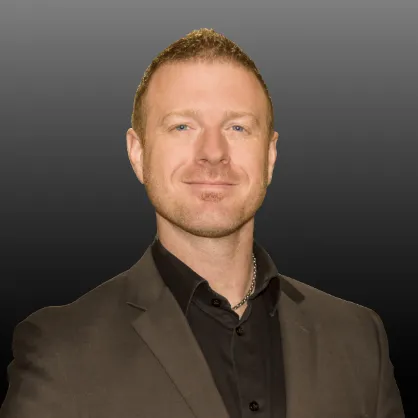
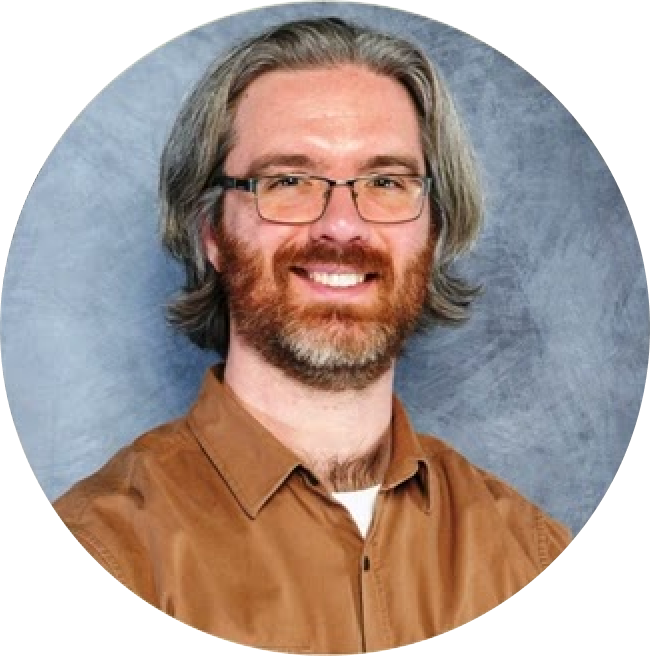
1:41 And I've come to understand now that all 3 of us are Saskatchewan boys, so like I say, a little bit of a rep there too. But we've got Matt Schwab, CEO of Stallion Uranium and Keith Bodnarczuk, President and CEO of Cosa Resources. And they're just gonna sit down here and we're gonna discuss, we can discuss Athabasca exploration itself, past, present, future of Uranium, sort of a macro discussion, as well as obviously their own companies and their own plans and own exploration projects and why they are sort of uniquely powerful for people to consider as investments. So Matt and Keith, welcome guys. Thanks for your time. Hope you are enjoying your day. How are you guys? Thank you very much for having us today. Happy to be here. It's a great day so far and it can only get better. Great to be here, Matthew. Yeah, thanks guys. So just why don't we, I mean, very simply, right? Just kind of get the blood flowing a bit. Just take a minute or 2 and introduce your company in a sort of a macro classic elevator pitch sort of way before we start trying to getting into more nitty gritty details.
2:38 And Matt, I'll let you lead that one off. Sure, appreciate it. Thank you very much. So Ston Uranium is simply a growth stage Uranium exploration company, as you said, in the Athabasca Basin. Right now, we have one of the largest land packages in the Southwestern Athabasca Basin, about 3,000 square kilometers at the moment. Very, very underexplored.
2:57 We can get into that more later in the conversation potentially, but at the moment, huge potential. Our team is comprised of a group of people who have been part of 3 high-grade Uranium discoveries since 2014 in the Athabasca Basin, including the Arrow deposit, the Spitfire discovery and Gemini more recently. And we have a strong support network with our head of IR, who's got over 25 years of capital market experience. Our board of directors, who have successfully time and time again proven that they can raise the capital for companies just like ours to move forward in a successful fashion and accomplish goals in front of us. So really excited, despite this little pullback in the spot price right now for what's to come in 2025 with Uranium. And again, happy to be here to have this conversation today.
3:41 Thanks Matt. And Keith, you want to introduce us to COSA? Yes, certainly. Similar to Matt, a Uranium exploration company with assets in the Athabasca Basin. We are a newer company. 2024 was the first year we drilled as a company, but we are led by a team with a track record of discovery and success in the Athabasca Basin. There'll be some crossover here amongst team members. Craig Perry is part of our group, who is a founding director of NextGen Energy, where Matt was part of that team. I worked at Denison, so did Steve Blower, our chairman of our company. And most recently, our entire management team was part of the hurricane discovery during our time at IsoEnergy, where we discovered the highest grade indicated Uranium resource in the world. And so most recently we completed a transaction with Denison Mines, actually in mid-January.
4:27 We acquired 70% interest in 3 projects from them. They are now our largest and most strategic shareholder, just under 20%. And importantly, we'll be looking to drill 1 of those projects here in the next few weeks, the Murphy Lake North project, which happens to be a long trend of the hurricane deposit, which our team found in 2018. So we're back into our backyard there and we're excited to get drilling and testing those targets. Excellent. Well, let's just set the table a bit more for people here. We'll start big and funnel down to the more detailed here, but it's just macro, right? Classic supply and demand. My understanding is, I mean, just like many other minerals is that uranium, there's an incoming and imminent kind of supply
5:07 and demand crunch. And I guess I might just ask you individuals, and I kind of stressed to you guys beforehand, you know, please, let's make this organic as possible, right? If you guys wanted to jump off as you will, please feel free, but can you just numbers, figures, data for kind of literally any part of this, right? I mean, in terms of supply, let's talk about kind of Athabasca production versus Kazakh or, you know, cause that Kazakh stands tax regime and then demand too, right? I mean, just to increase reactor numbers, et cetera, or future tech. So maybe Keith, I'll ask you to just kind of maybe find your footing there where you will, and maybe just kind of help us set the table for
5:43 what's to come for uranium. Sure, So maybe I'll take a little bit of a step back that Matt can jump in if you want some more detail. But I think it goes back to really Fukushima 2011. You saw the tsunami hit Japan and that led to a massive drop in the uranium price down to $18 a pound. Japan shut down reactors. Germany shut down reactors. People thought that the sector was in real trouble. But what really happened in the background was a lot of jurisdictions like China kept building reactors, India kept building reactors until actually a few years ago, we surpassed the pre-Fukushima demand for nuclear power. And so it became something where you had this depressed price of Uranium, despite what was happening in the background. And even a few years ago, as we've tracked to this year, we've been at a supply and demand gap where supply has been around 140 million pounds per year and demand has steadily been about 180 million pounds. So we're currently at a supply deficit right now and yet the price has only really started to react over the past 2 years.
6:44 And fast forward to today where China still continues to build reactors.
6:48 We're coming off that terrible bear market where no new projects are really developed or brought online. And so it's kind of creating this perfect storm where you have increasing demand, but yet the supply is just not going to be able to keep up for the foreseeable future. Yeah, I think that's a really important point there, Keith, about countries like China that were very forward looking. When the rest of the world was, you know, shutting down their nuclear reactors, they were scared of the potential disasters like Fukushima, etc. They kept pushing forward, as did India, as did others. And the numbers are simple. They're straightforward.
7:25 I think as of the most recent quotes, there's 440 reactors operating globally, there's 65 in construction and another 430 planned for construction. The math is simple. In the next 20 to 30-years, we realistically expect that this demand is going to double. That doesn't account for the announcements that are going to be made in the next 10-20 years.
7:48 We're not decommissioning nukes anymore. There's really one place that we can increase this production and supply. It's by making new discoveries. More or less, that's the job in front of us. That's what we've done in the past on both sides of this fence. And people need to realize that nothing else is gonna solve this problem. We need to make new discoveries so that as the demand increases, we're bringing more production online. Look back again at Arrow, We discovered that 11 years ago and it's still probably 5 to 7 years out from production. So we need to be more in front of exploration, making new discoveries moving forward so that we can keep up with this. Plain and simple. And then maybe as a follow up, right, I mean, Athabasca particularly, right, my understanding is 15 or 20% of global production comes from Athabasca Basin.
8:38 Where does that fit in?
8:40 Do you see a ramping up from producers in terms of their exploration and production? Do you see a ramping up of juniors in that basin? Where's that at? Matt, do you want to take that one to lead it off? Every time we see the start of a Uranium bull run, juniors come out of the woodwork, to be quite honest. We fill up the Athabasca Basin, we stake every square kilometre of ground possible. But again, unless tangible discoveries are made, it's really hard to keep up with that increasing demand.
9:10 As far as production goes, I think looking at companies like Denison, exploring new technologies like ISR 20-years ago, you ask any geologist in the basin, they would have never entertained that. To be quite honest, just based on the fluid pathways, the structural setting, it didn't make sense, but they've proven that they can be profitable using this technology moving forward. So maybe that opens the door and we can look back at these deposits that were found 30, 40 years ago, like Centennial, Millennium, etc. And actually make those a profitable venture, bring them into production without spending billions of dollars on underground infrastructure. I think there is a path forward And it does come down to exploring new technologies, new opportunities for how we bring these things into a profitable mining scenario.
9:55 Excellent. And Keith, your thoughts? Yes. I think even just going back to the supply and demand, the US is still the largest consumer of Uranium in the world, and they can only produce a fraction of that themselves. And you mentioned Kazakhstan. Kazakhstan is the largest producer of Uranium, but they're really getting intertwined with China. So as their production continues to increase, that's going to go to China. So you have a big bifurcation in where the supply is going to go. And so the US is going to really have to look to Canada and the Athabasca Basin to fulfill those requirements. And so that's what's something interesting that Matt touched on there was that, you know, the basin's really been controlled by Cameco and to lesser extent, Orano, the French government over the past, I mean, forever. And what you're seeing over the past 15 years was groups like NextGen and Denison have success that hasn't happened before. So they're pushing forward to really put, bring these projects into production, which would create a new landscape for the Athabasca Basin itself. And so I think having those stories like that really pushing towards getting into production would be huge for the Athabasca Basin. And what Denison's bringing is innovation
11:00 like Matt touched on. And so I think it will really shape the Canadian exports of uranium with the success at the Athabasca Basin. And it's really been the juniors that have had that success over the past 15 years, which is much different when you go throughout the history of Canada and the Athabasca Basin. Oh, yeah. And let's talk about Athabasca here. I think that the point that I really want to stress for people that maybe I skated past a bit myself in terms of how I led it, but that by 2040, according to the World Nuclear Association, is that demand will nearly double available supply. Right. And so this is me. You'll excuse me. But when I, you know, as I look at copper as a classic kind of parallel to that, where there's just a huge crunch coming and it's such a large ship to be able to steer that even there has to be price appreciated at some point where something will break and that ability for the market to produce the demand that is the supply to fill that demand just can't happen. And so then the price reacts accordingly. Right. So let's let's circle back to Athabasca, though, right. Because I think this is I think, as Keith said, right, I mean, there are international competitors, but as we see sort of geopolitical tensions increase, friendly,
12:05 critical onshore, you know, Western jurisdiction supply becomes more and more important, especially with something like uranium, right? And so maybe let's talk Athabasca Basin, and that is the beating heart of Western uranium supply. I mean, I'm sure most people have heard of it at least, even just partially or in passing, but maybe Keith, I'll let you lead this one off. Can you maybe just, I mean, just basic intro to Athabasca Basin, right? Can you introduce in layman's terms, even just a history of what an Athabasca uranium deposit looks like, how
12:36 you search for it, that sort of thing, and just sort of get into the more of the nuts and bolts of what makes Athabasca special and how to make it happen, I guess, so to speak, up there? Yeah, certainly. So It is home to the highest grade and largest Uranium mines in the world. Just for context, the global average of Uranium deposit outside the Athabasca Basin is 0.1%-0.2%.
12:57 When we were at ISO, our hurricane deposit, the average grade was 34.5% Uranium. 90% of that deposit was over 50% Uranium. It's the most valuable rock in the world on a per ton basis, which is why people go there and continue to treasure hunt for this high-grade Uranium deposits. And why Matt and I, through multiple companies, continue to come back to this area because it's addicting. Because if you are able to make one of these discoveries of these relatively small deposits, but massive, massive grade, it's life changing. You see the valuations of the companies that are still in development phase, NextGen Energy, that's over $4 billion, Denison over $2 billion. None of these companies are currently producing themselves, and yet you see these crazy valuations because of how valuable that rock is.
13:45 It is just a unique geological setting. It's the perfect geological setting for these high-grade Uranium deposits. You basically have this sedimentary basin. It's like a giant bowl. It's this beautiful, clean sandstone that allows a whole bunch of fluid flow to constantly churn through it, carrying Uranium-bearing fluids. Below that, what we call the basement rock, it's just this metamorphic rock with these big, deep-rooted structures.
14:08 Where you have this Uranium fluid mixing and mixing in with these structures, you can form these high-grade Uranium deposits, which we call unconformity Uranium deposits. They are relatively small. They are elusive, but if you do find one, it is life-changing. It's game-changing for a company.
14:27 I agree with pretty much everything Keith said there. The Athabasca Basin, I like to use the term, is the perfect mixing pot for a Uranium deposit to be formed. There are other areas in the world like the Thelon Basin that are similar, but they haven't had the same success. We don't have the same grades, plain and simple, across the board. When push comes to shove, like Keith said, there's really nothing more exciting in this career than looking at a grassroots exploration project and pushing that forward through exploration to discovery and seeing the potential that can be made. It is incredible.
15:04 The blue sky potential is more or less limitless when it comes to juniors in the basin. Keith, you mentioned this earlier that it's kind of been a shift from where previously deposits were being found by Cameco, by Arano, Prevaciva, Arriva, etc. They more or less laid the foundation for the techniques that we use. Yes, we refine them slowly as we keep moving forward. Maybe we apply them in a different timeframe,
15:27 but it's tried and true. It's been proven And we just keep doing the same thing over, looking for these elusive high-grade Uranium deposits across the basin. But the big point I want to put onto that as a caveat is that there's so much more potential still in the basin that people have never really realised in the past. Again, let's step back 20 years. If you would have asked somebody, a geologist in the basin 20 years ago, should we be exploring where Stallion's land package is right now? They would have said, no, you're crazy. It's too expensive. There's probably nothing there. But now we keep opening the door with success from the RRR deposit with Arrow, with the JR zone, moving forward, seeing that there is potential across pretty much every margin of the Athabasca Basin.
16:15 It's incredibly underexplored. There's a lot of room left, and there are a lot more opportunities to keep finding these deposits, to keep moving forward in a very, very successful way.
16:24 Well, Matt, I might just bounce that, right, kind of a follow-up question that'll get us into the next topic here. I want to discuss just the Athabasca Basin and how it has evolved over time, right? Modern changes to exploration and technology, etc, etc. But maybe, I mean, you've kind of you've led me nicely into this one. So I'll start with this. You know, when I think about I mean, I lived in the in the back and field in southern Saskatchewan for for a few years. So that'll be my analogy here. Right. But has the and based on what you just said, Matt, that the answer will be a no, but I'll let you guys tell me why I'm wrong, but has the Athabasca Basin, has there been sort of like that sloping degradation over time, like an oil field happens, or you know,
17:00 a classic gold district too, right? Where grade or tonnage slowly starts to slip. Has that occurred since Athabasca? Has that occurred, to what degree, or why has it not happened?
17:17 I would say, yes, at some points it has. So if you look back to the early 2000s, we went through this slump where more or less no Uranium deposits were being found anymore. We were discovering some showings here and there. Cameco was having some marginal success on their large land package that they had in the basin, but it really took a changing of the tides where juniors came into the basin and started doing things a little bit differently. Again, as I said, using the same techniques that were developed and proven by Kamiko,
17:44 Areva, Soray, and Rano moving forward, and we continue to tweak those. And all of a sudden in the past 11 years, we've proven that no, there is no degradation to the opportunity in the basin. There's no degradation to the grades that we keep finding. We're finding now higher grades than were ever discovered in the past. Even at Cigar and MacArthur River, they were the highest grade deposits on the planet. And now we're proving that there are still deposits like that out there today. Keith, Is there any daylight in there for you to add to that? No, I think, like Matt touched on, it's interesting how you almost come up with a hypothesis of where the uranium is going to be.
18:29 Each time a new junior or new group goes and explores a different area like Fission and NextGen did at the time, it keeps changing the narrative. It just goes to show how well endowed this entire basin is and how groups are heading out to previously unloved areas, untouched areas where there's lots of room for these tier 1 size deposits. That's
18:49 what both of our groups are doing. That's what it takes. It just goes to show there's that big base in theory that there's just been so much uranium fluid churning throughout that whole area that there's plenty of room for these massive tier 1 size discoveries. And for contexts, I mean, Phoenix at Denison is about 200 meters long. The high grade domain at Hurricane is just over a hundred meters long. And so these are tiny, but there's, when you are able to find them, you know, it's very impactful. And these are so high grade, so valuable that there's there's plenty of room for the for these discoveries. And
19:24 something else is interesting as we're kind of going back, we're not trying to harp on chemical or anything, but it's it's this is a different workforce now, right? Guys like Matt and myself and other members of our teams have had a lot of experience with making discoveries. That's different. It's no longer the person that worked at Cameco for 30 years. It's groups that have worked at NextGen, Denison, Hathor, ISO. They know what a deposit looks like. And importantly, they know when they're maybe a kilometer away from 1. They start seeing subtleties that they've seen before. And so you're getting a really educated crowd and workforce that's applying those techniques, learning each time to where they're exploring now. That's why you're going to see a lot more success during this Uranium boom than I'd say even during the last one.
20:11 I agree with that. I'll just give one little tidbit extra there, Matthew.
20:17 I agree 100% that we've turned the page from the days when the majors were the ones who were out there still exploring, making discoveries, taking it all the way through infrastructure development to production. We're now seeing this appetite where majors don't want to be explorers anymore. They would much rather push forward this process that we've seen over the past couple of decades, where producers produce and buy developers, developers put in infrastructure and buy explorers. And us explorers are the ones that go out there and take the risk. But at the end of the day, but we work together to keep moving this thing forward.
21:04 And it's just in the end of the day, super beneficial seeing how this process keeps evolving moving forward.
21:11 So, and again, I'll let you guys please course correct and adjust and clarify and correct as required, but it's not maybe necessarily so much a technological revolution. You mentioned ISR, we can get back to that as a slightly one step aside, but just in terms of technological change, but it's not necessarily kind of the how you look for it or the where in terms of, or is it? Or is it just like you say more about almost like a, but an expertise or knowledge based thing where it's, you know, the, the, the easy ones are gone, but there's still incredible high grade that was left to be discovered. You just
21:42 need the expertise and the knowledge and the population of, of explorers to go out there and make it happen. I mean, where do you guys kind of, where does that, where's the truth in there, I guess, Matt, I'll let you lead that one off. That's a statement I've heard many times in my career, the easy deposits already found. And it's true, to be quite honest, the easily accessible deposits have been found. And that's why over time you've seen such a density of exploration across the eastern side of the Athabasca Basin, the northern side of the Athabasca Basin, because there was road access, right?
22:12 The initial discoveries were made and then they just kept building off of that, following a long trend, looking for the same thing in the same spot. But at the end of the day, if you were to look at a drill map of the Athabasca Basin, Keith might agree with me or not, but they were wasting their time just chasing conductors blindly, moving down the same pathway without trying to evolve how they were doing things or refine how they were doing things, looking at different geophysical signatures, alteration signatures, trying to combine all of the knowledge that we have and come to a point where,
22:46 at the end of the day, what we're looking for is stacked targets. We want targets that come from multiple different information sources stacked on top of each other to continually de-risk our drilling processes as we move forward so that we know we're spending money in the best place humanly possible. But we have to, again, refine as we move forward. At Stalin, we use a 12-step criteria to go through and rank every square kilometer of ground that we have. I'm sure most of the juniors out there do it in the same way. They might put the ranking of those criteria in a different fashion than us, but it really does come down to how can we do it better than it's been done in the past.
23:28 Obviously there has been some technological advances. EM geophysics has gotten a lot better over the past 20 years. People are deploying this passive seismic ENT. People are using that to try and prioritize. There have been some improvements. I think that's across the whole exploration, including other commodities too.
23:47 But I think even strategies changed as Matt touched on. In the 80s and 90s, they're drilling vertical holes down to that contact in between the sedimentary basin and the basement rock, and they weren't following anything up. If they thought they hit their geophysical target, they were moving on. That's essentially what happened when our team found the hurricane deposit at IsoEnergy. They hit some really good looking structure and alteration higher up in the basin, the sandstone, and they followed it up because they thought there could be a parallel target. That's how they hit the hurricane deposit, the very first drill hole. I think there's a lot of opportunities left like that. I agree with Matt that in and around parts of the eastern Athabasca basin, they've been poking holes for decades,
24:33 but there are still areas that haven't seen that much exploration. And there's ones where, you know, similar to what happened with Hurricane, where you do have some a little bit of meat left on the bone in those areas because the footprint of these things isn't that large. But groups are heading out. You see Kanawaska having success. They headed deeper into the base and you're seeing obviously what happened on the west side of the Athabasca Basin. So groups are heading, like I said, to these unloved areas. And so, you know, for us, like I said, each time we have a bit of success and are exposed to these discoveries, we try and apply what we've learned to help benefit us. With a junior company, you have to put your dollars to work and
25:12 you have to prioritize targets as best as you can because you're not going to be able to drill forever. You're not going to be able to drill forever. You're not going to be able to drill tests forever. Another approach is to take the drill it and kill it mentality. You get a whole bunch of target areas. If it's not showing what you like, you move on. You don't get married to the one project. You have to be ready. ISO Energy is one of the quickest pathways to discovery in the basin, but it was our seventh project where we ultimately failed.
25:38 And so that's exploration. That's how it works. You have to remain nimble. You have to be able to keep generating drill targets so you're ready to go on your next project when it happens. And that's what it takes to make these discoveries. No, excellent. And Keith, I'll bounce this right back to you, pardon me, but maybe I'll ask for a bit more detail from both of you. And this could be a segue to discuss your own individual projects, but just the where, right? I mean, the depth or, you know, within versus on the edge of the base and parallel falls, you know, blah, blah, blah, blah. Can you guys maybe just describe, take, if you wish, you can still kind of do the macro historical view and the evolution towards kind of working your way into the basin, but feel free to also just to chat about where you guys are most specifically and concretely and how that relates to that question. But Keith, do you want to take that one away?
26:23 Yeah, certainly. So you're asking about individual projects or just... Yeah, just let us know. I mean, where we're, you know, based on My understanding is that it, you know, that Athabasca kind of started from the, and I thought, Matt, what you said about sort of working along the road, I was quite enlightening, right? I mean, this is something as simple as just infrastructural access can dictate and define the order of discovery or what is or isn't found, right? And so I guess, you know, maybe Keith, just, yeah, I'll let you guys walk, it doesn't have to be the big macro 30,000 foot, 60 years of history, but where are you guys in that narrative, I guess? Like where are COASA's projects within that, within Athabasca and within where, is it a historically active area or is it new sort of thing? Yeah, certainly. So we're on the more eastern side of the Athabasca Basin.
27:08 That's where our team's had a tremendous amount of success, you know, through Denison
27:12 IsoEnergy. There's a big swath of land along this called the Walliston-Majatik transition, where it's basically been controlled by Cameco, Denison and Uranium. It's really difficult to get ground in that area. We managed to get 3 projects from Denison with our most recent transaction. And there are 3 that haven't really been actively explored by Denison. So they really tick that box of not having been explored for the past 20 years. And as simple as it sounds,
27:41 the best way to look for Uranium is next to Uranium. I mean, that's where we have these projects. The Murphy Lake North project is right next to the hurricane deposit within 3 kilometers. The Darby project is within 10 kilometers of the Cigar Lake mine. And so that's what we've tried to do. We tried to simplify it as much as we can as far as getting ground that's right next to these world-class deposits. And It's kind of that string of pearls, right?
28:05 You have these big, massive Uranium corridors that go through the Eastern side of the Athabasca Basin, also through where Matt's ground is in the Western Basin. Often groups have success along multiple areas. These are difficult to find. Regionally, there is a pattern to them, but locally they are difficult to find. We've done our best to get as much ground as we can. The recent acquisition with Dennison is more shallower ground. The Murphy Lake North project, which we will be drilling is 250m target depth.
28:36 You really get a good chance with that cost of the test drilling right next to a high-grade deposit and having good access into that area. I like what you said there, Keith, honestly, and it kind of goes back to something you said previously about picking up these pieces of land that have kind of been lost to time on the eastern side, the northern edge of the basin, etc. And you guys are honestly the most recent success story and the results that you're getting on the land packages that you've got. But it keeps going on. Again, 92 Energy did the same thing, picking up a land package on the eastern side and ISO and it keeps moving forward. There's plenty of potential to be still realized in those areas. So, sorry, I didn't mean to discount the Eastern side of the basin with the same shape, conductors, et cetera, but there's plenty of potential to be seen there.
29:24 There really is. You just have to know where to look for it. Stallion's kind of doing it a little bit differently by picking up a huge underexplored land package on an area that again, like I said, previously in the conversation,
29:38 nobody would have wanted to explore previously because it didn't have infrastructure in place. It wasn't real accessible. And we didn't really understand the geology to the same way that we're starting to understand it now. But at the time, at present, our land package, if you would take that and shift it over to the Eastern Athabasca Basin or the North edge of the basin, it probably had 10,000 drill holes on it, on that 3,000 square kilometers. And right now it is 3. So We're taking a little bit of a different approach on a very large, high-potential land package that's very grassroots. I'll admit that. But the company has done a great job over the past 4-years. Up to this point, they've spent US$10M on building up those drill targets, doing all the geophysics, making sure that we've taken the right steps so that now me and Darren, my VPX, we have the opportunity to sit back and as I said, re-evaluate every square kilometre of ground that we have based on this proven technique to try and keep doing what everybody said was impossible on the southwestern side of the basin.
30:39 Excellent, thanks guys. I will just give a reminder here people that we've got 2 or 3 questions left here so keep getting your questions in if you have any. Maybe I will. This might be just a quick one, but I just ask that especially something so niche and something so critical that emerging technology and maybe this is an opportunity just to introduce people to in situ recovery, but are there What else is coming down the pipe? I mean, I think we'll split, or there's a pun, we'll avoid fission for now, but talking about just emerging technology and the potential impact on, I mean, from explorers to producers, right? Is there anything that you guys could maybe help us kind of understand a bit better? Matt, I'll let you take that one first. We could probably chase that topic for the next couple of hours if we really wanted to dig into it. But yeah, of course, there's exciting technology across the board, whether it comes to what we use for discovery, how we increase our options for production, and right down to energy generation with SMRs, right?
31:37 So it's interesting because as I said, I'm really old fashioned when it comes to exploration. Yes, there are new technologies coming into use, such as A&T, looking for a better way to predict where the unconformity surface is, how far we have to drill, what we're going to find when we get there. But I really do see the most potential in things like AI. And it's actually kind of a bit of a sore spot because I've been very hesitant to get into that in the past, but I'm seeing more and more potential for opportunity to, first off, I'd say fact check what we're doing, go back through the process, maybe apply some AI technology, predictive technology to see, are we doing this in the best way possible? Are the targets that we're generating what a computer would? Can we actually have a correlation there in some way, shape or form? But on top of that, can we use it on a regional scale to look at areas that we haven't seen as high potential before? Maybe there are areas out there in the world that we can start exploring like the Athabasca Basin to completely change how we do things and all of a sudden satisfy that demand curve in a different way.
32:43 I like it and I'm exploring different options for that right now. I can't really get into it because I haven't decided yet, but we'll get down that road. But on the same point, as I said, SMR technology is a huge highlight to moving that demand forward. It just keeps bringing more interest into the sector. It brings in energy to areas where energy production was incredibly expensive. We're really changing the game across the board. Again, from exploration through production all the way to energy production at the end of the day. It's an interesting time for Uranium. Keith, anything to add there? There is no magic bullet as far as making these discoveries. What you're hoping for is finding technologies that will get you closer, more efficiently to your drill target and really prioritize, right? If you have 60 kilometers of trend, you can't efficiently explore that. And that sometimes was the old mentality, right? You just kept drilling spatial along there. And so We're using whatever instrument we can to try and prioritize targets, especially as a junior company, you really have to do that. I think I kind of go back to the people, I think less so AI at this point, but I think we go back to people like Matt himself has been part of Discovery. It's just that familiarity When you think you're close to something, having those guys on the ground that can identify something if you do have some drill success or importantly tell you that no, you're not close to something.
34:13 We have a team at COSA that really has that extra level of passion where they're willing to go out in minus 40 and pull apart some old drill core to look at it. To remember when, okay, this looked like this hole, now maybe this hole is that. That's honestly what it takes. You need a team that's obsessed over where their next drill target is going to be, that's willing to put in those extra hours just to look at those old holes. You'd be surprised, there's a lot of companies that pop up overnight and they don't take that strategy and they don't have that memory bank of what they hit before in 2007 or 2012. And so I think that's a huge advantage that both of our companies have here is just that familiarity. I think that'll be a huge differentiator for us during this cycle. I like that you highlighted that, Keith. Sorry, Matthew.
35:01 The fact that passion is what keeps us doing the same thing over and over again. I think in most of our teams, as junior Uranium companies, we just love what we do. The passion, like you said, to go out there and keep digging through historic drill core because we enjoy it. Let's keep doing what we do and do it well. That's a common theme. It doesn't matter what the medal is, every geo I talk to is a CEO. It's the same thing. It's the love of the game that keeps it happening. I think that there's in quantifiable details that's critical. It's that hunger and desire to do it again after having already done it once or whatever, right? So maybe we will keep this couple of quick more ones here, Jensen, I think we'll call it there, but maybe this is my chance for you guys to pump your own tires super effectively. What does your company have that others don't? What's the critical edge?
35:53 I think you guys have both made a really good point about that institutional memory or that expertise. Expertise, land package, quality of prospect, drill ready, leadership team, fundraising ability, etc. What do you believe sets you apart from your peers and makes you guys a compelling investment? It really comes down to 2 things. In my opinion, for the Stallion team right now, we have a group that has done this multiple times over. We've been part of this process 3 times in the past 11-years. We have a huge land package that is incredibly under-explored, has a lot of potential left on it. It's sandwiched between 2 of the highest-grade deposits on the planet. And the Uranium market is really taking off. Despite this little bit of a pullback, as I mentioned, we're in a good place. It's a good time.
36:39 And as the spot price moves back to a healthier range over 100, I think it's going to be a really exciting year ahead of us. There's a lot of potential for us to repeat the successes we've had in the past. Keith, your thoughts? Yes, that's a similar track record. When you invest in a junior company, you should probably go through a checklist. It's a track record. The last company our whole team was involved with, we went from $0.30 to $6 on the back of a discovery in a much worse Uranium market. So we do have a team that's really delivered value even in a poor uranium market. Access to capital. I am backed by a group called Inventor Capital, which is really an incubator for companies like COSA.
37:25 Visa Silver would be the most prominent name in that group. But this recent transaction with Denison, where they're now our largest most strategic shareholder, They have a very healthy treasury and we're undergoing a financing right now, which was set to close in a couple of weeks and Denison has put up their hand to contribute their 19.9% on a partially diluted basis. So having that strategic is a big differentiator for us. Skin in the game, our group still controls 18% of our stock. We continue to cut checks. We continue to buy on market. We'll be participating in this financing and then upcoming catalysts. We're about to be drilling here in short order. Drilling remains the biggest catalyst for any junior, especially Uranium exploration company. And so we'll be drilling here on the Murphy Lake North project, right next to the deposit we found when we were at ISO in 2018. So it's very good upcoming catalyst for us. Well, then why don't I just use that as a launch pad?
38:19 I mean, Why don't you guys give me an overview of 2025 exploration plans above or below ground and then Keith, why don't you just keep going from there and meterage, etc. When We close this financing here in the next couple of weeks. We'll be fully funded until probably mid next year, mid 2026. That'll allow us to do a drill program here at Murphy Lake North. Like I said, starting shortly. We would go this summer and do a program at Darby. This is another project we got off of Denison, which is right next to Cigar Lake. And then we'd be fully funded to go through back to Murphy Lake North that following winter of 2026. So we're in good shape that way. Meter wise, it's gonna be 1600 meters this first program. We transferred the permit from Denison. We just closed the transaction a couple of weeks ago, so we're getting on the ground as fast as we can and poking some holes into that area. Darby will update the market accordingly. We still have to have our joint venture meeting with Dennison, so I'm not going to speak too much about any potential meters.
39:14 But Like I said, we'll have 3 exciting drill programs coming up over the next 12 months or so. Matt, you guys are still obviously working to get your few different projects up and ready and going. Are they drill ready or what's your plans for Exploration 25? We are moving forward continually with exploration at the company. I'll be honest, Stellian has had a rough go over the past year, hence why I came in as CEO 2-months ago. The shareholders requested somebody who just had more of a technical background to come in and join our VP exploration and help move the exploration forward in a more meaningful manner. Over the past 2-months since I came on, we've gone back, re-evaluated every square kilometre of ground that we have to reprioritize, focus our attention on shallower targets with more of those stacked anomalies to make sure that we are spending our money in the best place possible.
40:02 We kicked off some ground-based EM last week. We'll be doing 2 surveys over 2 of our 3 highest priority targets in the next month and a half here. Then doing 1 gravity survey over another one of those targets just to again, pick out the alteration signatures and pinpoint exactly where we want to drill, ideally kicking off a drilling program in the second half of this year. Moving forward, we're just reprioritizing, making sure we're in the right spot, doing the right thing, spending our money in the best way possible to really capitalize on that huge land package that we have and see how exciting the second half of the year can be. No, awesome, thanks, Kase. And so we are down to just one more from me and there's 1 or 2 in the chat here too, but this is purely selfishly for me and I make no bones about that. If I get a chance to talk to CEOs, I'm going to ask you questions I want to ask. So a good faith gesture to investors listening, right?
40:54 I mean, what is it? You know, something about the Uranium sector for beginner or even intermediate investors that you think that they need to know that maybe they don't, right? In terms of this, the complexities and why it's a different beast than gold, right? So what do you got? What do you got for me? I'll be taking notes while you guys talk here. Keith, you want to lead us off? Sure. How about the difference between the spot price and the term price, right? So the spot price is the one that the equities tend to chase, but it really makes up 10% of the overall actual market. And it's that long term uranium price where you see the mining companies signing those longer term contracts, which really dictates what's happening in the background from a supply and demand standpoint. And you've seen since 2021 that the term price has actually gone up from 30 bucks all the way up to 80 dollars now. And where the spot price is mostly a lot of, you know, uranium traders kind of spinning the same material around and around, which tends to cause the equities to go up and down. But when you're actually following the term price, you'll see that the fundamentals are as strong as they've ever been. And they're pointing up in this direction.
41:54 And so I think that's an interesting one for people to pay attention to. And I think it was a Grant Isaac from Cameco said on an interview, I just watched him, that 55 million pounds were turned around in the spot market last year. Only £7 million of that was by actual utilities that planned on using it for power. A lot of that material is just getting recycled around. It's important for people to look at the term price. That's what the Camecos of the world are tracking. That's what the producers and developers are tracking. That's something interesting. Matt, your thoughts on that one? It makes total sense and I agree with Keith pretty much across the board. In my mind, there are 2 kinds of investors in the Uranium sector. There are the fair-weather investors who want to invest in Cameco. They want to put their pension into it. They want a safe investment that maybe in a good bull run, they'll make 5 times their investment.
42:45 That's fair. That fits a lot of people's investment portfolio and that makes a lot of sense. But then there's the people who have seen a true Uranium bull run and they've been part of juniors like Kosa, like Stallion, etc. And they've seen that there is, and this is a bold statement to make, but borderline limitless potential if you get in at the right time. As Keith was saying, when ISO hit, they doubled their share price overnight. You look back at other success stories, I think when we discovered the Ur-Deposit, we were trading about $0.45. Now they have a $6B market cap and they trade at $10 and they're still undervalued. If you want to have that risk in your portfolio, Uranium is probably the most exciting commodity to be part of, plain and simple.
43:32 I stated earlier in our conversation that in my career, there's been nothing more exciting than seeing how that can evolve and how it can happen. There is an option for every investor out there to get involved in Uranium. It just depends on what you're looking for in the end. That covers it for me in terms of my questions. There's 1 from CO.CA that rolled in for me for COSA, and then there's 1 in the chat here for Stallion. I guess, maybe, Keith, I'll let you ask this one first. They were just asking about URSA. Is URSA backburner, no burner, heat on, heat off? What's the plans with URSA moving forward? Yeah, so I mean URSA was similar to what Matt talked about with some of their projects. We really had to bring it up to advance it towards being drill ready. We managed to drill it last year. We took this 60km trend in an unloved part of the basin, but everybody knew it is along one of those potentially fantastic trends, this one being the Cable Bay shear zone.
44:30 We managed to drill some holes last year, hit some elevated uranium deep in the basement, and that's still there to be followed up. It's still an important project for us. Importantly, we've protected it now to about 2030 with the work we've done. We can take our time. We have an opportunity to drill next to the hurricane deposit and Cigar Lake. That's the reality of what happened. We did a deal with Dennison and we're going to go drill those lower hanging fruit first, but Ursa is still important for us. We're in the early innings of this Uranium boom and as this boom goes on and on, people are going to want that Ursa project over that Capable Base Shares zone. People are going to be knocking on Matt's door for the projects they've put together because these are in these areas that people know that geologically they're significant.
45:17 We're in good shape with that. It's protected until 2030. We're obviously going to drill next to Hurricane Deposit when we can and next to Cigar Lake. Those are the top priorities. All else equal, shallow beats deep. Matt, someone is asking about the recently announced share consolidation. I'm just wondering if you could walk through the logic about the timing of that as a fresh CEO. It's a tougher question, but it's an important one too. Can you just maybe shed some light on that one? I wouldn't say it's a tough question for anybody who's been part of this industry long enough. You understand that it's part of the process. And as I stated before, I was more or less brought in to turn the ship around, sail it in a more meaningful direction as far as exploration. But to do that, I have to finance the company. With 151M shares outstanding right now and trading at 3 cents.
46:04 It doesn't make sense from our standpoint to go out there and try to raise money at our current share price. So it is the logical path forward to do a consolidation. And no, it's probably not going to be what I announced at a 10 to 1, but I have to prepare the market and our shareholders for the potential of that. And hence why we announced up to a 10 to 1 rollback before we can move out there and do any kind of meaningful financing. So that's more or less the statement in a nutshell. It's part of the process and we'll just take it 1 step at a time. Excellent. I think that brings us to the end of our time here, gentlemen. Keith Bodnarczyk, CEO of Costa Resources, Matt Schwab, CEO at Stalin Uranium. Thanks guys And best of luck in 2025 for you. We'll run into each other again, I'm sure. So thanks guys. Thank you so much. Thank you.
46:52 Thank you. Thank you. Thank you. Thank you. Thank you.