Transcript
Automated transcript · Written by software from the replay's audio. It can mishear names and figures; the replay is the record.
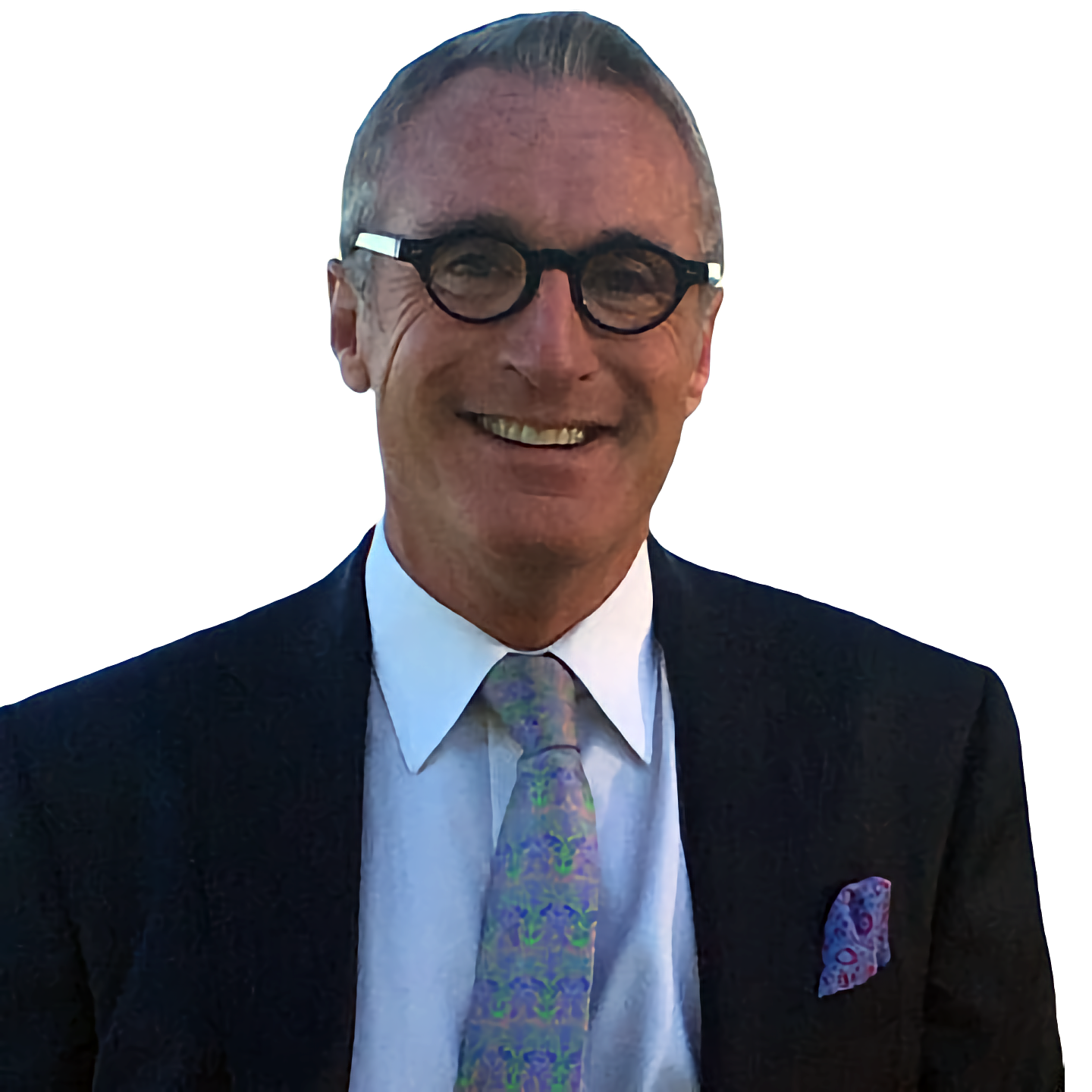
0:04 Good morning, good afternoon, good evening, depending on where in the world you're signing in from today. I'm lucky enough to be joined today by Paul Morris, FirstMine and Gold's Director of Investor Relations. Paul, how are you today? I'm very well, thank you. How are you? Where am I? I'm good. I'm good. I'm certainly feeling well. And I just want to let folks in the room know how today's gonna work I got some questions. I'm very eager to ask Paul I held off on asking them in our backstage time And then I'm gonna jump into some questions that came in over email in advance I saw there were a number of questions So we'll try to get to a bunch of them today. But then into questions from the live audience. So today's event is interactive. So please do feel
0:36 free, jump into the chat on the bottom right of your screen at any time during today's event. If for whatever reason we don't get your question, I'm gonna make sure that Paul gets it and he'll be sure to get back to you. Honestly, I don't know anybody in the business who's more active on emails and calls with investors. So I'm going to put Paul's personal email. He's allowed me to put his personal email in the chat today. So investors and prospective investors can reach out directly with future questions. But I'll try to get as many as we can today. One last piece of housekeeping and then I'll get into the protein. But today's event is being recorded and will be available for replay on both 6 and YouTube later today. So if there's a part that you want to replay 100 times just to make sure Paul said what he said, that'll be available for you. But that's enough monologuing out of me. I do want to jump right into it. So Paul, before we start, I know you fairly well, but I'd love if you could tell us a bit about yourself before we move on. Sure, no, absolutely. And listen, thanks very much for having me on this call. It's an honor to be here. So yeah, Paul Morris, I am the Director of Investor Relations for First Mining.
1:37 But really, my career was mostly as a stockbroker or, you know, as they more commonly say in Canada, investment advisors with one of the big bank owned firms. And, you know, it was there that I met Keith Neumeyer, who happens to be the chairman and founder of First Mining. And I got involved in one of the first companies he actually co-founded, First Quantum, which has grown into becoming a very, very large copper producer. And my clients who invested, who listened to me and invested, did exceptionally well.
2:17 And then he formed First Majestic, big silver producer and all my clients but one had invested in that company. And they did exceptionally well, it took a little while, but they ultimately did did very, very well. And when Keith formed First Mining in 2015, I became an investor, naturally, because it had done so well. And some of my former clients also became investors. And I left the brokerage industry, gosh, when was it? I think it was the beginning of 2017. I did some consulting for a little bit And then I joined First Mining back at the beginning of 2021.
3:08 You know, and I think one of the reasons I was brought on to talk to investors was because I actually did have a position in the company. I do think it's important if someone is speaking with investors that they also have their own vested interest to tell the story. So yeah, that's, yeah. I appreciate that. I am gonna grill you on your time on the dark side as a broker, but before we get into that, I would love if you could, just for folks in the room who might not be aware, just give us a bit of context for benefit of those in the room about the first mining story. Just a brief synopsis would be great. Yeah. Okay. I'll try to be brief. You know, one of my, I think weaknesses is when I say I'm going to keep this short, it ends up being rather long. Short ask. Yeah, yeah. So anyway, yeah. So Keith formed this company, Keith
3:57 Neumeyer, chairman, founder, and probably the single largest shareholder in the company, certainly individual. He formed this company back in 2015 when he acquired about 8 different projects, 8 different companies in the span of around 15 months. What happened in that time, some of those projects we actually brought in partners to develop, couple of being sold, allowing us to focus on our 2 flagship projects, which I'll get into, Springpole in Northwest Ontario and DuParcay. So we're developing those projects. We are a Canadian developer. And just to explain what a developer is, you have exploration companies that do their drilling, they try to define a resource that's large enough to take to the next steps of development.
5:00 And During development, you'll do economic studies, you go through the permitting process, because obviously any mine that gets built has to go through regulatory permitting approval. So that's what a development company is. And you take it to a stage where you get to a construction decision. I'm keeping this in very sort of simplistic terms, but to a construction decision, then it becomes a producer. So we have projects in development. Springpole in Northwest Ontario, very large multi-million ounce project with very interesting and robust economics capable of producing over 300,000 ounces of gold a year at low cash costs.
5:58 Why do I mention 300,000 ounces? As a developer, what happens? Either you take the project into construction and the production yourself, or one of the big producers decides they want to either acquire the asset from you or form a joint venture, you know, help construct it, help finance it, operate it, leaving us with a carried interest. So, you know, 300,000 ounces a year is a meaningful, meaningful number. That project is going through the permitting process. And a couple of months ago, we submitted to the regulators what's called the final environmental assessment document, a 15,500 page document outlining absolutely every possible thing there is about the project, whether it's the processing plant, whether it's the fish habitat and so on. So it's a long, very long document. I joke that I'm on page 3, but it's very exciting.
7:09 And we look forward to a decision, hopefully towards the end of the year and, you know, hopefully a positive decision. You know, still lots of work to do. We also have our project Du Parquet in the very mining prolific Abitibi region of Quebec. Everything around there is mining. In fact, Agnico Eagle, you know, has one of the largest open pit projects in Canada, probably about an hour's drive from us. And, you know, This project also multi-million ounce project, you know, we're drilling, or we will actually resume soon. This is a project that
7:56 we firmly believe has the potential to expand. It's already a sizable resource with, I think it's, gosh, 3.4 million ounces of gold measured and indicated and about 2.6 in inferred. But we believe there is potential to increase that significantly. Why is that important? Well, this is a project perhaps we take into production ourselves, but it's also the other size that's very attractive to potential partners or acquirers. And the one thing I wanna mention, these projects, they're big projects, and the economic studies we've done on them, one thing that they have, and I think it's really important for investors and potential investors considering taking a position in first mining, the leverage is huge. So for example, Springpole, we did an economic study, a pre-feasibility study back in 2021, we assumed $1,600 gold. And at $1,600 gold, this project has an after-tax net present value of around, what, $995
9:15 million US. But every hundred dollars that gold moves up, that after-tax net present value moves up by 150 million, which is massive. So huge, huge leverage. And you know, Gold is no longer at 1600. In fact, I'm going to be very rude. I'm going to look at my phone right now. Gold is currently, the spot is 2871. It's flying. I'm happy today. Well, I'm happy. Anyway, so tremendous leverage and DuParcay, we assumed $1,800 gold in a preliminary economic assessment that we released in September of 2023, has a after tax net present value of just under 600 million Canadian, but also tremendous leverage. Every hundred dollars that gold moves up, that project net present value after tax goes up by 100 million US.
10:15 So, you know, really, really exciting. And I'm very happy today to see Gold move. And yeah, that's really it, you know, focus on 2 very large projects. I do wanna mention one other thing though. I told you we brought in partners for some of the other projects, sold some projects. That allowed us to raise about, I think it was about $60 million, which we could then towards advancing these projects. And we still have other interests that we could also hopefully monetize to continue advancing. That's great. And look, we'll get back to first mining and the projects and gold price as well. We've got a lot to talk about today and appreciate all
11:07 the questions in the chat. I'm gonna get to as many of those as possible today. I reckon we'll get the most of the ones that are there but I did wanna ask you quickly about the dark side your time as an investment advisor, stock broker. I know a lot of folks in the industry, a lot came from marketing, a lot came from finance, et cetera. I'm curious what you think your background as a broker does to help your current role in investor relations for first mining. Oh God, You know, great question. I mean, I think one thing that's really important is,
11:39 I know that you have to keep your investors, or when I was a broker, I had to keep my clients well-informed about their, you know, the stocks they owned or the mutual funds that they owned. And, you know, in turn, you know, if I owned, or if I had purchased various stocks, whether they're mining or whatever they were. And I wanted to find out information about the companies just to make sure that I was still happy holding them for my, my clients, I would call it either the CEO or their investor relations person. And so I understand the importance of getting back to people quickly. I will tell you, not everyone got back to me promptly and there was a lot, never got back to me. But I try to treat people the way I like to be treated. And I think I'm, you know, I'm sure there's some people on the call right now, who know that when they try to reach me, I get back to them. And I even, even get back to them to say, listen, I'm having a crazy day. Can I call you tomorrow? Or can I get back to you tomorrow? Because you invest your money, it's your hard-earned money and you want to know that it's being looked after and you want prompt responses.
13:05 I think it's important to understand the capital markets. And I think the other thing is, obviously, after having been a broker for 23 years, I think it was 23 years, maybe less, you do sort of learn to evaluate companies. Sure. Always, right?
13:29 Sure. And if you could actually just stick your broker hat on or your investment advisor hat on, what do you look for when you're evaluating particularly a mining company? Yeah. Okay. No, important. So, yeah, obviously you've got to like the business. And in the case of a company like us, a mining developer, yeah, a company with mines under development, you've gotta feel comfortable with those projects and the jurisdiction. And jurisdiction's especially important. I mean, recently, I think it was Barrick had a project in Mali. Yeah. And the government seized the project. And I think that project contributed about 14% to their earnings. So jurisdiction's important.
14:19 The other thing that's really important, management. Got to have a good track record. So why did I invest in first mining?
14:26 Well, I had done extremely well in Keith's other 2 companies, first quantum and first majestic. So management track record and Dan Wilton, the CEO has had a great track record with his previous company. The company's gotta have the financial resources to allow them to meet their corporate objectives. So you've got to have either cash in the bank or the ability to raise funds. And I must say, in the last 2 sort of hard dollar financings that First Mining did, I mean, 1 towards the end of 2023 and 1, I guess it was closed in, I think probably October of last year, they were oversubscribed. So that makes me feel very comfortable.
15:12 You know, plus, as I mentioned before, we have other assets that we could possibly monetize. 1 that I think is absolutely crucial, management has to have their own skin in the game. It is so important And it gives me comfort as an investor. And keep in mind, I've been an investor. I can't remember if I mentioned this. I've been an investor since day 1, 2015.
15:41 Only been with the company since 2021, but I've been an investor since that, so for a long time. And Keith Neumayer has a huge position. He must have close to 35 million shares and Dan, oh gosh, I'm not sure exactly, I know it's north of 10 million shares, that gives me great comfort as an investor. You know, I have a decent position myself and I took part in the last couple of financings that we did. So I think it's really, really important. Why do people invest? They invest because they wanna make a return on their money. And you have to feel comfortable that from the level you're initiating position at, that there is potential to make yet a sort of capital gains that you want,
16:34 or that you aspire to make. So you've got to feel comfortable that there is, you know, what I call superior capital appreciation. You know, Management has managed to put a good team together. You've got to feel comfortable that the team is strong. I'm just trying to think if I've missed anything. No, I think that's about it. But you know, first mining ticks off all those points. Sure. And I mean, you've already kind of gotten into it, but I'm curious. I mean, you are, you know, you're invested pretty heavily into first mining gold personally. So I got kind of 2 back to back question. What and, you know, in addition to what you just said, what what excites you about the stock? What keeps you really jazzed about the next day of the upcoming year with first mining stock right now? Well, I'm actually particularly excited today because gold has really hit a new high.
17:32 I guess the question, I hope I'm not jumping ahead too quickly, but I think the question that I get asked often, I speak to investors all the time, when's the stock going to move? Sure. When's the stock going to move?
17:46 And you know, the fact is gold is hitting new highs. Doesn't mean you're necessarily going to get this immediate rotation of investors capital into the sector, but the higher it goes, the more likely that rotation is going to happen. And I have investors who say, Paul, this gold is much higher now than when Keith formed the company. When we're not that far away from 2900 and I can't remember what gold was when Keith formed the company in 2015 might have been about 12 1200 sounds right. How's the stock not moved and quite honestly, it's because other sectors have been, I think, attracting capital.
18:39 The high-tech sectors, the Amazons, the Teslas, the NVIDIAS, Apple, Microsoft, and so on. Not to mention, well, we have a little bit of,
18:52 you know, the cannabis stocks in Canada, which there's a sector I took personally, took a little foray towards the end. And let's just say I didn't do well. You're not alone, you're not alone in that Paul. No, no, I'm not. And you know, I don't know why I did it. One of my friends said, Paul, just do it. Just, it wasn't a ton of money I put in. But then that and cryptocurrencies. True. So, you know, so these were taking attention away. But look, the higher gold goes, you know, I think the more it's going to get noticed, you're not really seeing huge amount of generalist investors getting back into the sector. It's people who like gold. At some point it's going to happen. When it happens, it can happen very, very quickly.
19:42 And our stock, when I look at our stock price, you know, relative to the fundamental value of our projects, and I sort of alluded to that earlier, like it's, it's ridiculous. But I get excited by that stock price. I bought some more last last week, personally, you know, just sort of nibble, nibble away. And I must say we've got a tremendously supportive shareholder base. I think there are a few shareholders that I speak to who have not at some point
20:16 or another added to their positions. You know, and I think I think it's very, very exciting. And, you know, as gold moves higher, my aspirations for the ultimate stock price just rise. And, you know, I've got to be careful. I don't want to sound promotional, but I'm very excited about this and passionate because I think this is a great, great company with fantastic projects, great team. And I think the upside potential could be absolutely, absolutely fantastic. I think there's such a disconnection. Now, what happens, we have seen with, you know, with gold moving up to these levels, the producers, a lot of the producers are making huge amounts of cash flow, huge amounts of free cash flow. Some of their stocks, some companies, I mean, looking today, I'm going to look to my right because I got my screen up.
21:18 Some are hitting
21:21 52-week highs. I still think there's lots of room to move. What normally happens when the sector turns is the money finds its way into the producers first, then trickles down into companies like us, development companies, then to the explorers. But why am I confident? Well, you know, all The shareholders of the large producers, you know, they wanna see growth. And every ounce of gold, let's say that Kinross or Nico Eagle Mines means 1 less ounce of gold they have left in the ground. Sure. They have to not just replenish those reserves, but they got to grow them.
22:06 And when I look at companies like us, 1, 2 projects in fantastic jurisdictions, lots of gold doesn't mean we're not going to explore to try to expand those resources. But robust economics,
22:26 we could be ideal for some sort of transaction. Sure. Yes, let me flip it, though. We've talked about what you're excited about, what brings you comfort. What keeps you up at night as kind of the inverse? Like what keeps you at 3 in the morning, stressing out? My neighbor's dog. That'll do it, That'll do it. Honestly, on this company, nothing. It really, really doesn't. What does, you know, what I want to see happen, you know, the question that gets posed to me most often is, when is the stock gonna move?
23:13 Sure. There's some of that in the chat too, so. Yeah, and I'm an investor. I want to see much higher stock prices and and, you know, I think the potential, the potential is there. You know, I say this, I'm sure there are investors on this call right now have heard me say many times, you know, I look forward to when my conversation changes from, you know, you know, when's the stock going to move to pull, how high, how high do you think it's going to go? And, you know, you know, wasn't kidding when I, when I said earlier, the higher gold goes, the higher I'm gonna raise my aspirations for the stock price. I don't know if this is a good time to bring up, you know, there's a slide.
24:03 I, you know, I don't want to, you know, I don't want to go through a whole presentation because it's supposed to be a fireside chat, even though I don't see a fireplace near you or a fireplace near me. Theoretical fireplace. Oh, okay. Just the term. Okay. What I, you know, I'm going back to what I said before. We invest because we want to make money. And, you know, and the, yeah. And I know a company like this, you know, I think one's aspirations might be higher than if you invest in a Canadian bank stock or something like that. But, you know- I think I got the slide. Give me that slide. Yeah, give me a second. This is one of my favorite slides.
24:51 There we go. Rerating potential. Now I like to call that capital gains potential. But I'm going to just go through this. And so I will invite anyone who's on the call who would like to speak with me personally, whether on the phone or we set up a Zoom call, I'd be happy to elaborate on this or do it full presentations. My absolute pleasure to do that. But let me explain this. You can see sort of to the left a box that says spring poll net present value and there's a number 13261 300000000.0. That's the after tax net present value in Canadian dollars,
25:39 assuming $1,600 gold. You go to block over Duparcay and you see $588 million. That is the net present value of du parquet that we calculated using 1800 dollar gold and then you see 58 million That's some of our value of some of our other assets for a total of 1,972,000,000. Or per share, and I don't know if the viewers can see a $1.83 per share. Well, our stock right now is trading around 13 and a half 14 cents Canadian, which is less than 0.1 times net asset value.
26:25 Historically, if you go just to the right a little bit further to the right, you'll see which the average normally should be between 0.4 and 0.6, implying a stock price of between 73 cents and $1.10.
26:40 Well, you know, in my books, if the stock is currently trading at around 13 and a half, 14 cents, even to get to 73 cents, that represents a pretty good return. However, 2 things, the story gets better because I mentioned right off the bat that we have huge leverage to the price of gold. You know, I mentioned for Springpole at $1,600 gold, every hundred dollars translates into another 150 million after tax net present value. And for DuParcay, it translates into another 100 million in after tax net present value US, which would take
27:27 that 1.972 billion to a much higher level. Let's say 4 and a half, let's say 4 billion Canadian dollars or per share, let's say probably close to 4 dollars a share. Well if you apply the developer average of between 0.4 and 0.6 that translates into a dollar 60 You know to almost 2 and a half dollars tremendous Leverage so, you know Sometimes I do have investors say Paul do you think this could ever be a 5 bagger or a 10 bagger or a 20 bagger? Absolutely, and the higher gold goes, the more exciting it becomes. But the question is, people ask me, well, if you're trading at less than 0.1 times net asset value, Why is that?
28:17 Why aren't you trading at the, you know, sort of the historical averages? And it's quite simple. The sector has not yet come back into favor. And that's why I do get excited about the, you know, the gold price moving higher. Sure. While we're on, you know, talking to investors and, you know, different things people say to you, Of course, there's some in the chat and we'll get to those soon, but I do wanna know, and I might cover something that's in the chat already, but what are the biggest misconceptions that you hear? I know you talk to investors, like honestly probably more than anybody I know in the biz. What do you hear that you think is a misconception that a lot of investors have?
29:01 I think we've got potential catalysts, whether it's future drilling results from DuParc where we feel there is definitely great potential to expand the resource. You know, I mentioned Springpole going through the permitting process, you know, positive news on that can be a catalyst. I have investors calling me, they say, you know, when are you gonna be producing? As if that's the only thing that can move the stock. The stock is perfectly capable of appreciating long before any of those catalysts. Dan Wilton, our CEO, I probably drive him nuts, but he hears me constantly say, look, I think the most important catalyst is to get money back into the sector. The stock can certainly has the potential to move long before you hit any of those those catalysts, just because the sectors back into favor. And these things can happen overnight when you when you least expect it.
30:14 And I sort of. Yeah, it's not really an investment strategy, but I do keep my fingers crossed, you know, as soon as, you know, as soon as we finish this call. Sure. Now I got one more question on, first of all, before I jump into zooming out on the market for just a bit and then we'll get into the audience questions. But one thing, and I see it in the chat too, so it's not just something I often hear, I can see here today too, is people, investors express some concern that the stock has a comparably large number of shares out. I'm
30:46 curious, what's your response to the folks who ask those kind of questions? Yeah, it comes up a lot. Now, if we were in Australia, our share count is around a billion, it's not going to be an issue. Quite honestly, and I'm hearing this more often now from our investors, retail investors, they are more concerned with the market cap, the market valuation, that's the thing that's important to them. And, and quite honestly, I'm sort of at the same mind. Plus, I also, you know, I think it's nice to be able to say, I own 500,000 shares or a million shares, or, you know, you know, whether, you know, if the stock was, you know, 14 cents, and, you know, you wanted to buy $14,000, but you buy 100,000 shares.
31:49 If, you know, we're not considering a rollback, let's say there was a 10 for 1 rollback and the shares were theoretically $1.40, so you buy 10,000 shares. It's the same number. It's the same number. I, you know, and I will say before questions start appearing, that, you know, we're not considering a rollback. Keith Neumeyer has, has time and time again said he's the chairman and the largest individual shareholder. He's definitely not a fan of rollbacks. Fair enough. I appreciate that. I have to just clarify something. A couple of weeks ago, I was chatting to an investor who contacted me and said, why am I telling people we're doing a rollback?
32:45 I never said that. It's funny how sometimes they, I'm not a fan of these chat lines or chat boards, but got out there. I'm fine with the stock the way it is. And they also, there's this misconception that you need huge volume, you have big volume to move the stock. You don't. It's the dollar amount of the trades that moves. Sure. No, it totally makes sense. And I think that covers some of the questions in the chat. Obviously, there's more. But I do want to zoom out for a second, just ask a couple of questions about the market broadly. 1, gold hits all time high after all time high, a couple of days in a row. I'm curious if with the Trump administration incoming and making a lot of moves in the continents, wars elsewhere, et cetera, what do you think gold is going to do this year? Do you think it's going to continue to go up? What's your crystal ball gazing best guess?
33:44 I'm not going to hold you to a number, but just where do you think gold goes this year? Look, even when I was a stockbroker or investment advisor, I was always very optimistic in gold. And I had done really, really well from my former clients on gold and silver stocks. I'm very bullish. I mean, I don't know what's quite gonna happen with the tariffs. Canada's having a little bit of a reprieve, but I think any which way you slice it, tariffs are going to be inflationary. Sure. Good for gold. But I think this is a bit of a messy world we live in right now. And I just think Gold's safe haven status is all the more important. I'm very bullish. And I think who's buying right now? I think that Chinese are still buying, Turkey, India.
34:45 Yeah, I think we could see gold continue this uptrend. That's historically an uncertain world has been good for gold. So that's probably a decent bet. But I do want to ask also about just the state of the exploration through into early development market right now. There's just, there's a lot of companies. I mean, we're going to PDAC in a month. I'll be there as well. It's, you can walk the halls. There's a lot. There's a lot. So I'm curious if you think that M&A season really is going to start, that there will be a thinning of this market in one way or another? Oh, gosh, I mean, that's a really good question. It actually sort of reminded me, I mean, I'm not gonna bring it up now, but anyone who wants to speak with me, I'm happy to go through some more of our PowerPoint.
35:33 Because I think we've seen some interesting M&A activity over the last couple of years of projects, our size and bigger, where they've actually been acquired for many multiples of our current market cap. And I think that this will continue. And I think as gold moves higher, and I think as producers find themselves with even more cash, I think they're gonna just get more motivated to take action. And, you know, sorry, I'm obviously a big fan of first mining, because I'm an investor, and I work here, and I have a big vested interest, but I think we've got a couple of phenomenal projects that make great sense for any producers that want to sort of get involved.
36:29 As far as the exploration companies, it's tough. Exploration can be exciting. You drill, if you get decent results, it's exciting. And then you drill more holes. What's the, I think the challenge there is to make sure that you can keep raising money for that exploration. But as the sector comes back into favor, and I'm very optimistic on that, I think even raising money is going to become easier. But you know, and I did mention, I just want to clarify, I can't remember if I mentioned this before, but you know, we have our spring pole project in Ontario and we have 70,000 hectares around there, where, you know, that gives lots of potential.
37:26 So while we scoped an 11-year mine life in our pre-feasibility study, which we did a couple of years ago, you know, there's potential to keep this going. So while we've, you know, we've got development projects, but there is room to expand. And I've talked about DuParcay in Quebec. Lots of room for expansion there. Potential expansion. That no, no, absolutely. Now I do want to get into there. Lots of questions that came in over email and some of them are reflected in the chat. I'm going to try to get through everything. If I can't, If I don't get your question, please know, I'm gonna send it right to Paul. He's gonna get back to you shockingly quickly. I promise. Can I interject? Yeah, of course. Please, because I do like speaking with people directly.
38:14 Yeah, I prefer to email too. But if you email me at, oh, what's my email address? Paul at first mining gold. I just put it in the chat for. Oh, you did, okay, thanks. I will get back. Awesome, great. So let's get into some of these questions. So there's one that came in over email, but it's also reflected in the chat. So I do want to make sure that we get to it. What is the plan to avoid dilution via the next raise for explorations? And if possible, not using shares to do it. Right, well, as I did mention, You know, we have interests in other projects. We've got a pickle crow project in Ontario. We have a partner, an Australian company called Firefly Metals, who's developing that. And we still own 30% interest. We've got our Hope Brook project being developed by Big Ridge Gold and we still own 20% of that. Could we possibly monetize those?
39:13 Yeah, I mean, the timing has to be right and the price has to be right, but gold's moving higher. And, you know, hopefully that does translate into an imminent rotation of investors capital back into the sector. So we get a nice, nice run in gold a nice run in gold stocks. And so that's that. You know, gosh, we're a development company. Exploration companies and development companies need to raise money to continue developing or exploring. And you mentioned the word dilution. However, the money that we raise goes into advancing these projects, which really adds value to them. You know, theoretically, it could make them look more attractive to a potential partner or strategic investor, you know, than if you hadn't done that work.
40:23 The fact is, so so hopefully that added value while not necessarily what that additional work doesn't necessarily get translated right away into the stock price. What it ultimately should do is, that drop in your percentage ownership should be more than offset by the additional value that is created ultimately. Maybe you could command a better price on an outright sale or a deal when you bring in a partner or so on. Or if you're gonna take a project into production, the more work that's been done, maybe you can you can get better financing, financing terms, the more work that's been done.
41:11 So it's not necessarily dilutive, it's actually a creative And quite honestly, you know, and I've been obsessed with the price of gold. I mean, I wake up in the middle of the night and I grab my iPhone and I look at where's gold trading overseas. I look at what's the site, Kitco. But you know, the higher gold goes, the more valuable projects become. So hopefully that more than, you know, if we had to raise more money, that offsets the possible drop in percentage ownership. No, fair enough. Now I do get there's 2 questions in the chat. I want to came over an email so I definitely want to get into it. And that's something you brought up earlier today so I do want to chat about it. And that's the increased interest in cryptos, meme stocks, meme coins, yada yada yada.
41:59 The question is, it's come from WCW Warren in the chat from MLB, and I'm curious too, this is a question I want to talk about, is how do mining companies like First Mining attract or sway this investment group? Because there's obviously a lot of capital in this universe. I know there was 1 point when Fartcoin was worth more than all the major producers. Like it's that silly. Such a great question. You know, I have not invested personally in cryptos because I just I know people have made a lot of money and there are so many different coins out there.
42:47 How do you value them? How do you calculate their fundamental value? And sure, it's great to mine. I mean, I have a cousin in Toronto, she's a music journalist, and she invested in crypto a couple of years ago, and I think it was like 40,000. I can't remember the exact number. And she said, she called me, said, Paul, you have to buy some Bitcoin. And 40,000, I said, why? She says, because it's going to 150,000. And I said, Karen, Why is it going to 150,000? And her answer was, because that's what people are saying. That wasn't quite enough analysis for me. Look, it's a big enough world and big enough, enough investors to be in this sector, this sector, this sector. But really, what do investors do? They should have a little bit everywhere. You have a diversified portfolio.
43:46 And that which brings me to another point that right now I think globally there's such a small amount of money invested in the precious metals. Yeah. Yeah. Tiny amount. I can't remember. I'm not sure if it's 1 percent. And historically at inflationary times, I think it's been between like 15 and 30%. Oh yeah, yeah, that's what I love. 5% would be just an incredible, it results in incredible amounts of buying. But look, I don't know, I got to just going back to the crypto, I'll be very honest with you. Sure. Like I don't understand it. People say, Paul, what about blockchain? I don't understand it. I've actually been, you know, and I, but I did open an account and $500 and because I just want to, I haven't invested it yet in a coin of some sort. Right, it's just ready. It's ready to be deployed. Understanding, But I am a big fan of gold.
44:49 And look, the whole sector has been in the doldrums since 2012, other than a couple of short-lived blips back, I think, 2016 and I think in March of 2021. But we haven't had a crazy, what I call a mania market for years and years. But I think as gold starts hitting these new highs, it's going to get more noticed. I think you may even see the press the you know some of the major I look at the Global Mail may you know big major newspaper in Canada I look at the business section and I don't think I've seen an article that's actually got a heading say gold hits new high. When that starts to happen, I think you'll just see a quick rotation.
45:46 Yeah, it's funny the media you see a million stories a day on crypto and gold at all time highs. You might get on the CNN Chiron like once a day, you might get a little note on it or something. I just like nobody comes to these events here for me. But my view is the mining community is small. And I think we sometimes have a tendency to just talk to each other, talk to ourselves. I think there's, you know, talk about mining stocks is a good way to get mining stocks to move. Like, it's just, it's how it works. Absolutely. And I look, I go after these conferences, which are really precious metals conference. And, you know, everyone's bullish and excited. But these are all mining people. Yeah, it's a small club. It's a very small club actually. It is, but when it turns, it can turn quickly. And I think the likelihood of that turn becomes, you know, it just gets greater and greater as gold, you know, continues to move, if gold continues to move higher, which I think it will.
46:48 I think it could just suddenly be a big, big turn. There's one question in the chat that I didn't want to get to. It was really early in the hour, so I apologize. We're just getting it now. Somebody asked, does trading in first mining shares ever get affected by naked short selling? I'm curious as your perspective as a former broker and now an investor in short selling in Canada, what do you think about it? Do you think it impacts first mining? No, because I don't think there's a big short position on our stock. And quite honestly, where we're trading right now, I think you got to be a pretty brave person to short the stock. That's a move. Yeah. Yeah. I think you got to be pretty brave. I don't think I have ever shorted a stock. I've always been this eternal optimistic person.
47:35 And look, I think right now is a very, you know, very exciting time. But I don't, you know, I don't want to come across promotional. I'm passionate. And I think, you know, I look at our stock price. And I think it's just completely disconnected to the value of our projects. And so the 1 point I meant to make earlier, you know, sometimes people look at a stock price. This is when you asked me about some of the common misperceptions. Misperceptions, yeah. Misperceptions, yeah. You see a low stock price, like an absolute dollar number. I think some people say, why is it so low? Is there something wrong with the company? But it's not, it's market, it's market cap. And the other thing I just want to mention, some people look at the number of shares outstanding, but a lot of people feel, because I've had some existing investors say this, it's easier for a stock that's trading at 15 cents or 20 cents to go to a dollar than it is a stock that's trading at a dollar 50 to go to $10.
48:41 Same percentage move but to different numbers. Sure. There's a number of questions I want to kind of summarize and amalgamate together, because I know we're running out of time. Oh, sorry. Basically, oh no, that's been a great chat. I just want to get to as many people as we can today. The number of questions about basically what's up next, what can investors look forward to at both SpringFall and DuParc? Just what's coming up in 2025 that people can look forward to? Yeah, well, so, you know, as I mentioned, we've got this final environmental assessment and with the regulators who are, you know, going through everything and yeah, that final environmental assessment was actually the culmination of many years of work. And we had submitted a draft version of this document back in June of 2022.
49:32 And as is typical, the regulators came back to us with questions. I'm not sure if it was something like 17 or 1800 questions. You know, I don't think there was anything, you know, major showstoppers. And, you know, we're going, I've only formulated those questions and comments into that final document. So, we expect some sort of decision by the end of this year. So that's exciting. And quite honestly, I think, you know, drilling, you know, we'll be drilling at our Duparcay project. And, you know, I'm excited to see what happens there.
50:19 You know, and I'm very positive that, you know, that we, you know, we could see some good results from there. We just announced some news a couple of weeks ago on we found a couple of new discoveries there. So I think that's exciting. But an overall, I just look for, you know, money coming back into the sector and seeing, you know, stock price that I think more accurately reflects the fundamental value of our company. Oh, makes sense. And I appreciate that. And hopefully that covers the large number of questions about what's up next. But there's a couple of small ones that I want to make sure that we got to. There's 1 that's came up in email, and it's coming up again in chat. It's the only reason I'm going to throw at it. So just the best of your ability. They ask, as the drilling results for SpringPoll and DeepRk get announced, why don't the indicated and inferred totals increase?
51:18 They're just curious why that happens, that there's drilling results, but the indicated and inferred number doesn't move. Yeah, might be a little over my head, but I think that's another study that gets done. Sure. Does it immediately get incorporated into an updated resource estimate? And plus, I think they probably want to accumulate before they don't do it sort of piecemeal. It's more a project. We've done this much drilling and this much drilling. Well, let's now work on providing the investment community with an updated. Nope. Makes sense. I think that's a that's your works with updated guidance. There's one question in the chat. Is first mining gold looking at acquiring nearby or other developers, et cetera?
52:10 I know this is a just to your ability, crystal ball gazing kind of question, but I don't know. Look, I would say from a corporate development standpoint, you're always looking at opportunities that might be interesting, that might be a good fit and make sense, you need not to. Sure. But I think really a large focus right now is it's just on, you know, we've got these 2 great multi-million ounce projects in great jurisdictions. We want to continue enhancing their value.
52:56 I agree. If something comes along, obviously Dan and the team would evaluate. No, it makes sense. That's a couple of questions I thought I'd thought I'd throw to it. And yeah, Jack clarifies in the chat that the measured indicated inferred may not change, but the cutoff grade will. I think that's part of how it works. But I'll make sure Paul gets this long list of questions. Anything we don't catch, I'll make sure that we throw it to him afterwards. There's a lot of people asking, we've already covered it, but I think it's useful to maybe jump into it just one last time. And a lot of questions on why as gold increases, it doesn't filter down to explorers. I know we've talked about the market, we've talked about when that turnover happens of investors, but a lot of people are just curious because they see the number going up. And I feel it too. You see the number going up for gold and explorers aren't moving at the rate they should. The GDXJ is just diverging.
53:51 It's not just explorers, it's explorers and developers. Yeah, absolutely. And I've been with the company since the beginning of 2021. And the question is posed to me the most often. Gold has moved up. Why has your stock not moved up? And I've mentioned it a number of times in this call because people are buying, the high techs were stealing the attention. But look, they're great companies, Nvidia, Apple, I mean, you know, Tesla, these are all great, great companies. I think the valuations from me are getting maybe a little frothy, but it's the rotation that we're looking, that we I think need where investors decide They've got to put an allocation of gold into their portfolios.
54:50 And the sector has really been out of favor since 2012. And certainly since the company was founded in 2015. I think as gold moves higher, that rotation becomes more and more likely. And, you know, I'm getting pretty excited. I mean, sometimes I look at our screen, I look at my stock screen, I go, okay, I can kind of look like it wants to fight its way high. And then I think what's going to happen is like suddenly, yep, it takes off and you go, oh, why didn't I invest 10 cents ago? You can feel the tension between the gold price and miners getting tighter and tighter and tighter.
55:39 I think so. Yeah, it's it's not a forever sustainable thing. They'd be so divergent. Now, I know there are some questions we didn't get to, and I apologize, particularly towards the end of the hour. I'm going to send them all to Paul. I really do promise he's better than almost anybody I know I've talked to people. I seriously mean it. He will respond to all these questions, especially the ones I didn't get to. Or if you want more clarification on questions, I know we only had an hour. I could talk to Paul for 2 hours, so maybe next time we'll go a bit longer. Paul, thank you so much for this conversation. I think it was a lot of fun. My pleasure. My pleasure. Thank you very much, and thank you everyone for listening in. Yeah. Thanks folks in the chat. You'll get the replay soon, and I'll make sure Paul follows up with everybody's questions we didn't get to, but I hope everybody has a wonderful afternoon.