Lumos Pharma — NewLink Genetics — American Association of Cancer Research (AACR) Annual Meeting 2018
26 slides from Lumos Pharma's conference presentation, Apr 16, 2018
Slide 1: Front-line Therapy of DIPG Using IDO Pathway Inhibitor Indoximod with Radiation and Chemotherapy
American Association of Cancer Research (AACR) 2018 Theodore S. Johnson, MD, PhD Georgia Cancer Center – Augusta University April 15, 2018 Front-line Therapy of DIPG Using IDO Pathway Inhibitor Indoximod in Combination with Radiation and Chemotherapy
Slide 2: Cautionary Note Regarding Forward-Looking Statements
Cautionary Note Regarding Forward-Looking Statements This presentation contains forward-looking statements of NewLink Genetics that involve substantial risks and uncertainties. All statements, other than statements of historical facts, contained in this presentation are forward- looking statements,
Slide 3: IDO Pathway a Key Immuno-oncology Target
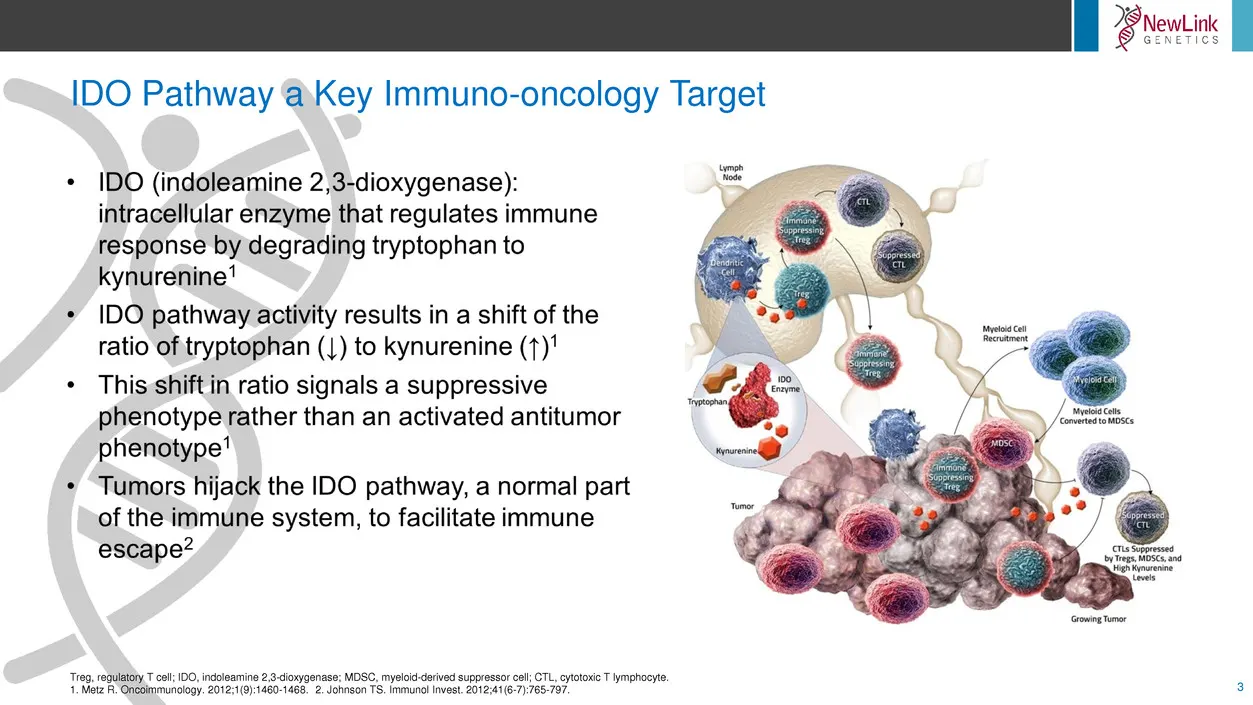
IDO Pathway a Key Immuno-oncology Target 3 Treg, regulatory T cell; IDO, indoleamine 2,3-dioxygenase; MDSC, myeloid-derived suppressor cell; CTL, cytotoxic T lymphocyte. 1. Metz R. Oncoimmunology. 2012;1(9):1460-1468. 2. Johnson TS. Immunol Invest. 2012;41(6-7):765-797.
Slide 4: IDO Pathway a Key Immuno-oncology Target
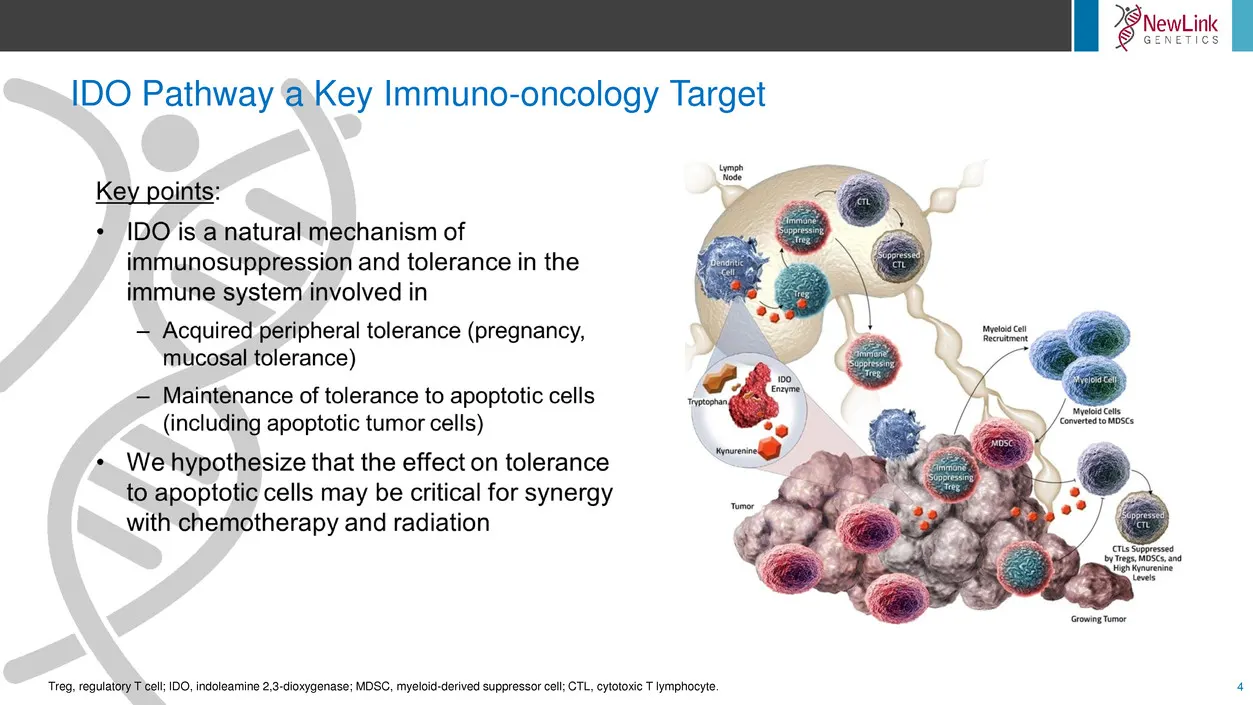
IDO Pathway a Key Immuno-oncology Target 4Treg, regulatory T cell; IDO, indoleamine 2,3-dioxygenase; MDSC, myeloid-derived suppressor cell; CTL, cytotoxic T lymphocyte.
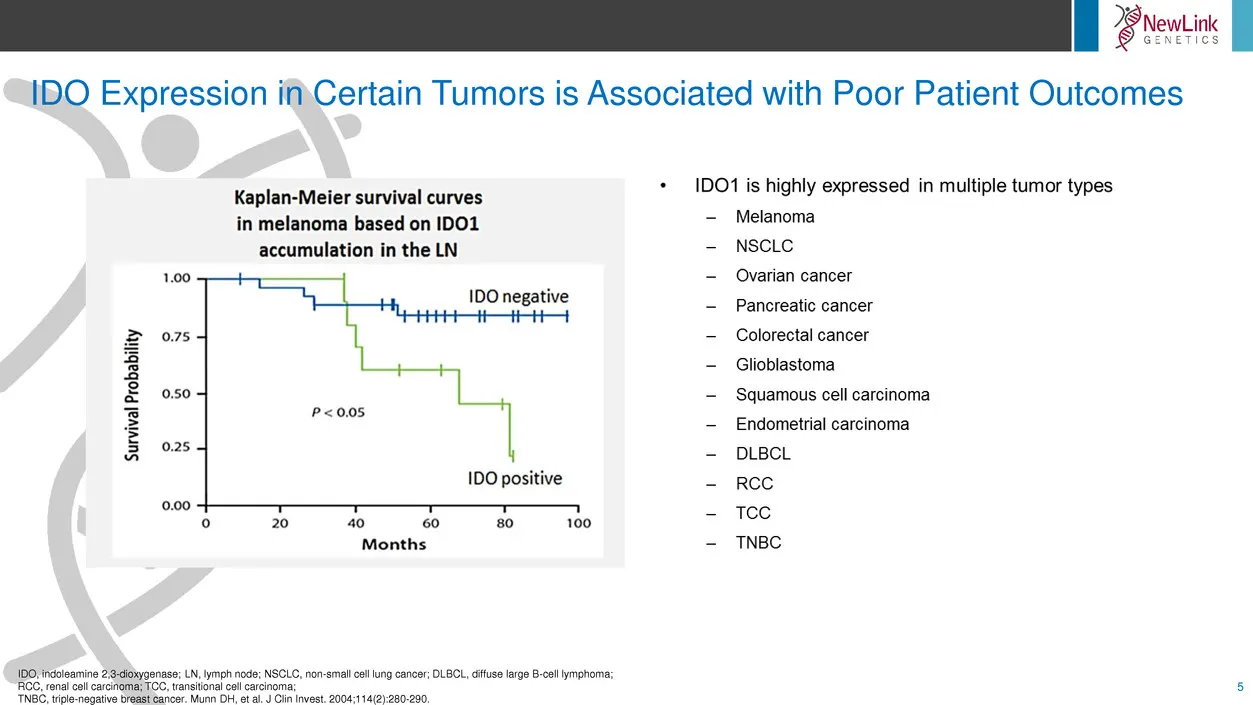
Slide 5: IDO Expression in Certain Tumors is Associated with Poor Patient Outcomes
IDO Expression in Certain Tumors is Associated with Poor Patient Outcomes 5 IDO, indoleamine 2,3-dioxygenase; LN, lymph node; NSCLC, non-small cell lung cancer; DLBCL, diffuse large B-cell lymphoma; RCC, renal cell carcinoma; TCC, transitional cell carcinoma; TNBC, triple-negative breast cancer. Mun
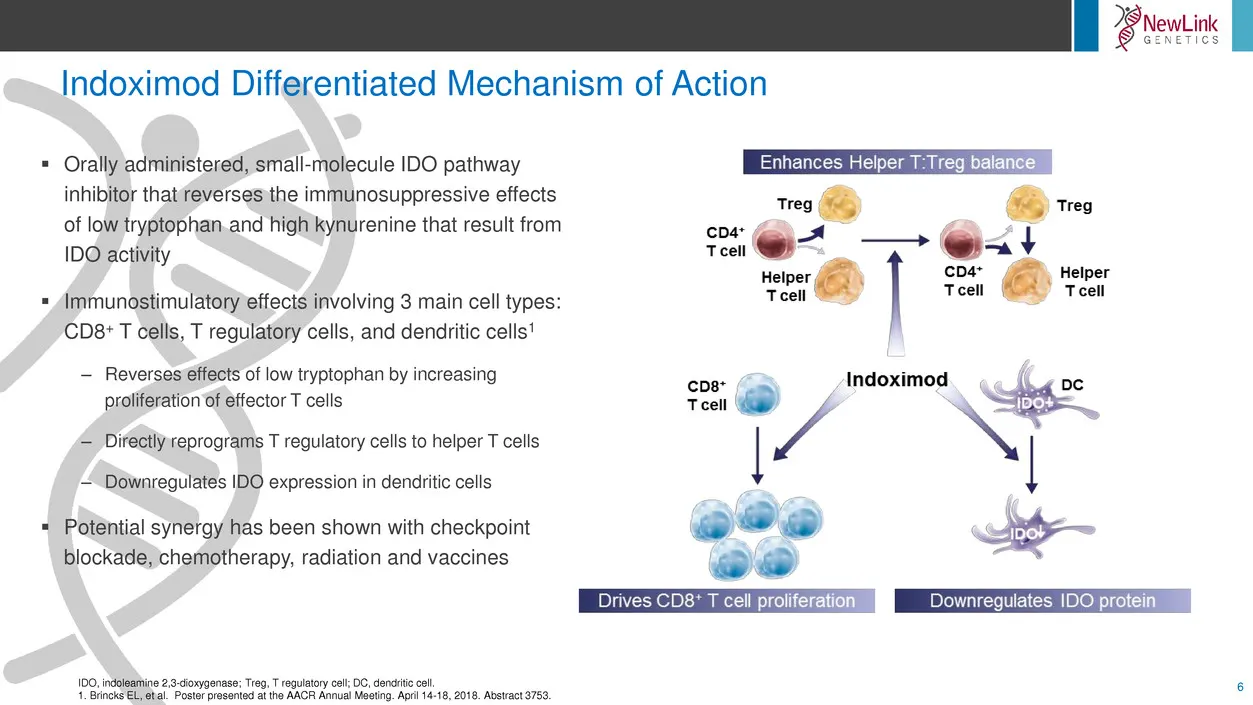
Slide 6: Indoximod Differentiated Mechanism of Action
Indoximod Differentiated Mechanism of Action 6IDO, indoleamine 2,3-dioxygenase; Treg, T regulatory cell; DC, dendritic cell. 1. Brincks EL, et al. Poster presented at the AACR Annual Meeting. April 14-18, 2018. Abstract 3753. Orally administered, small-molecule IDO pathway inhibitor that reverses
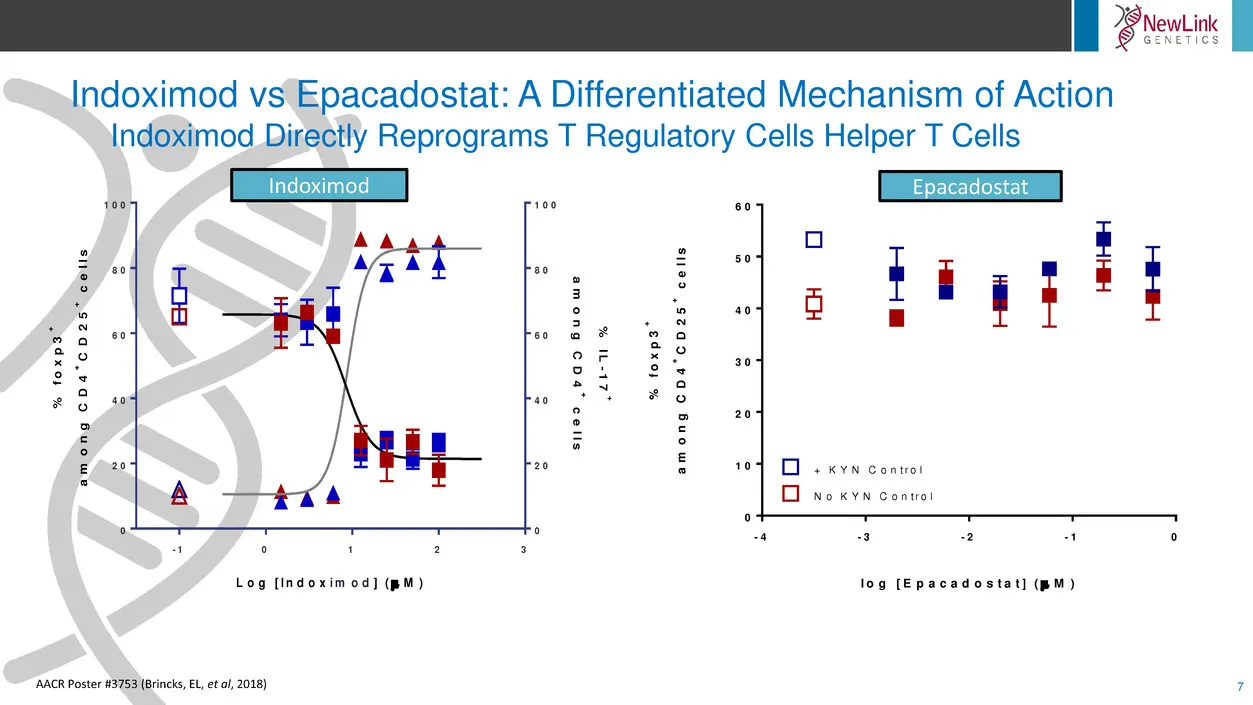
Slide 7: Indoximod vs Epacadostat: A Differentiated Mechanism of Action
Indoximod vs Epacadostat: A Differentiated Mechanism of Action Indoximod Directly Reprograms T Regulatory Cells Helper T Cells 7 - 1 0 1 2 3 0 2 0 4 0 6 0 8 0 1 0 0 0 2 0 4 0 6 0 8 0 1 0 0 L o g [ I n d o x i m o d ] ( M ) % f o x p 3 + a m o n g C D 4 + C D 2 5 + c e ll s % IL -1 7 + a m o n g C
Slide 8: Designing Multimodal Chemo-radio-immunotherapy
Designing Multimodal Chemo-radio-immunotherapy 8 Hypothesis – Immune activation (immunotherapy) can allow responsiveness to chemotherapy and radiation in patients who would otherwise be refractory However, this synergy with chemotherapy/radiation requires targeting the antigen-presenting step an
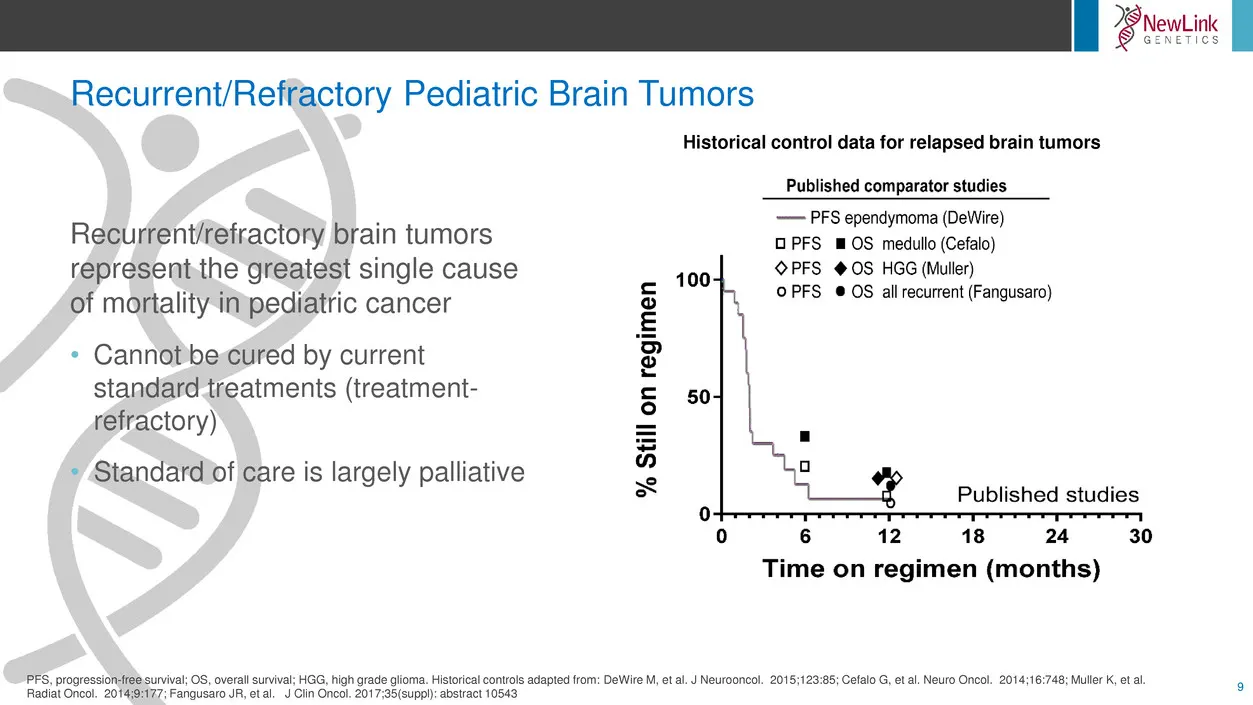
Slide 9: Recurrent/Refractory Pediatric Brain Tumors
Recurrent/Refractory Pediatric Brain Tumors 9 Recurrent/refractory brain tumors represent the greatest single cause of mortality in pediatric cancer • Cannot be cured by current standard treatments (treatment- refractory) • Standard of care is largely palliative PFS, progression-free survival; OS, o
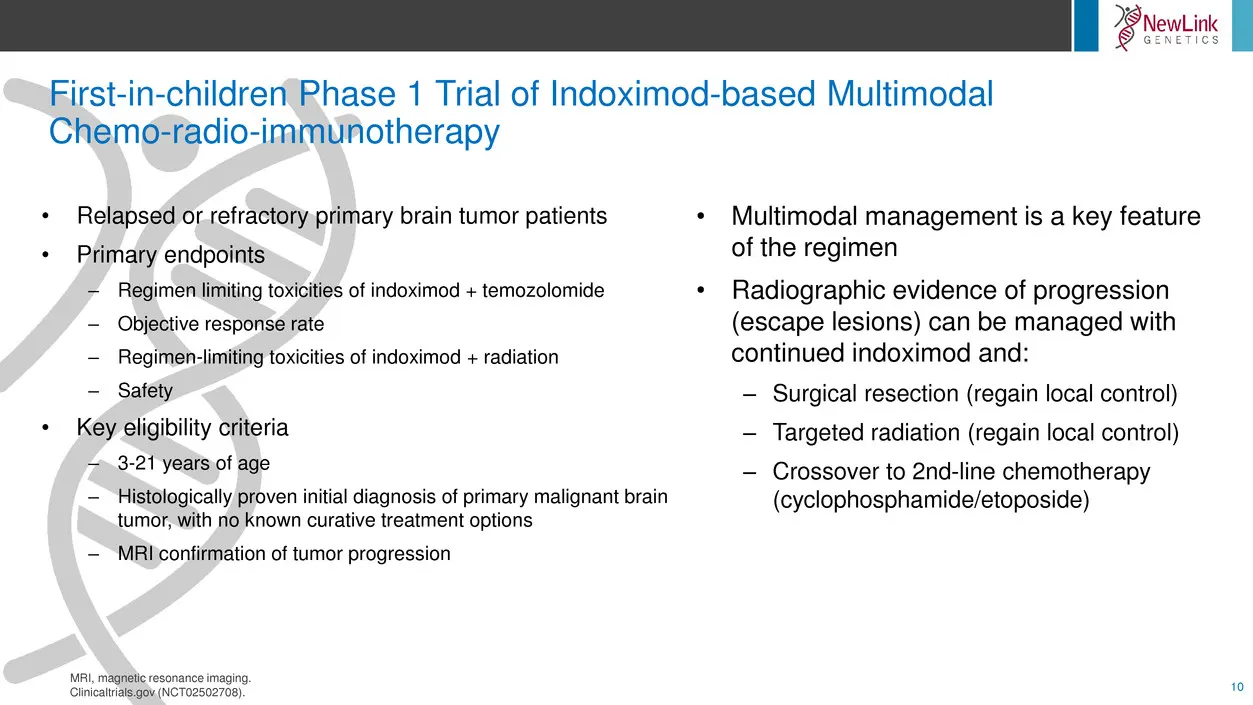
Slide 10: First-in-children Phase Trial of Indoximod-based Multimodal Chemo-radio-immunotherapy
First-in-children Phase 1 Trial of Indoximod-based Multimodal Chemo-radio-immunotherapy 10 • Multimodal management is a key feature of the regimen • Radiographic evidence of progression (escape lesions) can be managed with continued indoximod and: – Surgical resection (regain local control) – Target
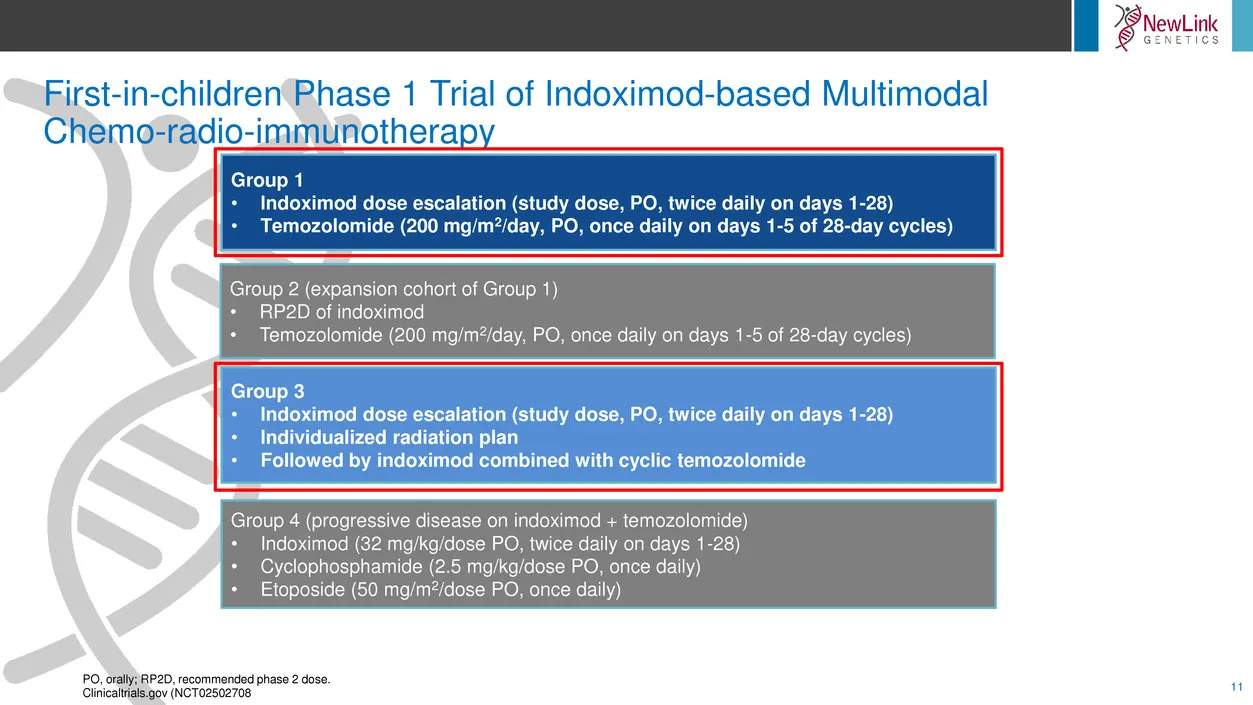
Slide 11: First-in-children Phase Trial of Indoximod-based Multimodal Chemo-radio-immunotherapy
First-in-children Phase 1 Trial of Indoximod-based Multimodal Chemo-radio-immunotherapy 11 Group 1 • Indoximod dose escalation (study dose, PO, twice daily on days 1-28) • Temozolomide (200 mg/m2/day, PO, once daily on days 1-5 of 28-day cycles) Group 2 (expansion cohort of Group 1) • RP2D of indoxi
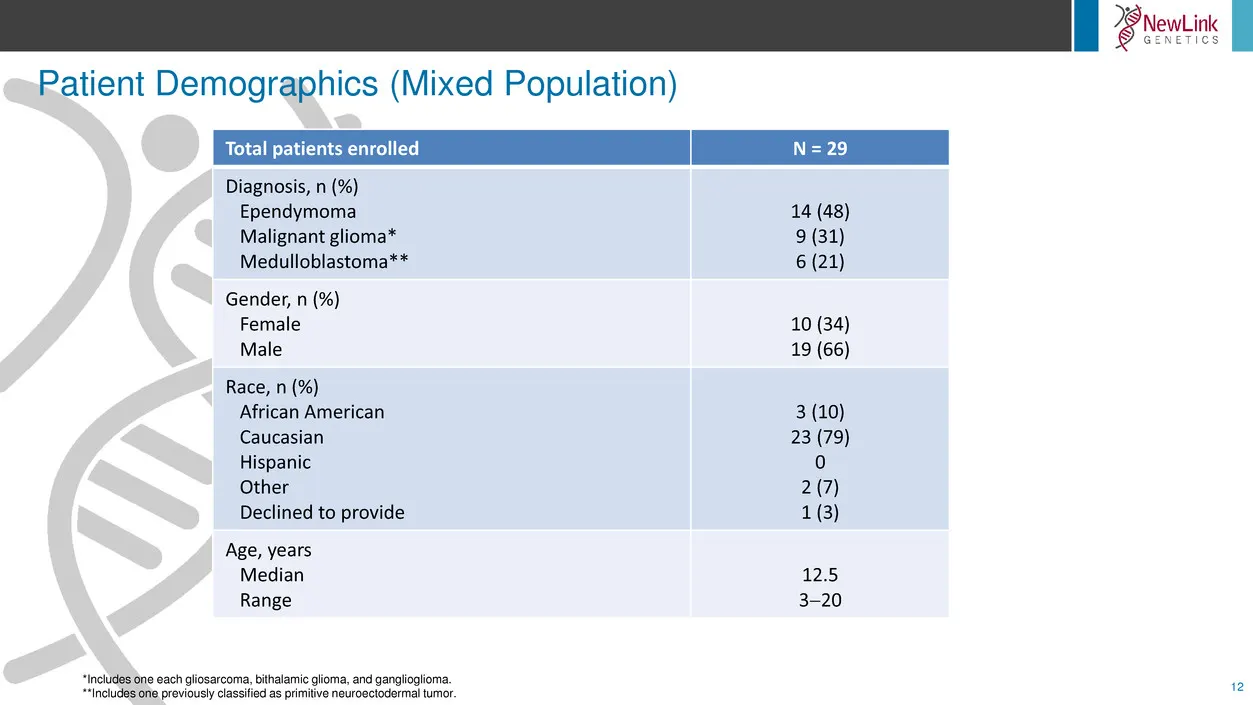
Slide 12: Patient Demographics (Mixed Population)
Patient Demographics (Mixed Population) 12 *Includes one each gliosarcoma, bithalamic glioma, and ganglioglioma. **Includes one previously classified as primitive neuroectodermal tumor. Total patients enrolled N = 29 Diagnosis, n (%) Ependymoma Malignant glioma* Medulloblastoma** 14 (48) 9 (31) 6 (2
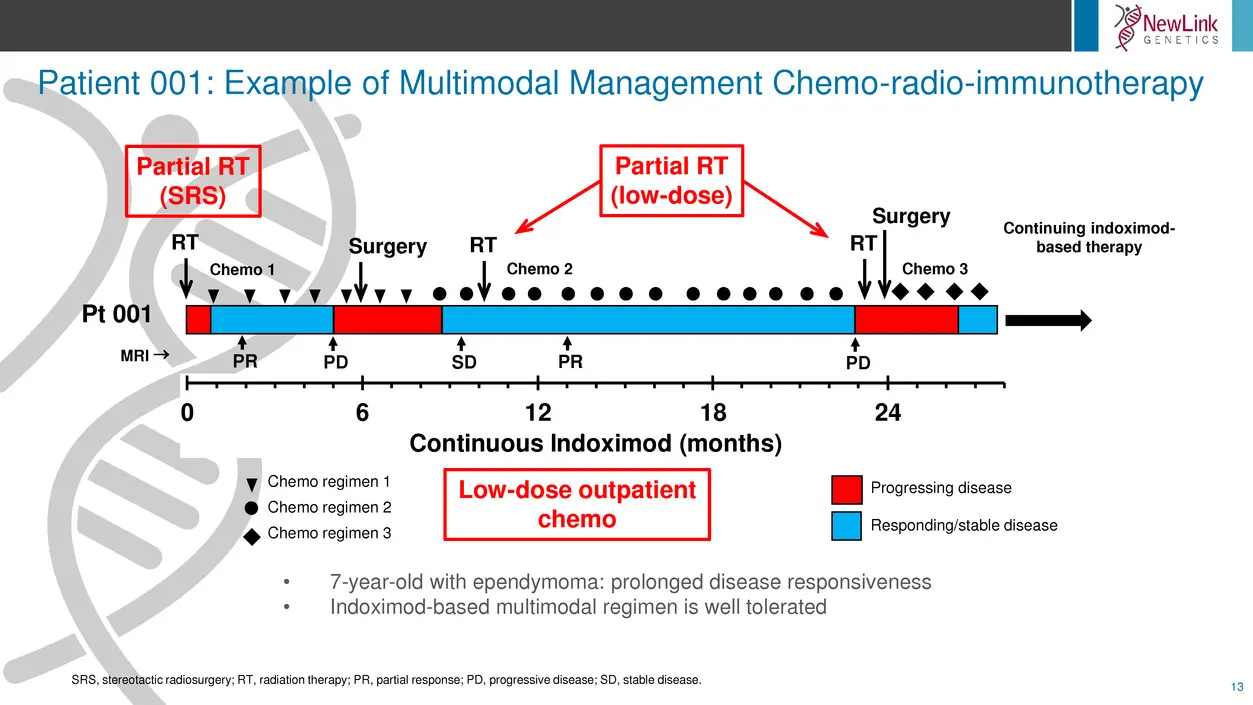
Slide 13: Patient 001: Example of Multimodal Management Chemo-radio-immunotherapy
Patient 001: Example of Multimodal Management Chemo-radio-immunotherapy 13 (TTRF) Continuing indoximod- based therapy Progressing disease Responding/stable disease Chemo regimen 1 Chemo regimen 2 Chemo regimen 3 Surgery PR PD PR PDMRI Pt 001 SD Surgery Chemo 1 Chemo 2 Chemo 3 0 6 12 18 24 Continuo
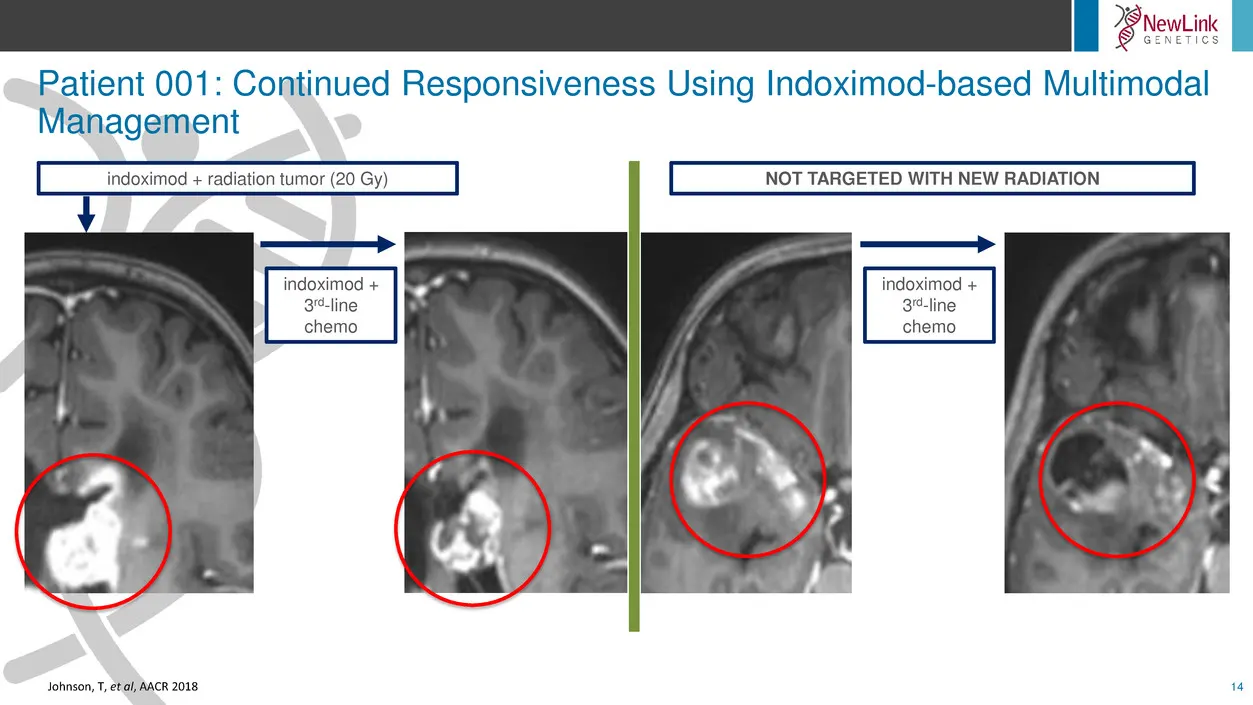
Slide 14: Patient 001: Continued Responsiveness Using Indoximod-based Multimodal Management
Patient 001: Continued Responsiveness Using Indoximod-based Multimodal Management 14 indoximod + radiation tumor (20 Gy) indoximod + 3rd-line chemo indoximod + 3rd-line chemo NOT TARGETED WITH NEW RADIATION Johnson, T, et al, AACR 2018
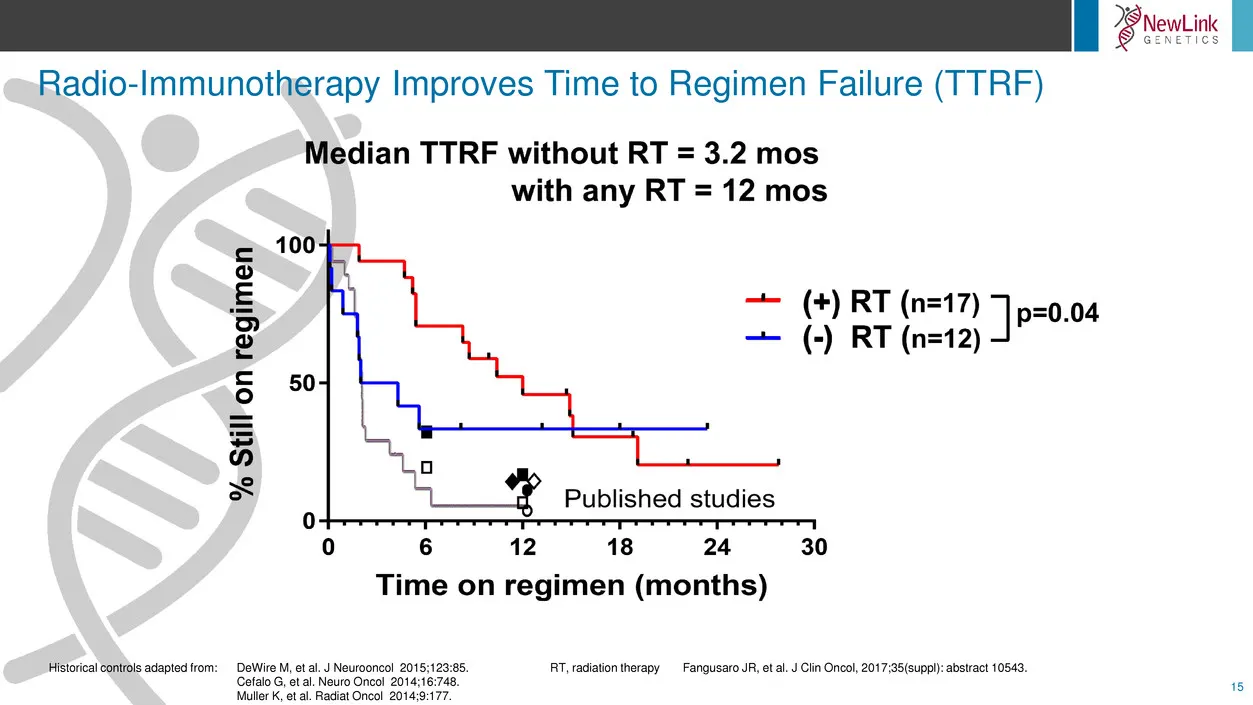
Slide 15: Radio-Immunotherapy Improves Time to Regimen Failure (TTRF)
Radio-Immunotherapy Improves Time to Regimen Failure (TTRF) 15 Historical controls adapted from: DeWire M, et al. J Neurooncol 2015;123:85. RT, radiation therapy Fangusaro JR, et al. J Clin Oncol, 2017;35(suppl): abstract 10543. Cefalo G, et al. Neuro Oncol 2014;16:748. Muller K, et al. Radiat Oncol
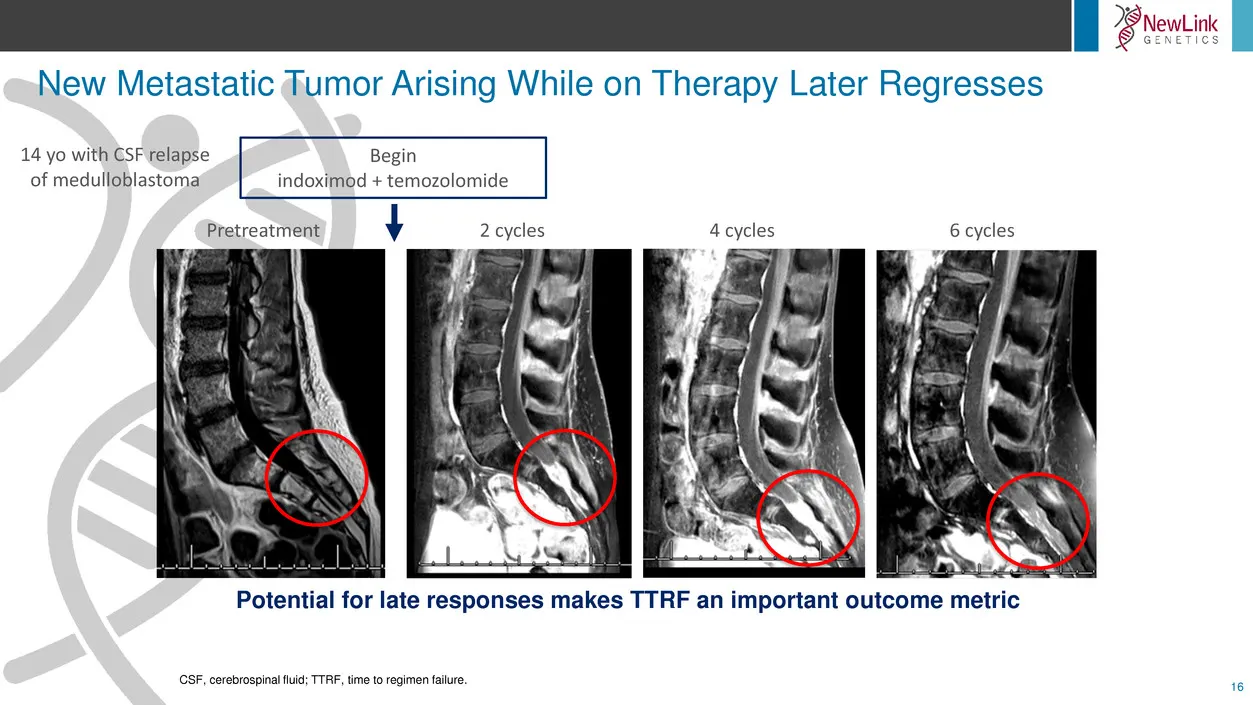
Slide 16: New Metastatic Tumor Arising While on Therapy Later Regresses
New Metastatic Tumor Arising While on Therapy Later Regresses 16 CSF, cerebrospinal fluid; TTRF, time to regimen failure. Pretreatment 2 cycles 4 cycles 6 cycles Begin indoximod + temozolomide 14 yo with CSF relapse of medulloblastoma Potential for late responses makes TTRF an important outcome metr
Slide 17: Indoximod-based Multimodal Regimen is Well Tolerated
Indoximod-based Multimodal Regimen is Well Tolerated 17 In the 29 patients included in the study, SAEs possibly related to indoximod included 1 case each of: – Febrile neutropenia – Hemiparesis – Hydrocephalus – Spinal cord compression – Status epilepticus – Urinary tract infection Overall, indo
Slide 18: Pilot Cohort in Diffuse Intrinsic Pontine Glioma (DIPG)
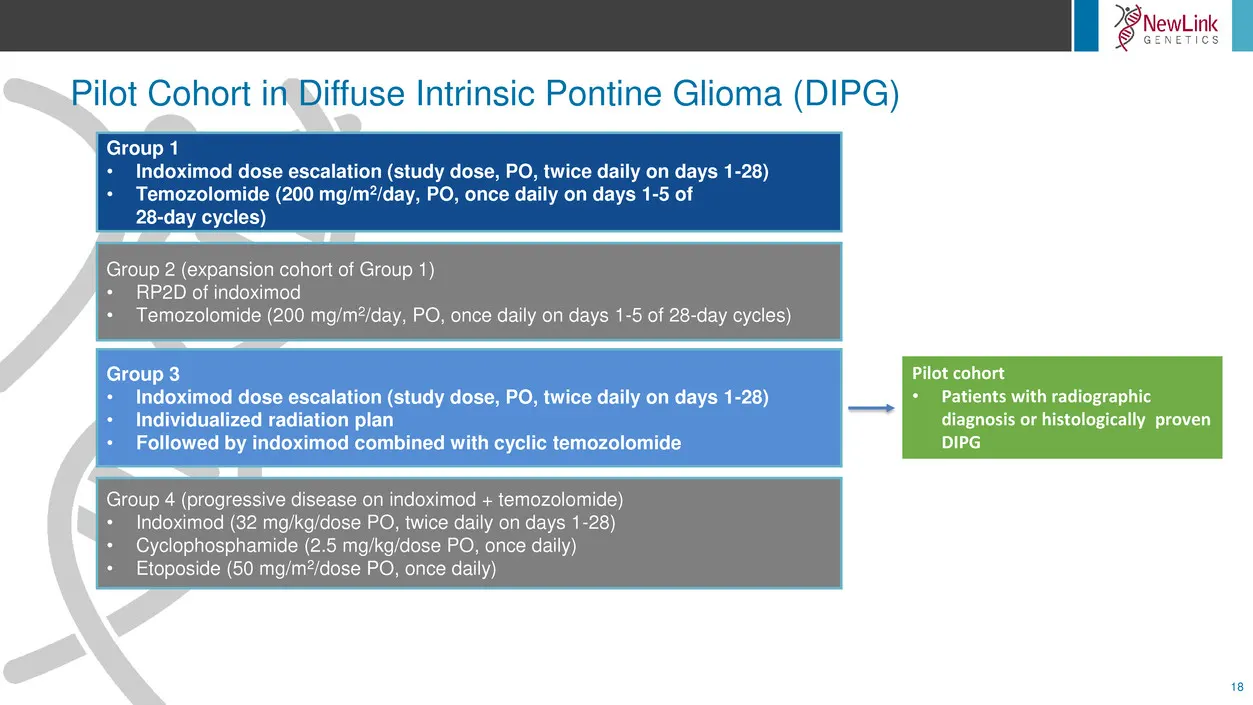
Pilot Cohort in Diffuse Intrinsic Pontine Glioma (DIPG) 18 Group 1 • Indoximod dose escalation (study dose, PO, twice daily on days 1-28) • Temozolomide (200 mg/m2/day, PO, once daily on days 1-5 of 28-day cycles) Group 2 (expansion cohort of Group 1) • RP2D of indoximod • Temozolomide (200 mg/m2/da
Slide 19: DIPG Is Rapidly Fatal
DIPG Is Rapidly Fatal 19 DIPG has the worst prognosis of any pediatric cancer Median time to progression after radiation is ~6 months1 At progression, patients follow a rapidly declining course – Median OS is 10-12 months2 –Uniformly fatal DIPG, diffuse intrinsic pontine glioma; OS, overall sur
Slide 20: Effective Treatments for DIPG are Lacking
Effective Treatments for DIPG are Lacking 20 Standard-of-care treatment is palliative radiation (usually 54 Gy) Chemotherapy has no proven benefit Thus far, trials have not shown clinical benefit from currently available chemotherapy, radiosensitizing drugs, or biologics Due to their location
Slide 21: Multimodal Chemo-radio-immunotherapy for DIPG Pilot Cohort 1
Multimodal Chemo-radio-immunotherapy for DIPG Pilot Cohort 21 First question: Could DIPG patients tolerate the indoximod immunotherapy regimen? – DIPG patients are often highly symptomatic Pilot cohort of 6 newly diagnosed DIPG patients – All 6 patients have finished upfront radiation combined w
Slide 22: NLG2105-037: 9.4-Year-Old Male with Newly Diagnosed DIPG
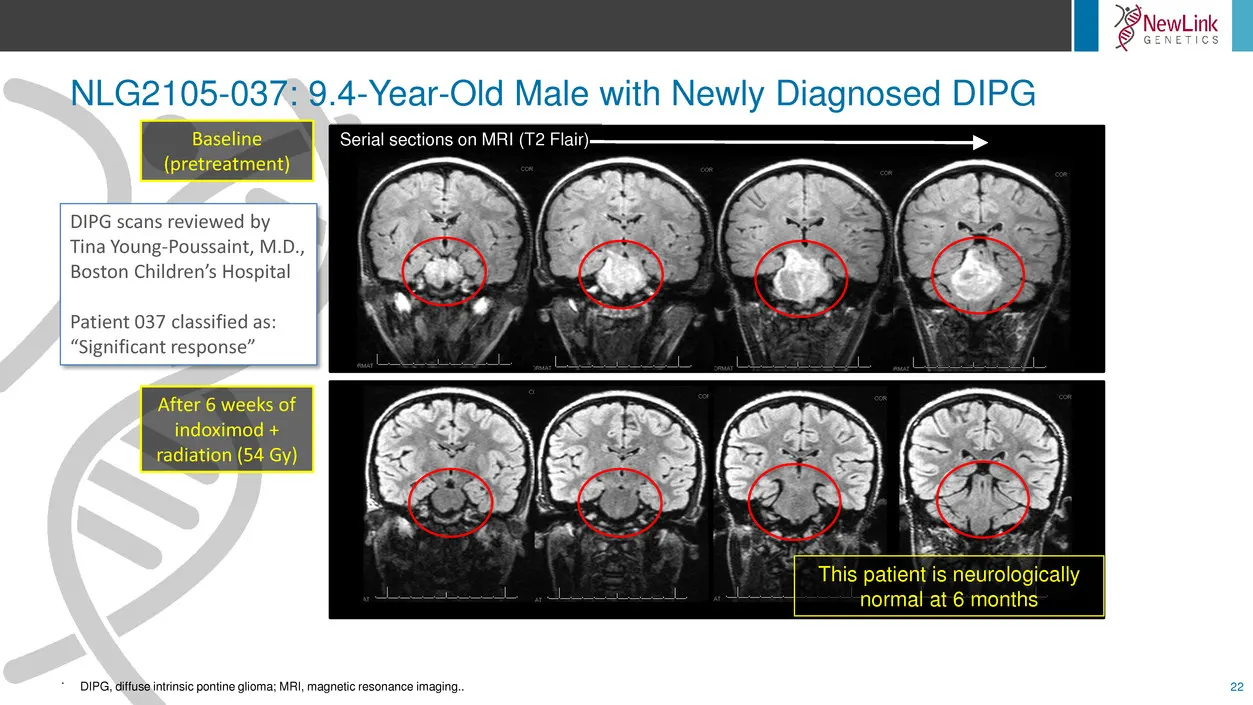
NLG2105-037: 9.4-Year-Old Male with Newly Diagnosed DIPG 22 . Serial sections on MRI (T2 Flair)Baseline (pretreatment) After 6 weeks of indoximod + radiation (54 Gy) This patient is neurologically normal at 6 months DIPG scans reviewed by Tina Young-Poussaint, M.D., Boston Children’s Hospital Patien
Slide 23: NLG2105-035: 9.3-Year-Old Male with Newly Diagnosed DIPG
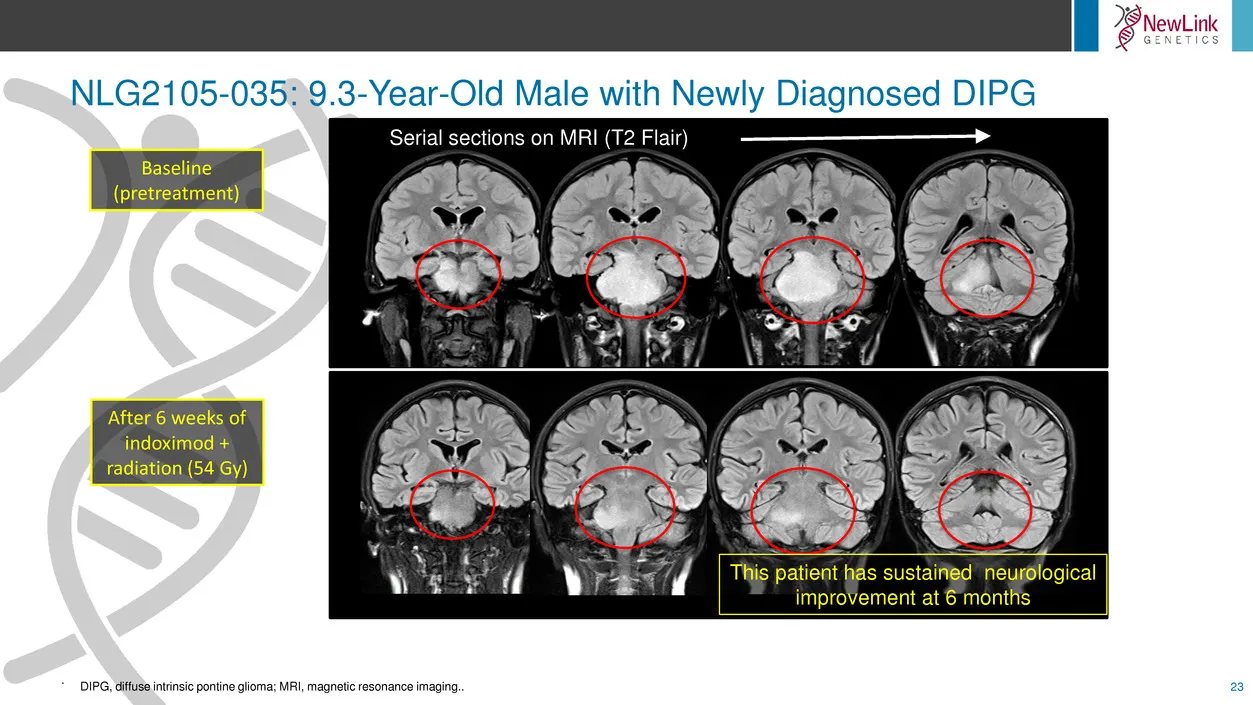
NLG2105-035: 9.3-Year-Old Male with Newly Diagnosed DIPG 23 . DIPG, diffuse intrinsic pontine glioma; MRI, magnetic resonance imaging.. This patient has sustained neurological improvement at 6 months Serial sections on MRI (T2 Flair) Baseline (pretreatment) After 6 weeks of indoximod + radiation (54
Slide 24: Additional Newly Diagnosed DIPG Patients
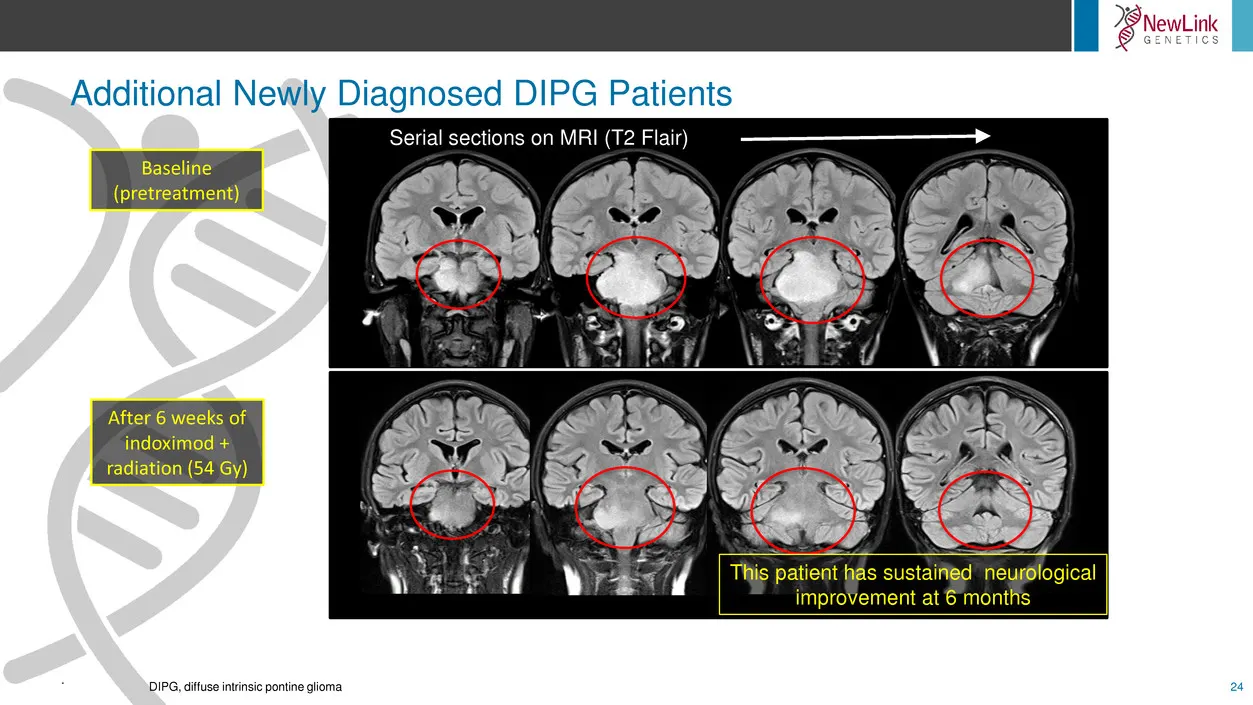
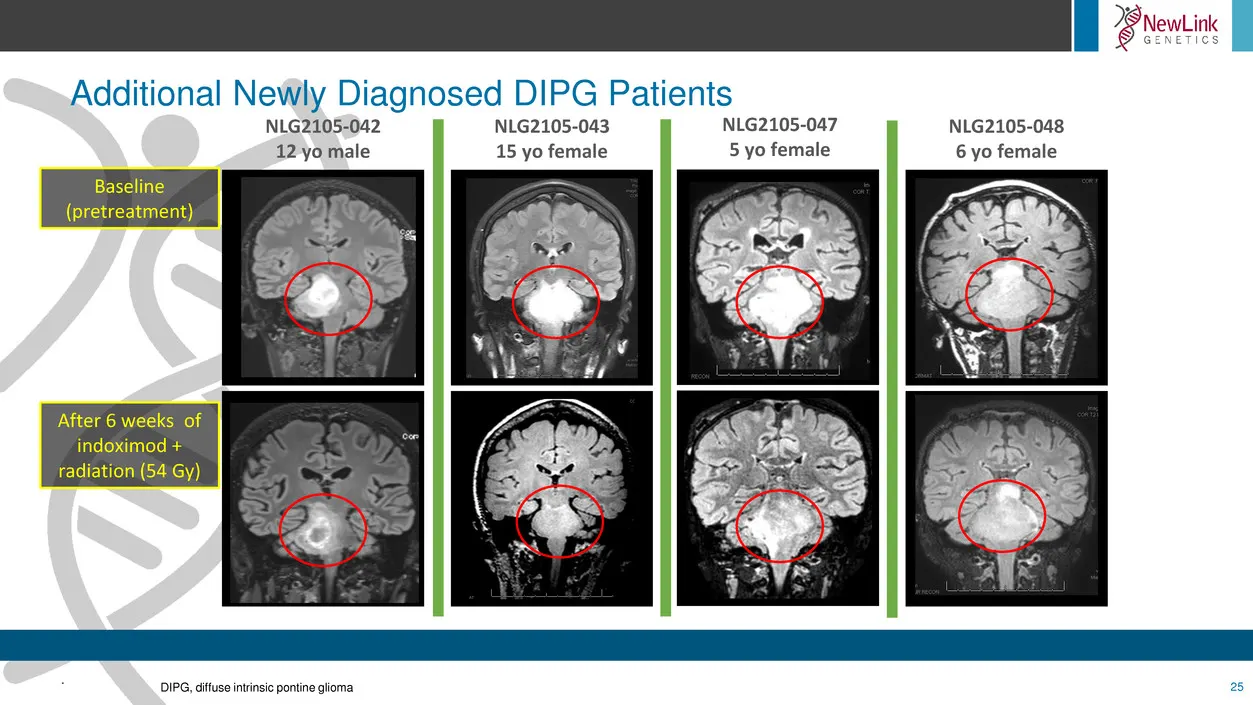
Additional Newly Diagnosed DIPG Patients 24 . DIPG, diffuse intrinsic pontine glioma This patient has sustained neurological improvement at 6 months Serial sections on MRI (T2 Flair) Baseline (pretreatment) After 6 weeks of indoximod + radiation (54 Gy)
Slide 25: Additional Newly Diagnosed DIPG Patients
Additional Newly Diagnosed DIPG Patients 25 . DIPG, diffuse intrinsic pontine glioma Baseline (pretreatment) After 6 weeks of indoximod + radiation (54 Gy) NLG2105-042 12 yo male NLG2105-043 15 yo female NLG2105-047 5 yo female NLG2105-048 6 yo female
Slide 26: Conclusions and Future Directions
Conclusions and Future Directions 26 Phase 1 data suggest that indoximod-based immunotherapy can allow disease responsiveness to conventional therapy (radiation, chemotherapy) Pilot cohort is under way applying this approach to newly diagnosed DIPG patients Phase 2 trial is planned .
Source: SEC EDGAR · 8-K filed Apr 16, 2018
More decks from Lumos Pharma Inc
 Q2 2024 Earnings Presentation8 slides · Aug 1, 2024
 Investor Presentation (June 2024)44 slides · Jun 5, 2024
 Q1 2024 Earnings Presentation14 slides · May 15, 2024
 FY2023 Earnings Presentation10 slides · Mar 7, 2024
 Investor Presentation (November 2023)57 slides · Nov 15, 2023
 Technical Presentation (November 2023)37 slides · Nov 7, 2023