Blueprint Medicines — 2018 AACR Annual Meeting
44 slides from Blueprint Medicines's conference presentation, Apr 16, 2018
Slide 1: Advances in Precision Medicine: Update on the Phase 1 ARROW trial of BLU-667
Advances in Precision Medicine: Update on the Phase 1 ARROW trial of BLU-667 in RET-altered cancers 2018 AACR Annual Meeting April 15, 2018
Slide 2: Forward-looking statements
Forward-looking statements This presentation contains forward-looking statements as defined in the Private Securities Litigation Reform Act of 1995, as amended. The words “may,” “will,” “could,” “would,” “should,” “expect,” “plan,” “anticipate,” “intend,” “believe,” “estimate,” “predict,” “project,”
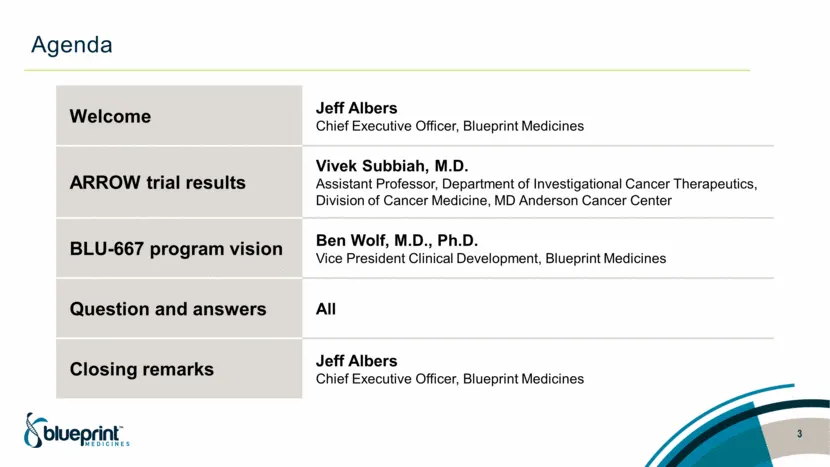
Slide 3: Agenda
Agenda Welcome Jeff Albers Chief Executive Officer, Blueprint Medicines ARROW trial results Vivek Subbiah, M.D. Assistant Professor, Department of Investigational Cancer Therapeutics, Division of Cancer Medicine, MD Anderson Cancer Center BLU-667 program vision Ben Wolf, M.D., Ph.D. Vice President C
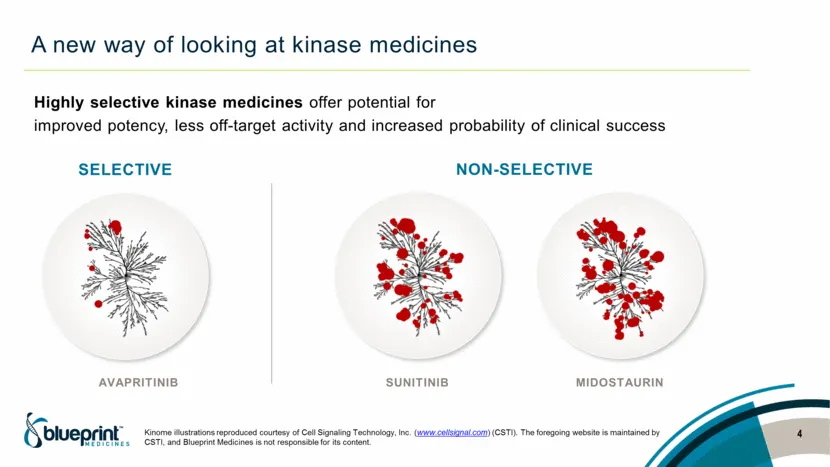
Slide 4: A new way of looking at kinase medicines
A new way of looking at kinase medicines Highly selective kinase medicines offer potential for improved potency, less off-target activity and increased probability of clinical success Kinome illustrations reproduced courtesy of Cell Signaling Technology, Inc. (www.cellsignal.com) (CSTI). The foregoi
Slide 5: Realizing our vision for Blueprint Medicines
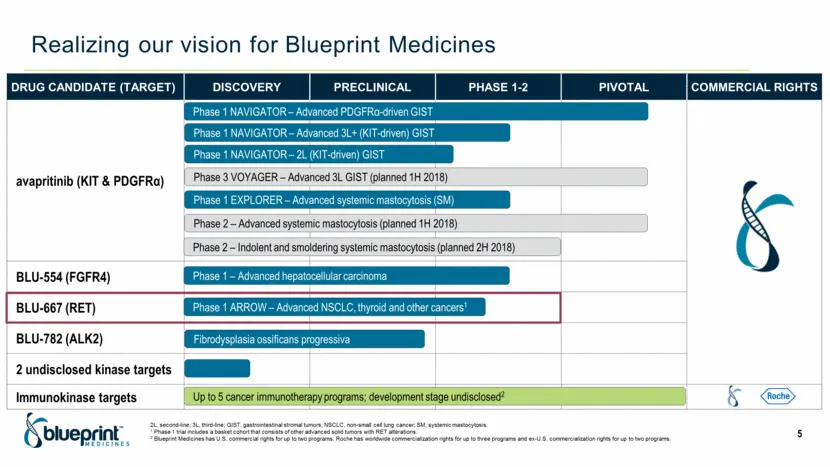
Realizing our vision for Blueprint Medicines 2L, second-line; 3L, third-line; GIST, gastrointestinal stromal tumors; NSCLC, non-small cell lung cancer; SM, systemic mastocytosis. 1 Phase 1 trial includes a basket cohort that consists of other advanced solid tumors with RET alterations. 2 Blueprint M
Slide 6: The power and reproducibility of our scientific platform
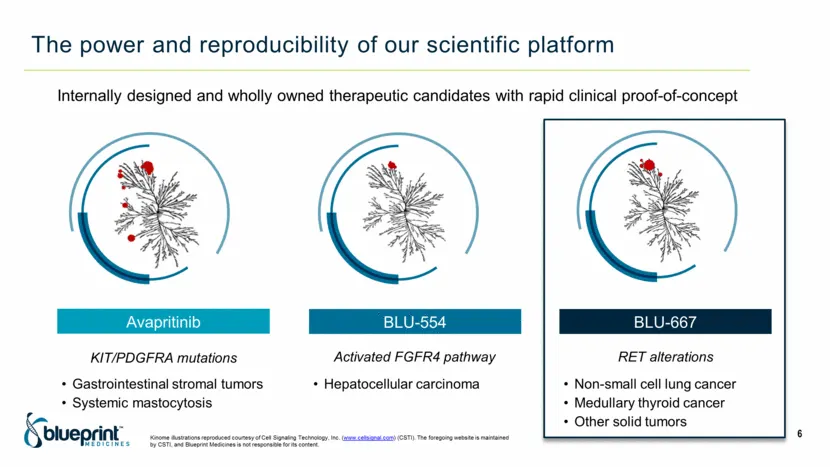
The power and reproducibility of our scientific platform 6 Avapritinib Gastrointestinal stromal tumors Systemic mastocytosis BLU-554 Hepatocellular carcinoma BLU-667 Non-small cell lung cancer Medullary thyroid cancer Other solid tumors Internally designed and wholly owned therapeutic candidates wit
Slide 7: Initial clinical data provide clear proof-of-concept, supporting further development
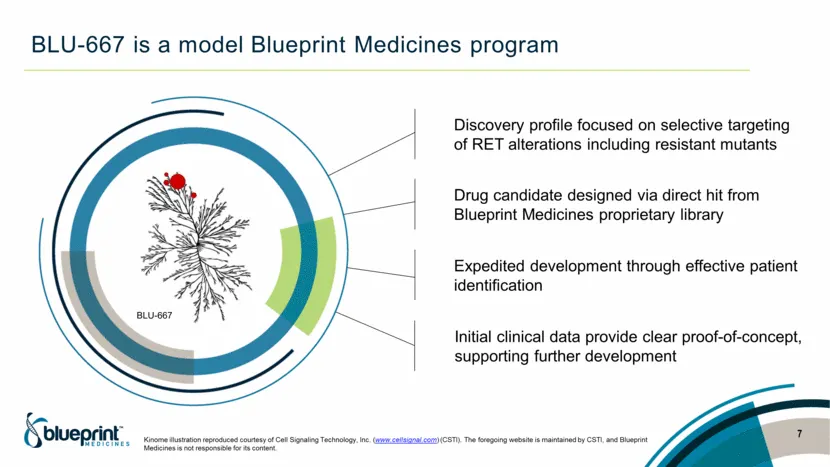
Initial clinical data provide clear proof-of-concept, supporting further development Expedited development through effective patient identification Drug candidate designed via direct hit from Blueprint Medicines proprietary library Discovery profile focused on selective targeting of RET alterations

Slide 8: ARROW trial results
ARROW trial results Vivek Subbiah, M.D. MD Anderson Cancer Center
Slide 9: Highly potent and selective RET inhibitor, BLU-667, achieves proof of concept in ARROW
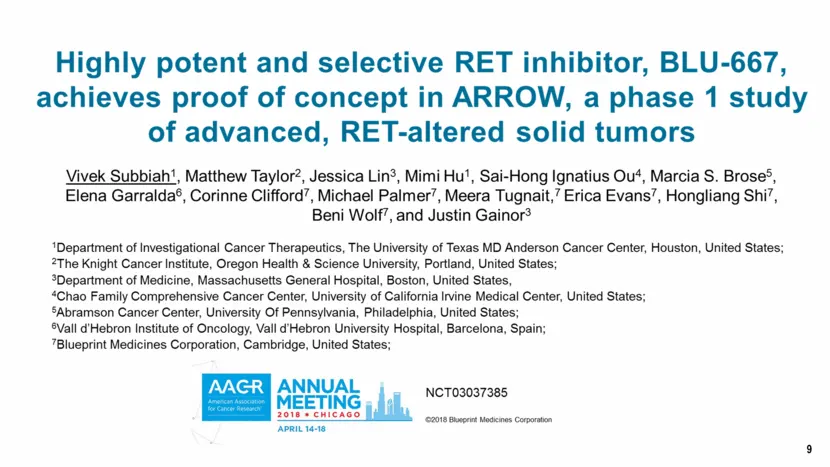
9 Highly potent and selective RET inhibitor, BLU-667, achieves proof of convert in ARROW, a phase 1 study of advanced, RET-altered solid tumors Vivek Subbiah1, Matthew Taylor2, Jessica Lin3, Mimi Hu1, Sai-Hong Ignatius Ou4, Marcia S. Brose5, Elena Garralda6, Corinne Clifford7, Michael Palmer7. Meera
Slide 10: Disclosures
10 Disclosures I have the following financial relationships to disclose: Grant/Research support form: Blueprint Medicines Corporation Novartis international AG Bayer AG GlaxoSmithKline plc NanoCarrier Co. Ltd Vegenics Pty Ltd Northwest Biotherapeutics Boston Biomedical Inc Berg Incyte Corporation Fu
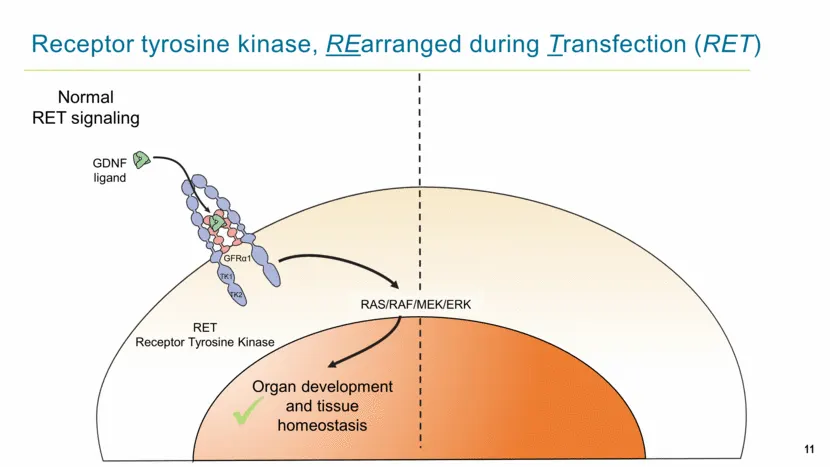
Slide 11: Receptor tyrosine kinase, REarranged during Transfection (RET)
Receptor tyrosine kinase, REarranged during Transfection (RET) Organ development and tissue homeostasis RET Receptor Tyrosine Kinase GDNF ligand GFRα1 TK1 TK2 RAS/RAF/MEK/ERK Normal RET signaling 11
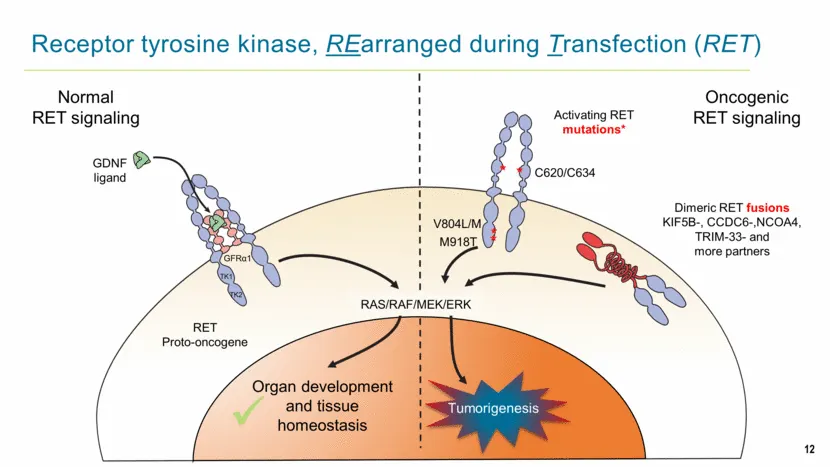
Slide 12: Receptor tyrosine kinase, REarranged during Transfection (RET)
Receptor tyrosine kinase, REarranged during Transfection (RET) Activating RET mutations* C620/C634 Dimeric RET fusions KIF5B-, CCDC6-,NCOA4, TRIM-33- and more partners V804L/M M918T RET Proto-oncogene GDNF ligand GFRα1 TK1 TK2 Oncogenic RET signaling Normal RET signaling Tumorigenesis RAS/RAF/MEK/ER
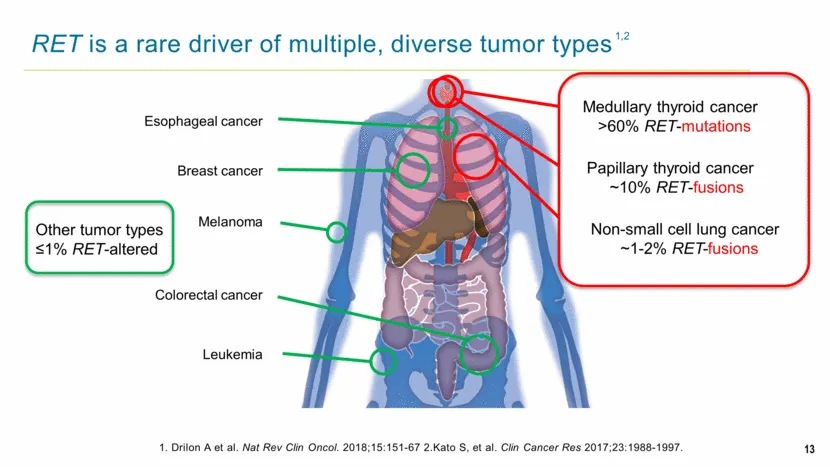
Slide 13: RET is a rare driver of multiple, diverse tumor types
13 RET is a rare driver of multiple, diverse tumor types 1. Drilon A et al. Nat Rev Clin Oncol. 2018;15:151-67 2.Kato S, et al. Clin Cancer Res 2017;23:1988-1997. Colorectal cancer Non-small cell lung cancer ~1-2% RET-fusions Medullary thyroid cancer >60% RET-mutations Papillary thyroid cancer ~10%
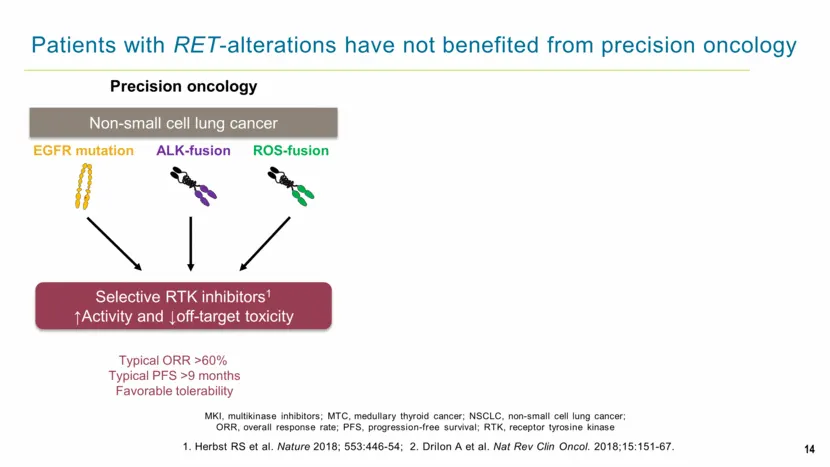
Slide 14: Patients with RET-alterations have not benefited from precision oncology
Patients with RET-alterations have not benefited from precision oncology MKI, multikinase inhibitors; MTC, medullary thyroid cancer; NSCLC, non-small cell lung cancer; ORR, overall response rate; PFS, progression-free survival; RTK, receptor tyrosine kinase Precision oncology EGFR mutation ALK-fusio
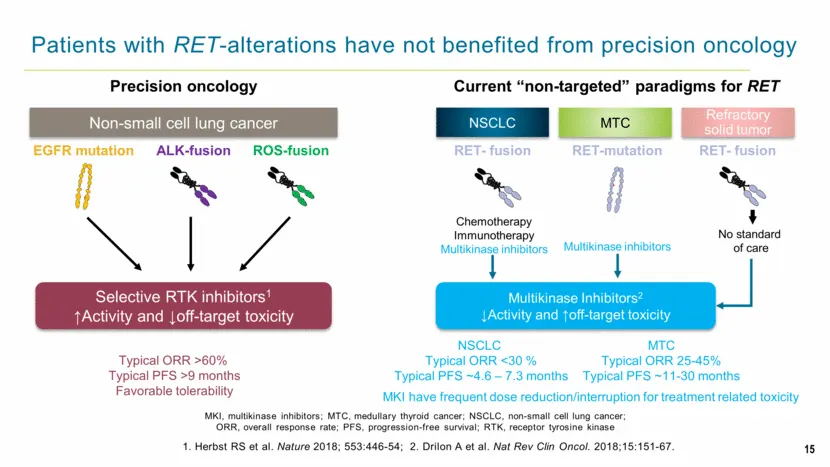
Slide 15: Patients with RET-alterations have not benefited from precision oncology
Patients with RET-alterations have not benefited from precision oncology Current “non-targeted” paradigms for RET NSCLC MTC Refractory solid tumor RET-mutation RET- fusion RET- fusion Chemotherapy Immunotherapy Multikinase inhibitors No standard of care MTC Typical ORR 25-45% Typical PFS ~11-30 mont
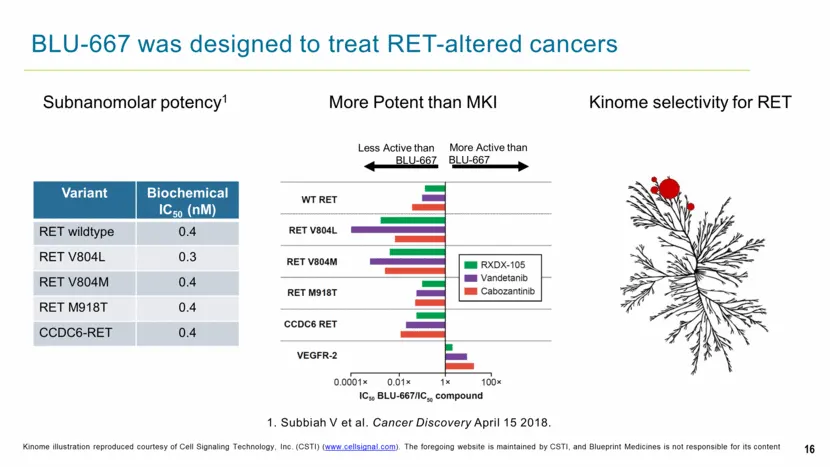
Slide 16: BLU-667 was designed to treat RET-altered cancers
16 BLU-667 was designed to treat RET-altered cancers Kinome illustration reproduced courtesy of Cell Signaling Technology, Inc. (CSTI) (www.cellsignal.com). The foregoing website is maintained by CSTI, and Blueprint Medicines is not responsible for its content Kinome selectivity for RET Variant Bioc
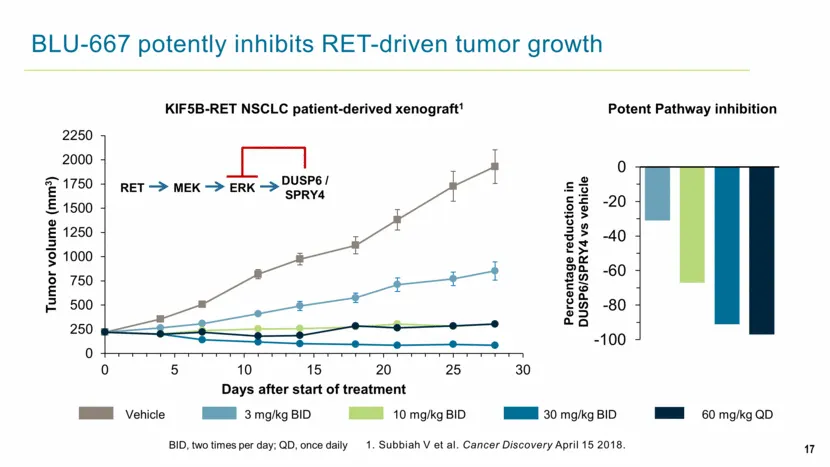
Slide 17: BLU-667 potently inhibits RET-driven tumor growth
17 BLU-667 potently inhibits RET-driven tumor growth Potent Pathway inhibition KIF5B-RET NSCLC patient-derived xenograft1 Vehicle 3 mg/kg BID 10 mg/kg BID 30 mg/kg BID 60 mg/kg QD RET ERK DUSP6 / SPRY4 MEK BID, two times per day; QD, once daily 1. Subbiah V et al. Cancer Discovery April 15 2018. 0 2
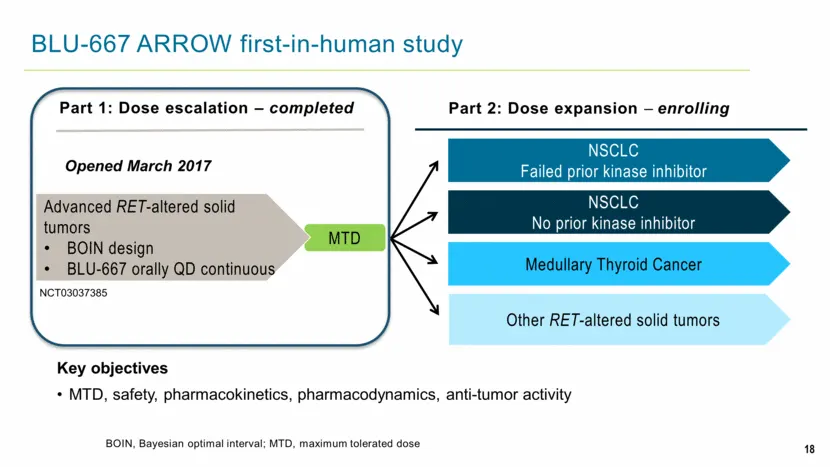
Slide 18: BLU-667 ARROW first-in-human study
MTD Tablets will go to US first 18 BLU-667 ARROW first-in-human study BOIN, Bayesian optimal interval; MTD, maximum tolerated dose Part 1: Dose escalation – completed Part 2: Dose expansion – enrolling NSCLC No prior kinase inhibitor NSCLC Failed prior kinase inhibitor Medullary Thyroid Cancer Key o
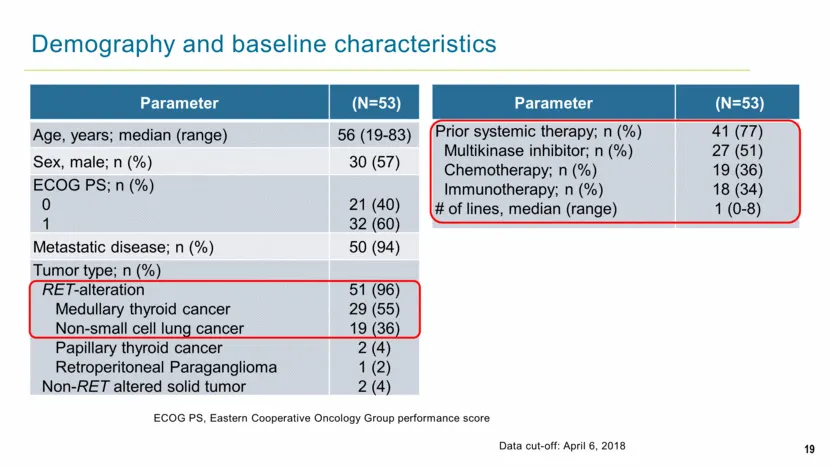
Slide 19: Demography and baseline characteristics
Demography and baseline characteristics ECOG PS, Eastern Cooperative Oncology Group performance score Parameter (N=53) Age, years; median (range) 56 (19-83) Sex, male; n (%) 30 (57) ECOG PS; n (%) 0 1 21 (40) 32 (60) Metastatic disease; n (%) 50 (94) Tumor type; n (%) RET-alteration Medullary thyroi
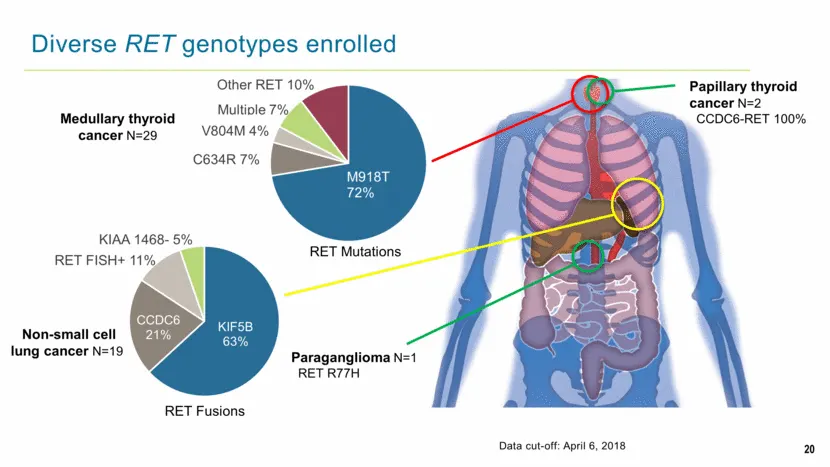
Slide 20: Diverse RET genotypes enrolled
Diverse RET genotypes enrolled Papillary thyroid cancer N=2 CCDC6-RET 100% Paraganglioma N=1 RET R77H RET Mutations RET Fusions Non-small cell lung cancer N=19 Medullary thyroid cancer N=29 20 Data cut-off: April 6, 2018 KIF5B 63% CCDC6 21% RET FISH+ 11% KIAA 1468 - 5% M918T 72% C634R 7% V804M 4% Mu
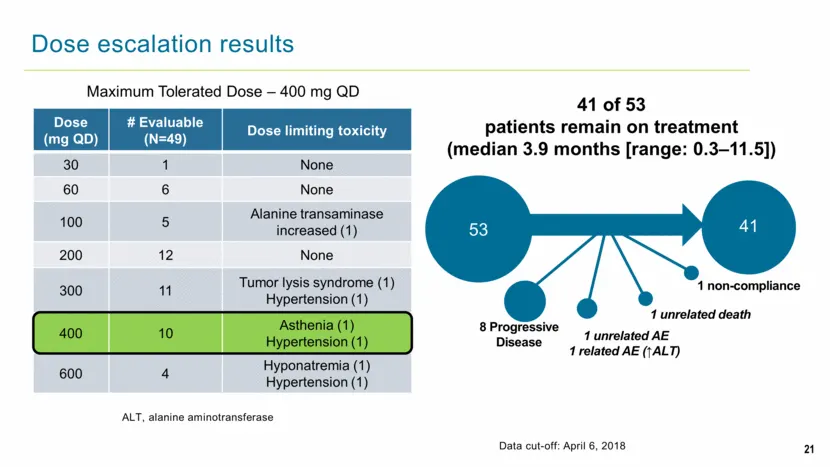
Slide 21: Dose escalation results
Dose escalation results ALT, alanine aminotransferase Dose (mg QD) # Evaluable (N=49) Dose limiting toxicity 30 1 None 60 6 None 100 5 Alanine transaminase increased (1) 200 12 None 300 11 Tumor lysis syndrome (1) Hypertension (1) 400 10 Asthenia (1) Hypertension (1) 600 4 Hyponatremia (1) Hypertens
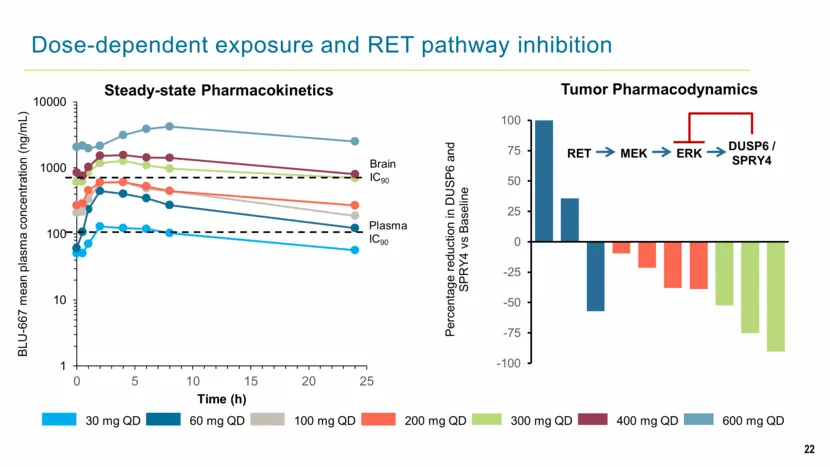
Slide 22: Dose-dependent exposure and RET pathway inhibition
22 Dose-dependent exposure and RET pathway inhibition Tumor Pharmacodynamics Steady-state Pharmacokinetics Plasma IC90 Brain IC90 30 mg QD 60 mg QD 100 mg QD 200 mg QD 300 mg QD 400 mg QD 600 mg QD RET ERK DUSP6 / SPRY4 MEK 1 10 100 1000 10000 0 5 10 15 20 25 BLU - 667 mean plasma concentration (ng/
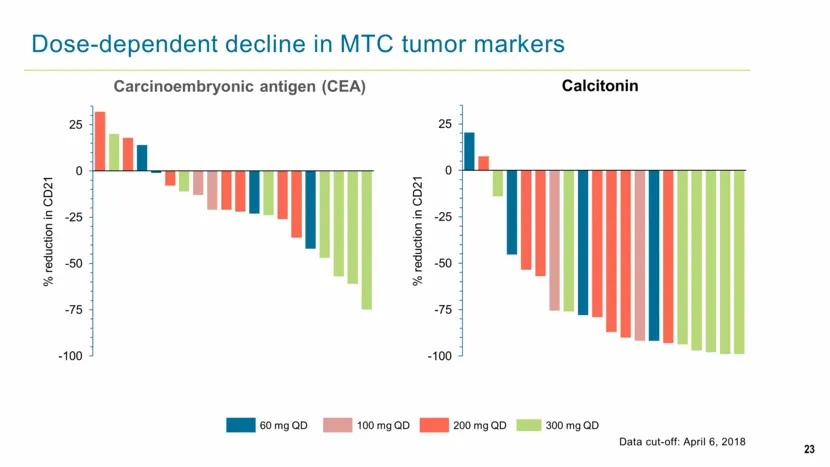
Slide 23: Dose-dependent decline in MTC tumor markers
Dose-dependent decline in MTC tumor markers 60 mg QD 100 mg QD 200 mg QD 300 mg QD Data cut-off: April 6, 2018 23 -100 -75 -50 -25 0 25 200 200 60 300 100 200 300 200 300 300 % reduction in CD21 Carcinoembryonic antigen (CEA) -100 -75 -50 -25 0 25 60 300 200 100 60 200 100 200 300 300 % reduction in
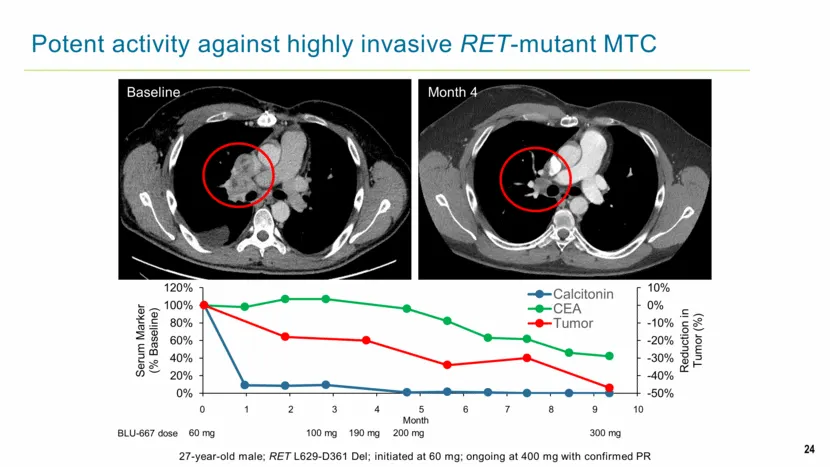
Slide 24: Potent activity against highly invasive RET-mutant MTC
Potent activity against highly invasive RET-mutant MTC 27-year-old male; RET L629-D361 Del; initiated at 60 mg; ongoing at 400 mg with confirmed PR Baseline Month 4 60 mg 100 mg 190 mg 200 mg 300 mg BLU-667 dose 0 1 2 3 4 5 6 7 8 9 10 Month 24 -50% -40% -30% -20% -10% 0% 10% 0% 20% 40% 60% 80% 100%
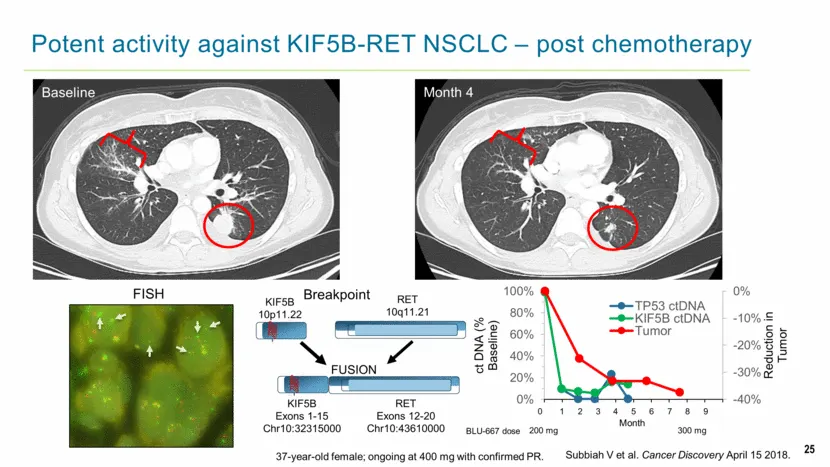
Slide 25: Potent activity against KIF5B-RET NSCLC – post chemotherapy
Potent activity against KIF5B-RET NSCLC – post chemotherapy FISH Breakpoint FUSION KIF5B 10p11.22 RET 10q11.21 KIF5B Exons 1-15 Chr10:32315000 RET Exons 12-20 Chr10:43610000 Baseline Month 4 37-year-old female; ongoing at 400 mg with confirmed PR. 300 mg BLU-667 dose 200 mg 0 1 2 3 4 5 6 7 8 9 Month
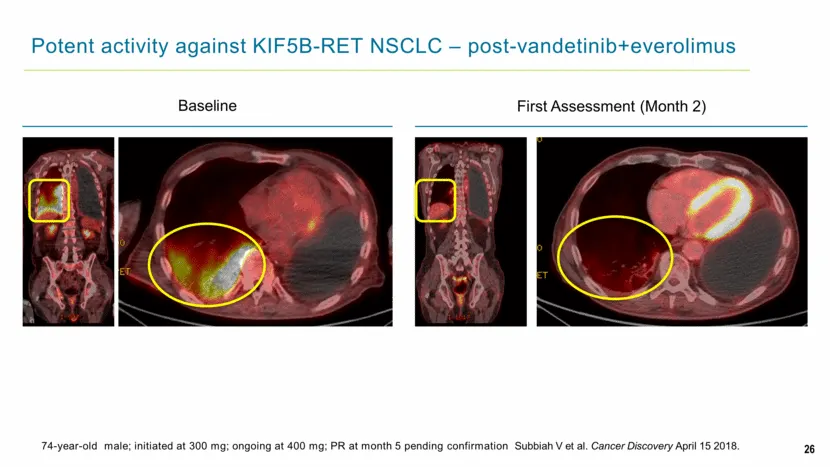
Slide 26: Potent activity against KIF5B-RET NSCLC – post-vandetinib+everolimus
Potent activity against KIF5B-RET NSCLC – post-vandetinib+everolimus 74-year-old male; initiated at 300 mg; ongoing at 400 mg; PR at month 5 pending confirmation Baseline First Assessment (Month 2) Subbiah V et al. Cancer Discovery April 15 2018. 26
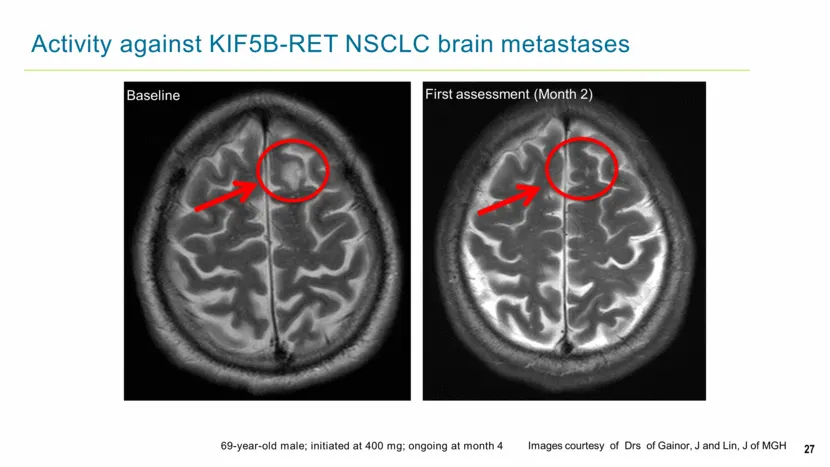
Slide 27: Activity against KIF5B-RET NSCLC brain metastases
Activity against KIF5B-RET NSCLC brain metastases 69-year-old male; initiated at 400 mg; ongoing at month 4 Baseline First assessment (Month 2) 27 Images courtesy of Drs of Gainor, J and Lin, J of MGH
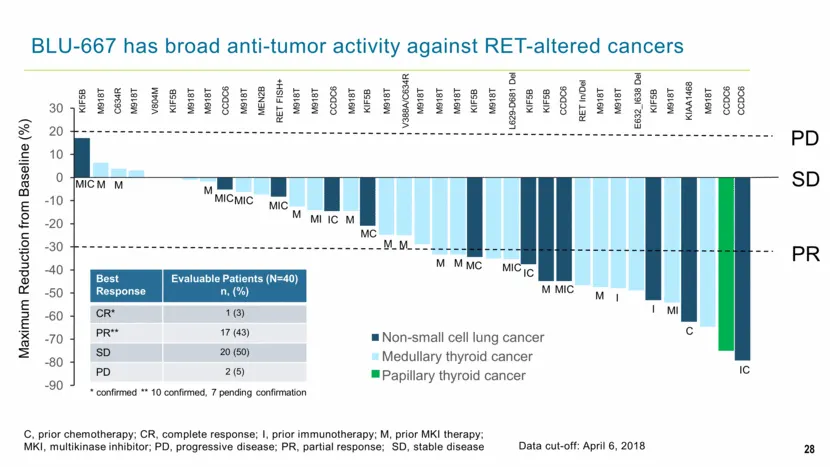
Slide 28: BLU-667 has broad anti-tumor activity against RET-altered cancers
BLU-667 has broad anti-tumor activity against RET-altered cancers C, prior chemotherapy; CR, complete response; I, prior immunotherapy; M, prior MKI therapy; MKI, multikinase inhibitor; PD, progressive disease; PR, partial response; SD, stable disease 28 PD SD PR Best Response Evaluable Patients (N=
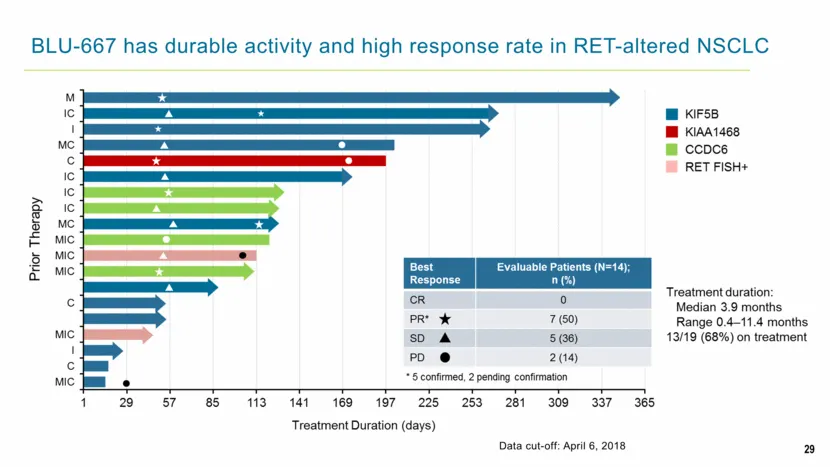
Slide 29: Durable activity and high response rate in RET-altered NSCLC
BLU-667 has durable activity and high response rate in RET-altered NSCLC prior therapy M IC I MC C IC IC IC MC MIC MIC MIC C MIC I C MIC KIF5B KIAA1468 CCDC6 RET FISH+ Best Response Evaluable patients (N=14); n (%) CR PR* SD PD 0 7(50) 5 (36) 2(14) * Confirmed, 2 pending confirmationTreatment durati
Slide 30: Durable activity and high response rate in RET-altered MTC
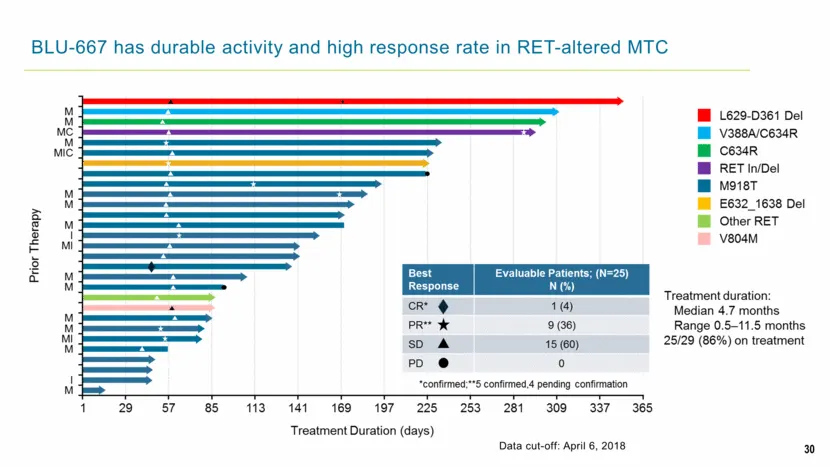
BLU-667 has durable activity and high response rate in RET-altered MTC Prior Therapy M M MC M MIC M M M I MI M M M M MI M I MI L629-D361 Del V388A/C634R C634R RET In/Del M918T E632_1638 Del Other RET V804M Best Rresponse Evaluable Patients; (N=25) N (%) CR*PR**SD PD 1 (4) 9(36) 15(60) 0 *confirmed,*
Slide 31: BLU-667 is well tolerated
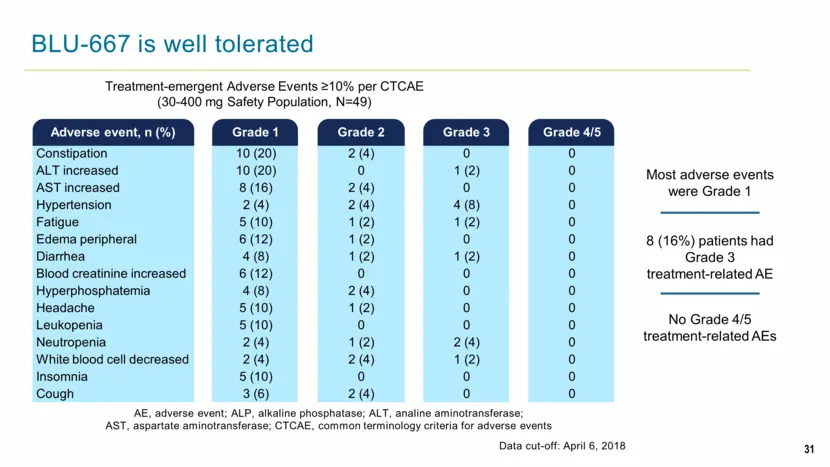
BLU-667 is well tolerated AE, adverse event; ALP, alkaline phosphatase; ALT, analine aminotransferase; AST, aspartate aminotransferase; CTCAE, common terminology criteria for adverse events Treatment-emergent Adverse Events ≥10% per CTCAE (30-400 mg Safety Population, N=49) Most adverse events were
Slide 32: BLU-667 delivers: Conclusions
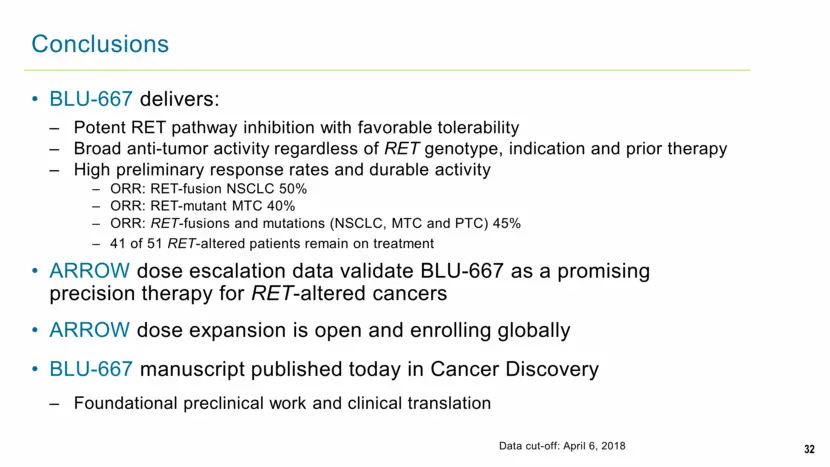
BLU-667 delivers: Potent RET pathway inhibition with favorable tolerability Broad anti-tumor activity regardless of RET genotype, indication and prior therapy High preliminary response rates and durable activity ORR: RET-fusion NSCLC 50% ORR: RET-mutant MTC 40% ORR: RET-fusions and mutations (NSCLC,
Slide 33: Acknowledgements
We thank the participating patients, their families, all study co-investigators, and research co-ordinators at the following institutions: Department of Investigational Cancer Therapeutics, The University of Texas MD Anderson Cancer Center, Houston, United States The Knight Cancer Institute Oregon H

Slide 34: BLU-667 program vision
BLU-667 program vision Ben Wolf, M.D., Ph.D. VP of Clinical Development
Slide 35: Strategy to rapidly bring transformative kinase medicines to patients
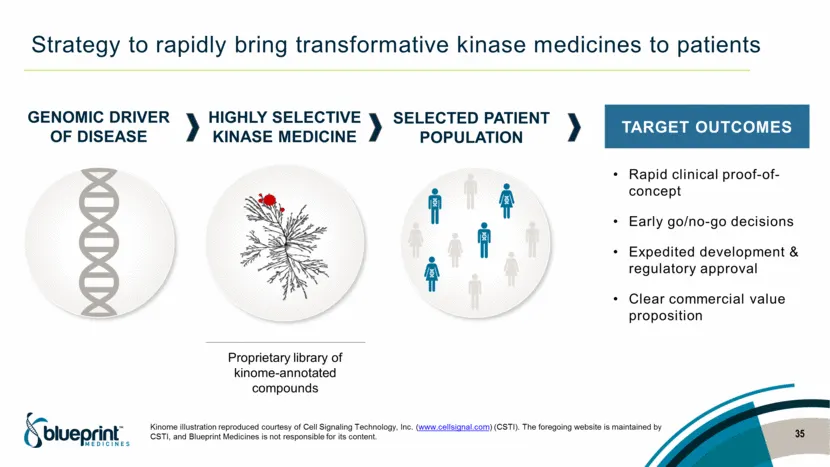
Strategy to rapidly bring transformative kinase medicines to patients Genomic driver of disease Highly selective kinase medicine Selected patient population Rapid clinical proof-of-concept Early go/no-go decisions Expedited development & regulatory approval Clear commercial value proposition TARGET
Slide 36: Realizing the promise: five compelling proof-of-concept datasets
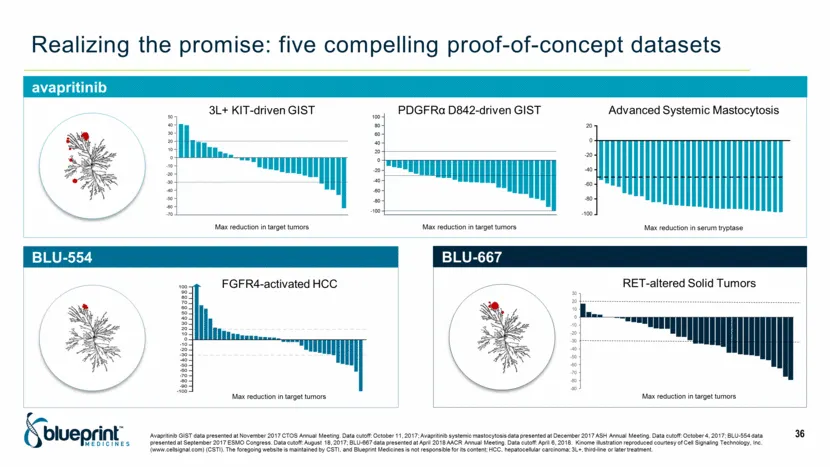
Realizing the promise: five compelling proof-of-concept datasets Avapritinib GIST data presented at November 2017 CTOS Annual Meeting. Data cutoff: October 11, 2017; Avapritinib systemic mastocytosis data presented at December 2017 ASH Annual Meeting. Data cutoff: October 4, 2017; BLU-554 data prese
Slide 37: Significant opportunity for selective RET inhibitor, anchored by NSCLC
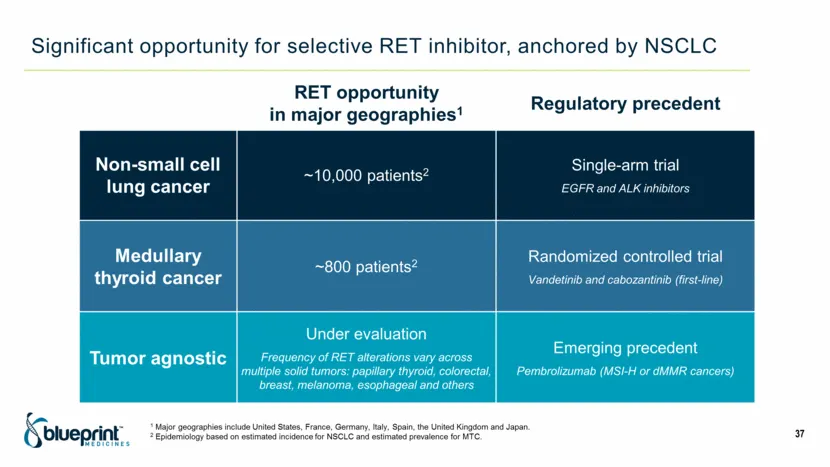
Significant opportunity for selective RET inhibitor, anchored by NSCLC 1 Major geographies include United States, France, Germany, Italy, Spain, the United Kingdom and Japan. 2 Epidemiology based on estimated incidence for NSCLC and estimated prevalence for MTC. 37 RET opportunity in major geographi
Slide 38: Expansion portion of ARROW trial initiated and enrolling globally
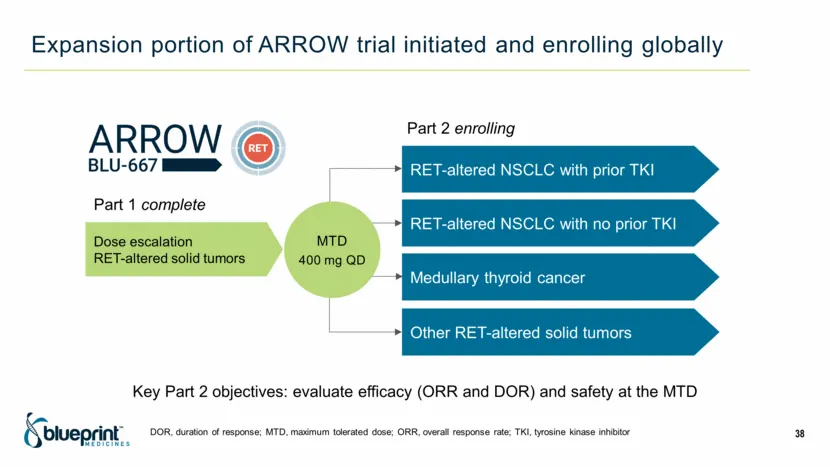
Expansion portion of ARROW trial initiated and enrolling globally Dose escalation RET-altered solid tumors RET-altered NSCLC with prior TKI Other RET-altered solid tumors Part 1 complete RET-altered NSCLC with no prior TKI Part 2 enrolling Medullary thyroid cancer MTD 400 mg QD Key Part 2 objectives
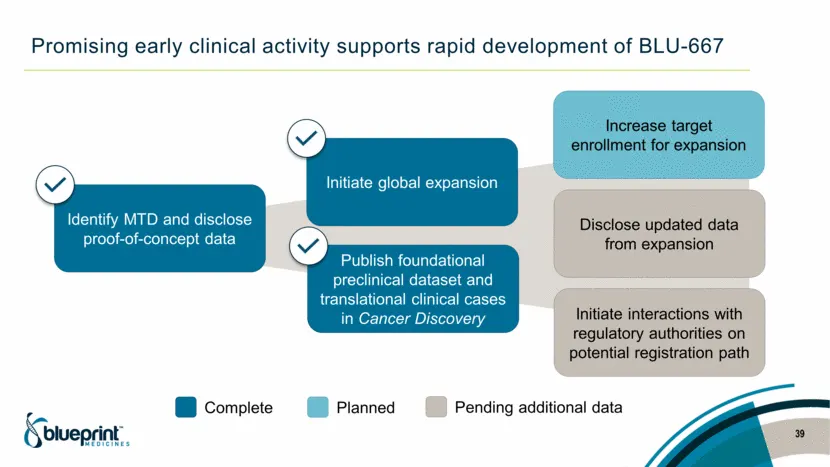
Slide 39: Promising early clinical activity supports rapid development of BLU-667
Promising early clinical activity supports rapid development of BLU-667 Identify MTD and disclose proof-of-concept data Initiate global expansion Increase target enrollment for expansion Initiate interactions with regulatory authorities on potential registration path Disclose updated data from expan

Slide 40: Questions & Answers
Questions & Answers (Sbwueprint,

Slide 41: Closing Remarks
Closing Remarks Jeff Albers Chief Executive Officer
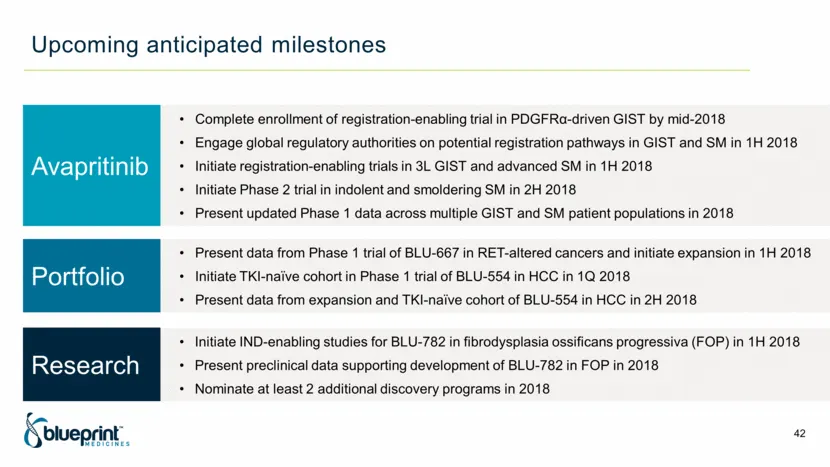
Slide 42: Upcoming anticipated milestones
Complete enrollment of registration-enabling trial in PDGFRα-driven GIST by mid-2018 Engage global regulatory authorities on potential registration pathways in GIST and SM in 1H 2018 Initiate registration-enabling trials in 3L GIST and advanced SM in 1H 2018 Initiate Phase 2 trial in indolent and sm
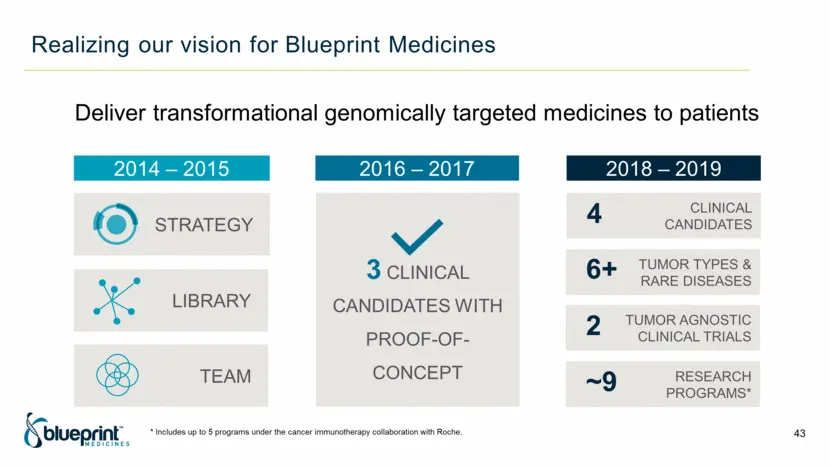
Slide 43: Realizing our vision for Blueprint Medicines
Realizing our vision for Blueprint Medicines * Includes up to 5 programs under the cancer immunotherapy collaboration with Roche. 2014 – 2015 STRATEGY LIBRARY TEAM 3 CLINICAL CANDIDATES WITH PROOF-OF-CONCEPT 2016 – 2017 CLINICAL CANDIDATES 4 TUMOR AGNOSTIC CLINICAL TRIALS 2 TUMOR TYPES & RARE DISEAS

Slide 44: Thank you
Thank you
Source: SEC EDGAR · 8-K filed Apr 16, 2018
More decks from Blueprint Medicines Corp
 Q1 2025 Earnings Presentation14 slides · May 1, 2025
 Q4 2024 Earnings Presentation12 slides · Feb 13, 2025
 J.P. Morgan Healthcare Conference 202525 slides · Jan 13, 2025
 Technical Presentation (April 2024)19 slides · Apr 25, 2024
 J.P. Morgan Healthcare Conference 202425 slides · Jan 8, 2024
 AAAAI 2023 Annual Meeting35 slides · Feb 27, 2023