Ionis Pharmaceuticals, Inc. · NASDAQ:IONS
Ionis Pharmaceuticals — Technical Presentation
15 slides from Ionis Pharmaceuticals's technical presentation
Slide 1: Evaluation of the Novel TMPRSS6 Antisense Inhibitor Sapablursen for Treatment of Polycythemia Vera
Evaluation of the Novel TMPRSS6 Antisense Inhibitor Sapablursen for Treatment of Polycythemia Vera: Results of the IMPRSSION Clinical Trial Jeanne M. Palmer1, Jonathan How2, Prithviraj Bose3, Pankit Vachhani4, Adam Mead5, Jonathan Sillar6, Aaron Gerds7, Angela Fleischman8, Caitlin O’Neill9, Ross Bak
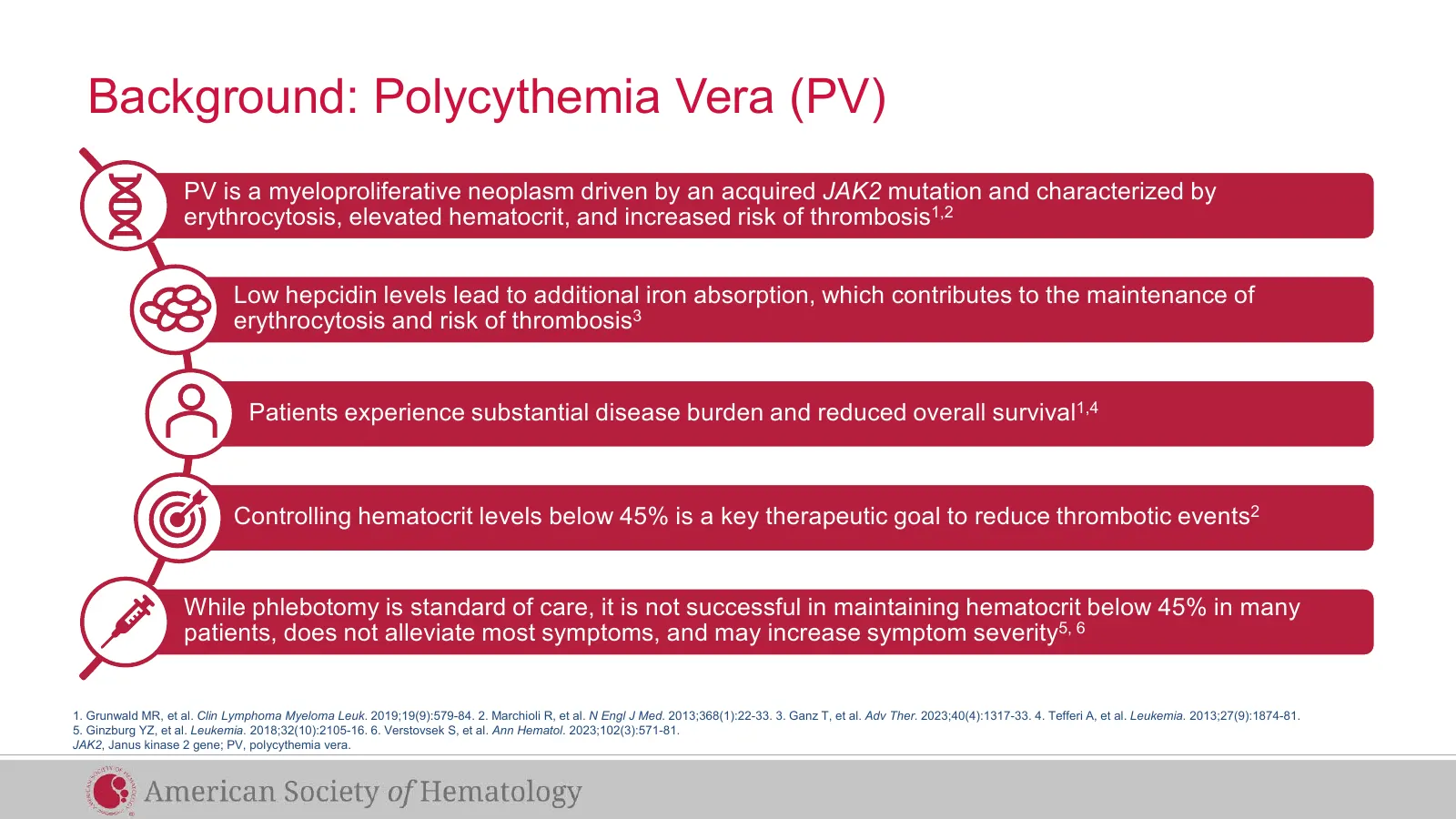
Slide 2: Background: Polycythemia Vera (PV)
Background: Polycythemia Vera (PV) PV is a myeloproliferative neoplasm driven by an acquired JAK2 mutation and characterized by erythrocytosis, elevated hematocrit, and increased risk of thrombosis1,2 Low hepcidin levels lead to additional iron absorption, which contributes to the maintenance of ery
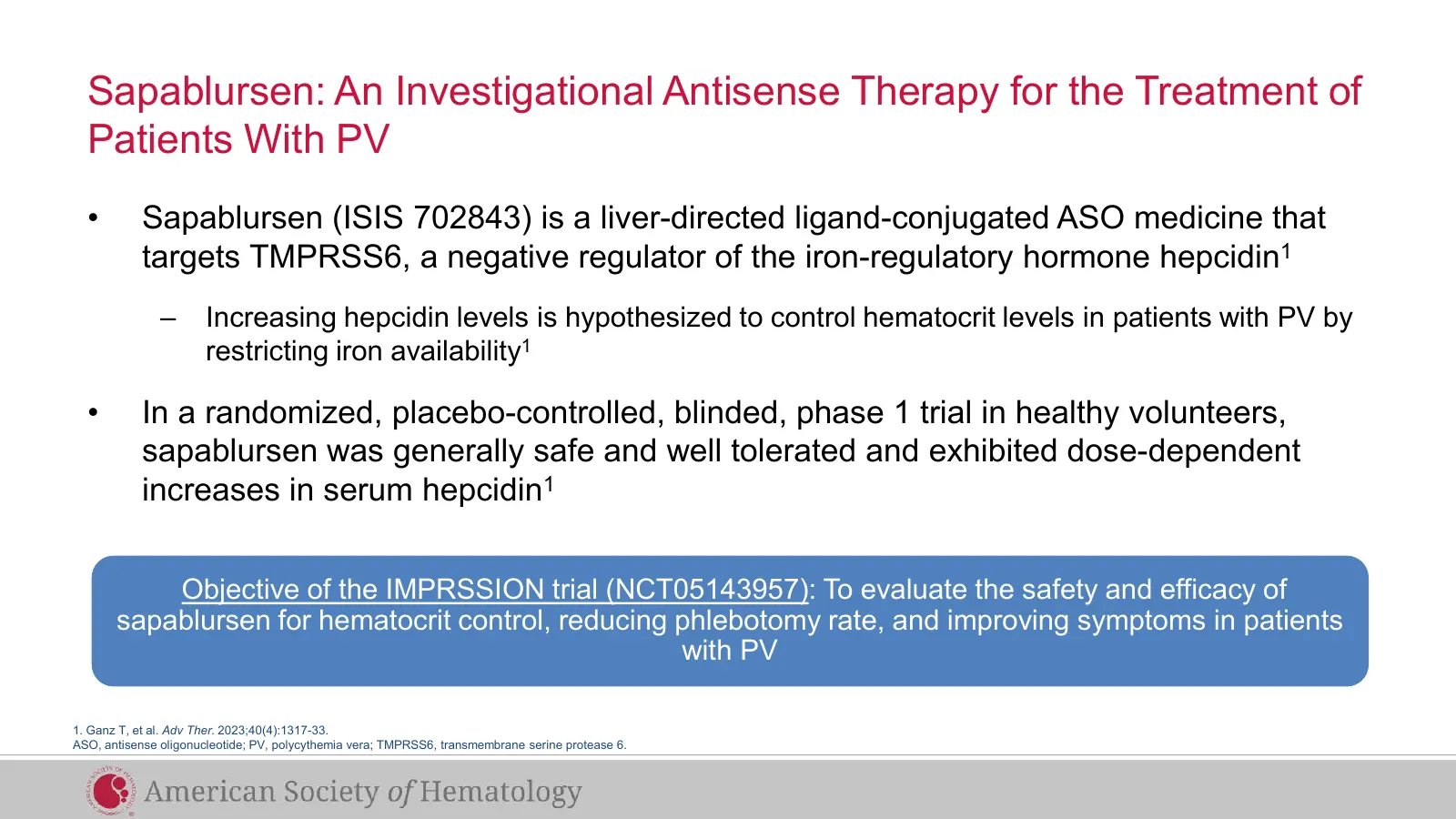
Slide 3: Sapablursen: An Investigational Antisense Therapy for the Treatment of Patients With PV
Sapablursen: An Investigational Antisense Therapy for the Treatment of Patients With PV • Sapablursen (ISIS 702843) is a liver-directed ligand-conjugated ASO medicine that targets TMPRSS6, a negative regulator of the iron-regulatory hormone hepcidin1 – Increasing hepcidin levels is hypothesized to c
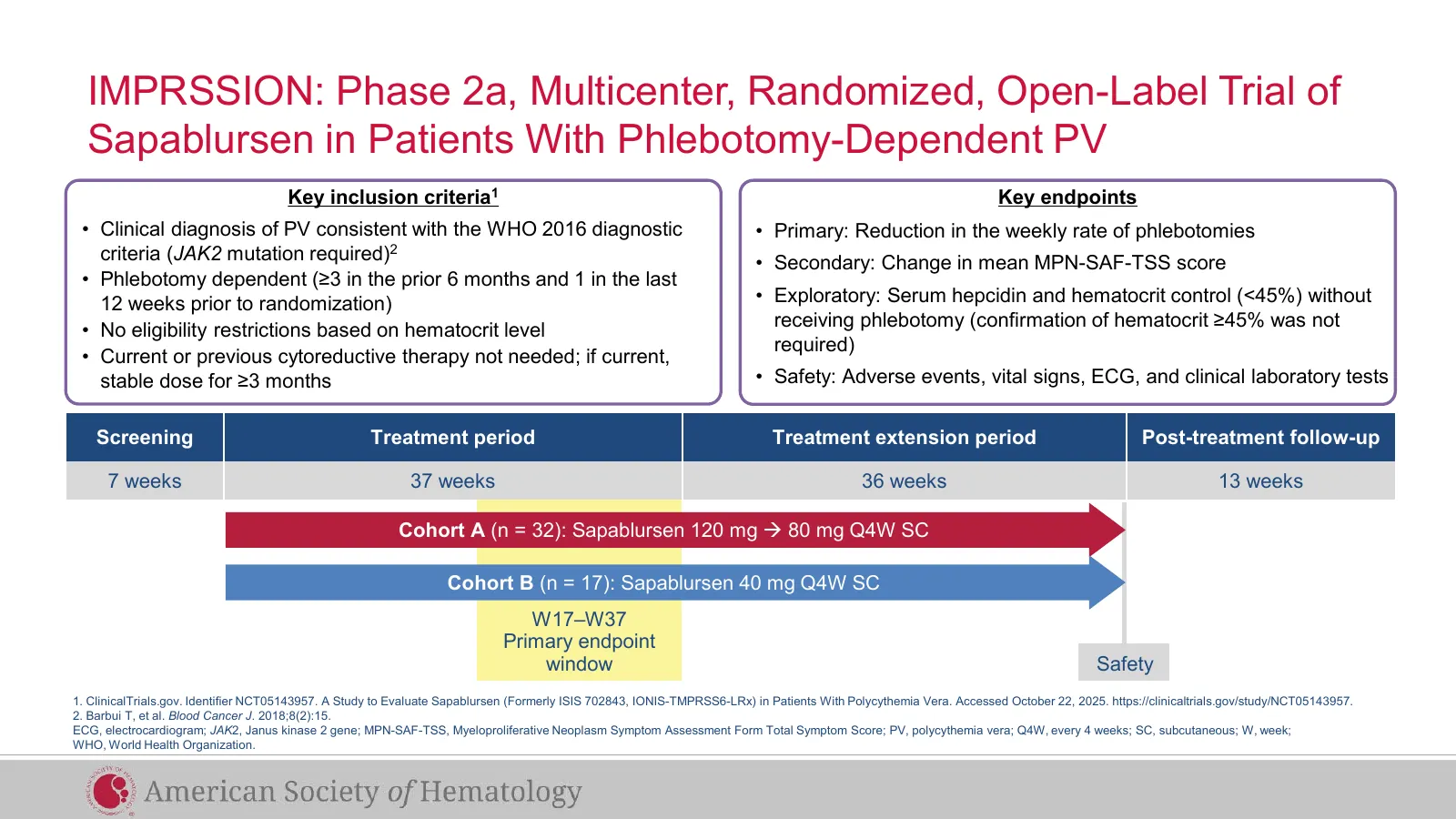
Slide 4: IMPRSSION: Phase 2a, Multicenter, Randomized, Open-Label Trial of Sapablursen
IMPRSSION: Phase 2a, Multicenter, Randomized, Open-Label Trial of Sapablursen in Patients With Phlebotomy-Dependent PV Key inclusion criteria1 Key endpoints • Clinical diagnosis of PV consistent with the WHO 2016 diagnostic • Primary: Reduction in the weekly rate of phlebotomies criteria (JAK2 mutat
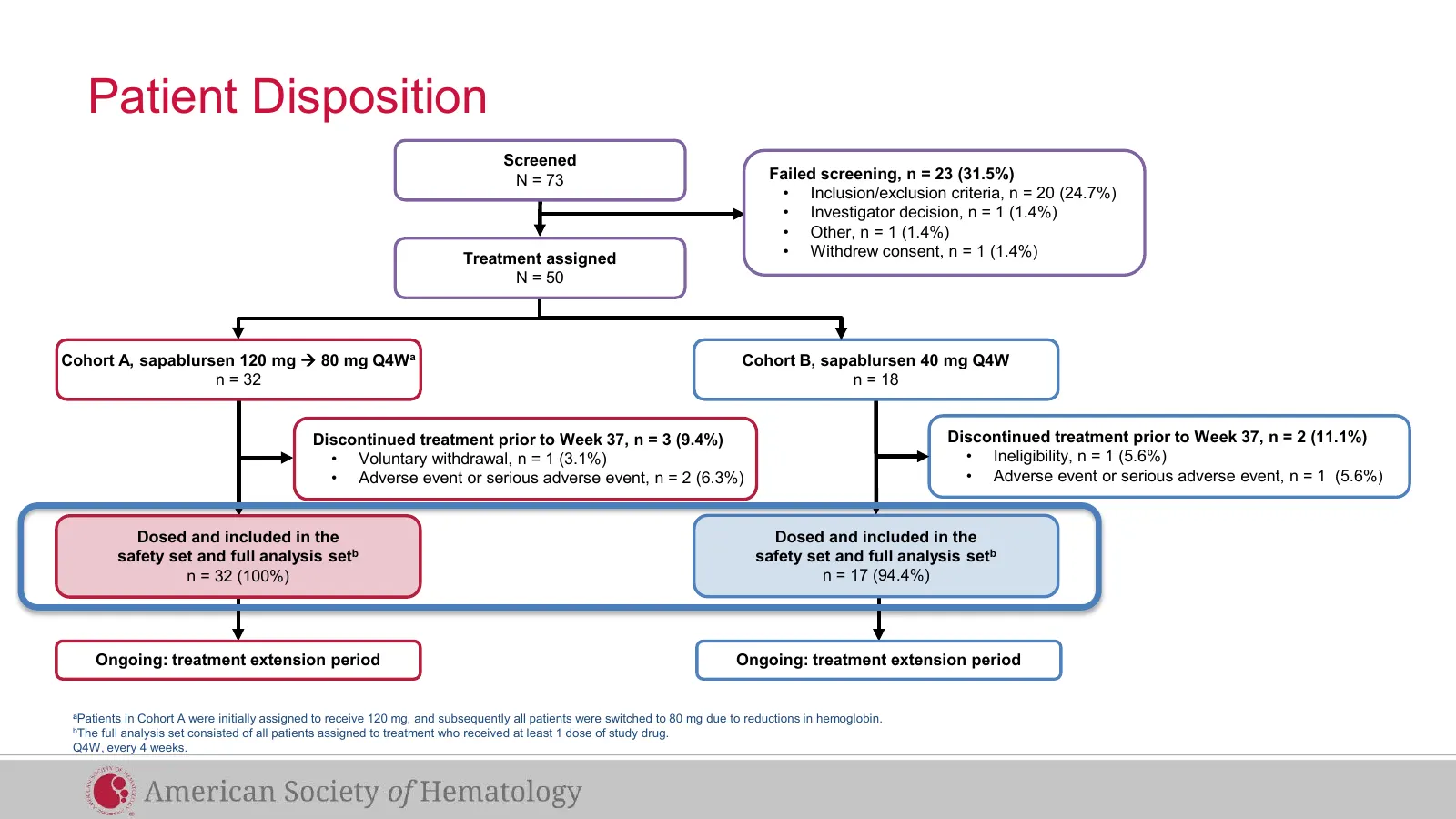
Slide 5: Patient Disposition
Patient Disposition Screened N = 73 Failed screening, n = 23 (31.5%) • Inclusion/exclusion criteria, n = 20 (24.7%) • Investigator decision, n = 1 (1.4%) • Other, n = 1 (1.4%) Treatment assigned • Withdrew consent, n = 1 (1.4%) N = 50 Cohort A, sapablursen 120 mg 80 mg Q4Wa Cohort B, sapablursen 4
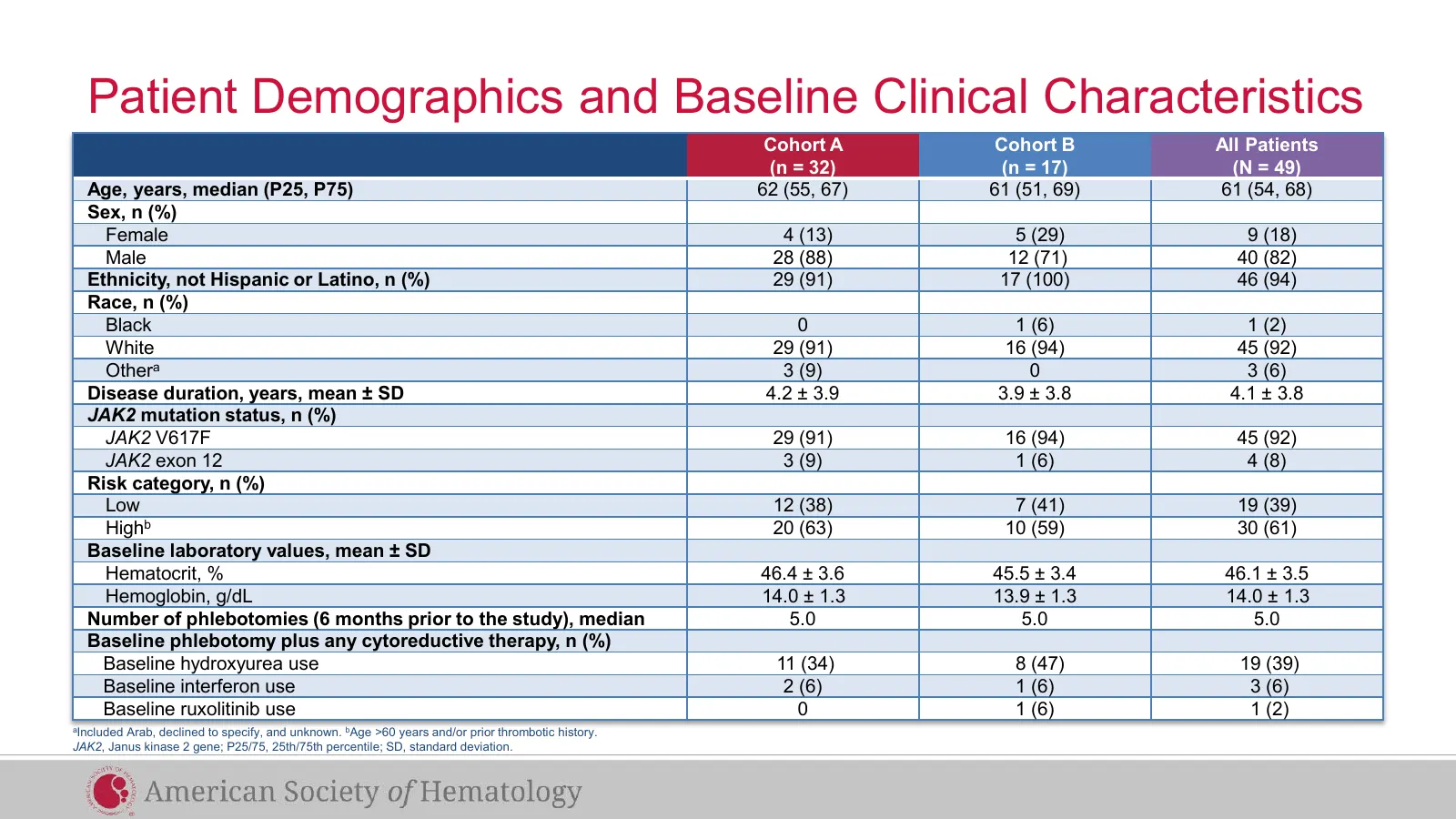
Slide 6: Patient Demographics and Baseline Clinical Characteristics
Patient Demographics and Baseline Clinical Characteristics Cohort A Cohort B All Patients (n = 32) (n = 17) (N = 49) Age, years, median (P25, P75) 62 (55, 67) 61 (51, 69) 61 (54, 68) Sex, n (%) Female 4 (13) 5 (29) 9 (18) Male 28 (88) 12 (71) 40 (82) Ethnicity, not Hispanic or Latino, n (%) 29 (91)
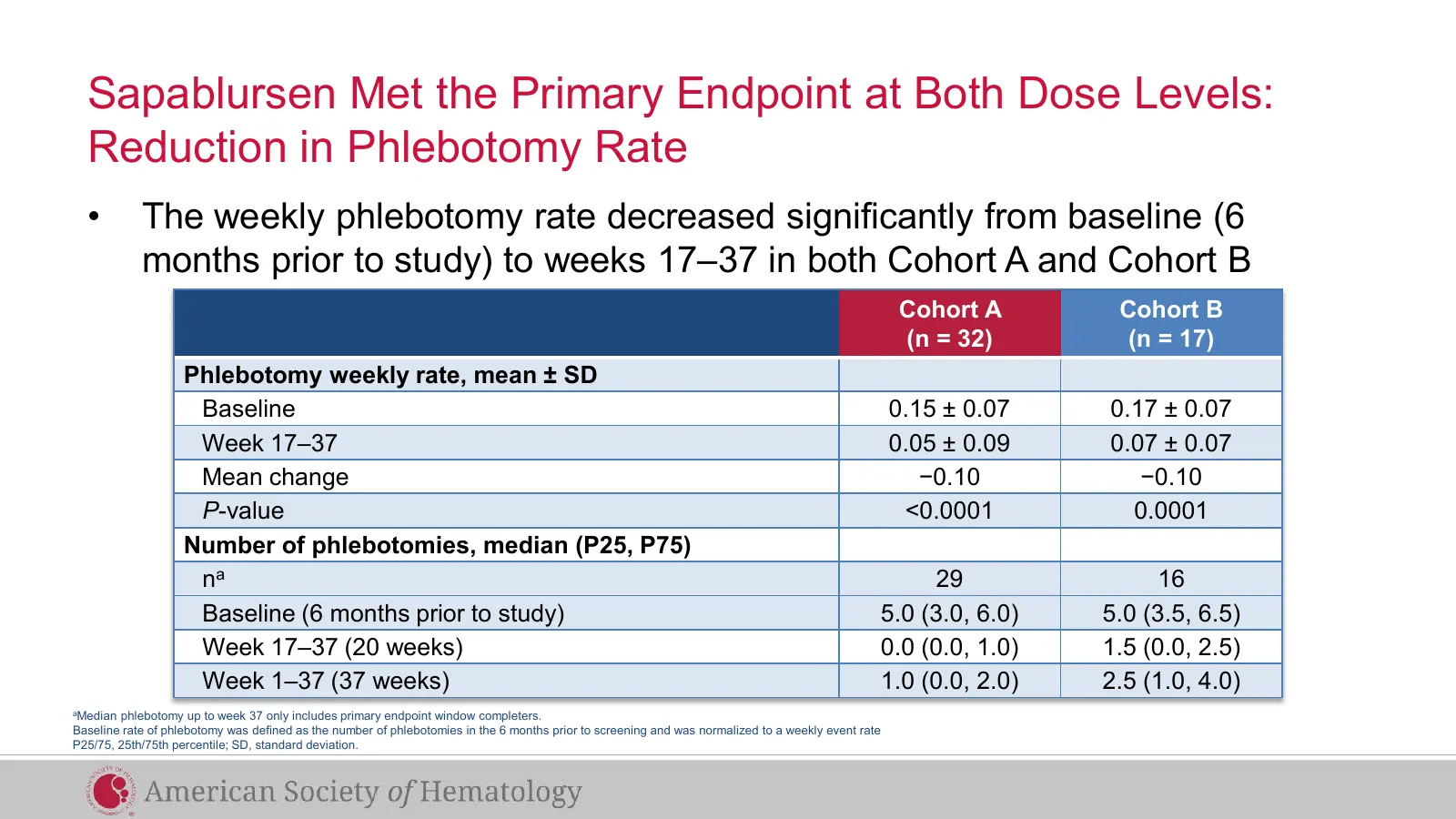
Slide 7: Sapablursen Met the Primary Endpoint at Both Dose Levels: Reduction in Phlebotomy Rate
Sapablursen Met the Primary Endpoint at Both Dose Levels: Reduction in Phlebotomy Rate • The weekly phlebotomy rate decreased significantly from baseline (6 months prior to study) to weeks 17–37 in both Cohort A and Cohort B Cohort A Cohort B (n = 32) (n = 17) Phlebotomy weekly rate, mean ± SD Basel
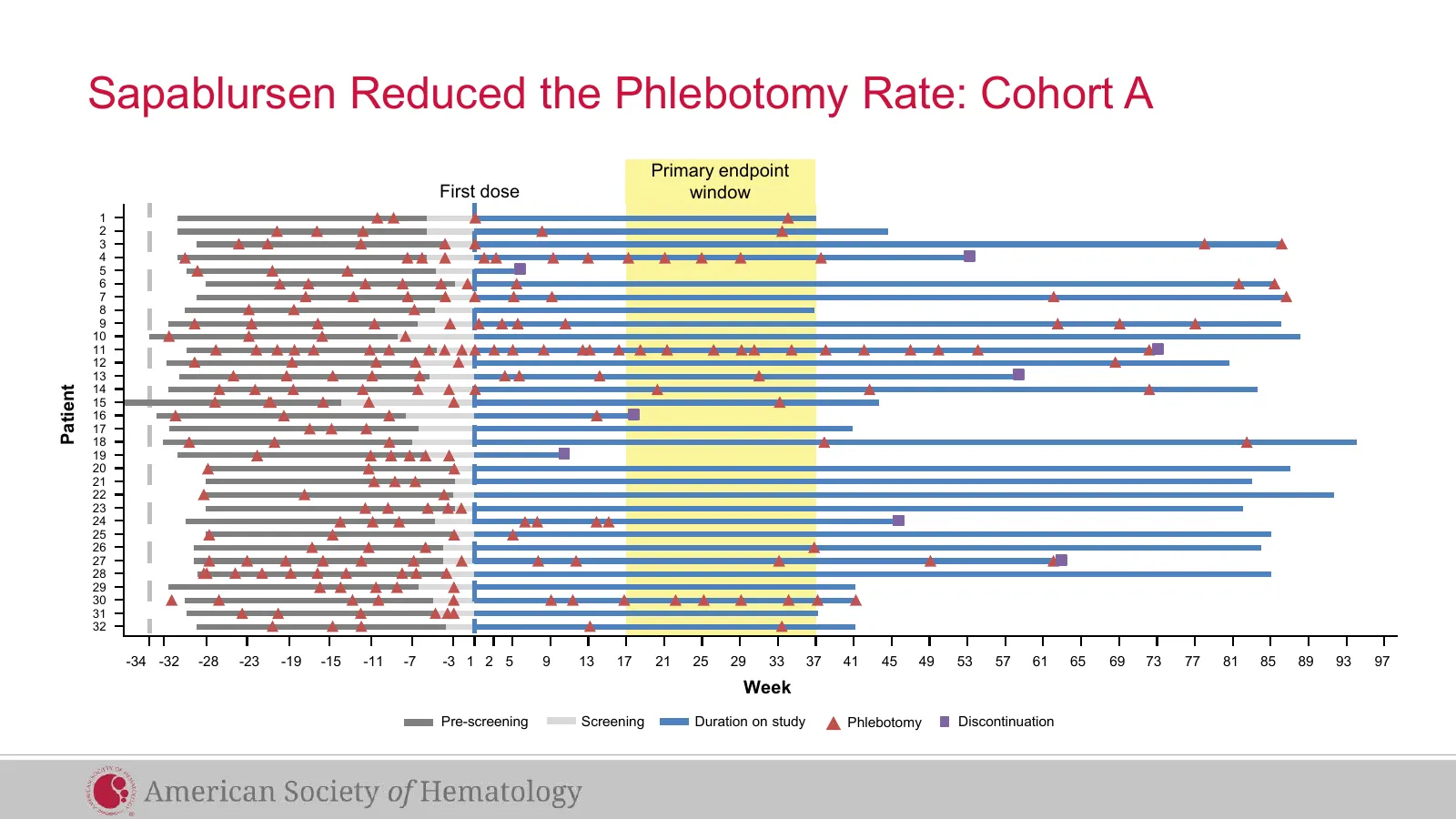
Slide 8: Sapablursen Reduced the Phlebotomy Rate: Cohort A
Sapablursen Reduced the Phlebotomy Rate: Cohort A Primary endpoint First dose window 1 2 3 4 5 6 7 8 9 10 11 12 13 14 Patient 15 16 17 18 19 20 21 22 23 24 25 26 27 28 29 30 31 32 -34 -32 -28 -23 -19 -15 -11 -7 -3 1 2 5 9 13 17 21 25 29 33 37 41 45 49 53 57 61 65 69 73 77 81 85 89 93 97 Week Pre-scr
Slide 9: Sapablursen Reduced the Phlebotomy Rate: Cohort B
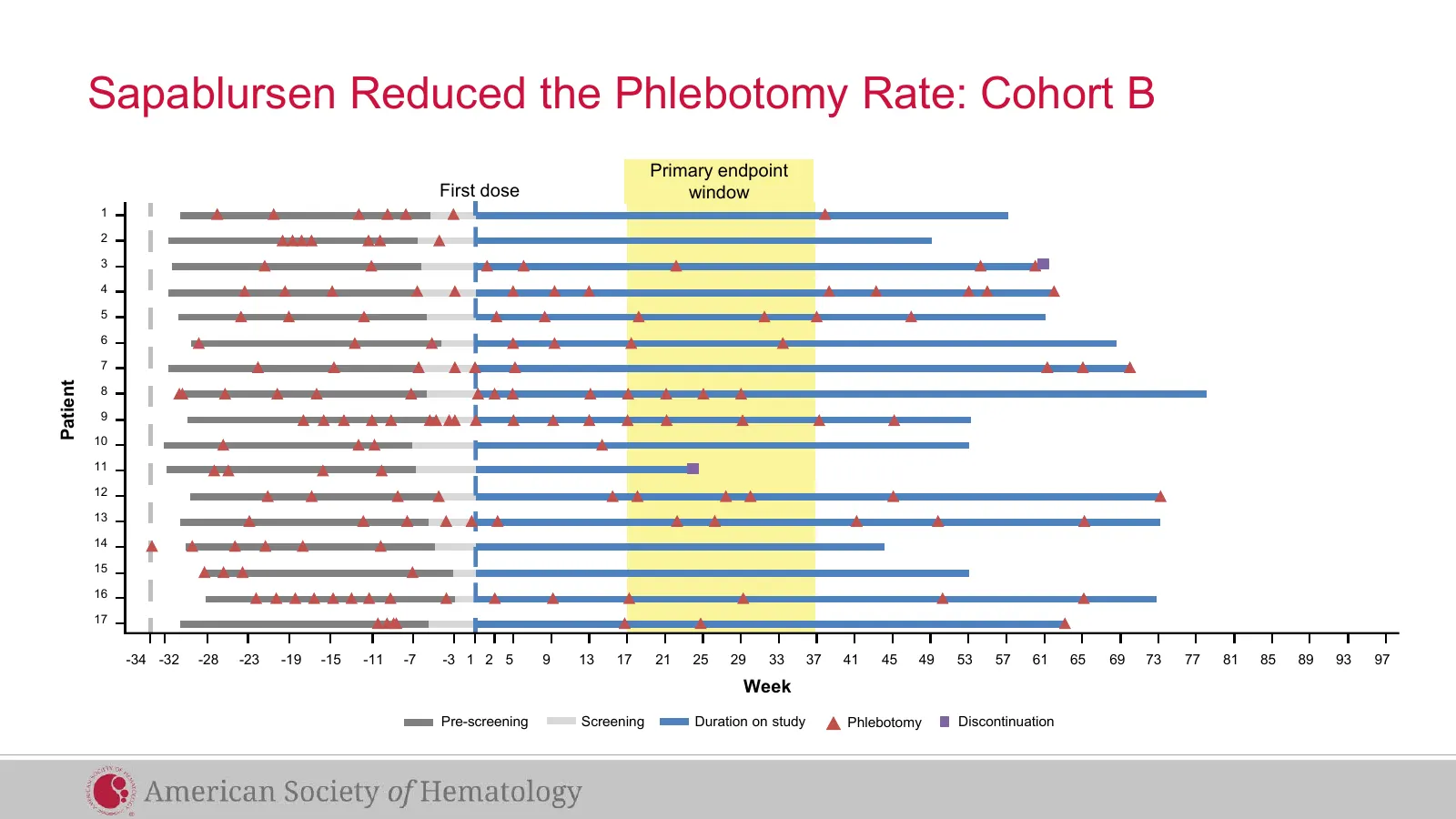
Sapablursen Reduced the Phlebotomy Rate: Cohort B Primary endpoint First dose window 1 2 3 4 5 6 7 Patient 8 9 10 11 12 13 14 15 16 17 -34 -32 -28 -23 -19 -15 -11 -7 -3 1 2 5 9 13 17 21 25 29 33 37 41 45 49 53 57 61 65 69 73 77 81 85 89 93 97 Week Pre-screening Screening Duration on study Phlebotomy
Slide 10: Secondary Endpoint: Assessment of Symptoms of PV
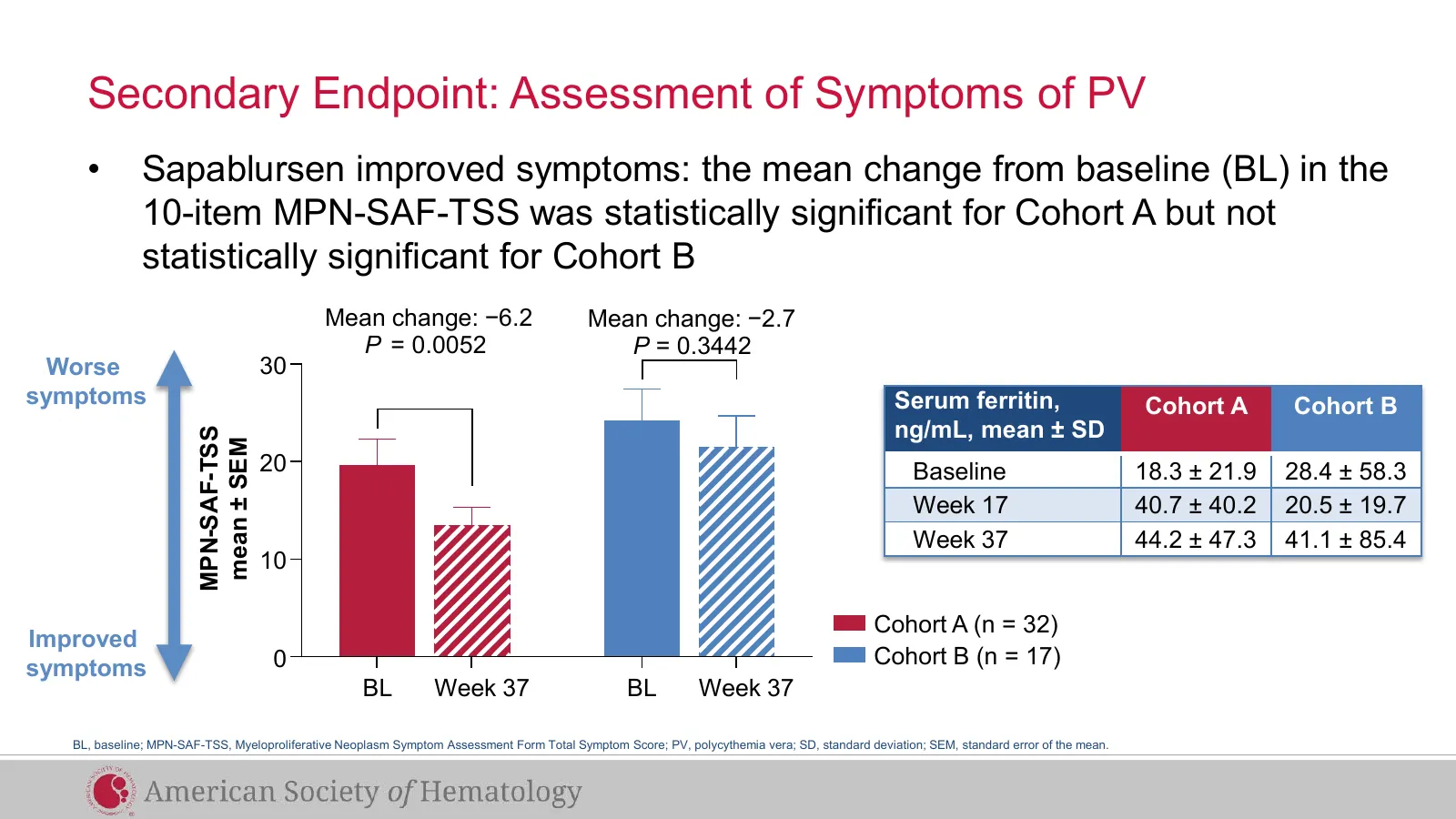
Secondary Endpoint: Assessment of Symptoms of PV • Sapablursen improved symptoms: the mean change from baseline (BL) in the 10-item MPN-SAF-TSS was statistically significant for Cohort A but not statistically significant for Cohort B Mean change: −6.2 Mean change: −2.7 P = 0.0052 P = 0.3442 Worse 30
Slide 11: Sapablursen Resulted in Increase in Hepcidin With Corresponding Reduction in Hematocrit
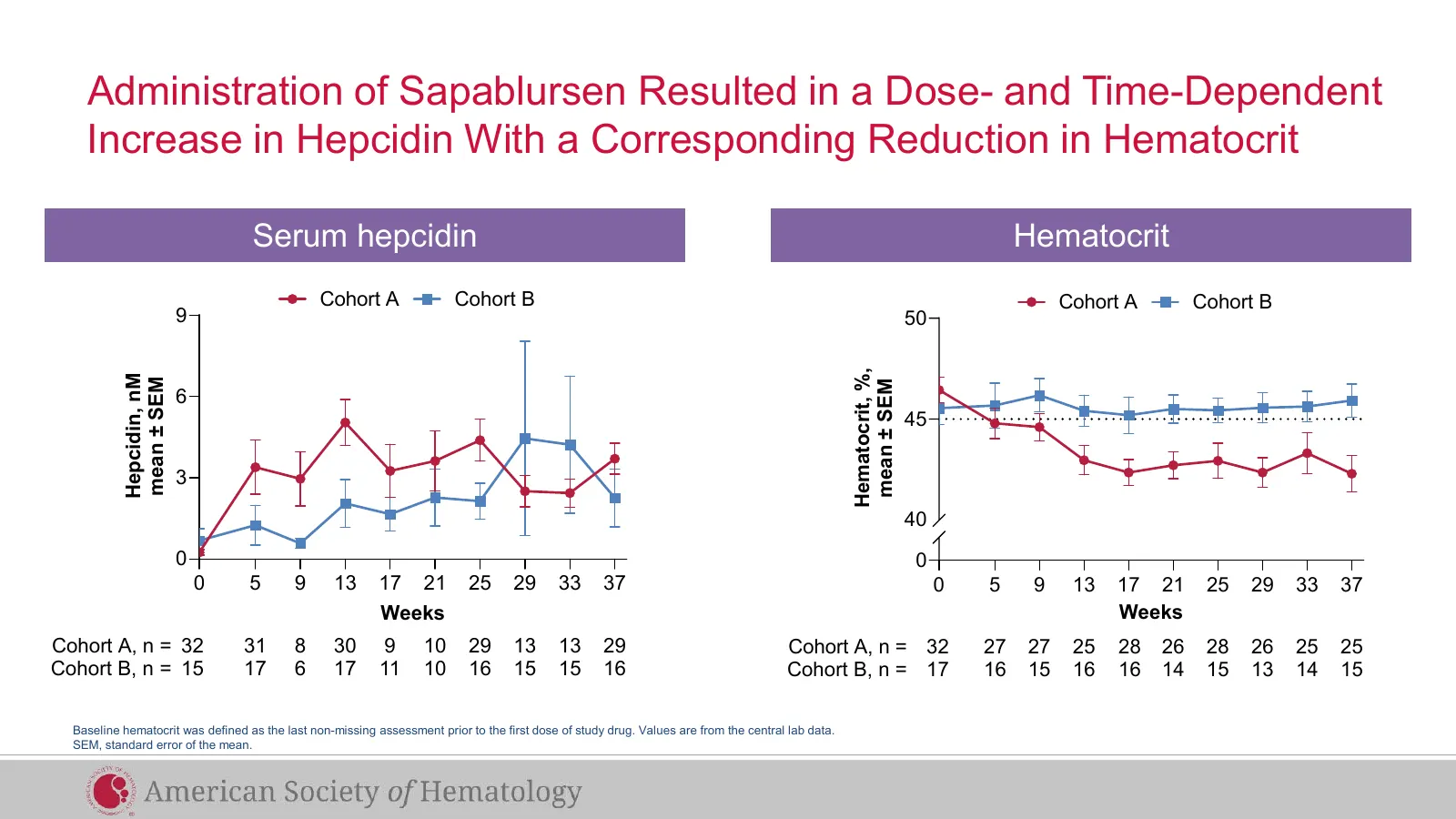
Administration of Sapablursen Resulted in a Dose- and Time-Dependent Increase in Hepcidin With a Corresponding Reduction in Hematocrit Serum hepcidin Hematocrit Cohort A Cohort B Cohort A Cohort B 9 50 Hematocrit, %, Hepcidin, nM mean ± SEM mean ± SEM 6 45 3 40 0 0 0 5 9 13 17 21 25 29 33 37 0 5 9 1
Slide 12: Modest Increase in Platelet Count but No Effect on Leukocyte Count
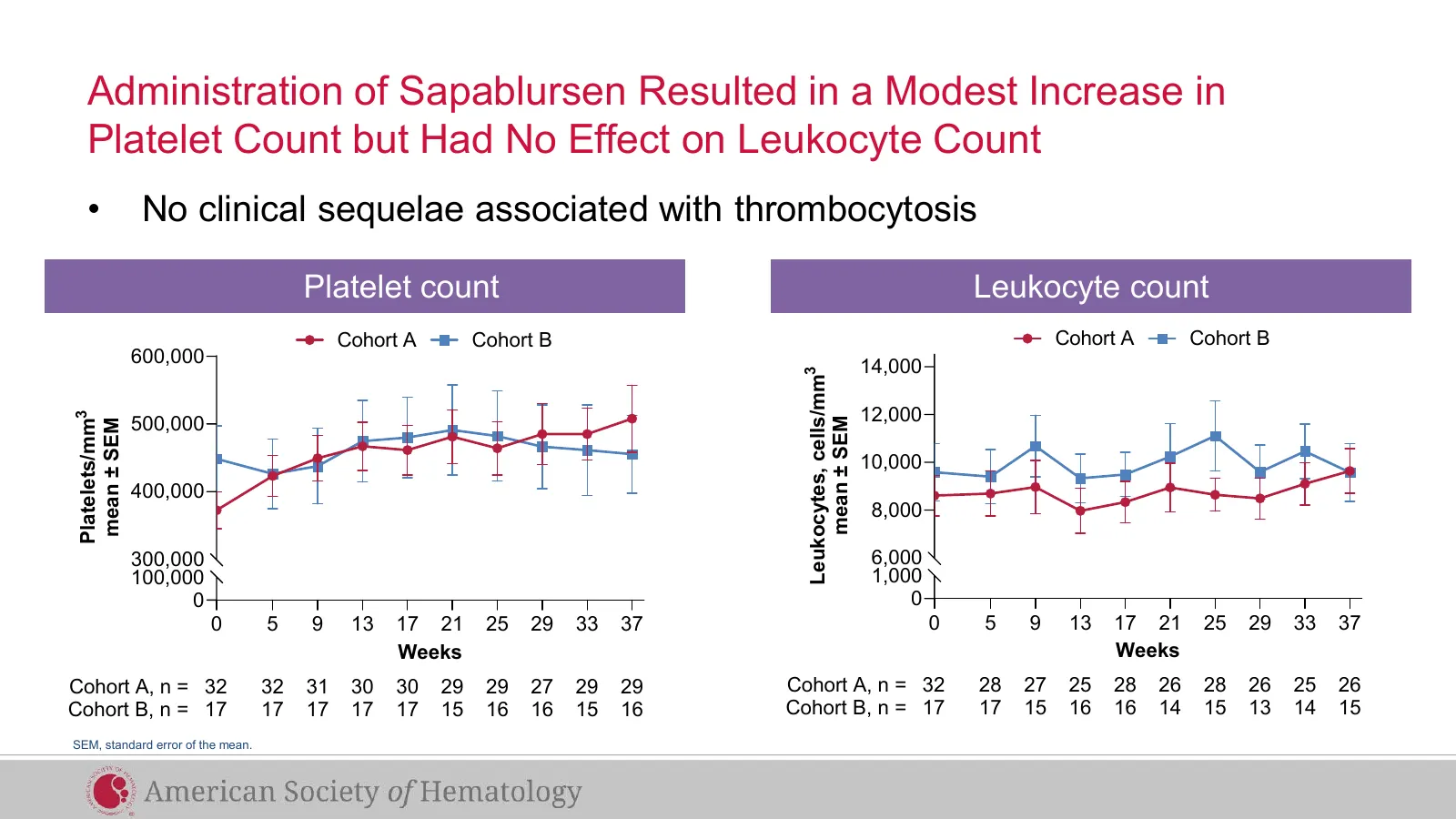
Administration of Sapablursen Resulted in a Modest Increase in Platelet Count but Had No Effect on Leukocyte Count • No clinical sequelae associated with thrombocytosis Platelet count Leukocyte count Cohort A Cohort B Cohort A Cohort B 600,000 14,000 Leukocytes, cells/mm3 500,000 12,000 Platelets/mm
Slide 13: Sapablursen Was Generally Safe and Well Tolerated
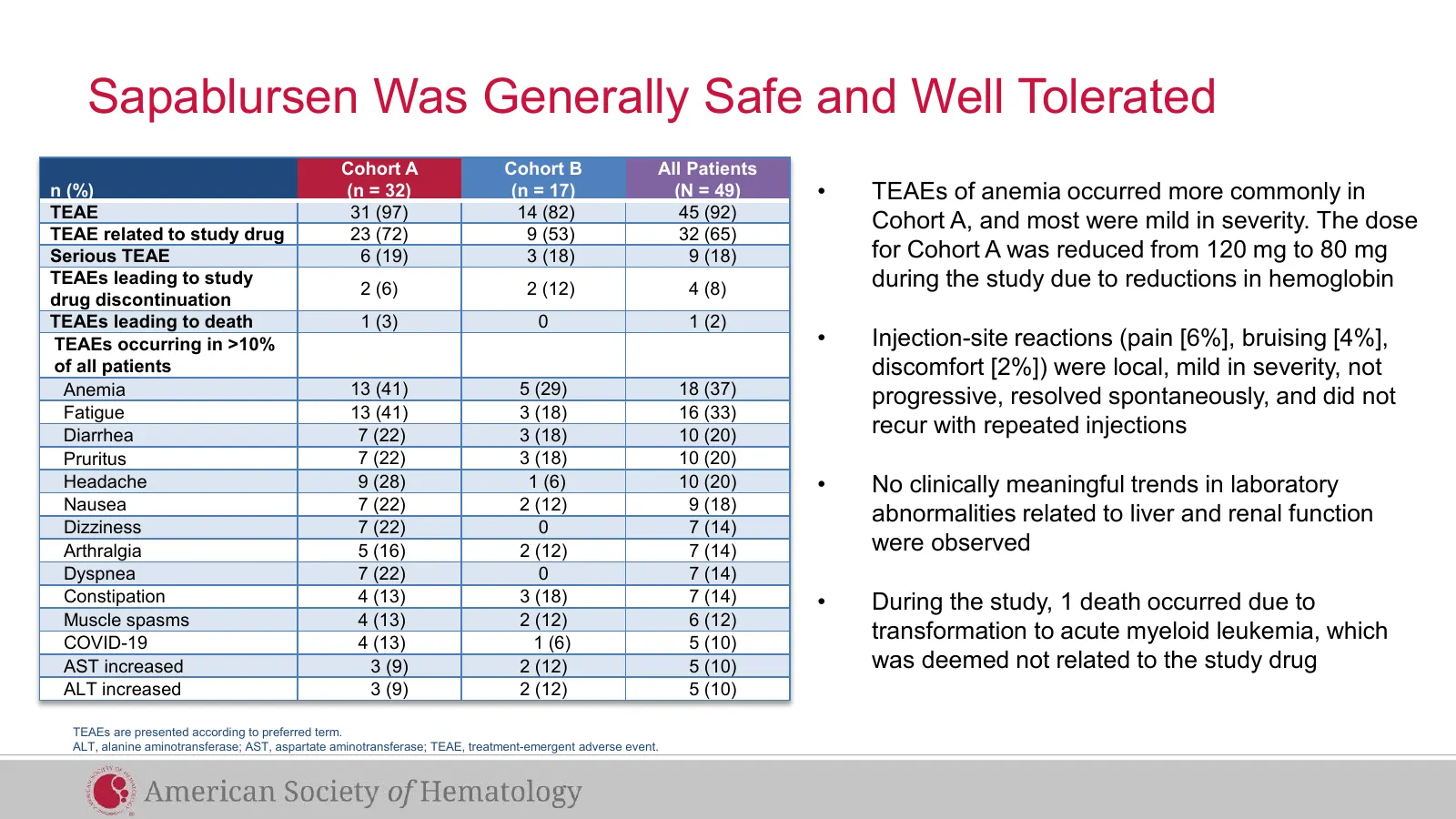
Sapablursen Was Generally Safe and Well Tolerated Cohort A Cohort B All Patients n (%) (n = 32) (n = 17) (N = 49) • TEAEs of anemia occurred more commonly in TEAE 31 (97) 14 (82) 45 (92) TEAE related to study drug 23 (72) 9 (53) 32 (65) Cohort A, and most were mild in severity. The dose Serious TEAE
Slide 14: Conclusions
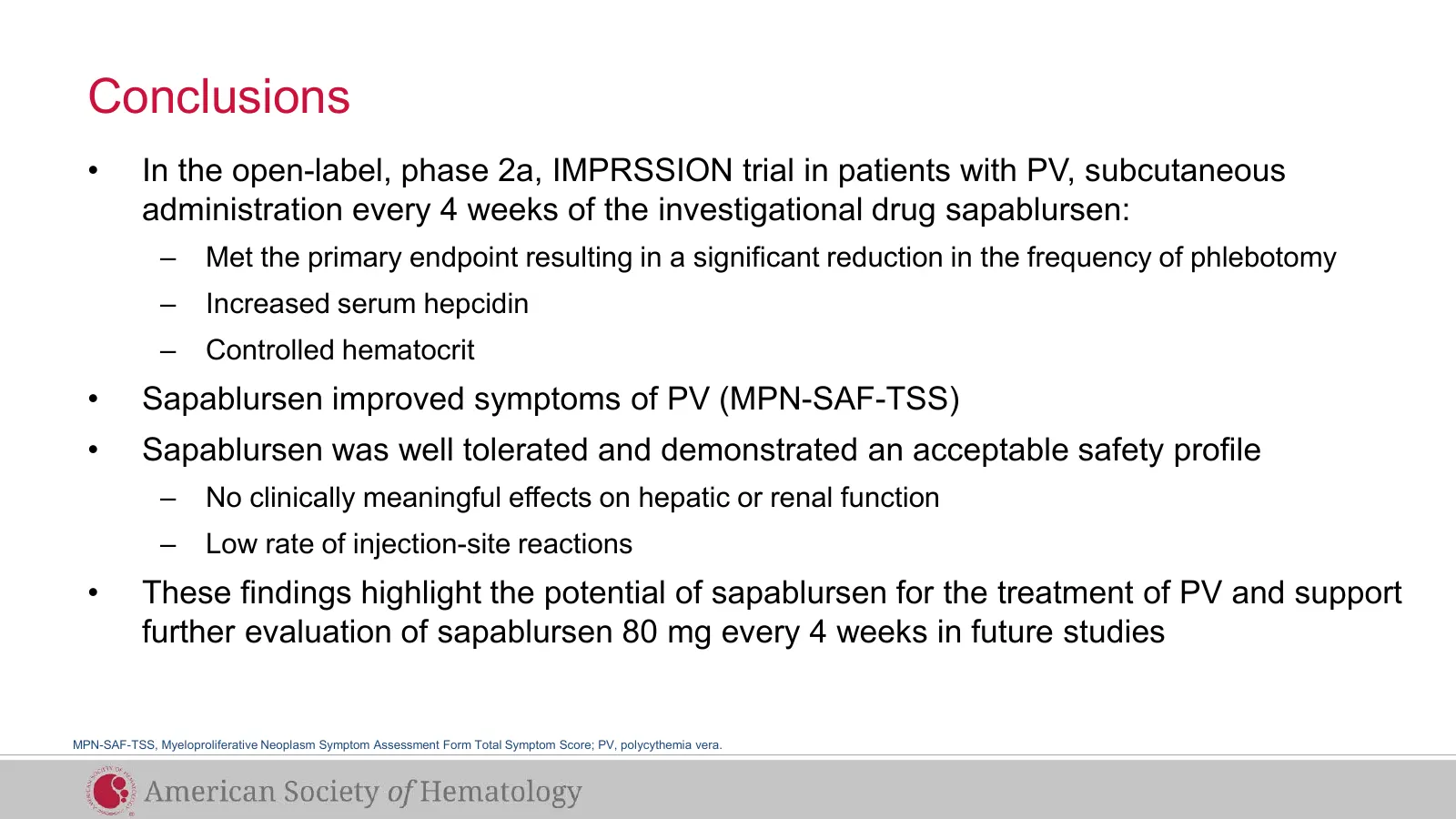
Conclusions • In the open-label, phase 2a, IMPRSSION trial in patients with PV, subcutaneous administration every 4 weeks of the investigational drug sapablursen: – Met the primary endpoint resulting in a significant reduction in the frequency of phlebotomy – Increased serum hepcidin – Controlled he
Slide 15: Acknowledgments
Acknowledgments • We thank all of the patients, caregivers, family members, investigators and staff who participated in the trial • The IMPRSSION trial was sponsored by Ionis Pharmaceuticals, Inc. Medical writing and editorial assistance were provided by Sylvia Stankov, PhD, of Red Nucleus, and fund
Source: company website
More decks from Ionis Pharmaceuticals, Inc.
 Q3 2026 Earnings Presentation29 slides · Nov 9, 2026
 Investor Presentation (October 2026)39 slides · October 2026
 Q2 2026 Earnings Presentation28 slides · Jul 29, 2026
 Technical Presentation (June 2026)15 slides · Jun 6, 2026
 Shareholder Meeting (June 2026)22 slides · June 2026
 Q1 2026 Earnings Presentation23 slides · Apr 29, 2026