Sesen Bio — H.C. Wainwright 22nd Annual Global Investment Conference (September 2020)
74 slides from Sesen Bio's conference presentation, Sep 15, 2020
Slide 1: H.C. Wainwright 22nd Annual Global Investment Conference
H.C. Wainwright 22nd Annual Global Investment Conference Thomas Cannell DVM, President & CEO September 15, 2020 NASDAQ: SESN
Slide 2: Forward-Looking Statements
FORWARD-LOOKING STATEMENTS This presentation contains forward-looking statements that involve substantial risks and uncertainties. All statements, other than statements of historical facts, contained in this presentation, including statements regarding our strategy, future operations, clinical devel
Slide 3: The Patient Journey
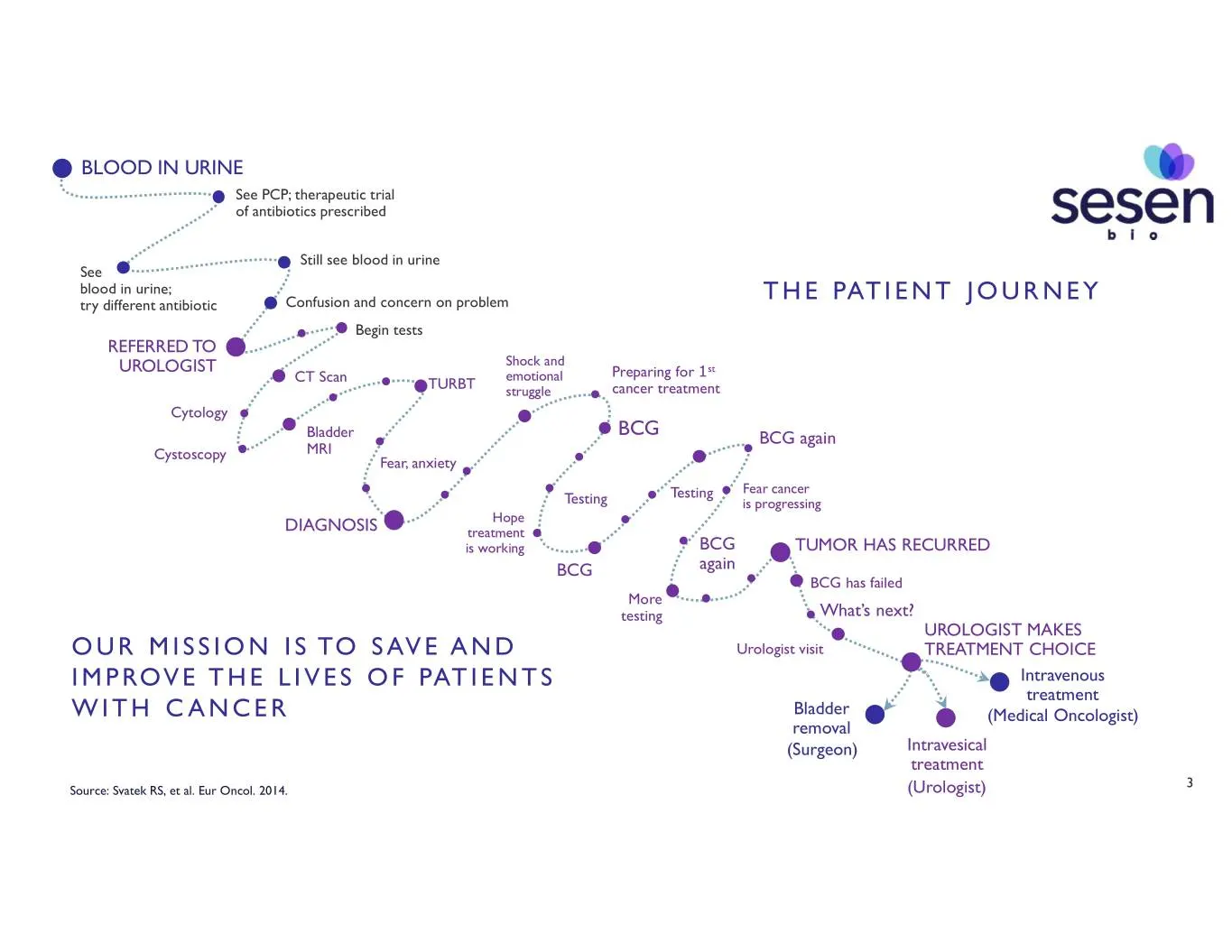
BLOOD IN URINE See PCP; therapeutic trial of antibiotics prescribed Still see blood in urine See blood in urine; THE PATIENT JOURNEY try different antibiotic Confusion and concern on problem Begin tests REFERRED TO Shock and UROLOGIST st CT Scan emotional Preparing for 1 TURBT struggle cancer treatm
Slide 4: September 2020 Business Update
SEPTEMBER 2020 BUSINESS UPDATE • Differentiated MOA enables compelling benefit-risk profile for Vicineum • Meaningful progress for CMC comparability • Clear regulatory path forward in US and Europe • China partnership with Qilu represents first milestone in realizing significant global commercial op
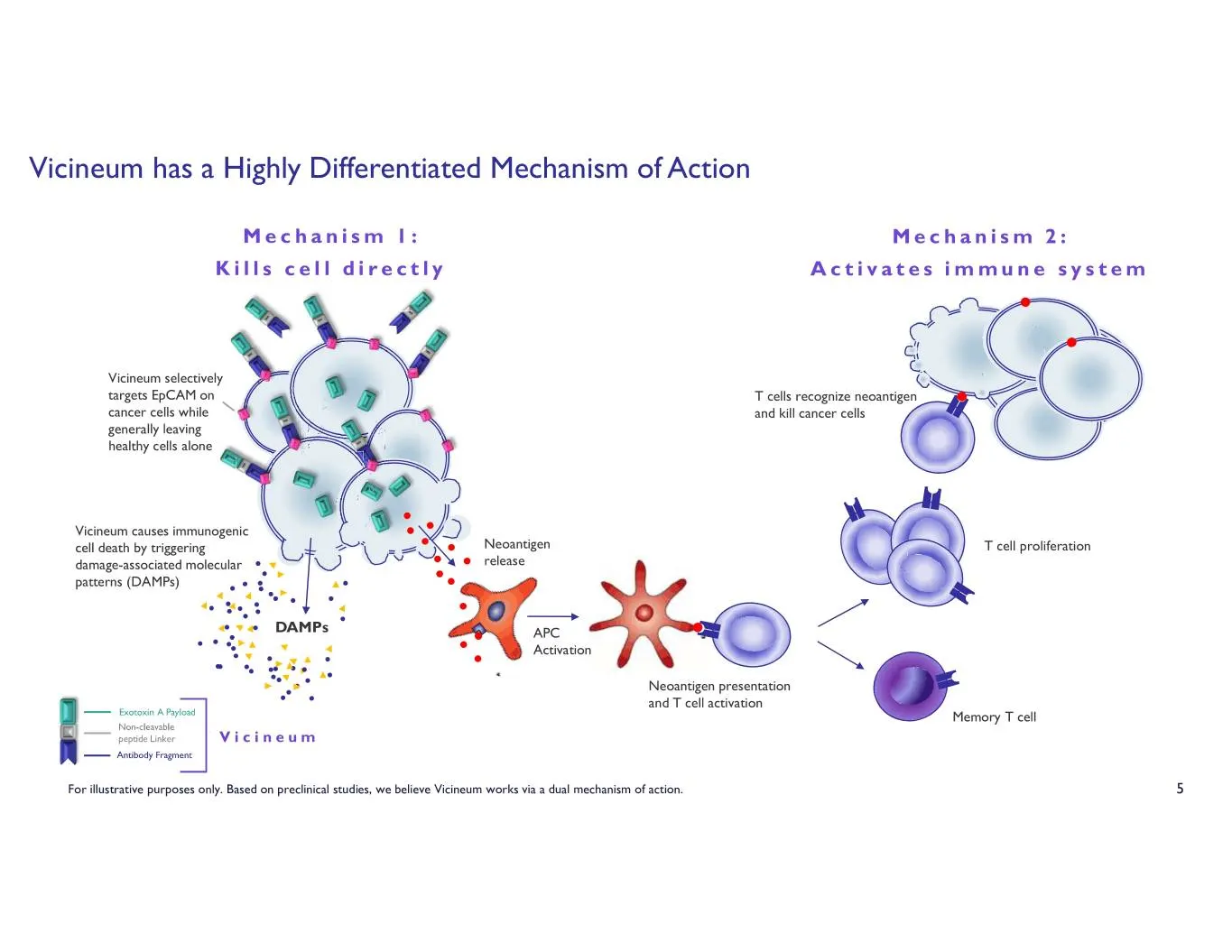
Slide 5: Vicineum has a Highly Differentiated Mechanism of Action
Vicineum has a Highly Differentiated Mechanism of Action Mechanism 1: Mechanism 2: Kills cell directly Activates immune system Vicineum selectively targets EpCAM on T cells recognize neoantigen cancer cells while and kill cancer cells generally leaving healthy cells alone Vicineum causes immunogenic
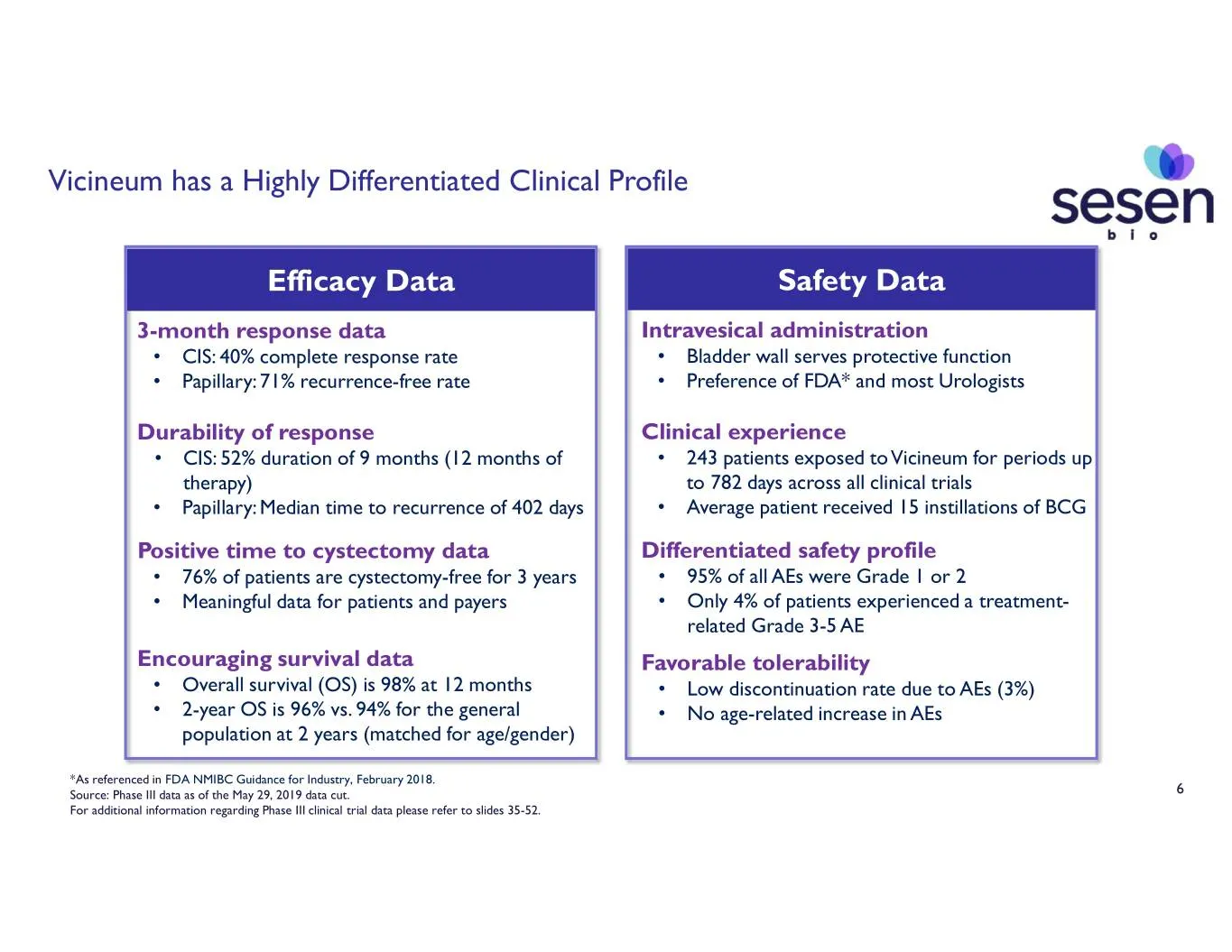
Slide 6: Vicineum has a Highly Differentiated Clinical Profile
Vicineum has a Highly Differentiated Clinical Profile Efficacy Data Safety Data 3-month response data Intravesical administration • CIS: 40% complete response rate • Bladder wall serves protective function • Papillary: 71% recurrence-free rate • Preference of FDA* and most Urologists Durability of r
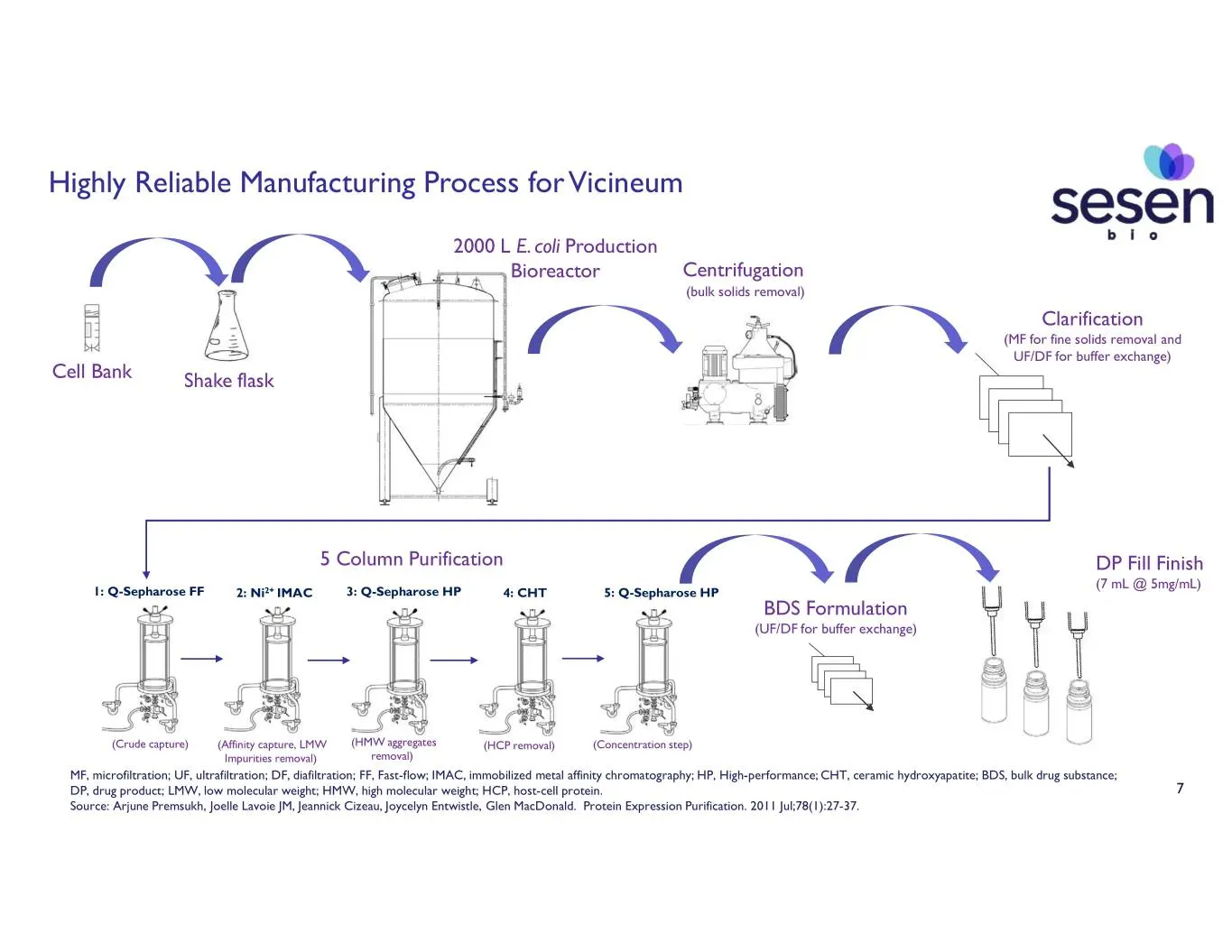
Slide 7: Highly Reliable Manufacturing Process for Vicineum
Highly Reliable Manufacturing Process for Vicineum 2000 L E. coli Production Bioreactor Centrifugation (bulk solids removal) Clarification (MF for fine solids removal and UF/DF for buffer exchange) Cell Bank Shake flask 5 Column Purification DP Fill Finish (7 mL @ 5mg/mL) 1: Q-Sepharose FF 2: Ni2+ I
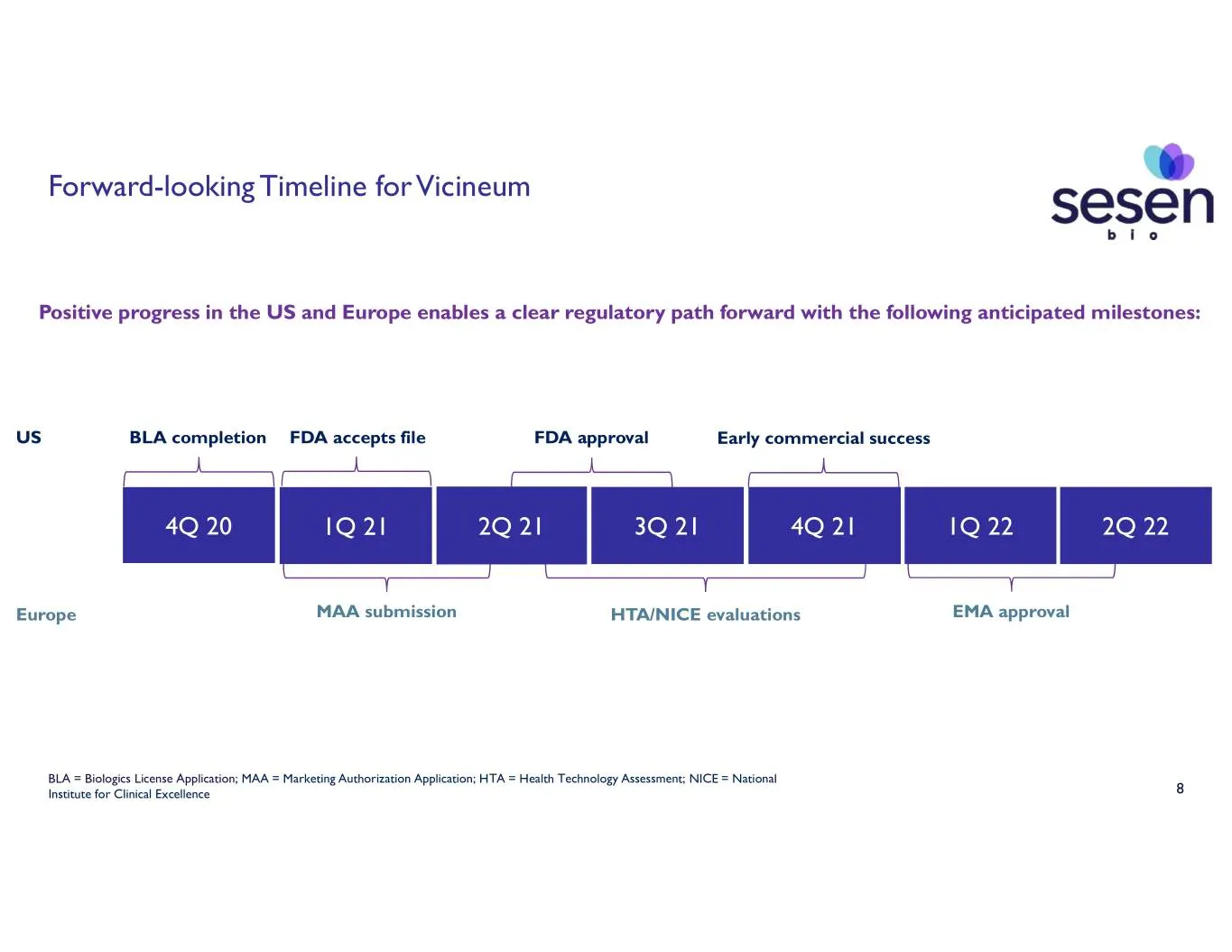
Slide 8: Forward-looking Timeline for Vicineum
Forward-looking Timeline for Vicineum Positive progress in the US and Europe enables a clear regulatory path forward with the following anticipated milestones: US BLA completionFDA accepts file FDA approval Early commercial success 4Q 20 1Q 21 2Q 21 3Q 21 4Q 21 1Q 22 2Q 22 Europe MAA submission HTA/
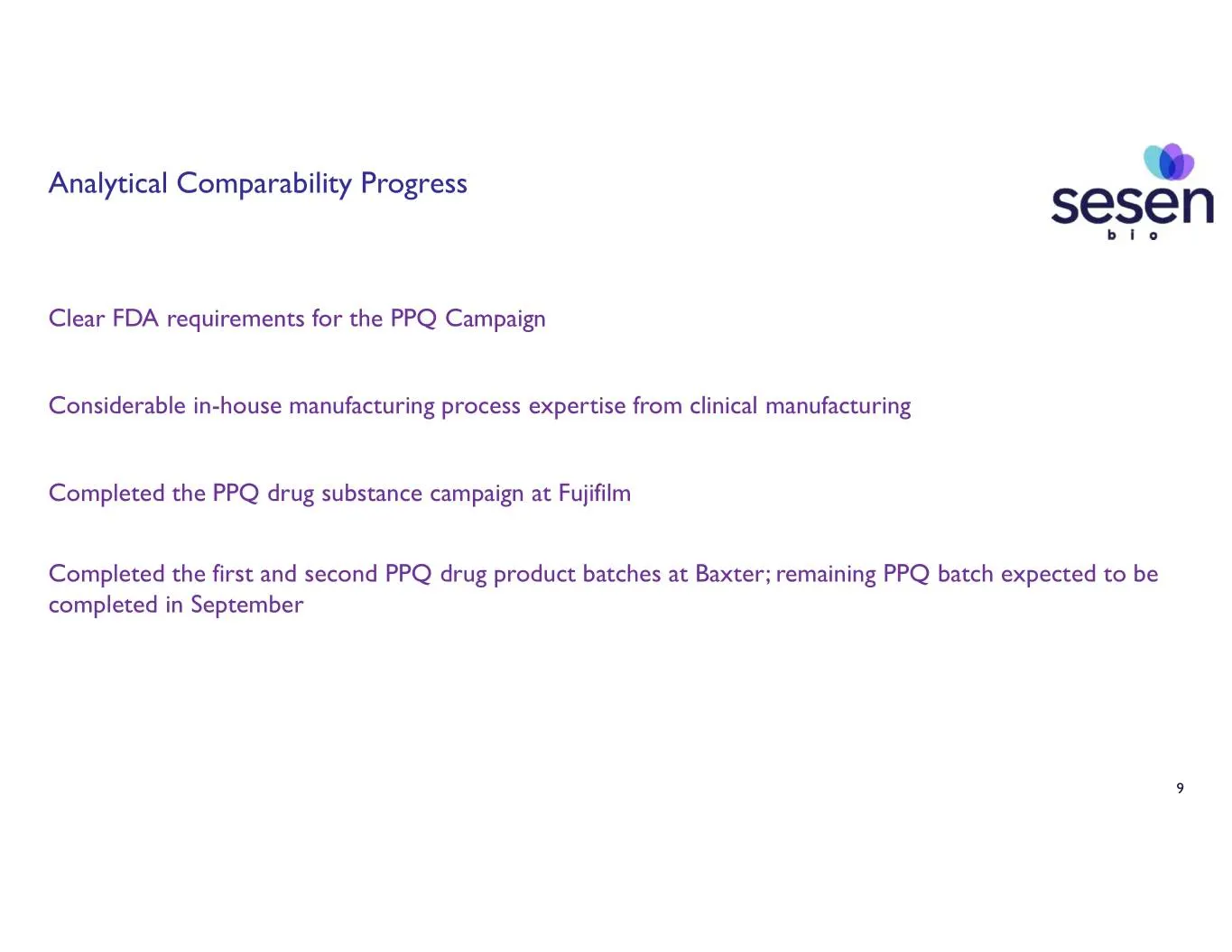
Slide 9: Analytical Comparability Progress
Analytical Comparability Progress Clear FDA requirements for the PPQ Campaign Considerable in-house manufacturing process expertise from clinical manufacturing Completed the PPQ drug substance campaign at Fujifilm Completed the first and second PPQ drug product batches at Baxter; remaining PPQ batch
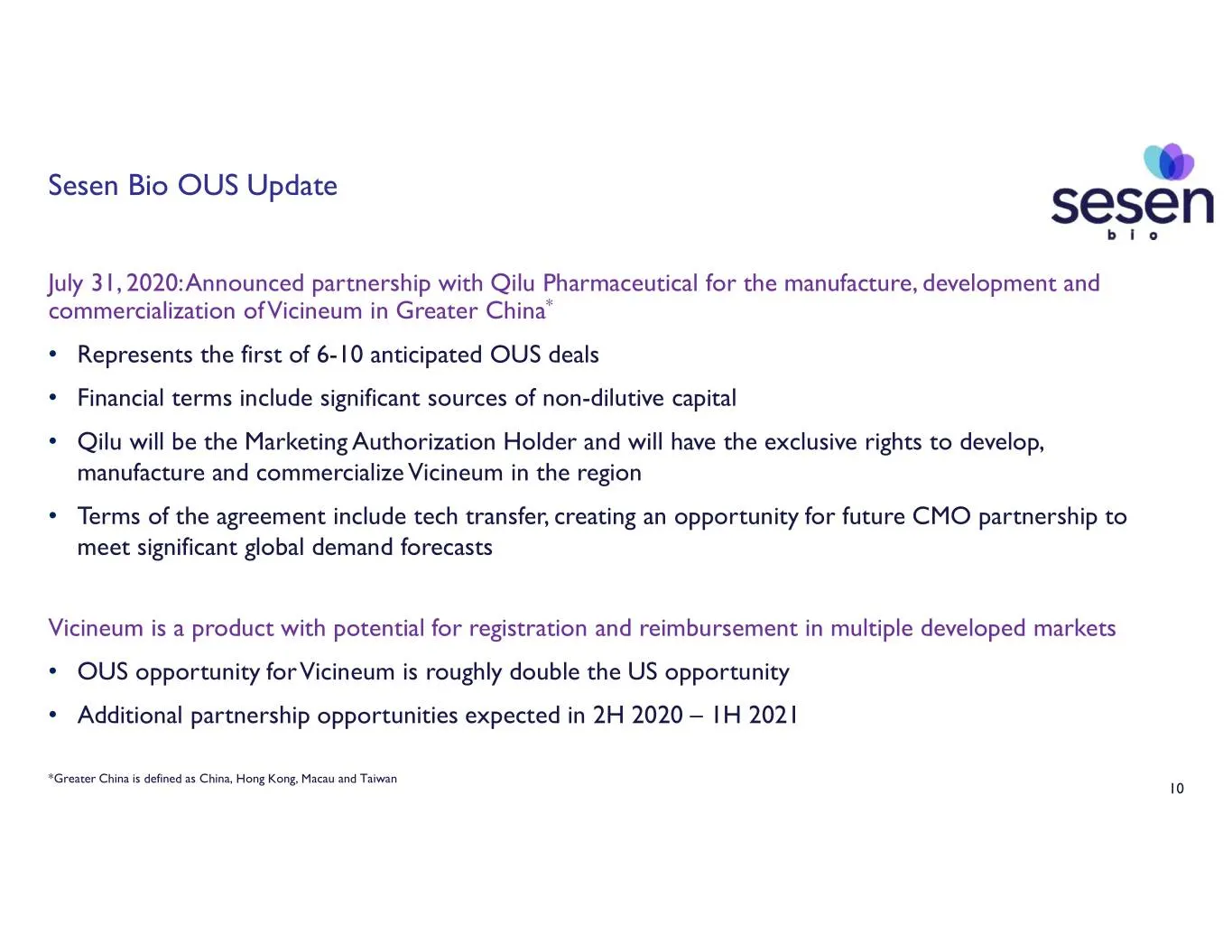
Slide 10: Sesen Bio OUS Update
Sesen Bio OUS Update July 31, 2020: Announced partnership with Qilu Pharmaceutical for the manufacture, development and commercialization of Vicineum in Greater China* • Represents the first of 6-10 anticipated OUS deals • Financial terms include significant sources of non-dilutive capital • Qilu wi
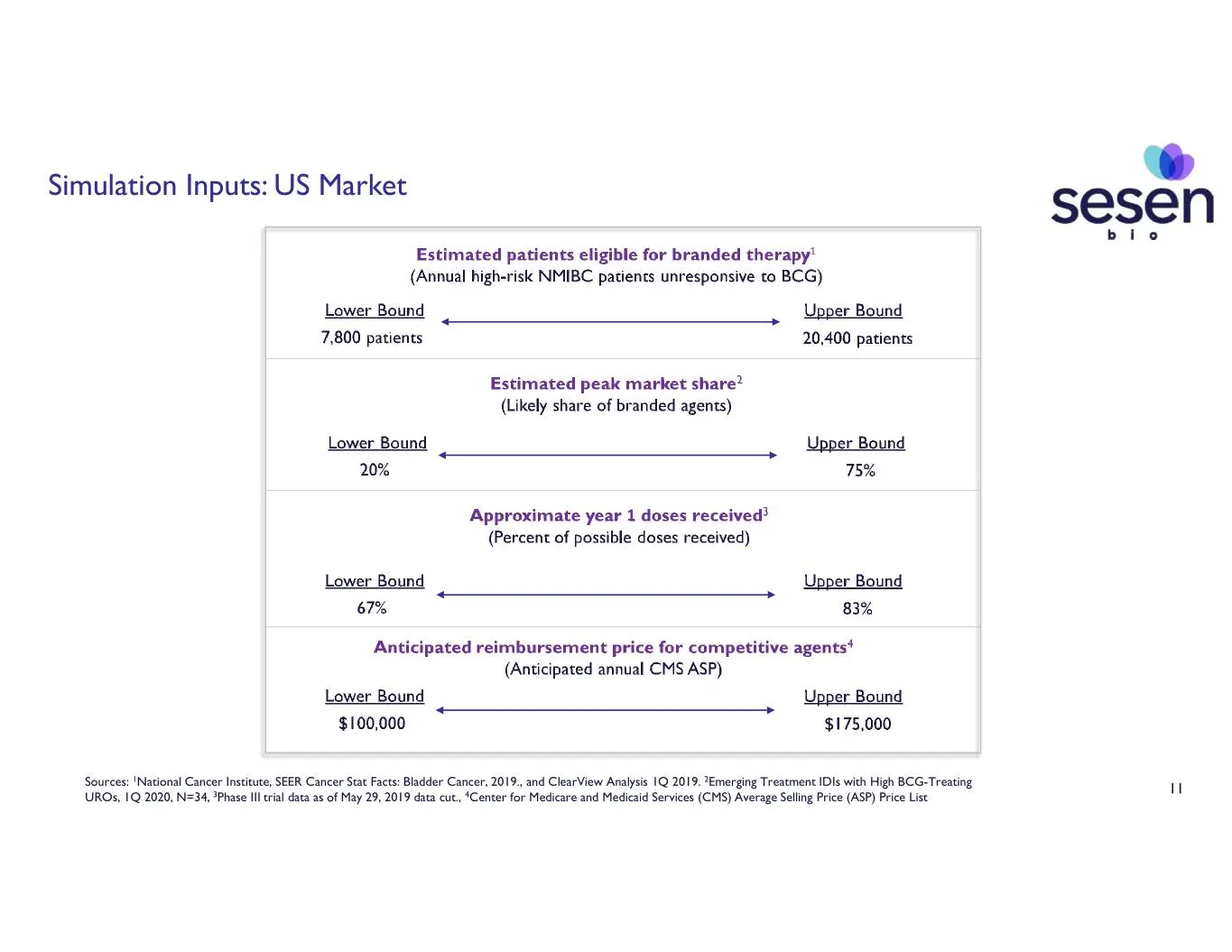
Slide 11: Simulation Inputs: US Market
Simulation Inputs: US Market Estimated patients eligible for branded therapy1 (Annual high-risk NMIBC patients unresponsive to BCG) Lower Bound Upper Bound 7,800 patients 20,400 patients Estimated peak market share2 (Likely share of branded agents) Lower Bound Upper Bound 20% 75% Approximate year 1
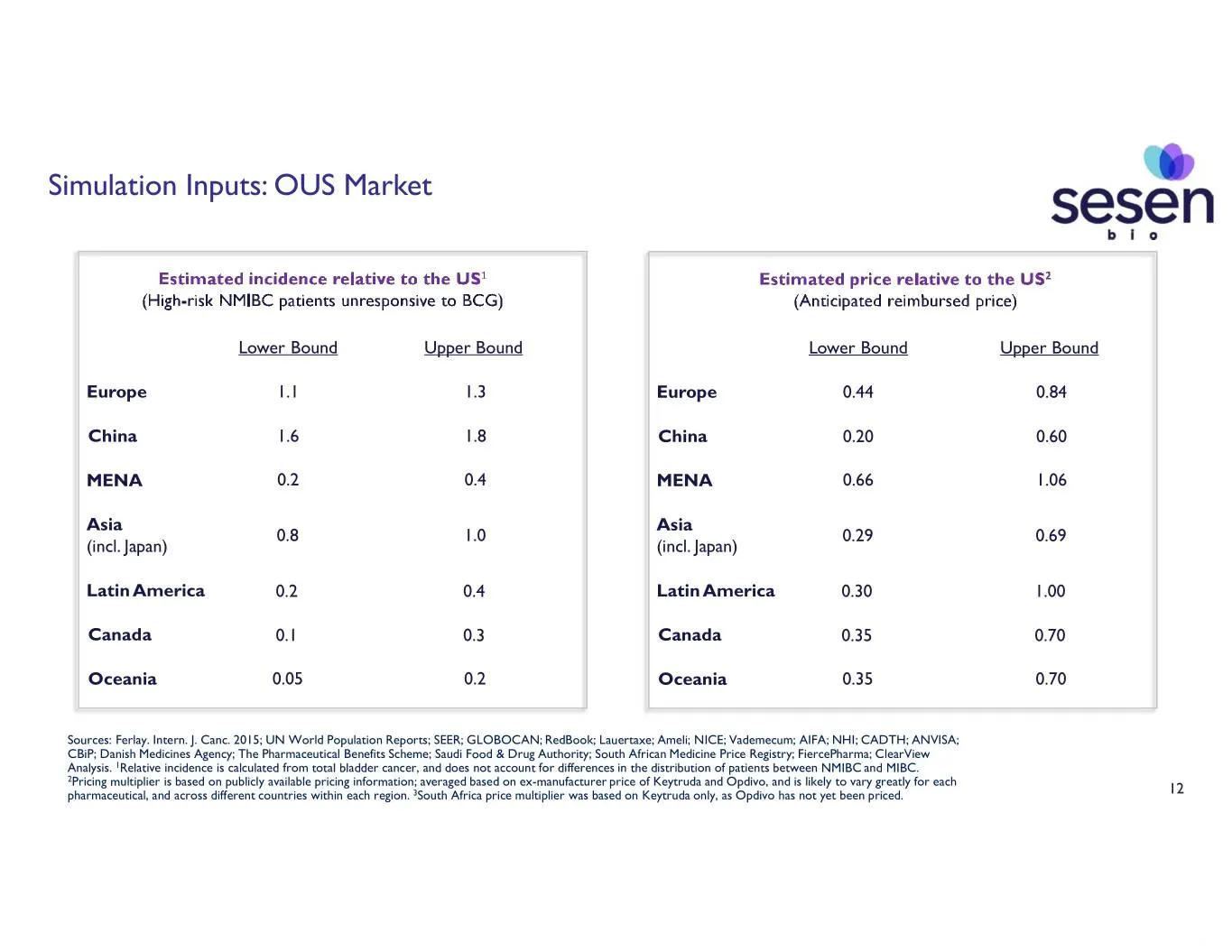
Slide 12: Simulation Inputs: OUS Market
Simulation Inputs: OUS Market Estimated incidence relative to the US1 Estimated price relative to the US2 (High-risk NMIBC patients unresponsive to BCG) (Anticipated reimbursed price) Lower Bound Upper Bound Lower Bound Upper Bound Europe 1.1 1.3 Europe 0.44 0.84 China 1.6 1.8 China 0.20 0.60 MENA 0
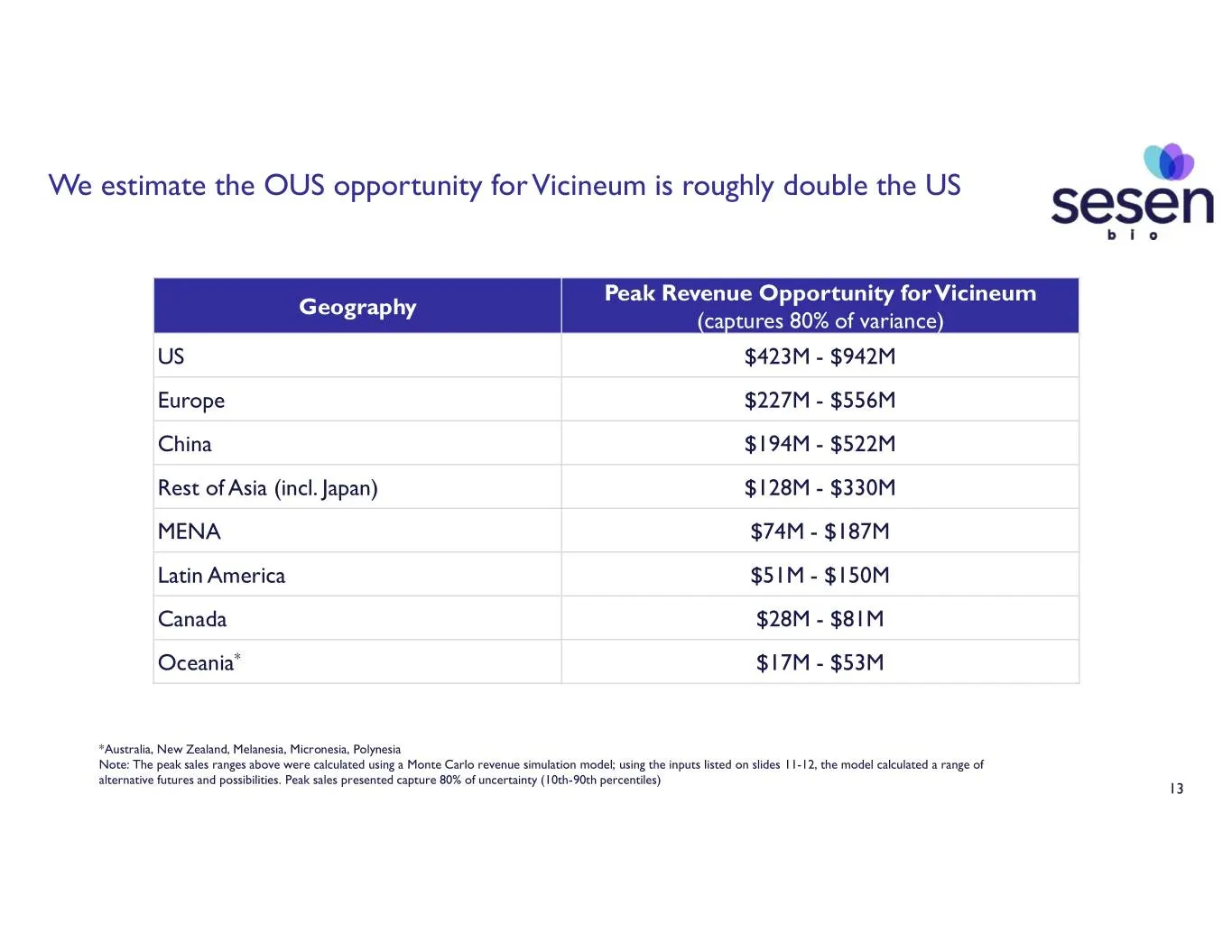
Slide 13: OUS Opportunity for Vicineum Roughly Double the US
We estimate the OUS opportunity for Vicineum is roughly double the US Peak Revenue Opportunity for Vicineum Geography (captures 80% of variance) US $423M - $942M Europe $227M - $556M China $194M - $522M Rest of Asia (incl. Japan) $128M - $330M MENA $74M - $187M Latin America $51M - $150M Canada $28M
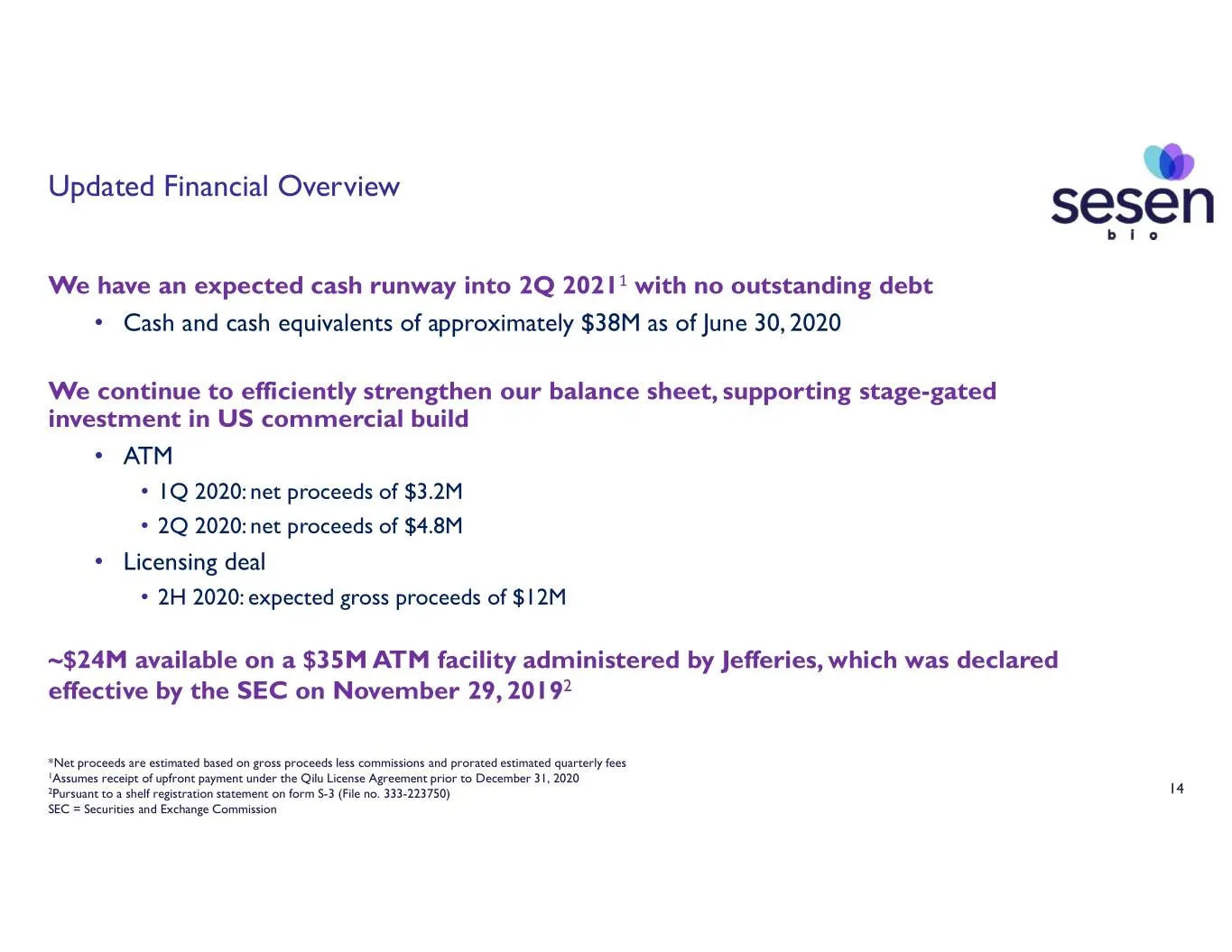
Slide 14: Updated Financial Overview
Updated Financial Overview We have an expected cash runway into 2Q 20211 with no outstanding debt • Cash and cash equivalents of approximately $38M as of June 30, 2020 We continue to efficiently strengthen our balance sheet, supporting stage-gated investment in US commercial build • ATM • 1Q 2020: n
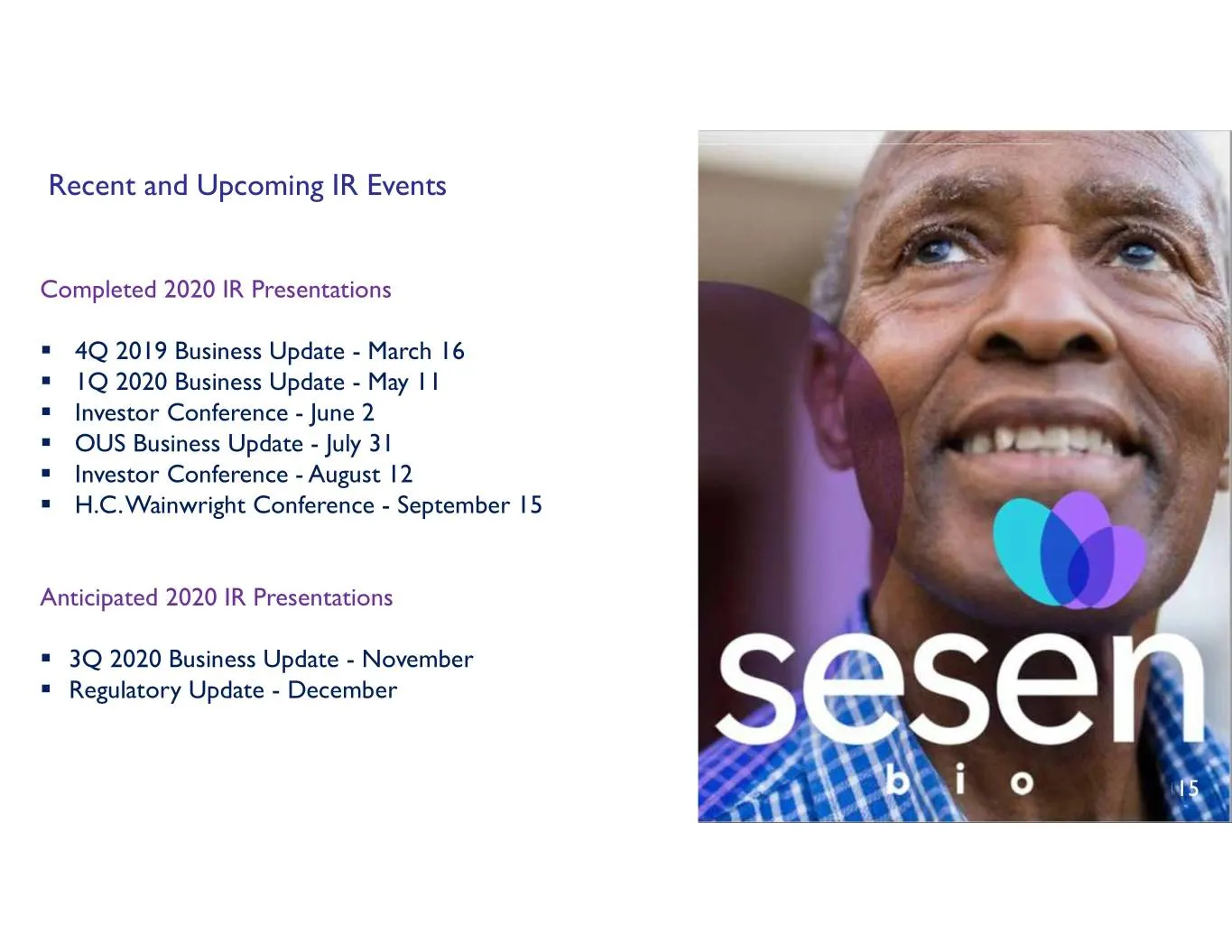
Slide 15: Recent and Upcoming IR Events
Recent and Upcoming IR Events Completed 2020 IR Presentations 4Q 2019 Business Update - March 16 1Q 2020 Business Update - May 11 Investor Conference - June 2 OUS Business Update - July 31 Investor Conference - August 12 H.C. Wainwright Conference - September 15 Anticipated 2020 IR Presentations 3Q
Slide 16: Thank You
THANK YOU
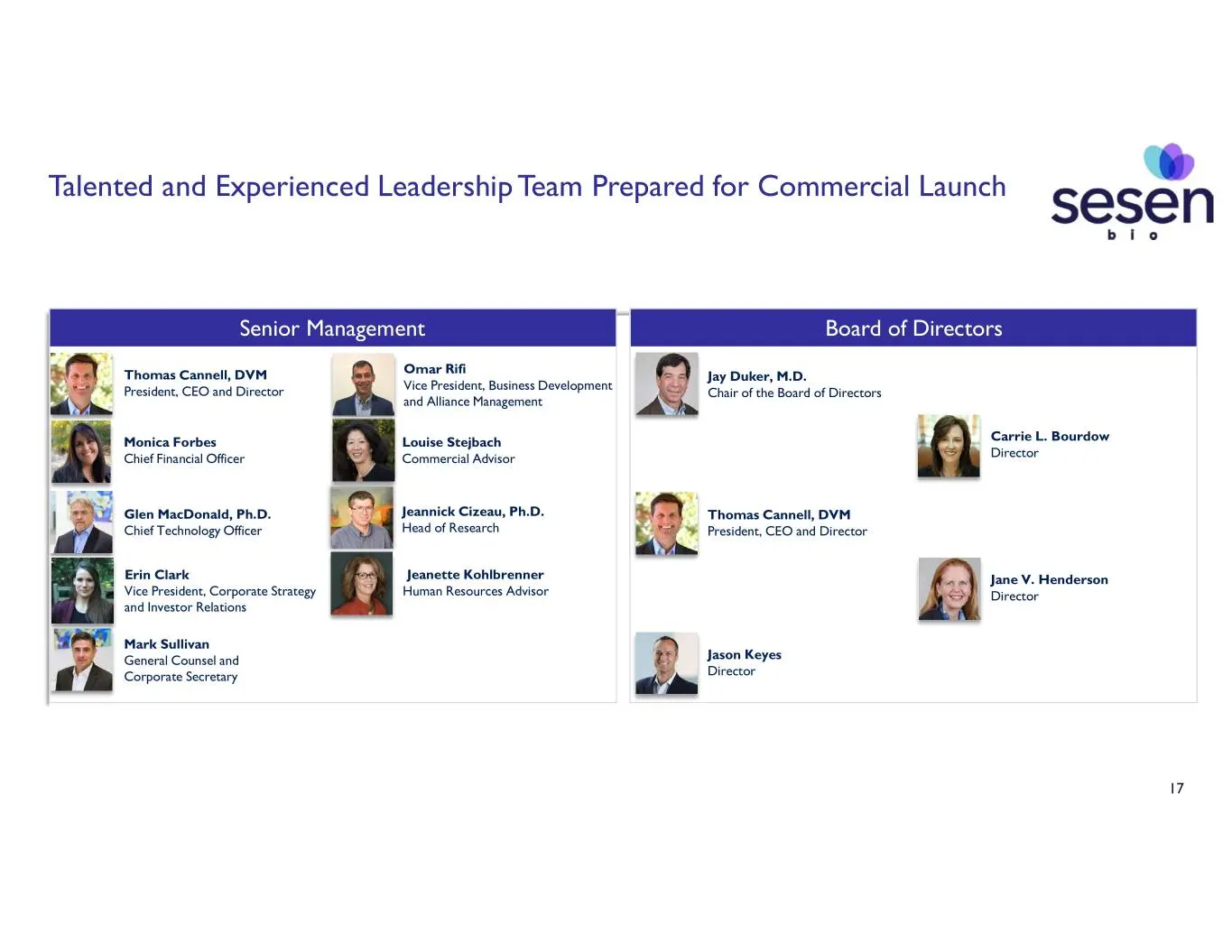
Slide 17: Talented and Experienced Leadership Team Prepared for Commercial Launch
Talented and Experienced Leadership Team Prepared for Commercial Launch Senior Management Board of Directors Omar Rifi Thomas Cannell, DVM Jay Duker, M.D. Vice President, Business Development President, CEO and Director Chair of the Board of Directors and Alliance Management Monica Forbes Louise Ste
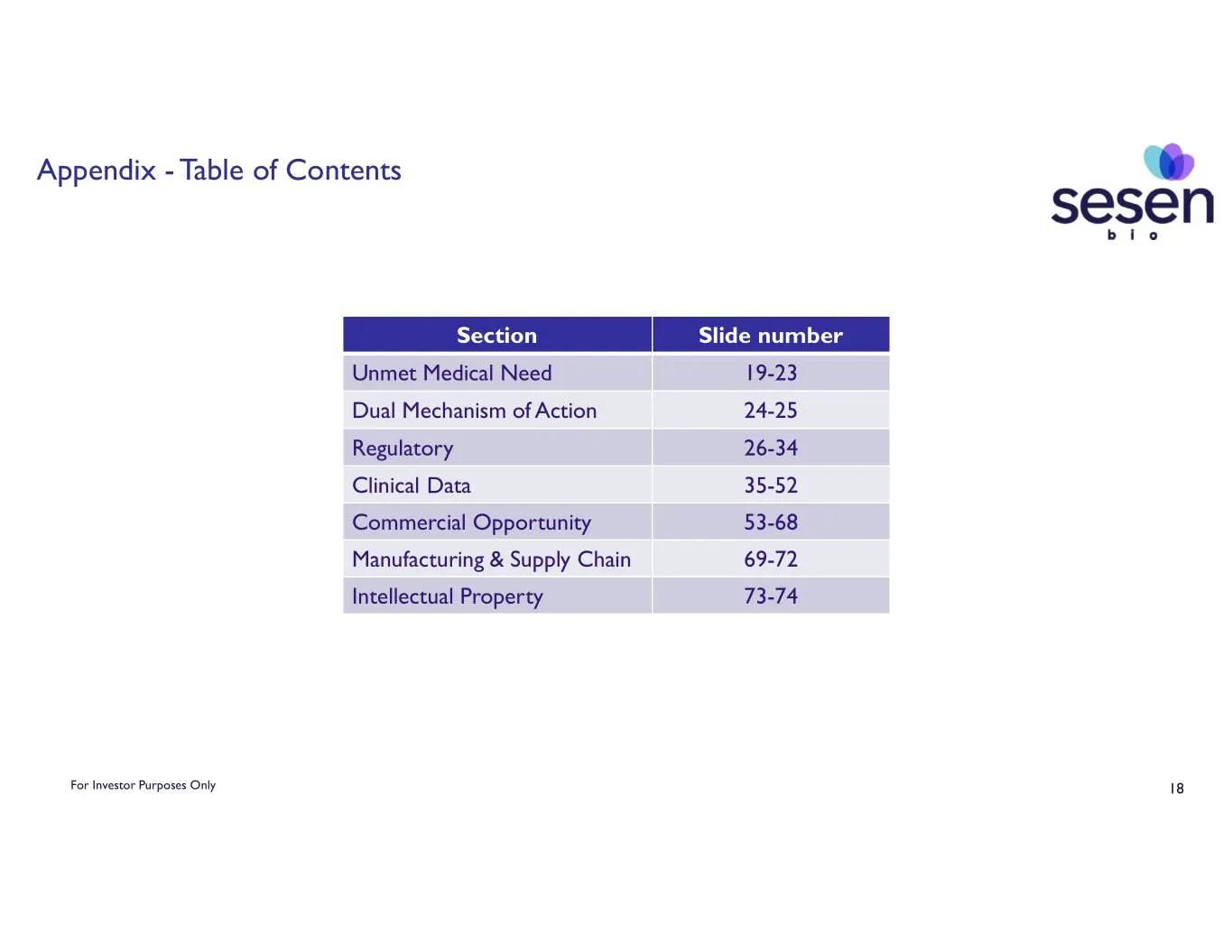
Slide 18: Appendix - Table of Contents
Appendix - Table of Contents Section Slide number Unmet Medical Need 19-23 Dual Mechanism of Action 24-25 Regulatory 26-34 Clinical Data 35-52 Commercial Opportunity 53-68 Manufacturing & Supply Chain 69-72 Intellectual Property 73-74 For Investor Purposes Only 18
Slide 19: Appendix: Unmet Medical Need
Appendix Unmet Medical Need 19
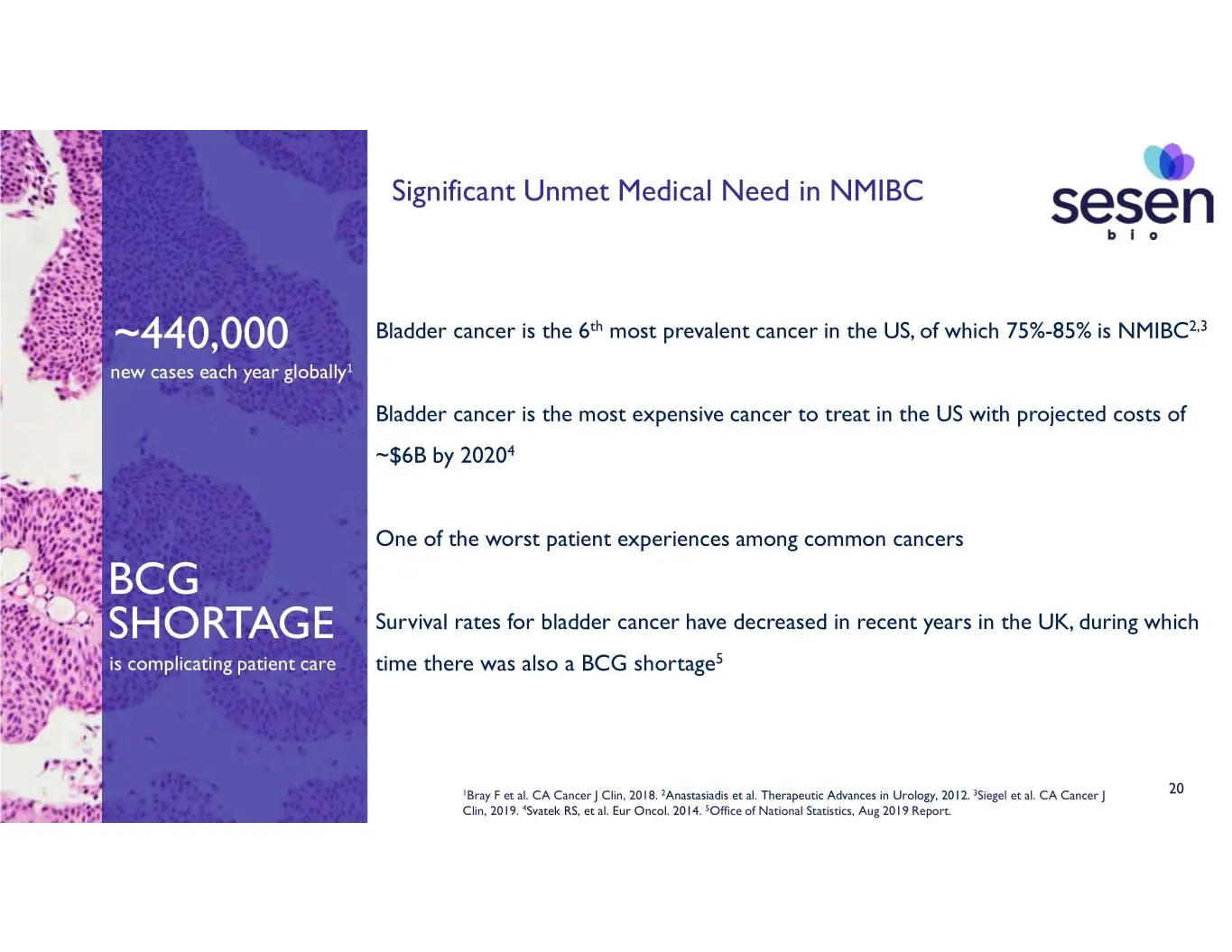
Slide 20: Significant Unmet Medical Need in NMIBC
Significant Unmet Medical Need in NMIBC ~440,000 Bladder cancer is the 6th most prevalent cancer in the US, of which 75%-85% is NMIBC2,3 new cases each year globally1 Bladder cancer is the most expensive cancer to treat in the US with projected costs of ~$6B by 20204 One of the worst patient experie
Slide 21: Significant Unmet Need in China
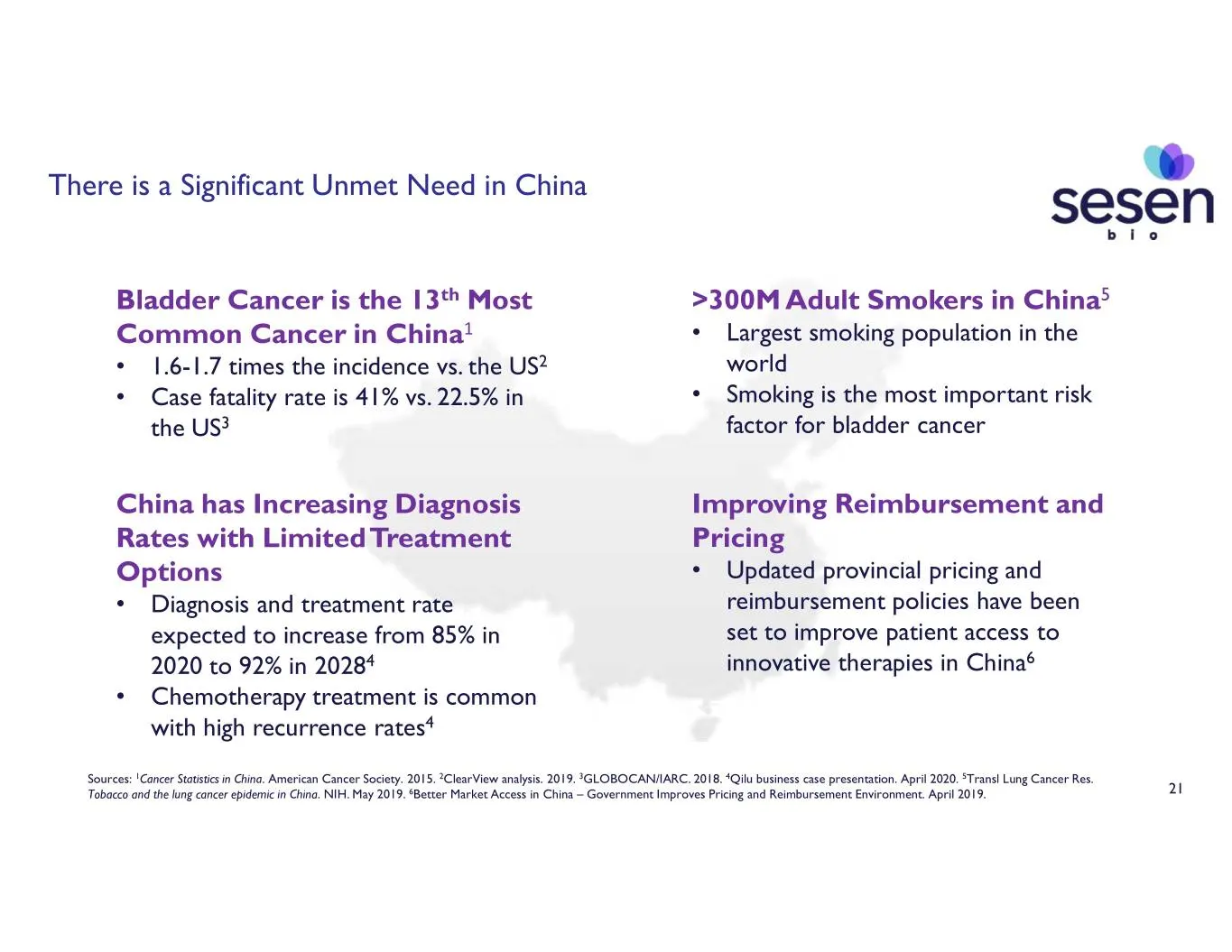
There is a Significant Unmet Need in China Bladder Cancer is the 13th Most >300M Adult Smokers in China5 Common Cancer in China1 • Largest smoking population in the • 1.6-1.7 times the incidence vs. the US2 world • Case fatality rate is 41% vs. 22.5% in • Smoking is the most important risk the US3 f
Slide 22: Vicineum is Cystectomy-Sparing
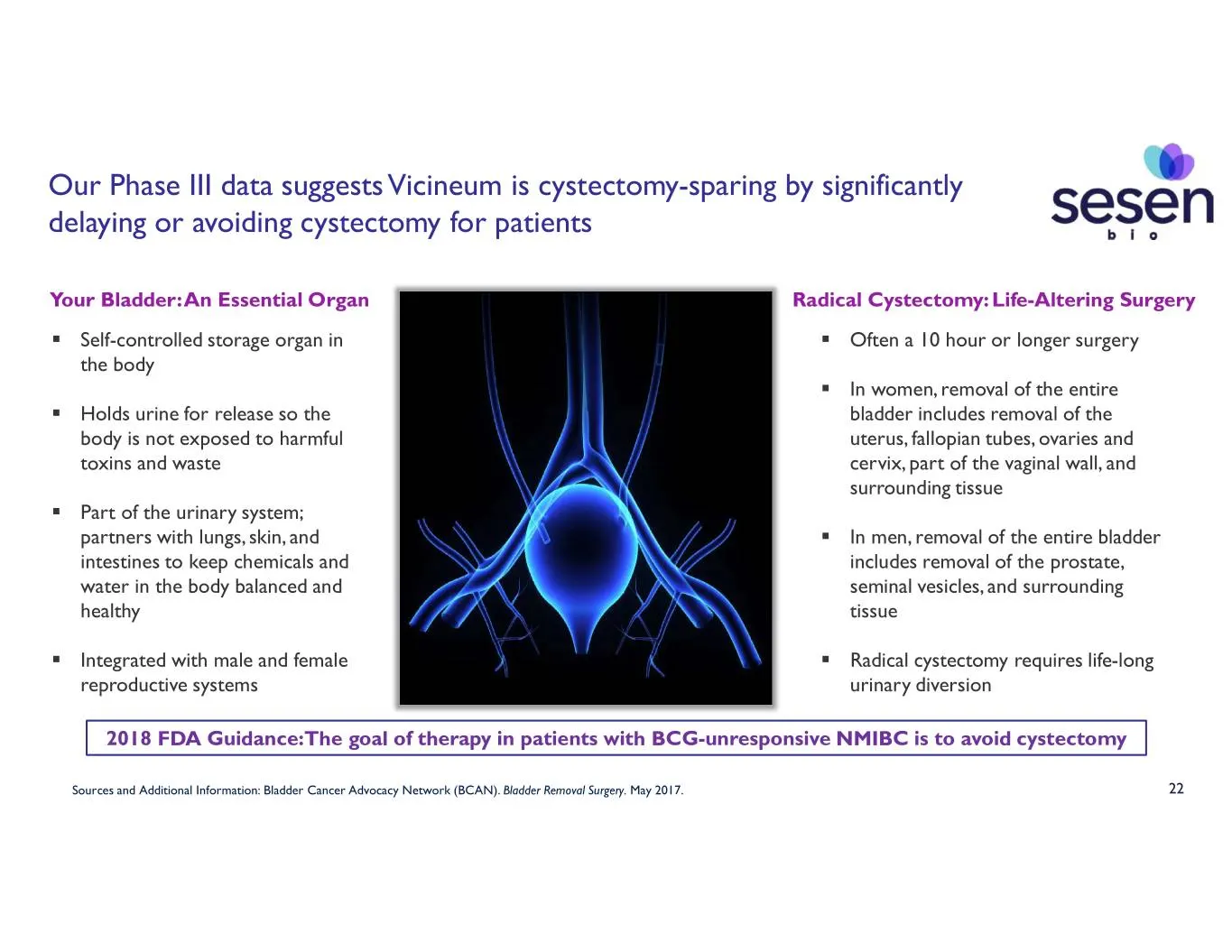
Our Phase III data suggests Vicineum is cystectomy-sparing by significantly delaying or avoiding cystectomy for patients Your Bladder: An Essential Organ Radical Cystectomy: Life-Altering Surgery Self-controlled storage organ in Often a 10 hour or longer surgery the body In women, removal of the ent
Slide 23: Latest Global BCG Shortage Expected to Last Through 2020
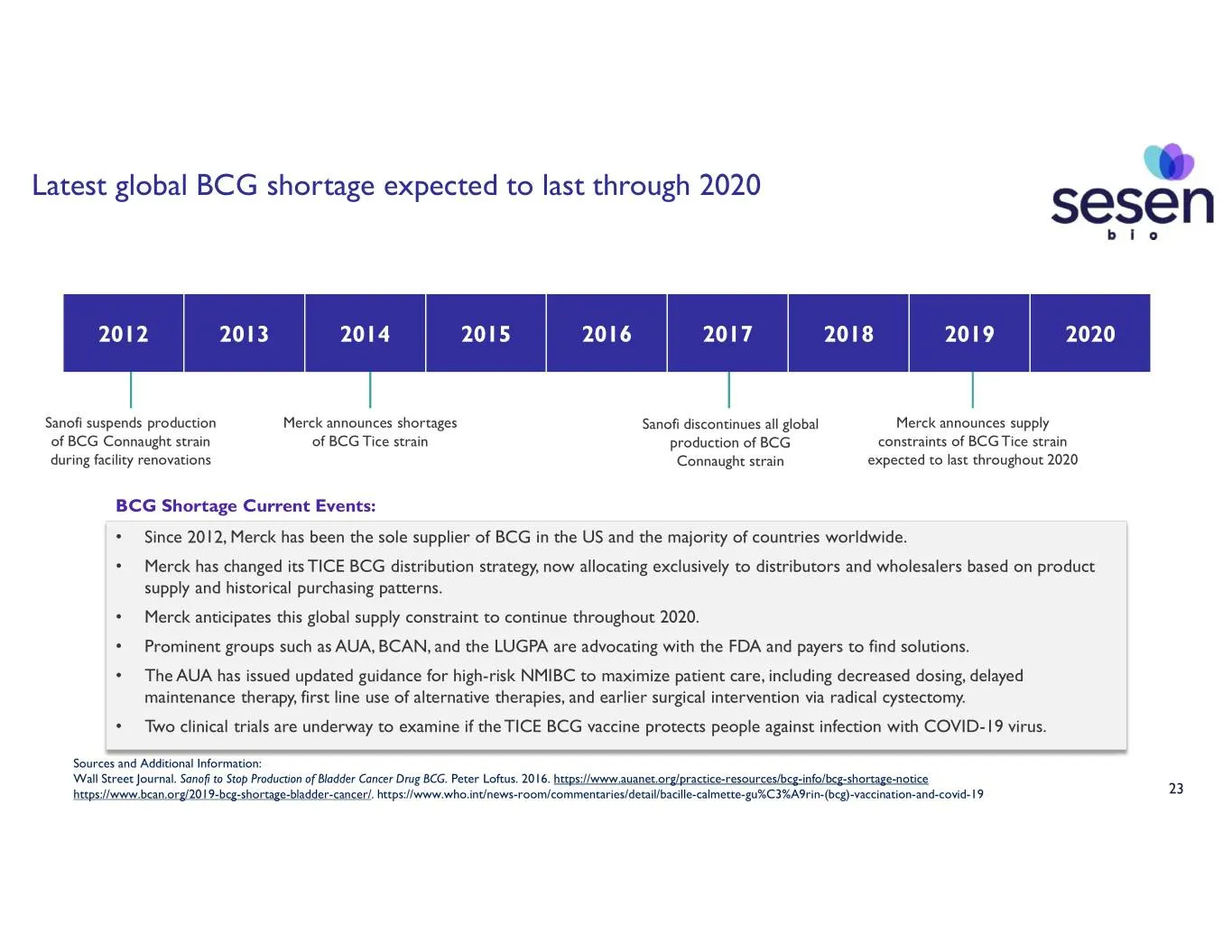
Latest global BCG shortage expected to last through 2020 2012 2013 2014 2015 2016 2017 2018 2019 2020 Sanofi suspends production Merck announces shortages Sanofi discontinues all global Merck announces supply of BCG Connaught strain of BCG Tice strain production of BCG constraints of BCG Tice strain
Slide 24: Appendix: Dual Mechanism of Action
Appendix Dual Mechanism of Action 24
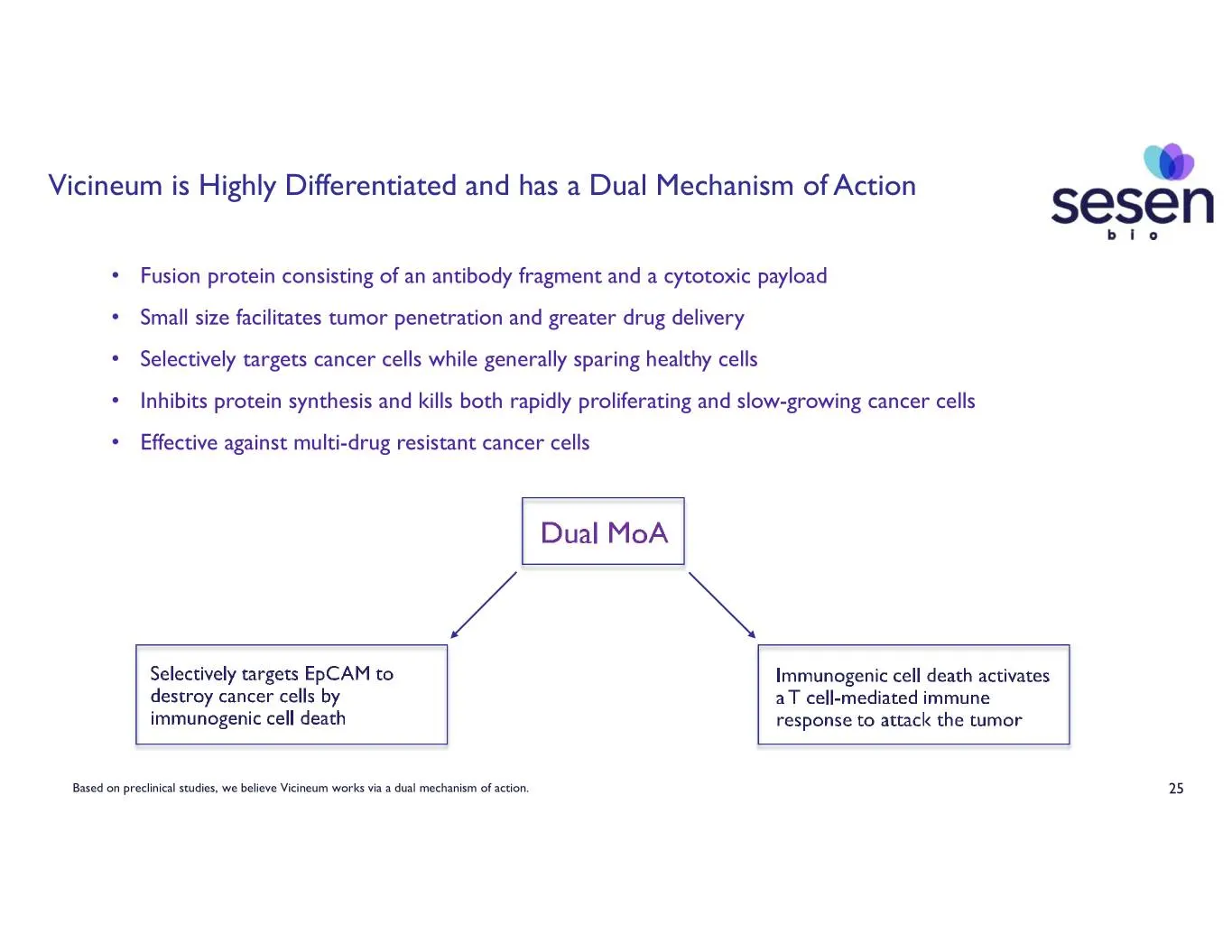
Slide 25: Vicineum Dual Mechanism of Action
Vicineum is Highly Differentiated and has a Dual Mechanism of Action • Fusion protein consisting of an antibody fragment and a cytotoxic payload • Small size facilitates tumor penetration and greater drug delivery • Selectively targets cancer cells while generally sparing healthy cells • Inhibits pr
Slide 26: Appendix: Regulatory
Appendix Regulatory 26
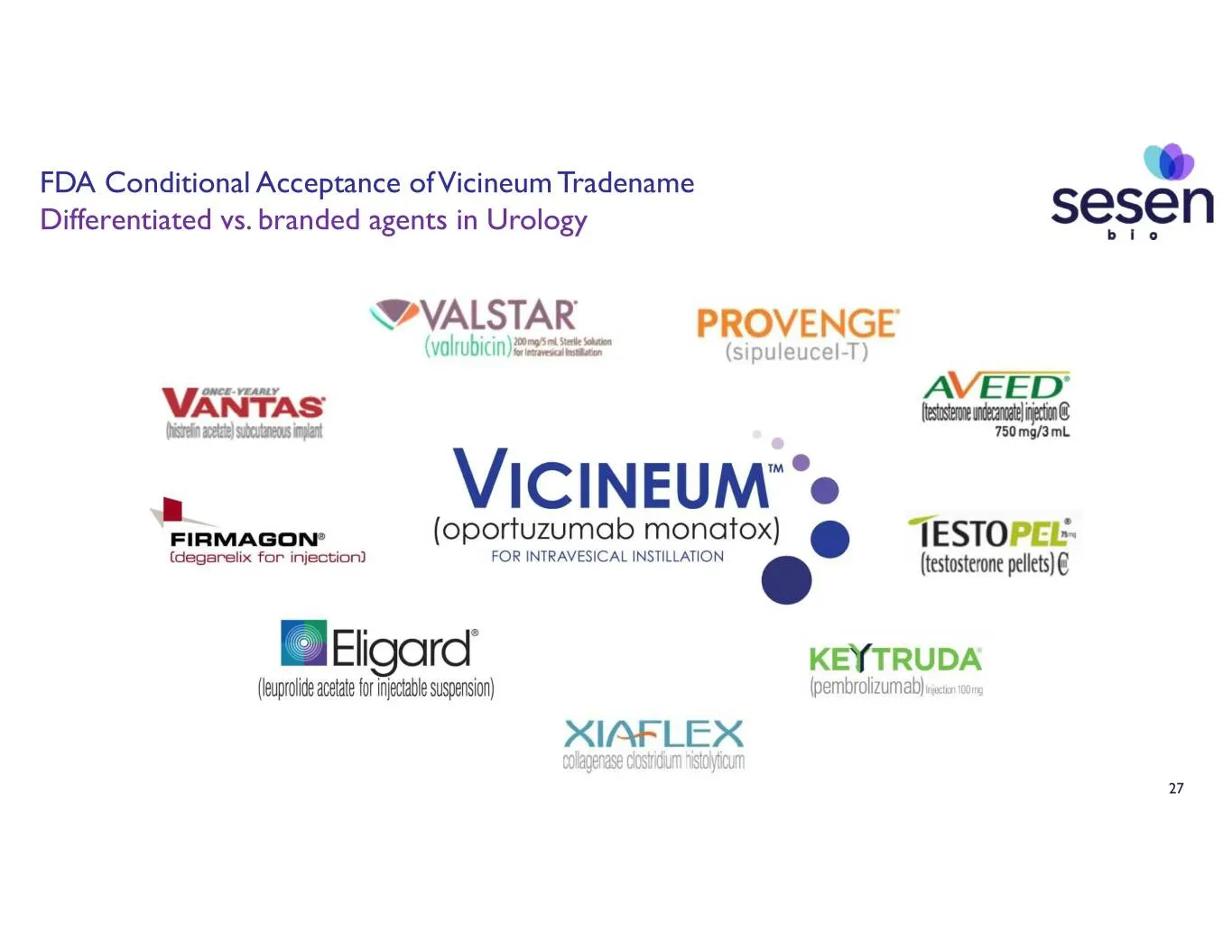
Slide 27: FDA Conditional Acceptance of Vicineum Tradename
FDA Conditional Acceptance of Vicineum Tradename Differentiated vs. branded agents in Urology TM 27
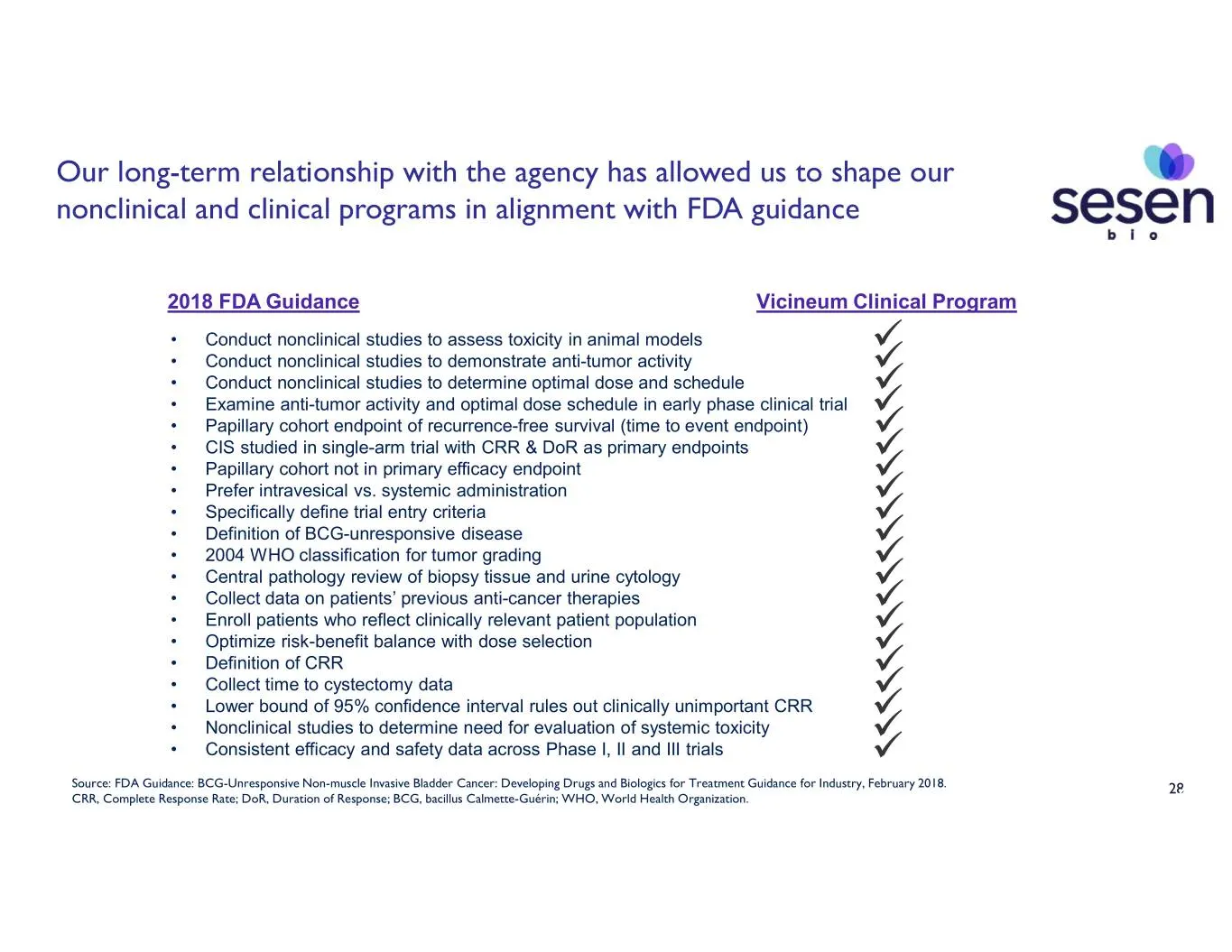
Slide 28: Long-term Relationship with FDA Shaped Our Programs
Our long-term relationship with the agency has allowed us to shape our nonclinical and clinical programs in alignment with FDA guidance 2018 FDA Guidance Vicineum Clinical Program • Conduct nonclinical studies to assess toxicity in animal models • Conduct nonclinical studies to demonstrate anti-tumo
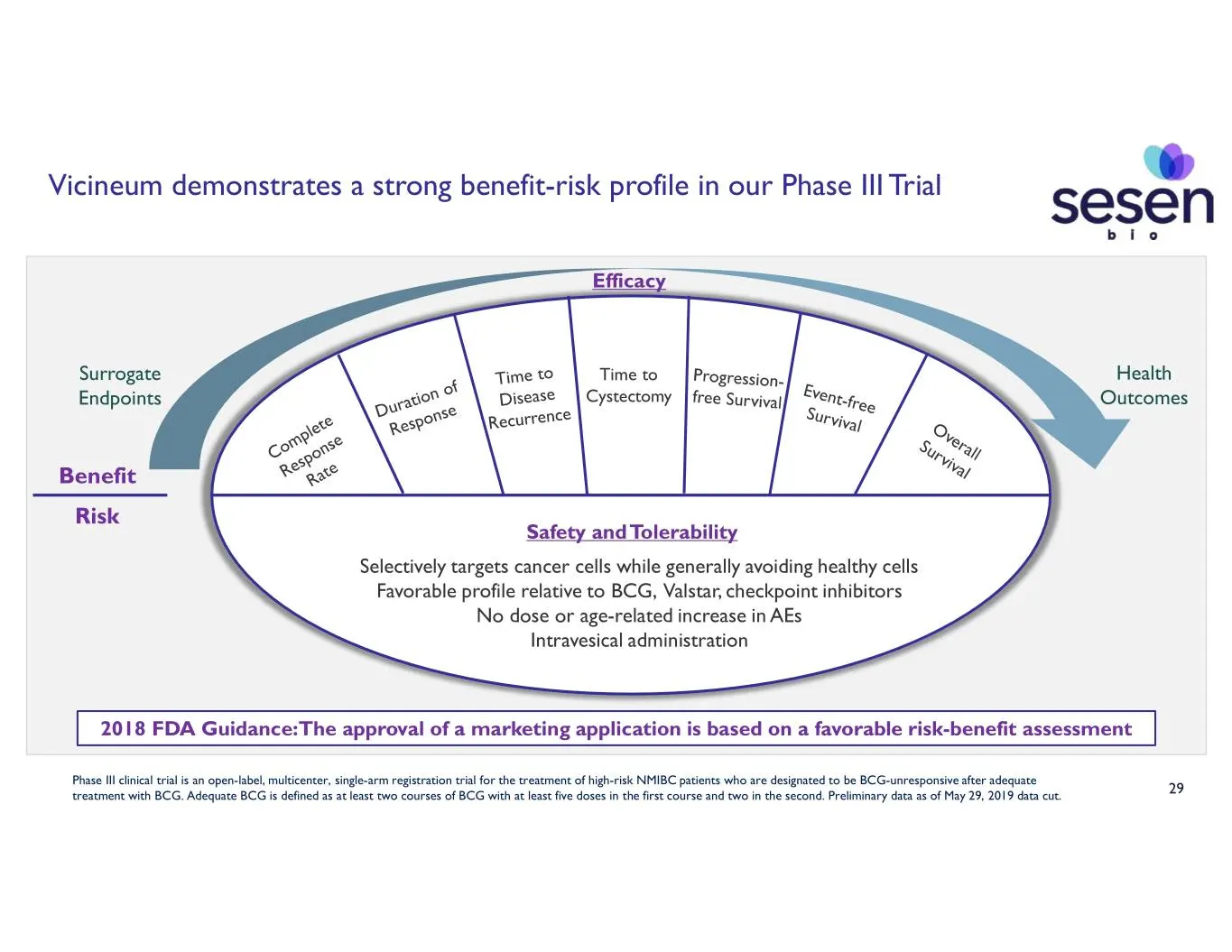
Slide 29: Strong Benefit-Risk Profile in Phase III Trial
Vicineum demonstrates a strong benefit-risk profile in our Phase III Trial Efficacy Surrogate Time to Health Endpoints Cystectomy Outcomes Benefit Risk : Safety and Tolerability Selectively targets cancer cells while generally avoiding healthy cells Favorable profile relative to BCG, Valstar, checkp
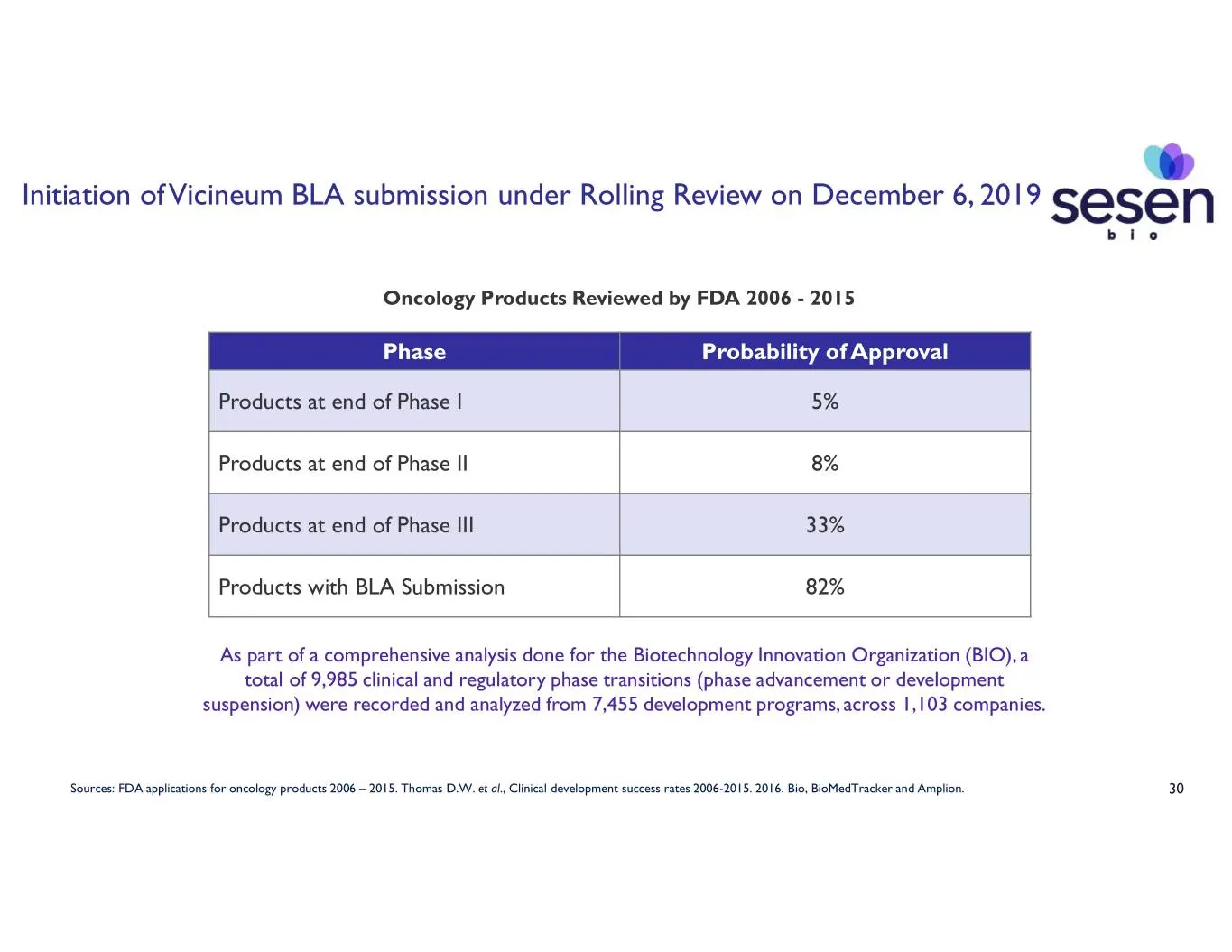
Slide 30: Initiation of Vicineum BLA Submission Under Rolling Review
Initiation of Vicineum BLA submission under Rolling Review on December 6, 2019 Oncology Products Reviewed by FDA 2006 - 2015 Phase Probability of Approval Products at end of Phase I 5% Products at end of Phase II 8% Products at end of Phase III 33% Products with BLA Submission 82% As part of a compr
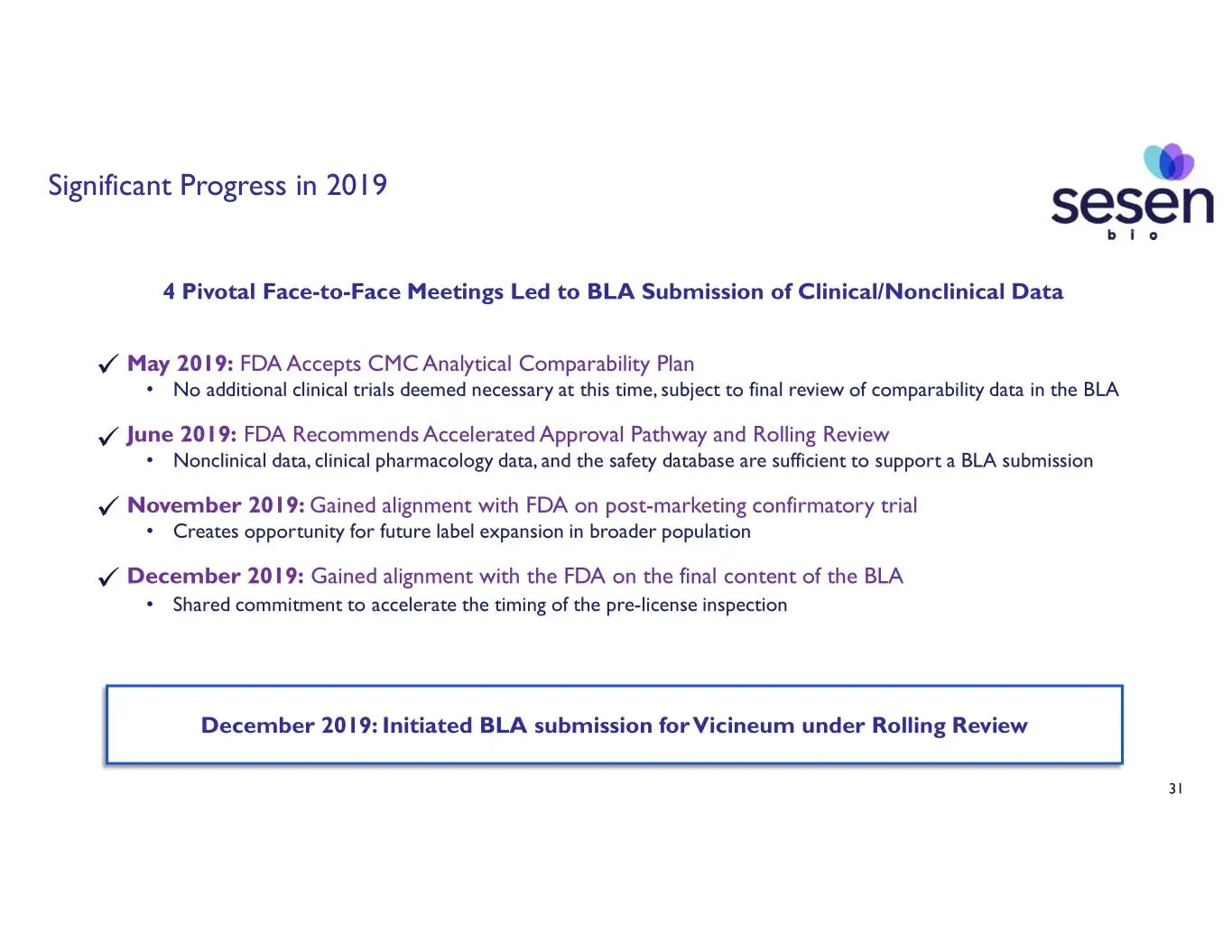
Slide 31: Significant Progress in 2019
Significant Progress in 2019 4 Pivotal Face-to-Face Meetings Led to BLA Submission of Clinical/Nonclinical Data May 2019: FDA Accepts CMC Analytical Comparability Plan • No additional clinical trials deemed necessary at this time, subject to final review of comparability data in the BLA June 2019: F
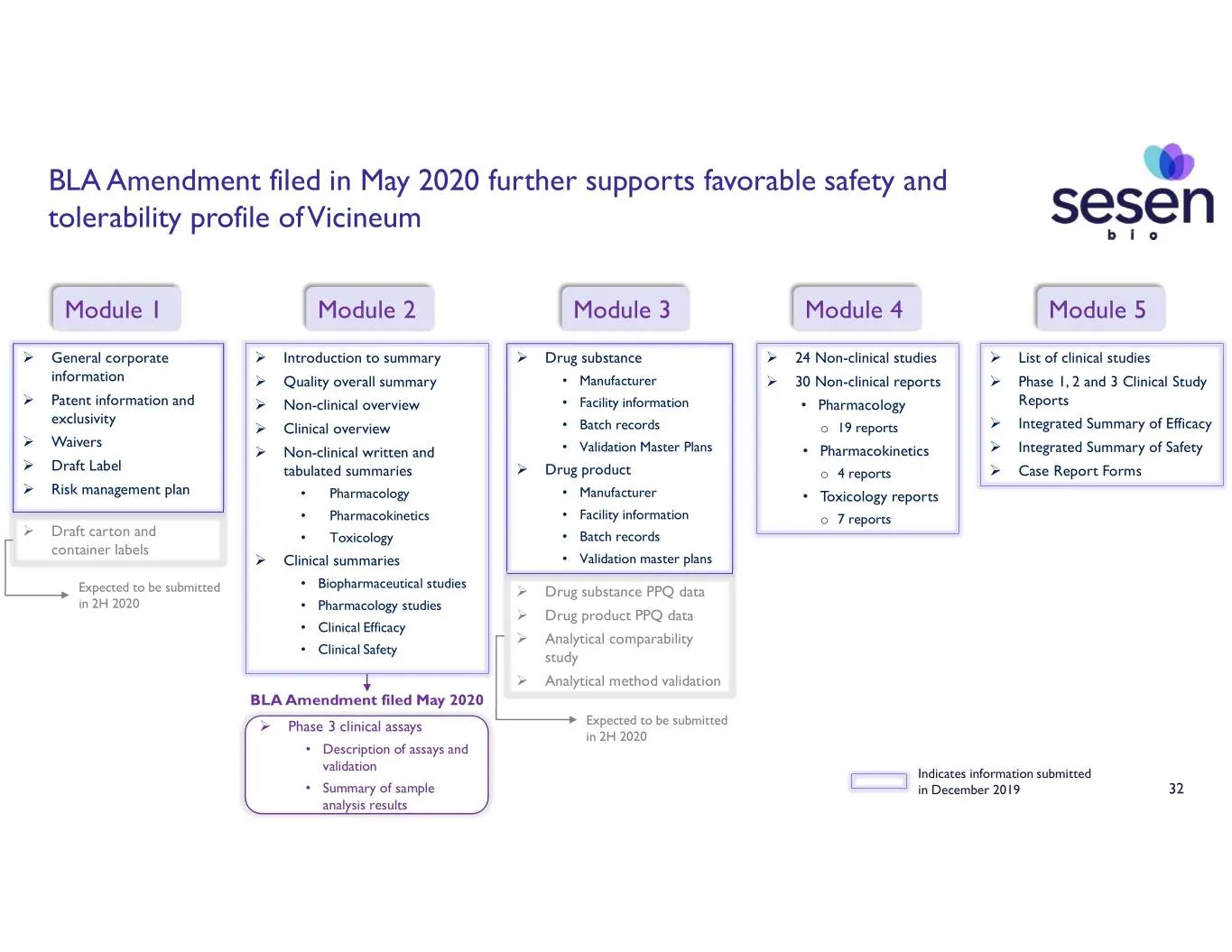
Slide 32: BLA Amendment Filed in May 2020
BLA Amendment filed in May 2020 further supports favorable safety and tolerability profile of Vicineum Module 1 Module 2 Module 3 Module 4 Module 5 General corporate Introduction to summary Drug substance 24 Non-clinical studies List of clinical studies information Quality overall summary • Manufact
Slide 33: November 2019 Type C FDA Meeting
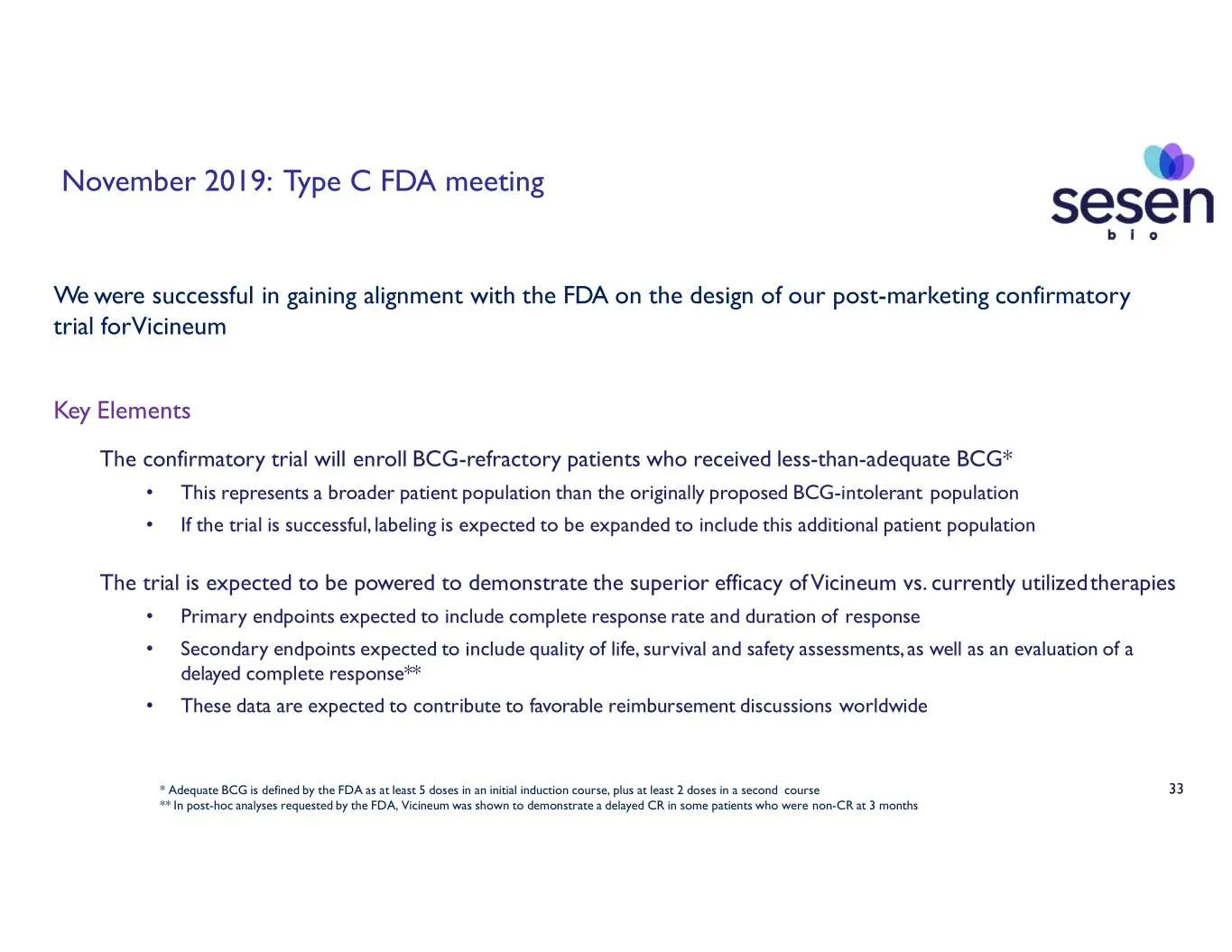
November 2019: Type C FDA meeting We were successful in gaining alignment with the FDA on the design of our post-marketing confirmatory trial forVicineum Key Elements The confirmatory trial will enroll BCG-refractory patients who received less-than-adequate BCG* • This represents a broader patient p
Slide 34: Positive Interactions with EMA on Regulatory Pathway
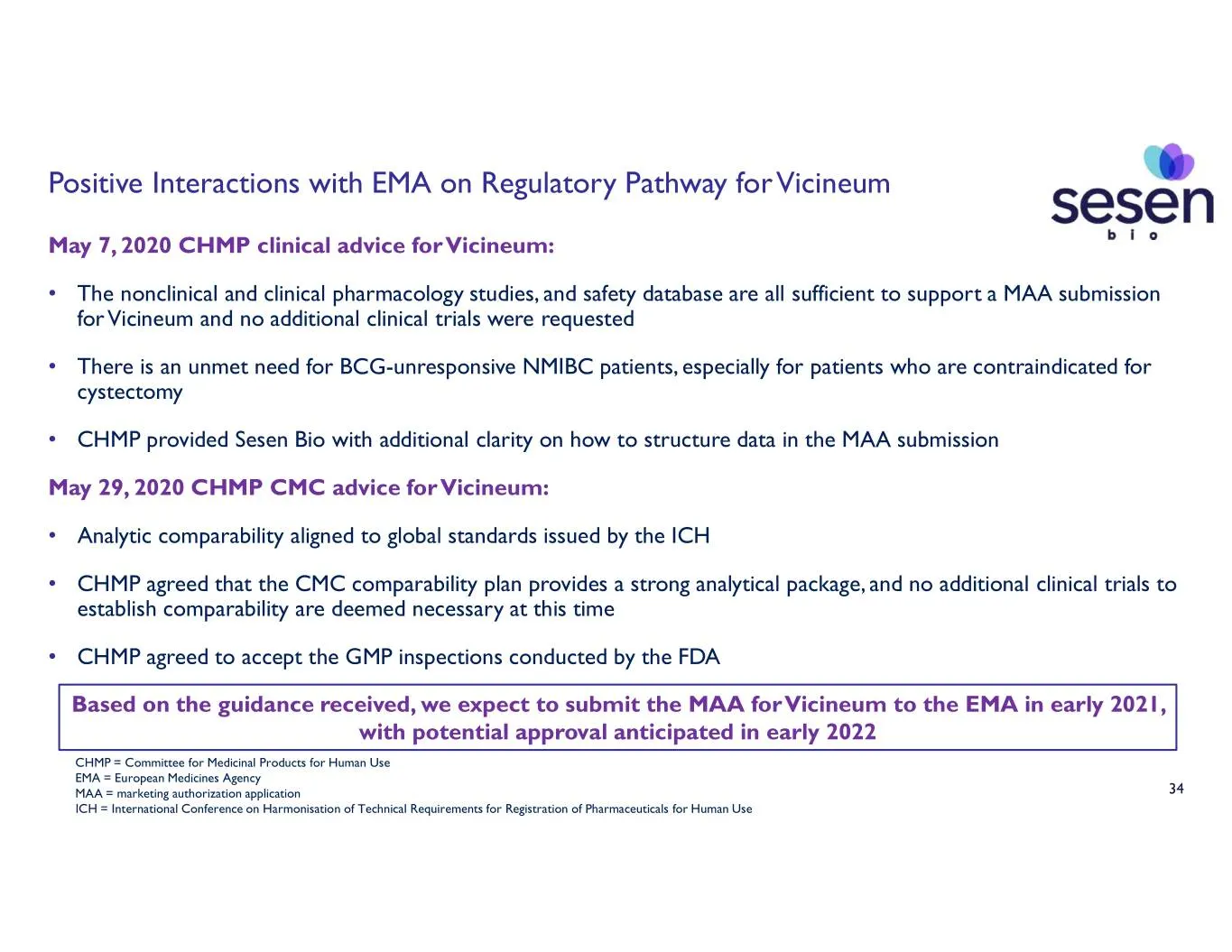
Positive Interactions with EMA on Regulatory Pathway for Vicineum May 7, 2020 CHMP clinical advice for Vicineum: • The nonclinical and clinical pharmacology studies, and safety database are all sufficient to support a MAA submission for Vicineum and no additional clinical trials were requested • The
Slide 35: Appendix: Clinical Data
Appendix Clinical Data 35
Slide 36: Phase III Trial: Patient Demographics
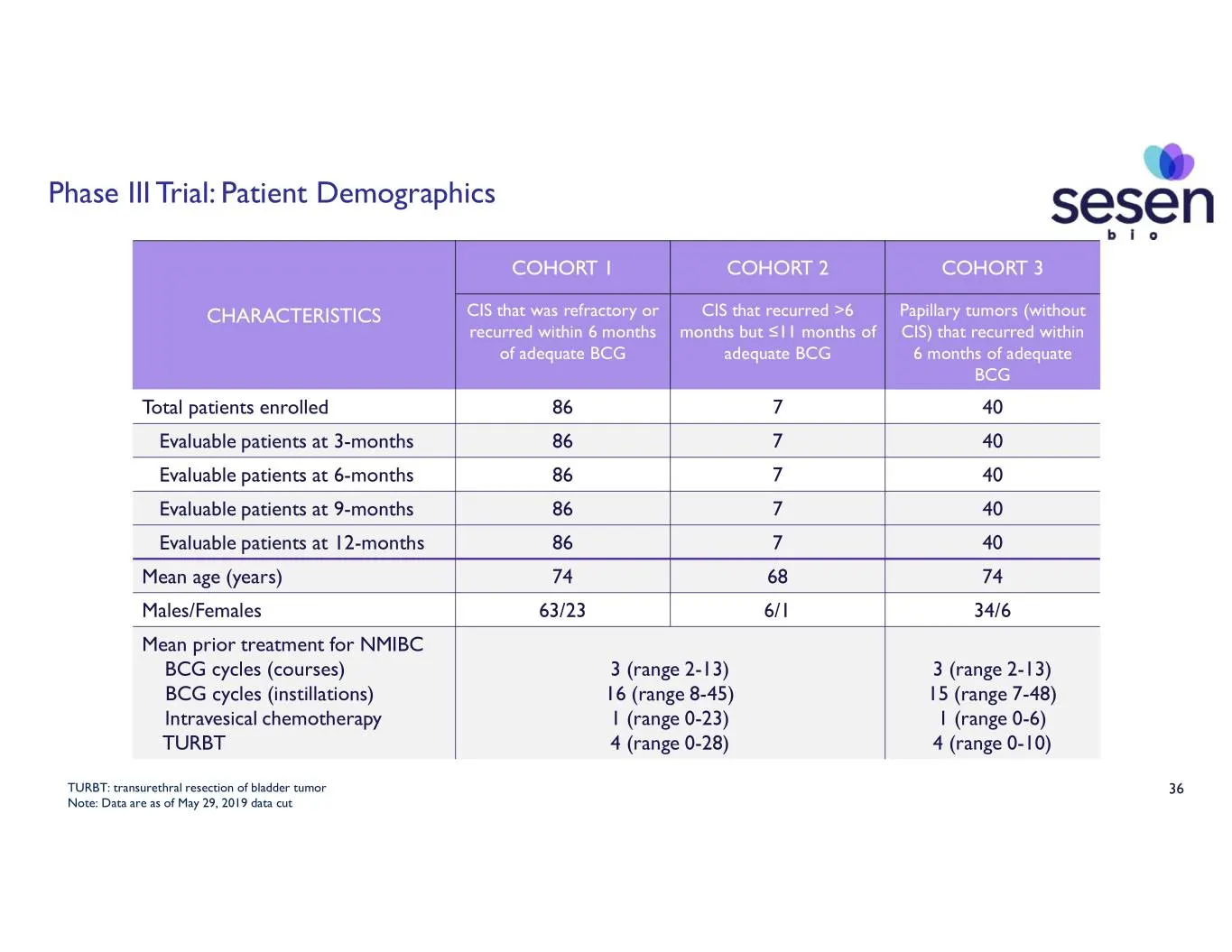
Phase III Trial: Patient Demographics COHORT 1 COHORT 2 COHORT 3 CHARACTERISTICS CIS that was refractory or CIS that recurred >6 Papillary tumors (without recurred within 6 months CIS) that recurred within of adequate BCG adequate BCG 6 months of adequate BCG Total patients enrolled 86 7 40 Evaluabl
Slide 37: Compelling Clinical Data Set
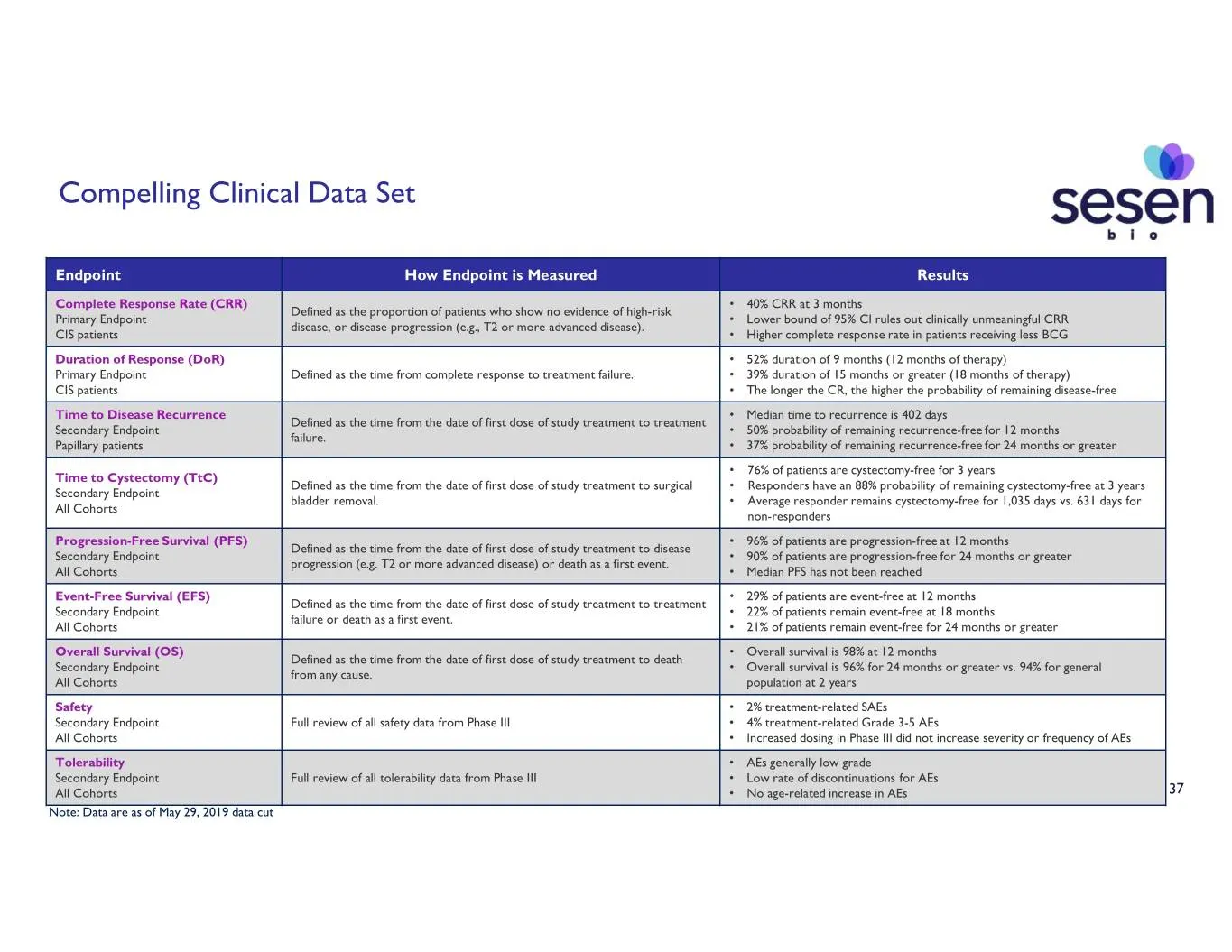
Compelling Clinical Data Set Endpoint How Endpoint is Measured Results Complete Response Rate (CRR) • 40% CRR at 3 months Defined as the proportion of patients who show no evidence of high-risk Primary Endpoint • Lower bound of 95% CI rules out clinically unmeaningful CRR disease, or disease progres
Slide 38: Additional Vicineum Clinical Data
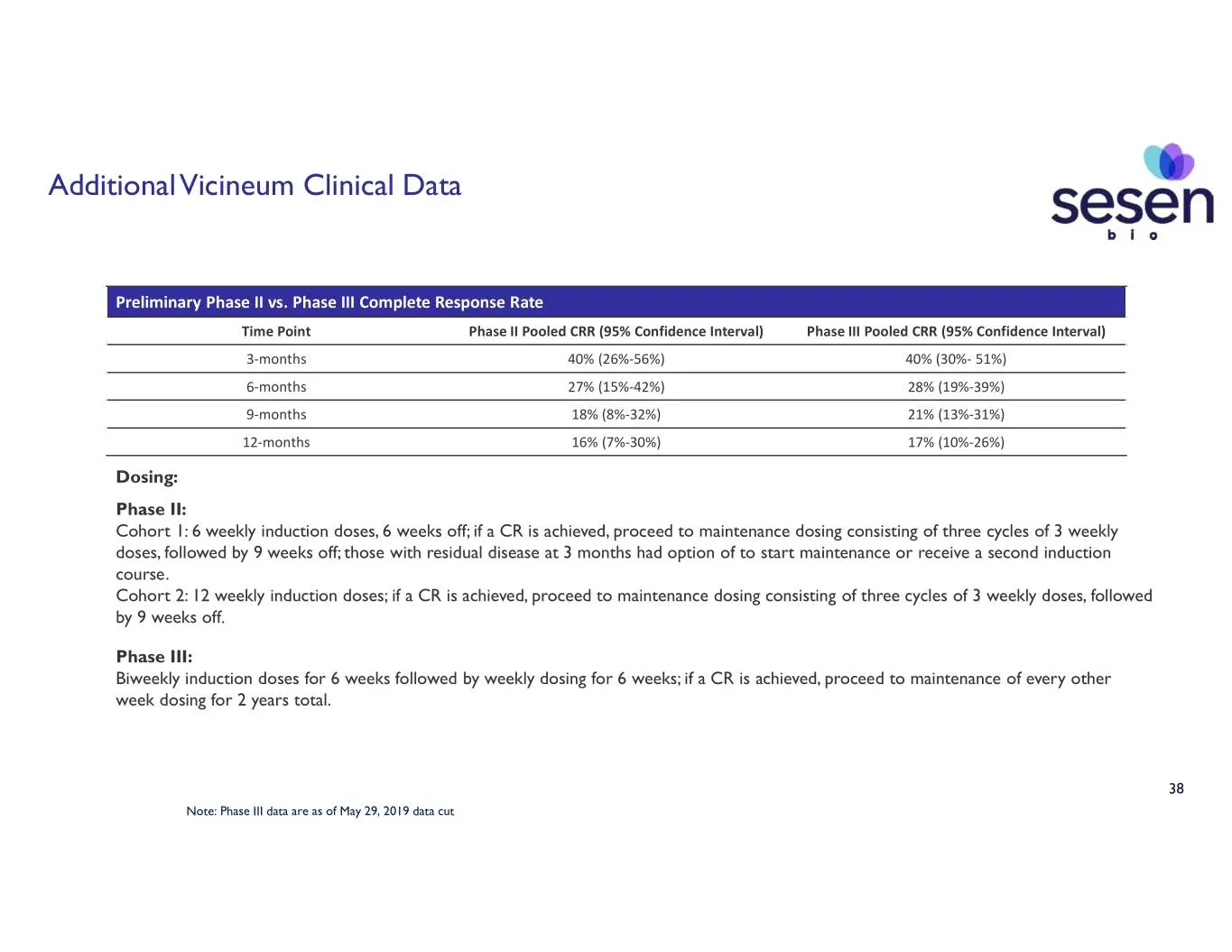
Additional Vicineum Clinical Data Preliminary Phase II vs. Phase III Complete Response Rate Time Point Phase II Pooled CRR (95% Confidence Interval) Phase III Pooled CRR (95% Confidence Interval) 3-months 40% (26%-56%) 40% (30%-51%) 6-months 27% (15%-42%) 28% (19%-39%) 9-months 18% (8%-32%) 21% (13%
Slide 39: Phase III Evaluable Patient Data Tables by Cohort
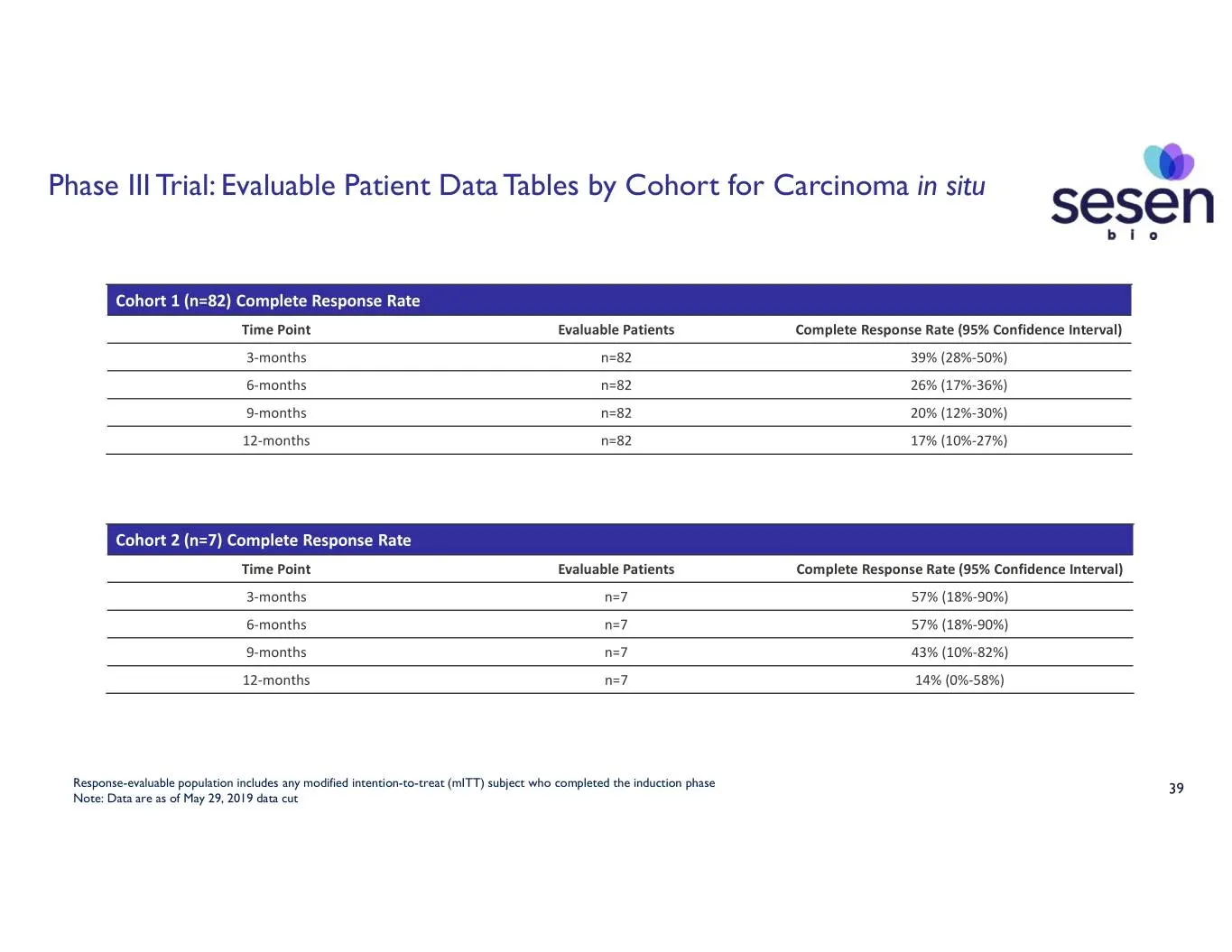
Phase III Trial: Evaluable Patient Data Tables by Cohort for Carcinoma in situ Cohort 1 (n=82) Complete Response Rate Time Point Evaluable Patients Complete Response Rate (95% Confidence Interval) 3-months n=82 39% (28%-50%) 6-months n=82 26% (17%-36%) 9-months n=82 20% (12%-30%) 12-months n=82 17%
Slide 40: Complete and Partial Response
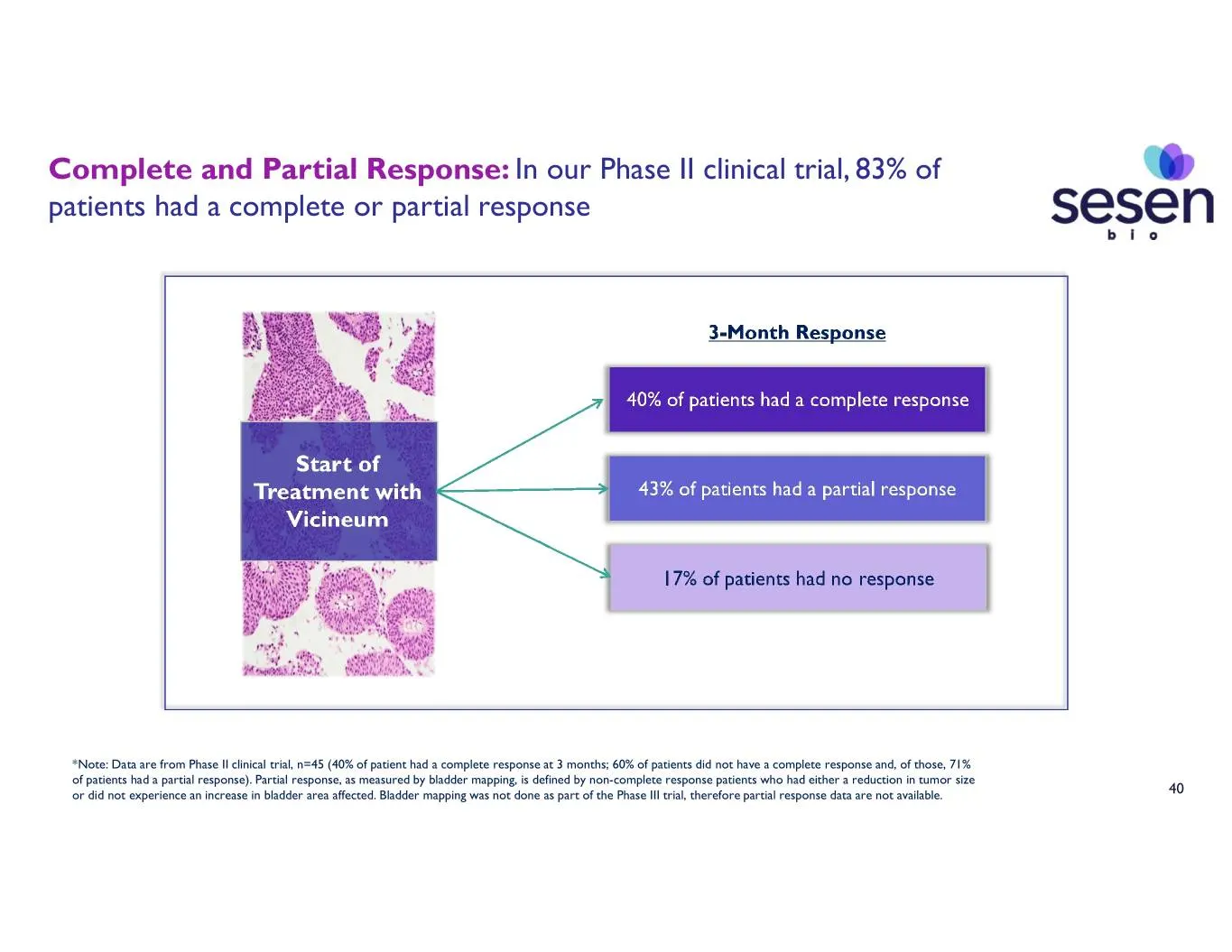
Complete and Partial Response: In our Phase II clinical trial, 83% of patients had a complete or partial response 3-Month Response 40% of patients had a complete response Start of Treatment with 43% of patients had a partial response Vicineum 17% of patients had no response *Note: Data are from Phas
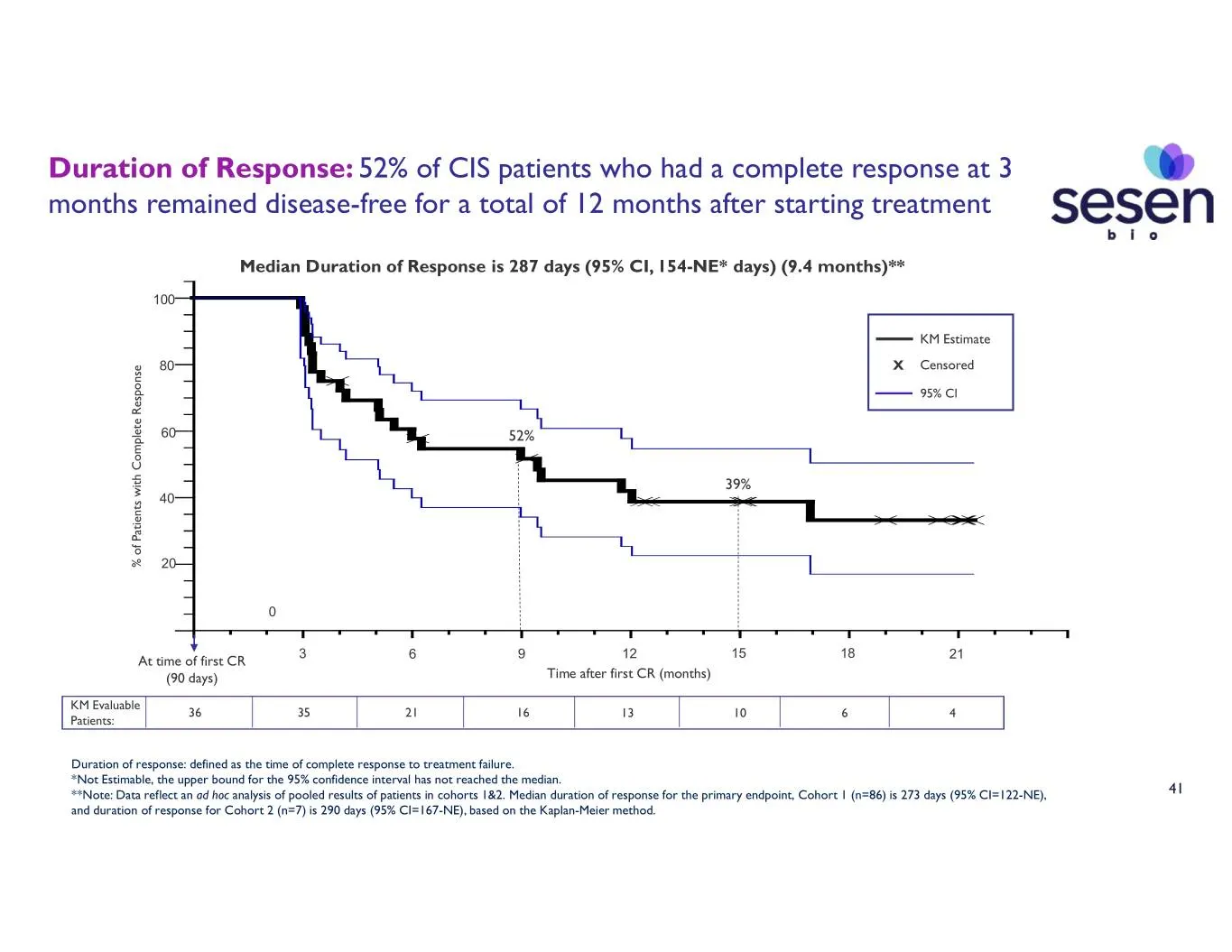
Slide 41: Duration of Response
Duration of Response: 52% of CIS patients who had a complete response at 3 months remained disease-free for a total of 12 months after starting treatment Median Duration of Response is 287 days (95% CI, 154-NE* days) (9.4 months)** 100 KM Estimate 80 X Censored 95% CI 60 52% 39% 40 % of Patients Pat
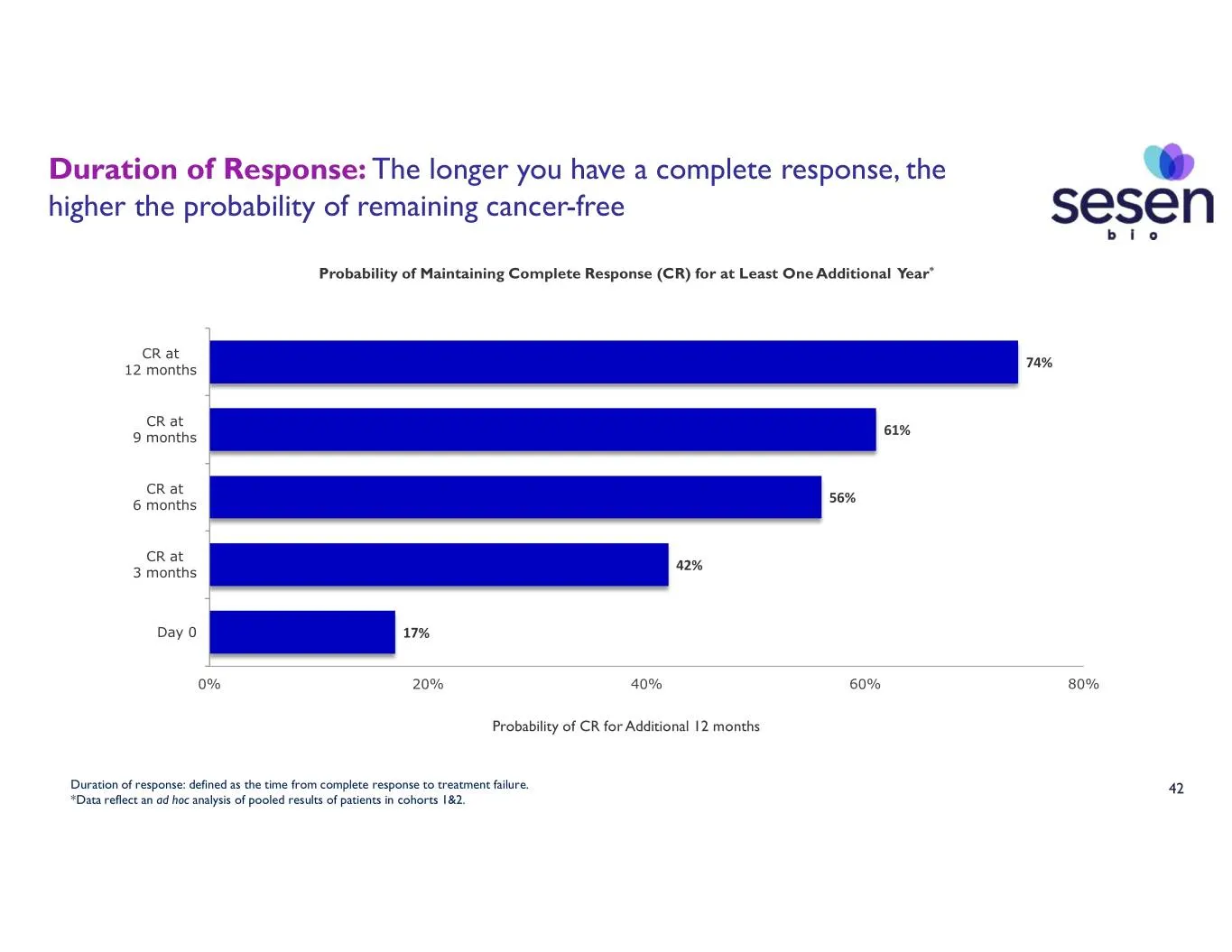
Slide 42: Duration of Response: Probability of Remaining Cancer-Free
Duration of Response: The longer you have a complete response, the higher the probability of remaining cancer-free Probability of Maintaining Complete Response (CR) for at Least One Additional Year* CR at 12 months 74% CR at 9 months 61% CR at 6 months 56% CR at 3 months 42% Day 0 17% 0% 20% 40% 60%
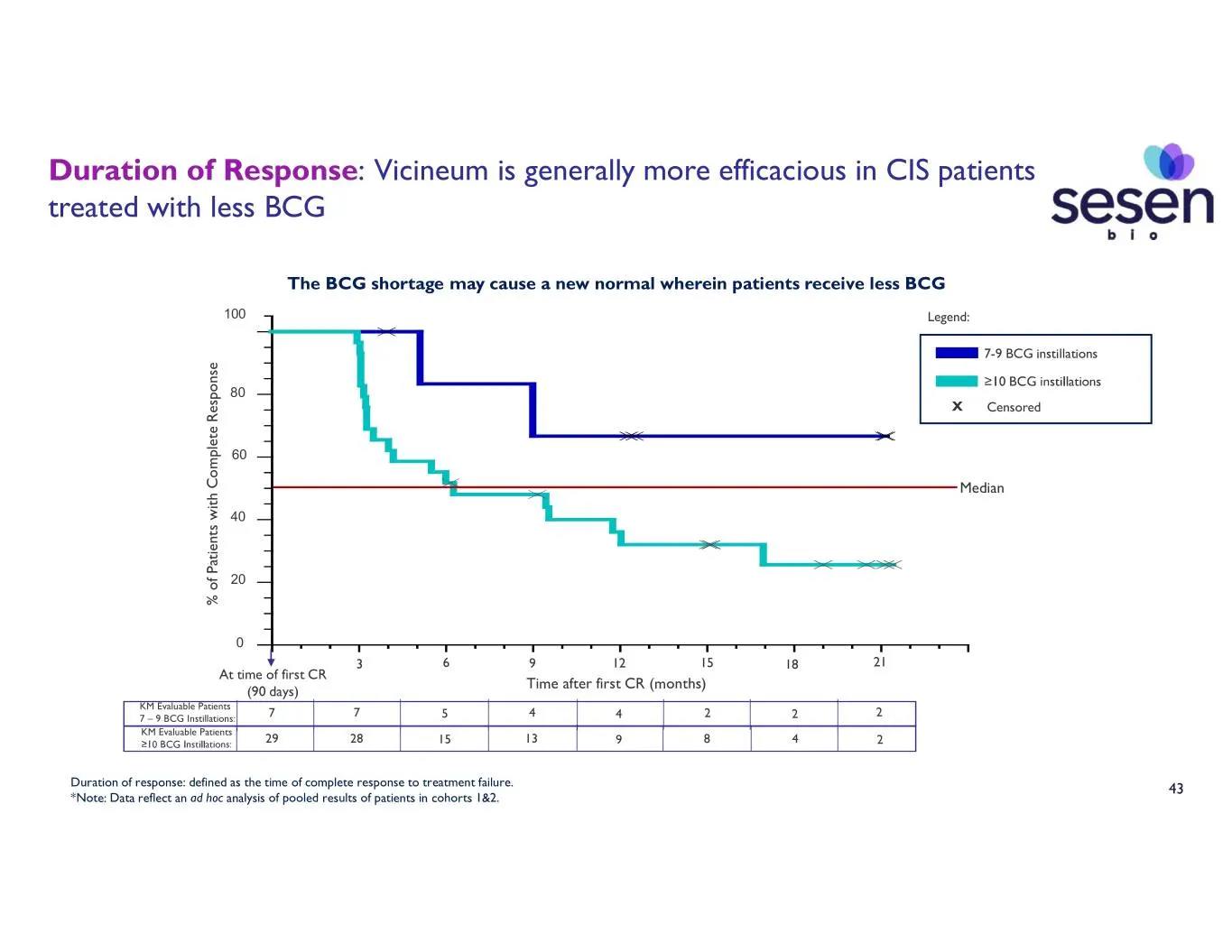
Slide 43: Duration of Response: Efficacy in Patients Treated with Less BCG
Duration of Response: Vicineum is generally more efficacious in CIS patients treated with less BCG The BCG shortage may cause a new normal wherein patients receive less BCG 100 Legend: 7-9 BCG instillations 80 X Censored 60 Median 40 20 % ofPatients withComplete Response 0 3 6 9 12 15 18 21 At time
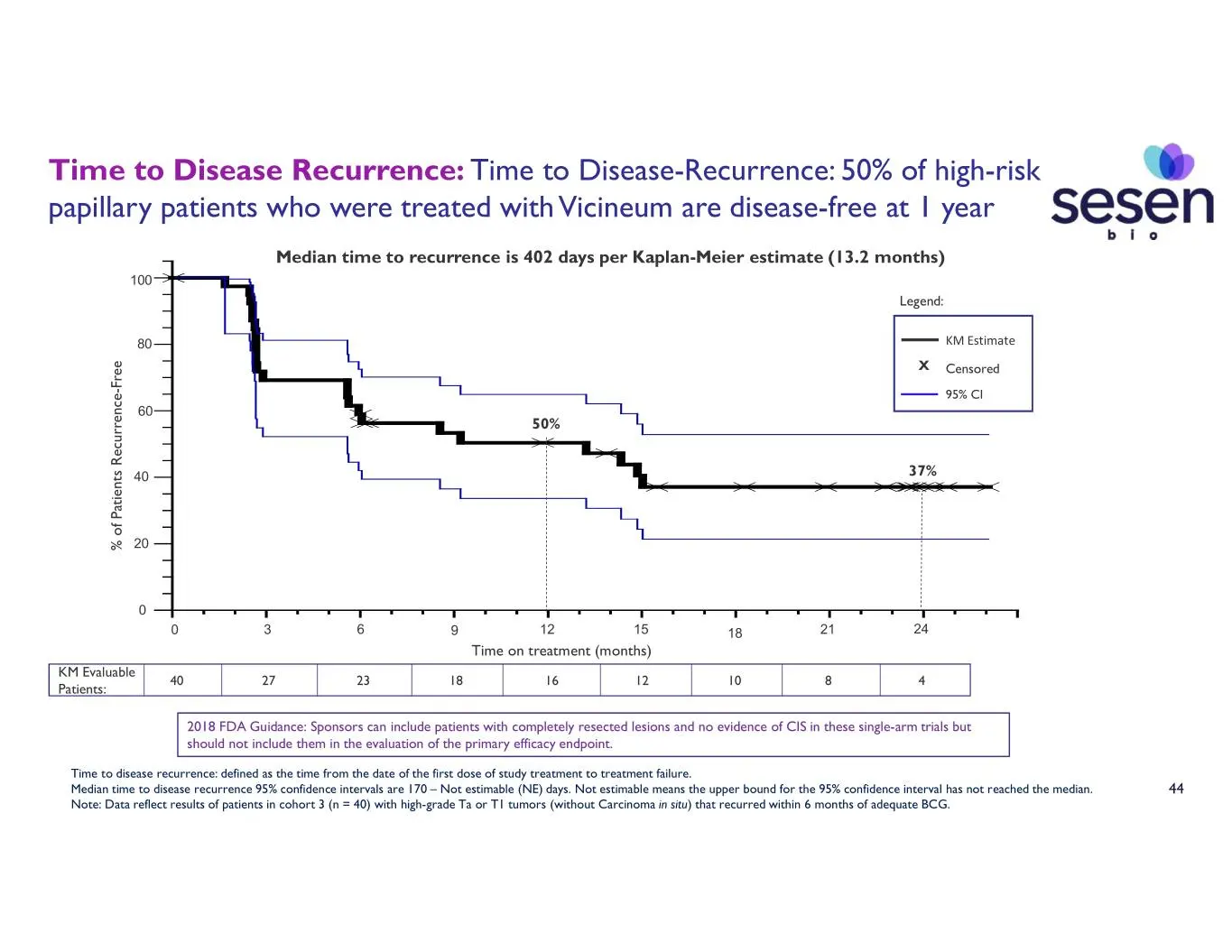
Slide 44: Time to Disease Recurrence
Time to Disease Recurrence: Time to Disease-Recurrence: 50% of high-risk papillary patients who were treated with Vicineum are disease-free at 1 year Median time to recurrence is 402 days per Kaplan-Meier estimate (13.2 months) 100 Legend: 80 KM Estimate X Censored 95% CI 60 50% 40 37% % ofPatients
Slide 45: Recurrence-free Rate
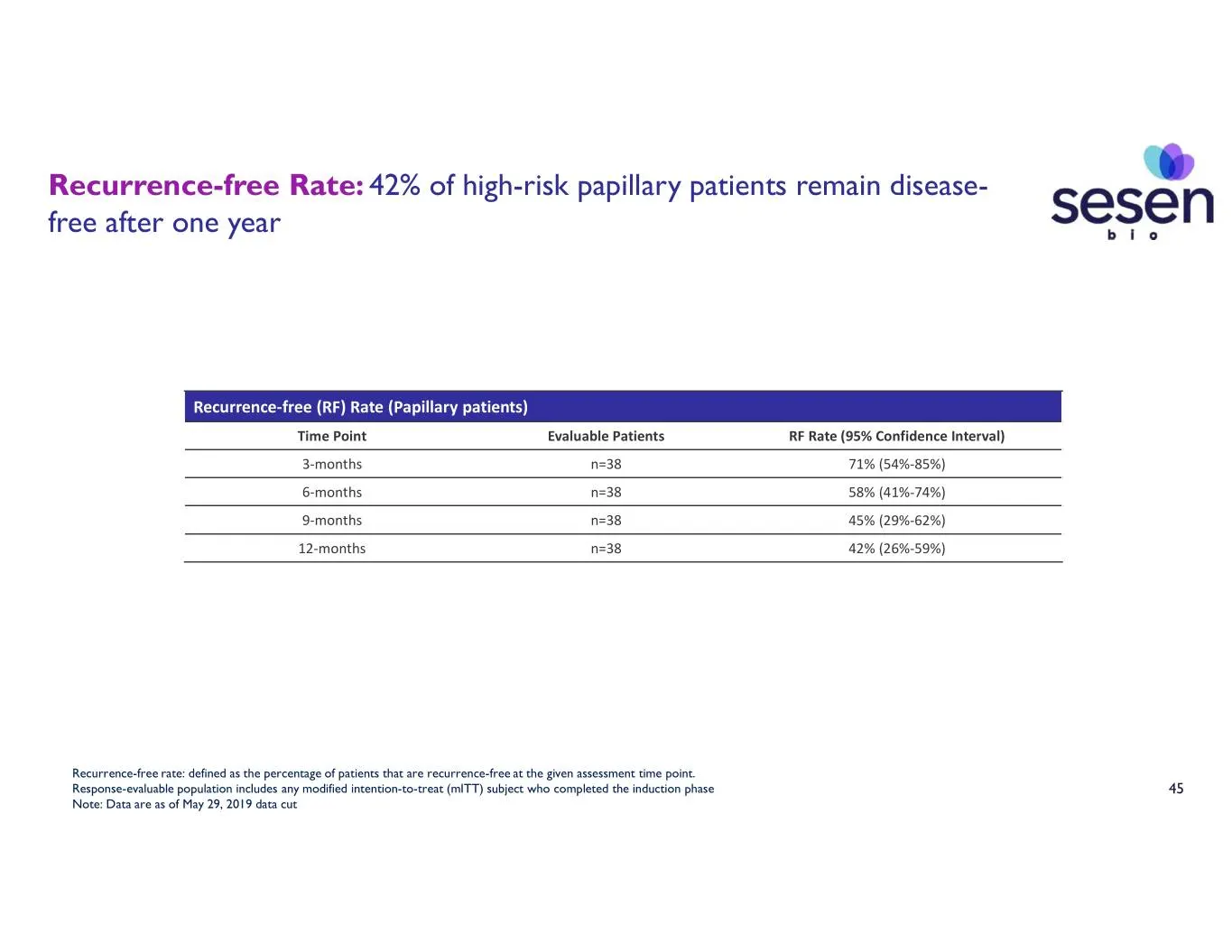
Recurrence-free Rate: 42% of high-risk papillary patients remain disease- free after one year Recurrence-free (RF) Rate (Papillary patients) Time Point Evaluable Patients RF Rate (95% Confidence Interval) 3-months n=38 71% (54%-85%) 6-months n=38 58% (41%-74%) 9-months n=38 45% (29%-62%) 12-months n
Slide 46: Highly Differentiated Time-to-Cystectomy Data
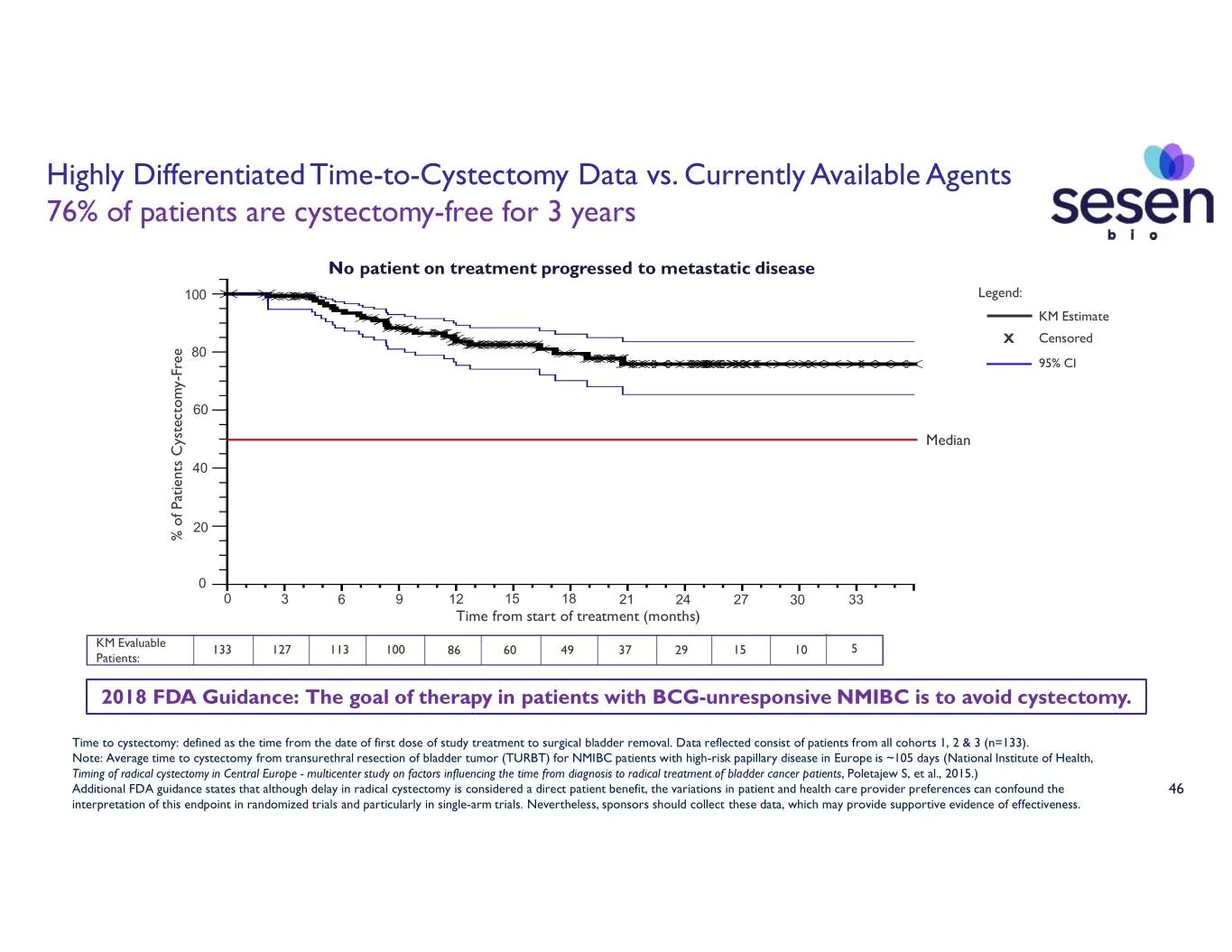
Highly Differentiated Time-to-Cystectomy Data vs. Currently Available Agents 76% of patients are cystectomy-free for 3 years No patient on treatment progressed to metastatic disease 100 Legend: KM Estimate X Censored 80 95% CI 60 Median 40 20 % ofPatients Cystectomy-Free 0 0 3 6 9 12 15 18 21 24 27
Slide 47: Time to Cystectomy: Responders vs. Non-responders
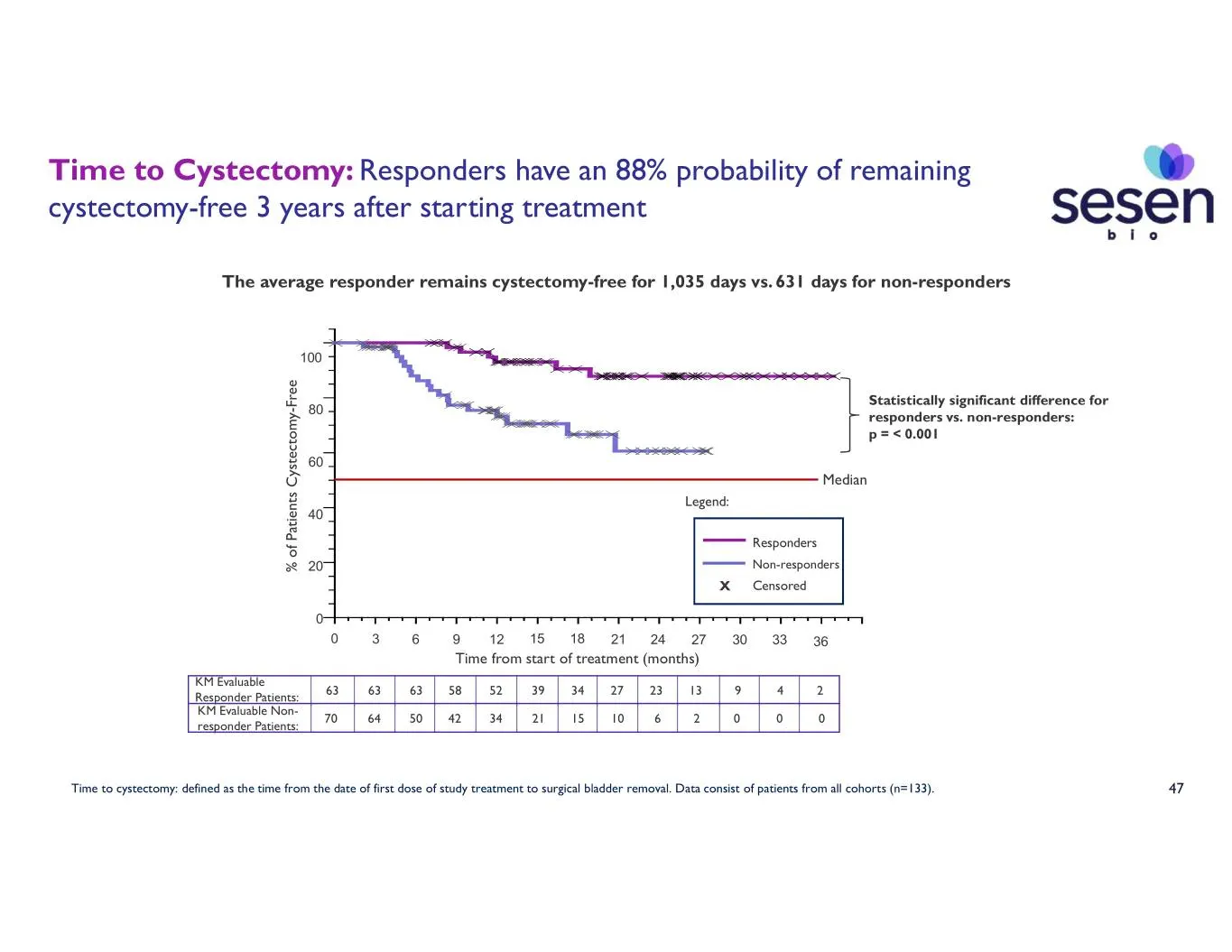
Time to Cystectomy: Responders have an 88% probability of remaining cystectomy-free 3 years after starting treatment The average responder remains cystectomy-free for 1,035 days vs. 631 days for non-responders 100 Statistically significant difference for 80 responders vs. non-responders: p = < 0.001
Slide 48: Overall Survival
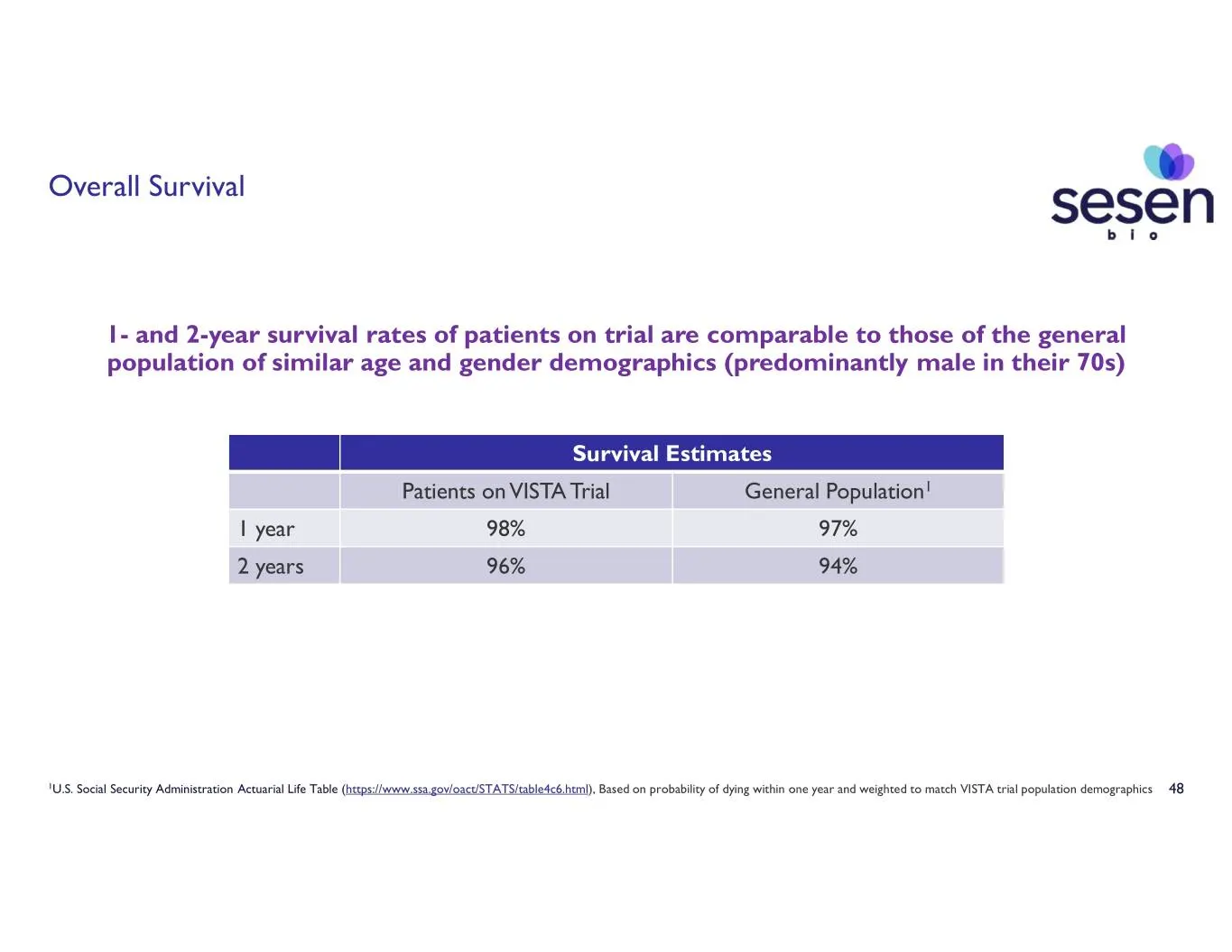
Overall Survival 1- and 2-year survival rates of patients on trial are comparable to those of the general population of similar age and gender demographics (predominantly male in their 70s) Survival Estimates Patients on VISTA Trial General Population1 1 year 98% 97% 2 years 96% 94% 1U.S. Social Sec
Slide 49: Safety and Tolerability: Phase II and Phase III Consistent
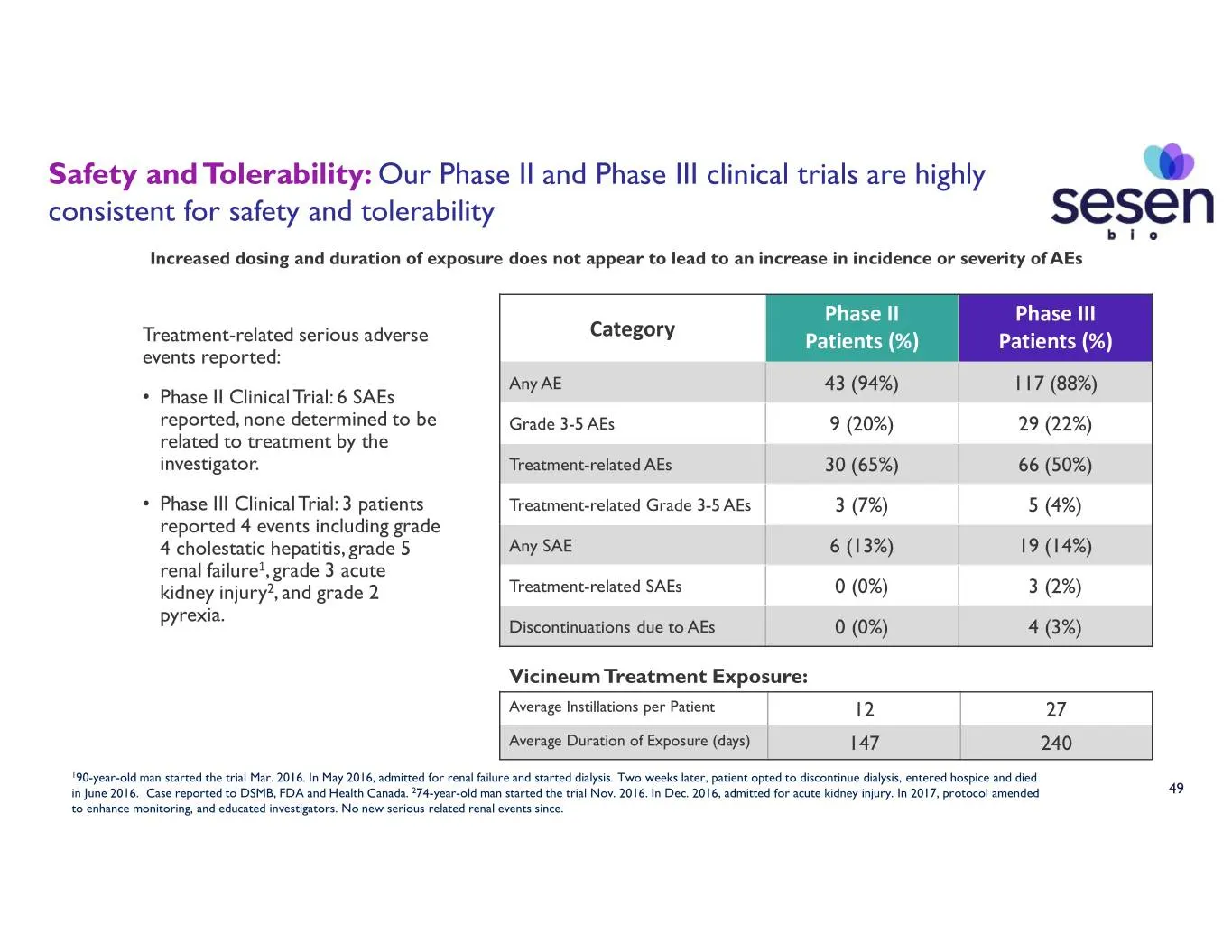
Safety and Tolerability: Our Phase II and Phase III clinical trials are highly consistent for safety and tolerability Increased dosing and duration of exposure does not appear to lead to an increase in incidence or severity of AEs Phase II Phase III Category Treatment-related serious adverse Patient
Slide 50: Safety and Tolerability: No Age-Related Increase in AEs
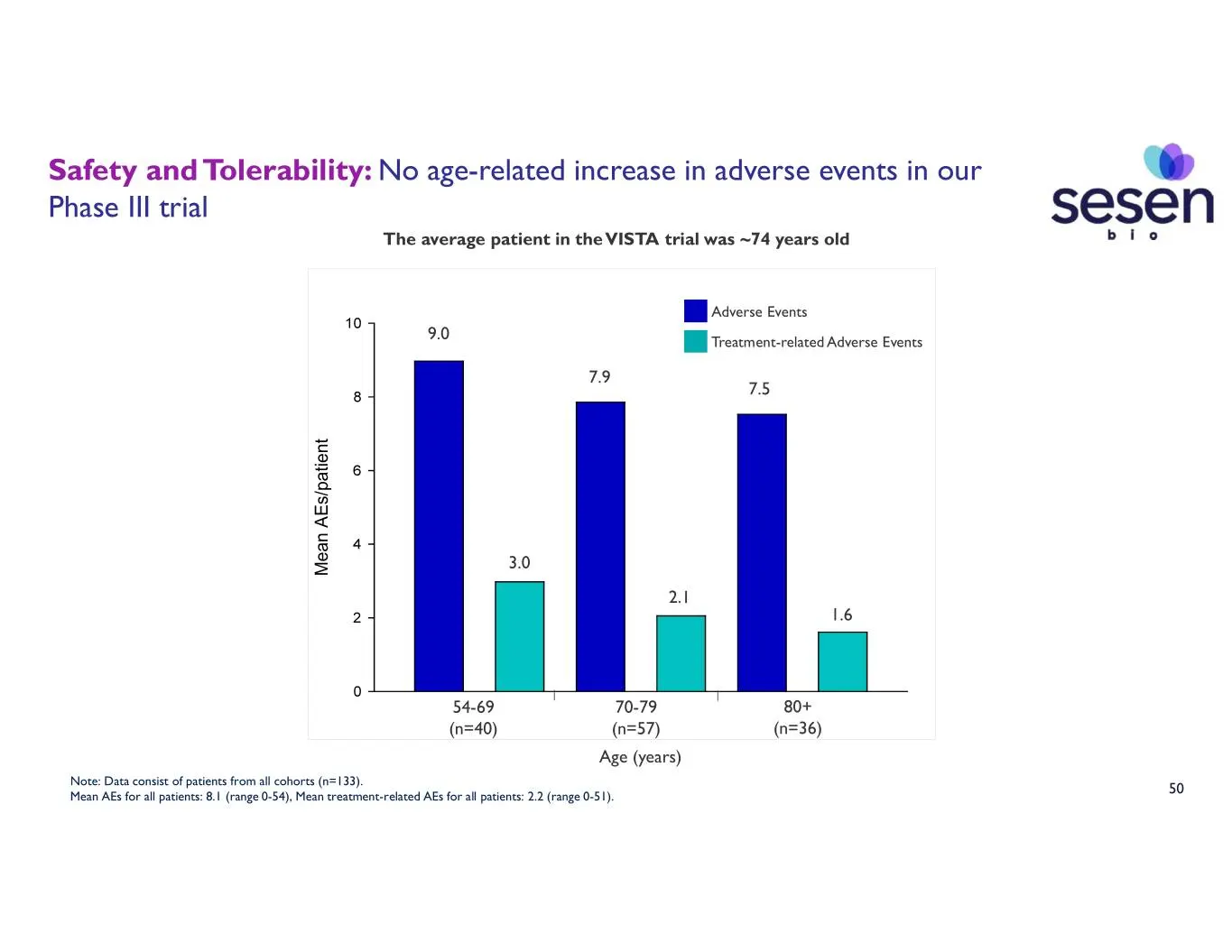
Safety and Tolerability: No age-related increase in adverse events in our Phase III trial The average patient in the VISTA trial was ~74 years old Adverse Events 9.0 Treatment-related Adverse Events 7.9 7.5 3.0 Mean Mean AEs/patient 2.1 1.6 54-69 70-79 80+ (n=40) (n=57) (n=36) Age (years) Note: Data
Slide 51: 3-Month Complete Response Rate Data from Different Trials
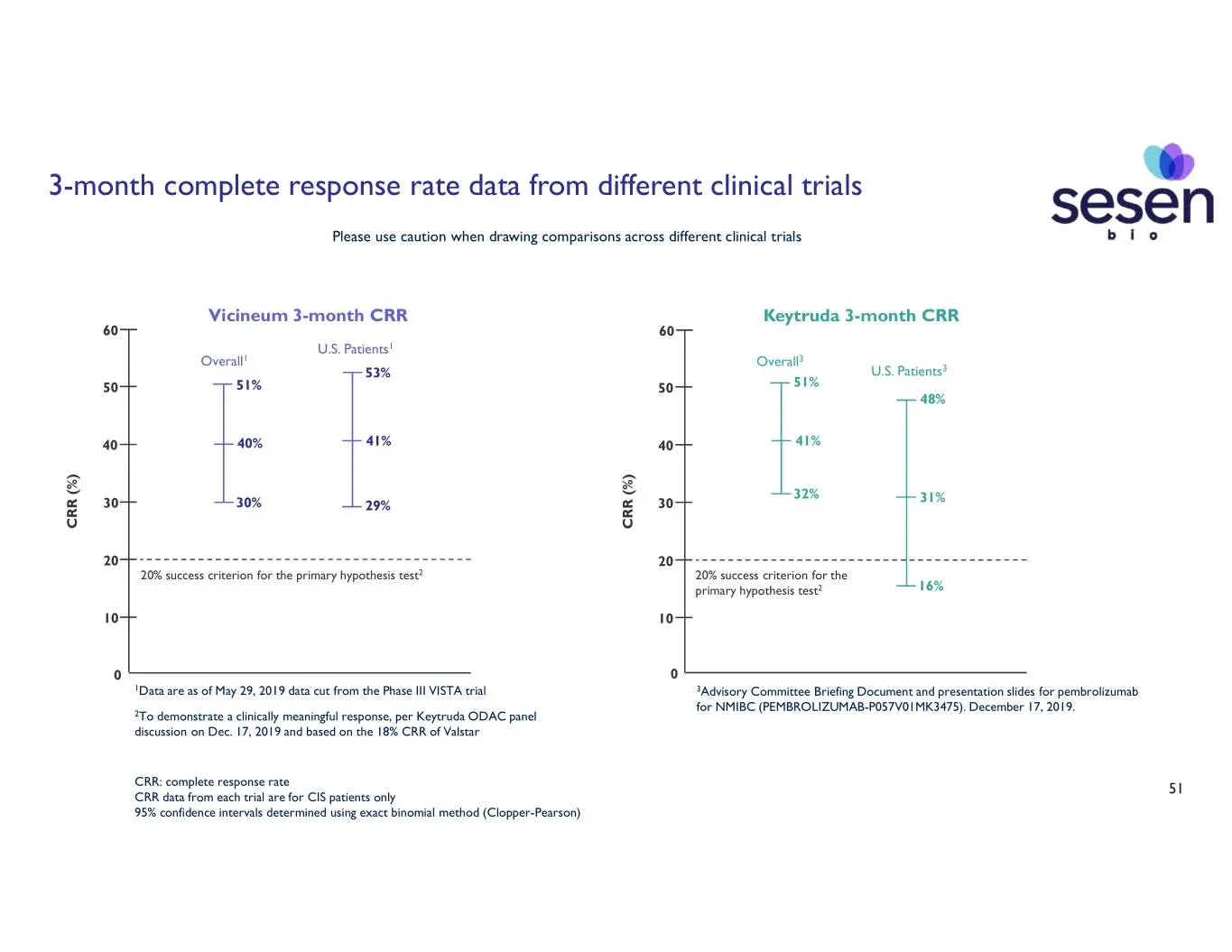
3-month complete response rate data from different clinical trials Please use caution when drawing comparisons across different clinical trials Vicineum 3-month CRR Keytruda 3-month CRR 60 60 U.S. Patients1 Overall1 Overall3 53% U.S. Patients3 50 51% 50 51% 48% 40 40% 41% 40 41% 32% 31% 30 30% 29% 3
Slide 52: Pipeline of Targeted Therapies
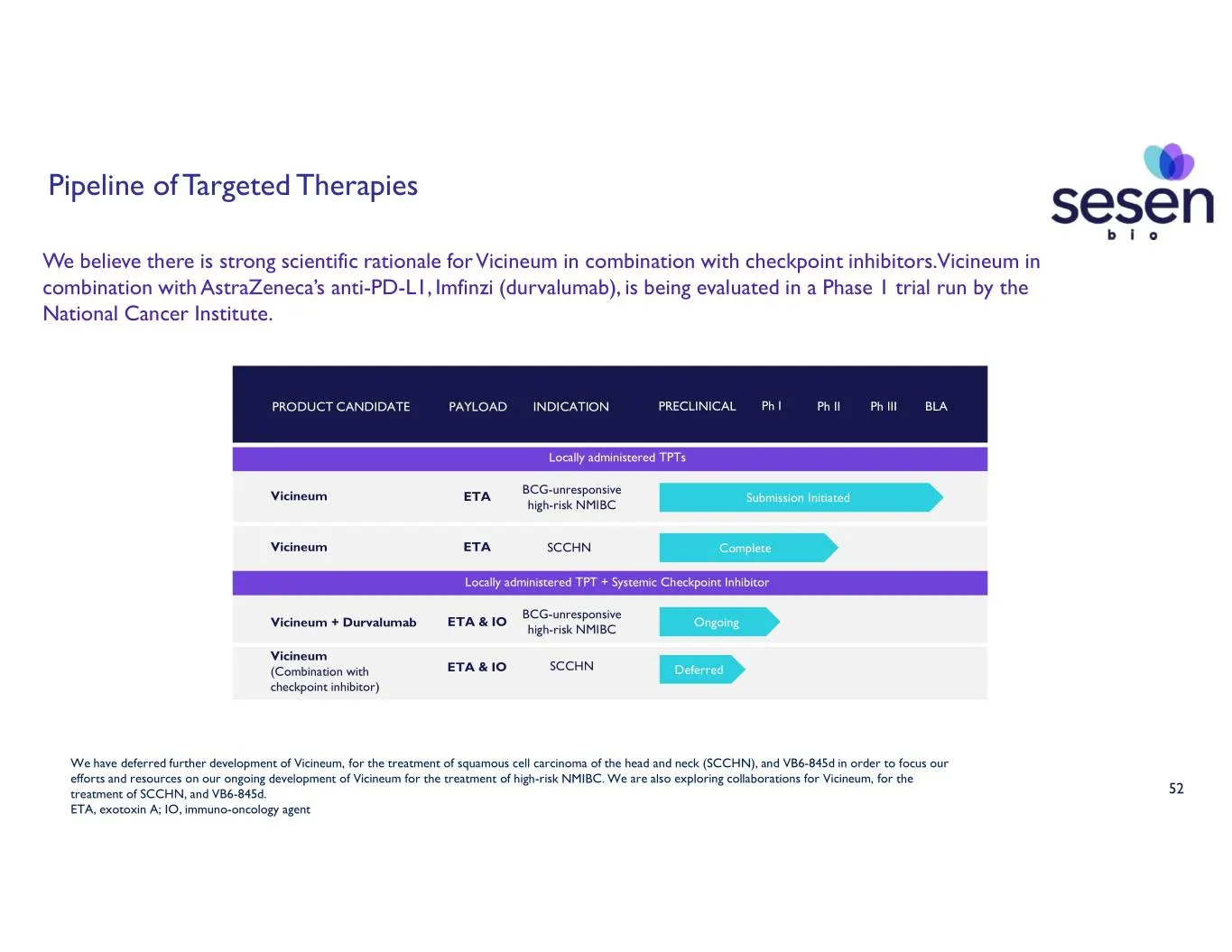
Pipeline of Targeted Therapies We believe there is strong scientific rationale for Vicineum in combination with checkpoint inhibitors. Vicineum in combination with AstraZeneca’s anti-PD-L1, Imfinzi (durvalumab), is being evaluated in a Phase 1 trial run by the National Cancer Institute. PRODUCT CAND
Slide 53: Appendix: Commercial Opportunity
Appendix Commercial Opportunity 53
Slide 54: Large Global Commercial Opportunity
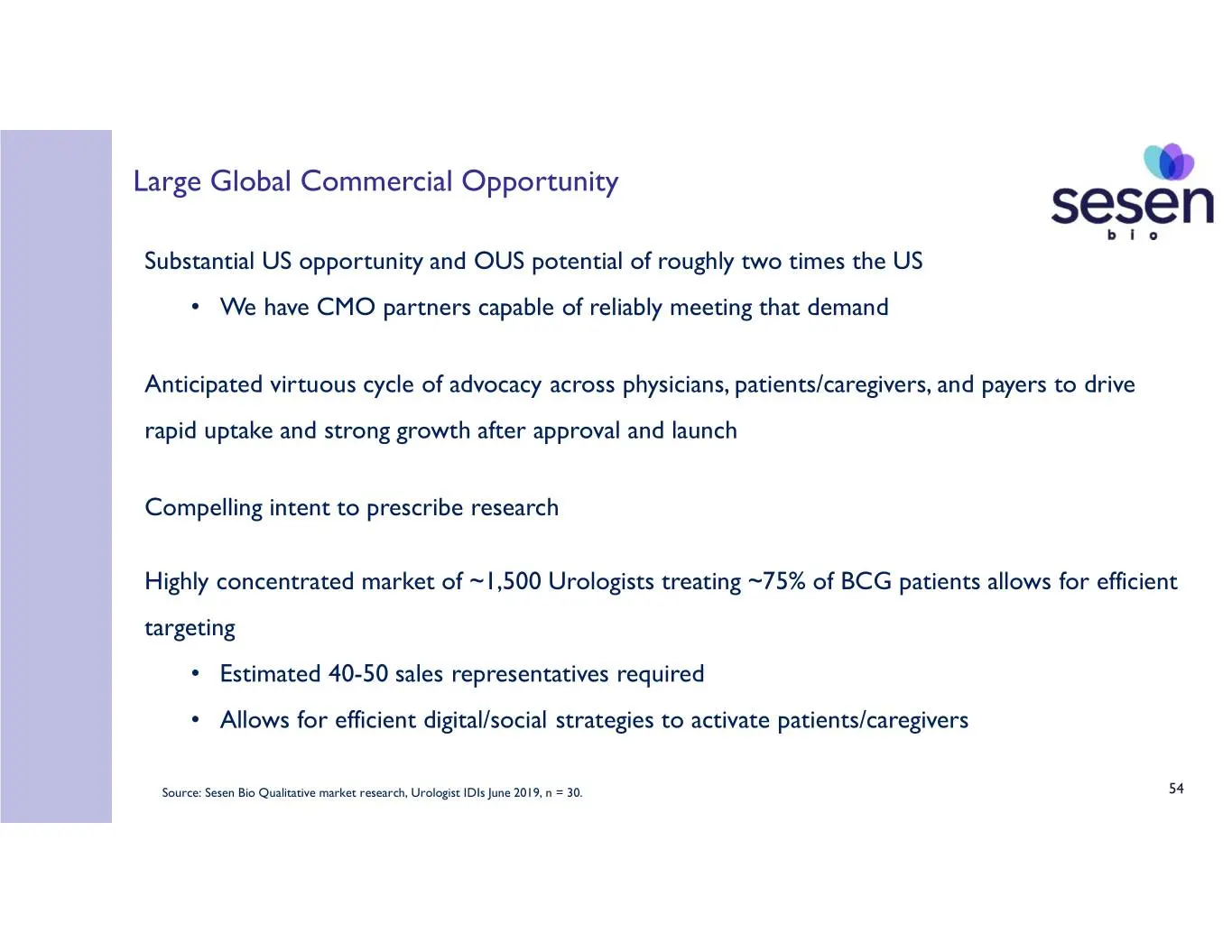
Large Global Commercial Opportunity Substantial US opportunity and OUS potential of roughly two times the US • We have CMO partners capable of reliably meeting that demand Anticipated virtuous cycle of advocacy across physicians, patients/caregivers, and payers to drive rapid uptake and strong growt
Slide 55: Vicineum Potential to Provide Continuity of Care
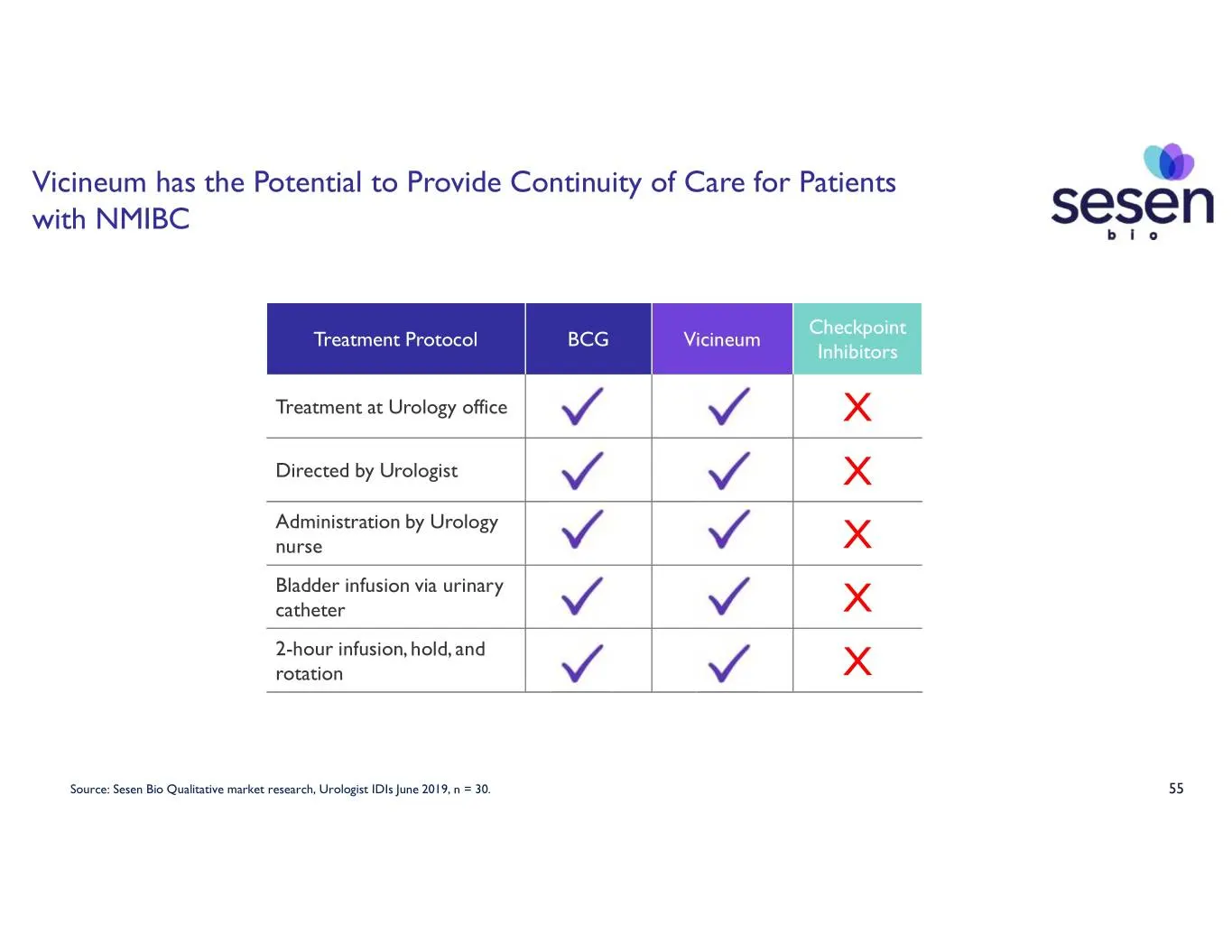
Vicineum has the Potential to Provide Continuity of Care for Patients with NMIBC Checkpoint Treatment Protocol BCG Vicineum Inhibitors Treatment at Urology office X Directed by Urologist X Administration by Urology nurse X Bladder infusion via urinary catheter X 2-hour infusion, hold, and rotation X
Slide 56: Market Research Input: Clinical Data from Emerging Treatments
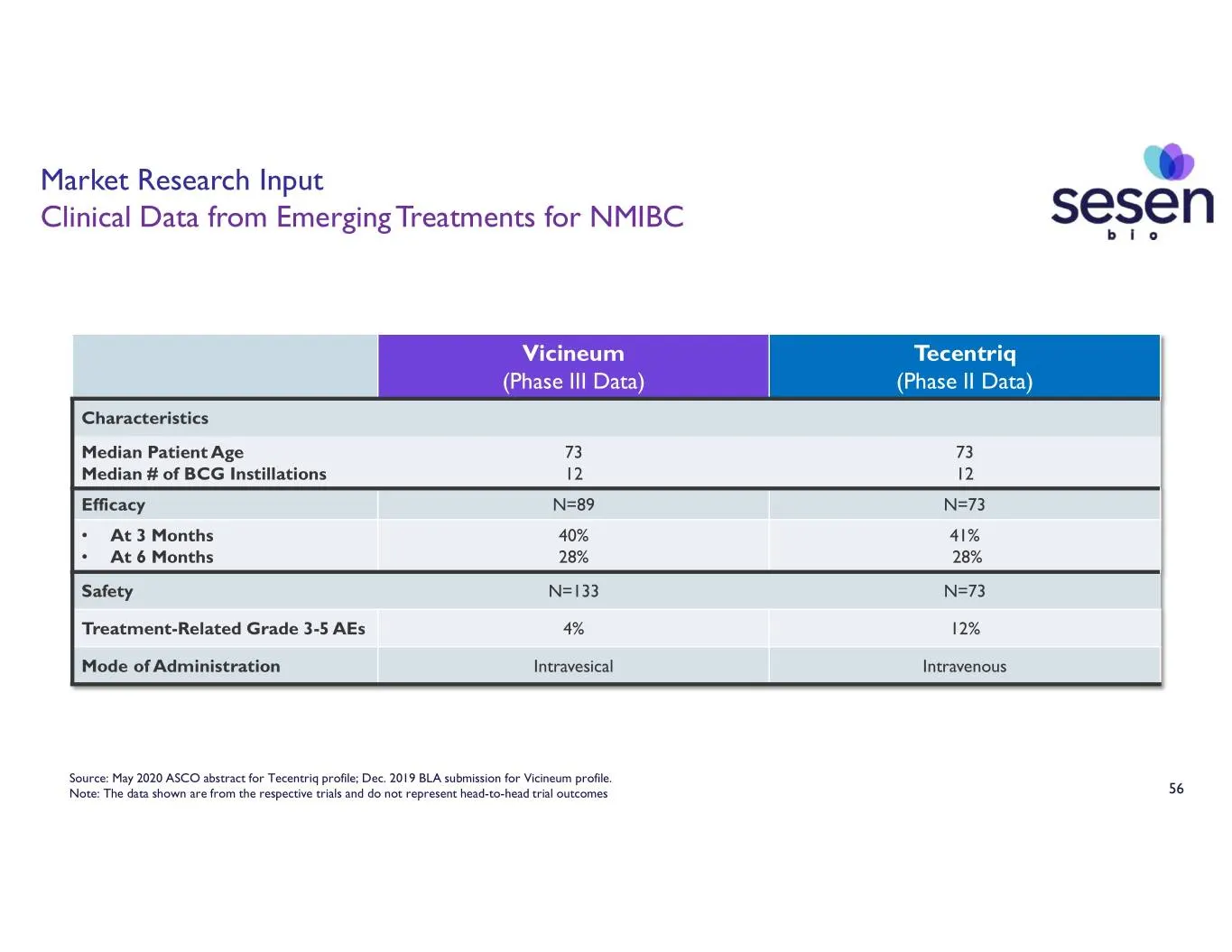
Market Research Input Clinical Data from Emerging Treatments for NMIBC Vicineum Tecentriq (Phase III Data) (Phase II Data) Characteristics Median Patient Age 73 73 Median # of BCG Instillations 12 12 Efficacy N=89 N=73 • At 3 Months 40% 41% • At 6 Months 28% 28% Safety N=133 N=73 Treatment-Related G
Slide 57: Competitive Scan: August 2020
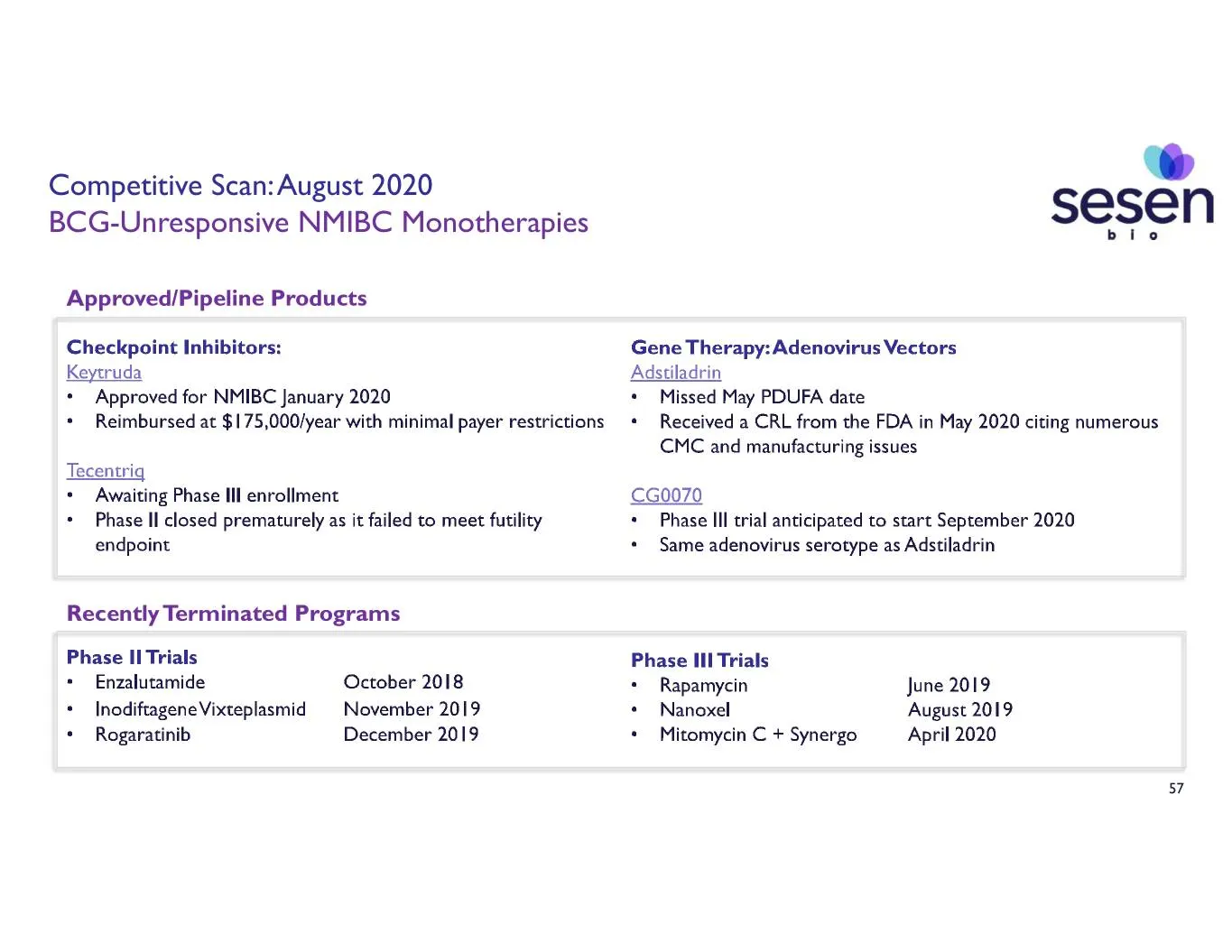
Competitive Scan: August 2020 BCG-Unresponsive NMIBC Monotherapies Approved/Pipeline Products Checkpoint Inhibitors: Gene Therapy: Adenovirus Vectors Keytruda Adstiladrin • Approved for NMIBC January 2020 • Missed May PDUFA date • Reimbursed at $175,000/year with minimal payer restrictions • Receive
Slide 58: 1Q 2020 Intent-to-Prescribe Market Research Results
Appendix 1Q 2020 Intent-to-Prescribe Market Research Results We conducted 30-minute interviews with 34 high- prescribing Urologists to assess their views of the Vicineum profile vs. the Keytruda profile based on available clinical information For investor purposes only 58
Slide 59: Market Research Input: Profile of Emerging Treatments
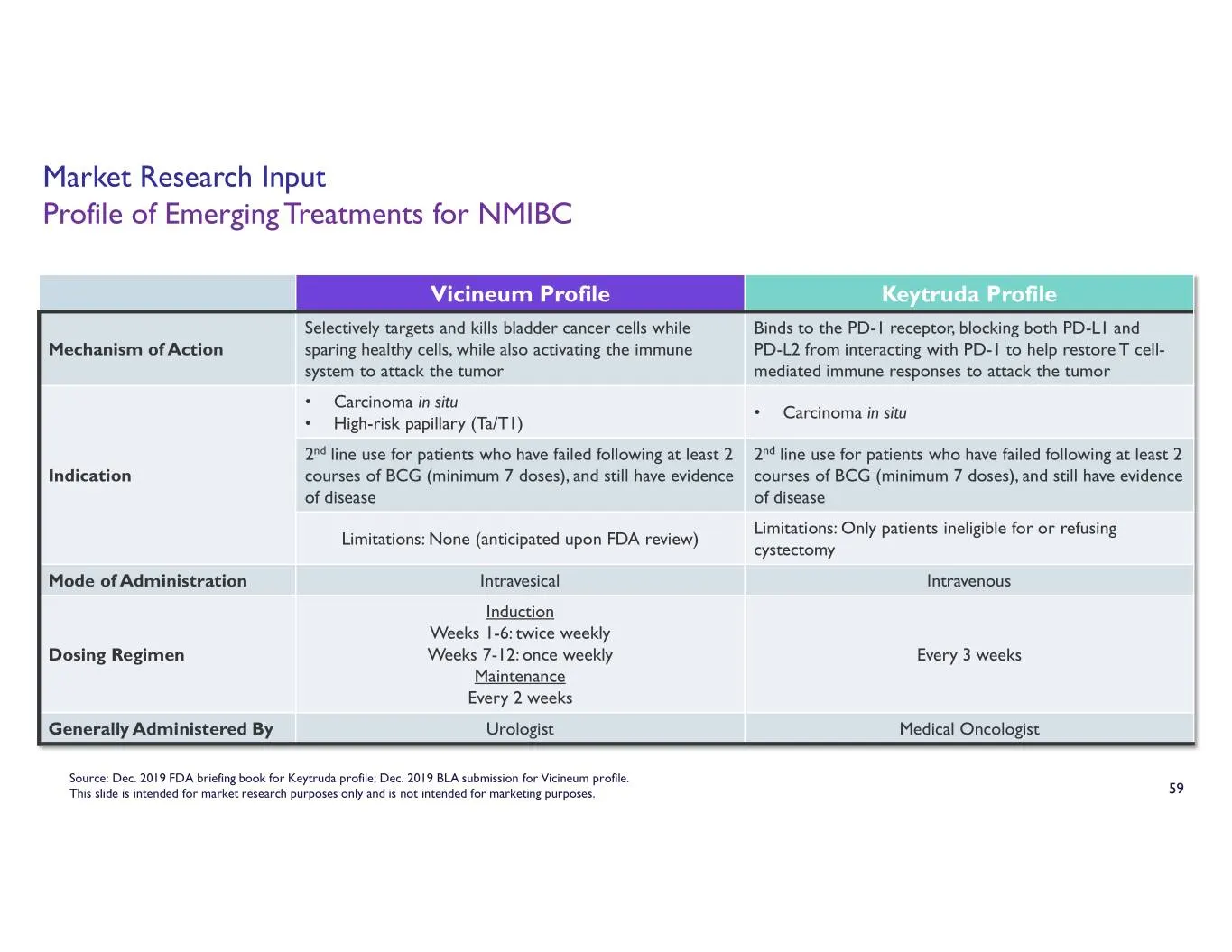
Market Research Input Profile of Emerging Treatments for NMIBC Vicineum Profile Keytruda Profile Selectively targets and kills bladder cancer cells while Binds to the PD-1 receptor, blocking both PD-L1 and Mechanism of Action sparing healthy cells, while also activating the immune PD-L2 from interac
Slide 60: Market Research Input: Clinical Data from Emerging Treatments
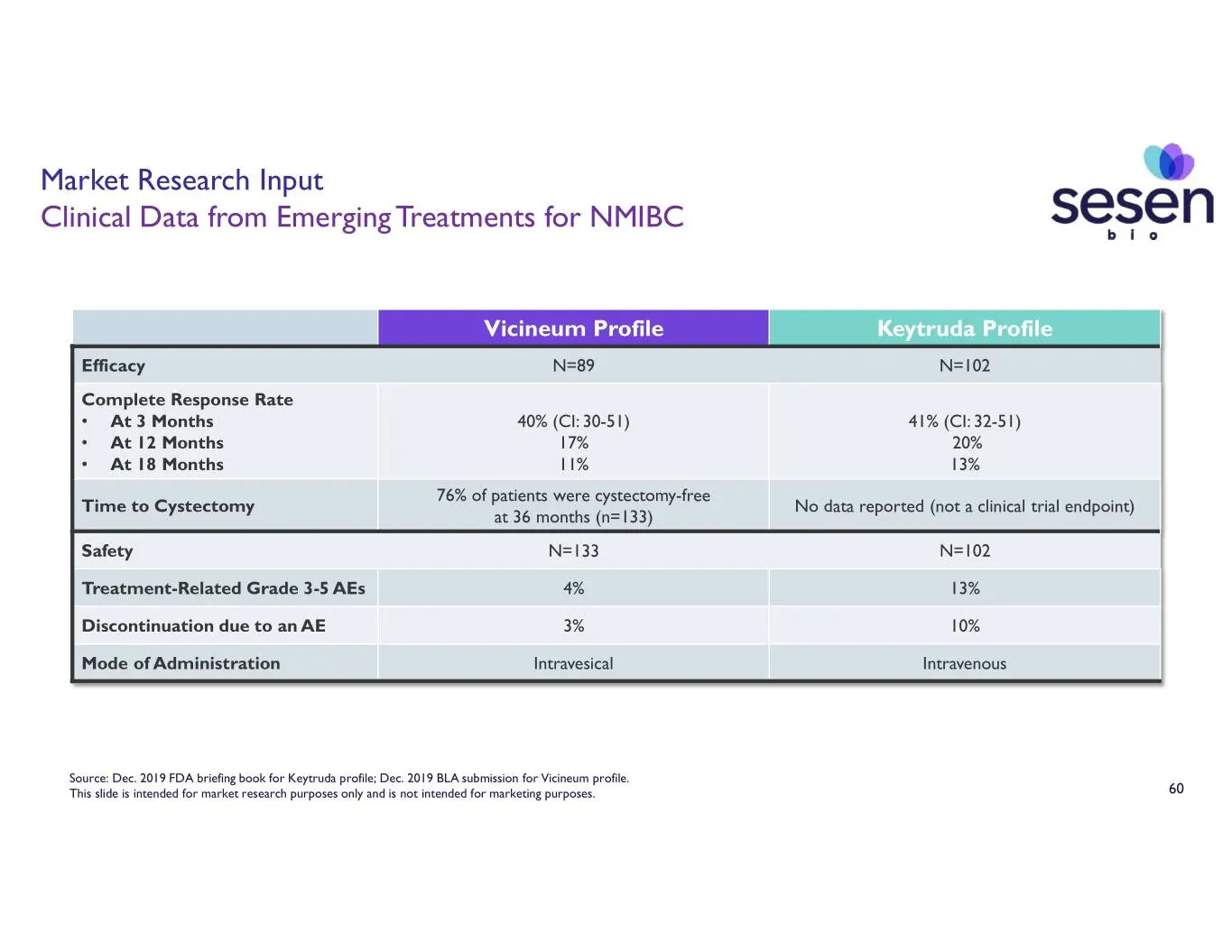
Market Research Input Clinical Data from Emerging Treatments for NMIBC Vicineum Profile Keytruda Profile Efficacy N=89 N=102 Complete Response Rate • At 3 Months 40% (CI: 30-51) 41% (CI: 32-51) • At 12 Months 17% 20% • At 18 Months 11% 13% 76% of patients were cystectomy-free Time to Cystectomy No d
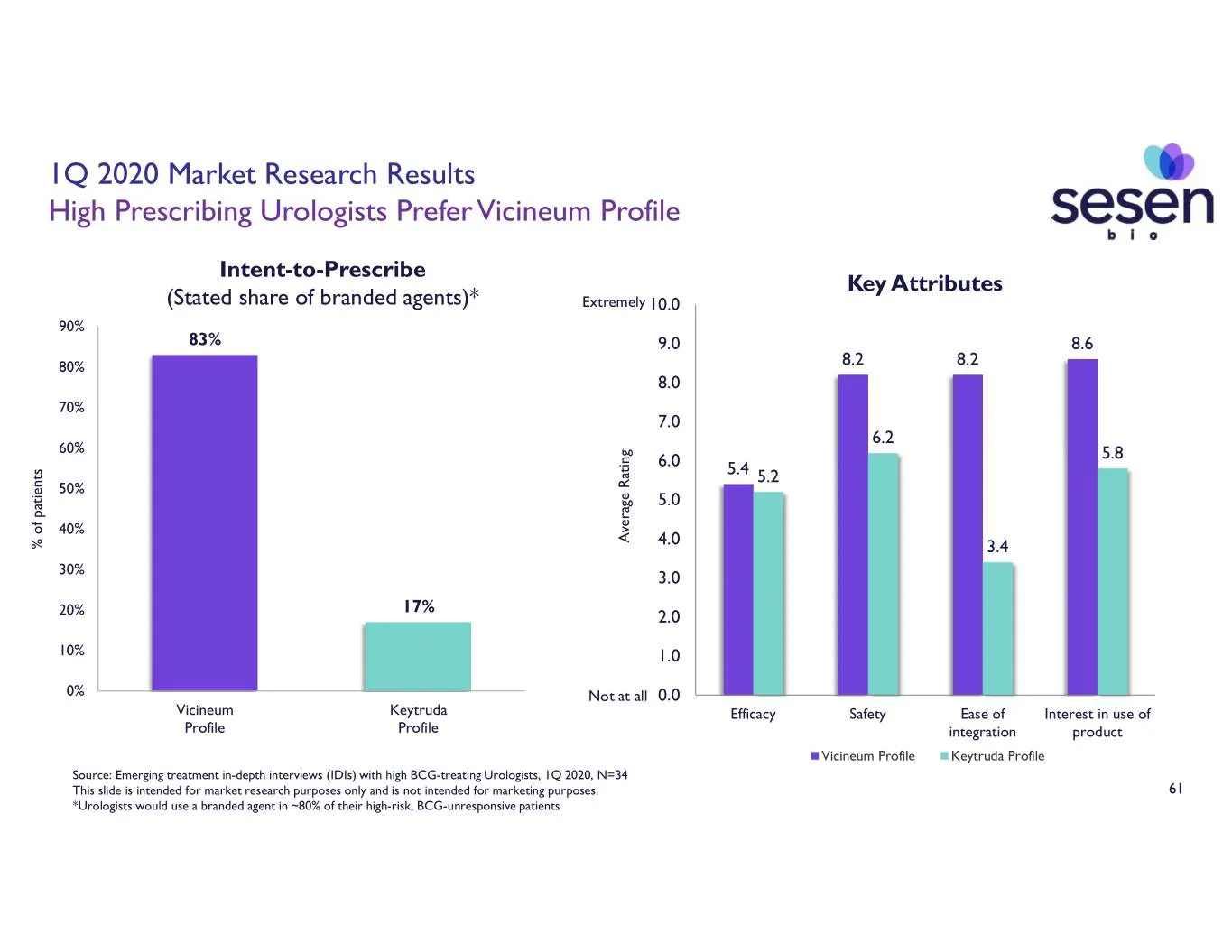
Slide 61: High Prescribing Urologists Prefer Vicineum Profile
1Q 2020 Market Research Results High Prescribing Urologists Prefer Vicineum Profile Intent-to-Prescribe Key Attributes (Stated share of branded agents)* Extremely 10.0 90% 83% 9.0 8.6 80% 8.2 8.2 8.0 70% 7.0 6.2 60% 6.0 5.8 5.4 5.2 50% 5.0 40% Average RatingAverage 4.0 % ofpatients 3.4 30% 3.0 17% 2
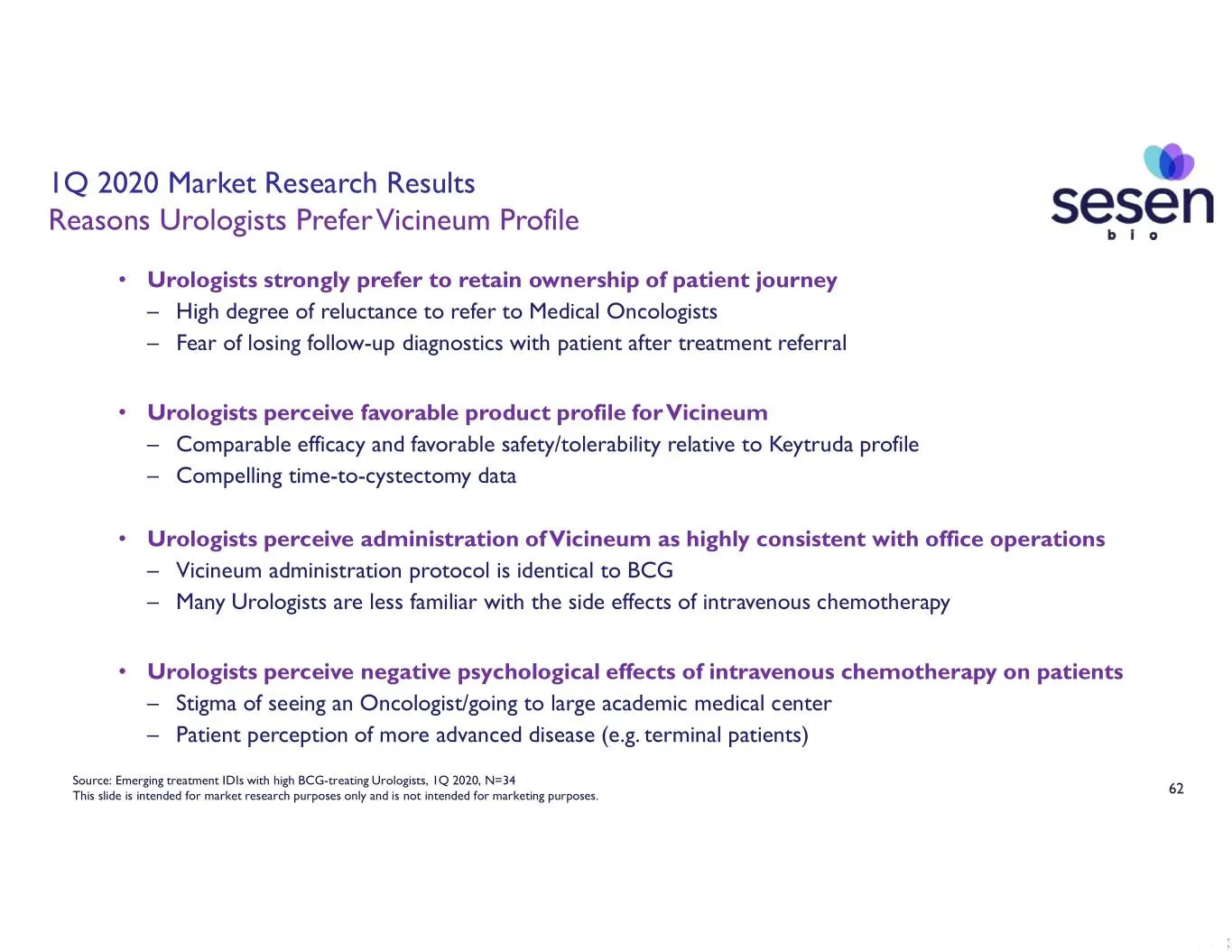
Slide 62: Reasons Urologists Prefer Vicineum Profile
1Q 2020 Market Research Results Reasons Urologists Prefer Vicineum Profile • Urologists strongly prefer to retain ownership of patient journey – High degree of reluctance to refer to Medical Oncologists – Fear of losing follow-up diagnostics with patient after treatment referral • Urologists perceiv
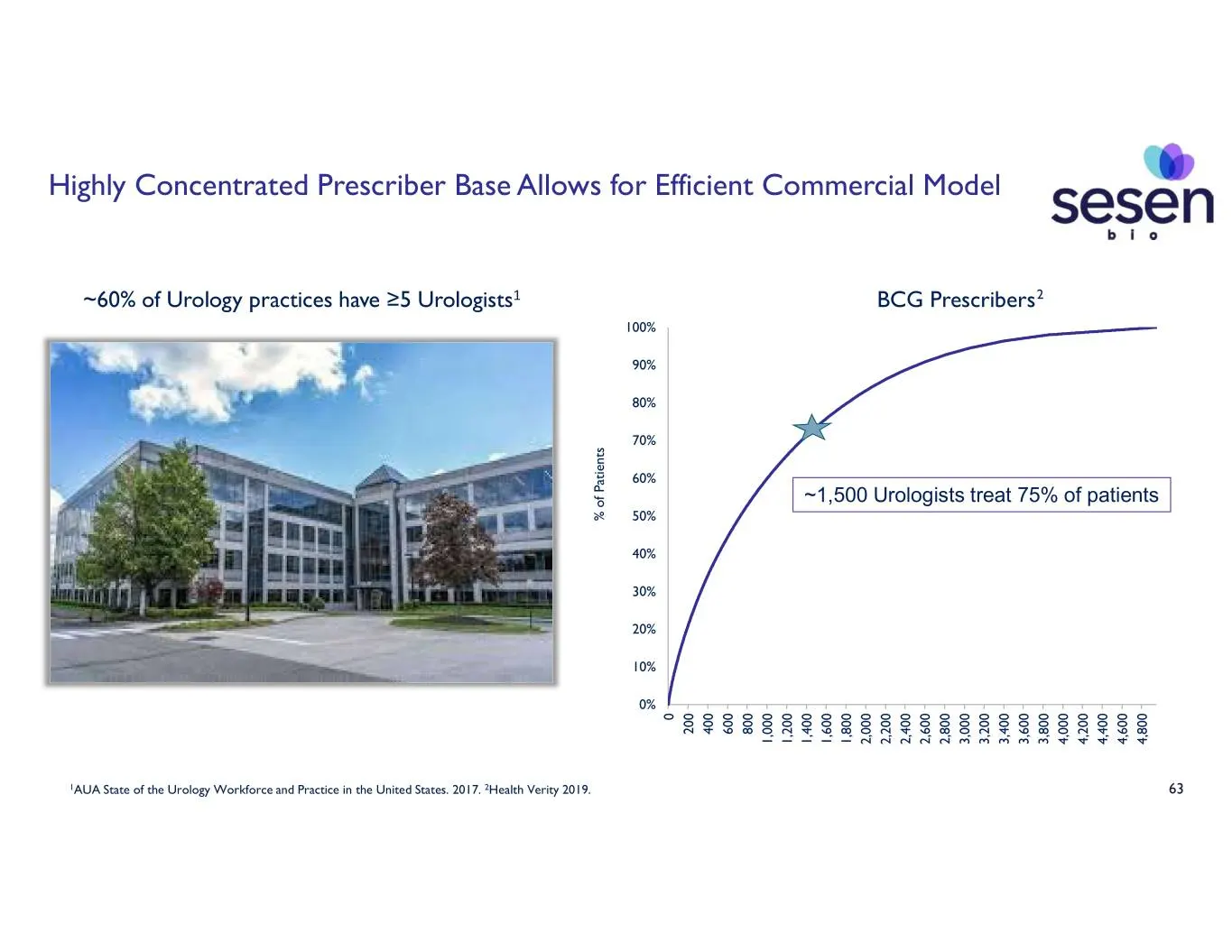
Slide 63: Highly Concentrated Prescriber Base Allows Efficient Commercial Model
Highly Concentrated Prescriber BasePrescriber Concentrated Highly forAllows Commercial Model Efficient 1 AUA State of the Urology Workforce thetheAUA Urology 2017. of Workforce Unitedand States. Practicein State 2 Health Verity 2019. Health 1 % of Patients 100% 10% 20% 30% 40% 50% 60% 70% 80% 90% 0%
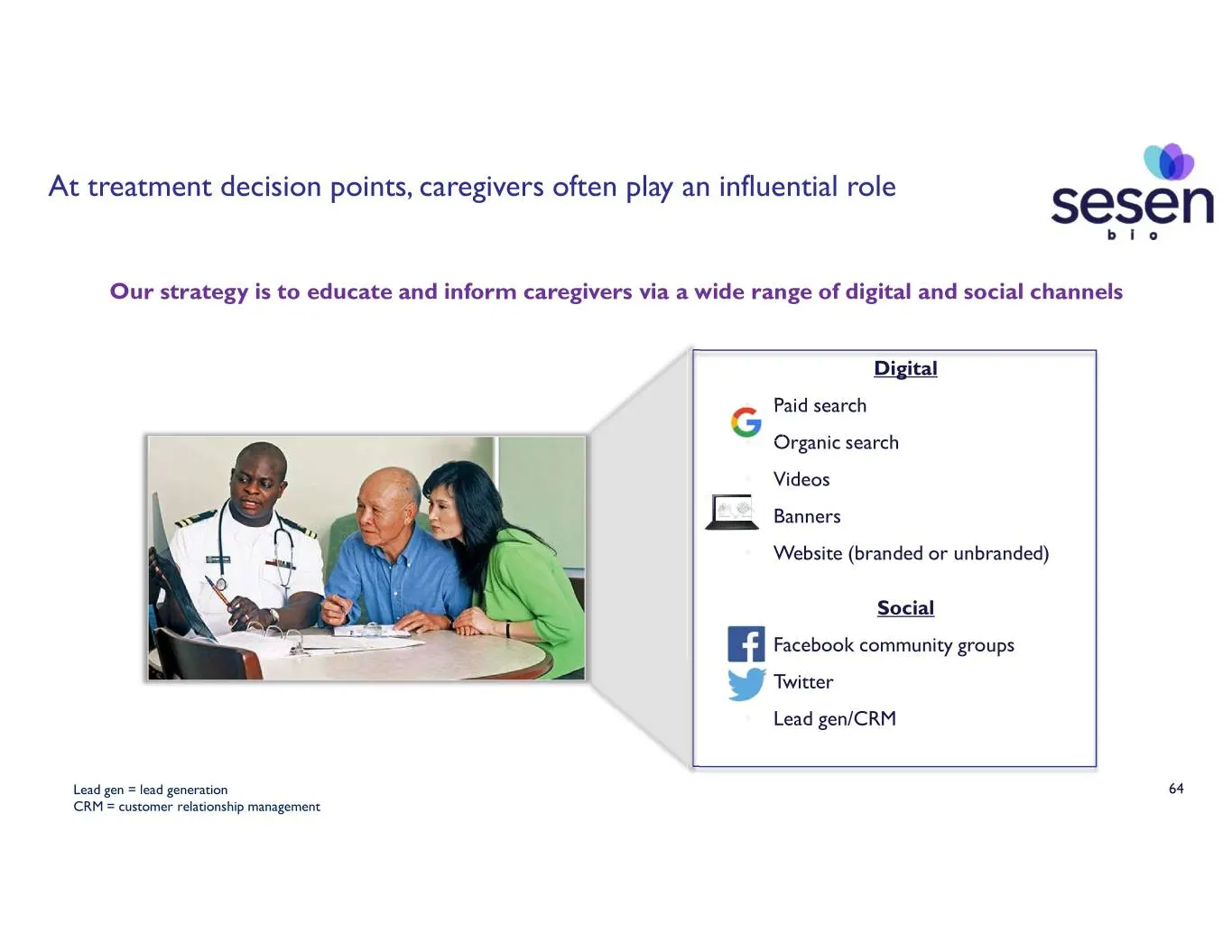
Slide 64: Caregivers Play an Influential Role
At treatment decision points, caregivers often play an influential role Our strategy is to educate and inform caregivers via a wide range of digital and social channels Digital • Paid search • Organic search • Videos • Banners • Website (branded or unbranded) Social • Facebook community groups • Twi
Slide 65: Pricing and Reimbursement
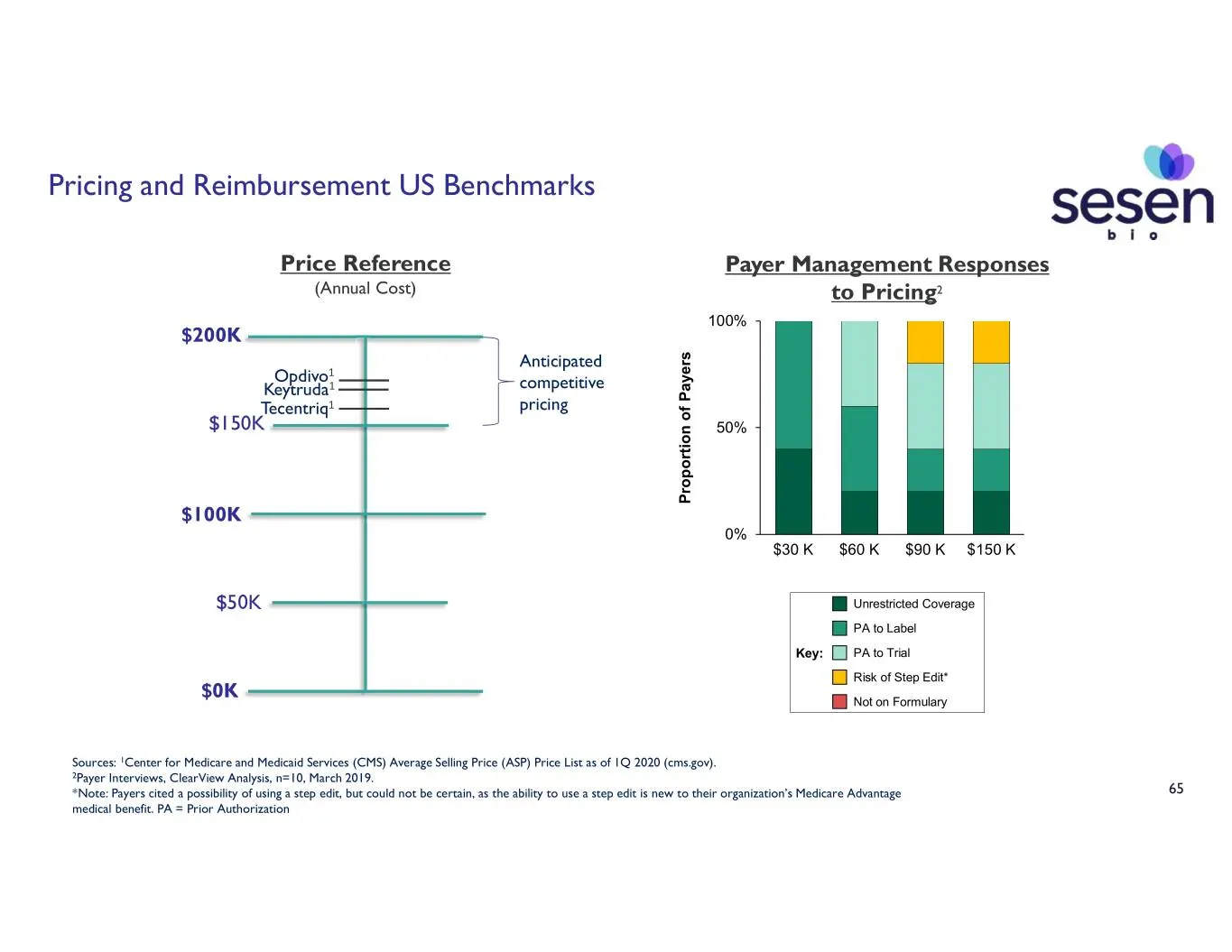
Pricing and Reimbursement US Benchmarks Price Reference Payer Management Responses (Annual Cost) to Pricing2 100% $200K Anticipated Opdivo1 Keytruda1 competitive Tecentriq1 pricing $150K 50% Proportion of Payers $100K 0% $30 K $60 K $90 K $150 K $50K Unrestricted Coverage PA to Label Key: PA to Tria
Slide 66: Partnership Opportunity in China: Qilu Pharmaceutical
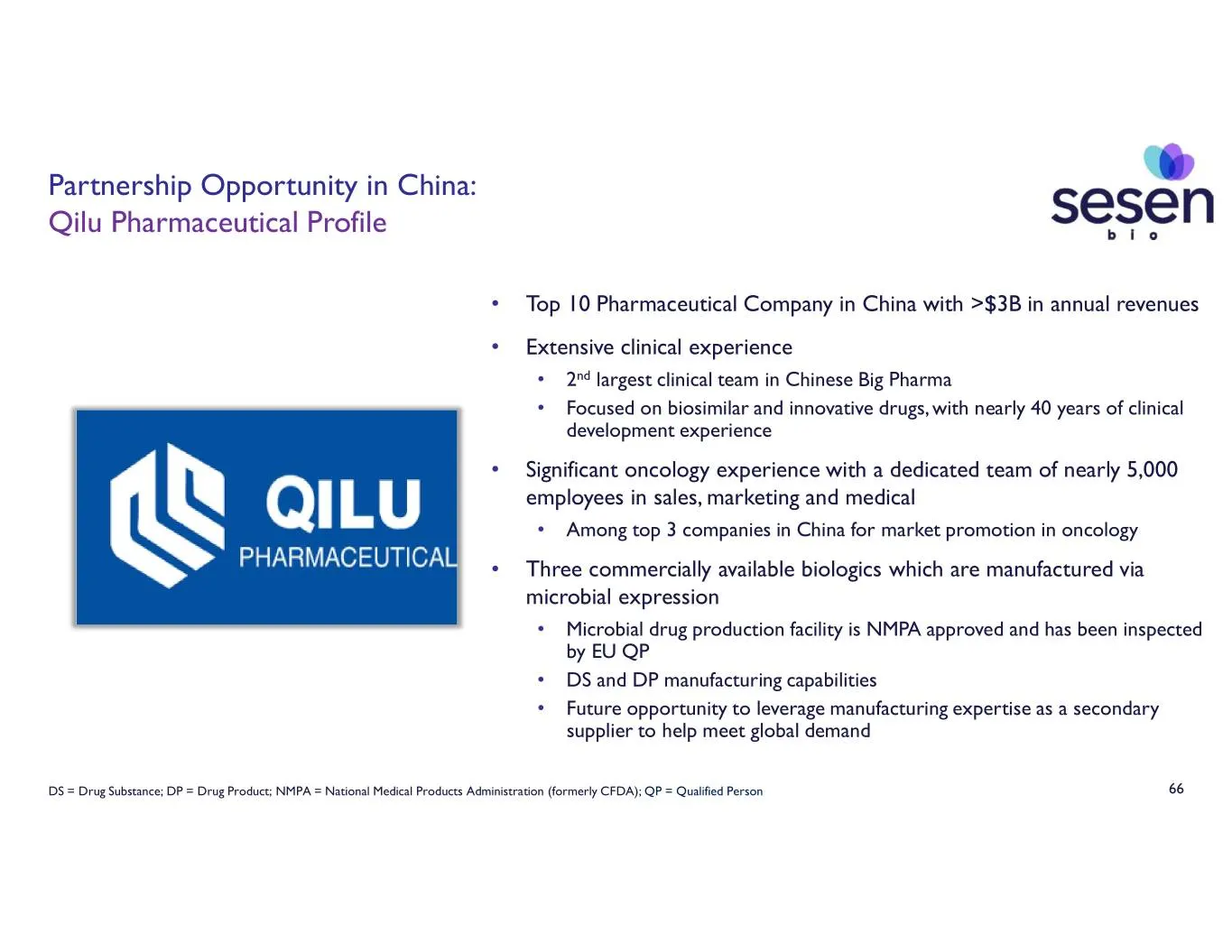
Partnership Opportunity in China: Qilu Pharmaceutical Profile • Top 10 Pharmaceutical Company in China with >$3B in annual revenues • Extensive clinical experience • 2nd largest clinical team in Chinese Big Pharma • Focused on biosimilar and innovative drugs, with nearly 40 years of clinical develop
Slide 67: Overview of Qilu License Agreement
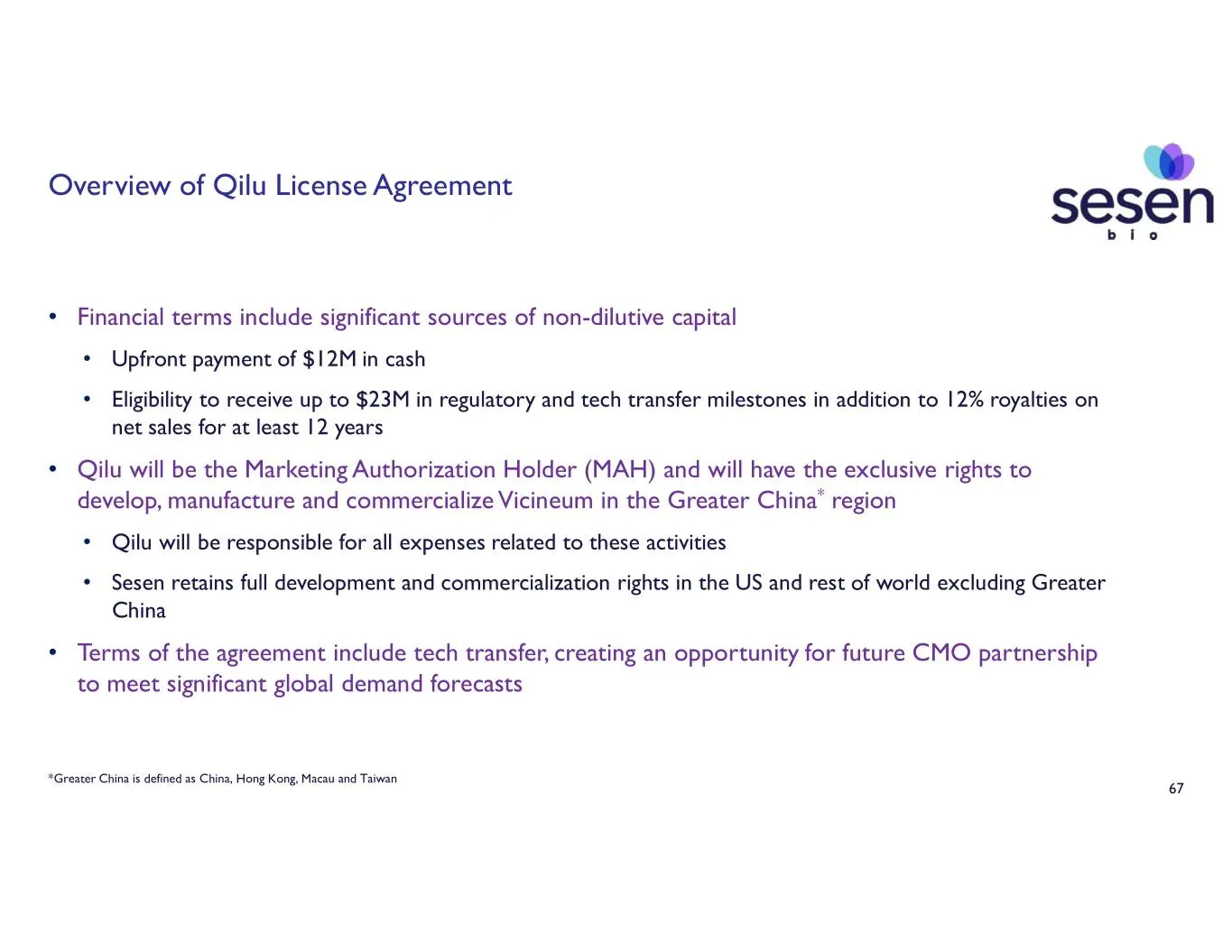
Overview of Qilu License Agreement • Financial terms include significant sources of non-dilutive capital • Upfront payment of $12M in cash • Eligibility to receive up to $23M in regulatory and tech transfer milestones in addition to 12% royalties on net sales for at least 12 years • Qilu will be the
Slide 68: Building Our Reputation as a Partner of Choice
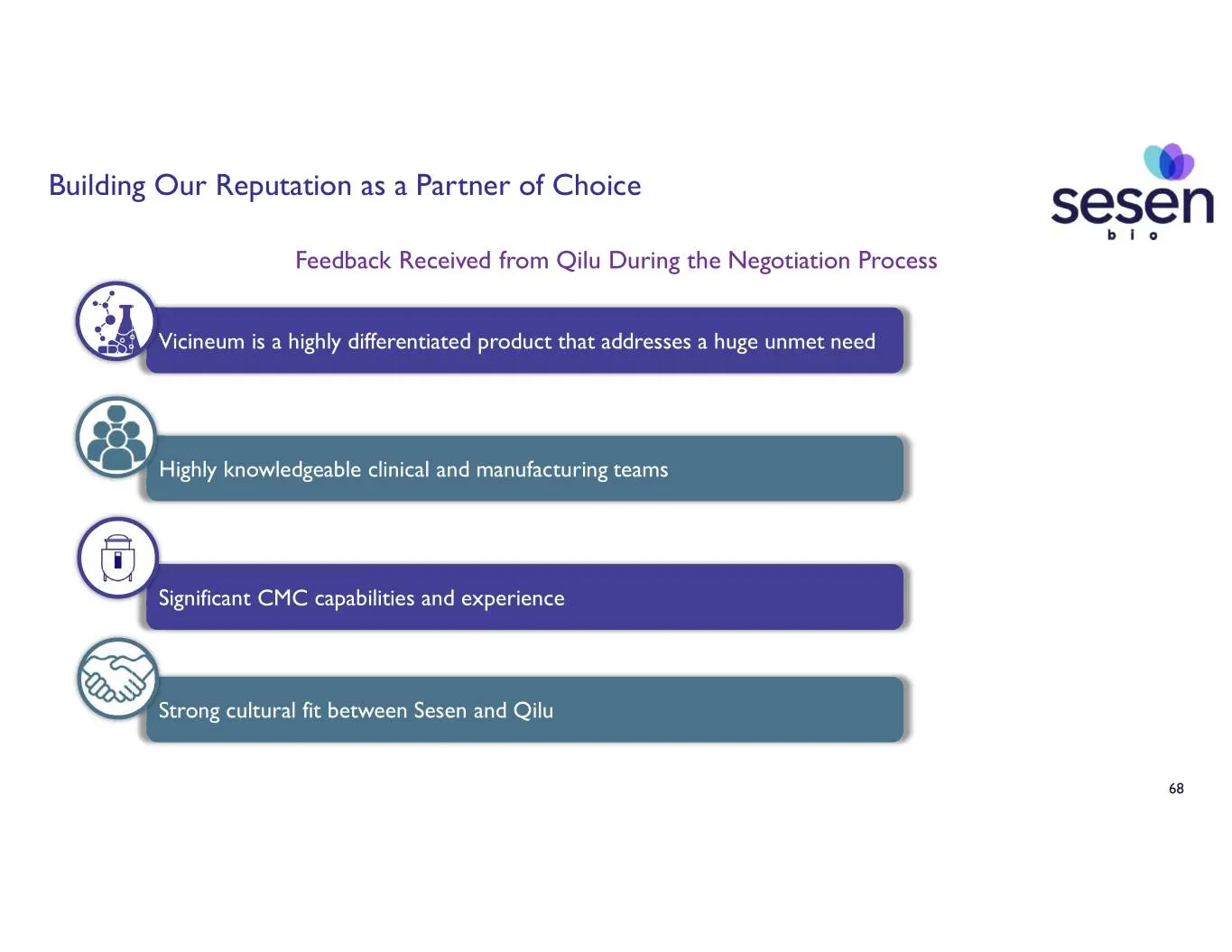
Building Our Reputation as a Partner of Choice Feedback Received from Qilu During the Negotiation Process Vicineum is a highly differentiated product that addresses a huge unmet need Highly knowledgeable clinical and manufacturing teams Significant CMC capabilities and experience Strong cultural fit
Slide 69: Appendix: Manufacturing & Supply Chain
Appendix Manufacturing & Supply Chain 69
Slide 70: Reliable and Inexpensive Manufacturing Process
Reliable and Inexpensive Manufacturing Process Vicineum is manufactured using a robust, industry-standard microbial expression system The manufacturing process is highly reliable, reducing the risk of supply shortages The manufacturing process is inexpensive, leading to a relatively low cost-of-good
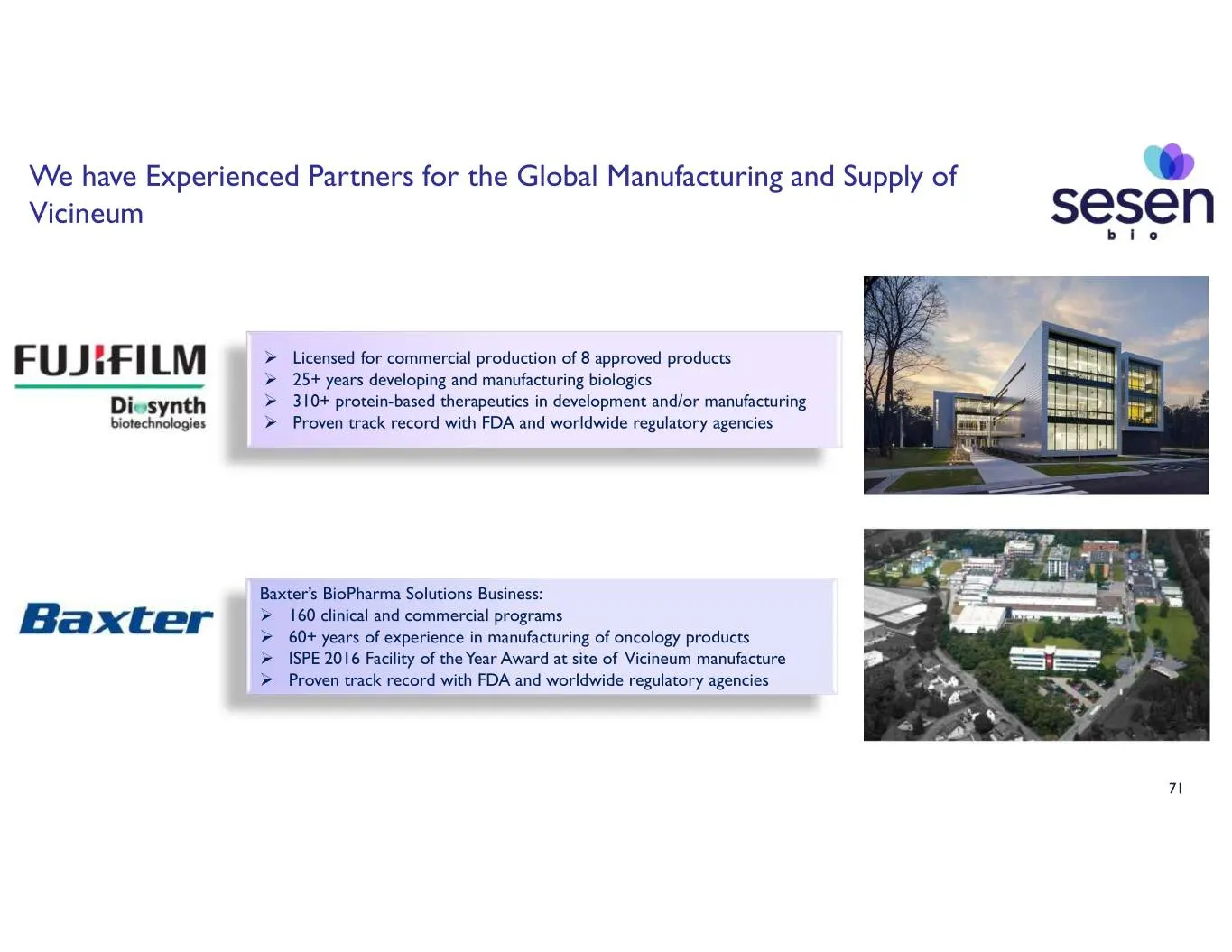
Slide 71: Experienced Partners for Global Manufacturing and Supply
We have Experienced Partners for the Global Manufacturing and Supply of Vicineum Licensed for commercial production of 8 approved products 25+ years developing and manufacturing biologics 310+ protein-based therapeutics in development and/or manufacturing Proven track record with FDA and worldwide r
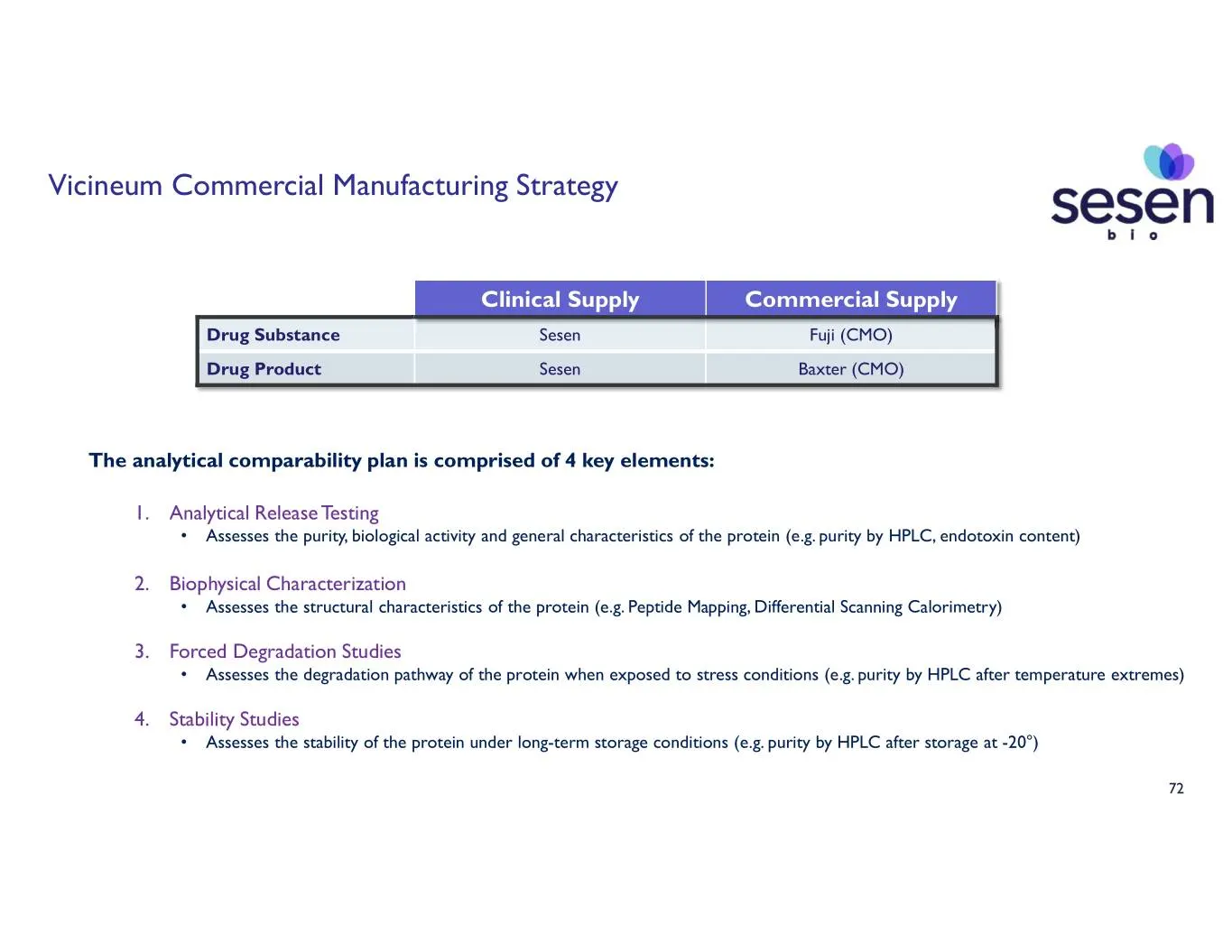
Slide 72: Vicineum Commercial Manufacturing Strategy
Vicineum Commercial Manufacturing Strategy Clinical Supply Commercial Supply Drug Substance Sesen Fuji (CMO) Drug Product Sesen Baxter (CMO) The analytical comparability plan is comprised of 4 key elements: 1. Analytical Release Testing • Assesses the purity, biological activity and general characte
Slide 73: Appendix: Intellectual Property
Appendix Intellectual Property 73
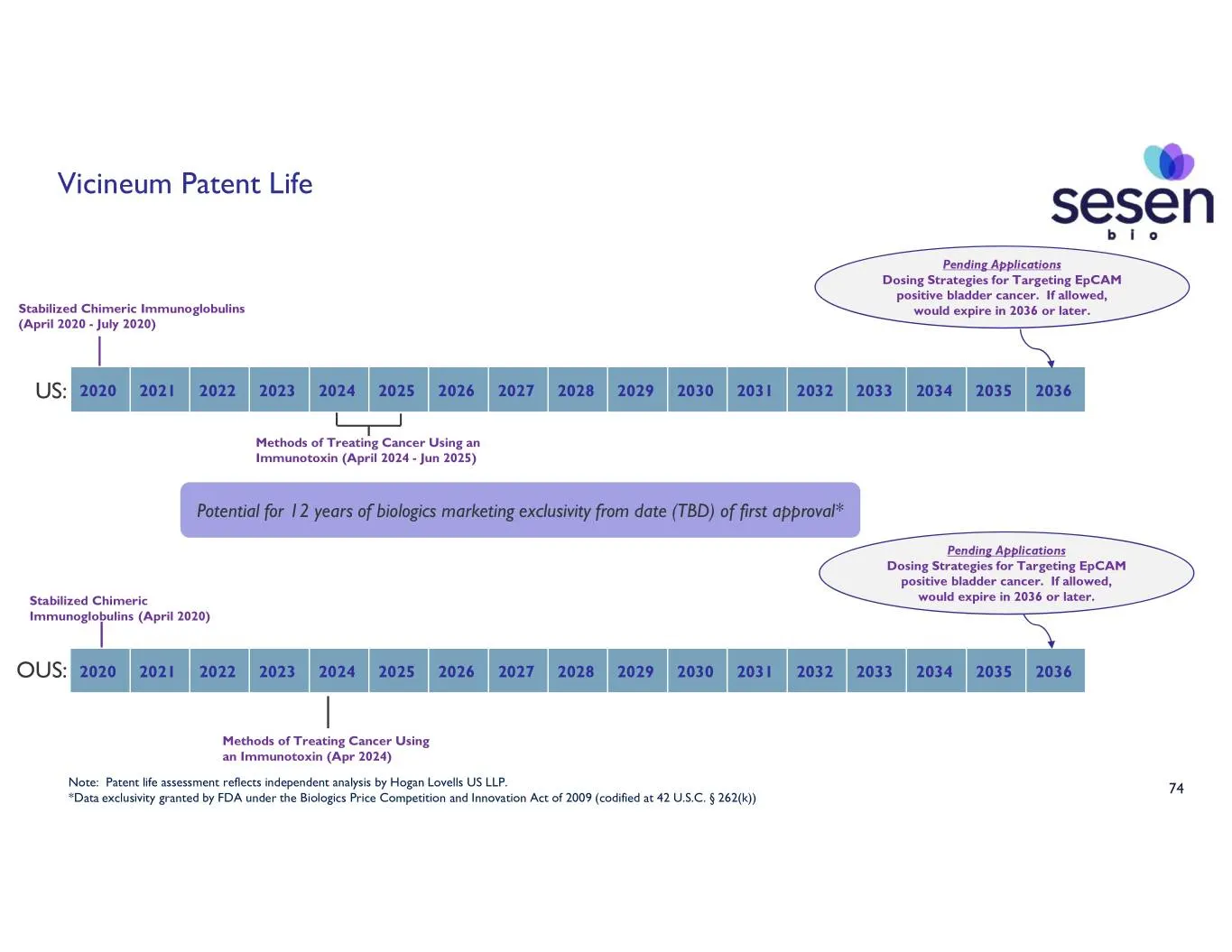
Slide 74: Vicineum Patent Life
Vicineum Patent Life Pending Applications Dosing Strategies for Targeting EpCAM positive bladder cancer. If allowed, Stabilized Chimeric Immunoglobulins would expire in 2036 or later. (April 2020 - July 2020) US: 2020 2021 2022 2023 2024 2025 2026 2027 2028 2029 2030 2031 2032 2033 2034 2035 2036 Me
Source: SEC EDGAR · 8-K filed Sep 15, 2020
More decks from Sesen Bio Inc
 Carisma Therapeutics — Technical Presentation (April 2024)9 slides · Apr 10, 2024
 Carisma Therapeutics — CAR-TCR Summit 202320 slides · Sep 1, 2023
 Merger or Acquisition (February 2023)17 slides · Feb 2, 2023
 Merger or Acquisition (December 2022)24 slides · Dec 12, 2022
 Merger or Acquisition (September 2022)26 slides · Sep 27, 2022
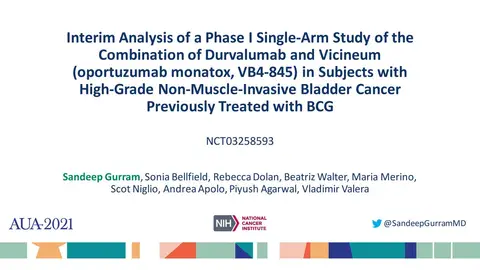 Technical Presentation (September 2021)17 slides · Sep 10, 2021