MedPro Safety Products — Cowen Healthcare Conference (March 2010)
24 slides from MedPro Safety Products's conference presentation, Mar 8, 2010

Slide 1: Safe Harbor Statement
This release includes forward-looking statements based upon current expectations of the management of MedPro Safety Products, Inc. that involve risks and uncertainties, such as plans, objectives, expectations and intentions. Actual results and the timing of events could differ materially from those
Slide 2: Cowen Healthcare Conference
Cowen Healthcare Conference Craig Turner, CEO MedPro Safety Products

Slide 3: Protecting Healthcare Professionals
Protecting Healthcare Professionals OTCBB:MPSP
Slide 4: The Need for Better Safety Technology
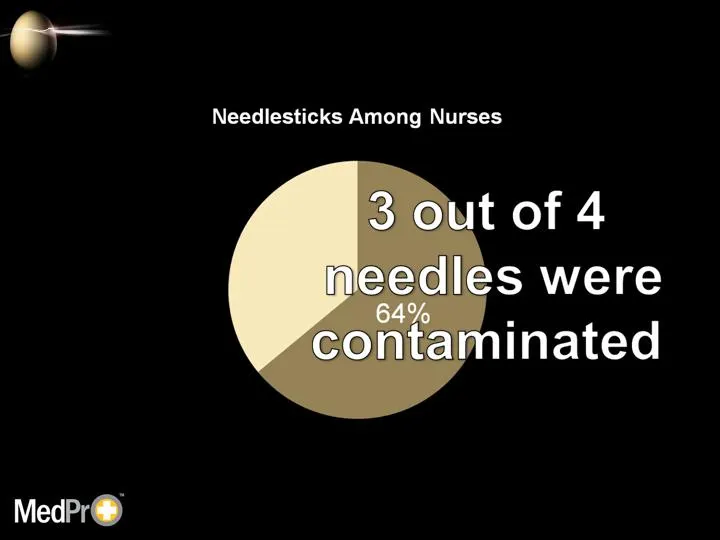
64% of nurses report being stuck by a needle while working American Nurses Association, 2008 Workplace Safety and Needlestick Injuries Study The Need for Better Safety Technology

Slide 5: Risks of a Sharps Injury
Risks of a Sharps Injury Bloodborne Pathogen Microorganisms present in human blood that can cause disease in humans OSHA Over 20 others HIV Hepatitis B Hepatitis C
Slide 6: Frequency of a Sharps Injury
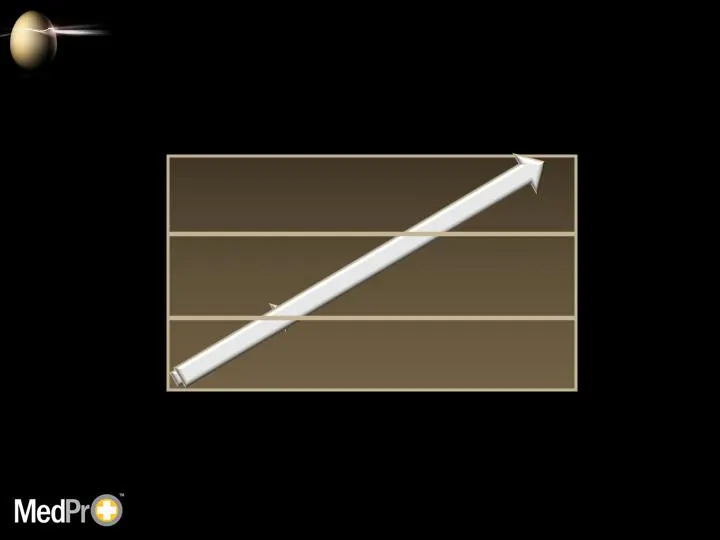
3M 2M 1M 1 Million Reported Needlesticks Annually 3 Million Estimated Needlesticks Annually International Sharps Injury Prevention Society, www.isips.org Frequency of a Sharps Injury
Slide 7: Healthcare Professionals at Risk
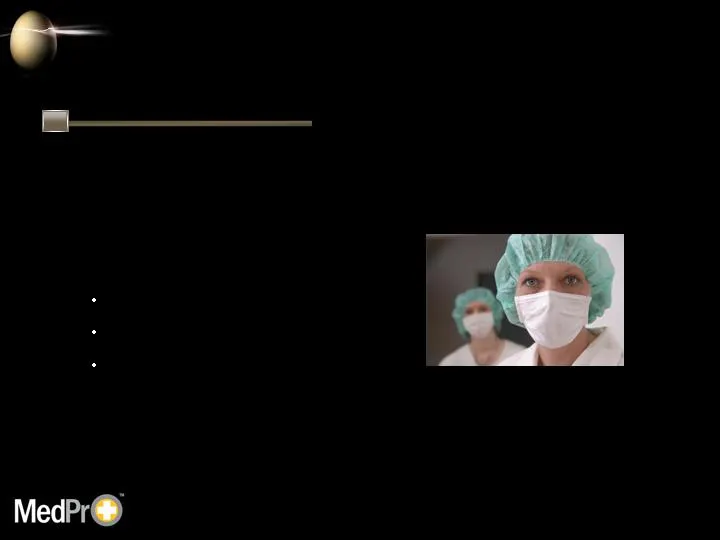
Healthcare Worker A healthcare worker exposed to a needlestick must be tested and treated for possible disease for up to 1 year Lack of Safety Results in: Possible permanent harm Loss in productivity Concern for well being “An overwhelming majority of nurses (87 percent) say safety concerns influenc
Slide 8: Employers at Risk
Healthcare Facility A key element of risk management for facilities is preventing needlestick incidents from occurring Cost for needlestick exposure averages $3,000 per incident. This cost is incurred regardless of infection being present Loss of productivity by employee Employer liability “Using sa
Slide 9: Protecting the Healthcare Worker
Protecting the Healthcare Worker Federal Government OSHA Bloodborne Pathogen Standard Federal Needlestick Safety & Prevention Act

Slide 10: Federal Needlestick Safety and Prevention Act
2 1 Outlines overall process of adoption of safer devices Requires evaluation of safer medical devices Goal: “Isolate or remove the bloodborne pathogen hazard from the workplace” OSHA Federal Needlestick Safety and Prevention Act Requires input from non managerial personnel
Slide 11: Current Market – Active Safety
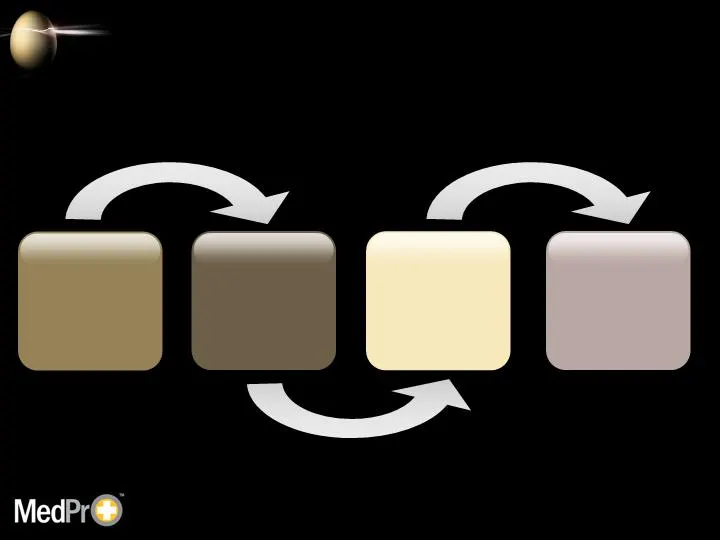
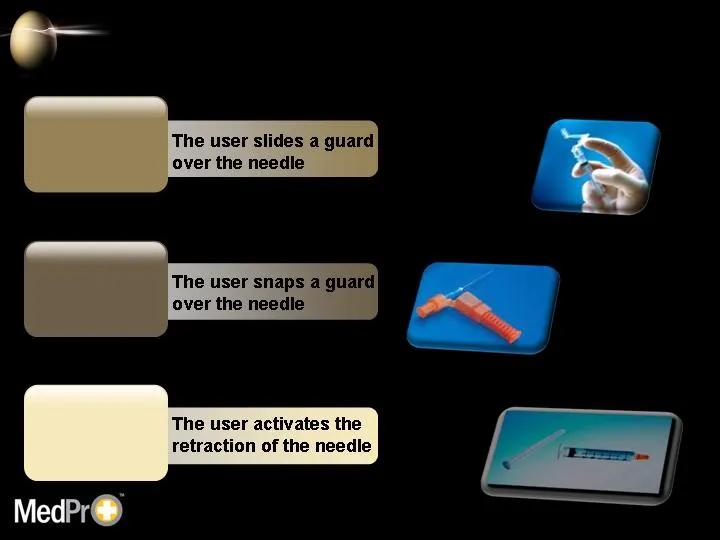
Current Market – Active Safety Slide Snap Retractable
Slide 12: Current Market - Active Safety
Active Safety Devices are the current market norm Requires activation by the user after the procedure User is required to perform additional step(s) outside of routine Many times the safety features are not activated and risk is not reduced ACTIVE SAFETY Current Market - Active Safety
Slide 13: Evolution of Sharps Safety
Evolution of Sharps Safety Active Technology Passive Technology “Automatic” Past Unprotected Sharps Disposal

Slide 14: Passive Sharps Safety
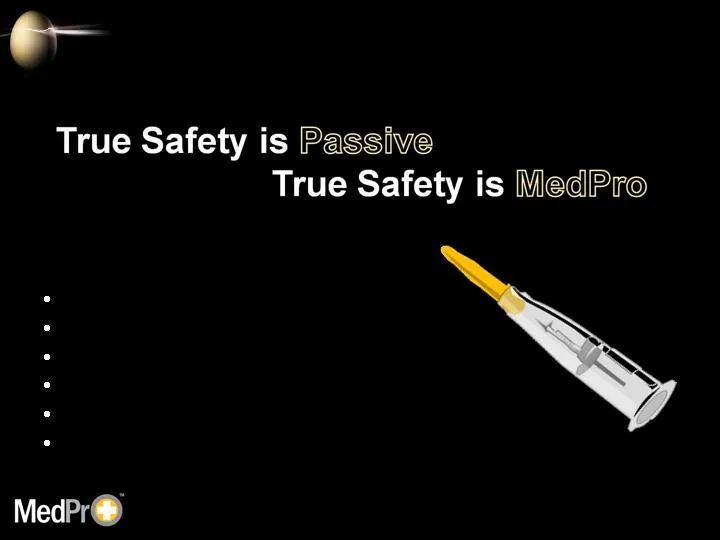
Passive Sharps Safety A Passive Safety Feature is one that requires no activation by the user “Today, there are very few safety-engineered medical devices that require no active step to make a device safer during use, after use and prior to disposal.” Centers for Disease Control Infection Control To
Slide 15: Passive Products: Automatic
Passive Products: Automatic Reduce Risk – Eliminate Operator Error Ease of Use No Change in Technique Reduction in Employer Liability All Safety Guards are brought to the patient Protecting the Healthcare Worker
Slide 16: MedPro Market Segments
Completely Passive Portfolio Phlebotomy Pharma Clinical Intravenous MedPro Market Segments
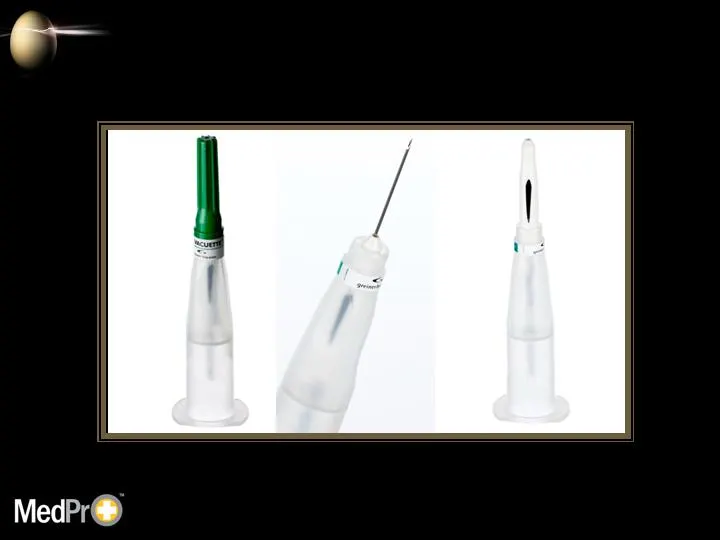
Slide 17: Passive Tube Activated Holder Phlebotomy
Passive Tube Activated Holder Phlebotomy
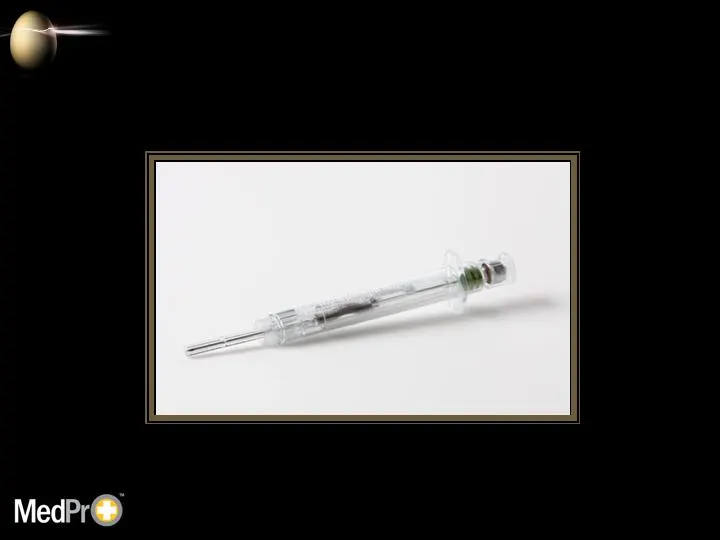
Slide 18: Pharma Passive Prefilled Drug Delivery System
Pharma Passive Prefilled Drug Delivery System Automatic Safety Activation
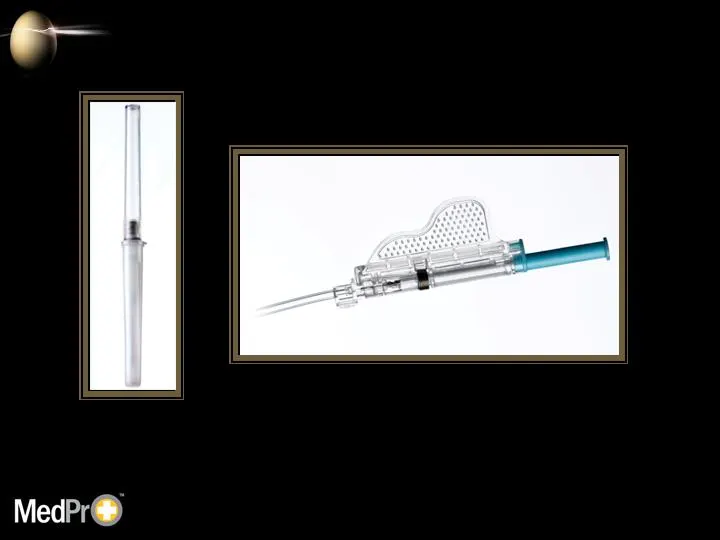
Slide 19: Infusion Passive IV Winged Collection Set
Automatic Safety Activation Infusion Passive IV Winged Collection Set Passive Catheter
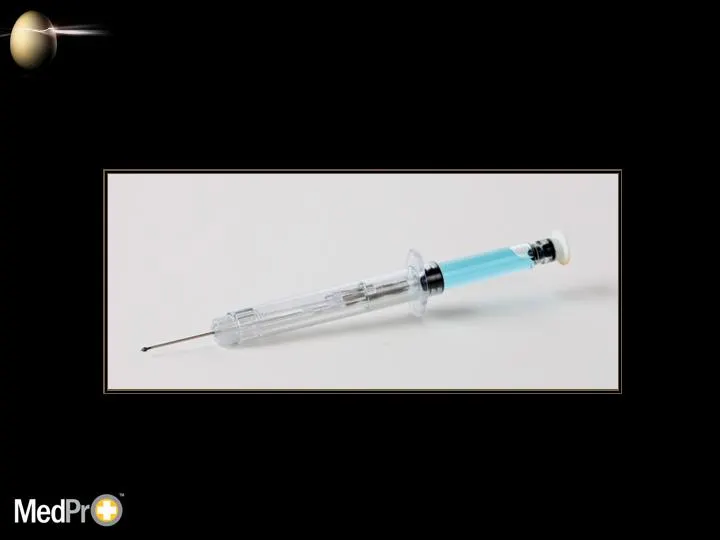
Slide 20: Clinical Passive Hypodermic Safety Syringe
Clinical Passive Hypodermic Safety Syringe Automatic Safety Activation

Slide 21: Typical Business Model
Company Product Uncertainty Overhead Costs – Product directly to Market Strategic Disadvantage – Lacking relationships, network Results Typical Business Model
Slide 22: MedPro Business Model
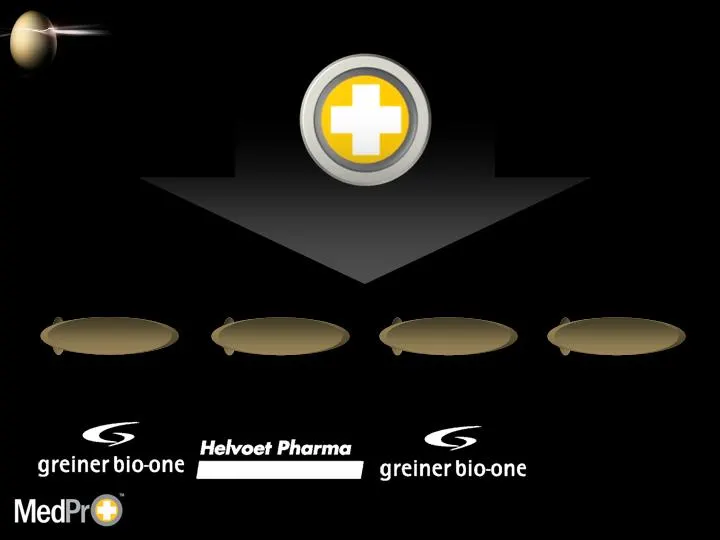
MedPro Business Model Phlebotomy Pharma Clinical Intravenous Strategic Partners In Development
Slide 23: Model Comparison
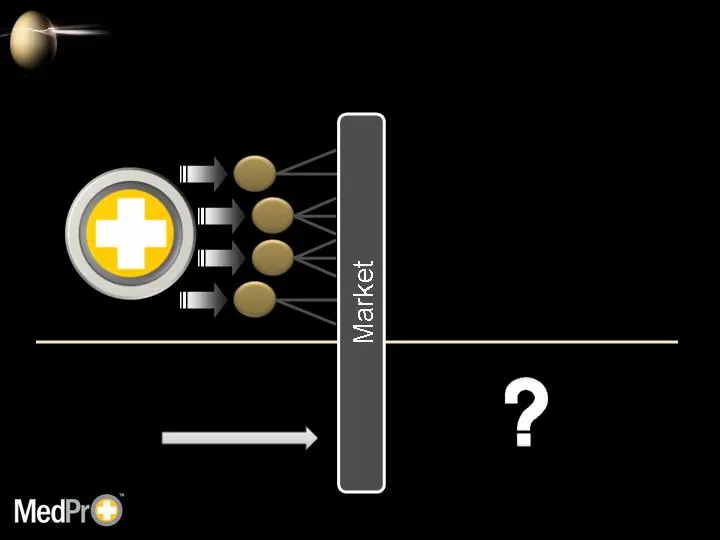
Typical Market Model Company MedPro Model Guaranteed Minimum Contracts Global Strategic Partners Distributor Commitment Financial Stability Better Capital Planning Strong Passive IP Portfolio Model Comparison
Slide 24: A New Beginning in Passive Safety
A New Beginning in Passive Safety
Source: SEC EDGAR · 8-K filed Mar 8, 2010