Cadrenal Therapeutics, Inc. · NASDAQ:CVKD
Cadrenal Therapeutics — Investor Presentation (December 2023)
37 slides from Cadrenal Therapeutics's investor presentation, December 2023

Slide 1: Cadrenal Therapeutics, Inc.
Cadrenal Therapeutics, Inc. NASDAQ: CVKD December 2023 CREATE A COVER SLIDE 1
Slide 2: Cautionary Statement Concerning Forward Looking Statements
Cautionary Statement Concerning Forward Looking Statements This document contains forward-looking statements. In addition, from time to time, we or our representatives may make forward-looking statements orally or in writing. We base these forward-looking statements on our expectations and projectio
Slide 3: Corporate Overview
Corporate Overview Late-stage Drug with Orphan Drug and Fast track Designations o Developing tecarfarin, a late-stage novel oral and reversible anticoagulant (blood thinner) to prevent heart attacks, strokes and deaths due to blood clots in patients with certain rare medical conditions (< 200,000 pa

Slide 4: Tecarfarin Opportunity
TECARFARIN OPPORTUNITY 4
Slide 5: The Problem: Rare Medical Conditions Lacking Effective Anticoagulation
The Problem: Rare Medical Conditions Lacking Effective Anticoagulation Tecarfarin is targeted for indications where warfarin FAILS to achieve sufficiently stable anticoagulation and DOACs (Eliquis-class drugs) are NOT widely prescribed for these rare medical conditions. o In 1954, warfarin was appro
Slide 6: Eliquis 2023 Commercial
Eliquis 2023 Commercial “Don’t take ELIQUIS if you have an artificial heart valve…” ELIQUIS is not for patients who have antiphospholipid syndrome (APS). Click to play Eliquis commercial. 6
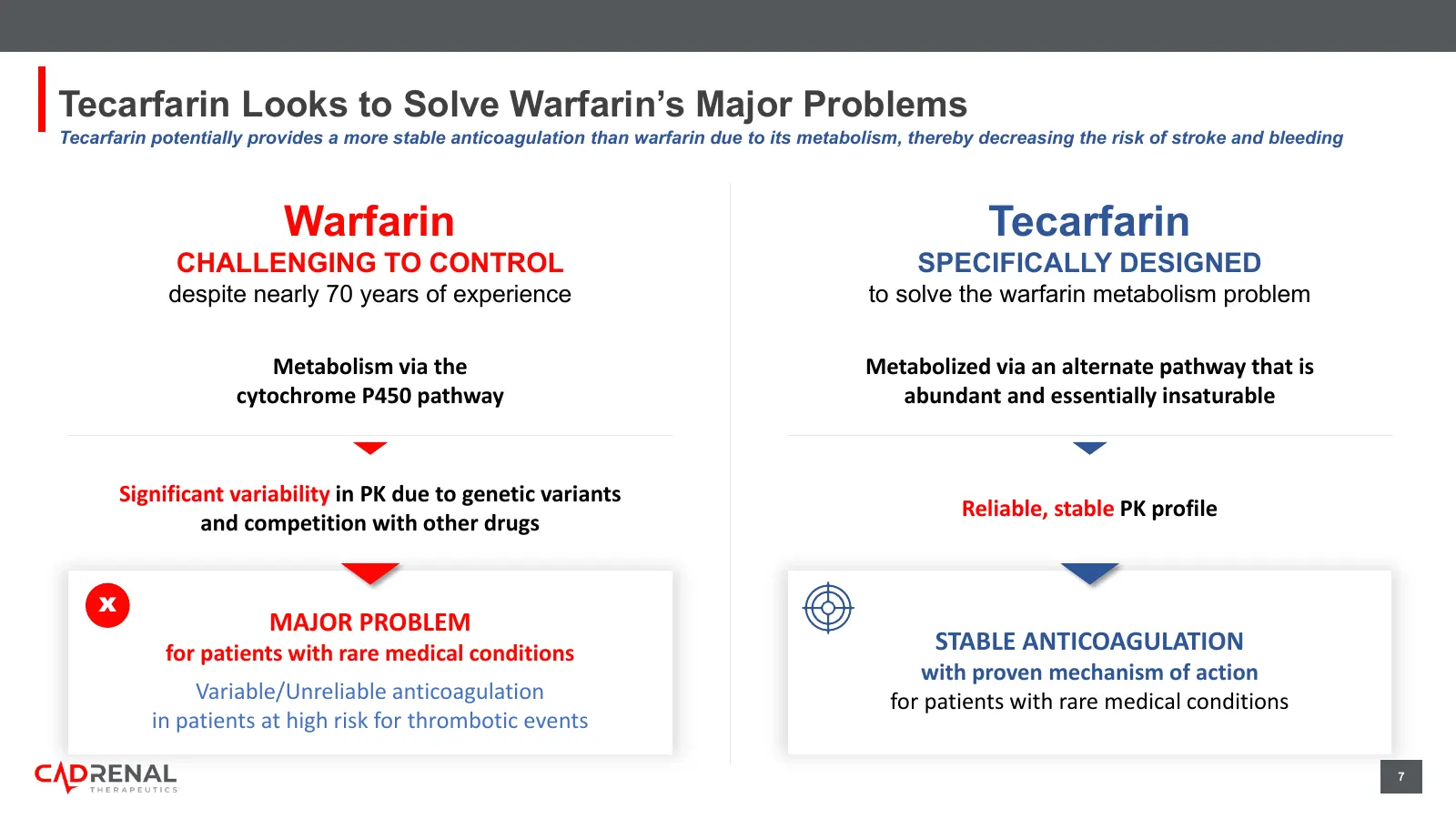
Slide 7: Tecarfarin Looks to Solve Warfarin's Major Problems
Tecarfarin Looks to Solve Warfarin’s Major Problems Tecarfarin potentially provides a more stable anticoagulation than warfarin due to its metabolism, thereby decreasing the risk of stroke and bleeding Warfarin Tecarfarin CHALLENGING TO CONTROL SPECIFICALLY DESIGNED despite nearly 70 years of experi
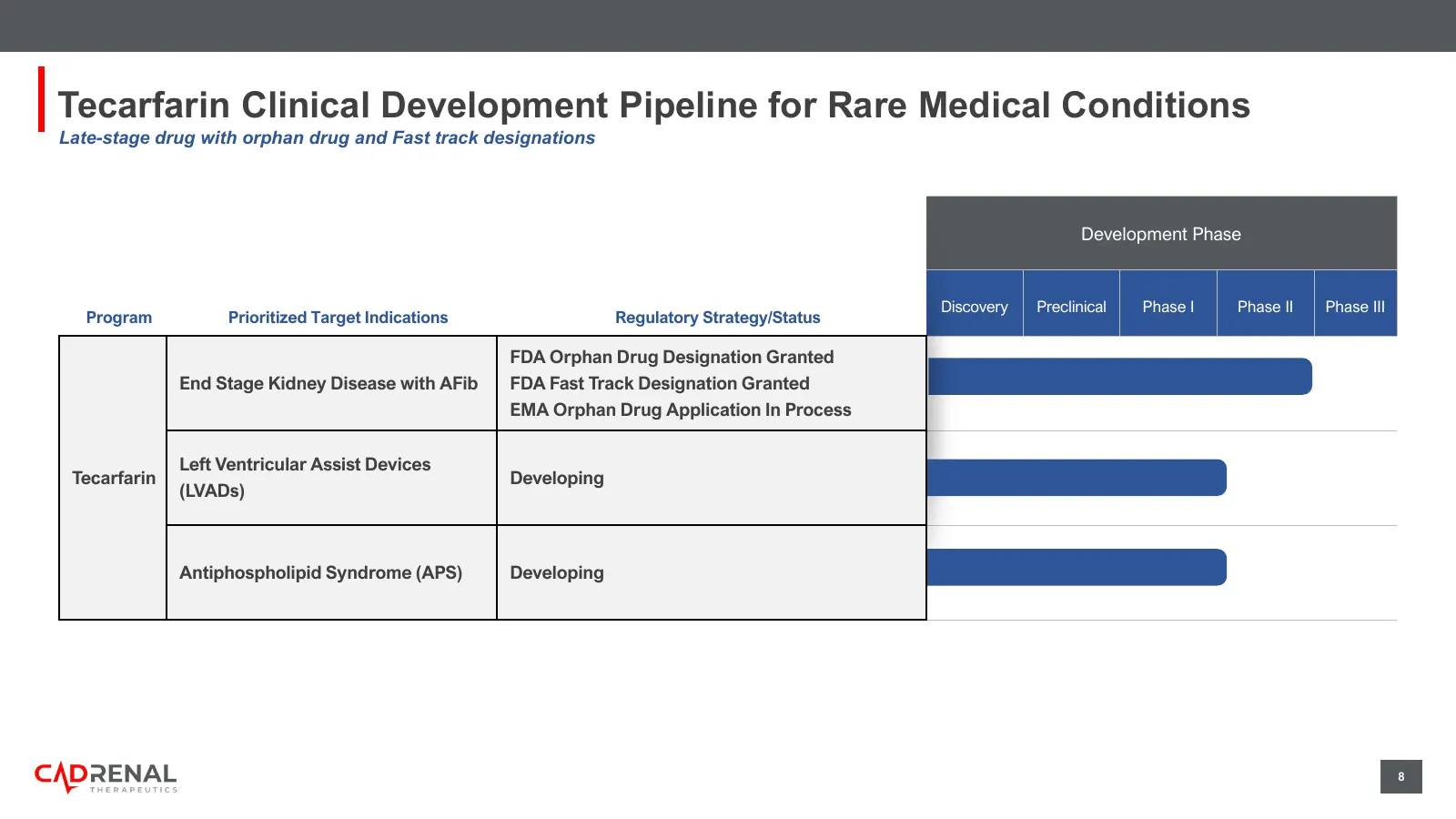
Slide 8: Tecarfarin Clinical Development Pipeline for Rare Medical Conditions
Tecarfarin Clinical Development Pipeline for Rare Medical Conditions Late-stage drug with orphan drug and Fast track designations Development Phase Discovery Preclinical Phase I Phase II Phase III Program Prioritized Target Indications Regulatory Strategy/Status FDA Orphan Drug Designation Granted E
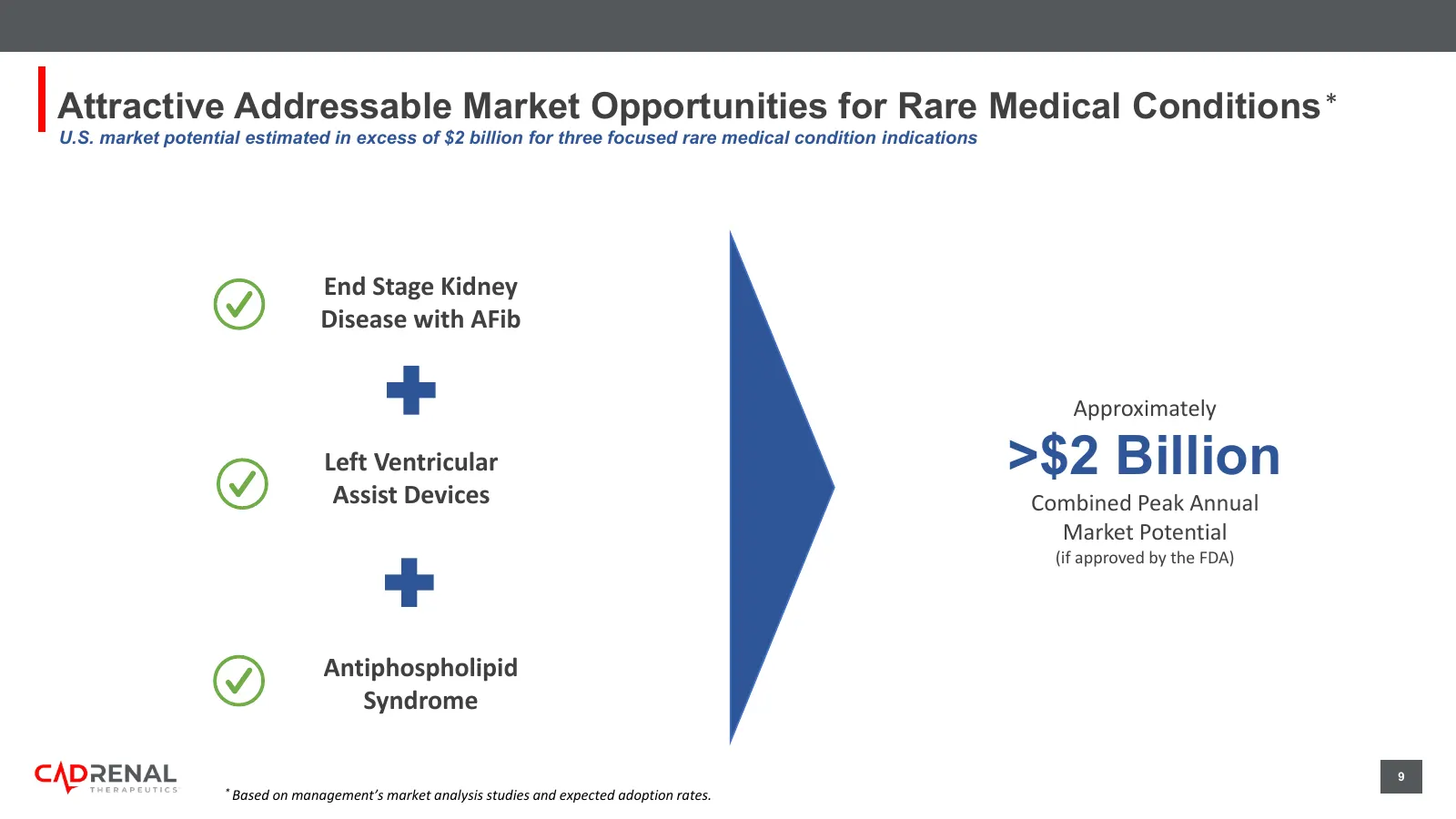
Slide 9: Attractive Addressable Market Opportunities for Rare Medical Conditions
Attractive Addressable Market Opportunities for Rare Medical Conditions * U.S. market potential estimated in excess of $2 billion for three focused rare medical condition indications End Stage Kidney Disease with AFib Approximately Left Ventricular >$2 Billion Assist Devices Combined Peak Annual Mar
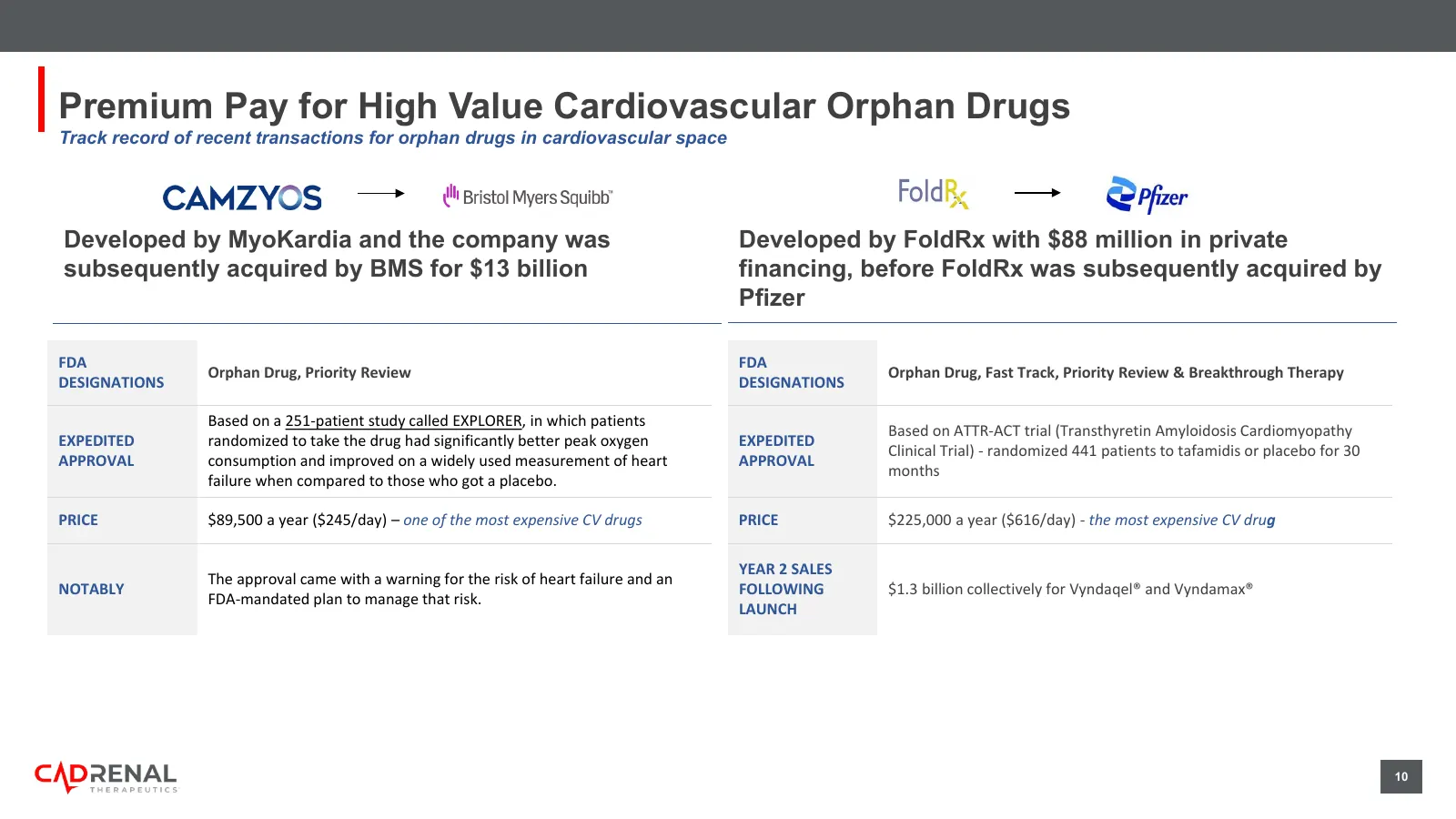
Slide 10: Premium Pay for High Value Cardiovascular Orphan Drugs
Premium Pay for High Value Cardiovascular Orphan Drugs Track record of recent transactions for orphan drugs in cardiovascular space Developed by MyoKardia and the company was Developed by FoldRx with $88 million in private subsequently acquired by BMS for $13 billion financing, before FoldRx was sub
Slide 11: Why Tecarfarin Now?
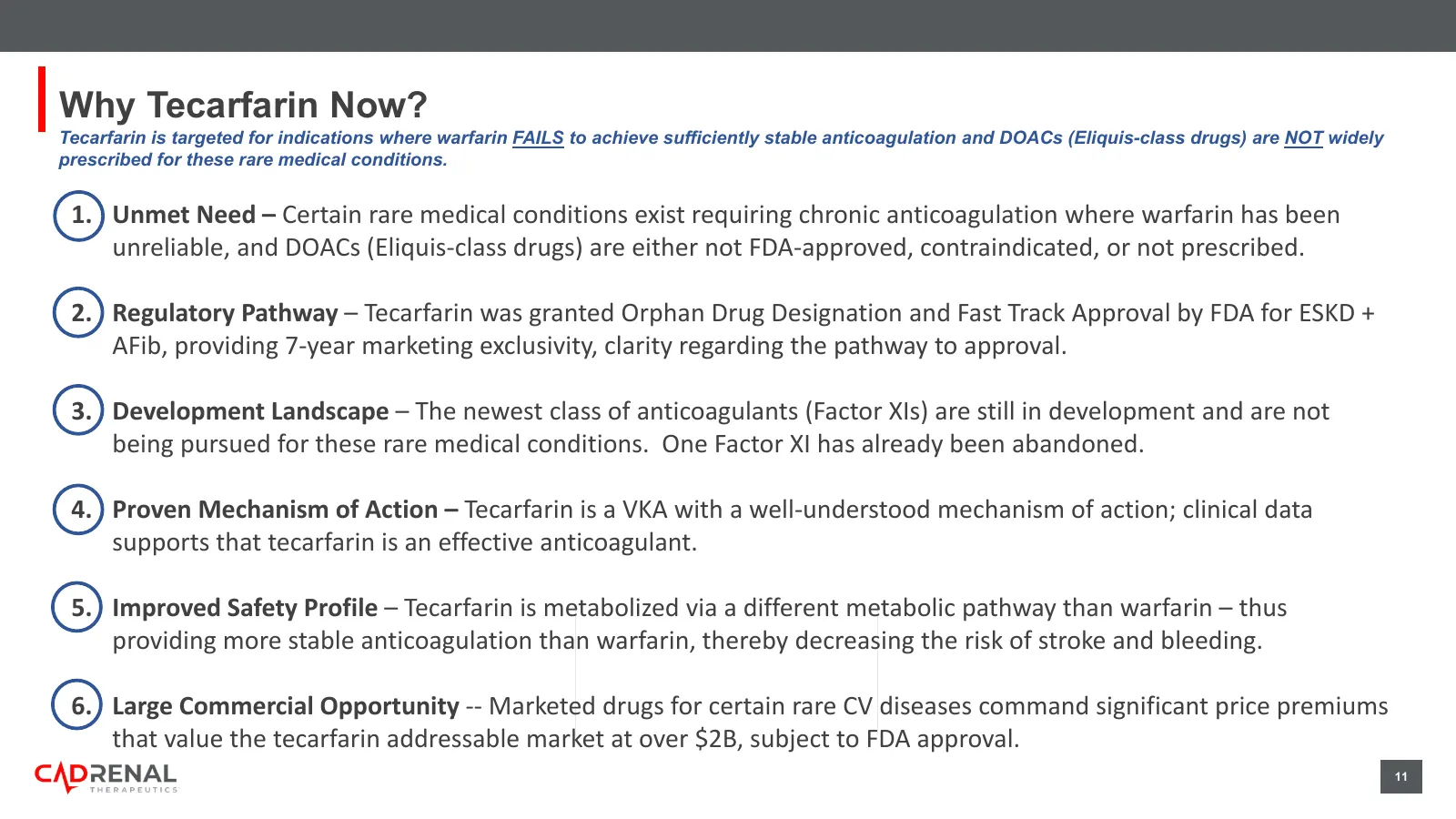
Why Tecarfarin Now? Tecarfarin is targeted for indications where warfarin FAILS to achieve sufficiently stable anticoagulation and DOACs (Eliquis-class drugs) are NOT widely prescribed for these rare medical conditions. 1. Unmet Need – Certain rare medical conditions exist requiring chronic anticoag

Slide 12: Clinical Data
CLINICAL DATA 12
Slide 13: Vitamin K Antagonism Inhibits Multiple Factors in the Clotting Cascade
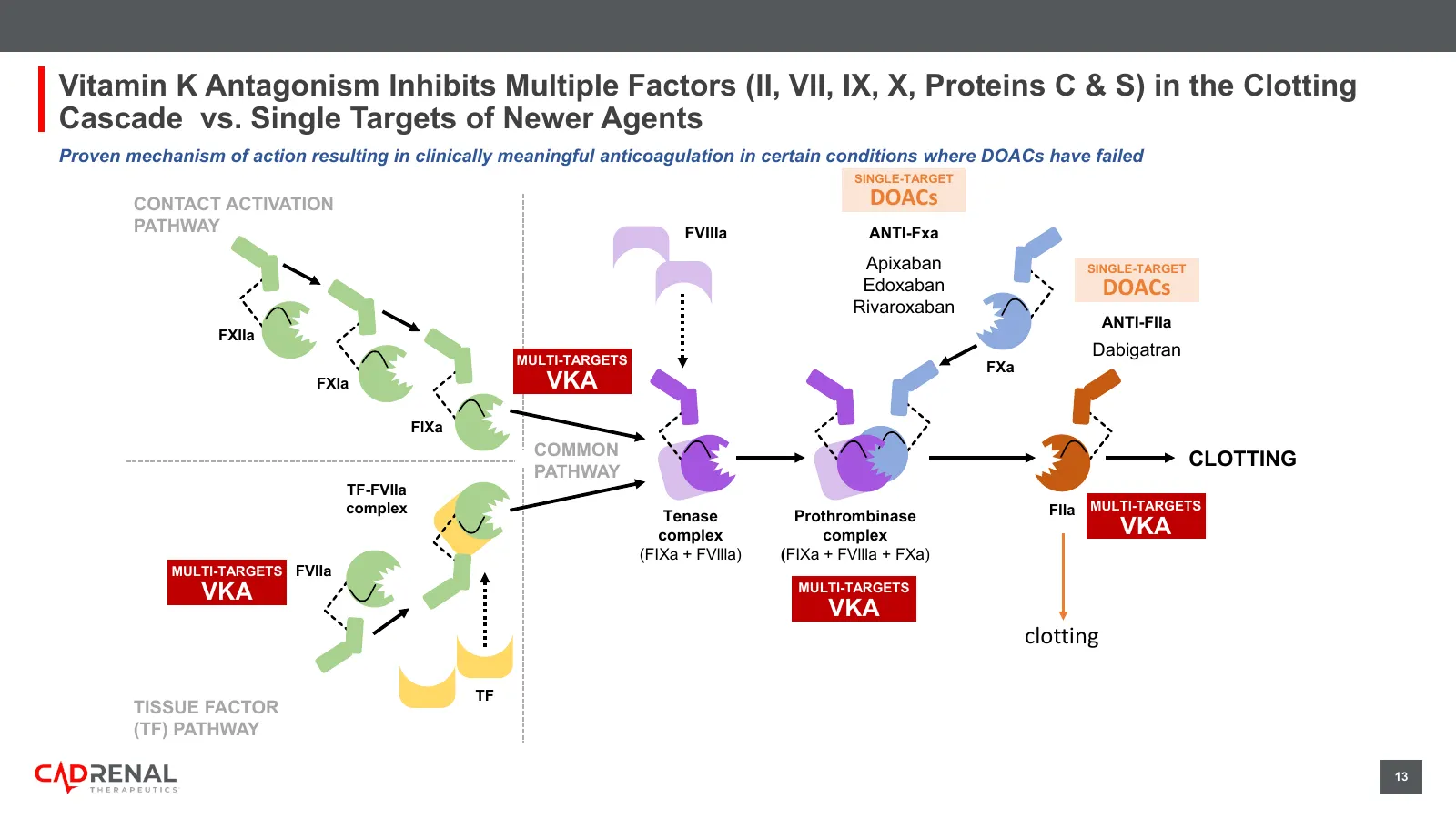
Vitamin K Antagonism Inhibits Multiple Factors (II, VII, IX, X, Proteins C & S) in the Clotting Cascade vs. Single Targets of Newer Agents Proven mechanism of action resulting in clinically meaningful anticoagulation in certain conditions where DOACs have failed SINGLE-TARGET CONTACT ACTIVATION DOAC
Slide 14: Tecarfarin is Designed to be an Improvement to Warfarin
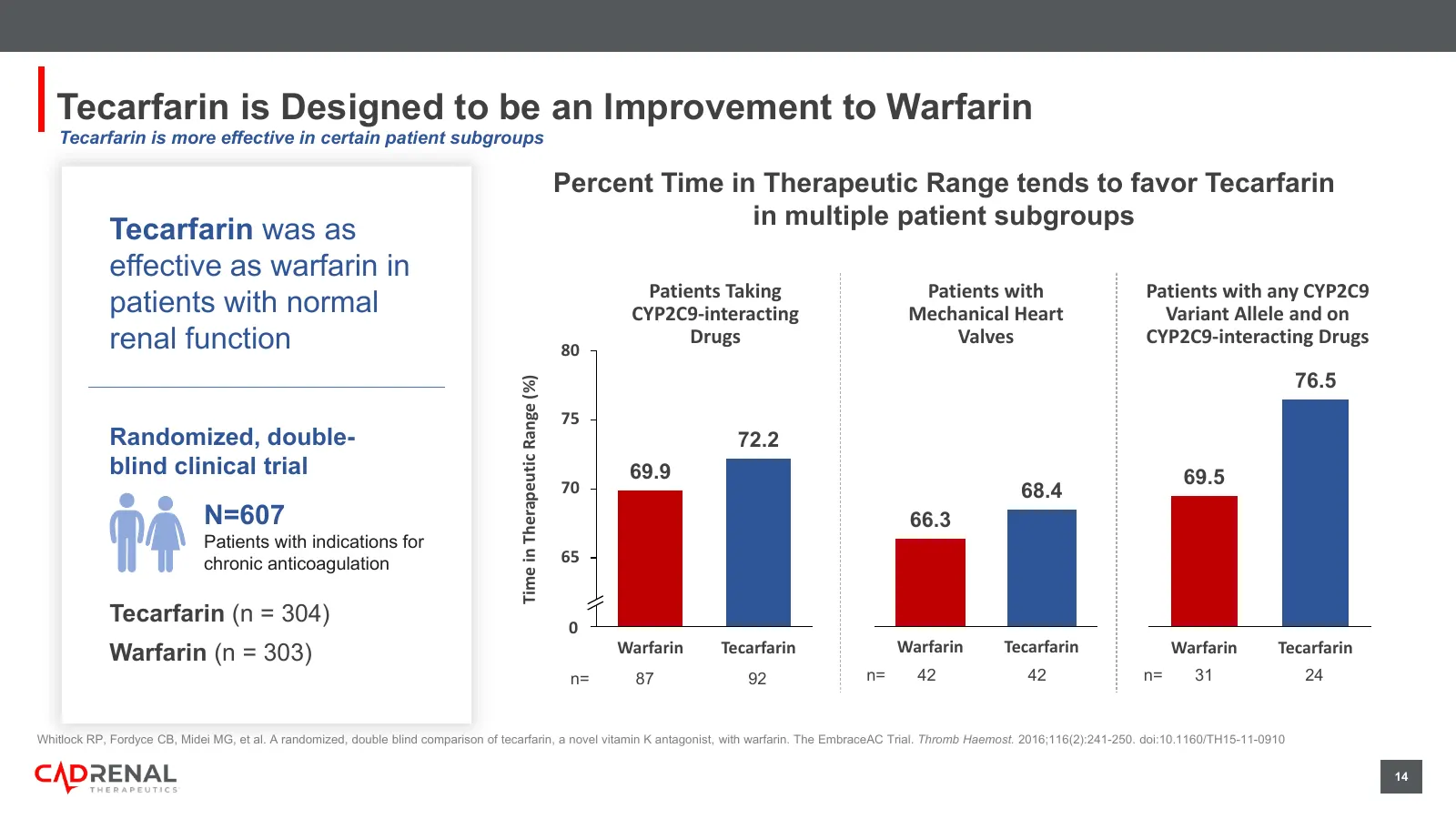
Tecarfarin is Designed to be an Improvement to Warfarin Tecarfarin is more effective in certain patient subgroups Percent Time in Therapeutic Range tends to favor Tecarfarin in multiple patient subgroups Tecarfarin was as effective as warfarin in Patients Taking Patients with Patients with any CYP2C
Slide 15: Kidney Failure Had a Significant Impact on Warfarin PK vs Tecarfarin
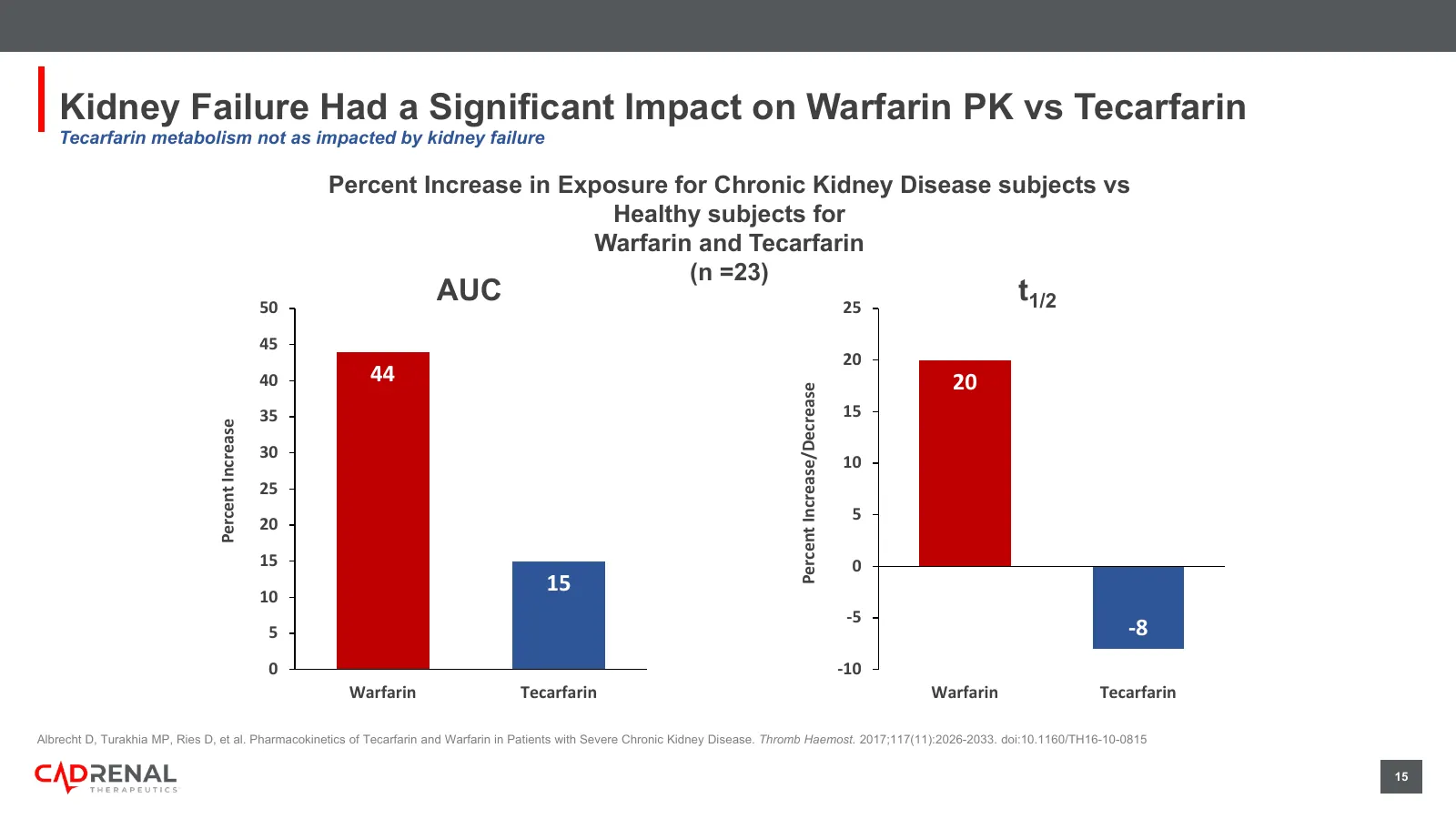
Kidney Failure Had a Significant Impact on Warfarin PK vs Tecarfarin Tecarfarin metabolism not as impacted by kidney failure Percent Increase in Exposure for Chronic Kidney Disease subjects vs Healthy subjects for Warfarin and Tecarfarin (n =23) 50 AUC 25 t1/2 45 20 40 44 20 Percent Increase/Decreas
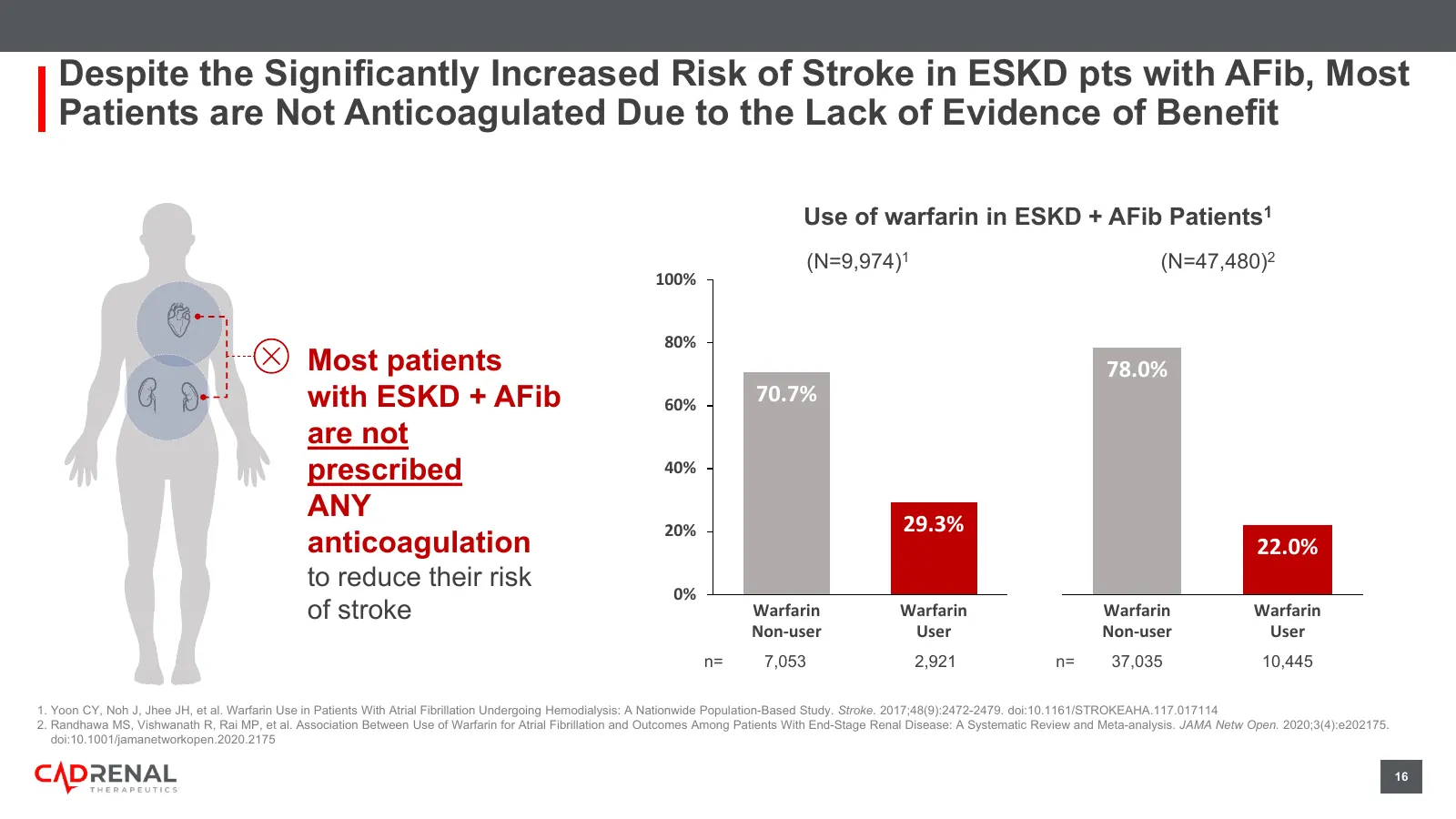
Slide 16: Most ESKD with AFib Patients Are Not Anticoagulated
Despite the Significantly Increased Risk of Stroke in ESKD pts with AFib, Most Patients are Not Anticoagulated Due to the Lack of Evidence of Benefit Use of warfarin in ESKD + AFib Patients1 (N=9,974)1 (N=47,480)2 100% 80% Most patients 78.0% with ESKD + AFib 60% 70.7% are not prescribed 40% ANY 20%
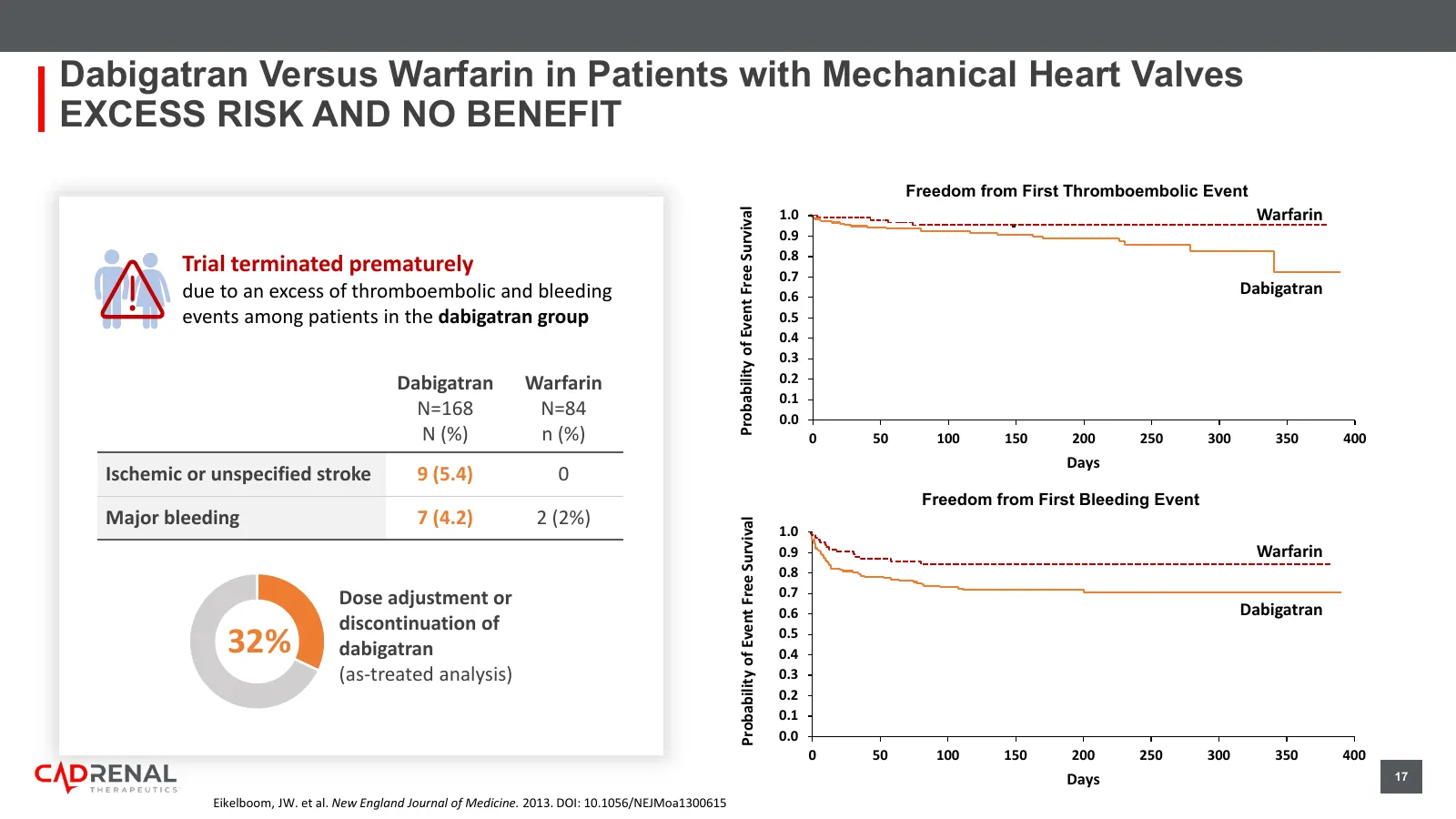
Slide 17: Dabigatran Versus Warfarin in Patients with Mechanical Heart Valves
Dabigatran Versus Warfarin in Patients with Mechanical Heart Valves EXCESS RISK AND NO BENEFIT First Freedom Thromboembolic from EventEvent First Thromboembolic 1.0 Warfarin Probability of Event Free Survival 0.9 0.8 Trial terminated prematurely 0.7 due to an excess of thromboembolic and bleeding 0.
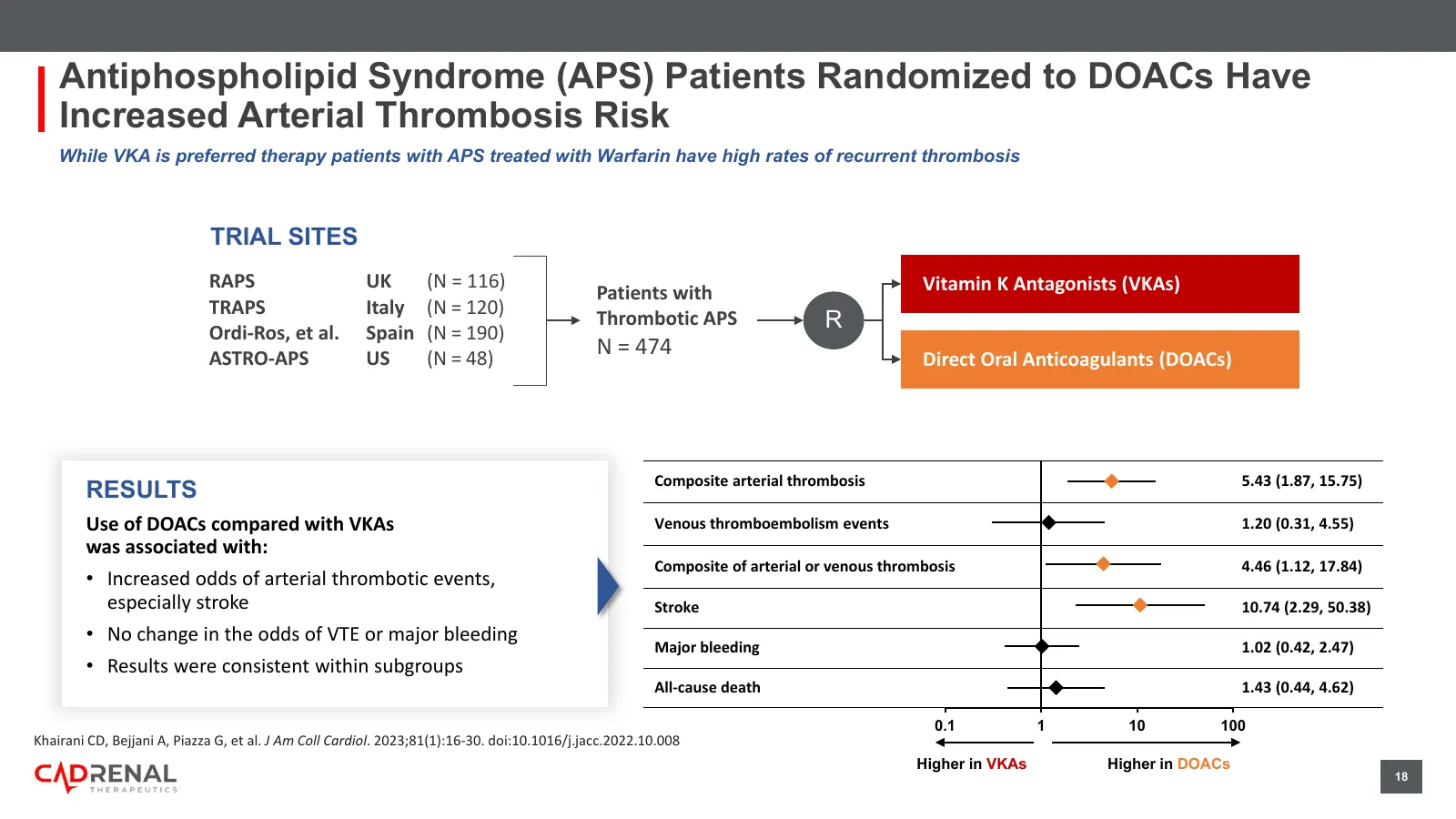
Slide 18: APS Patients Randomized to DOACs Have Increased Arterial Thrombosis Risk
Antiphospholipid Syndrome (APS) Patients Randomized to DOACs Have Increased Arterial Thrombosis Risk While VKA is preferred therapy patients with APS treated with Warfarin have high rates of recurrent thrombosis TRIAL SITES RAPS UK (N = 116) Vitamin K Antagonists (VKAs) Patients with TRAPS Italy (N

Slide 19: Upcoming Milestones
UPCOMING MILESTONES 19
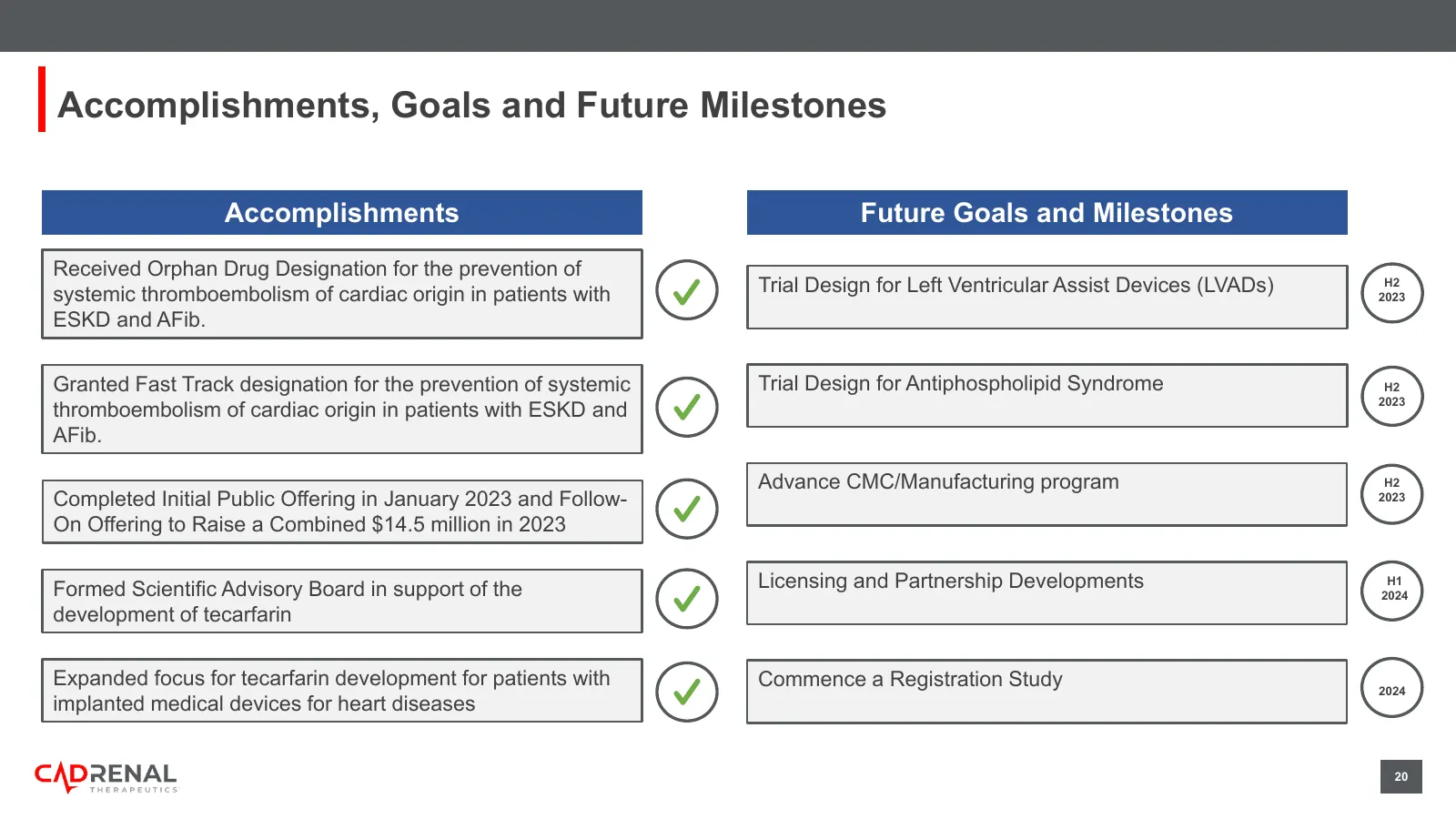
Slide 20: Accomplishments, Goals and Future Milestones
Accomplishments, Goals and Future Milestones Accomplishments Future Goals and Milestones Received Orphan Drug Designation for the prevention of systemic thromboembolism of cardiac origin in patients with Trial Design for Left Ventricular Assist Devices (LVADs) H2 2023 ESKD and AFib. Granted Fast Tra

Slide 21: Management, Board & Scientific Advisory Board
MANAGEMENT, BOARD & SCIENTIFIC ADVISORY BOARD 21
Slide 22: Leadership Team
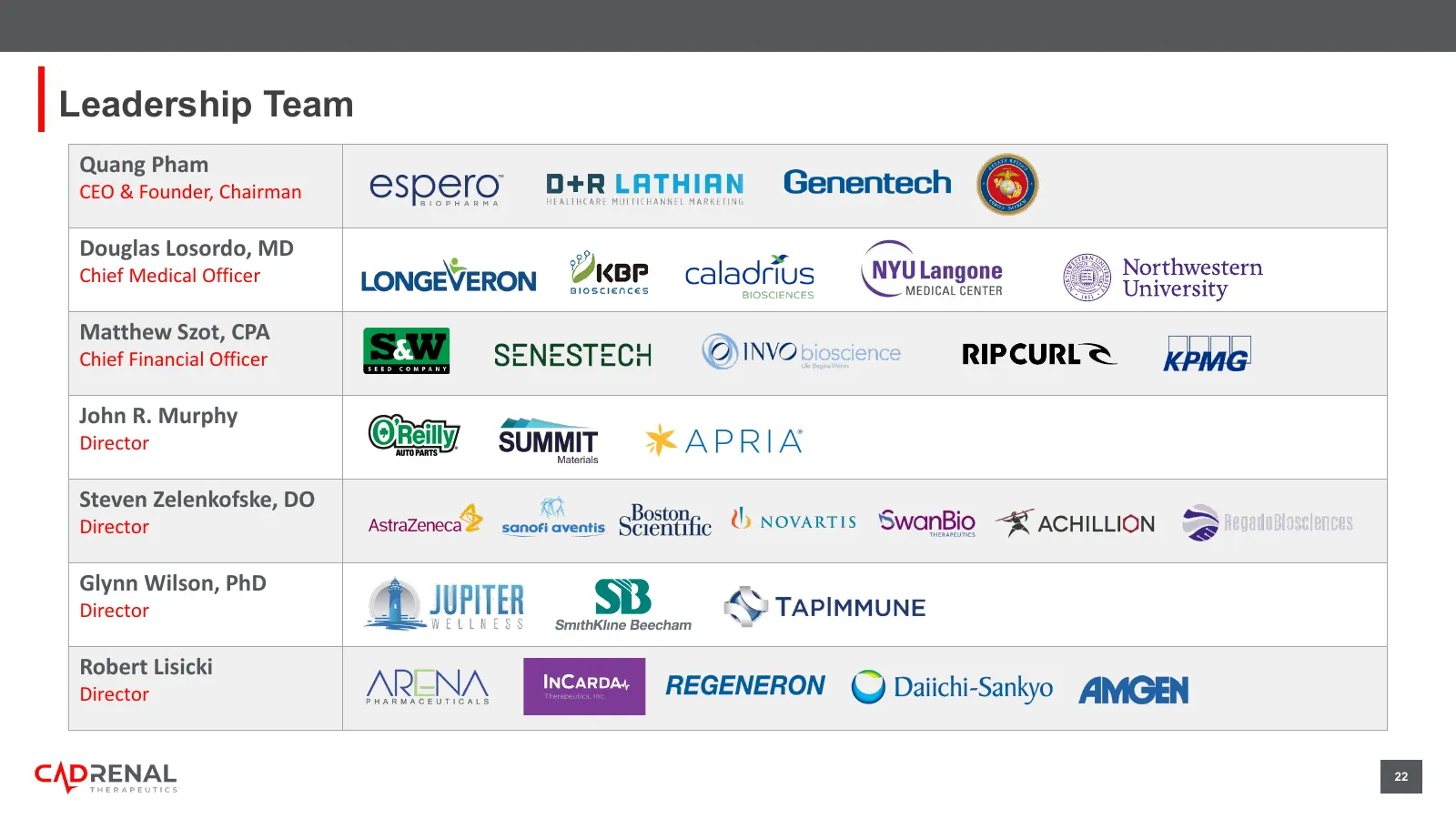
Leadership Team Quang Pham CEO & Founder, Chairman Douglas Losordo, MD Chief Medical Officer Matthew Szot, CPA Chief Financial Officer John R. Murphy Director Steven Zelenkofske, DO Director Glynn Wilson, PhD Director Robert Lisicki Director 22
Slide 23: Scientific Advisory Board (SAB)
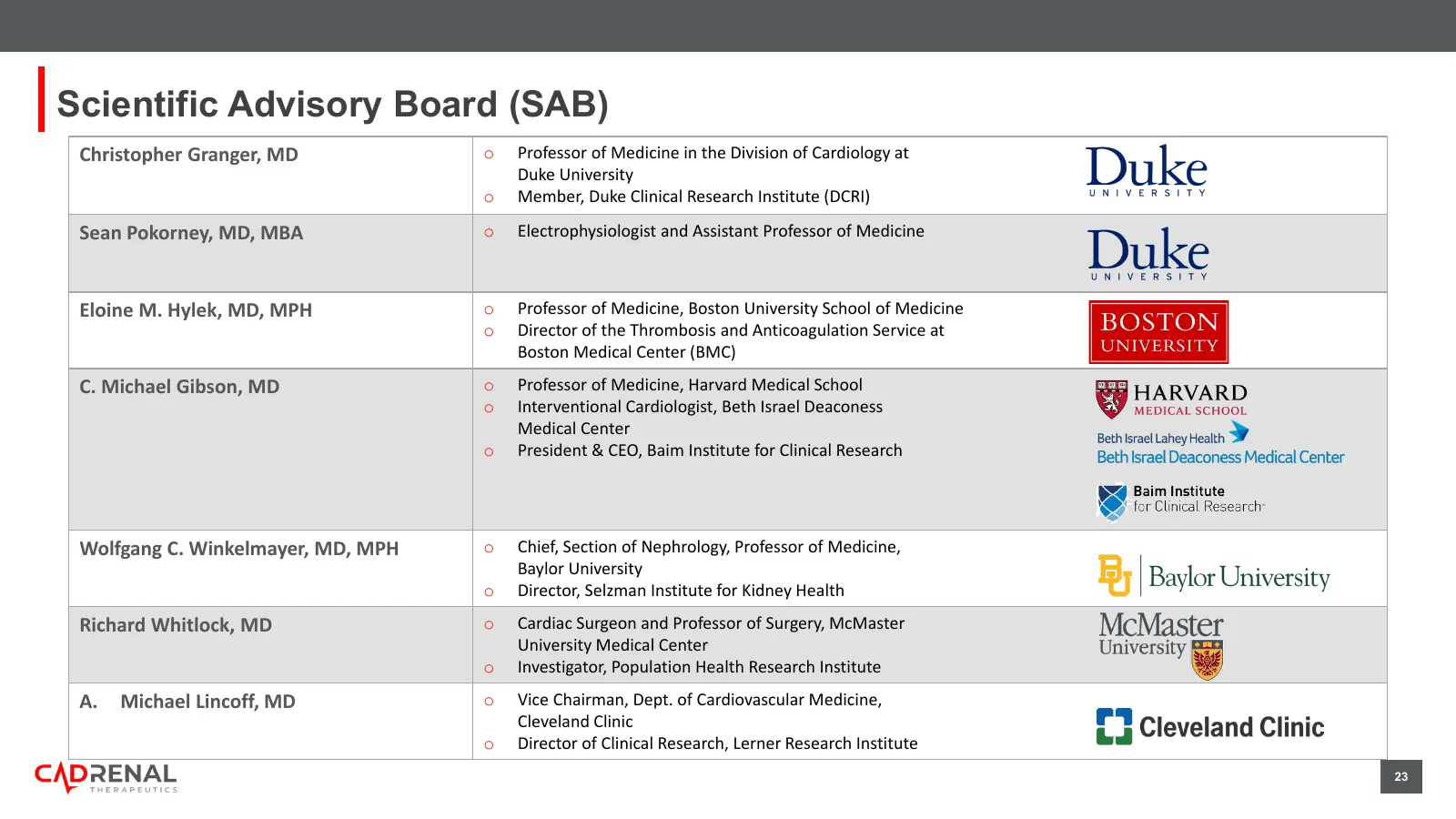
Scientific Advisory Board (SAB) Christopher Granger, MD o Professor of Medicine in the Division of Cardiology at Duke University o Member, Duke Clinical Research Institute (DCRI) Sean Pokorney, MD, MBA o Electrophysiologist and Assistant Professor of Medicine Eloine M. Hylek, MD, MPH o Professor of

Slide 24: Financials & Highlights
FINANCIALS & HIGHLIGHTS 24
Slide 25: Financial Summary
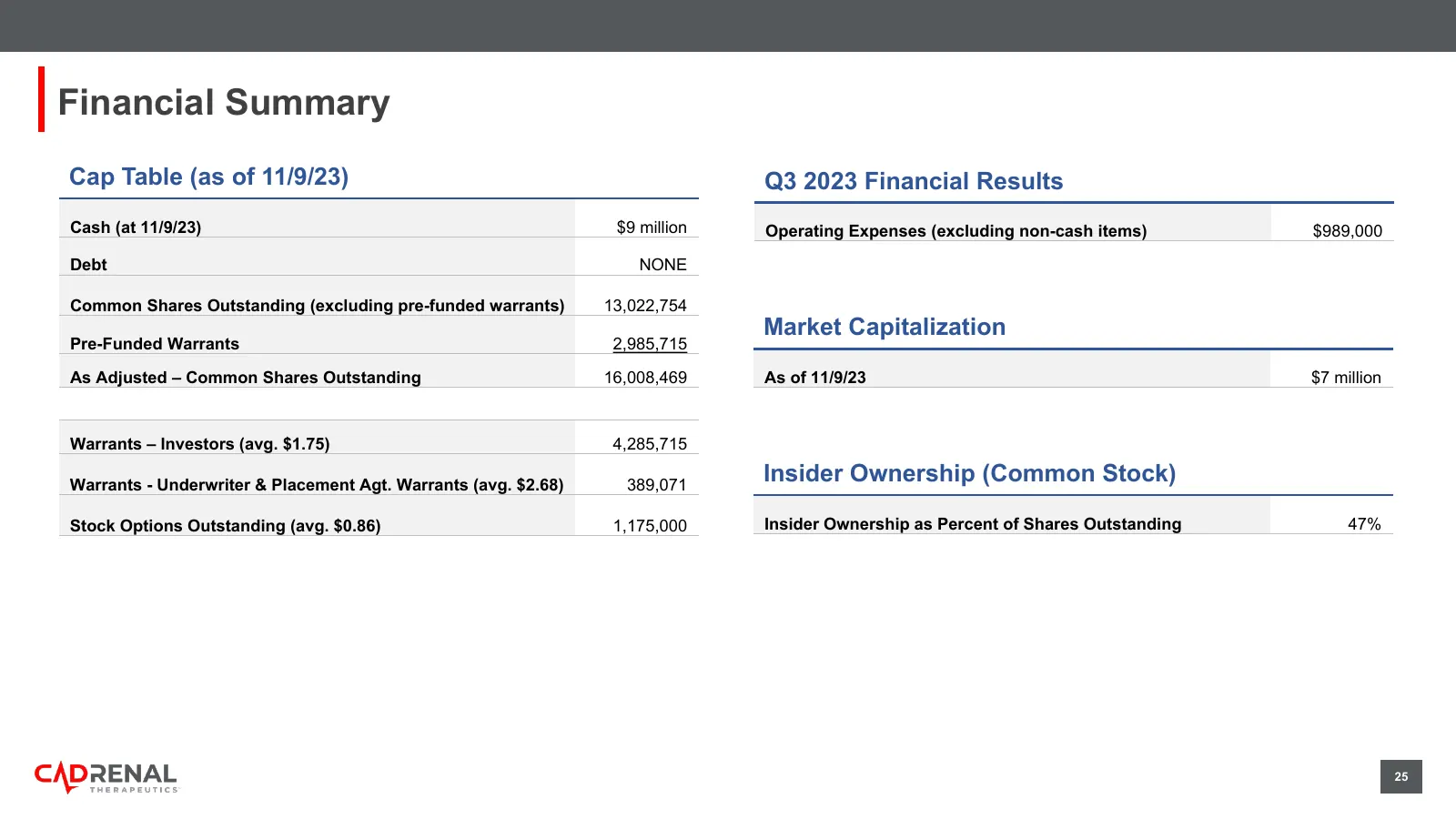
Financial Summary Cap Table (as of 11/9/23) Q3 2023 Financial Results Cash (at 11/9/23) $9 million Operating Expenses (excluding non-cash items) $989,000 Debt NONE Common Shares Outstanding (excluding pre-funded warrants) 13,022,754 Market Capitalization Pre-Funded Warrants 2,985,715 As Adjusted – C
Slide 26: Summary of Highlights
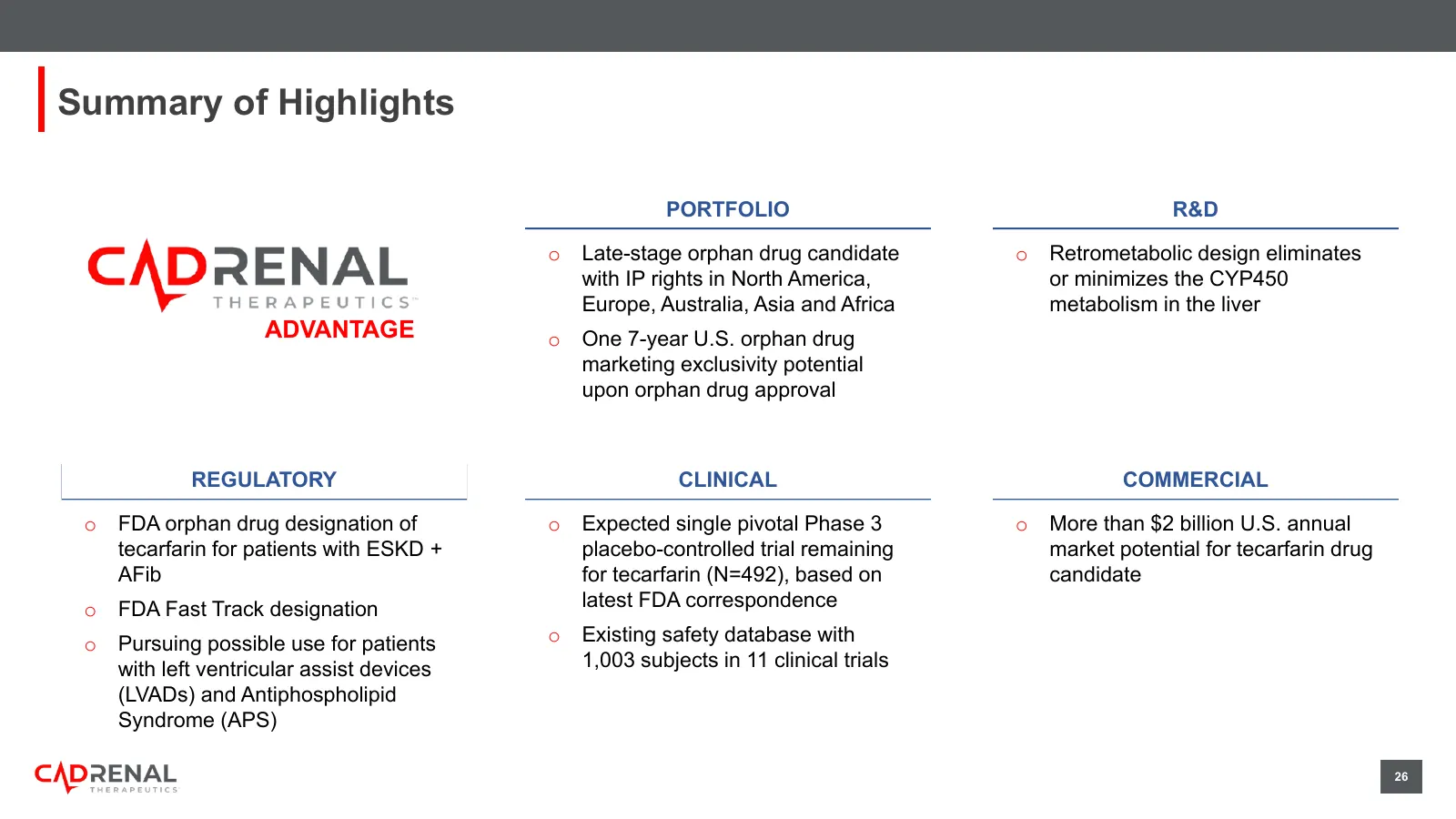
Summary of Highlights PORTFOLIO R&D o Late-stage orphan drug candidate o Retrometabolic design eliminates with IP rights in North America, or minimizes the CYP450 Europe, Australia, Asia and Africa metabolism in the liver ADVANTAGE o One 7-year U.S. orphan drug marketing exclusivity potential upon o

Slide 27: Contact Us
Contact Us Quang Pham Matthew Szot CEO & Founder CFO [email protected] [email protected] 27

Slide 28: Appendix
APPENDIX CADRENAL
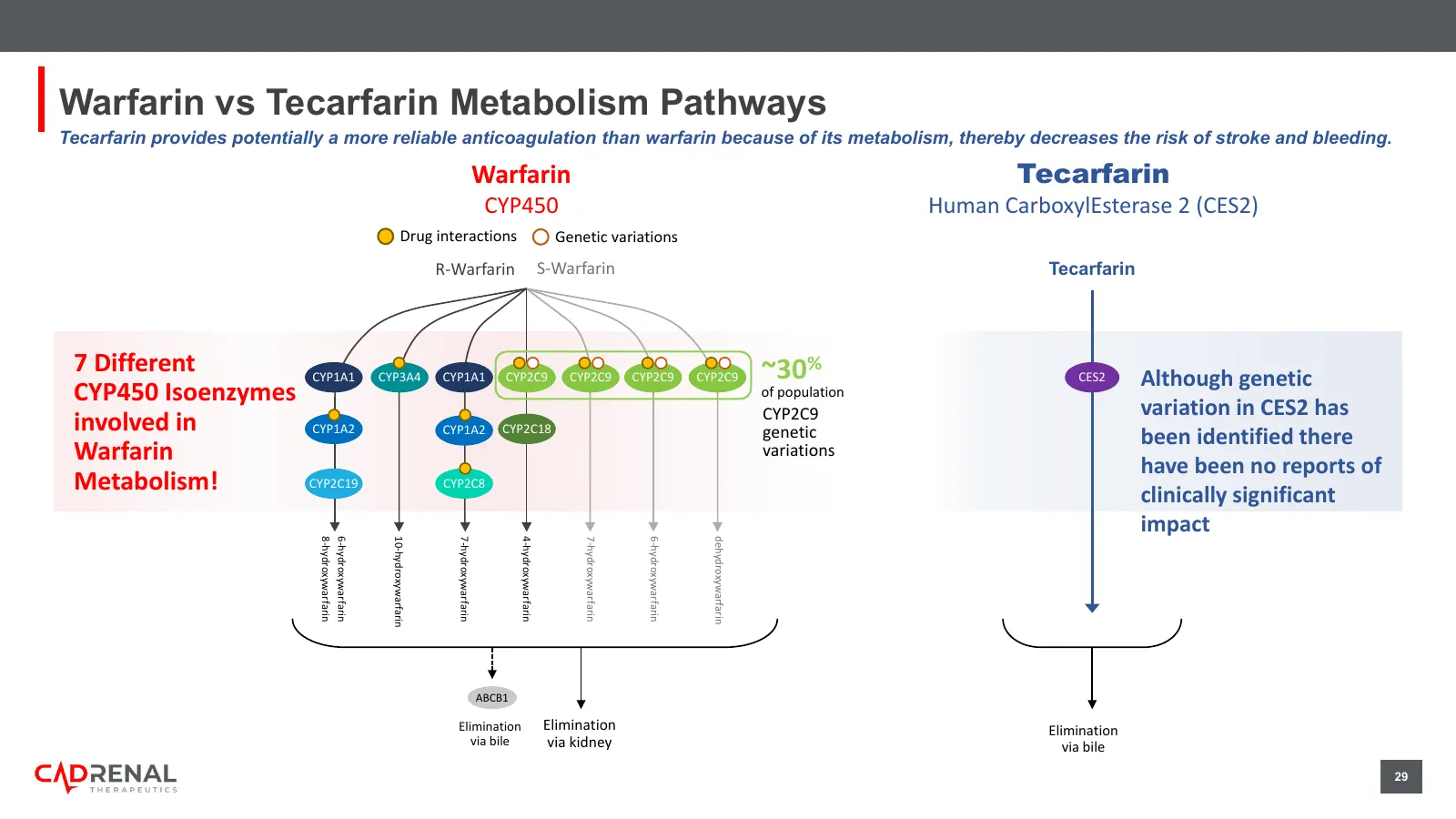
Slide 29: Warfarin vs Tecarfarin Metabolism Pathways
Warfarin vs Tecarfarin Metabolism Pathways Tecarfarin provides potentially a more reliable anticoagulation than warfarin because of its metabolism, thereby decreases the risk of stroke and bleeding. Warfarin Tecarfarin CYP450 Human CarboxylEsterase 2 (CES2) Drug interactions Genetic variations R-War
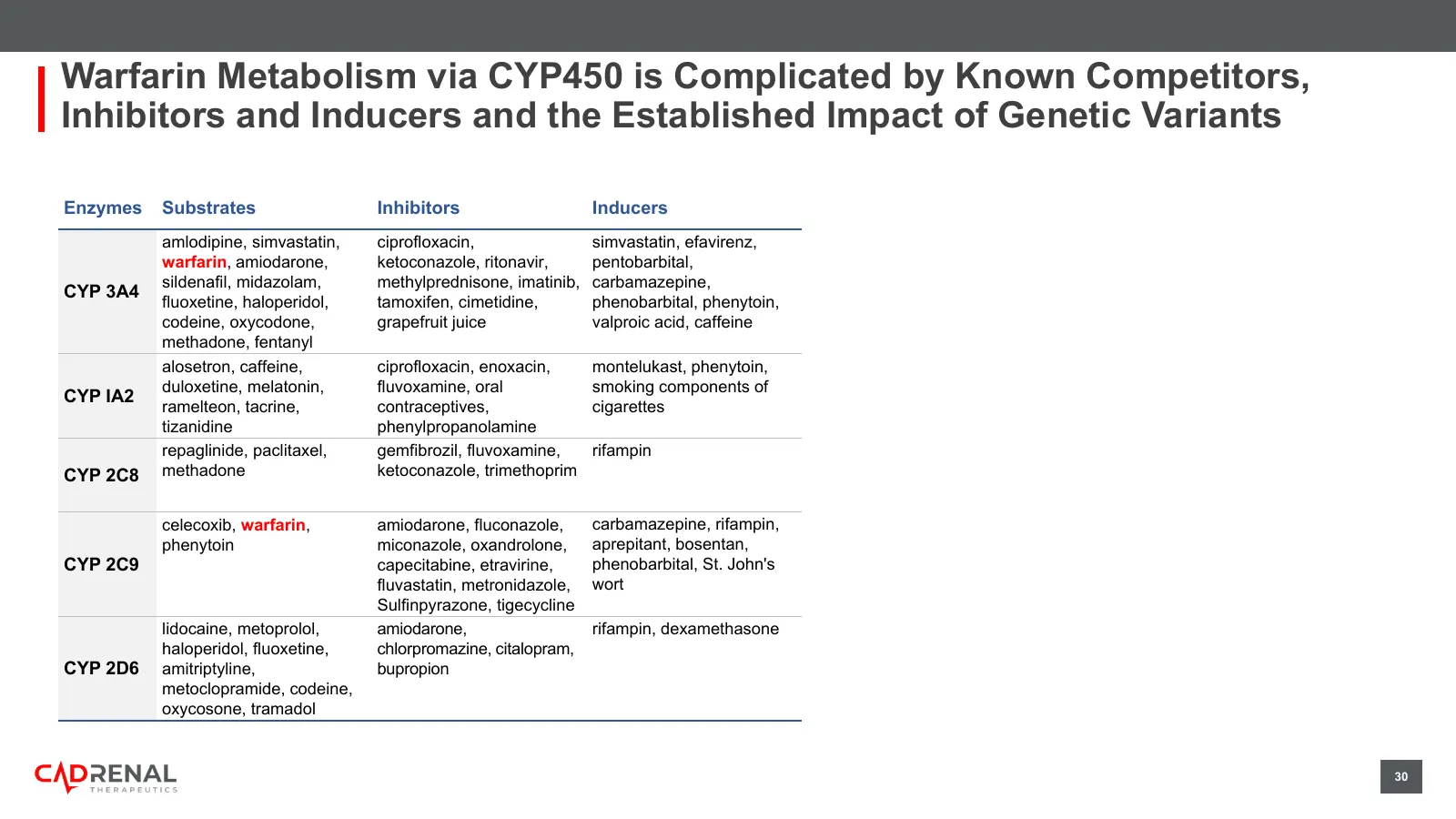
Slide 30: Warfarin Metabolism via CYP450 is Complicated by Competitors, Inhibitors and Inducers
Warfarin Metabolism via CYP450 is Complicated by Known Competitors, Inhibitors and Inducers and the Established Impact of Genetic Variants Enzymes Substrates Inhibitors Inducers amlodipine, simvastatin, ciprofloxacin, simvastatin, efavirenz, warfarin, amiodarone, ketoconazole, ritonavir, pentobarbit
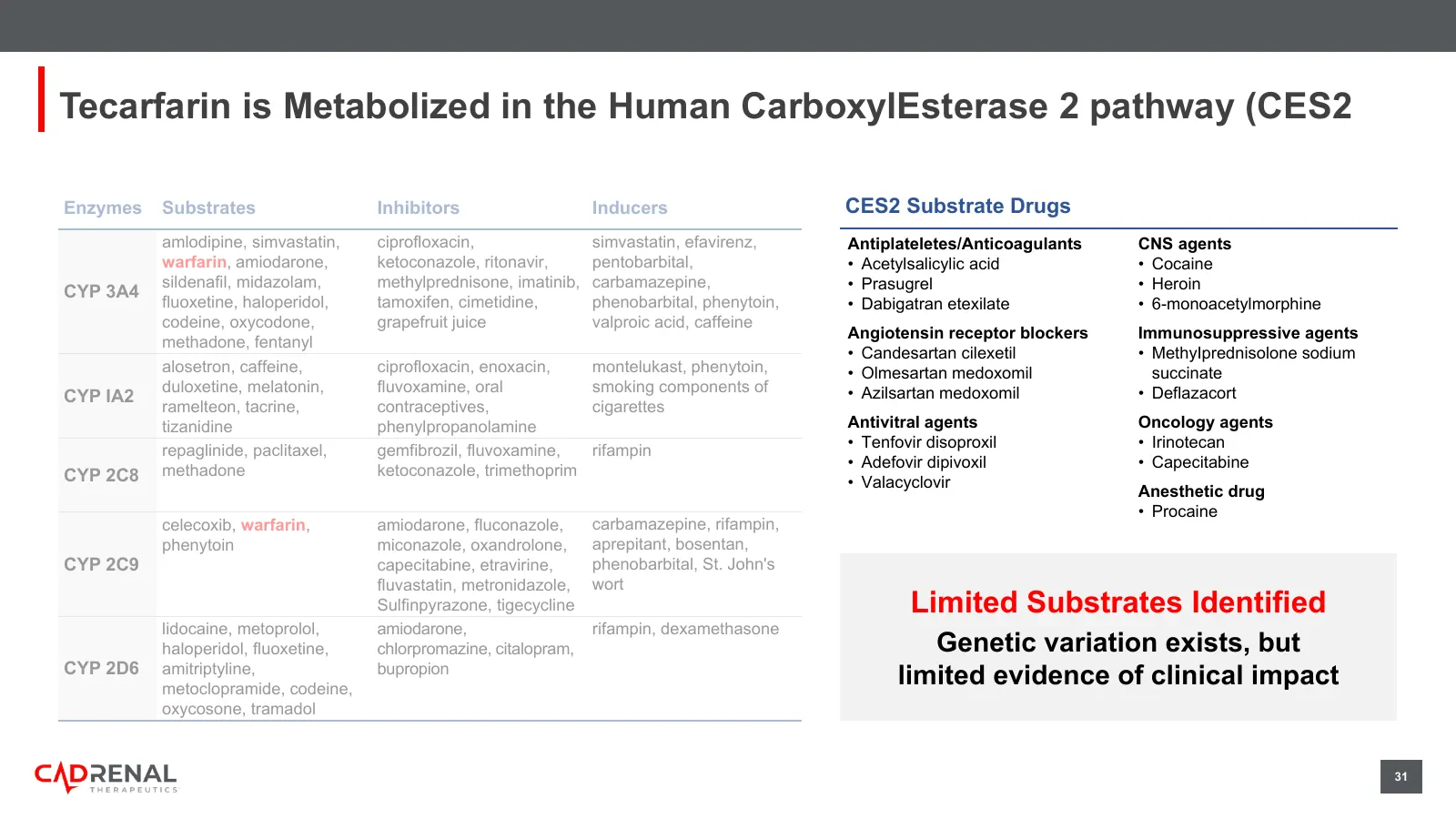
Slide 31: Tecarfarin is Metabolized in the Human CarboxylEsterase 2 Pathway
Tecarfarin is Metabolized in the Human CarboxylEsterase 2 pathway (CES2 Enzymes Substrates Inhibitors Inducers CES2 Substrate Drugs amlodipine, simvastatin, ciprofloxacin, simvastatin, efavirenz, Antiplateletes/Anticoagulants CNS agents warfarin, amiodarone, ketoconazole, ritonavir, pentobarbital, •
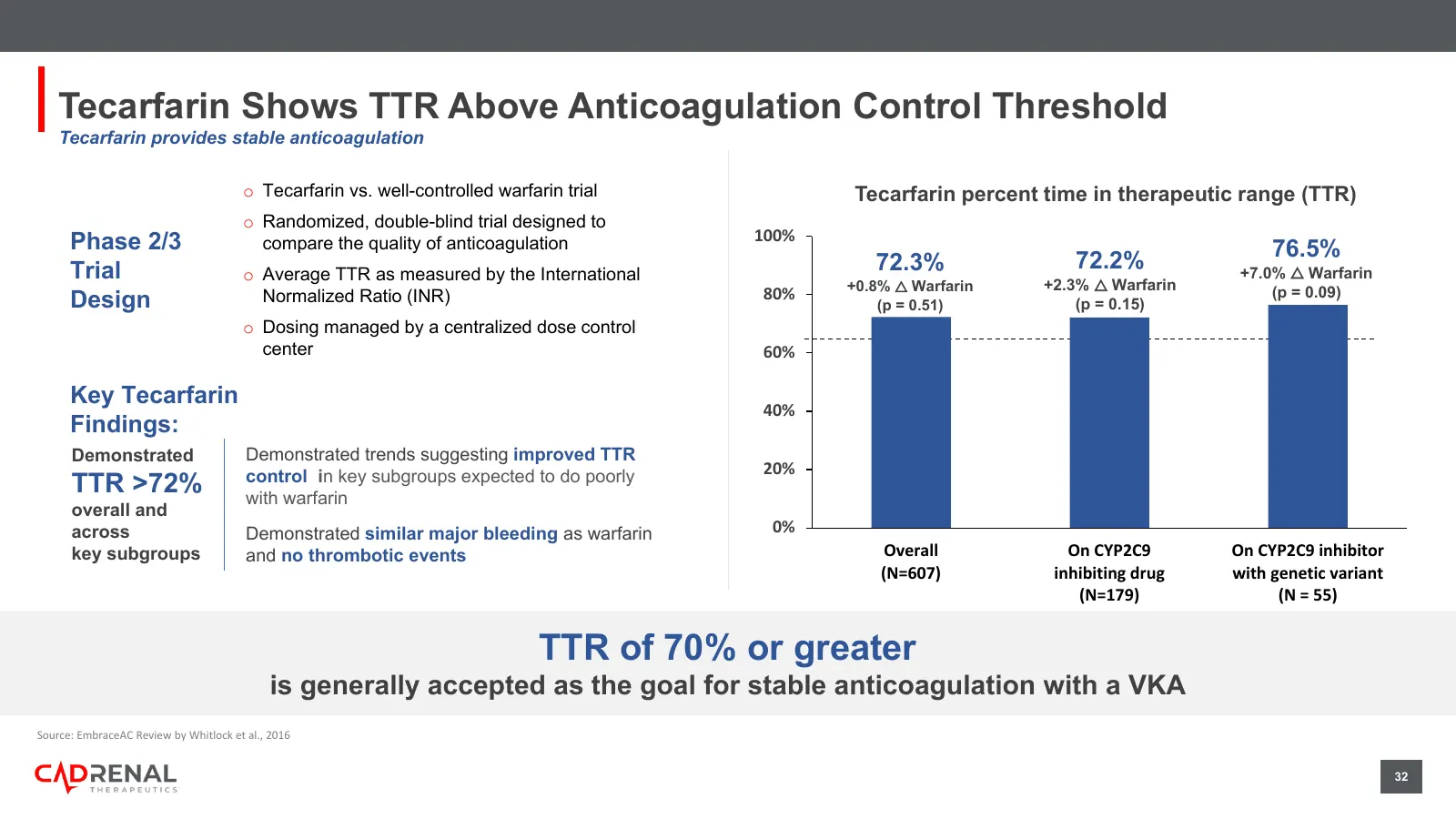
Slide 32: Tecarfarin Shows TTR Above Anticoagulation Control Threshold
Tecarfarin Shows TTR Above Anticoagulation Control Threshold Tecarfarin provides stable anticoagulation o Tecarfarin vs. well-controlled warfarin trial Tecarfarin percent time in therapeutic range (TTR) o Randomized, double-blind trial designed to Phase 2/3 compare the quality of anticoagulation 100
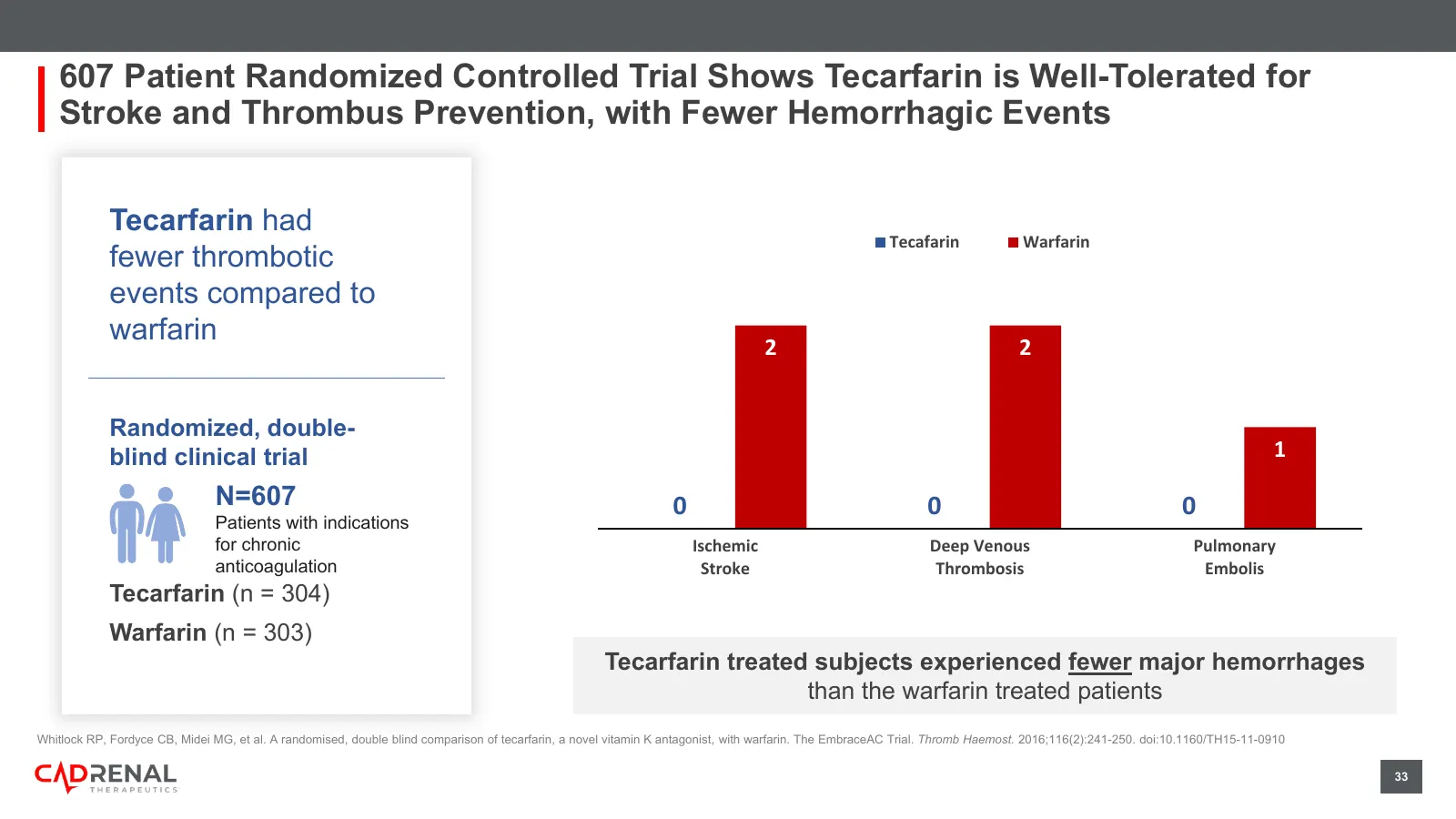
Slide 33: 607 Patient Randomized Controlled Trial Shows Tecarfarin is Well-Tolerated
607 Patient Randomized Controlled Trial Shows Tecarfarin is Well-Tolerated for Stroke and Thrombus Prevention, with Fewer Hemorrhagic Events Tecarfarin had Tecafarin Warfarin fewer thrombotic events compared to warfarin 2 2 Randomized, double- blind clinical trial 1 N=607 0 0 0 Patients with indicat
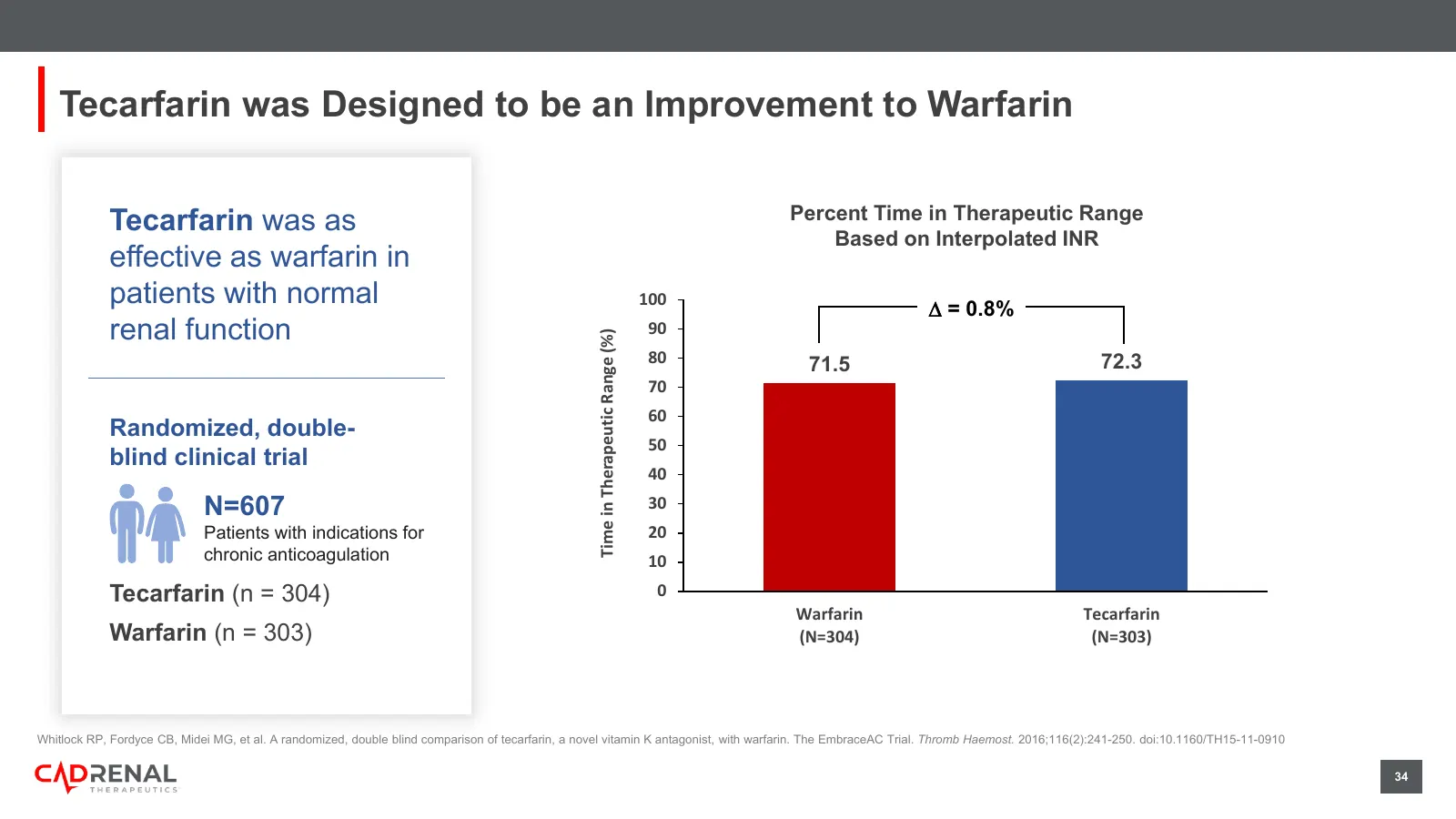
Slide 34: Tecarfarin was Designed to be an Improvement to Warfarin
Tecarfarin was Designed to be an Improvement to Warfarin Tecarfarin was as Percent Time in Therapeutic Range Based on Interpolated INR effective as warfarin in patients with normal 100 ∆ = 0.8% renal function 90 Time in Therapeutic Range (%) 80 71.5 72.3 70 60 Randomized, double- 50 blind clinical t
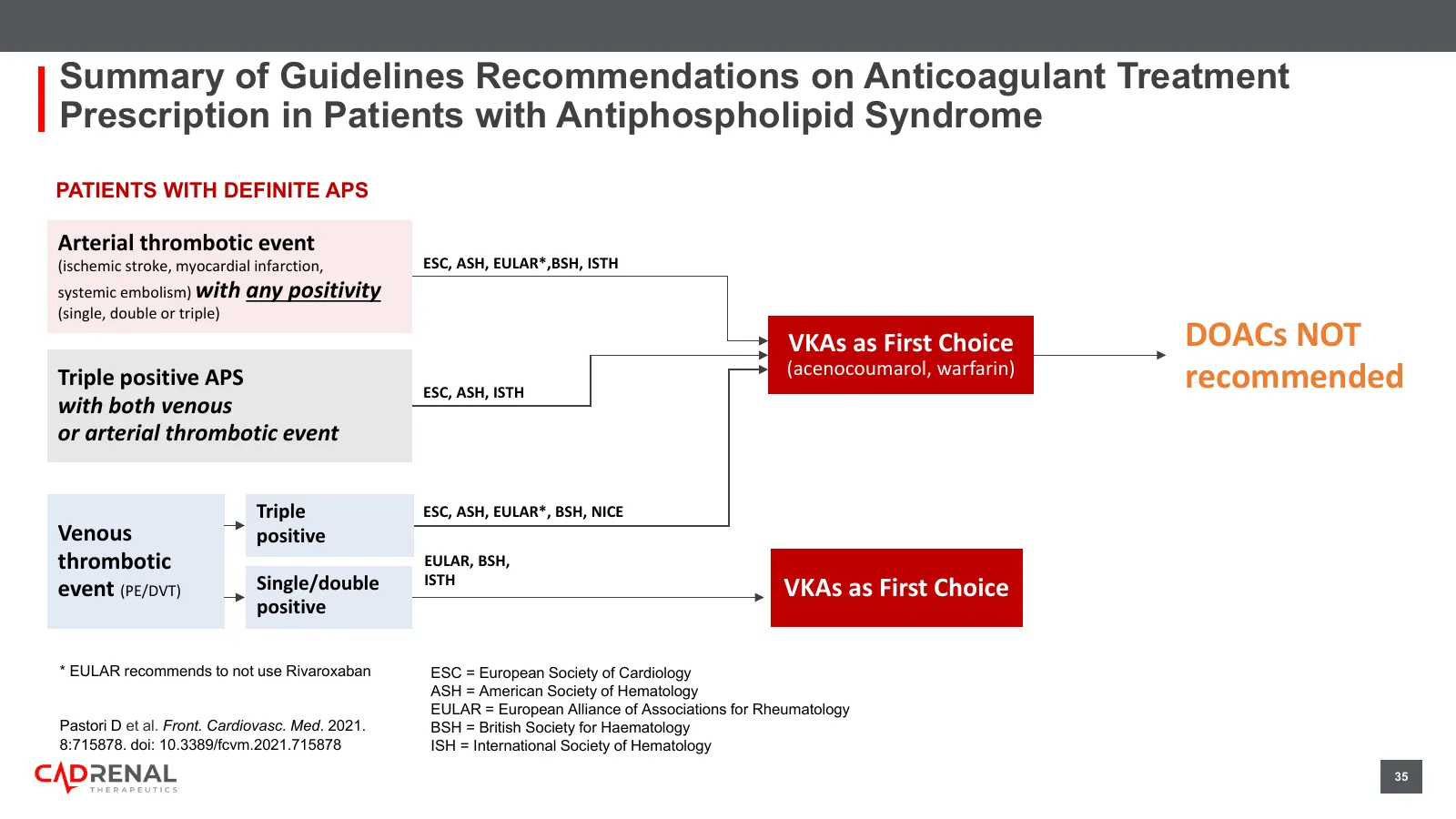
Slide 35: Summary of Guidelines Recommendations on Anticoagulant Treatment in APS
Summary of Guidelines Recommendations on Anticoagulant Treatment Prescription in Patients with Antiphospholipid Syndrome PATIENTS WITH DEFINITE APS Arterial thrombotic event (ischemic stroke, myocardial infarction, ESC, ASH, EULAR*,BSH, ISTH systemic embolism) with any positivity (single, double or
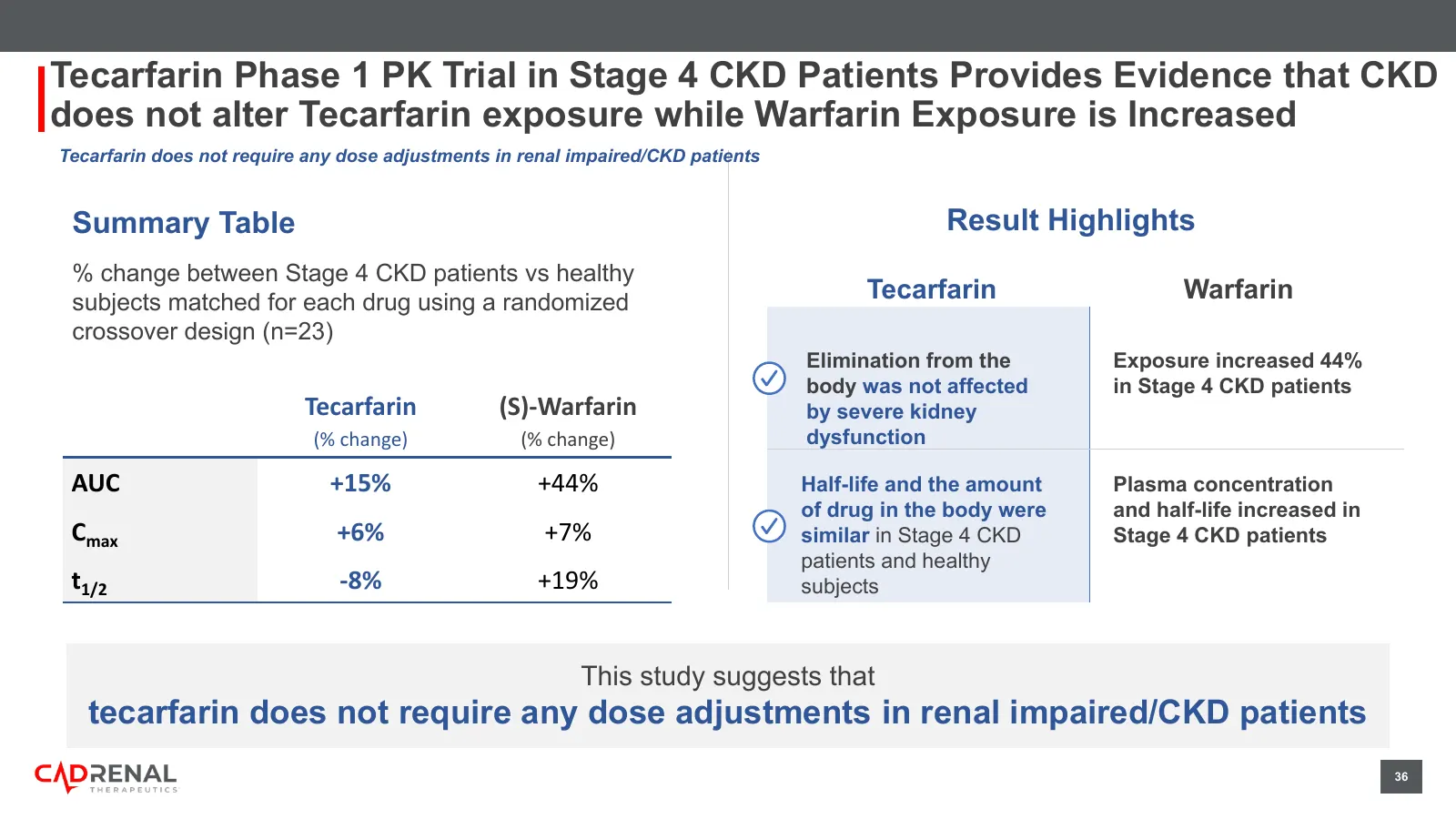
Slide 36: Tecarfarin Phase 1 PK Trial in Stage 4 CKD Patients
Tecarfarin Phase 1 PK Trial in Stage 4 CKD Patients Provides Evidence that CKD does not alter Tecarfarin exposure while Warfarin Exposure is Increased Tecarfarin does not require any dose adjustments in renal impaired/CKD patients Summary Table Result Highlights % change between Stage 4 CKD patients
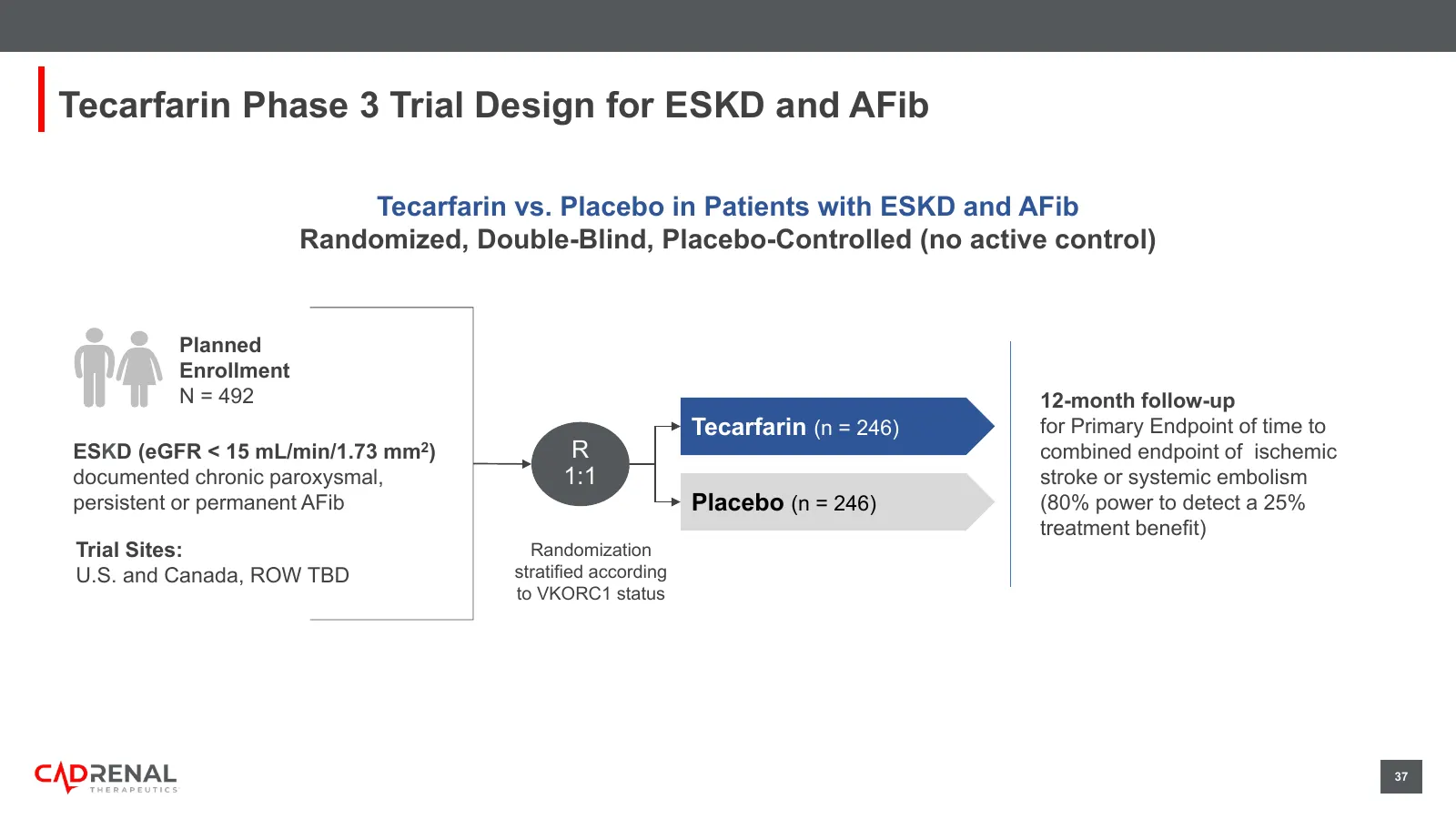
Slide 37: Tecarfarin Phase 3 Trial Design for ESKD and AFib
Tecarfarin Phase 3 Trial Design for ESKD and AFib Tecarfarin vs. Placebo in Patients with ESKD and AFib Randomized, Double-Blind, Placebo-Controlled (no active control) Planned Enrollment N = 492 12-month follow-up Tecarfarin (n = 246) for Primary Endpoint of time to ESKD (eGFR < 15 mL/min/1.73 mm2)
Source: company website
More decks from Cadrenal Therapeutics, Inc.
 Investor Presentation (September 2026)21 slides · September 2026
 Investor Presentation (May 2026)18 slides · May 2026
 Investor Presentation (December 2025)23 slides · Dec 11, 2025
 Investor Presentation (September 2025)26 slides · Sep 15, 2025
 Investor Presentation (September 2024)34 slides · Sep 25, 2024
 Investor Presentation (September 2024)34 slides · September 2024