Salix Pharmaceuticals — Digestive Disease Week (DDW) 2010 Investor Event
36 slides from Salix Pharmaceuticals's conference presentation, May 5, 2010
Slide 1: Rifaximin Treatment in Non-Constipation Irritable Bowel Syndrome
Rifaximin Treatment in Non-Constipation Irritable Bowel Syndrome William P. Forbes, PharmD Executive Vice President, R&D and Chief Development Officer Salix Pharmaceuticals, Inc. Exhibit 99.1

Slide 2: Forward-Looking Statement
2 Statements presented in this overview that are not historical facts are forward-looking statements that involve risks and uncertainties that could cause actual results to differ materially from projected results. Factors that could cause actual results to differ materially include the risks and un

Slide 3: DDW2010 Investor Event Agenda
3 Bill Forbes, Pharm.D. Executive Vice President, Research and Development and Chief Development Officer Salix Pharmaceuticals Mark Pimentel, MD, FRCP (C) Associate Professor of Medicine, Geffen School of Medicine at UCLA Director, GI Motility Program, Cedars–Sinai Medical Center Philip Schoenfeld,
Slide 4: Rifaximin US Regulatory Overview
4 Travelers’ Diarrhea NDA 21-361 Approved May, 2004 XIFAXAN ® 200 mg tablets (TID) Hepatic Encephalopathy NDA 22-554 Approved March, 2010 XIFAXAN ® 550 mg tablets (BID) Irritable Bowel Syndrome NDA: June, 2010 550 mg tablets (TID) Rifaximin US Regulatory Overview Major Salix US Development Programs
Slide 5: FDA Approved Drugs for IBS
5 IBS-C in women Safety: mild diarrhea, nausea, dyspnea Chloride-channel activator Lubiprostone IBS-C in women Marketing suspended Safety: Severe cardiovascular side effects Contraindicated in severe renal impairment 5-HT 4 agonist Tegaserod Severe IBS-D in women not responding to conventional thera

Slide 6: FDA / Salix IBS Regulatory Meetings
6 • Primary Endpoint for TARGET 1 & 2 – Adequate relief of IBS Symptoms (SGA) during wks 3 – 6 • Secondary Endpoints for TARGET 1 & 2 and Long-term Safety: – Daily assessments of IBS Symptoms over 12 weeks – Use of HE data for long-term continuous dosing safety • Primary Endpoint – EOP2 Agreements w
Slide 7: Comparative Rifaximin Exposure
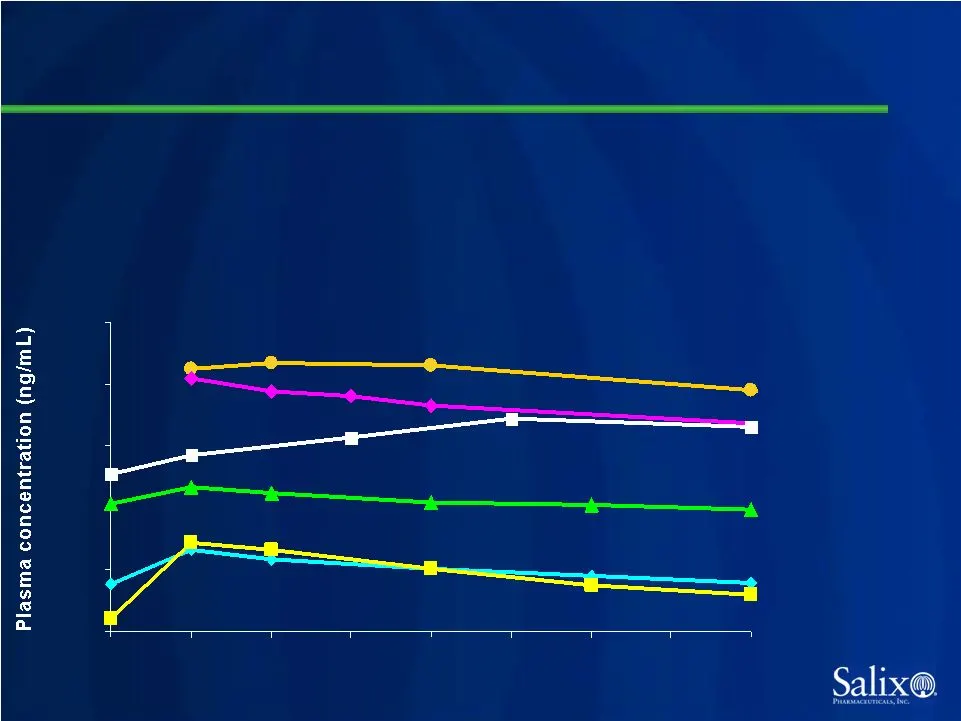
7 Rifaximin exposure in IBS – Similar to exposure in healthy subjects – More than 520-fold lower than rifampin exposure – More than 460-fold lower than norfloxacin exposure – More than 66-fold lower than neomycin exposure 0.1 1 10 100 1000 10000 0 1 2 3 4 5 6 7 8 Time (h) Neomycin 2 g Comparative Ri

Slide 8: Rifaximin Clinical Pharmacology Summary
8 • Poorly absorbed (< 0.4%) – Low solubility and permeability (BCS 4) – P-glycoprotein efflux – > 99% excreted unchanged in feces – First-pass biliary clearance, minimal renal clearance – One known metabolite (~2.5% of parent) • No known safety signals – No inhibition of CYP450 – No clinically sign

Slide 9: DDW2010 Investor Event Agenda
9 Mark Pimentel, MD, FRCP (C) Associate Professor of Medicine, Geffen School of Medicine at UCLA Director, GI Motility Program, Cedars–Sinai Medical Center DDW2010 Investor Event Agenda Introduction and Background Bill Forbes, Pharm.D. Executive Vice President, Research and Development and Chief Dev

Slide 10: Rifaximin Treatment Provides Acute and Sustained Relief: TARGET 1 & 2 Results
Rifaximin Treatment for 2 Weeks Provides Acute and Sustained Relief Over 12 Weeks of IBS Symptoms in Non-Constipated Irritable Bowel Syndrome: Results from 2 North American Phase 3 Trials, TARGET 1 & 2 M Pimentel, 1 A Lembo, 2 WD Chey, 3 S Zakko, 4 Y Ringel, 5 S Mareya, 6 J Yu, 6 A Shaw, 6 E Bortey,

Slide 11: Disclosures
11 • TARGET 1 and TARGET 2 were sponsored by Salix Pharmaceuticals, Inc. • Salix Pharmaceuticals is investigating rifaximin as a potential new treatment option for IBS • Rifaximin is not currently approved in the United States for the treatment of IBS • Dr. Pimentel was an investigator in the TARGET
Slide 12: Irritable Bowel Syndrome (IBS)
12 • IBS is a common chronic medical condition characterized by symptoms of abdominal pain, bloating, and altered bowel function in the absence of structural, inflammatory or biochemical abnormalities – It impairs health-related quality of life, leading to increased health resource utilization and r

Slide 13: Rationale for Antibiotics in IBS
13 – Increased fermentation / gas 1 – SIBO 2 – Mucosal irritation / minimal Inflammation 3 – Altered stool bacterial composition 4 – IBS symptoms 5,6 1 King, et al. Lancet 1998;352:1187-9. 2 Posserud, et al. Gut 2007;56:802-8. Pimentel. Am J Gastro 2010;105:718-21. 3 King TS, et al. Lancet 1998;352:
Slide 14: Rationale for Rifaximin in IBS
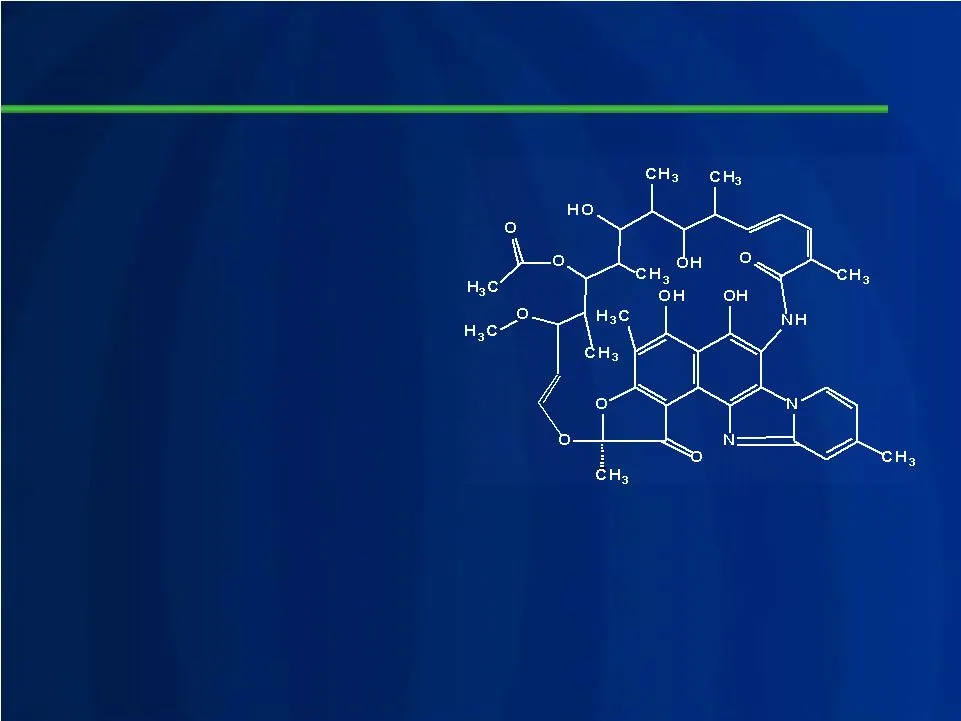
14 • Gut targeted • Minimally absorbed • Favorable safety / tolerability • Broad spectrum in vitro antibacterial activity • Low risk of antibiotic resistance / drug interactions • Effective in eradicating SIBO 1 • Demonstrated efficacy in IBS based on previous studies 1 Rifaximin is not indicated by

Slide 15: TARGET 1 and TARGET 2
15 • Two large scale, identically designed, randomized, double-blind, placebo-controlled registered trials • To study rifaximin 550mg or placebo TID for 14 days in non-constipation IBS • Conducted in parallel in the U. S. and Canada – TARGET 1: 95 centers (FPI, 06/04/08; LPO,08/17/09) – TARGET 2: 84

Slide 16: Key Entry Criteria
16 • 18 yrs of age with a colonoscopy within the last 2 years • IBS confirmed by Rome II criteria • Do not have adequate relief of IBS symptoms and IBS symptom of bloating • Average daily symptom scores during screening – Abdominal pain / discomfort (2 4.5; 7-point Likert scale) – Bloating (2 4.5; 7
Slide 17: Weekly Outcome Measures
17 IBS-Related Bloating Subject’s Global Assessment (SGA) IBS In regards to your IBS symptoms, compared to the way you felt before you started study medication, have you, in the past 7 days, had adequate relief of your IBS symptoms? In regards to your IBS symptom of bloating, compared to the way you
Slide 18: Daily Outcome Measures
18 On a scale of 1-5, what was the overall stool form of your bowel movements today? In regards to all your symptoms of IBS; on a scale of 0-6, how bothersome were your symptoms of IBS today? In regards to your specific IBS symptom of bloating; on a scale of 0-6, how bothersome was your IBS-related
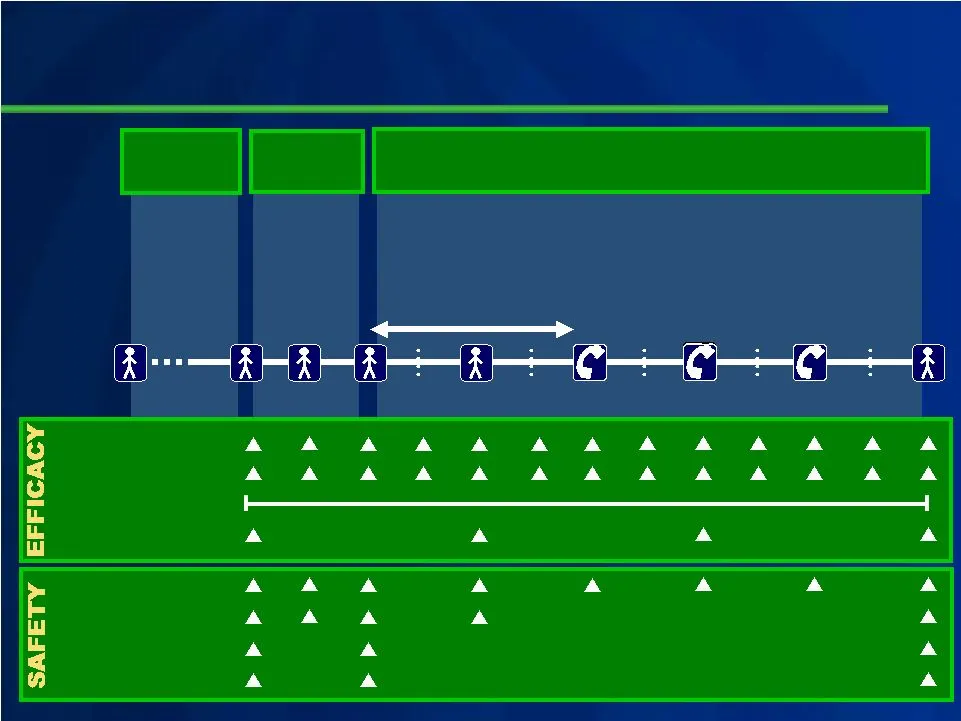
Slide 19: Study Design: TARGET 1 and TARGET 2
19 SGA-IBS weekly 77 63 49 35 21 84 70 56 42 28 14 7 1 Day -13 IBS bloating weekly IBS symptoms daily QOL AEs & conmeds Vital signs Laboratory tests PEs Primary Evaluation Period Randomize 1:1 EOS 10-Week Post-Treatment Phase 14-Day DB Treatment Screening Phase Diary Eligibility Period No study medi
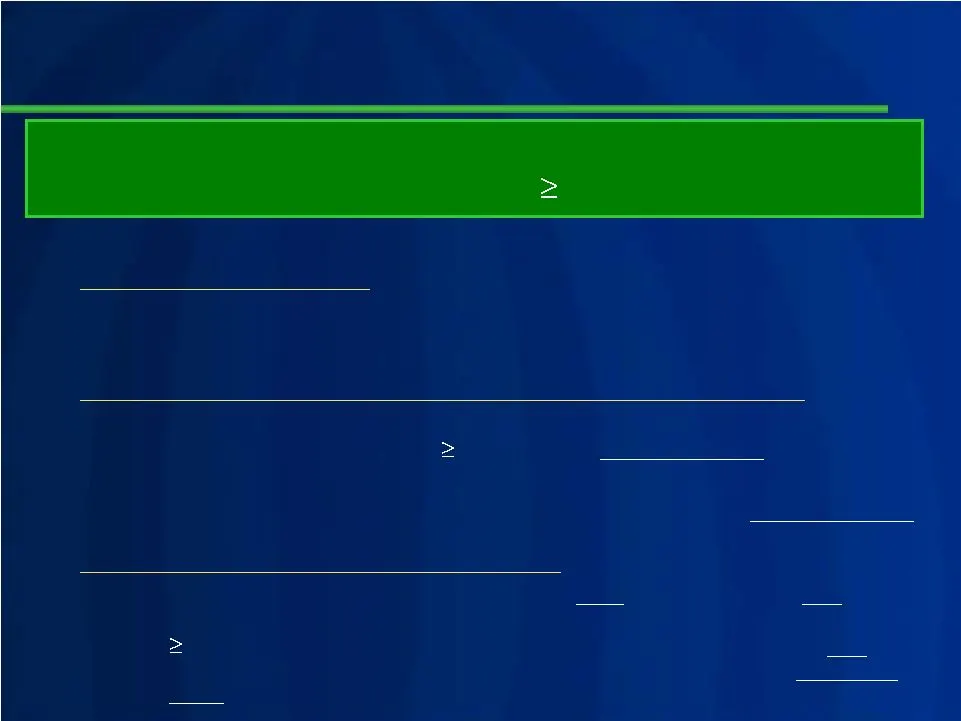
Slide 20: Definition of Responder
20 This was determined in 3 ways: – Subject’s Global Assessment of IBS – IBS-Bloating – Weekly responder: rated symptoms (7-point scale) as either • 0 (not at all) or 1 (hardly) 50% of days in a given week; OR • 0 (not at all), 1 (hardly) or 2 (somewhat) 100% of days in a given week – Using daily qu
Slide 21: Primary and Key Secondary Endpoints
21 Primary Endpoint – Adequate relief for SGA-IBS during the primary evaluation period (weeks 3 - 6) Key Secondary Endpoint – Adequate relief of IBS bloating during the primary evaluation period (weeks 3 - 6) Primary and Key Secondary Endpoints
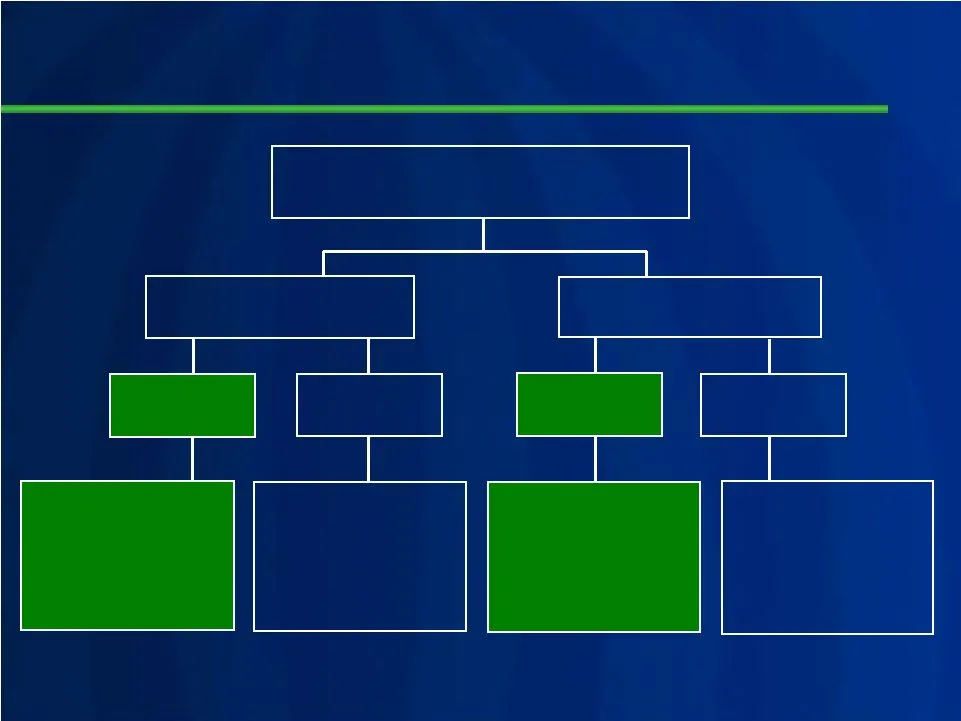
Slide 22: Patient Disposition
22 Intent-to-Treat: N = 1258 TARGET 2 n = 635 TARGET 1 n = 623 Discontinuation: n=26 (8.4%) • Adverse event: n=8 • Patient request: n=8 • Lost to FU: n=8 • Other: n=2 Placebo n = 314 Placebo n = 320 Discontinuation: n=22 (7.0%) • Adverse event: n=7 • Patient request: n=8 • Lost to FU: n=7 • Other: n
Slide 23: Demographics
23 302 (94) 282 (90) 280 (89) 281 (91) Race, n (%) 18 (6) 33 (10) 34 (11) 28 (9) 286 (91) 29 (9) 227 (72) 88 (28) 30 (10) 285 (90) 46 (14) Rifaximin (n=315) 292 (93) 22 (7) 222 (71) 92 (29) 38 (12) 276 (88) 46 (15) Placebo (n=314) 291 (91) 297 (96) 12 (4) 235 (76) 74 (24) 34 (11) 275 (89) 46 (15) Ri
Slide 24: Baseline IBS Characteristics
24 Percentage of days with sense of urgency, mean (SD) Average daily bowel movements, mean (SD) Average daily scores, mean (SD) Duration of IBS symptoms, yr (SD) Characteristic 3.0 (1.5) 3.0 (1.6) 3.0 (1.4) 2.9 (1.3) 82.2 (22.5) 81.3 (22.8) 82.9 (22.3) 81.8 (22.3) 3.9 (0.3) 3.9 (0.3) 3.9 (0.3) 3.9 (
Slide 25: Primary Endpoint: SGA IBS
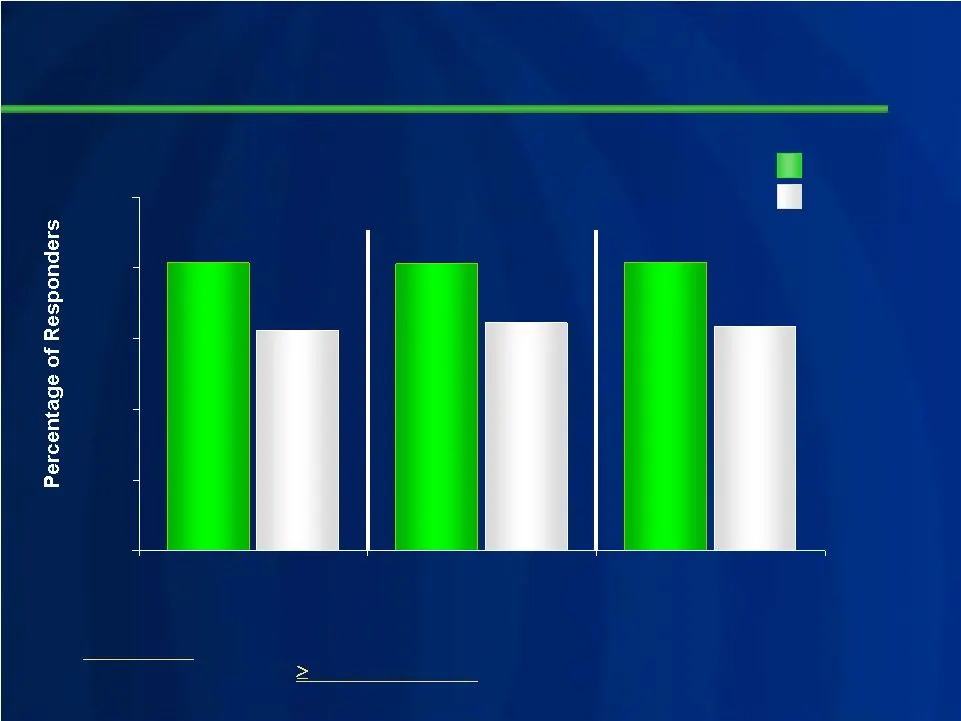
25 0 10 20 30 40 50 TARGET 1 TARGET 2 Combined Data p = 0.0125 p = 0.0263 p = 0.0008 Rifaximin Placebo Primary Endpoint SGA IBS Responder: Patient responding ‘yes’ to adequate relief of SGA-IBS weekly question for of the weeks during weeks -
Slide 26: Key Secondary Endpoint: IBS Bloating
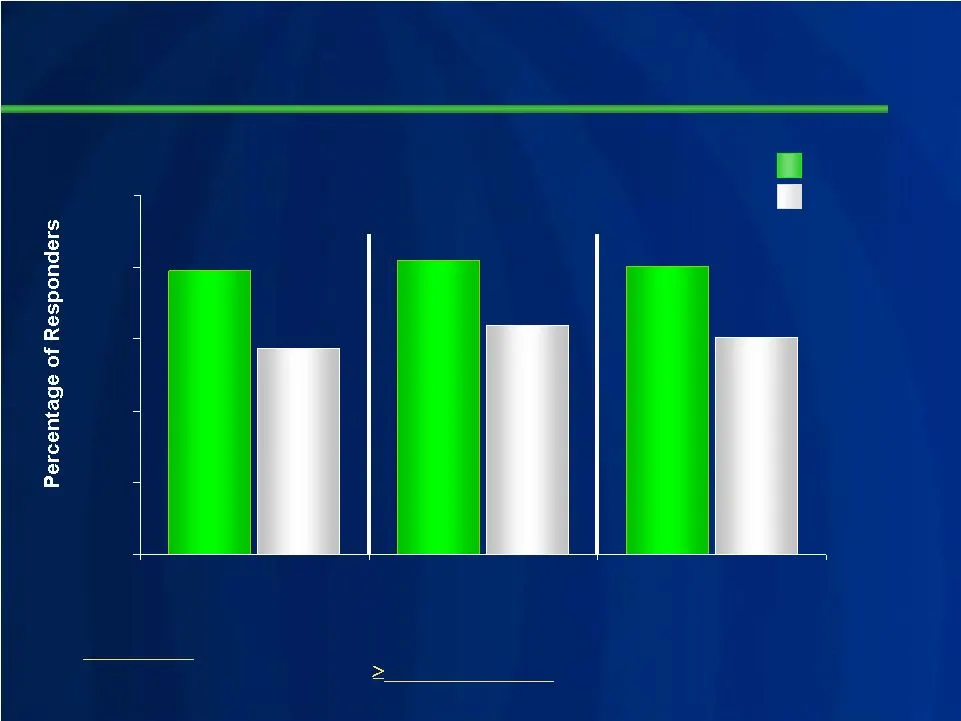
26 0 10 20 30 40 50 TARGET 1 TARGET 2 Combined Data p = 0.0045 p = 0.0167 p = 0.0002 Rifaximin Placebo Key Secondary Endpoint IBS Bloating Responder: Patients who responded ‘yes’ to adequate relief of IBS-bloating weekly question for of the weeks during weeks -
Slide 27: =i
=i
Slide 28: Daily SGA IBS Symptoms: Change from Baseline at Weeks 1 through 12
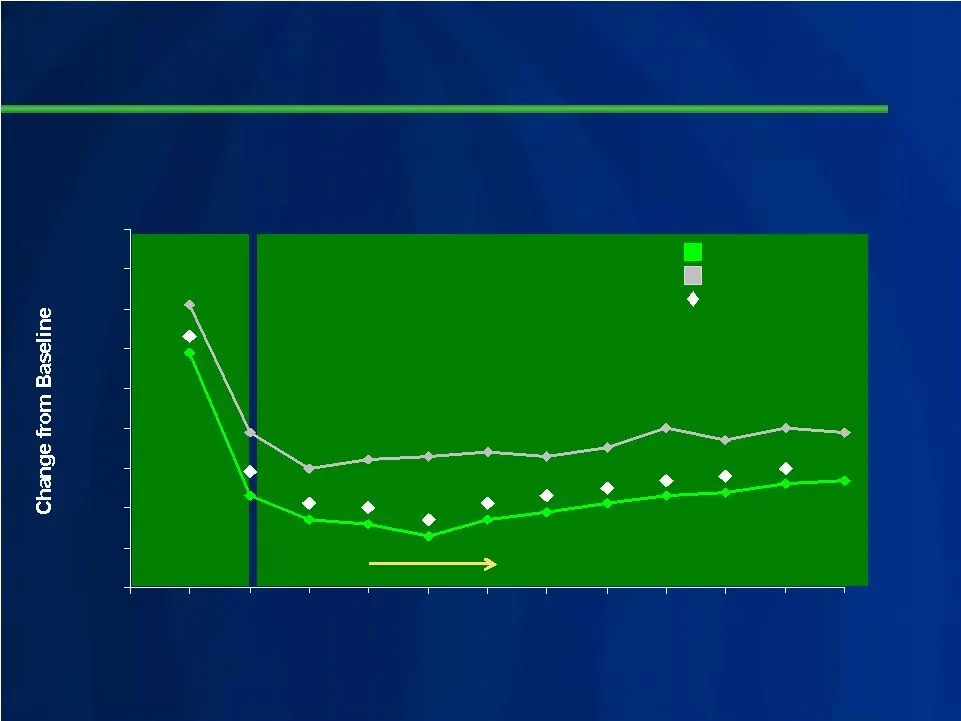
28 Change from Baseline in Average Daily Score of IBS Symptoms by Week - ITT Population (Combined Data) -1.10 -1.00 -0.90 -0.80 -0.70 -0.60 -0.50 -0.40 -0.30 -0.20 0 1 2 3 4 5 6 7 8 9 10 11 12 Week Rifaximin Placebo p-value < 0.050 Daily SGA IBS Symptoms Change from Baseline at Wks 1 through 12 Mean
Slide 29: Daily IBS Bloating: Change from Baseline at Weeks 1 through 12
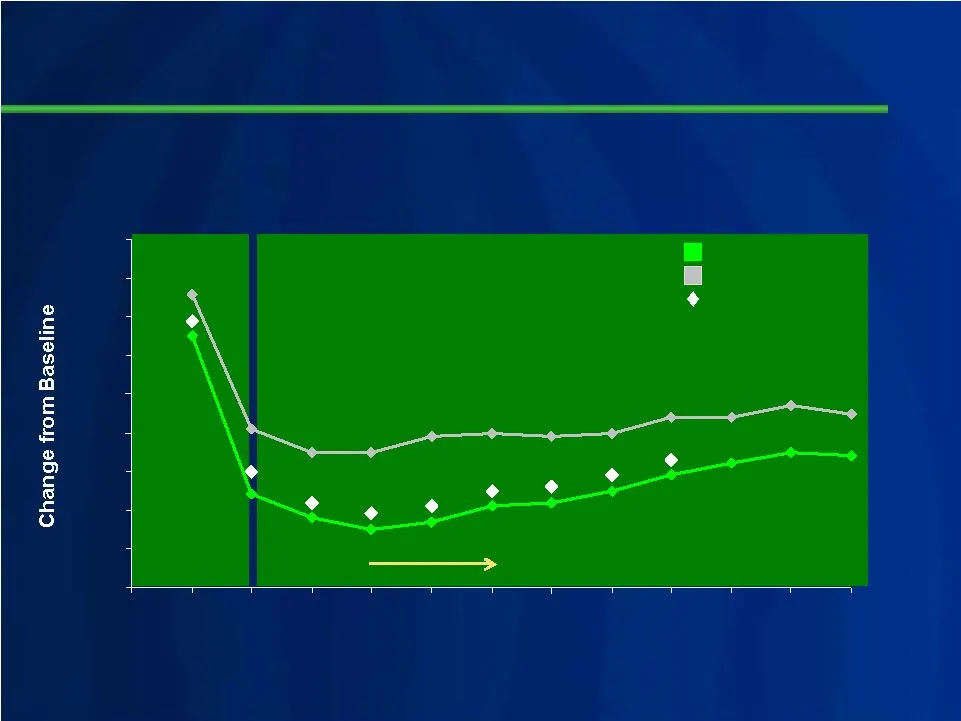
29 Rifaximin Placebo p-value < 0.050 Change From Baseline in Daily IBS Symptom of Bloating by Week - ITT Population (Combined Data)) -1.10 -1.00 -0.90 -0.80 -0.70 -0.60 -0.50 -0.40 -0.30 -0.20 0 1 2 3 4 5 6 7 8 9 10 11 12 Week 2wk treatment 10wk post- treatment Mean baseline = 3.27 Daily IBS Bloatin
Slide 30: Daily IBS Abdominal Pain: Change from Baseline at Weeks 1 through 12
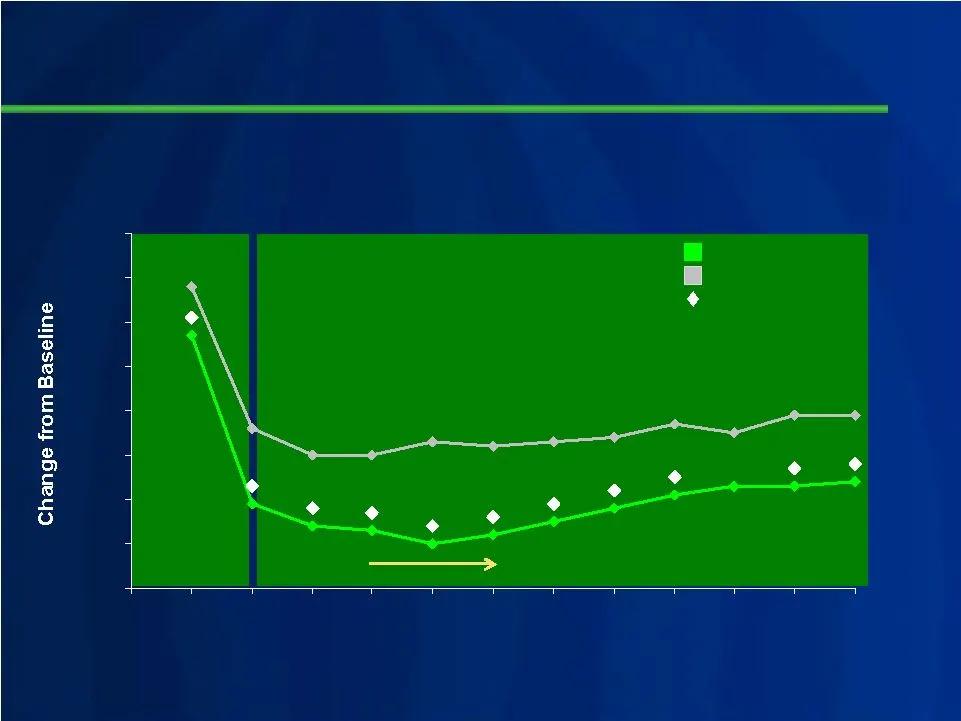
30 Rifaximin Placebo p-value < 0.050 Change From Baseline in Daily IBS Symptom of Abdominal Pain & Discomfort by Week - ITT Population (Combined Data) -1.10 -1.00 -0.90 -0.80 -0.70 -0.60 -0.50 -0.40 -0.30 0 1 2 3 4 5 6 7 8 9 10 11 12 Week 2wk treatment 10wk post- treatment Daily IBS Abdominal Pain C
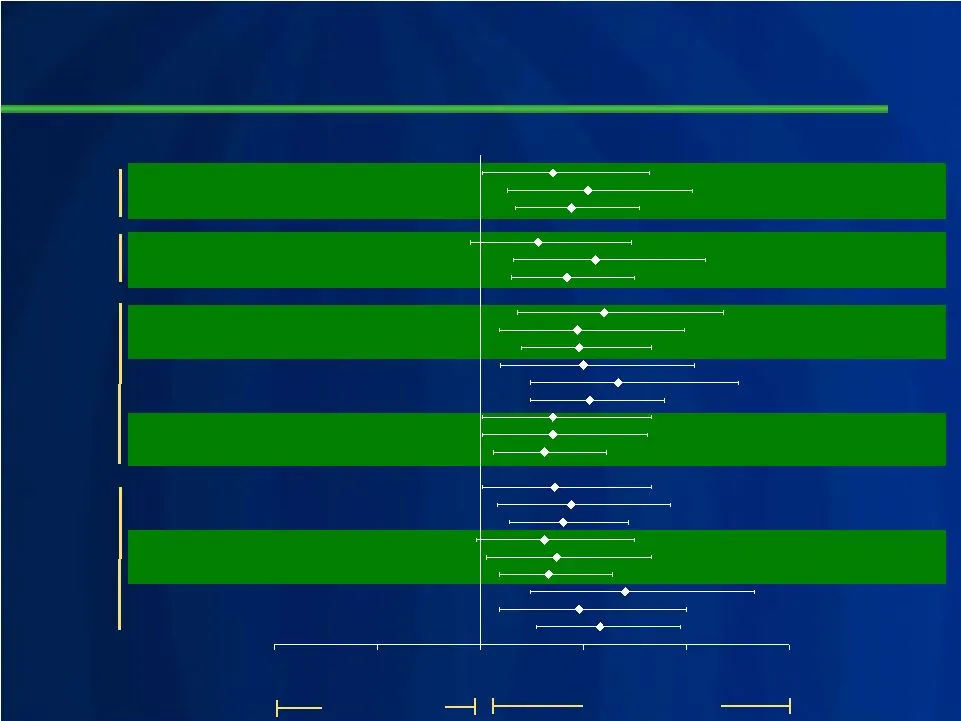
Slide 31: Efficacy Outcomes: Odds Ratios by Endpoint
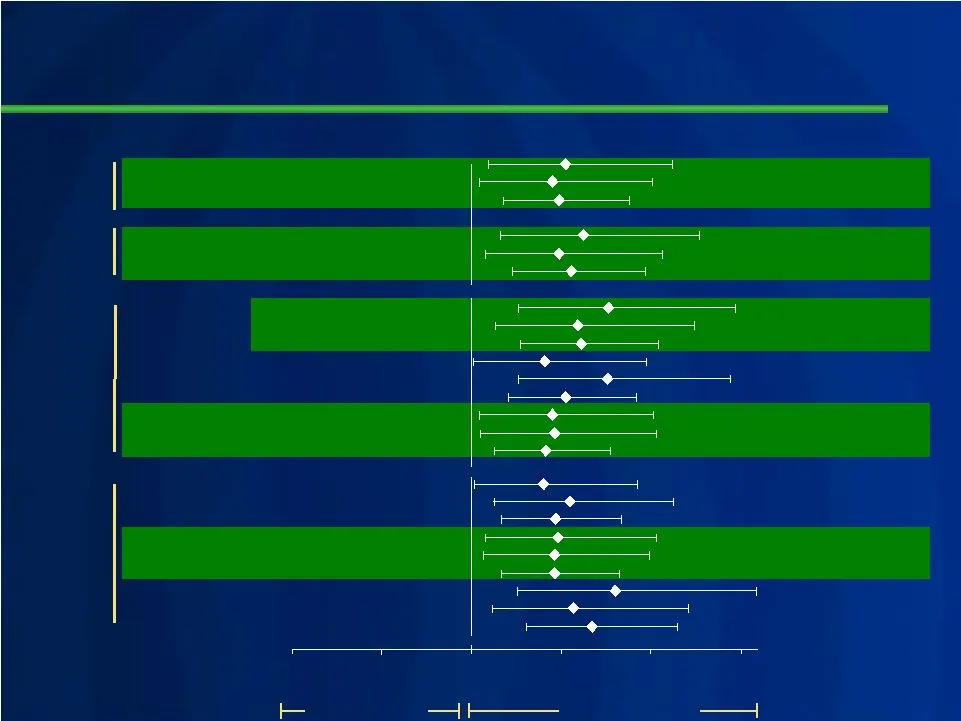
31 Odds Ratio and 95% CI 0.0014 (1.14, 1.72) 1.40 Combined 0.0141 (1.08, 1.92) 1.44 TARGET 2 0.0396 (1.01, 1.83) 1.36 TARGET 1 Ab Pain & Stool Daily (FDA) IBS Bloating Weekly p - value (95% CI) Odds Ratio Study Efficacy Outcome <0.0001 (1.27, 1.97) 1.58 Combined 0.0114 (1.09, 2.00) 1.48 TARGET 2 Sto
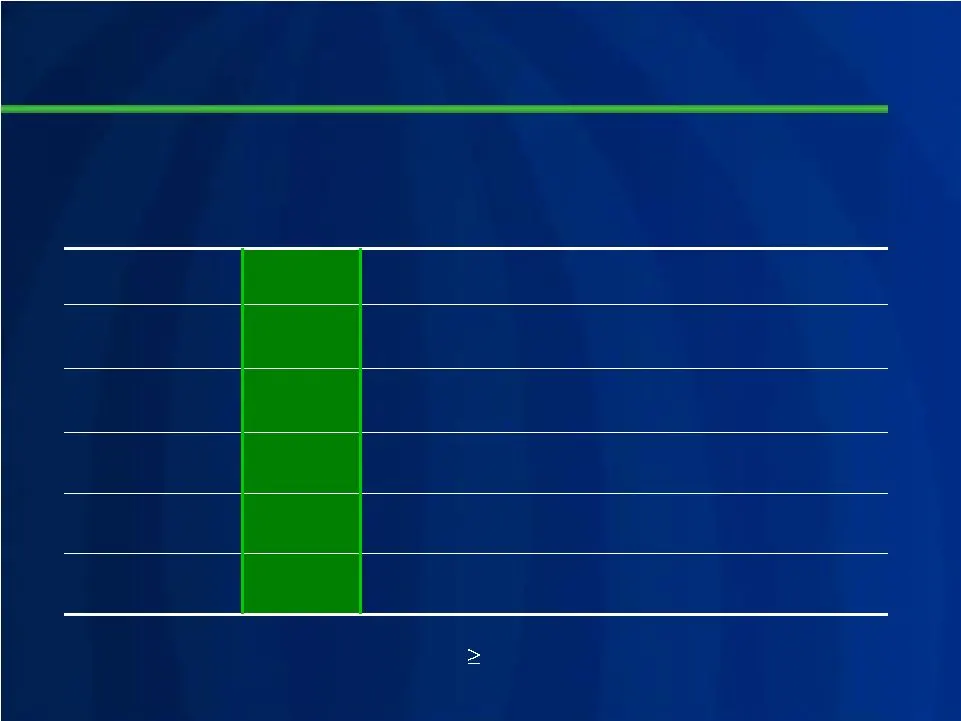
Slide 32: Inter-Item Correlation of Convergent Validity
32 0.43 0.90 0.71 0.55 0.77 0.58 Daily Ab Pain (FDA) --- 0.58 0.41 0.37 0.49 0.41 Daily Stool Form (FDA) --- 0.66 0.54 0.72 0.60 Daily Ab Pain & Stool (FDA) --- 0.62 0.83 0.55 Daily Bloating --- 0.58 0.78 Weekly Bloating --- 0.62 Daily SGA IBS Daily Stool Form (FDA) Daily Ab Pain & Stool (FDA) Daily
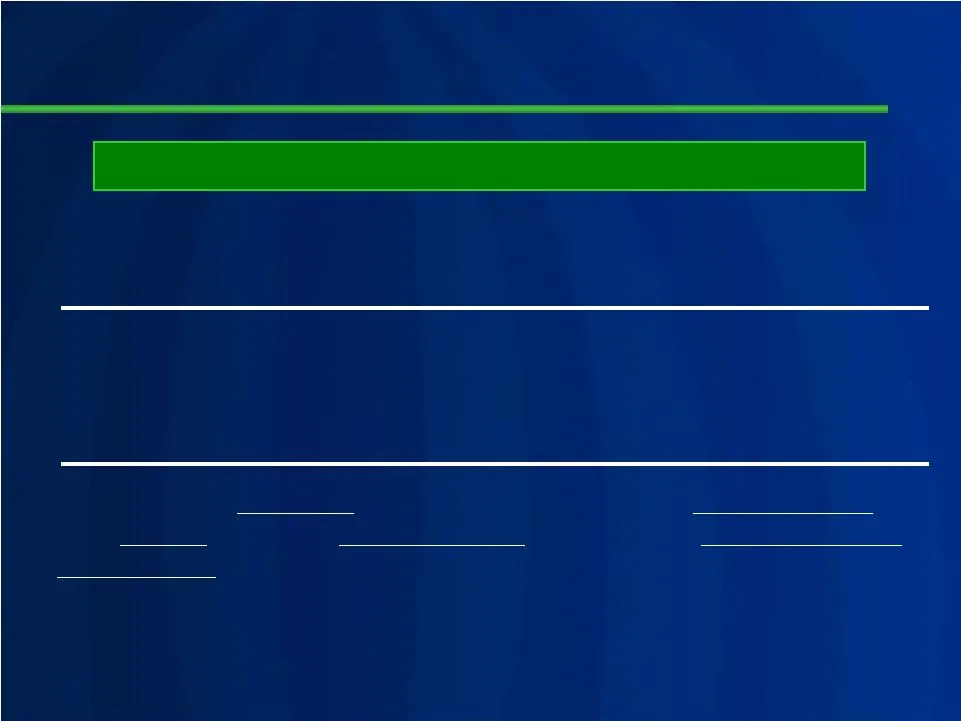
Slide 33: Rifaximin Safety Profile
33 n (%) n (%) 0 6 (1.0) 2 (0.3) 178 (28.5) Rifaximin (n=624) 0 6 (0.9) 8 (0.8) 188 (29.7) Placebo (n=634) • Common AEs: headache (rifaximin 4%, placebo 4%), abdominal pain (3%, 3%), nausea (3%, 2%), nasopharyngitis (1%, 3%) and upper respiratory tract infection (1%, 2%) • Most AEs were mild or mode
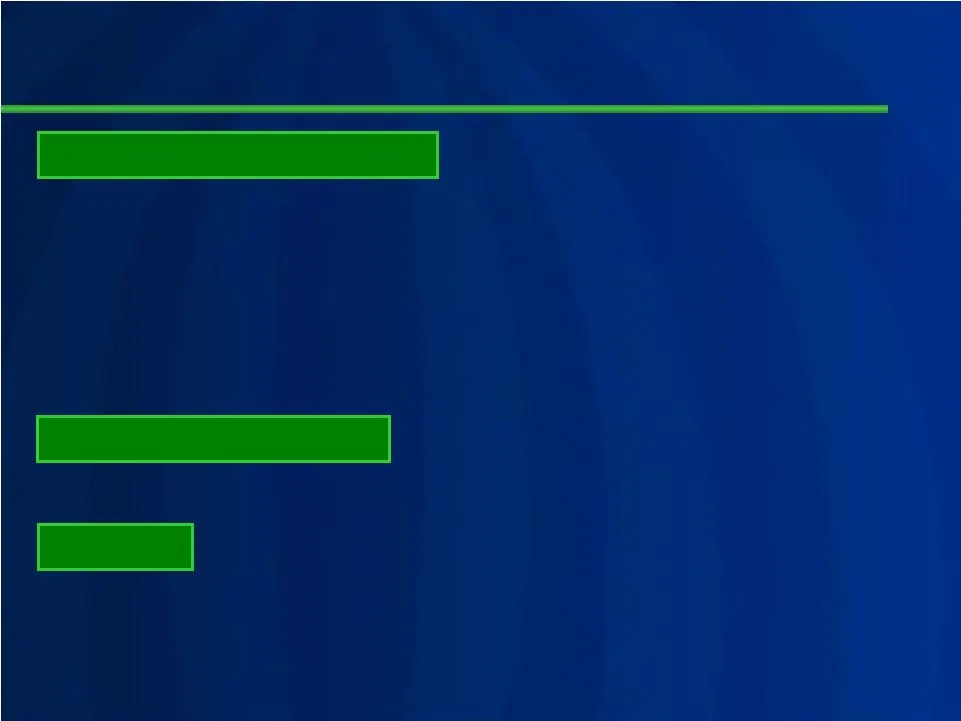
Slide 34: Conclusions
34 TREATMENT EFFICACY • Rifaximin 550 mg TID for 14 days produced a significant improvement in non-constipation IBS in TARGET 1 and TARGET 2 for the following endpoints: – Primary- SGA-IBS – Key and other secondary endpoints- IBS-related bloating, abdominal pain, stool consistency – New FDA proposed
Slide 35: DDW2010 Investor Event Agenda
35 Philip Schoenfeld, MD, MSED, MSc Associate Professor, Department of Internal Medicine Division of Gastroenterology, The University of Michigan DDW2010 Investor Event Agenda Introduction and Background Bill Forbes, Pharm.D. Executive Vice President, Research and Development and Chief Development O

Slide 36: DDW2010 Investor Event Agenda
36 Carolyn J. Logan President & CEO, Salix Pharmaceuticals DDW2010 Investor Event Agenda Introduction and Background Bill Forbes, Pharm.D. Executive Vice President, Research and Development and Chief Development Officer Salix Pharmaceuticals TARGET 1 & 2 - Efficacy and Safety of Rifaximin 550 m g TI
Source: SEC EDGAR · 8-K filed May 5, 2010
More decks from Salix Pharmaceuticals Ltd
 Merger or Acquisition (July 2014)9 slides · Jul 9, 2014
 Investor Presentation (January 2008)29 slides · Jan 31, 2008
 Inkine Pharmaceutical — Merger or Acquisition (July 2005)44 slides · Jul 28, 2005
 Inkine Pharmaceutical — Merger or Acquisition (July 2005)24 slides · Jul 19, 2005
 Proxy Contest (June 2003)37 slides · Jun 13, 2003