Savara, Inc. · NASDAQ:SVRA
Savara — Mast Therapeutics — 2015 Canaccord Genuity Rare Disease, Biopharma One on One Day
34 slides from Savara's conference presentation, Feb 3, 2015

Slide 1: 2015 Canaccord Genuity Rare Disease, Biopharma One on One Day
NYSE MKT: MSTX 2015 Canaccord Genuity Rare Disease, 2015 Canaccord Genuity Rare Disease, Biopharma One on One Day Biopharma One on One Day Brian M. Culley, CEO Brian M. Culley, CEO February 3, 2015 February 3, 2015 Exhibit 99.1

Slide 2: Forward-Looking Statements
Forward-Looking Statements NYSE MKT: MSTX This presentation includes forward-looking statements about our business prospects, financial position, and development of MST-188 and AIR001 for therapeutic use in humans. Any statement that is not a statement of historical fact should be considered a forwa

Slide 3: Corporate Overview
Corporate Overview NYSE MKT: MSTX Developing vepoloxamer to improve blood flow and cell membrane integrity Sickle Cell Disease (SCD) – Phase 3 enrolling (data expected Q1’16) Acute Limb Ischemia (ALI) – Phase 2 enrolling Acute Heart Failure (ADHF) – Phase 2 initiation Q2’15 Developing AIR001 to impr

Slide 4: Vepoloxamer (Purified Poloxamer)
NYSE MKT: MSTX Vepoloxamer ( Purified Poloxamer 188 )
Slide 5: Vepoloxamer Overview
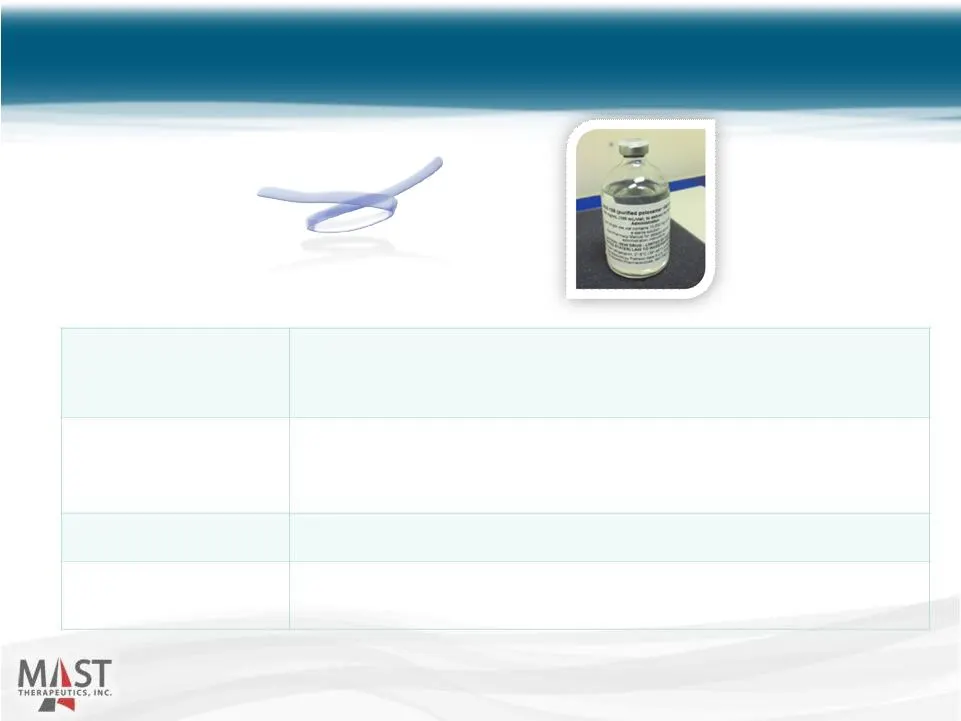
Vepoloxamer Overview API Structure: CMC: • Large, synthesized polymer with extraction process to remove undesirable (toxic) components. • Composition of matter claims pending. Administration: • IV infusion ADME: • Rapidly and predominantly cleared by kidneys (4-8h) • Ether linkages cannot be cleaved
Slide 6: Vepoloxamer Mechanism of Action
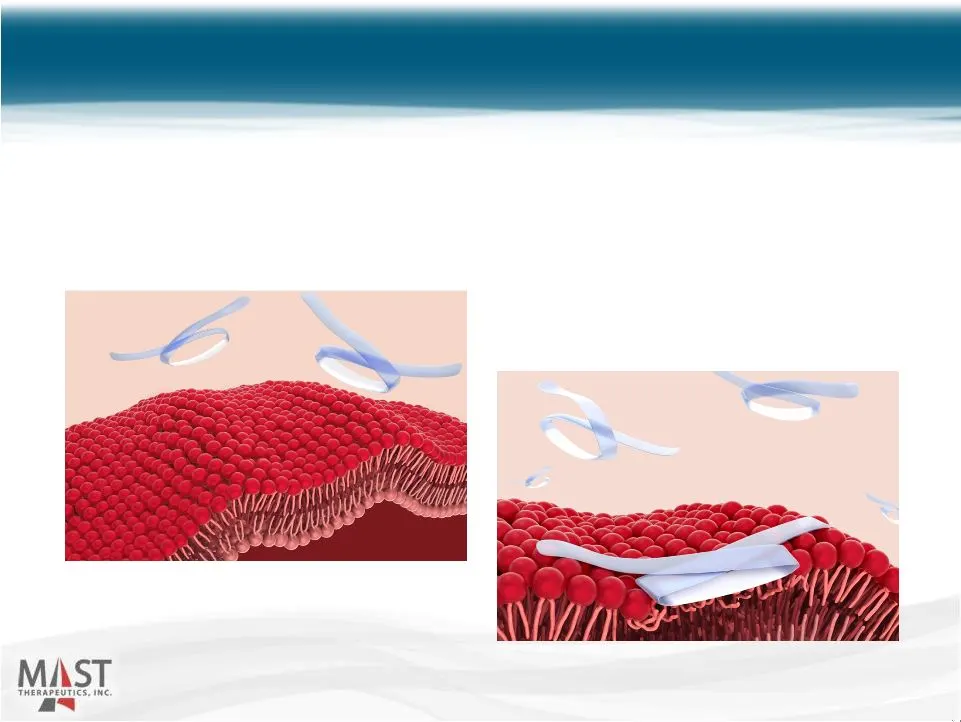
Vepoloxamer Mechanism of Action NYSE MKT: MSTX No Affinity for Healthy Cell Membranes… But Adheres to Damaged Cell Membranes Core of molecule adheres to hydrophobic domains on cell surface, such as damaged membranes and adhesive proteins.
Slide 7: Vepoloxamer Pharmacodynamics
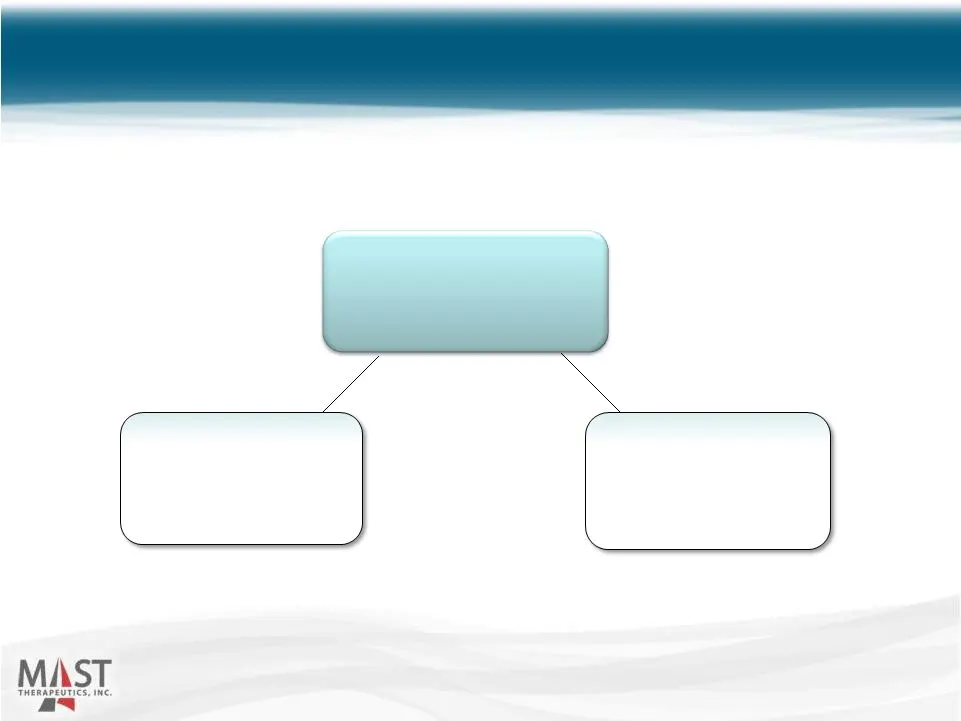
Vepoloxamer Pharmacodynamics NYSE MKT: MSTX Simple biophysical mechanism improves flow and membrane integrity. Hemorheologic Inhibits cell adhesion, reduces aggregation; improves flow. Vepoloxamer Cytoprotective Seals membranes, restores integrity (e.g. gives cells time to heal).
Slide 8: Vepoloxamer Clinical Development
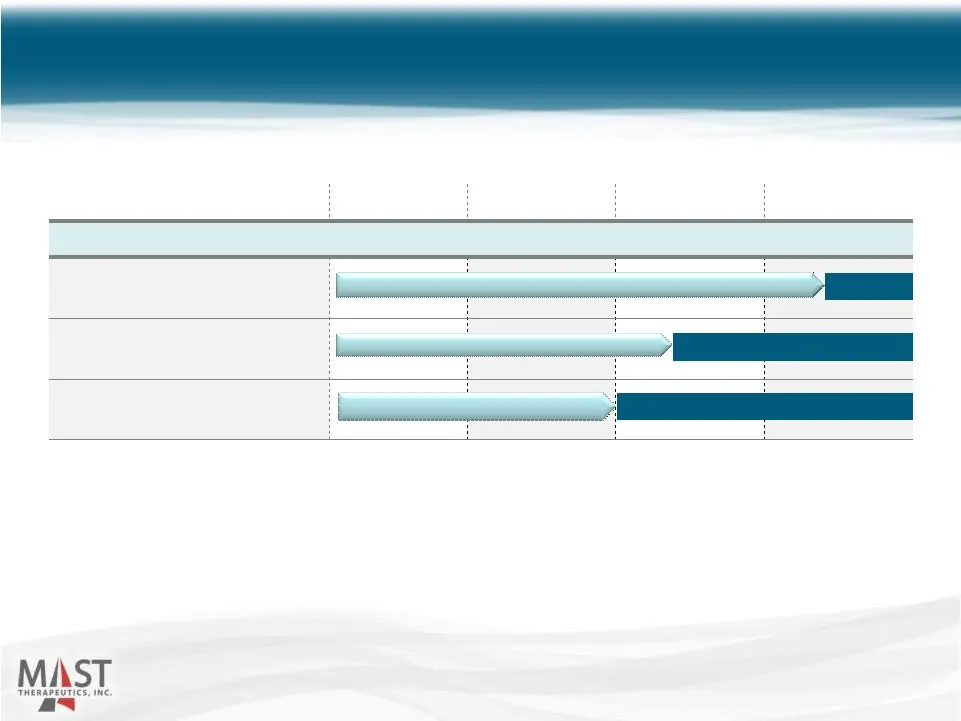
Vepoloxamer Clinical Development Enrolling Planned initiation: 2Q 2015 Enrolling NYSE MKT: MSTX Preclinical Phase 1 Phase 2 Phase 3 Sickle Cell Disease (orphan) Acute Limb Ischemia (orphan) Acute Heart Failure

Slide 9: Sickle Cell Disease
NYSE MKT: MSTX Sickle Cell Disease

Slide 10: Overview of Sickle Cell Disease
Overview of Sickle Cell Disease A chronic, genetic disorder and rare (orphan) disease Affects 90,000 to 100,000 people in the U.S. Characterized by severe deformation (i.e., “sickling”) of red blood cells Hallmark of disease is a “vaso-occlusive crisis” Indescribably painful condition Leading cause
Slide 11: Role of Vepoloxamer in Sickle Cell Disease
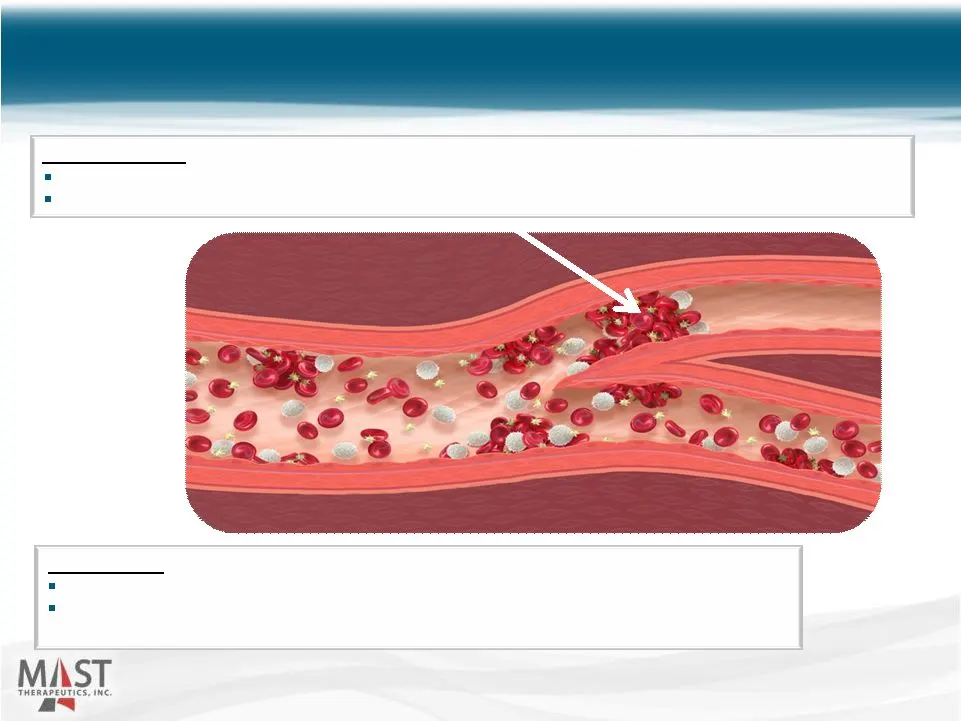
Role of Vepoloxamer in Sickle Cell Disease Vepoloxamer : Reduces aggregation and adhesion of cells to endothelium (anti-inflammatory) Improves RBC deformability, lowers viscosity, restores flow (rheology), and reduces reperfusion injury (cytoprotection) Vaso-Occlusion : Adhesion of poorly-deformable
Slide 12: Vepoloxamer Reduced Organ Pathology in Transgenic Sickle Mice
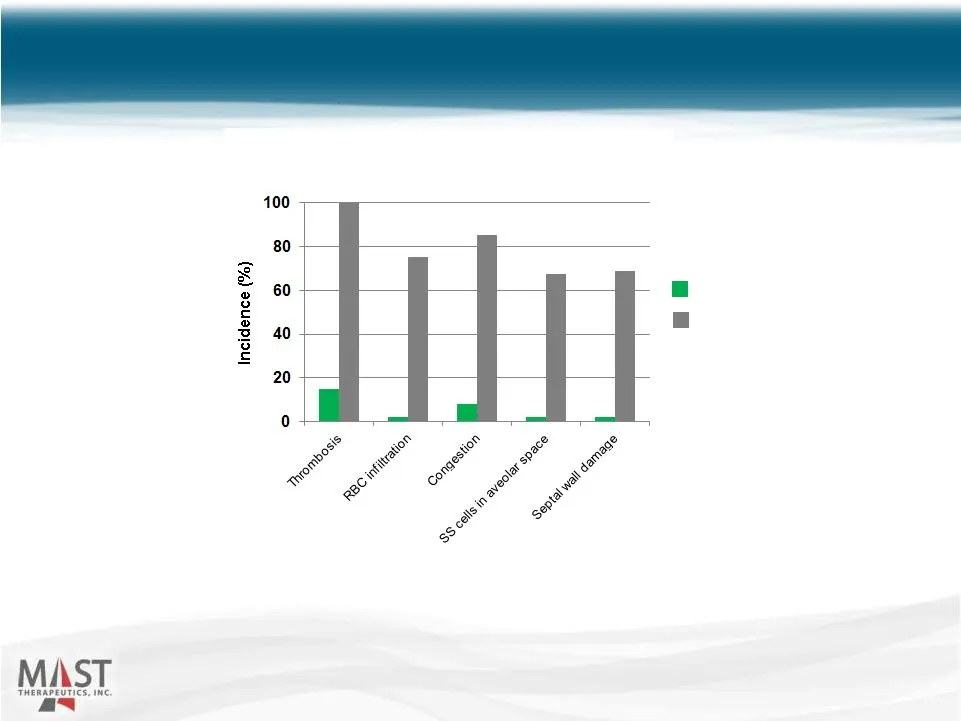
Vepoloxamer Reduced Organ Pathology in Transgenic Sickle Mice Lung pathology was compared in transgenic mice pretreated with either vepoloxamer (400 mg/kg) or saline and subject to hypoxia (5% O ). (Asakura, et al.) Vepoloxamer Control Lung Pathology
Slide 13: Vepoloxamer Increased Survival in Transgenic Sickle Mice
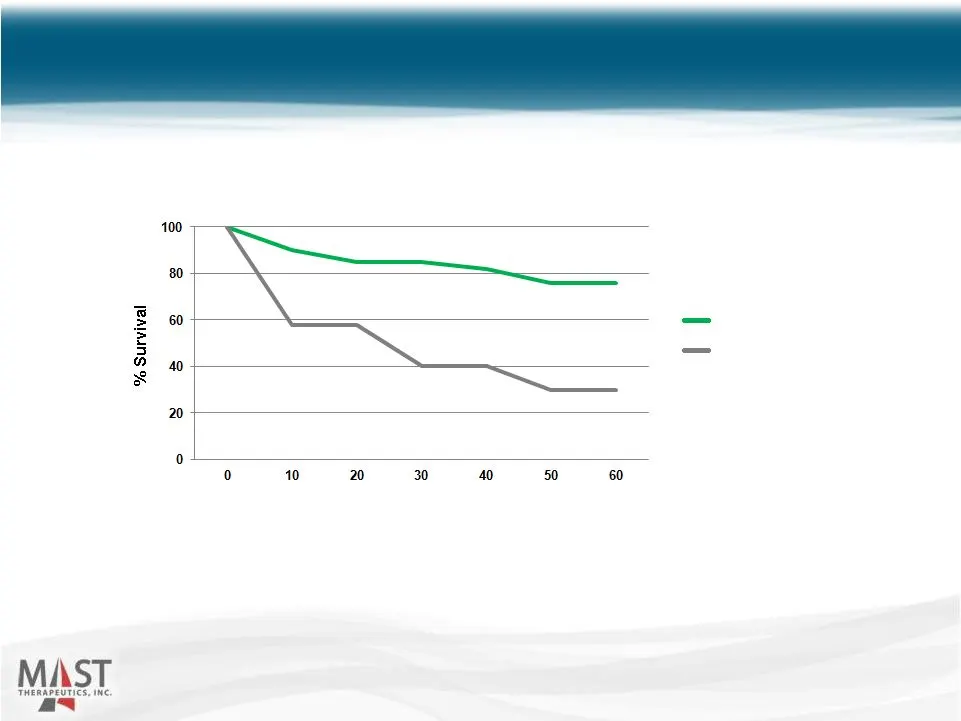
Vepoloxamer Increased Survival in Transgenic Sickle Mice Transgenic mice pretreated with either vepoloxamer (400 mg/kg) or saline, subject to hypoxia (5% O ), and monitored for survival. (Asakura, et al.) Vepoloxamer Control Survival of Transgenic Sickle Mice Post exposure to 5% (60 - 100% ß S -Glob
Slide 14: Vepoloxamer Improves Blood Flow
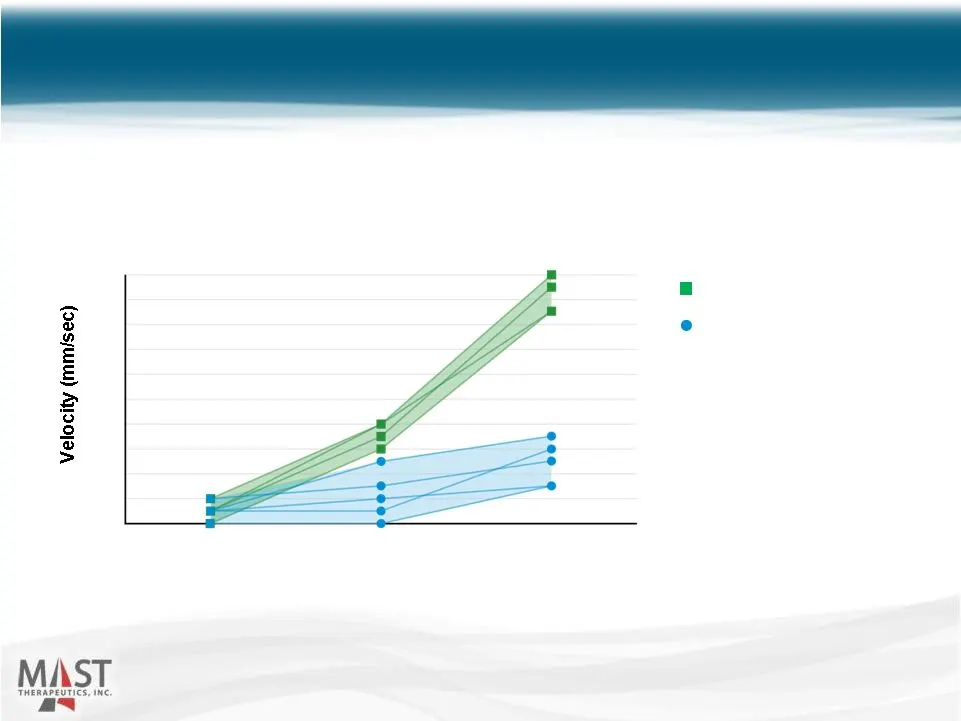
Vepoloxamer Improves Blood Flow Vepoloxamer Placebo Before Infusion (Crisis Baseline) 0.2 0.4 0.6 0.8 1.0 1.2 1.4 1.6 1.8 2.0 2-Hours 7-Hours After Loading Infusion After Loading Infusion Source: J. Investig. Med. 2004;52(6):402-6 (p = 0.00003) Vepoloxamer improved microvascular blood flow in SCD pa
Slide 15: Phase 3 Study (Poloxamer 188)
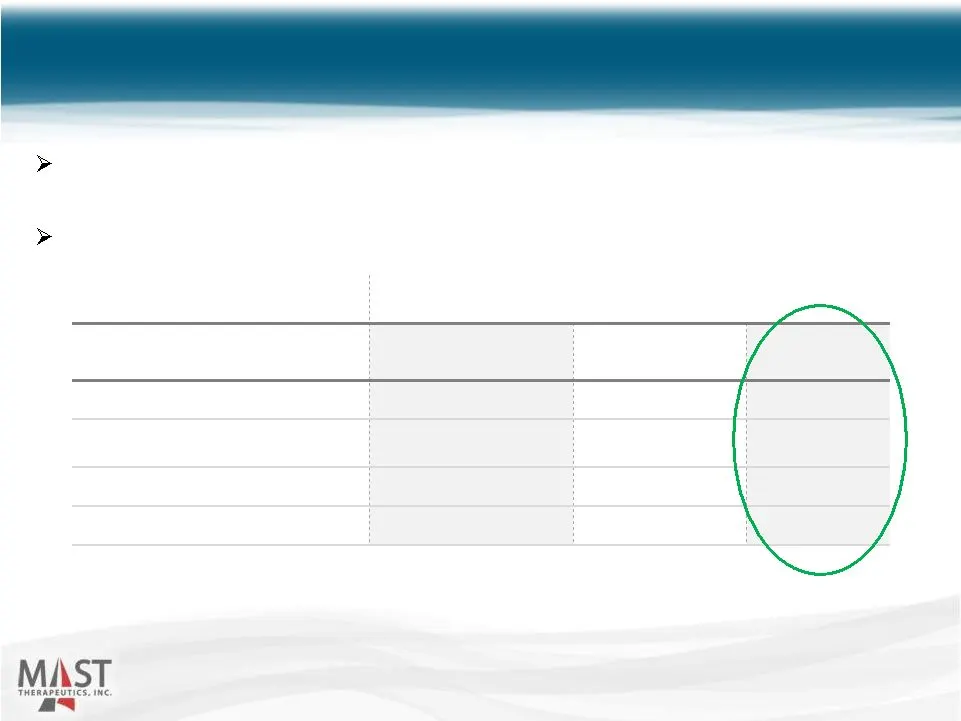
Phase 2 Study Source: Blood, September 1, 1997 – Vol 90, No. 5 * Vepoloxamer is purified poloxamer 188 Subjects Who Received Full Dose ± Poloxamer 188* (n=18) Placebo (n=13) p value ±± Duration of Crisis 44 hours 80 hours 0.025 Duration of Hospitalization 5 days 7 days 0.111 Total Analgesic Use 34mg
Slide 16: Phase 3 Study (JAMA)
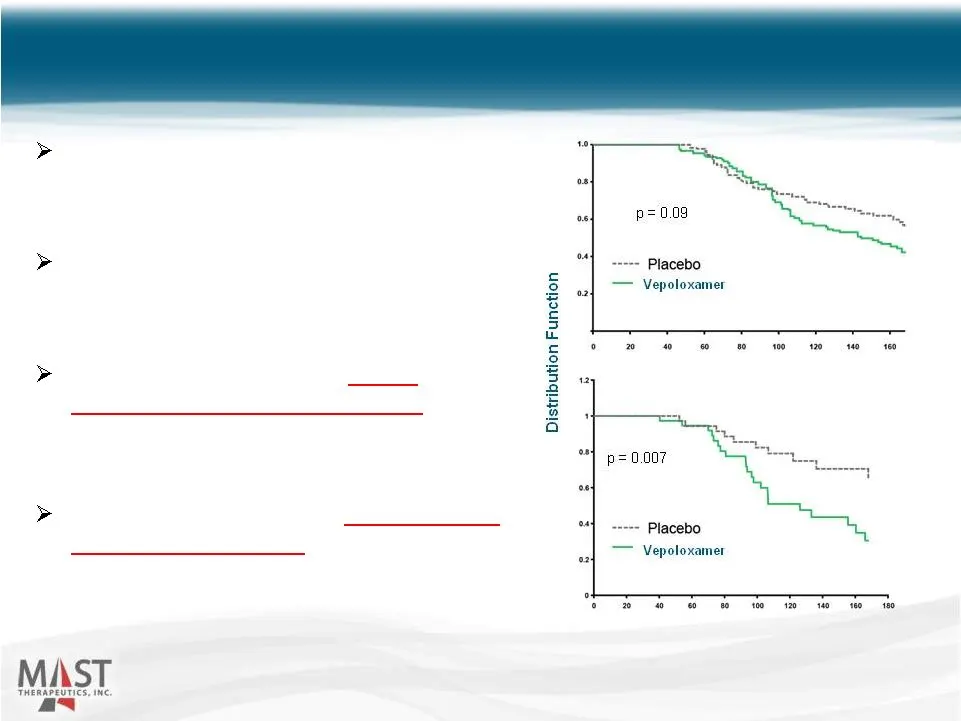
Phase 3 Study Source: JAMA, November 17, – Vol 286, No. Randomized, double-blind, placebo- controlled, multi-center study of vepoloxamer in 350 patients with SCD. Time-to-event analysis showed consistent trend in support of earlier crisis resolution. However, prior sponsor ended enrollment at only 2

Slide 17: EPIC: Pivotal Phase 3 Study Design
EPIC: Pivotal Phase 3 Study Design Randomized, Double-Blind, Placebo-Controlled, Multicenter 388 patients Standard of care +/- vepoloxamer Primary Efficacy Assessment Duration of crisis (transition off IV analgesia) No assessment of subjective pain scores Secondary Efficacy Assessments Re-hospitaliz

Slide 18: EPIC Success Factors
EPIC Success Factors Enrollment on-track. Top-line data expected Q1 2016. ~70 sites opened, >50 within the U.S. >33% enrolled as of Jan 6. Most Advanced New Drug in SCD Potential to be first approved drug to treat an ongoing vaso-occlusive crisis Substantial head start versus other new drugs in deve

Slide 19: Acute Limb Ischemia
Acute Limb Ischemia (Vepoloxamer In Combination with Thrombolytics)
Slide 20: Overview of Occlusive Arterial Disease
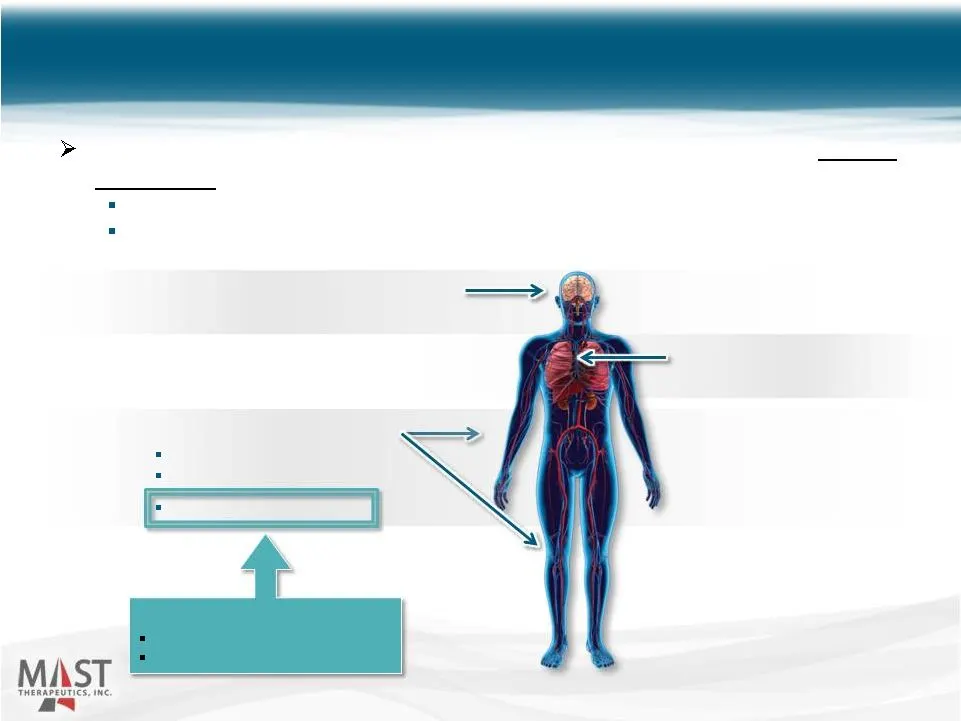
Overview of Occlusive Arterial Disease A progressive circulatory problem in which obstructed arteries reduce blood flow to tissues Thrombolytic agents (tPA) are used to treat acute complications Significant morbidity and mortality Acute Ischemic Cerebrovascular Infarction (stroke) Acute Myocardial I
Slide 21: Improved t-PA Effectiveness
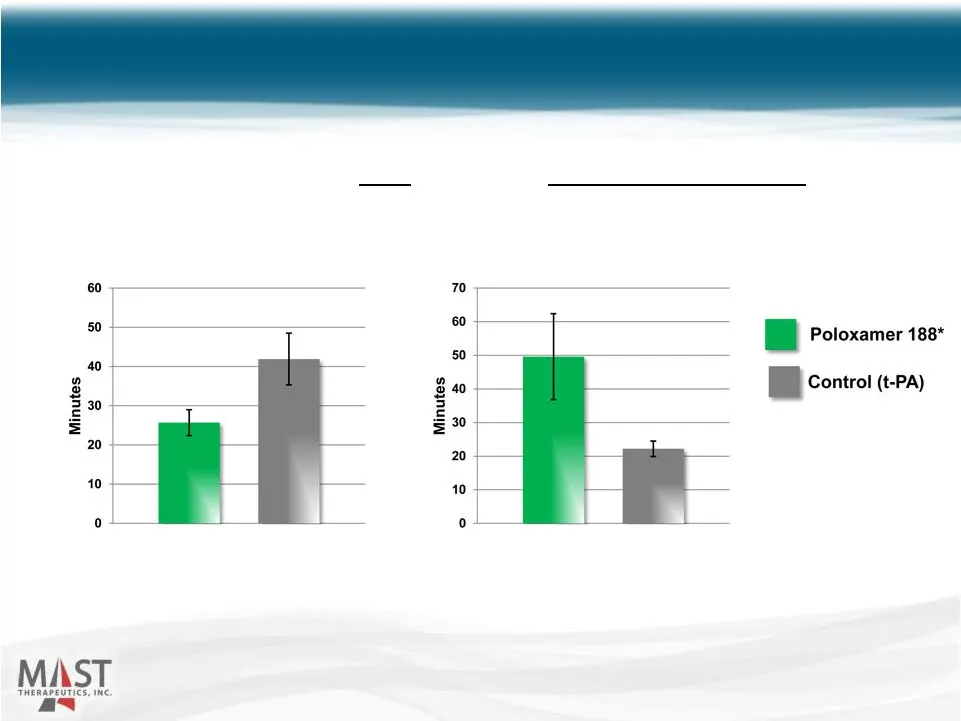
Improved t-PA Effectiveness Animals randomized to t-PA (n = 10) or t-PA + poloxamer 188* (n = 10) Source: Data on file * Vepoloxamer is purified poloxamer 188 Time to Re-Occlusion Time to Reperfusion
Slide 22: Synergy with Thrombolytics in Heart Attack
Synergy with Thrombolytics in Heart Attack Parameter Poloxamer 188* Control Difference p Value N=114 Myocardial Infarct Size (median) 16% 26% 38% reduction 0.031 Myocardial Salvage (median) 13% 4% 125% increase 0.033 Ejection Fraction (median) 52% 46% 13% improvement 0.020 Incidence of Reinfarction

Slide 23: Phase 2 Study in ALI
Phase 2 Study in ALI Clinical Proof-of-Concept Study Biomarkers Clinical outcomes Study Design Randomized, double-blind, and active-controlled (t-PA) t-PA +/- low or high dose vepoloxamer 60 subjects (20 per arm) Timing Completion of enrollment anticipated 2H 2016 ALI data can be supportive of clini

Slide 24: Heart Failure
Heart Failure

Slide 25: Overview of Heart Failure
Overview of Heart Failure Chronic condition characterized by decreasing heart function Heart cannot pump enough blood to meet the body’s needs Significant Unmet Medical Need Leading healthcare cost in U.S. and Europe Substantial and Growing Market Opportunity > 5 million individuals with heart failu
Slide 26: Heart Failure Development Rationale
Heart Failure Development Rationale In heart failure, elevated wall tension impairs lipid flow and membrane repair. This results in calcium influx and cardiac troponin leak. Vepoloxamer re-seals membranes and reduces membrane tensions, enabling lipid flow and facilitating membrane repair, thus reduc
Slide 27: Non-clinical Model of Heart Failure
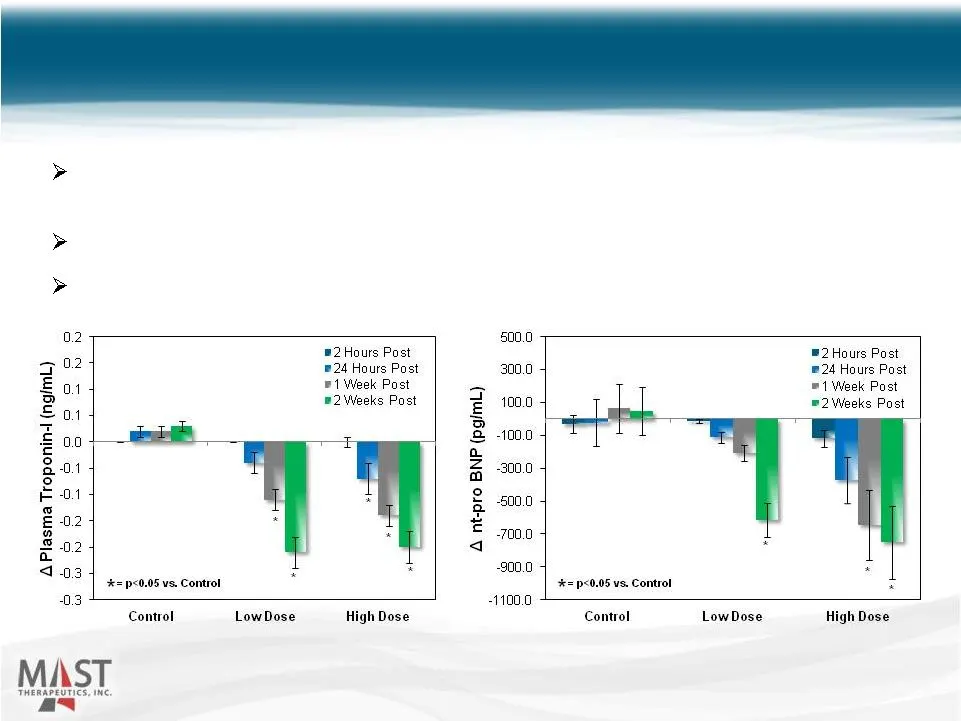
Non-clinical Model of Heart Failure A single, 2h infusion improved hemodynamic parameters (LVEF, CO) and biomarkers correlated with clinical outcomes (troponin, NT-proBNP) A potentially novel mechanism, compatible with existing treatments Planning to initiate Phase 2 in acute decompensated HF in Q2

Slide 28: AIR001 (sodium nitrite) inhalation solution
AIR001 (sodium nitrite) inhalation solution

Slide 29: AIR001
AIR001 AIR001 is nitrite for intermittent inhalation (via nebulizer) Beneficial effects include dilation of blood vessels and reduced inflammation Positive hemodynamic effects; reductions observed in: – pulmonary vascular resistance – pulmonary capillary wedge pressure – right atrial pressure AIR001

Slide 30: AIR001 Clinical Data
AIR001 Clinical Data Three Phase 1 studies: Established MTD and safe dose level Confirmed conversion of nitrite to nitric oxide (NO) Acute improvements in hypoxia-induced pulmonary hypertension No drug-drug interaction with sildenafil One Phase 2 study: Well-tolerated, with no treatment-related seri

Slide 31: AIR001 Clinical Development Plan
AIR001 Clinical Development Plan Supporting three institution-sponsored Phase 2a studies to: Evaluate acute hemodynamic effects of AIR001 Evaluate acute effects versus placebo on maximum oxygen consumption and exercise hemodynamics Evaluate inhaled versus intravenous administration of nitrite and sa
Slide 32: Upcoming News & Events
Upcoming News & Events Initiate dosing in Phase 2a studies of AIR001 Q1 ’15 Report data from nonclinical study of vepoloxamer in embolic stroke Q1 ’15 Report data from nonclinical study of vepoloxamer in heart failure Q1 ’15 Initiate enrollment in EPIC extension study (repeat exposure) (EPIC-E) 1H ’

Slide 33: MSTX Financial Overview
MSTX Financial Overview Cash/investments at 12/31/14: $57 million Market capitalization: ~$75 million* Shares outstanding: ~159 million* Average daily volume (3 mo): ~900,000* No debt * As of January 26, 2015

Slide 34: Mast Investment Summary
Mast Investment Summary A Leader in Areas of Significant Unmet Need (Vepoloxamer) Sickle Cell Disease: Most advanced new drug in development Arterial Disease: Ongoing Phase 2 in ALI with opportunity in stroke Heart Failure : Phase 2 study to begin Q2 2015 AIR001 Phase 2 program in heart failure with
Source: SEC EDGAR · 8-K filed Feb 3, 2015
More decks from Savara, Inc.
 Technical Presentation (September 2026)11 slides · Sep 6, 2026
 American Thoracic Society (ATS) 2026 International Conference9 slides · May 18, 2026
 Investor Presentation (January 2026)47 slides · Jan 9, 2026
 Investor Presentation (October 2025)15 slides · Oct 29, 2025
 Investor Presentation (September 2025)48 slides · Sep 2, 2025
 Investor Presentation (May 2025)47 slides · May 2025