Sesen Bio — H.C. Wainwright 21st Annual Global Investment Conference (September 2019)
62 slides from Sesen Bio's conference presentation, Sep 10, 2019
Slide 1: H.C. Wainwright 21st Annual Global Investment Conference
H.C. Wainwright 21st Annual Global Investment Conference Thomas Cannell DVM, President and CEO September 10, 2019 NASDAQ SESN
Slide 2: Forward-Looking Statements
FORWARD-LOOKING STATEMENTS This presentation contains forward-looking statements that involve substantial risks and Trial and/or that the final data may not be positive with regard to the safety or efficacy of uncertainties. All statements, other than statements of historical facts, contained in thi
Slide 3: Our path forward starts with the patient journey
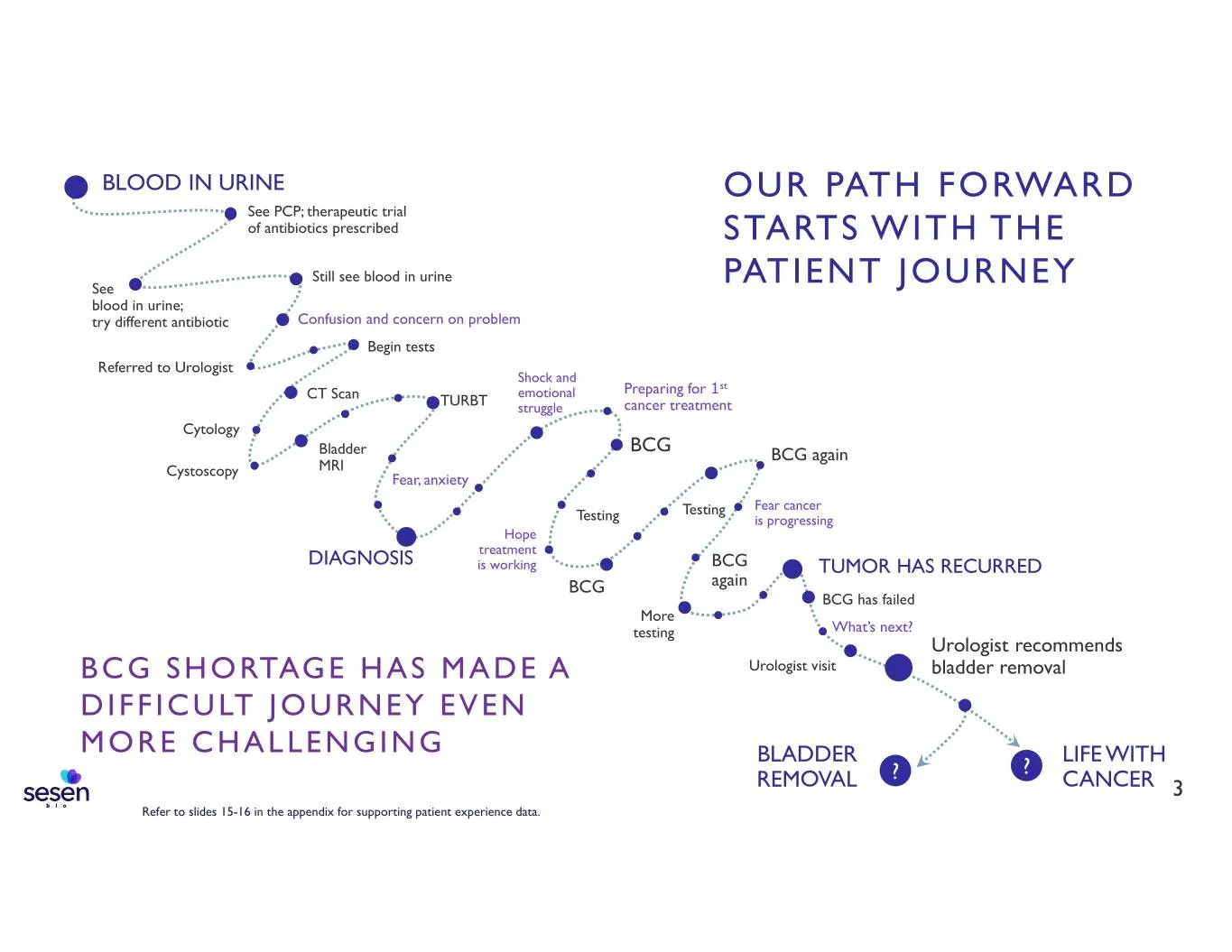
BLOOD IN URINE OUR PATH FORWARD See PCP; therapeutic trial of antibiotics prescribed STARTS WITH THE Still see blood in urine See PATIENT JOURNEY blood in urine; try different antibiotic Confusion and concern on problem Begin tests Referred to Urologist Shock and st CT Scan emotional Preparing for 1
Slide 4: Sesen Bio: late-stage oncology company
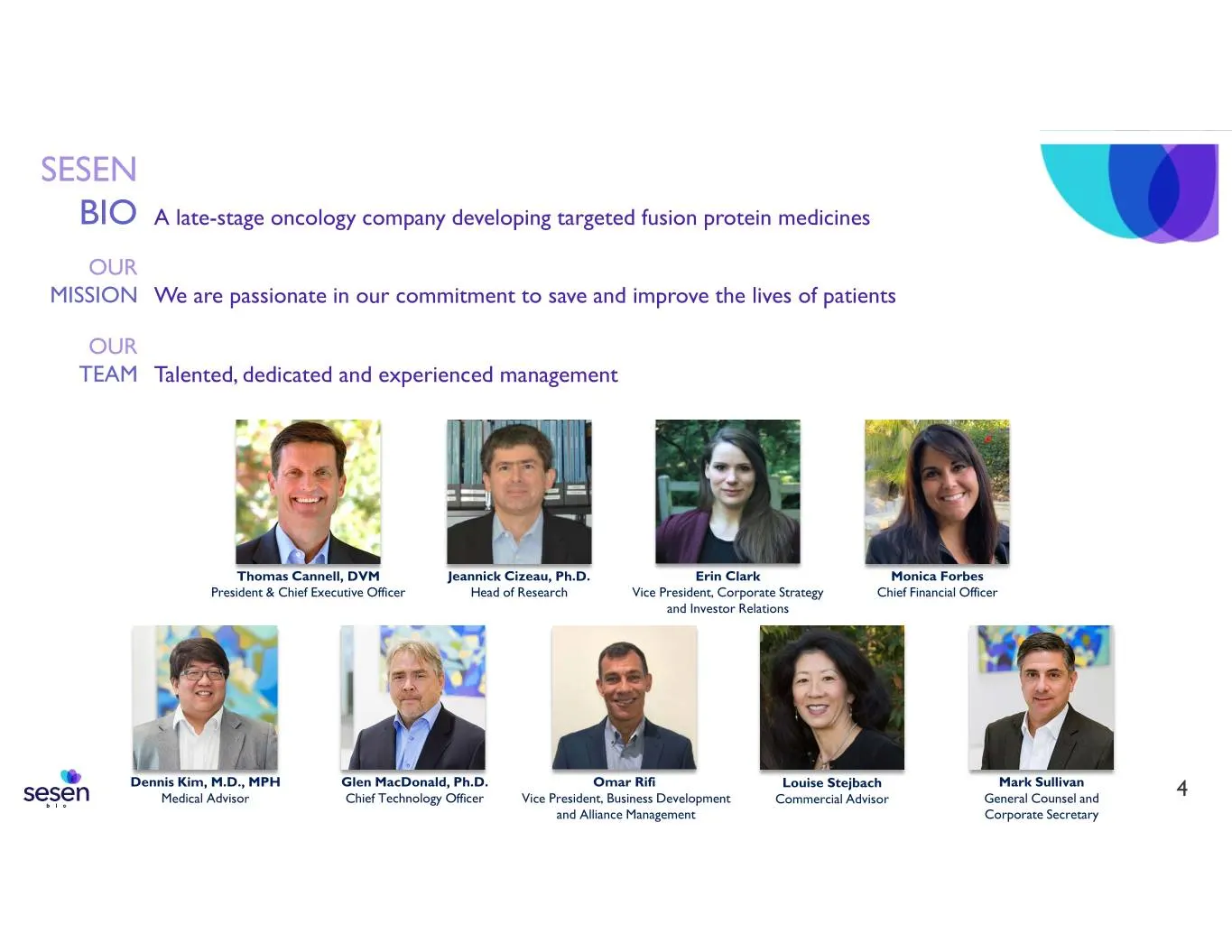
SESEN BIO A late-stage oncology company developing targeted fusion protein medicines OUR MISSION We are passionate in our commitment to save and improve the lives of patients OUR TEAM Talented, dedicated and experienced management Thomas Cannell, DVM Jeannick Cizeau, Ph.D. Erin Clark Monica Forbes P
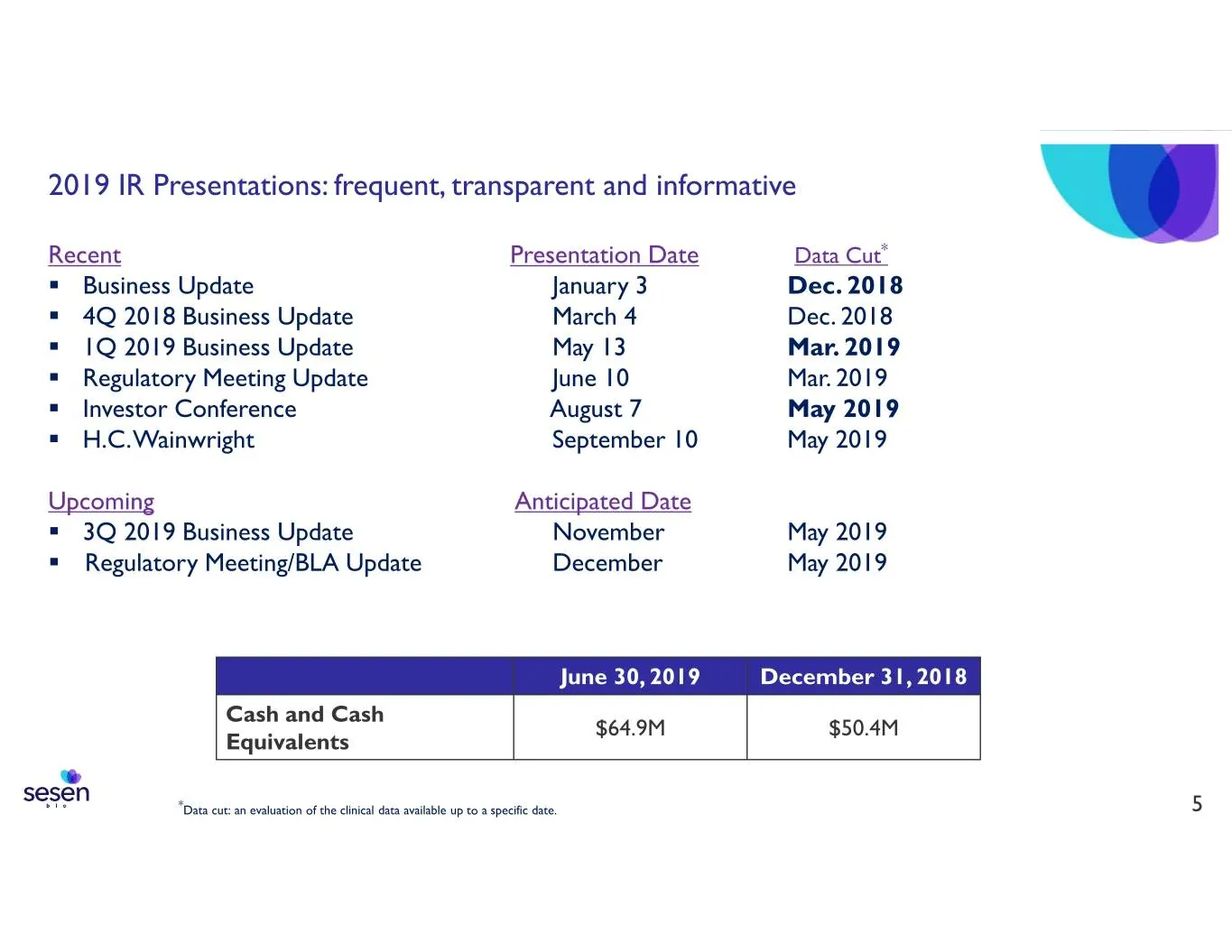
Slide 5: 2019 IR Presentations: frequent, transparent and informative
2019 IR Presentations: frequent, transparent and informative Recent Presentation Date Data Cut* � Business Update January 3 Dec. 2018 � 4Q 2018 Business Update March 4 Dec. 2018 � 1Q 2019 Business Update May 13 Mar. 2019 � Regulatory Meeting Update June 10 Mar. 2019 � Investor Conference August 7 Ma
Slide 6: Agenda
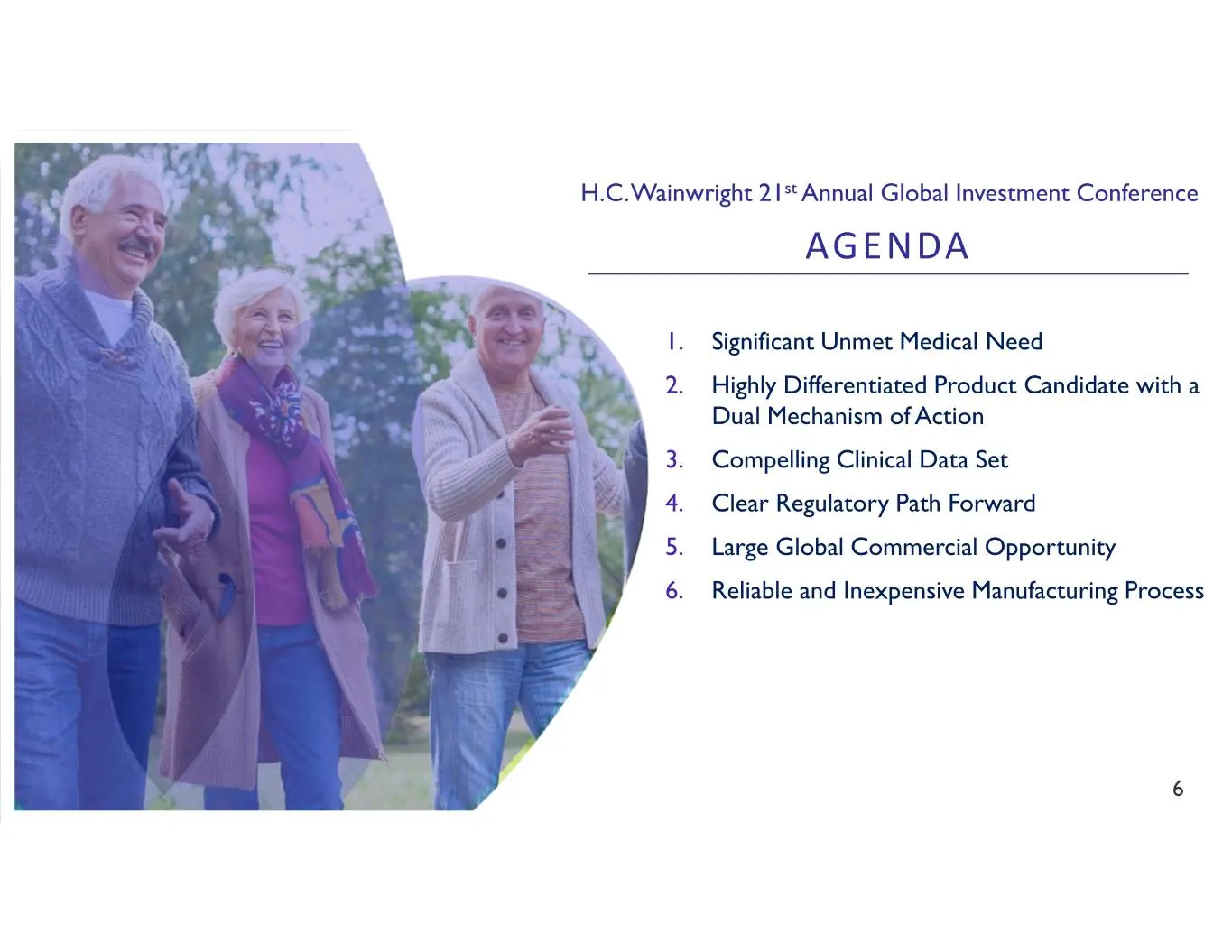
H.C. Wainwright 21st Annual Global Investment Conference AGENDA 1. Significant Unmet Medical Need 2. Highly Differentiated Product Candidate with a Dual Mechanism of Action 3. Compelling Clinical Data Set 4. Clear Regulatory Path Forward 5. Large Global Commercial Opportunity 6. Reliable and Inexpen
Slide 7: Significant Unmet Medical Need in NMIBC
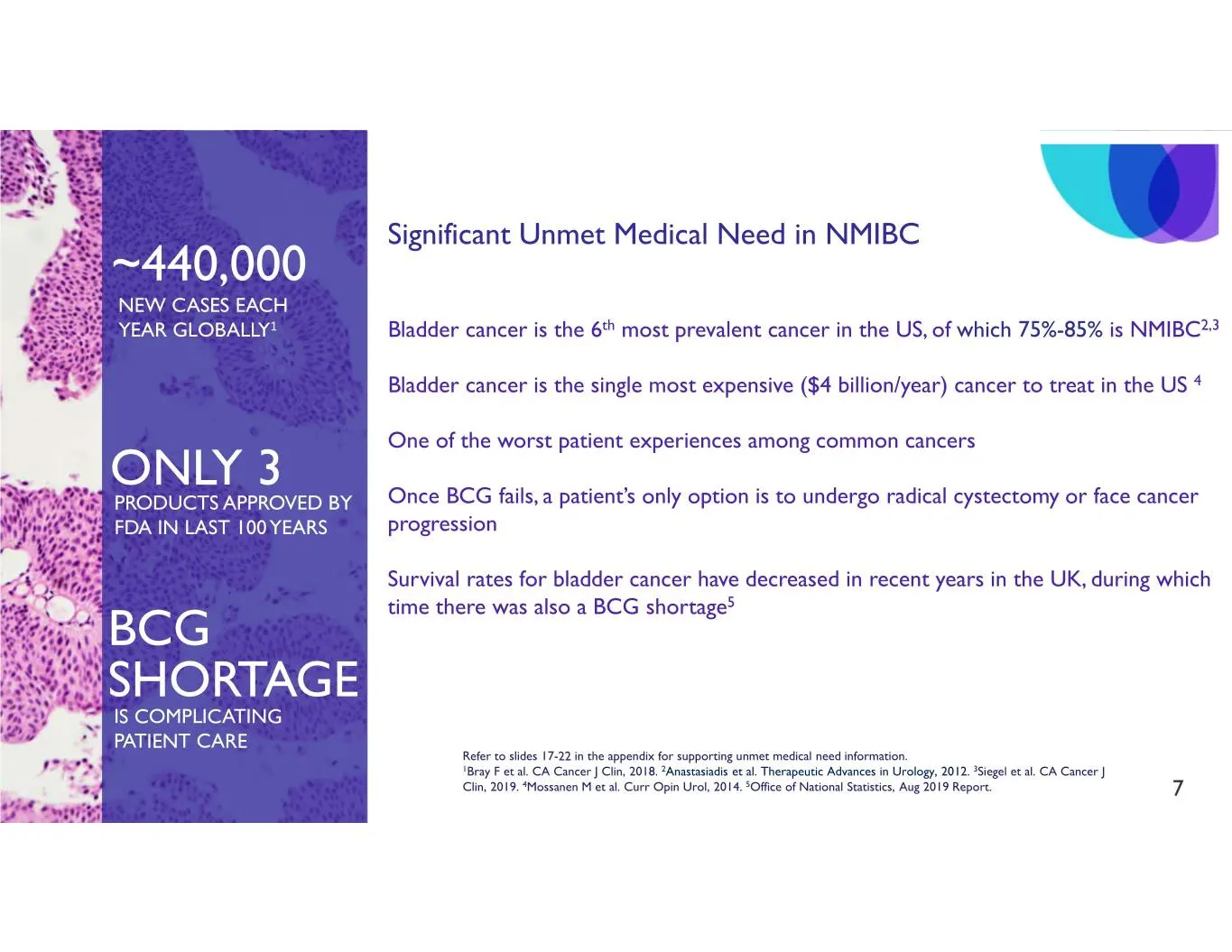
Significant Unmet Medical Need in NMIBC ~440,000 NEW CASES EACH YEAR GLOBALLY1 Bladder cancer is the 6th most prevalent cancer in the US, of which 75%-85% is NMIBC2,3 Bladder cancer is the single most expensive ($4 billion/year) cancer to treat in the US 4 One of the worst patient experiences among
Slide 8: Vicinium is Highly Differentiated and has a Dual Mechanism of Action
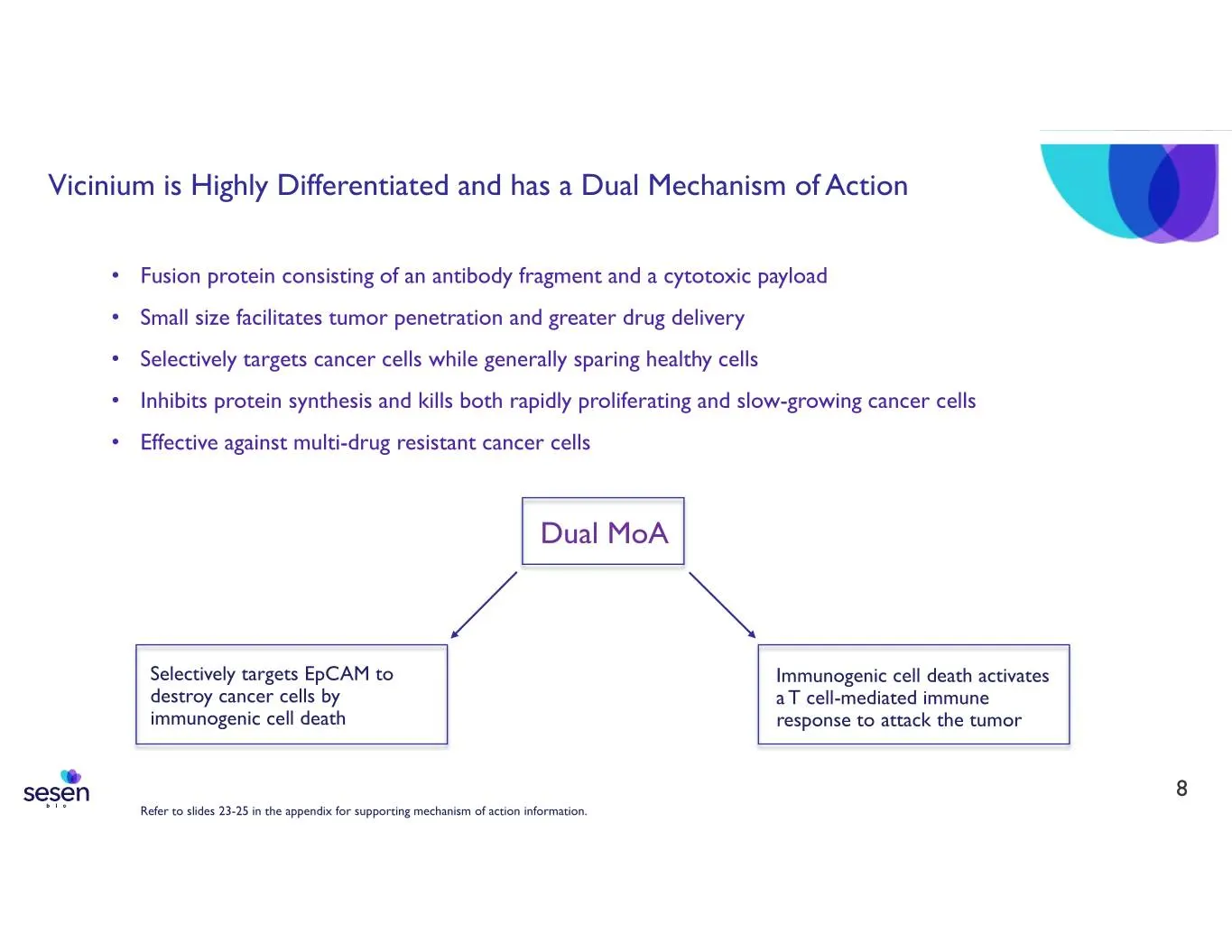
Vicinium is Highly Differentiated and has a Dual Mechanism of Action • Fusion protein consisting of an antibody fragment and a cytotoxic payload • Small size facilitates tumor penetration and greater drug delivery • Selectively targets cancer cells while generally sparing healthy cells • Inhibits pr
Slide 9: Clear Regulatory Path Forward
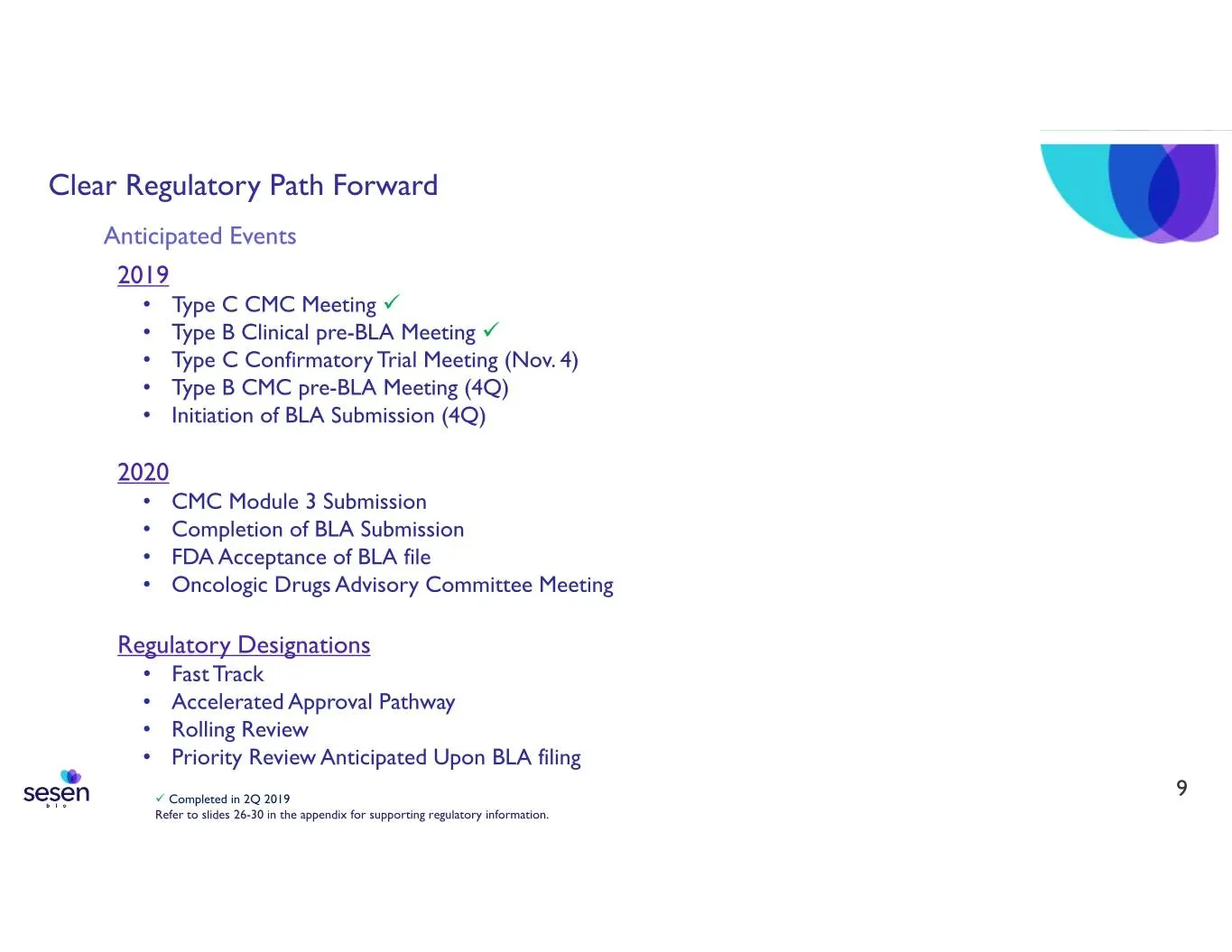
Clear Regulatory Path Forward Anticipated Events 2019 • Type C CMC Meeting � • Type B Clinical pre-BLA Meeting � • Type C Confirmatory Trial Meeting (Nov. 4) • Type B CMC pre-BLA Meeting (4Q) • Initiation of BLA Submission (4Q) 2020 • CMC Module 3 Submission • Completion of BLA Submission • FDA Acce
Slide 10: Compelling Phase III Clinical Data Set
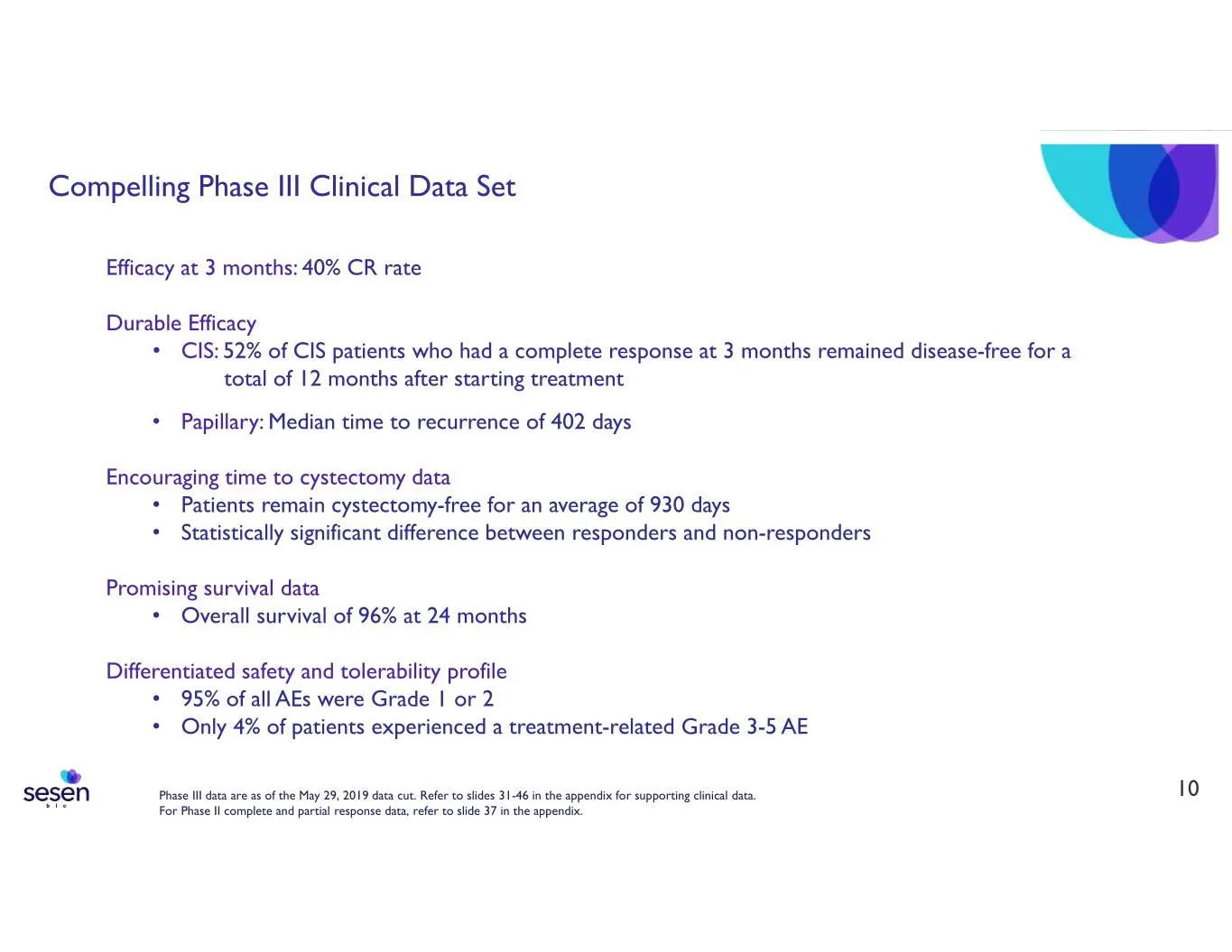
Compelling Phase III Clinical Data Set Efficacy at 3 months: 40% CR rate Durable Efficacy • CIS: 52% of CIS patients who had a complete response at 3 months remained disease-free for a total of 12 months after starting treatment • Papillary: Median time to recurrence of 402 days Encouraging time to
Slide 11: Large Global Commercial Opportunity
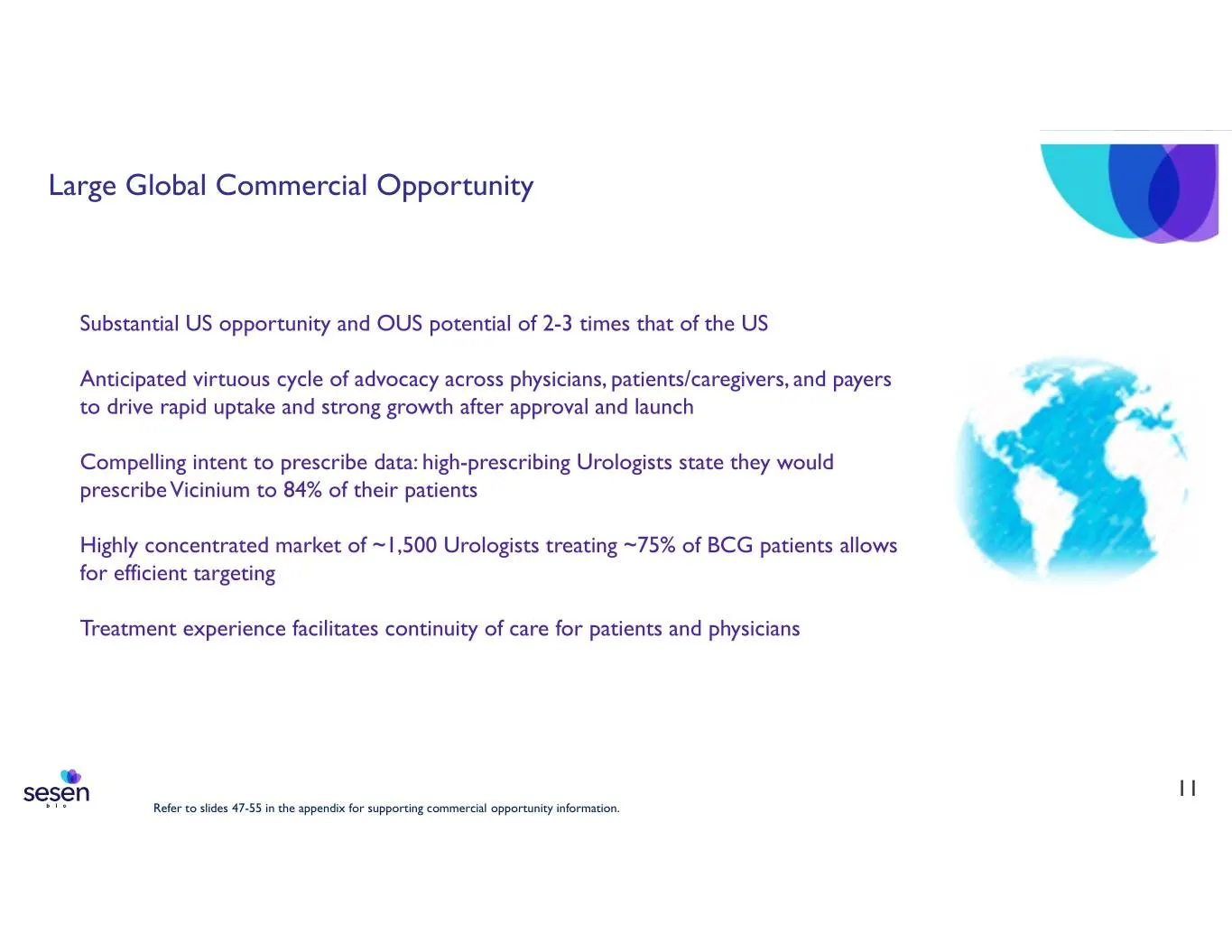
Large Global Commercial Opportunity Substantial US opportunity and OUS potential of 2-3 times that of the US Anticipated virtuous cycle of advocacy across physicians, patients/caregivers, and payers to drive rapid uptake and strong growth after approval and launch Compelling intent to prescribe data
Slide 12: Reliable and Inexpensive Manufacturing Process
Reliable and Inexpensive Manufacturing Process Vicinium is manufactured using a robust, industry-standard microbial expression system The manufacturing process is highly reliable, reducing the risk of supply shortages The manufacturing process is inexpensive, leading to a relatively low cost-of-good
Slide 13: Summary
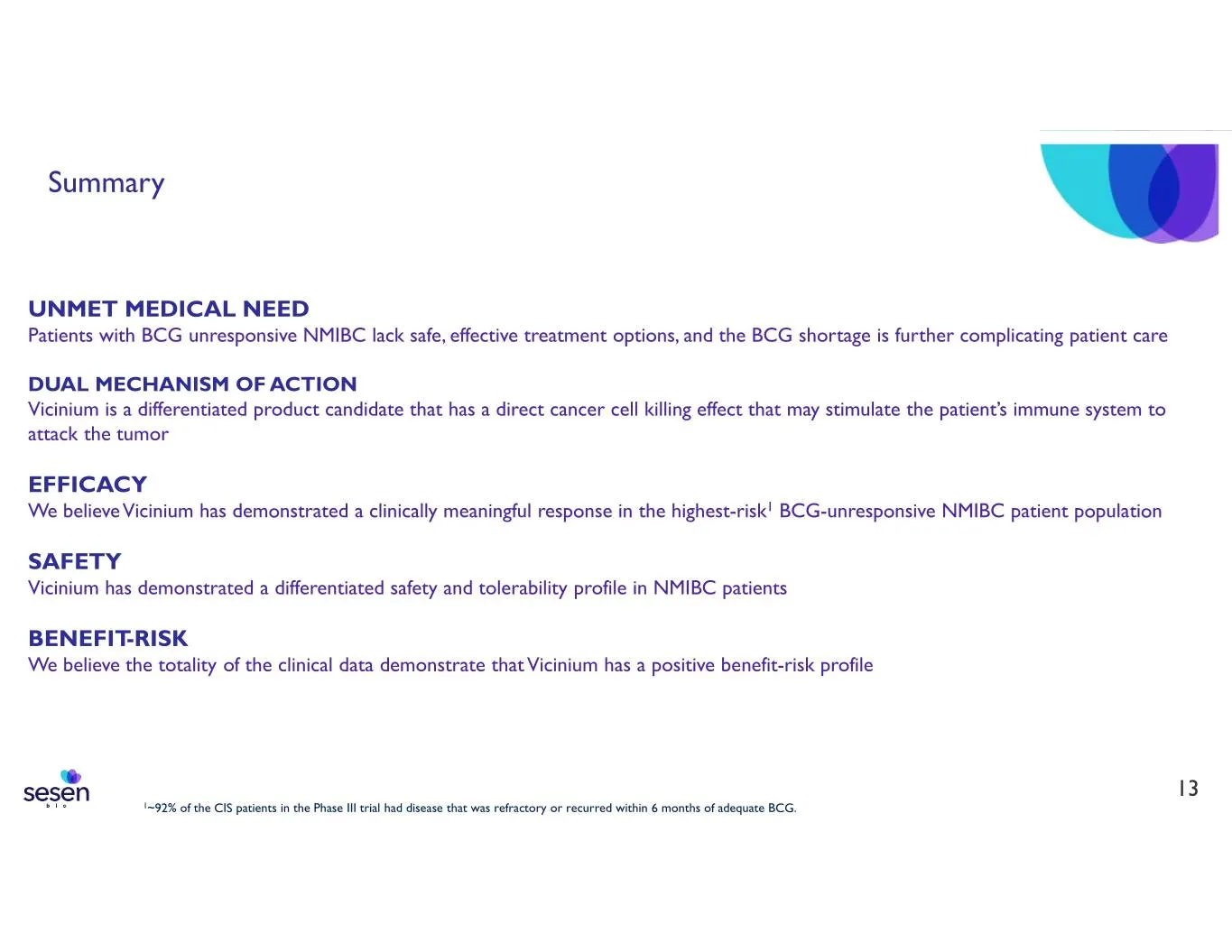
Summary UNMET MEDICAL NEED Patients with BCG unresponsive NMIBC lack safe, effective treatment options, and the BCG shortage is further complicating patient care DUAL MECHANISM OF ACTION Vicinium is a differentiated product candidate that has a direct cancer cell killing effect that may stimulate th
Slide 14: Appendix - Table of Contents
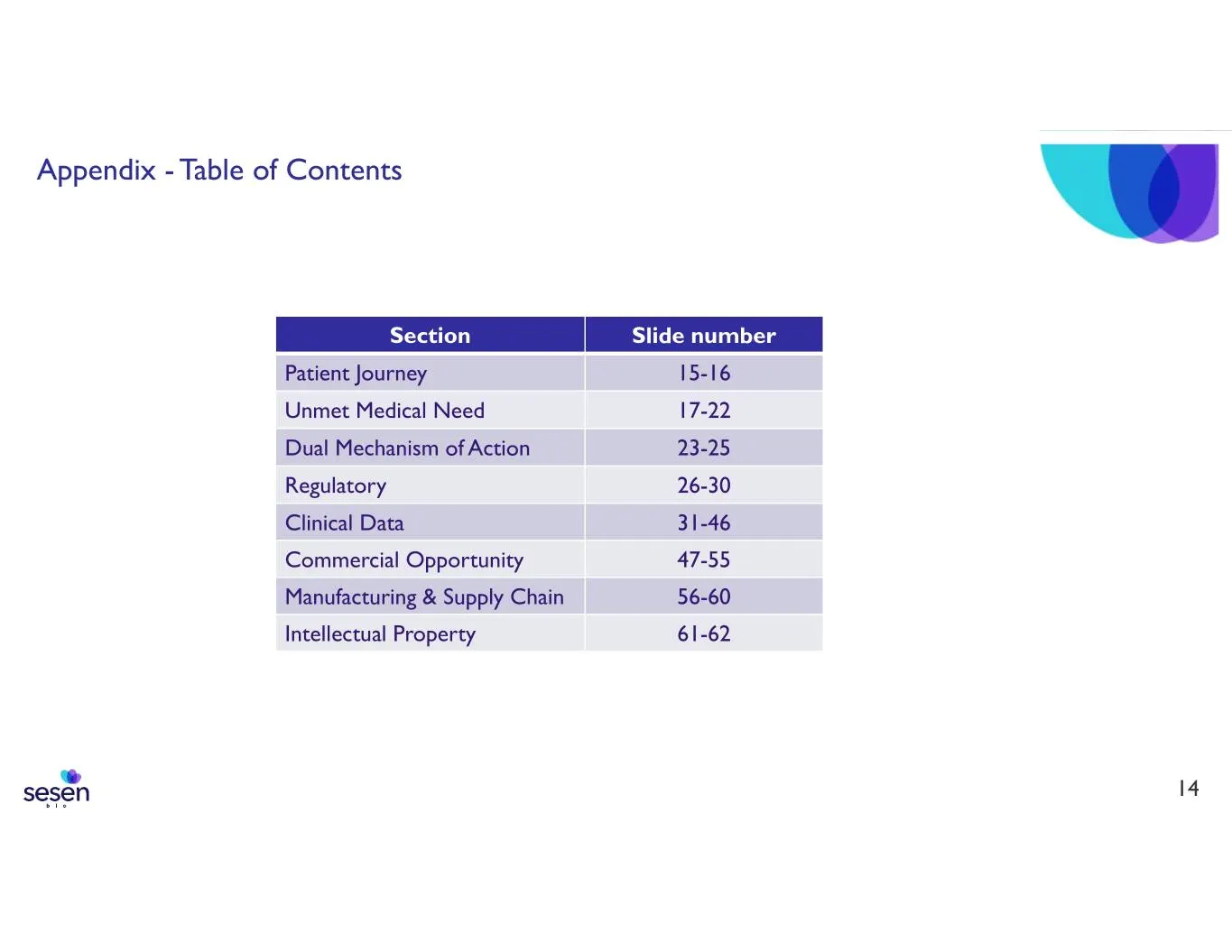
Appendix - Table of Contents Section Slide number Patient Journey 15-16 Unmet Medical Need 17-22 Dual Mechanism of Action 23-25 Regulatory 26-30 Clinical Data 31-46 Commercial Opportunity 47-55 Manufacturing & Supply Chain 56-60 Intellectual Property 61-62 14
Slide 15: Appendix: Patient Journey
Appendix Patient Journey 15
Slide 16: Patient surveys show bladder cancer experience is one of the poorest
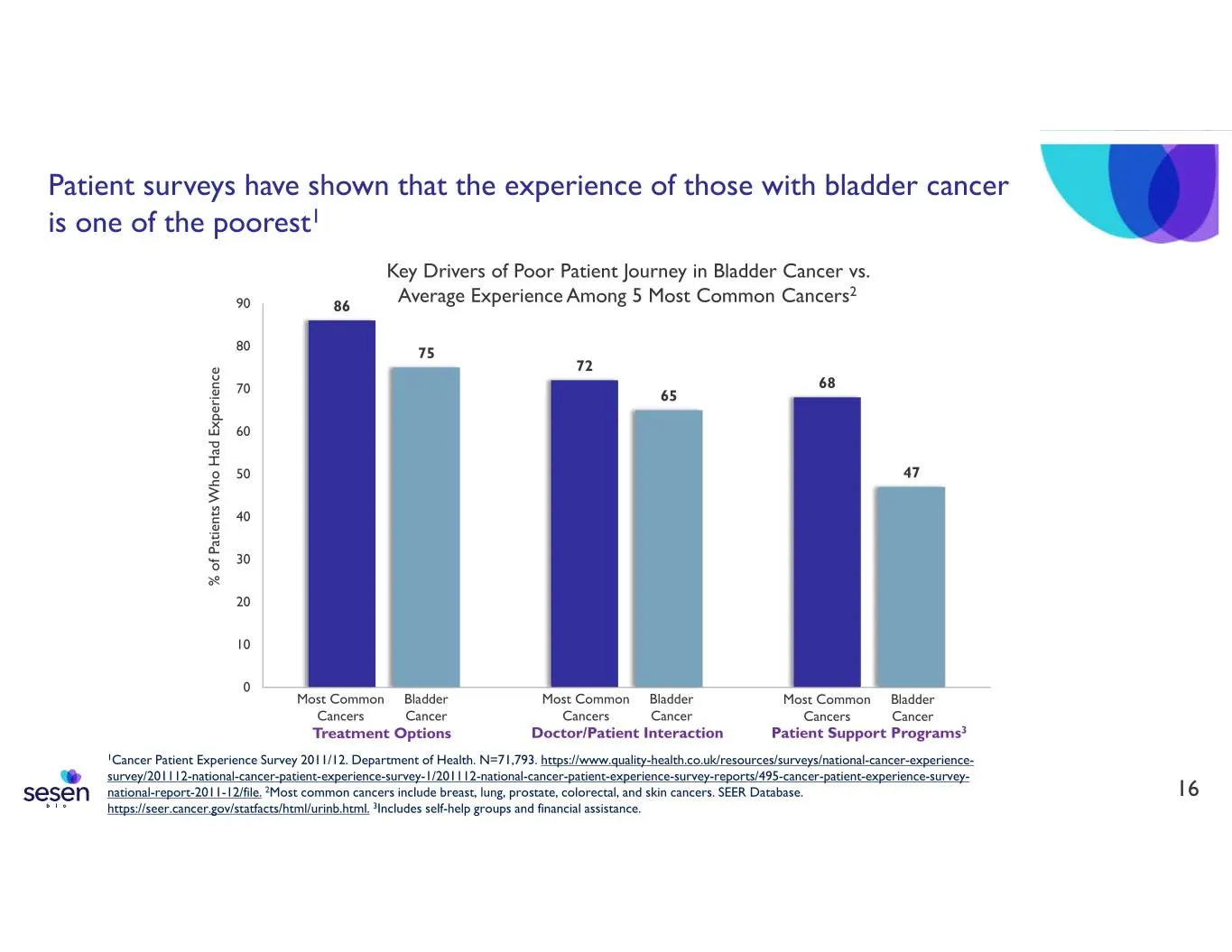
Patient surveys have shown that the experience of those with bladder cancer is one of the poorest1 Key Drivers of Poor Patient Journey in Bladder Cancer vs. Average Experience Among 5 Most Common Cancers2 90 86 80 75 72 68 70 65 60 50 47 40 30 % of Patients Who HadWho Experience % Patients of 20 10
Slide 17: Appendix: Unmet Medical Need
Appendix Unmet Medical Need 17
Slide 18: Carcinoma in situ: the most difficult form of NMIBC to treat
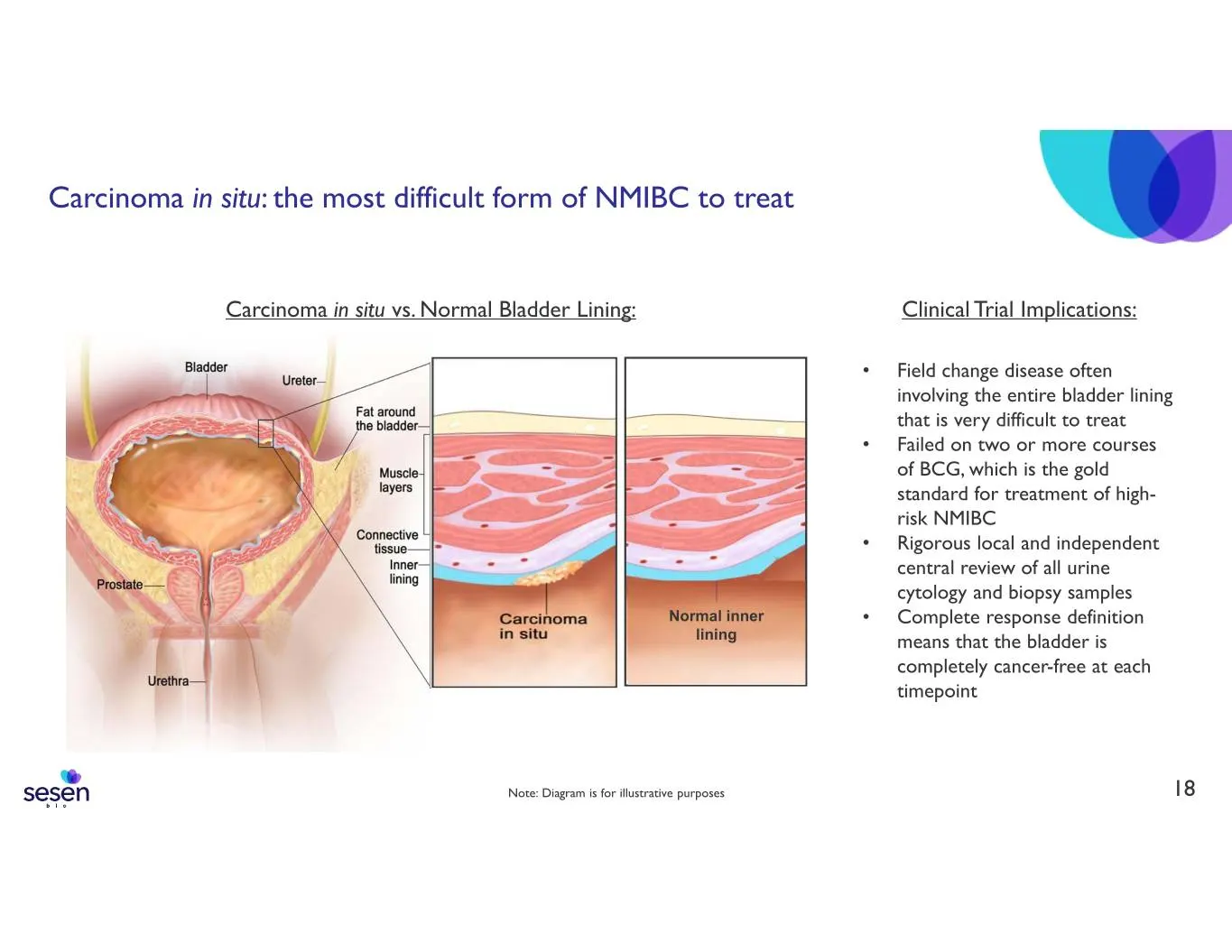
Carcinoma in situ: the most difficult form of NMIBC to treat Carcinoma in situ vs. Normal Bladder Lining: Clinical Trial Implications: • Field change disease often involving the entire bladder lining that is very difficult to treat • Failed on two or more courses of BCG, which is the gold standard f
Slide 19: Radical cystectomy remains recommended option after BCG failure
Radical cystectomy remains recommended treatment option after BCG failure 60-70% lifetime risk of cystectomy associated with NMIBC1 • Long, complex surgical procedure (10+ hours) • Significant rates of morbidity (30-60% within 90 days) and mortality (2-9% within 6 months)2 – 64% complication rate wi
Slide 20: Vicinium is cystectomy-sparing by delaying or avoiding cystectomy
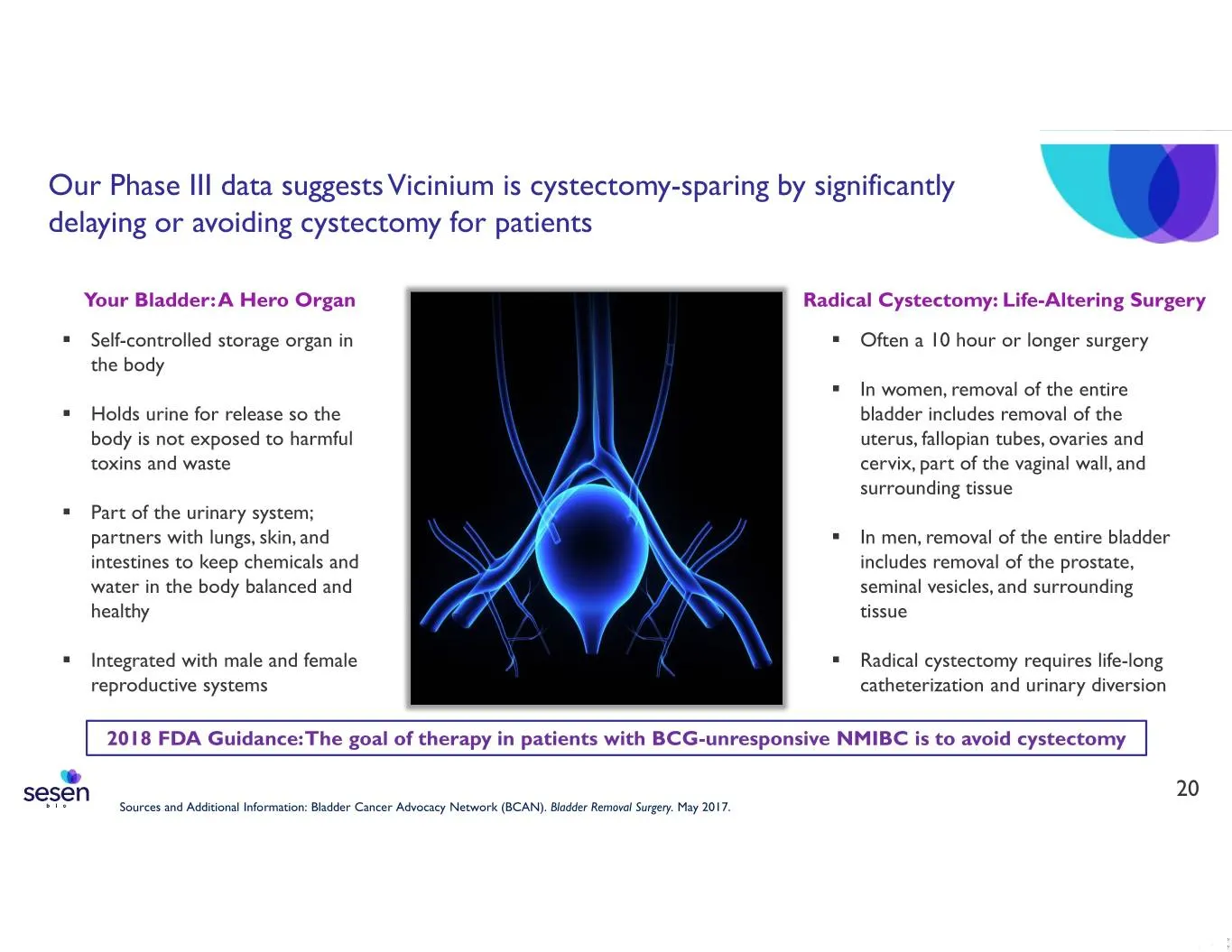
Our Phase III data suggests Vicinium is cystectomy-sparing by significantly delaying or avoiding cystectomy for patients Your Bladder: A Hero Organ Radical Cystectomy: Life-Altering Surgery � Self-controlled storage organ in � Often a 10 hour or longer surgery the body � In women, removal of the ent
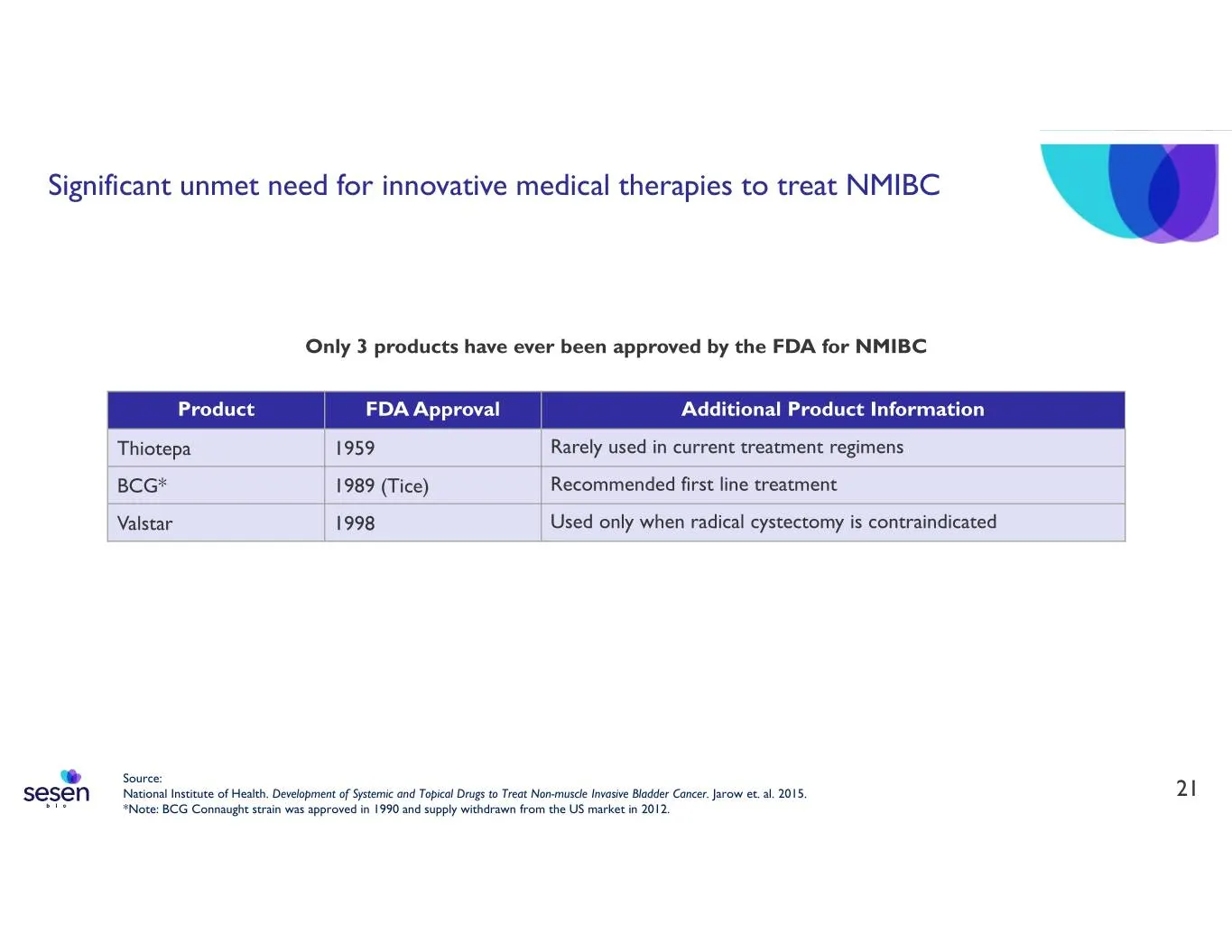
Slide 21: Significant unmet need for innovative therapies to treat NMIBC
Significant unmet need for innovative medical therapies to treat NMIBC Only 3 products have ever been approved by the FDA for NMIBC Product FDA Approval Additional Product Information Thiotepa 1959 Rarely used in current treatment regimens BCG* 1989 (Tice) Recommended first line treatment Valstar 19
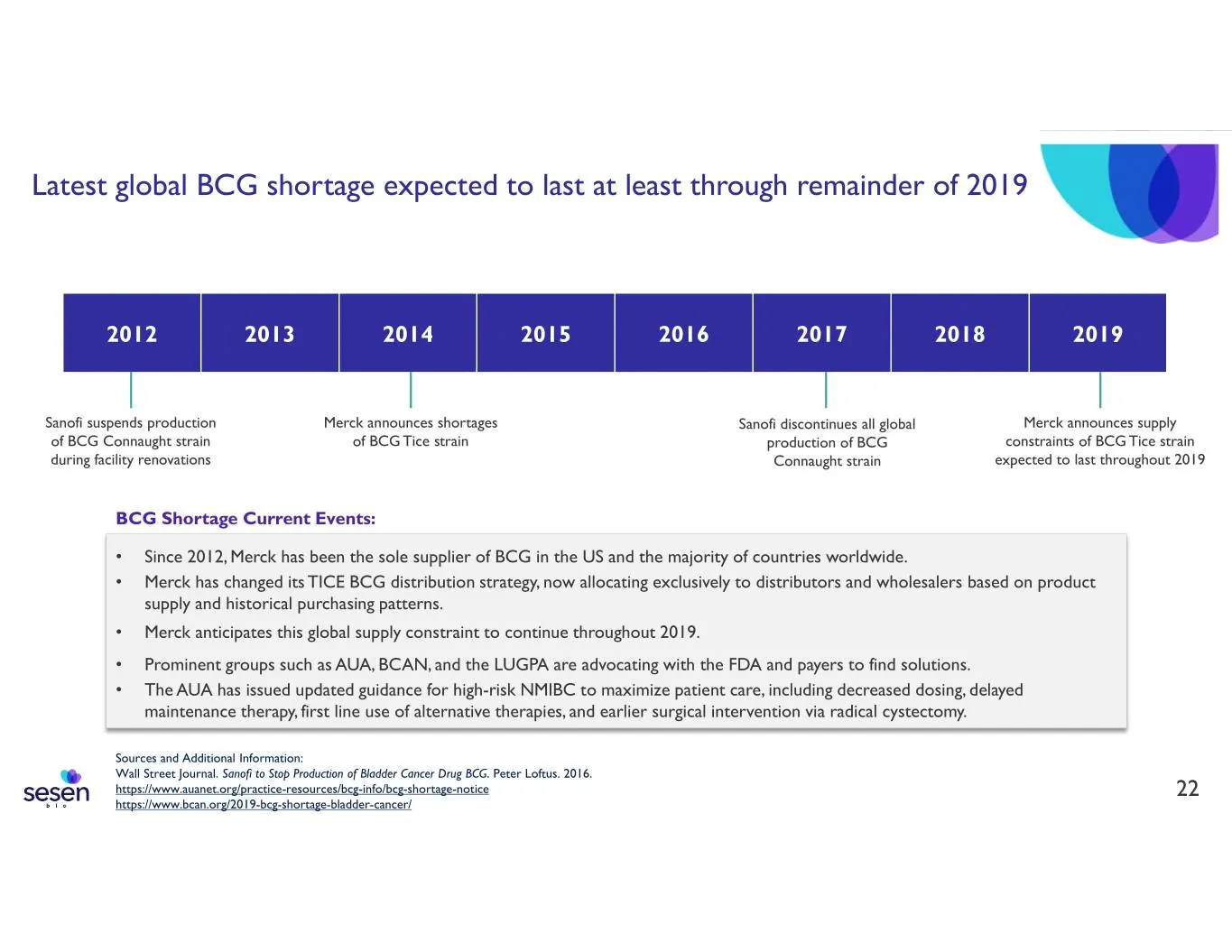
Slide 22: Latest global BCG shortage expected to last through 2019
Latest global BCG shortage expected to last at least through remainder of 2019 2012 2013 2014 2015 2016 2017 2018 2019 Sanofi suspends production Merck announces shortages Sanofi discontinues all global Merck announces supply of BCG Connaught strain of BCG Tice strain production of BCG constraints o
Slide 23: Appendix: Dual Mechanism of Action
Appendix Dual Mechanism of Action 23
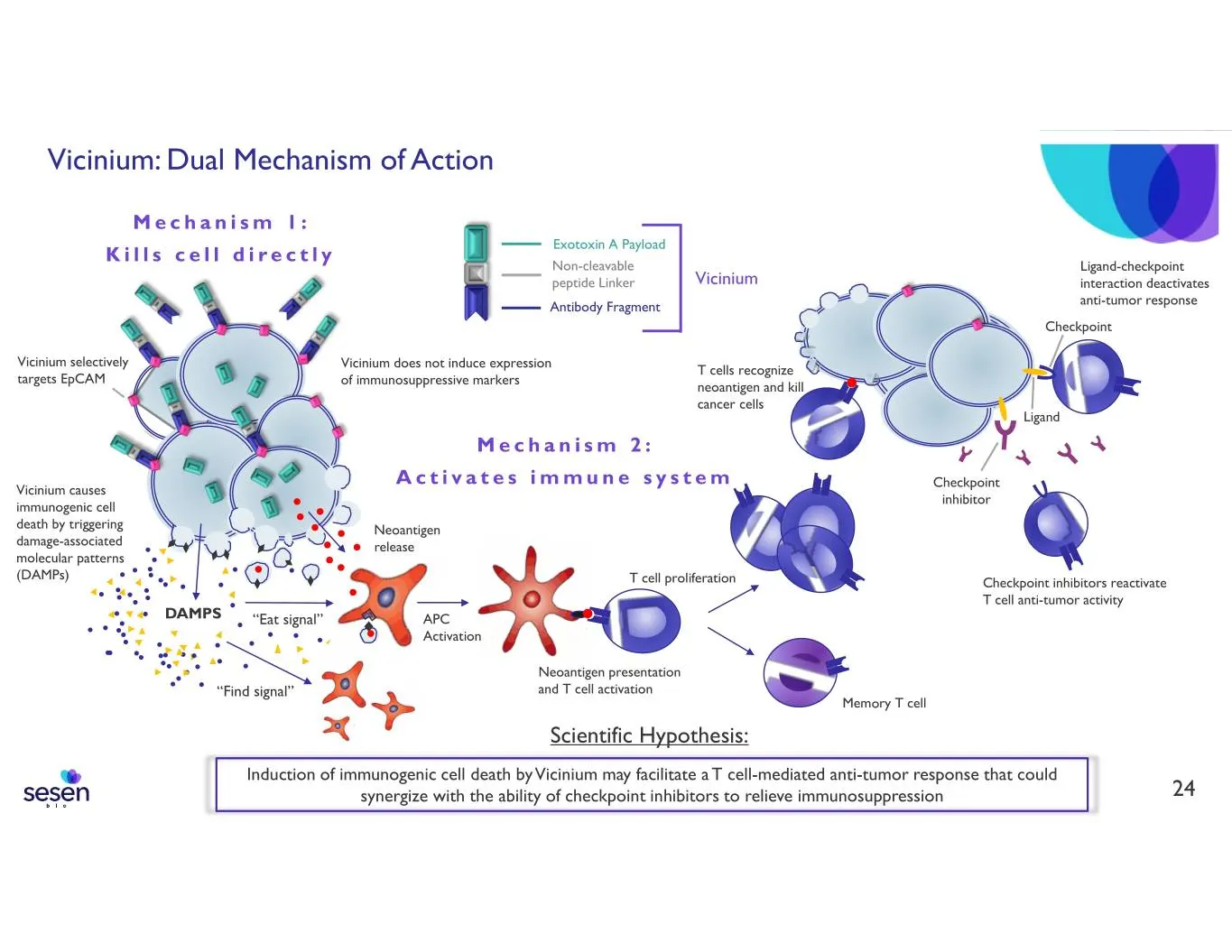
Slide 24: Vicinium: Dual Mechanism of Action
Vicinium: Dual Mechanism of Action Mechanism 1: Exotoxin A Payload Kills cell directly Non-cleavable Ligand-checkpoint peptide Linker Vicinium interaction deactivates Antibody Fragment anti-tumor response Checkpoint Vicinium selectively Vicinium does not induce expression T cells recognize targets E
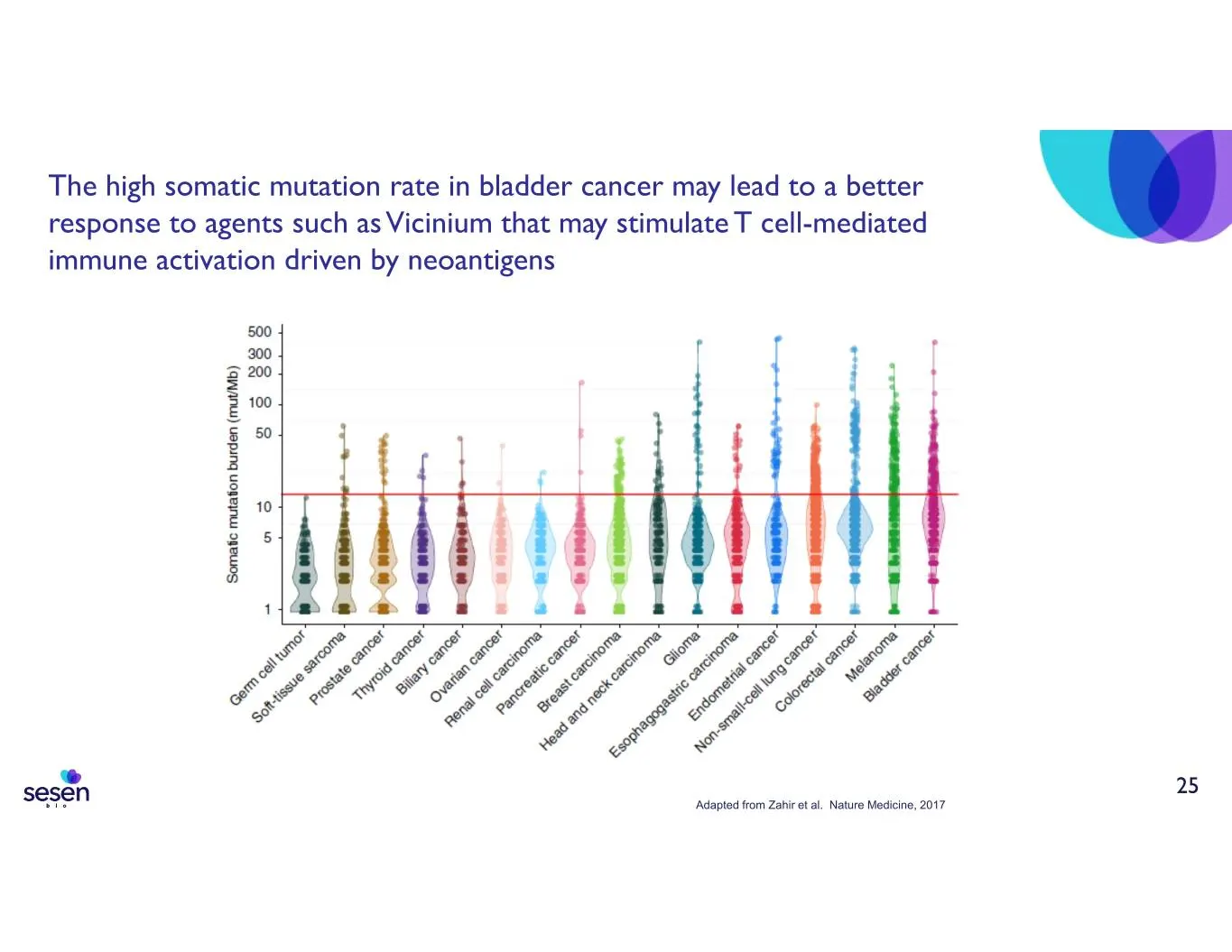
Slide 25: High somatic mutation rate in bladder cancer may improve response
The high somatic mutation rate in bladder cancer may lead to a better response to agents such as Vicinium that may stimulate T cell-mediated immune activation driven by neoantigens 25 Adapted from Zahir et al. Nature Medicine, 2017
Slide 26: Appendix: Regulatory
Appendix Regulatory 26
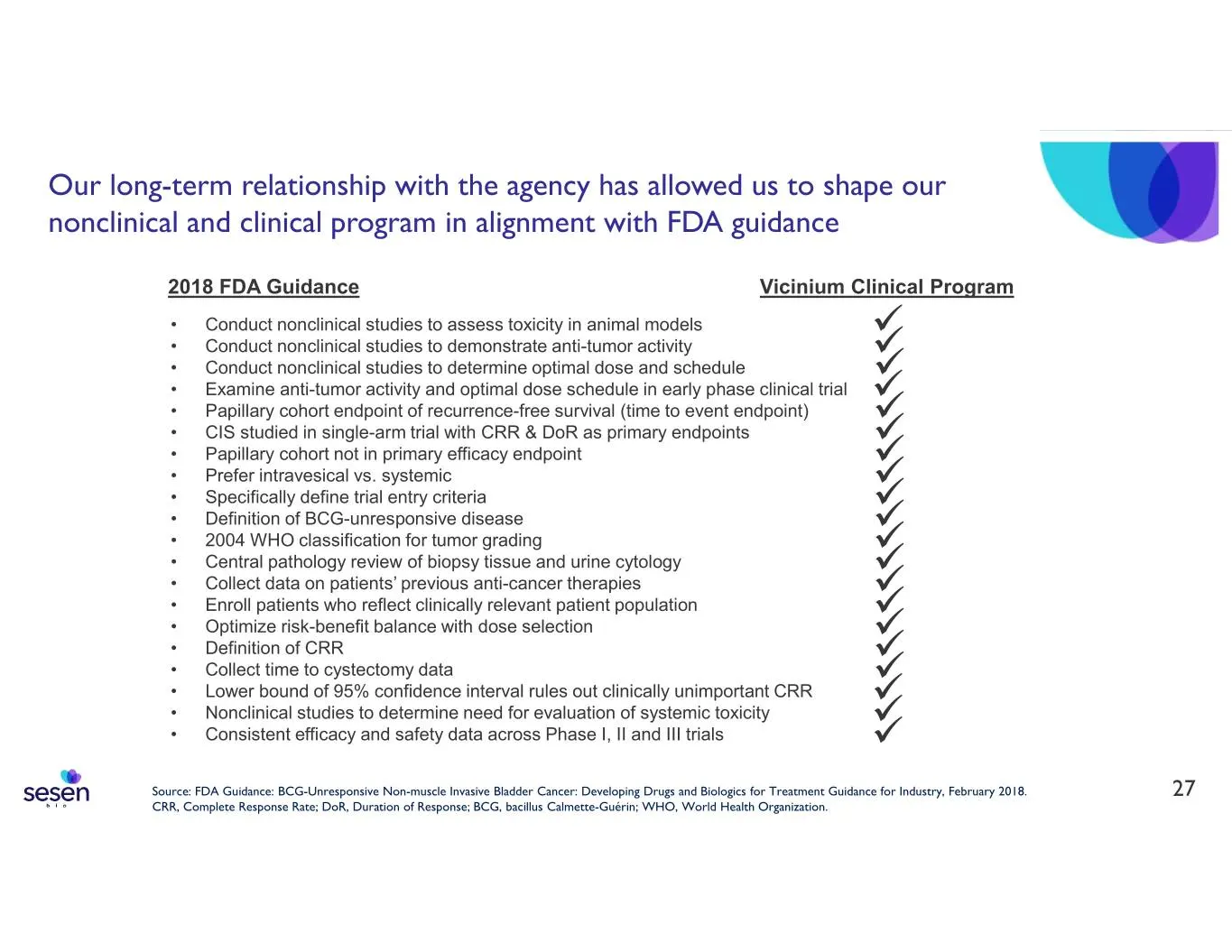
Slide 27: Program aligned with FDA guidance
Our long-term relationship with the agency has allowed us to shape our nonclinical and clinical program in alignment with FDA guidance 2018 FDA Guidance Vicinium Clinical Program • Conduct nonclinical studies to assess toxicity in animal models � • Conduct nonclinical studies to demonstrate anti-tum
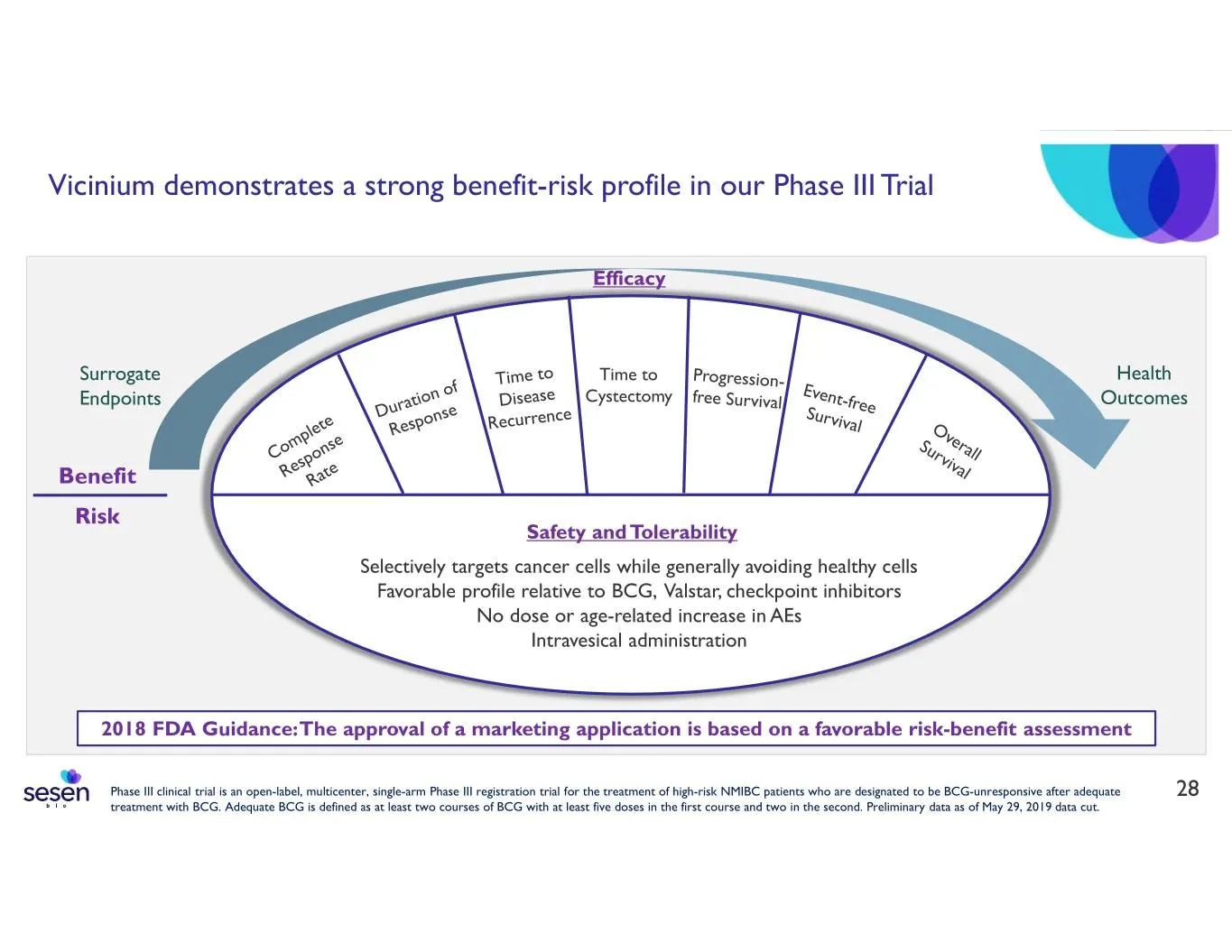
Slide 28: Strong benefit-risk profile in Phase III trial
Vicinium demonstrates a strong benefit-risk profile in our Phase III Trial Efficacy Surrogate Time to Health Endpoints Cystectomy Outcomes Benefit Risk : Safety and Tolerability Selectively targets cancer cells while generally avoiding healthy cells Favorable profile relative to BCG, Valstar, checkp
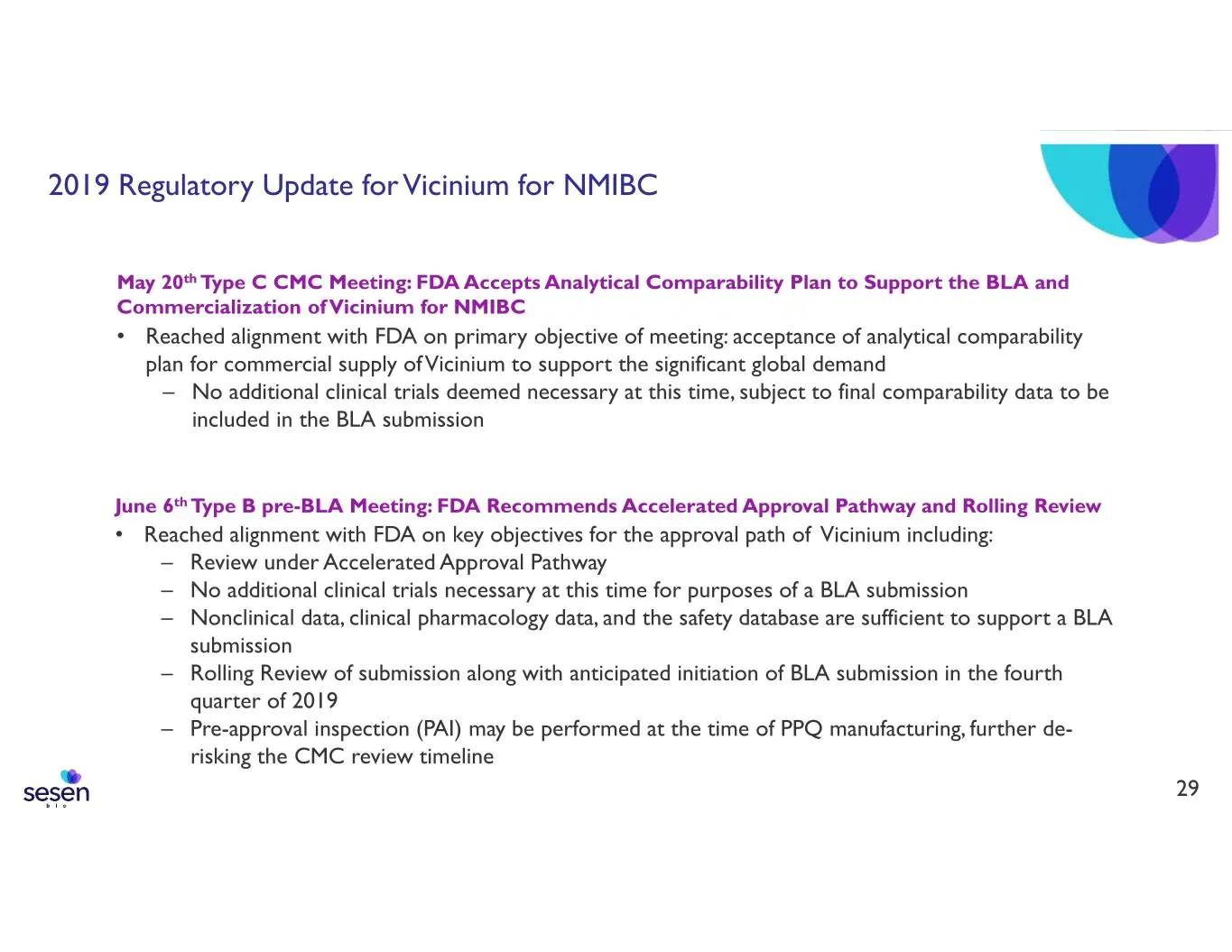
Slide 29: 2019 Regulatory Update for Vicinium for NMIBC
2019 Regulatory Update for Vicinium for NMIBC May 20th Type C CMC Meeting: FDA Accepts Analytical Comparability Plan to Support the BLA and Commercialization of Vicinium for NMIBC • Reached alignment with FDA on primary objective of meeting: acceptance of analytical comparability plan for commercial
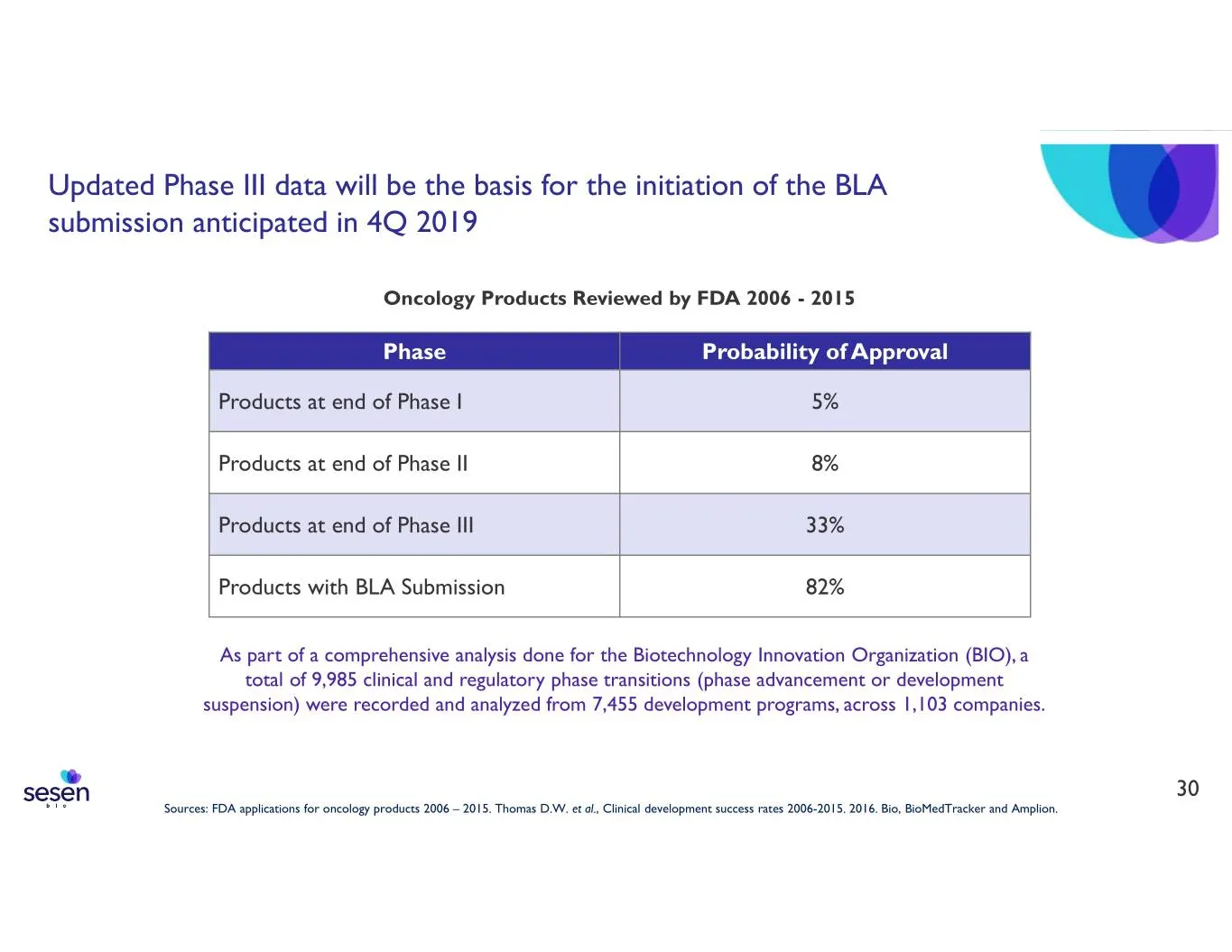
Slide 30: Updated Phase III data basis for BLA submission
Updated Phase III data will be the basis for the initiation of the BLA submission anticipated in 4Q 2019 Oncology Products Reviewed by FDA 2006 - 2015 Phase Probability of Approval Products at end of Phase I 5% Products at end of Phase II 8% Products at end of Phase III 33% Products with BLA Submiss
Slide 31: Appendix: Clinical Data
Appendix Clinical Data 31
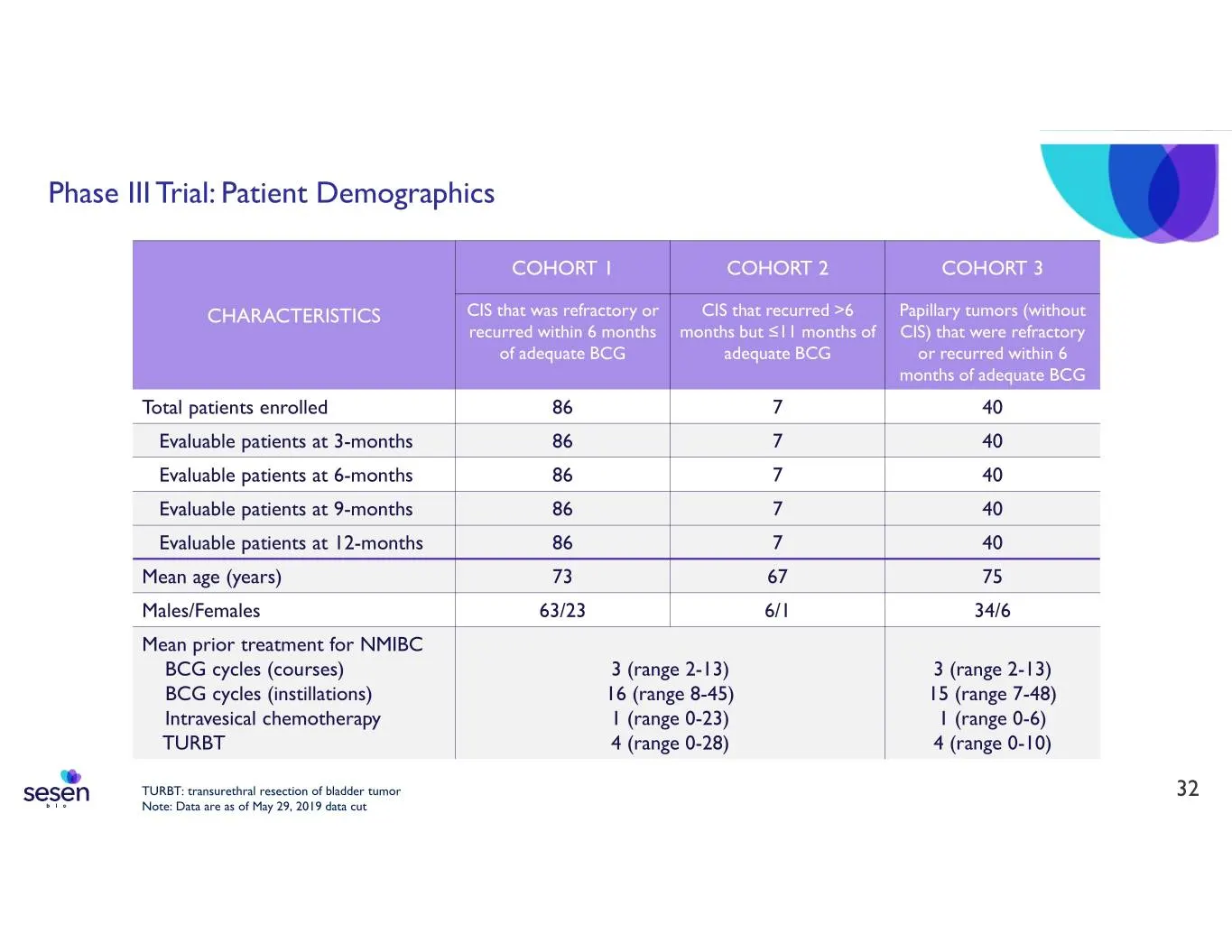
Slide 32: Phase III Trial: Patient Demographics
Phase III Trial: Patient Demographics COHORT 1 COHORT 2 COHORT 3 CHARACTERISTICS CIS that was refractory or CIS that recurred >6 Papillary tumors (without recurred within 6 months months but ≤11 months of CIS) that were refractory of adequate BCG adequate BCG or recurred within 6 months of adequate
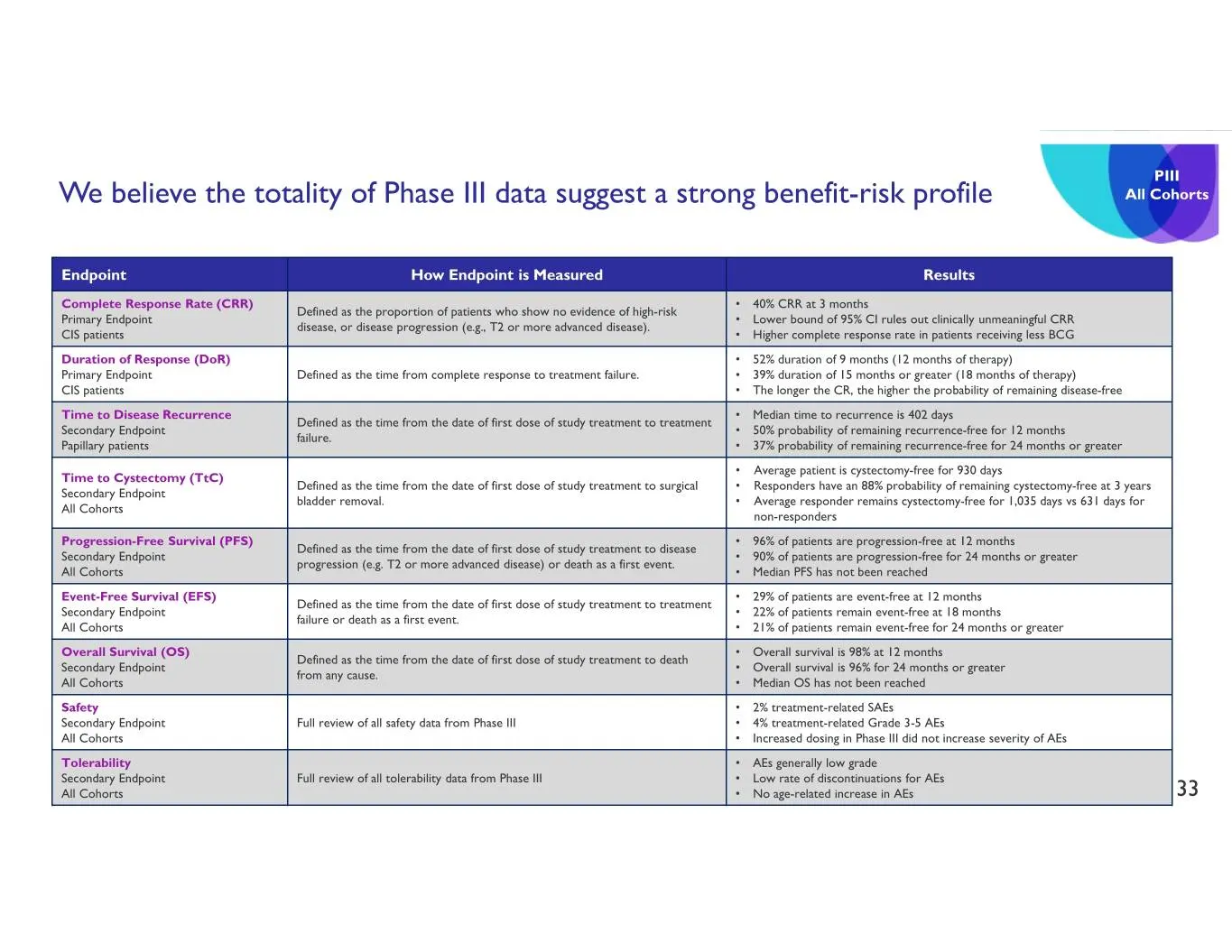
Slide 33: Totality of Phase III data suggest strong benefit-risk profile
PIII We believe the totality of Phase III data suggest a strong benefit-risk profile All Cohorts Endpoint How Endpoint is Measured Results Complete Response Rate (CRR) • 40% CRR at 3 months Defined as the proportion of patients who show no evidence of high-risk Primary Endpoint • Lower bound of 95%
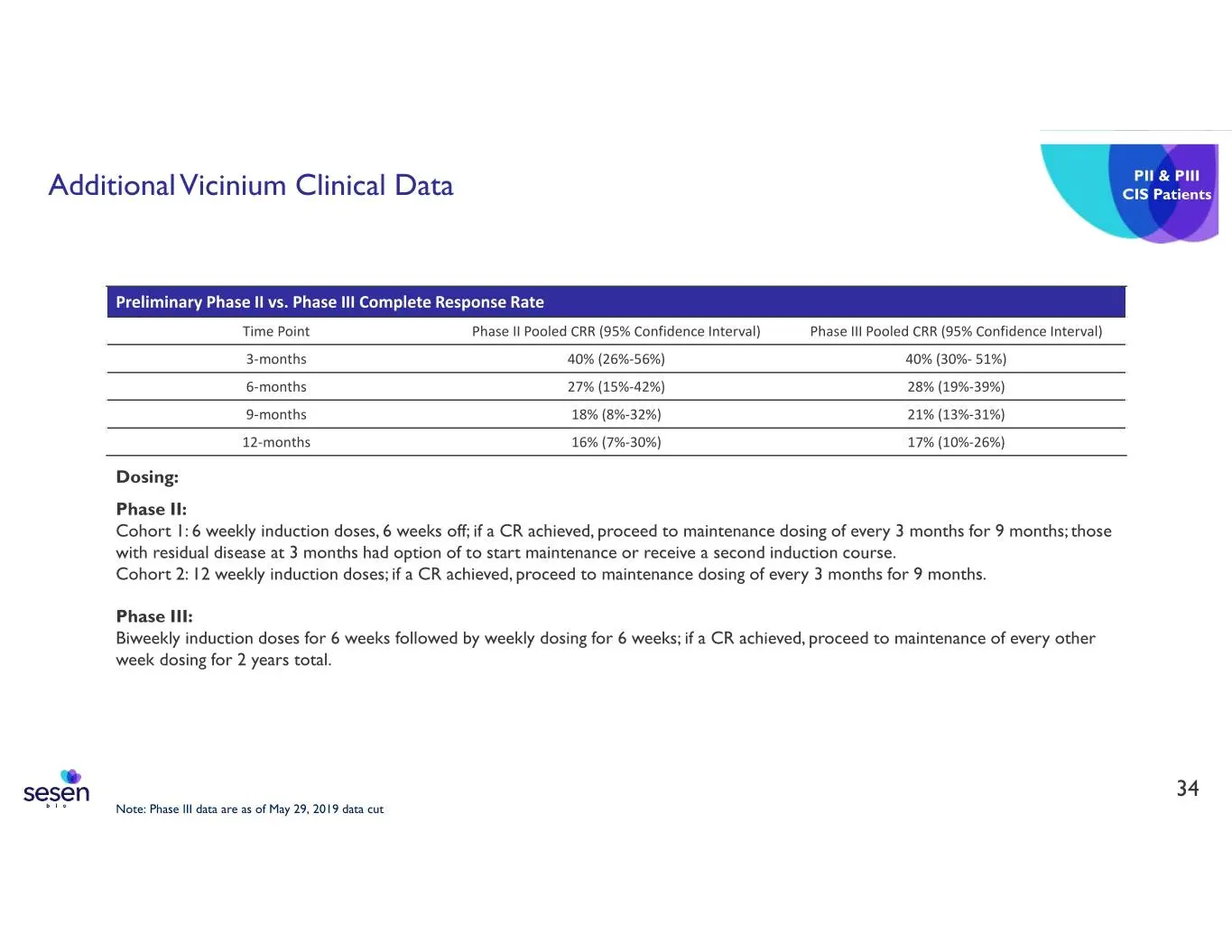
Slide 34: Additional Vicinium Clinical Data: Phase II vs. Phase III
PII & PIII Additional Vicinium Clinical Data CIS Patients Preliminary Phase II vs. Phase III Complete Response Rate Time Point Phase II Pooled CRR (95% Confidence Interval) Phase III Pooled CRR (95% Confidence Interval) 3-months 40% (26%-56%) 40% (30%- 51%) 6-months 27% (15%-42%) 28% (19%-39%) 9-mon
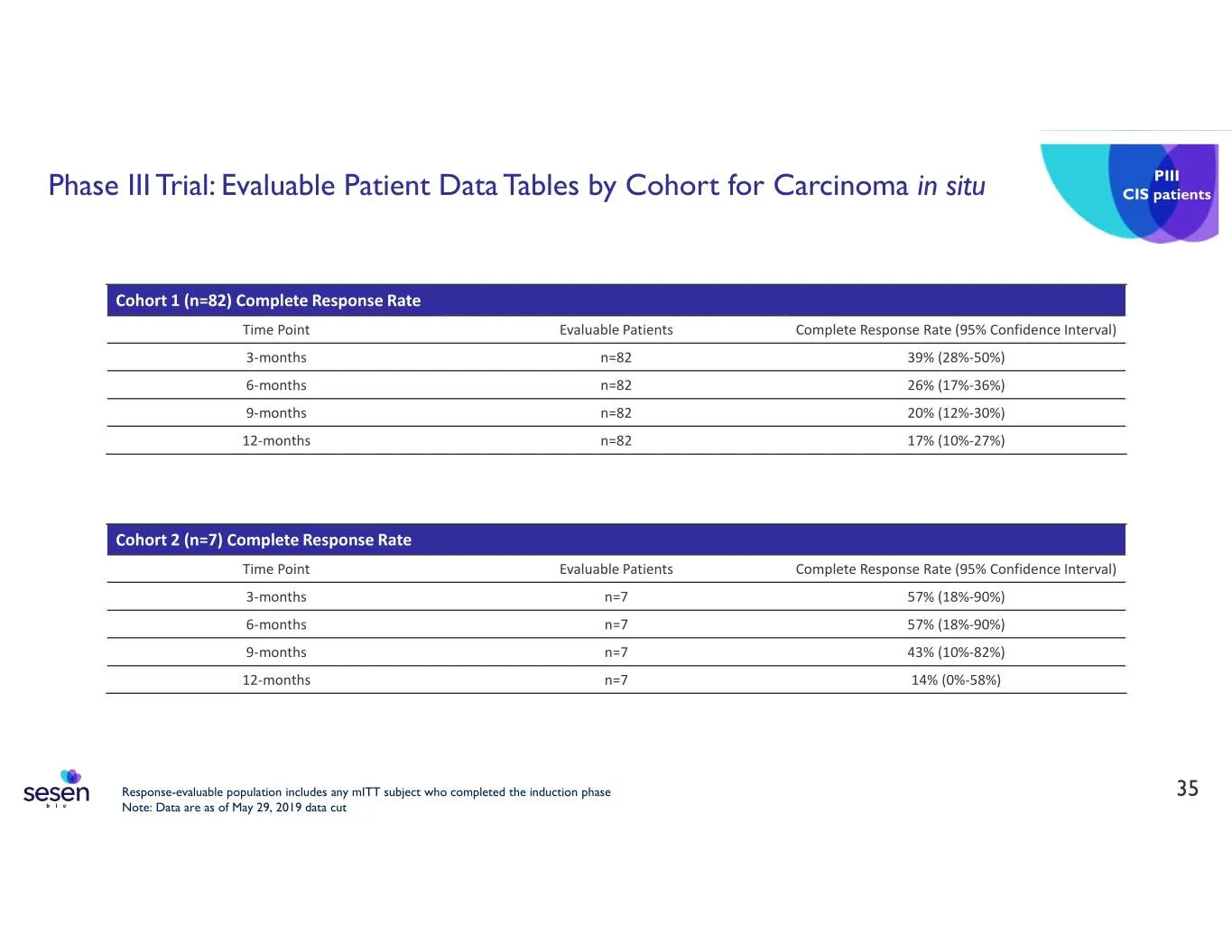
Slide 35: Evaluable Patient Data Tables by Cohort for CIS
PIII Phase III Trial: Evaluable Patient Data Tables by Cohort for Carcinoma in situ CIS patients Cohort 1 (n=82) Complete Response Rate Time Point Evaluable Patients Complete Response Rate (95% Confidence Interval) 3-months n=82 39% (28%-50%) 6-months n=82 26% (17%-36%) 9-months n=82 20% (12%-30%) 1
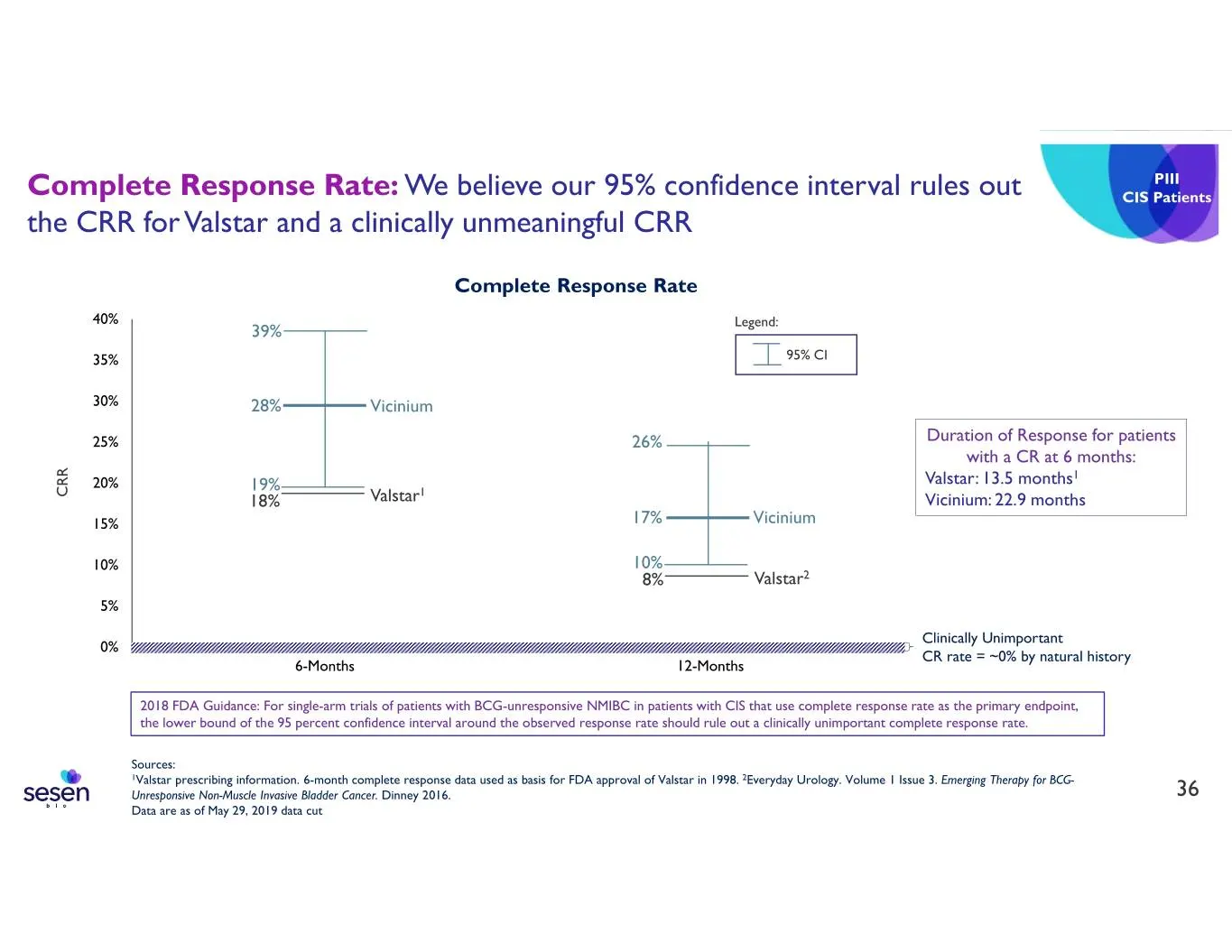
Slide 36: Complete Response Rate: CIS Patients
PIII Complete Response Rate: We believe our 95% confidence interval rules out CIS Patients the CRR for Valstar and a clinically unmeaningful CRR Complete Response Rate 40% Legend: 39% 35% 95% CI 30% 28% Vicinium 25% 26% Duration of Response for patients with a CR at 6 months: 1 20% 19% Valstar: 13.5
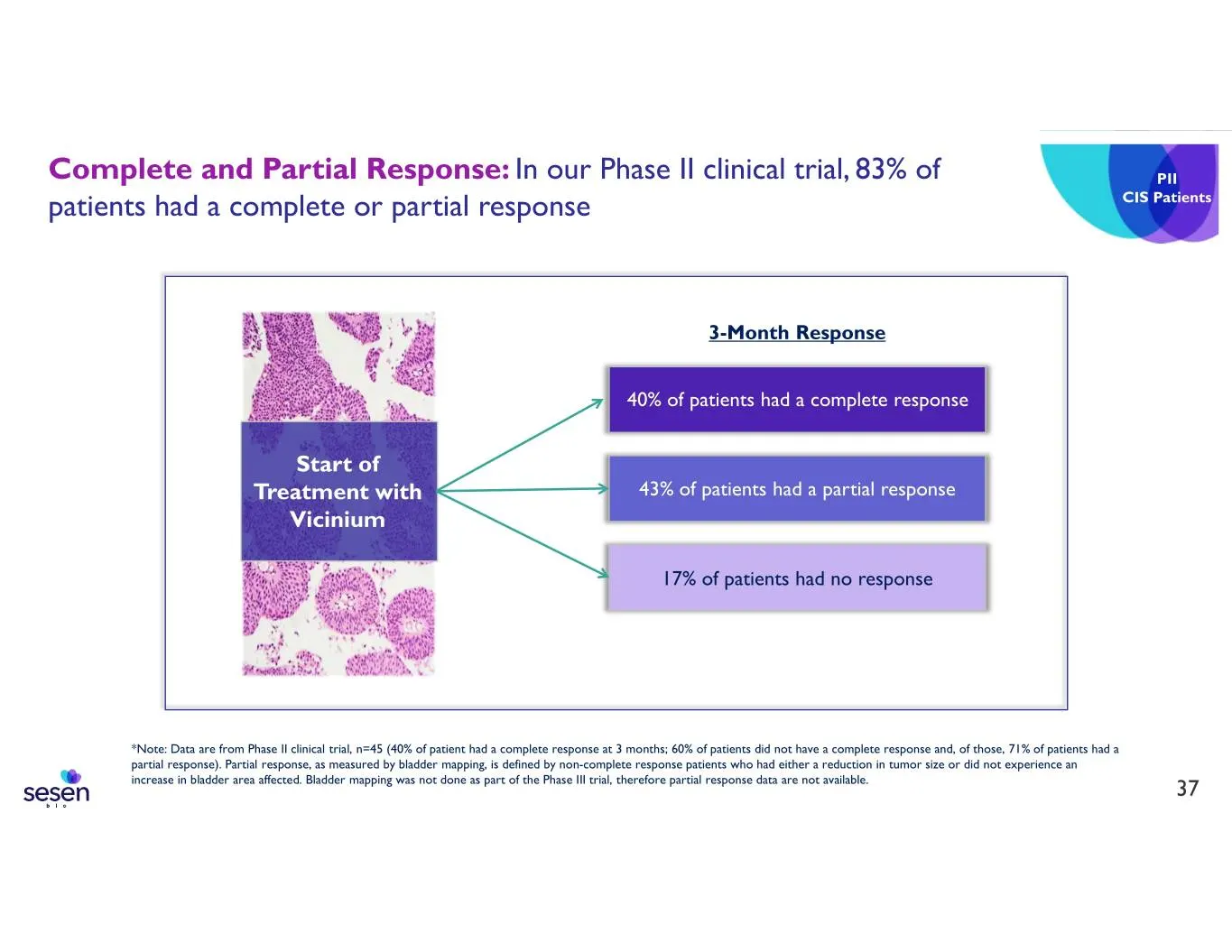
Slide 37: Complete and Partial Response in Phase II
Complete and Partial Response: In our Phase II clinical trial, 83% of PII patients had a complete or partial response CIS Patients 3-Month Response 40% of patients had a complete response Start of Treatment with 43% of patients had a partial response Vicinium 17% of patients had no response *Note: D
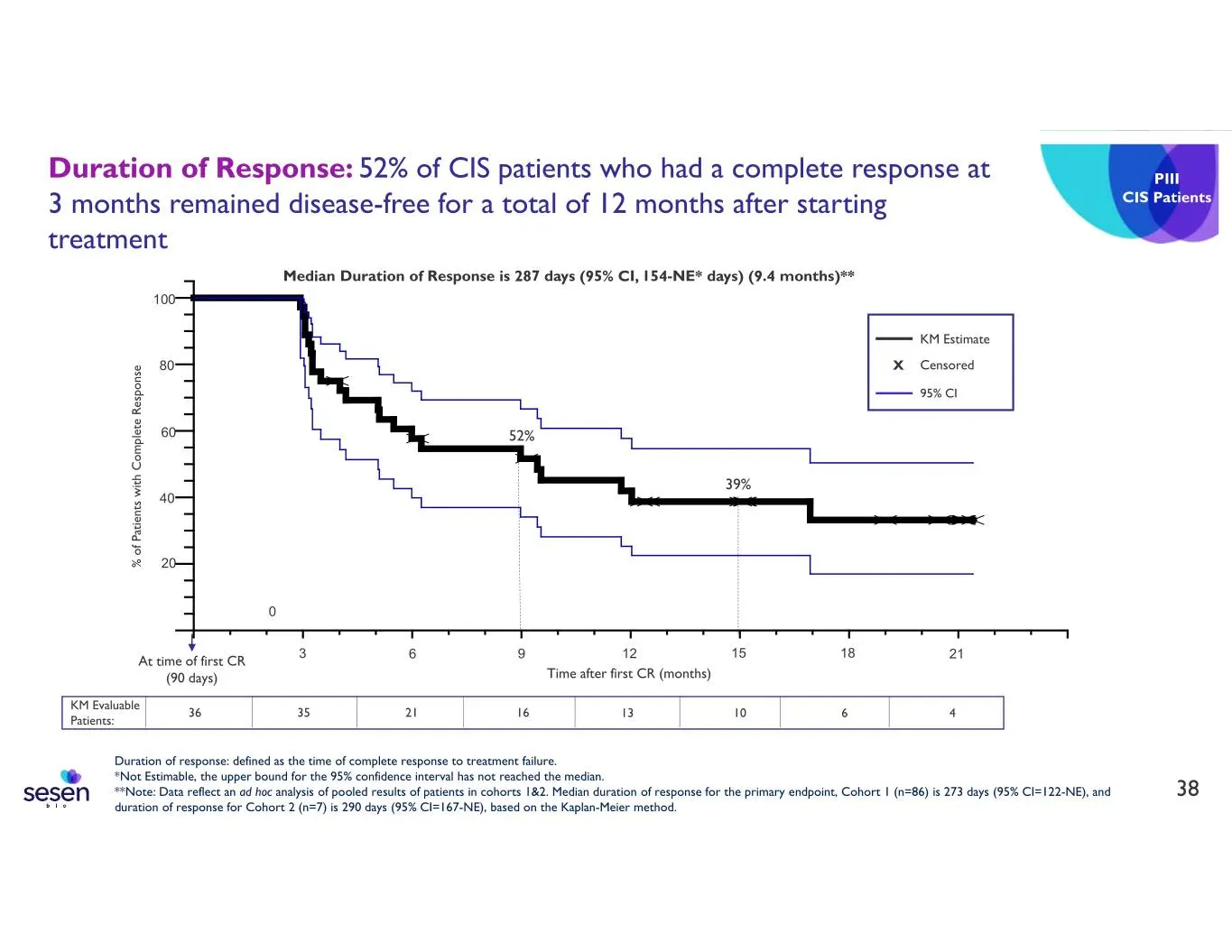
Slide 38: Duration of Response: CIS patients
Duration of Response: 52% of CIS patients who had a complete response at PIII 3 months remained disease-free for a total of 12 months after starting CIS Patients treatment Median Duration of Response is 287 days (95% CI, 154-NE* days) (9.4 months)** 100 KM Estimate 80 X Censored 95% CI 60 52% 39% 40
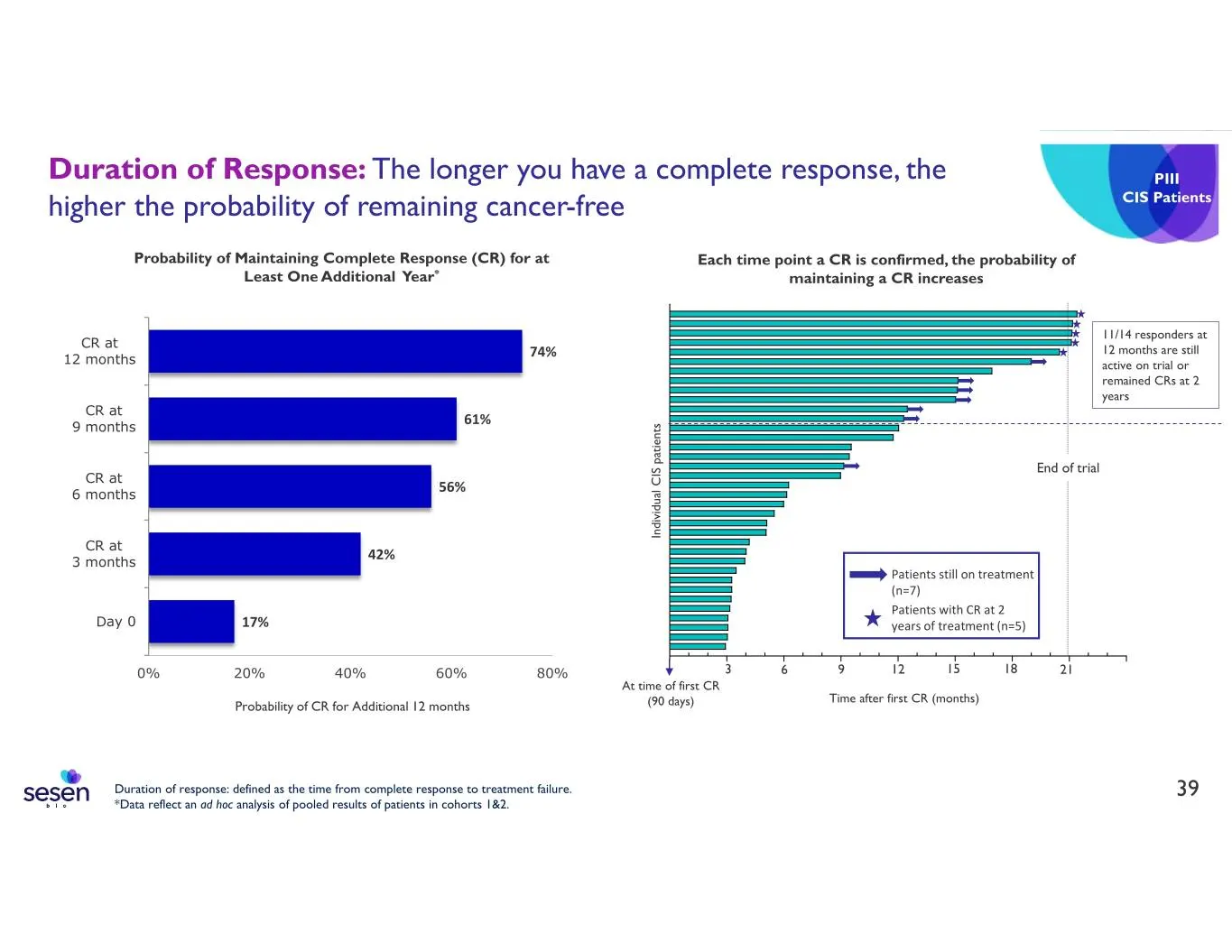
Slide 39: Duration of Response: probability of remaining cancer-free
Duration of Response: The longer you have a complete response, the PIII higher the probability of remaining cancer-free CIS Patients Probability of Maintaining Complete Response (CR) for at Each time point a CR is confirmed, the probability of Least One Additional Year* maintaining a CR increases 11
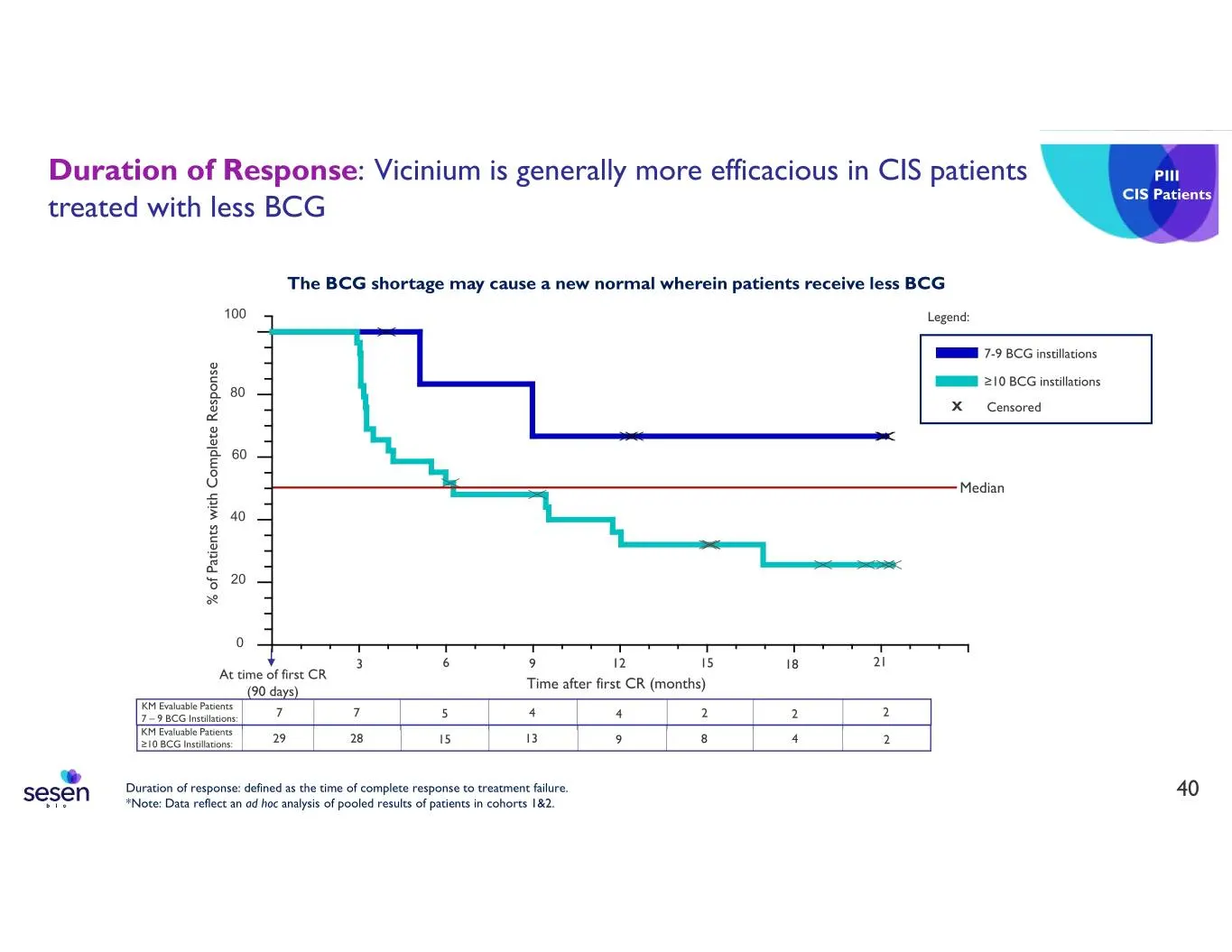
Slide 40: Duration of Response: patients treated with less BCG
Duration of Response: Vicinium is generally more efficacious in CIS patients PIII treated with less BCG CIS Patients The BCG shortage may cause a new normal wherein patients receive less BCG 100 Legend: 7-9 BCG instillations ≥10 BCG instillations 80 X Censored 60 Median 40 20 % of Patients % Patient
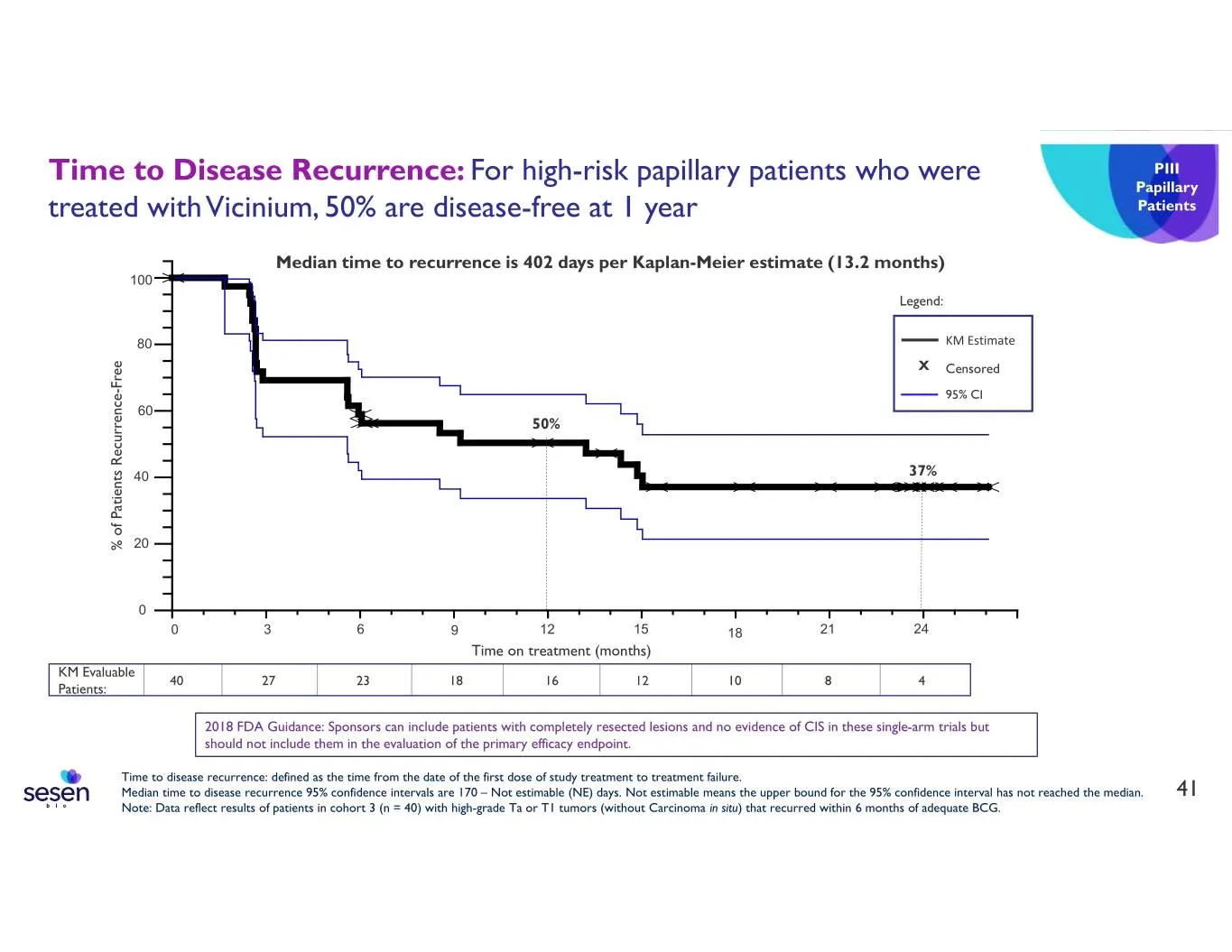
Slide 41: Time to Disease Recurrence: papillary patients
Time to Disease Recurrence: For high-risk papillary patients who were PIII Papillary treated with Vicinium, 50% are disease-free at 1 year Patients Median time to recurrence is 402 days per Kaplan-Meier estimate (13.2 months) 100 Legend: 80 KM Estimate X Censored Free - 95% CI 60 50% 40 37% % of Pat
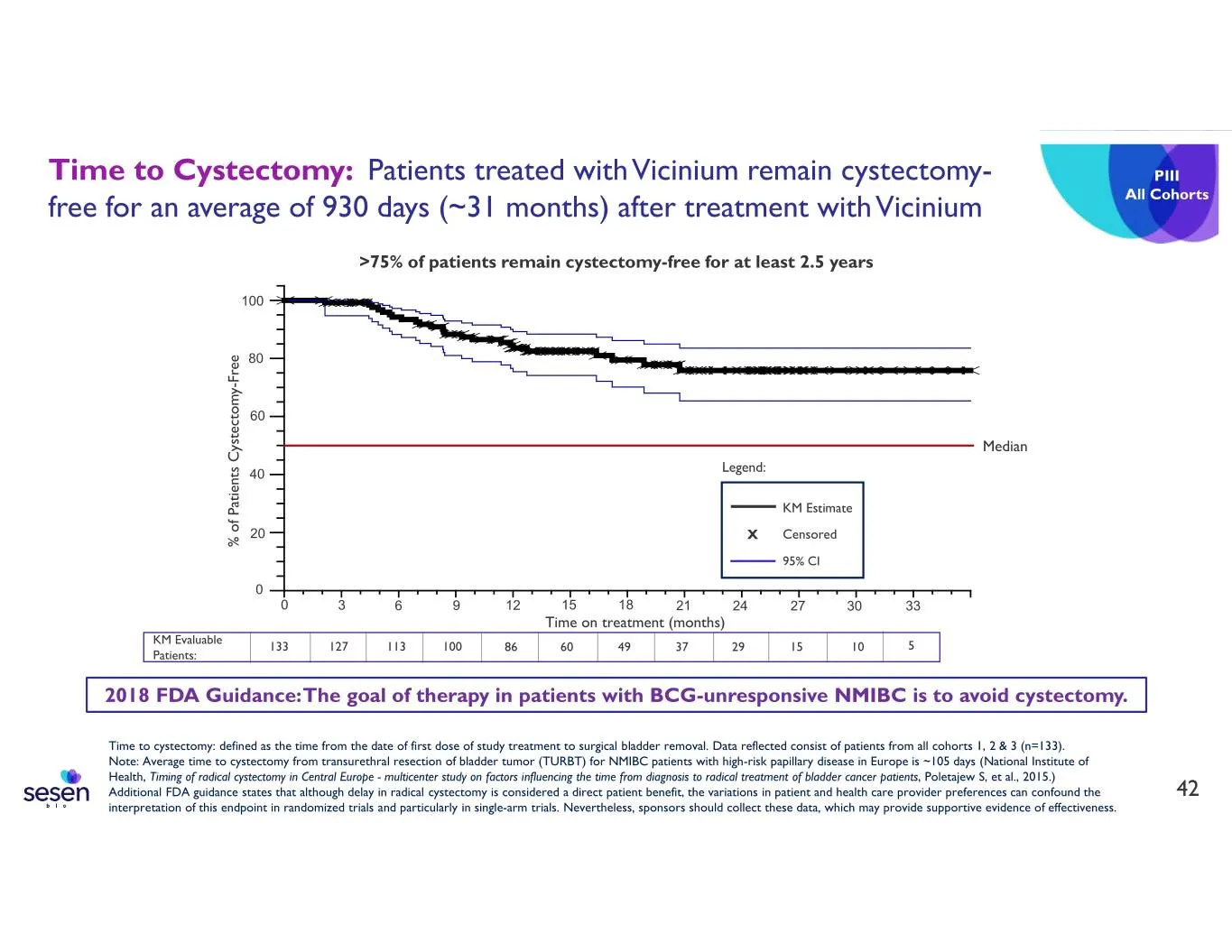
Slide 42: Time to Cystectomy: all cohorts
Time to Cystectomy: Patients treated with Vicinium remain cystectomy- PIII free for an average of 930 days (~31 months) after treatment with Vicinium All Cohorts >75% of patients remain cystectomy-free for at least 2.5 years 100 80 Free - 60 Median 40 Legend: KM Estimate 20 X Censored % Patients of
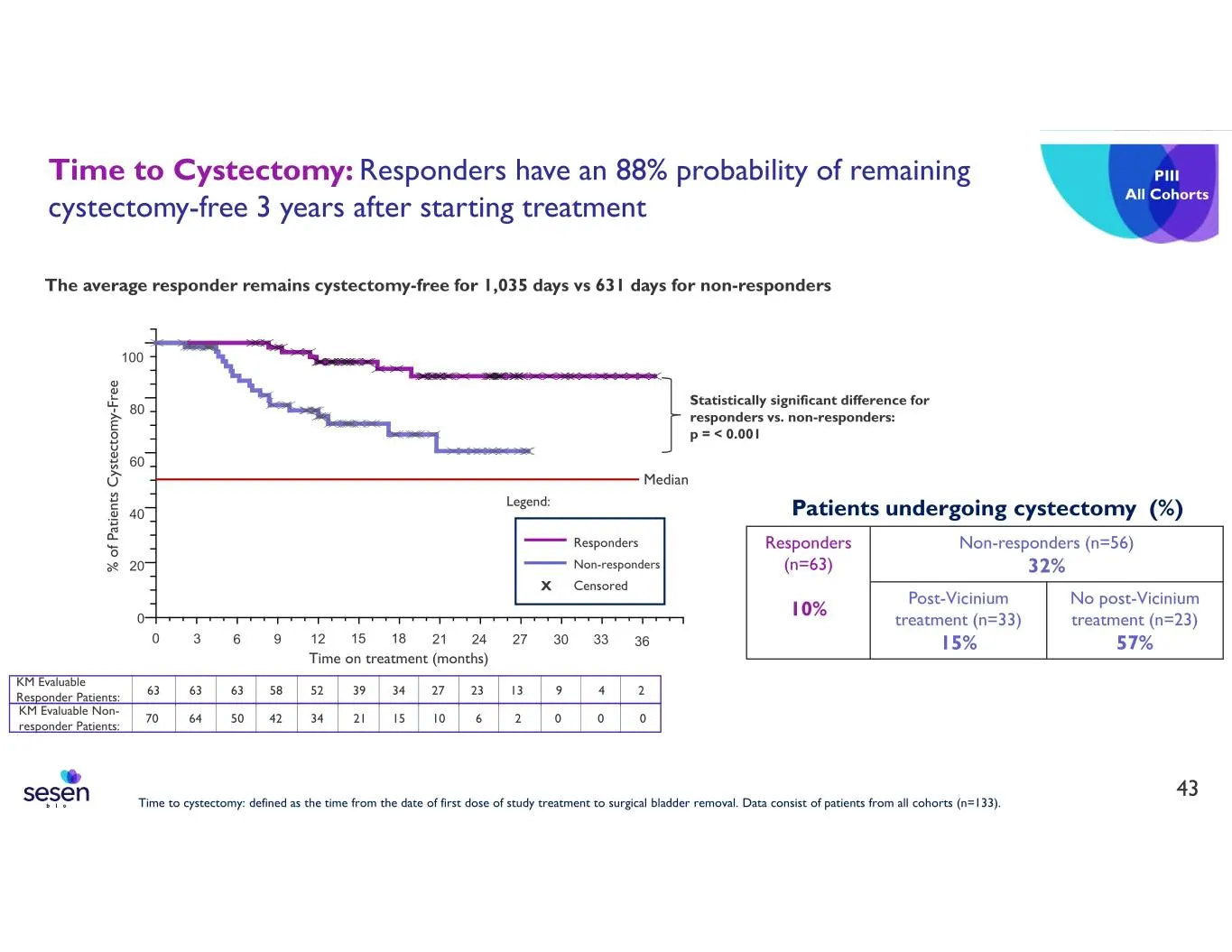
Slide 43: Time to Cystectomy: responders vs non-responders
Time to Cystectomy: Responders have an 88% probability of remaining PIII cystectomy-free 3 years after starting treatment All Cohorts The average responder remains cystectomy-free for 1,035 days vs 631 days for non-responders 100 Free Statistically significant difference for - 80 responders vs. non-
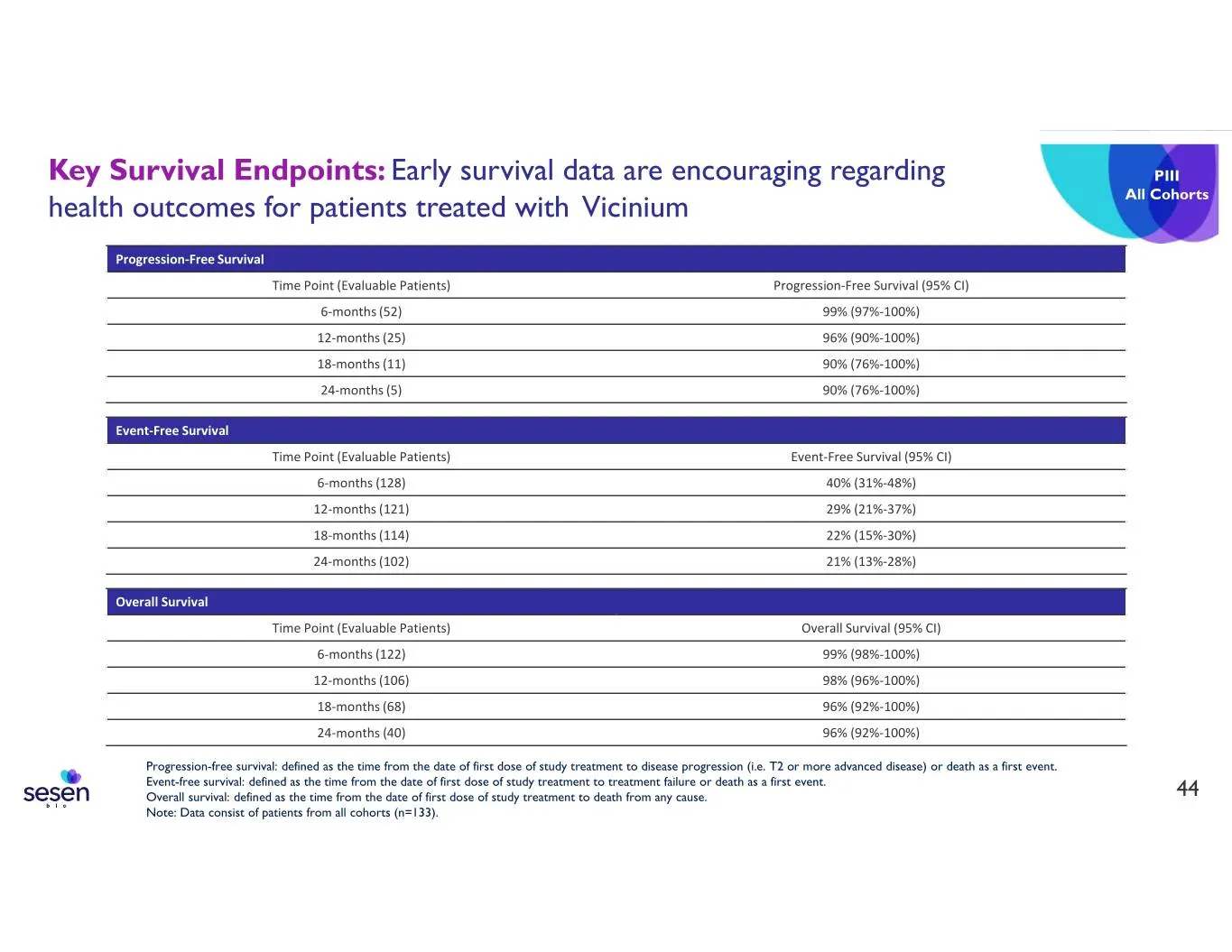
Slide 44: Key Survival Endpoints
Key Survival Endpoints: Early survival data are encouraging regarding PIII health outcomes for patients treated with Vicinium All Cohorts Progression-Free Survival Time Point (Evaluable Patients) Progression-Free Survival (95% CI) 6-months (52) 99% (97%-100%) 12-months (25) 96% (90%-100%) 18-months
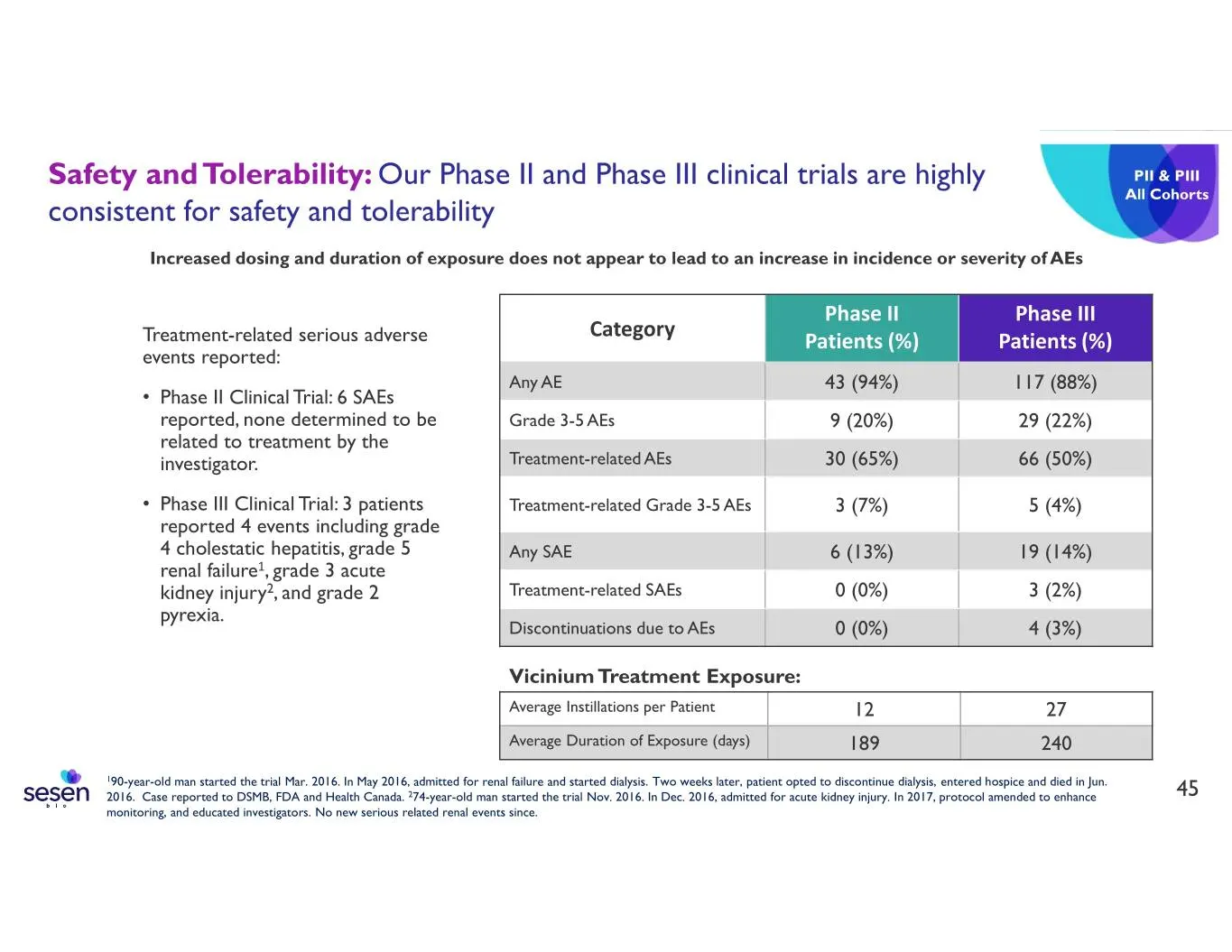
Slide 45: Safety and Tolerability: Phase II and Phase III
Safety and Tolerability: Our Phase II and Phase III clinical trials are highly PII & PIII All Cohorts consistent for safety and tolerability Increased dosing and duration of exposure does not appear to lead to an increase in incidence or severity of AEs Phase II Phase III Category Tre a tm e n t-rel
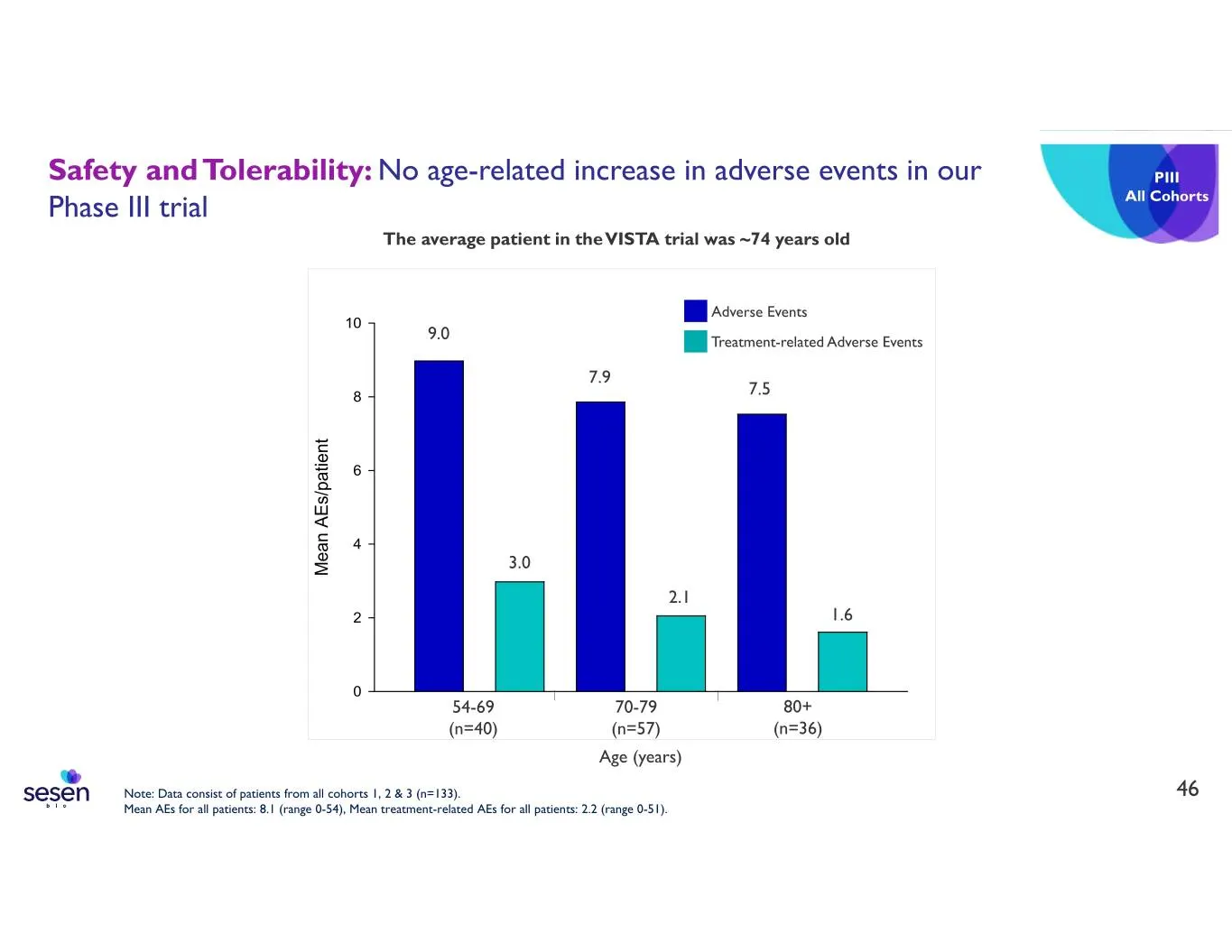
Slide 46: Phase III Safety and Tolerability: adverse events by age
Phase III Phase trial Safety and Tolerability: Mean (range8.1 0 AEs patients:for all Note: 2 Datacohortsfrom all1, of consist& patients (n=133). 3 - 54), Mean treatment Mean AEs/patient 10 0 2 4 6 8 No age No The The average patient in the VISTA trial was ~74 years old 9.0 - related AEs for all pati
Slide 47: Appendix: Commercial Opportunity
Appendix Commercial Opportunity 47
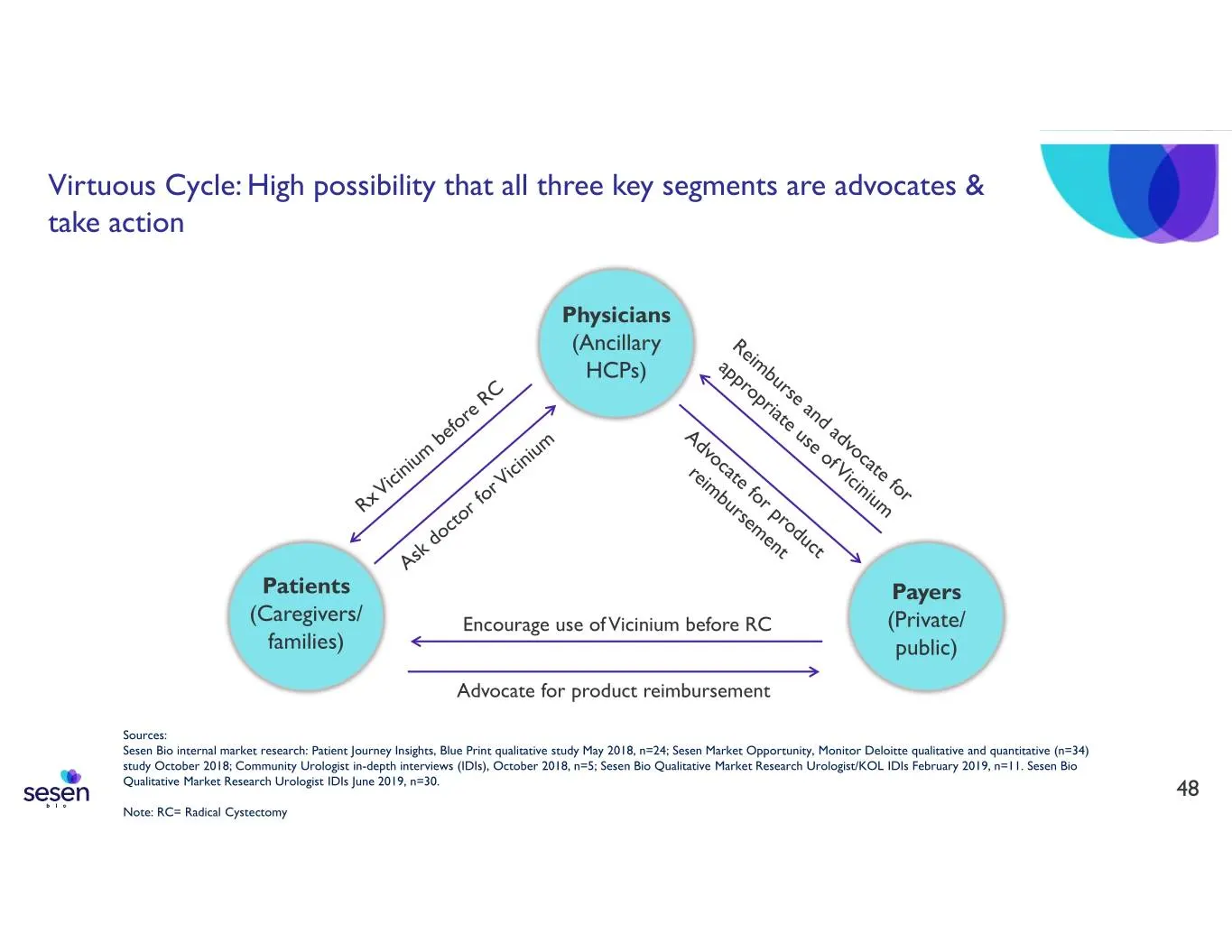
Slide 48: Virtuous Cycle: physicians, patients and payers as advocates
Virtuous Cycle: High possibility that all three key segments are advocates & take action Physicians (Ancillary HCPs) Patients Payers (Caregivers/ Encourage use of Vicinium before RC (Private/ families) public) Advocate for product reimbursement Sources: Sesen Bio internal market research: Patient Jo
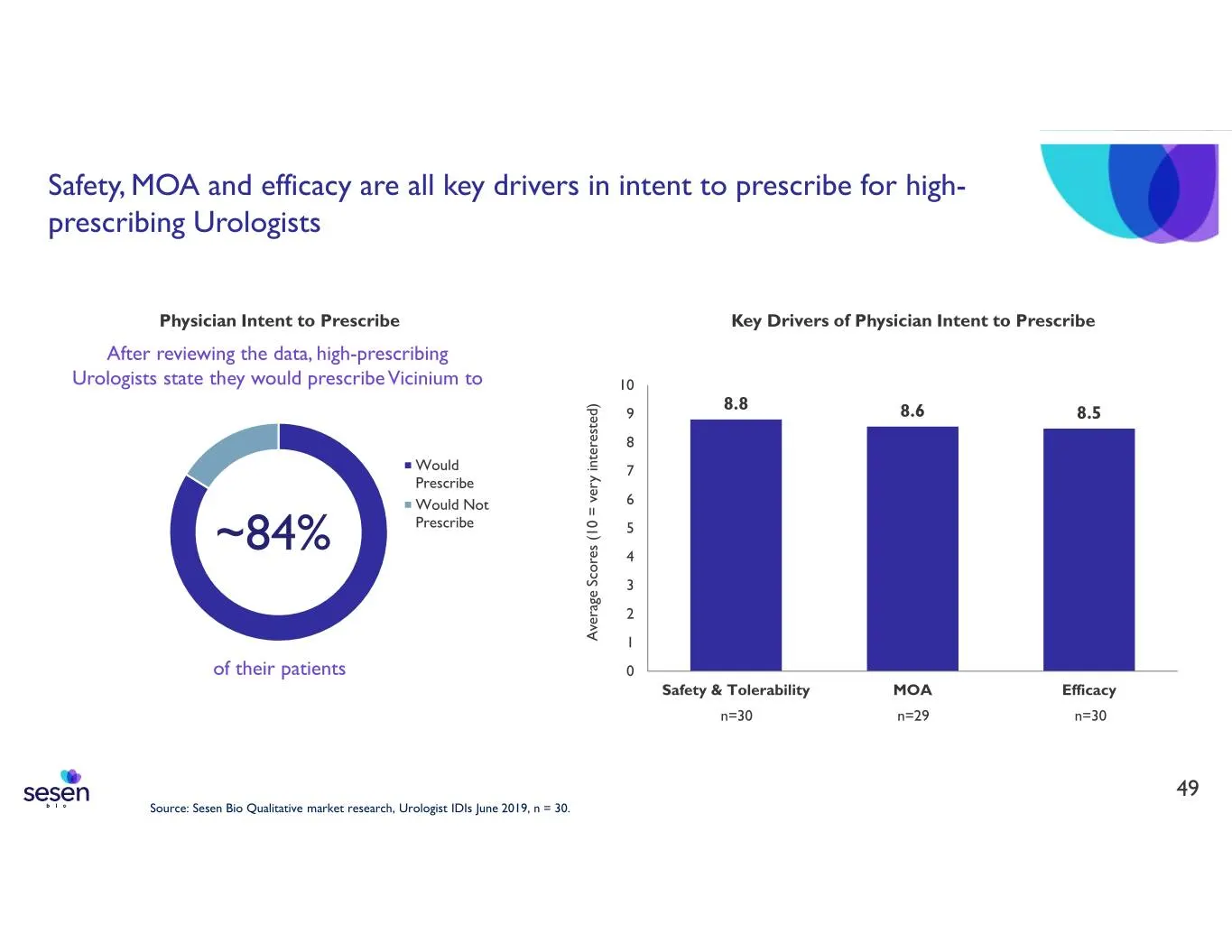
Slide 49: Key drivers of physician intent to prescribe
Safety, MOA and efficacy are all key drivers in intent to prescribe for high- prescribing Urologists Physician Intent to Prescribe Key Drivers of Physician Intent to Prescribe After reviewing the data, high-prescribing Urologists state they would prescribe Vicinium to 10 8.8 9 8.6 8.5 8 Would 7 Pres
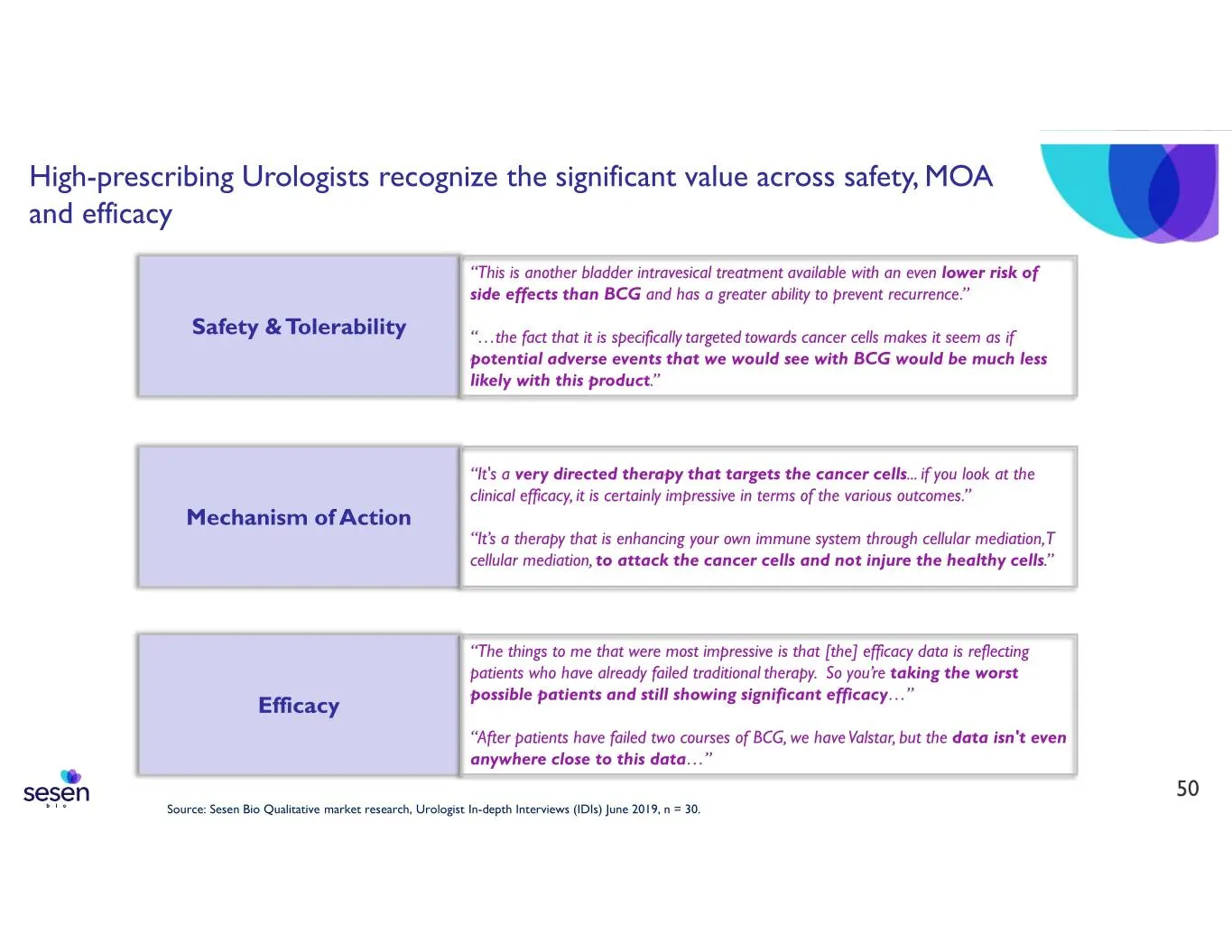
Slide 50: High-prescribing Urologists recognize value across safety, MOA and efficacy
High-prescribing Urologists recognize the significant value across safety, MOA and efficacy “This is another bladder intravesical treatment available with an even lower risk of side effects than BCG and has a greater ability to prevent recurrence.” Safety & Tolerability “…the fact that it is specifi
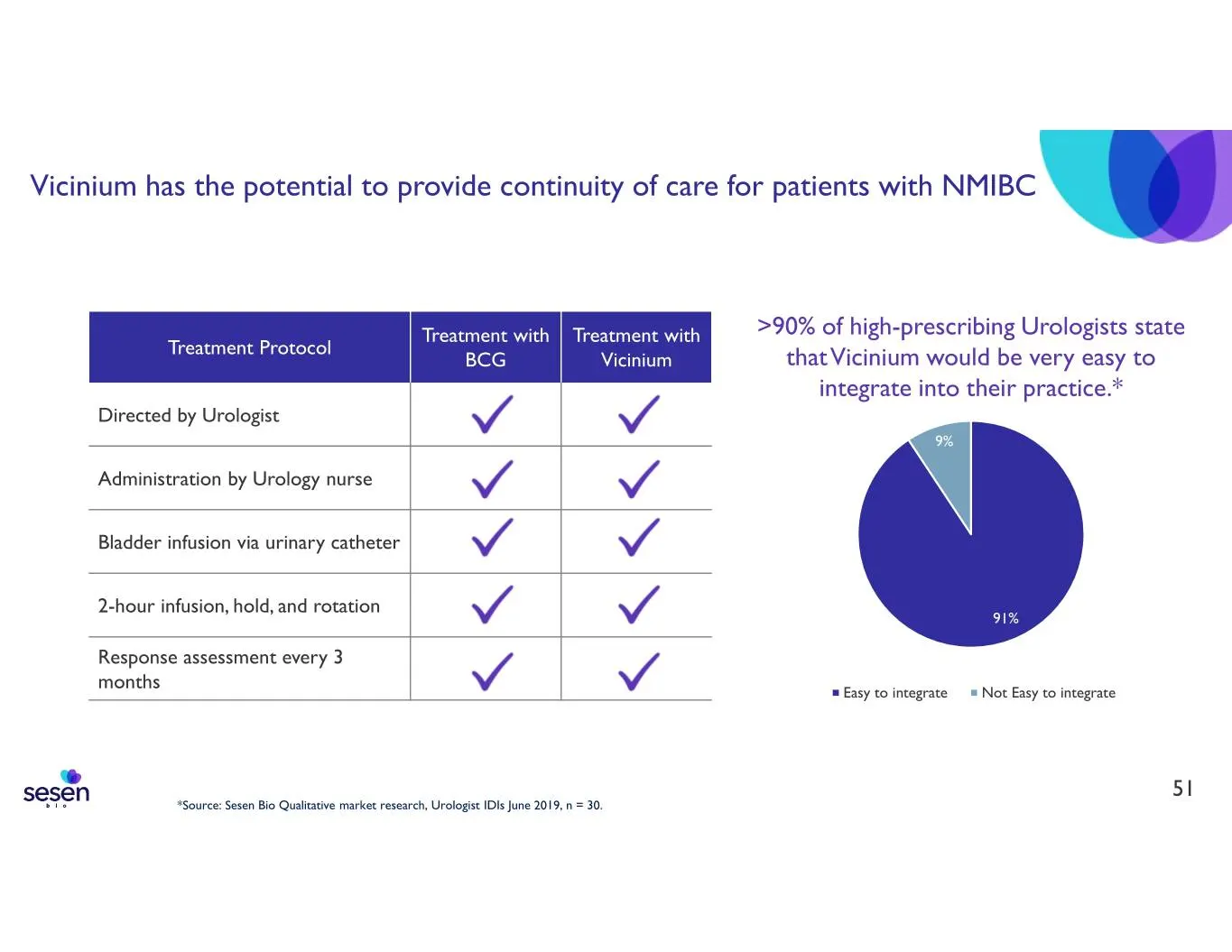
Slide 51: Vicinium potential to provide continuity of care for NMIBC
Vicinium has the potential to provide continuity of care for patients with NMIBC Tre a tm e n t w ith Tre a tm e n t w ith >90% of high-prescribing Urologists state Tre a tm e n t P rotocol BCG Vicinium that Vicinium would be very easy to integrate into their practice.* Directed by Urologist 9% Admi
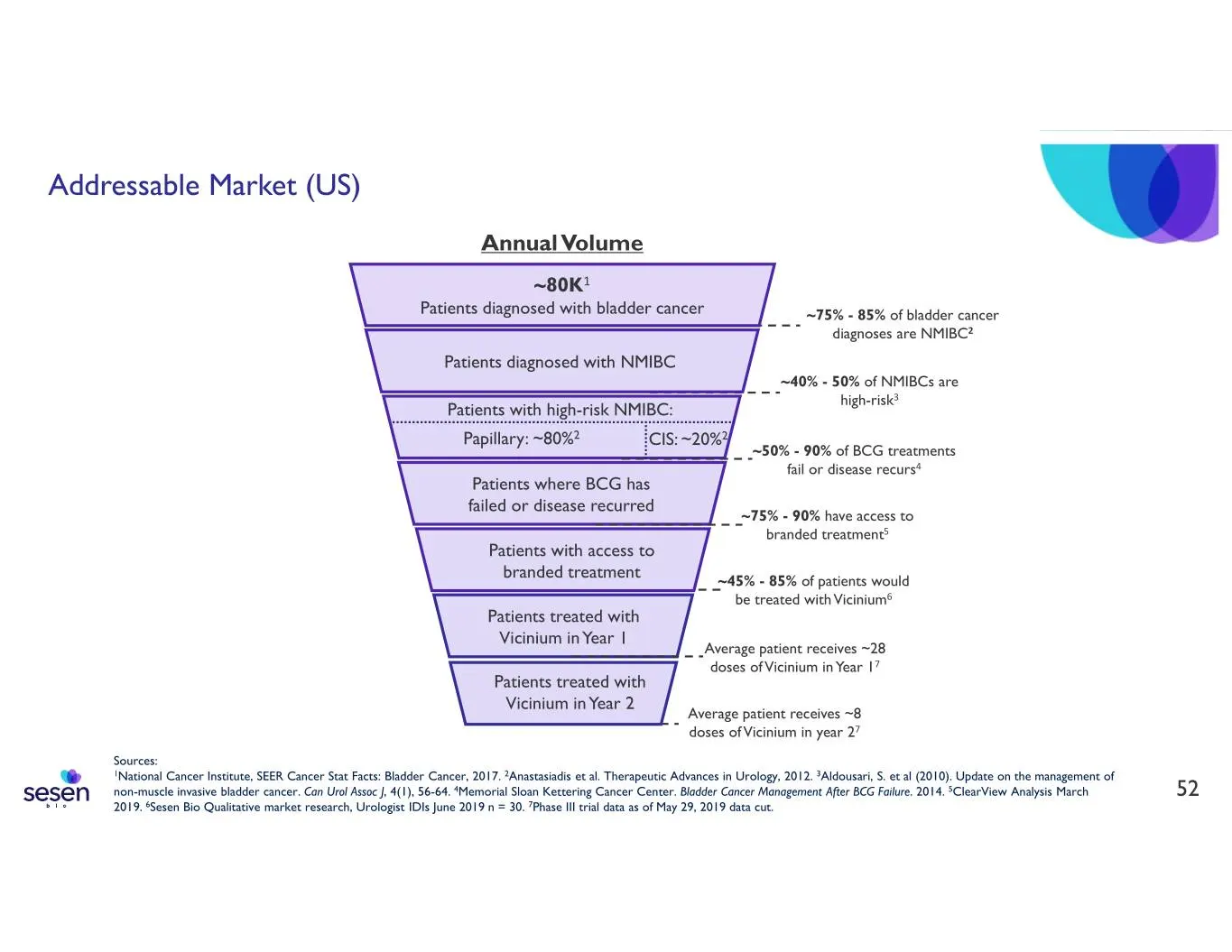
Slide 52: Addressable Market (US)
Addressable Market (US) Annual Volume ~80K1 Patients diagnosed with bladder cancer ~75% - 85% of bladder cancer diagnoses are NMIBC2 Patients diagnosed with NMIBC ~40% - 50% of NMIBCs are high-risk3 Patients with high-risk NMIBC: Papillary: ~80%2 CIS: ~20%2 ~50% - 90% of BCG treatments fail or disea
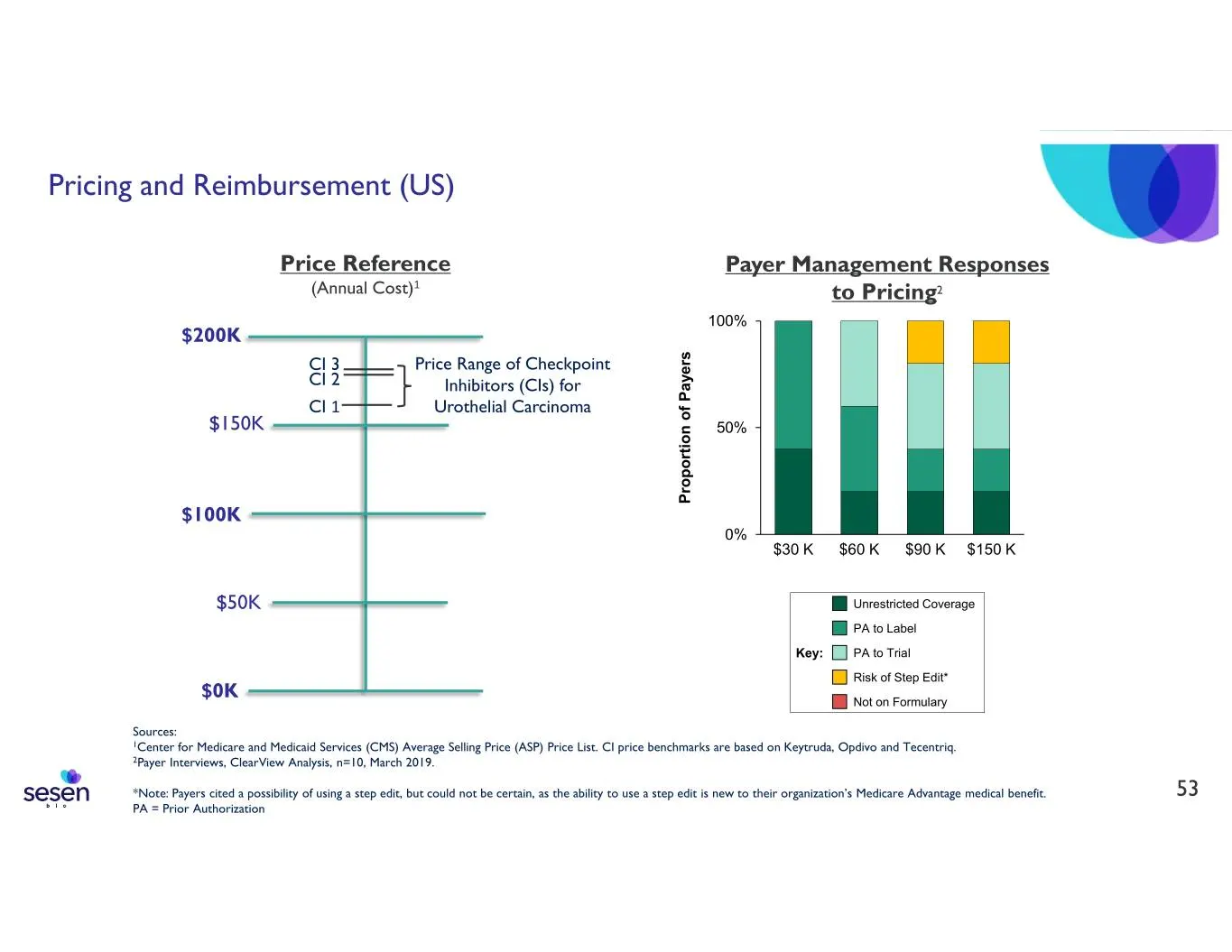
Slide 53: Pricing and Reimbursement (US)
Pricing and Reimbursement (US) Price Reference Payer Management Responses (Annual Cost)1 to Pricing2 100% $200K CI 3 Price Range of Checkpoint CI 2 Inhibitors (CIs) for CI 1 Urothelial Carcinoma $150K 50% Proportion Payers of Proportion $100K 0% $30 K $60 K $90 K $150 K $50K Unrestricted Coverage PA
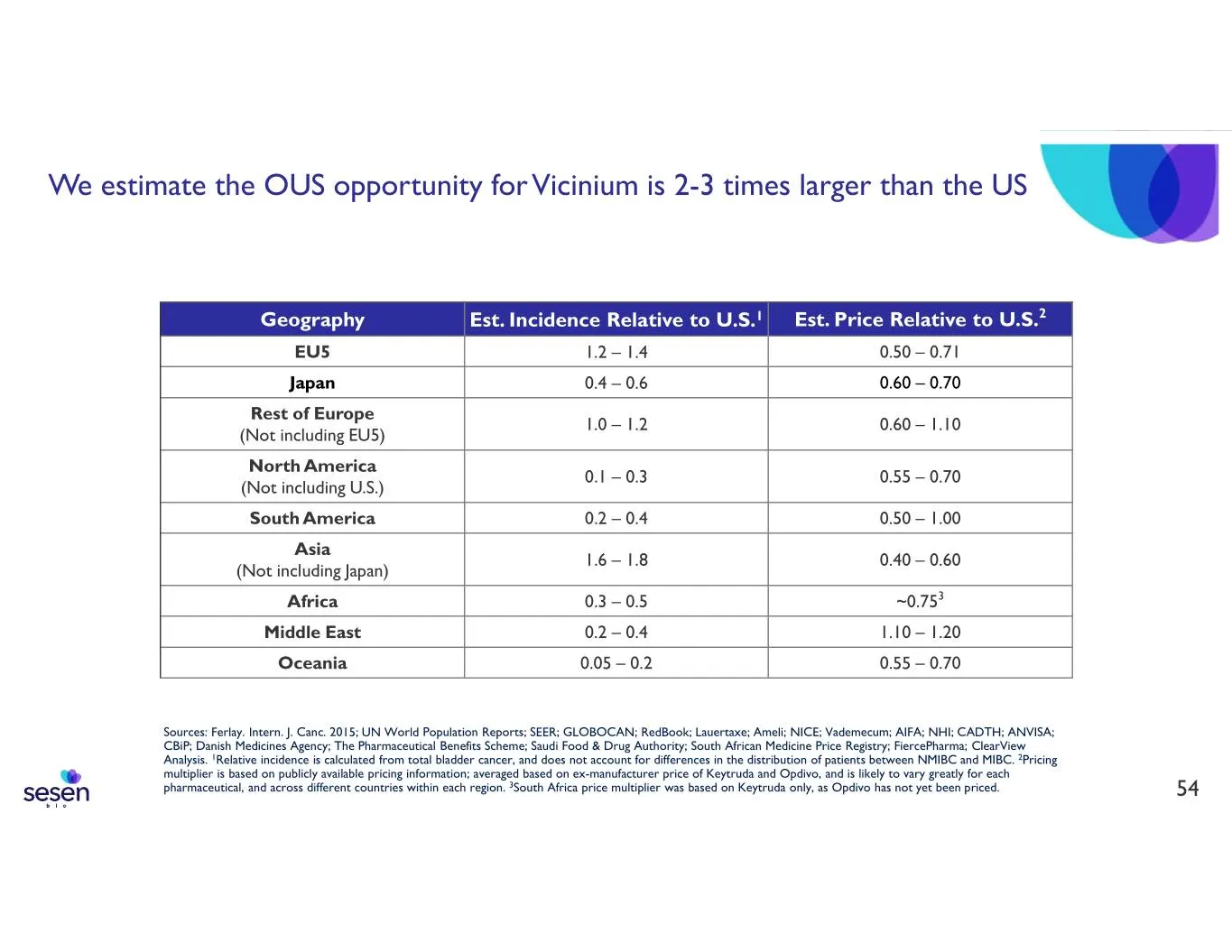
Slide 54: OUS opportunity 2-3 times larger than US
We estimate the OUS opportunity for Vicinium is 2-3 times larger than the US Geography Est. Incidence Relative to U.S.1 Est. Price Relative to U.S.2 EU5 1.2 – 1.4 0.50 – 0.71 Japan 0.4 – 0.6 0.60 – 0.70 Rest of Europe 1.0 – 1.2 0.60 – 1.10 (Not including EU5) North America 0.1 – 0.3 0.55 – 0.70 (Not
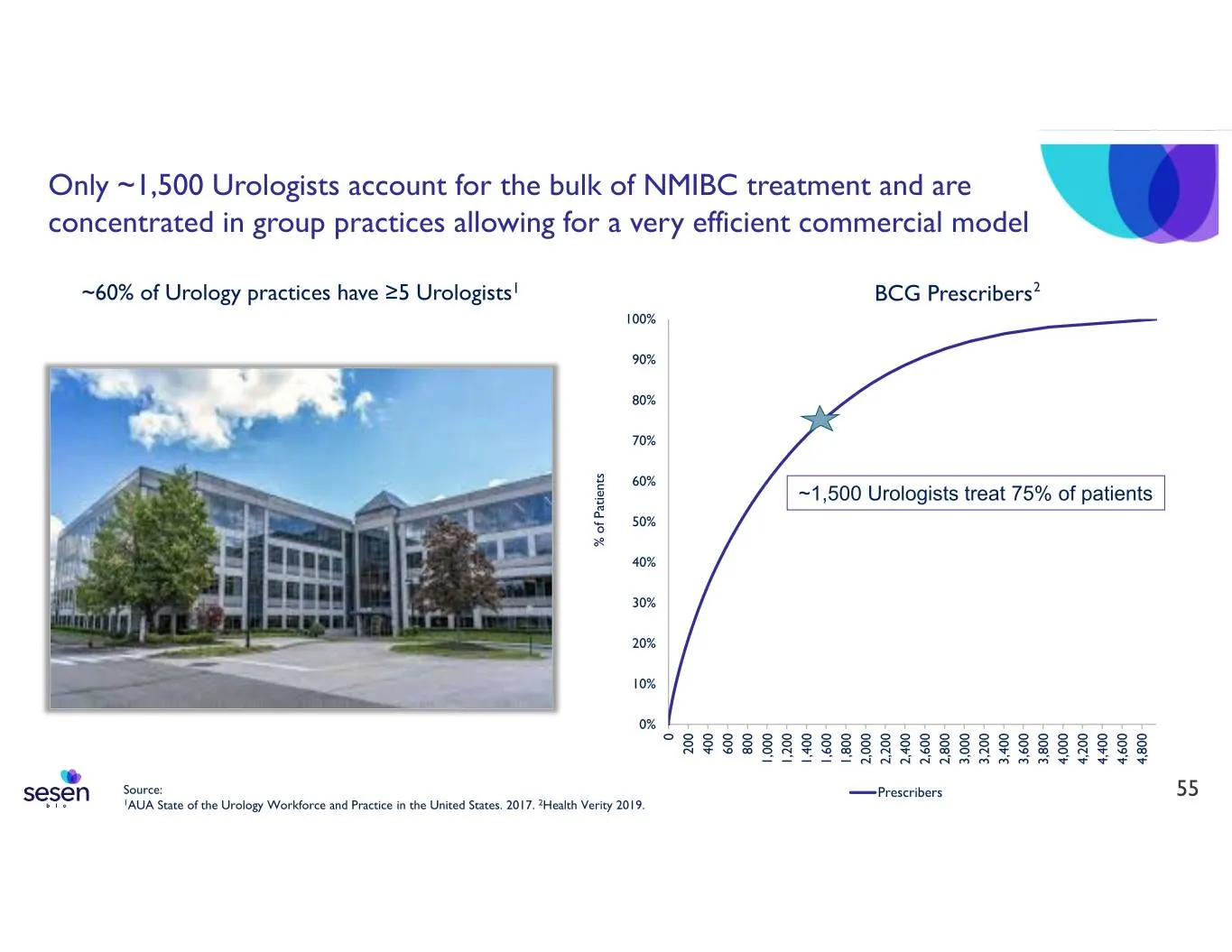
Slide 55: ~1,500 Urologists account for bulk of NMIBC treatment
Only ~1,500 Urologists account for the bulk of NMIBC treatment and are concentrated in group practices allowing for a very efficient commercial model ~60% of Urology practices have ≥5 Urologists1 BCG Prescribers2 100% 90% 80% 70% 60% ~1,500 Urologists treat 75% of patients 50% % of Patients of % 40%
Slide 56: Appendix: Manufacturing & Supply Chain
Appendix Manufacturing & Supply Chain 56
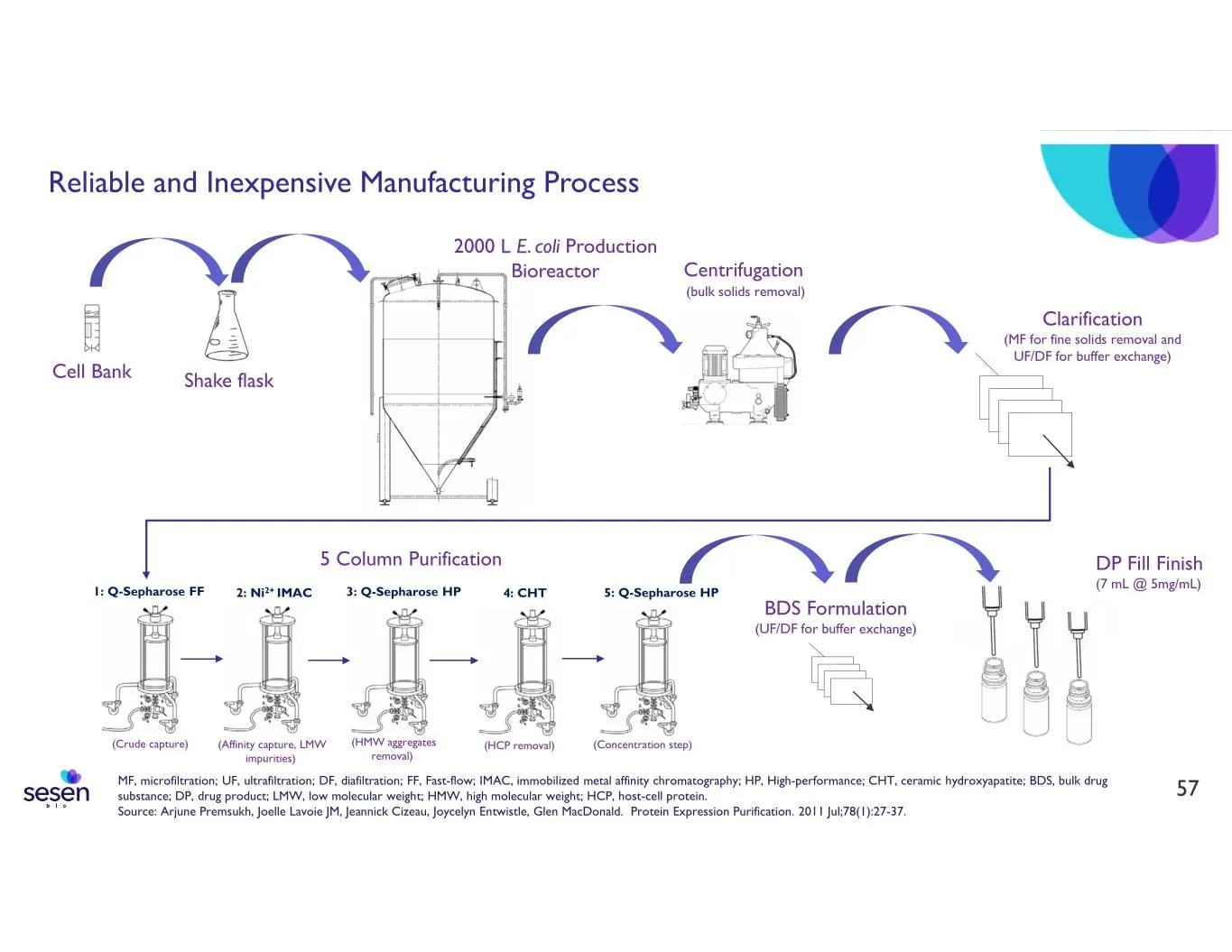
Slide 57: Reliable and Inexpensive Manufacturing Process
Reliable and Inexpensive Manufacturing Process 2000 L E. coli Production Bioreactor Centrifugation (bulk solids removal) Clarification (MF for fine solids removal and UF/DF for buffer exchange) Cell Bank Shake flask 5 Column Purification DP Fill Finish (7 mL @ 5mg/mL) 1: Q-Sepharose FF 2: Ni2+ IMAC
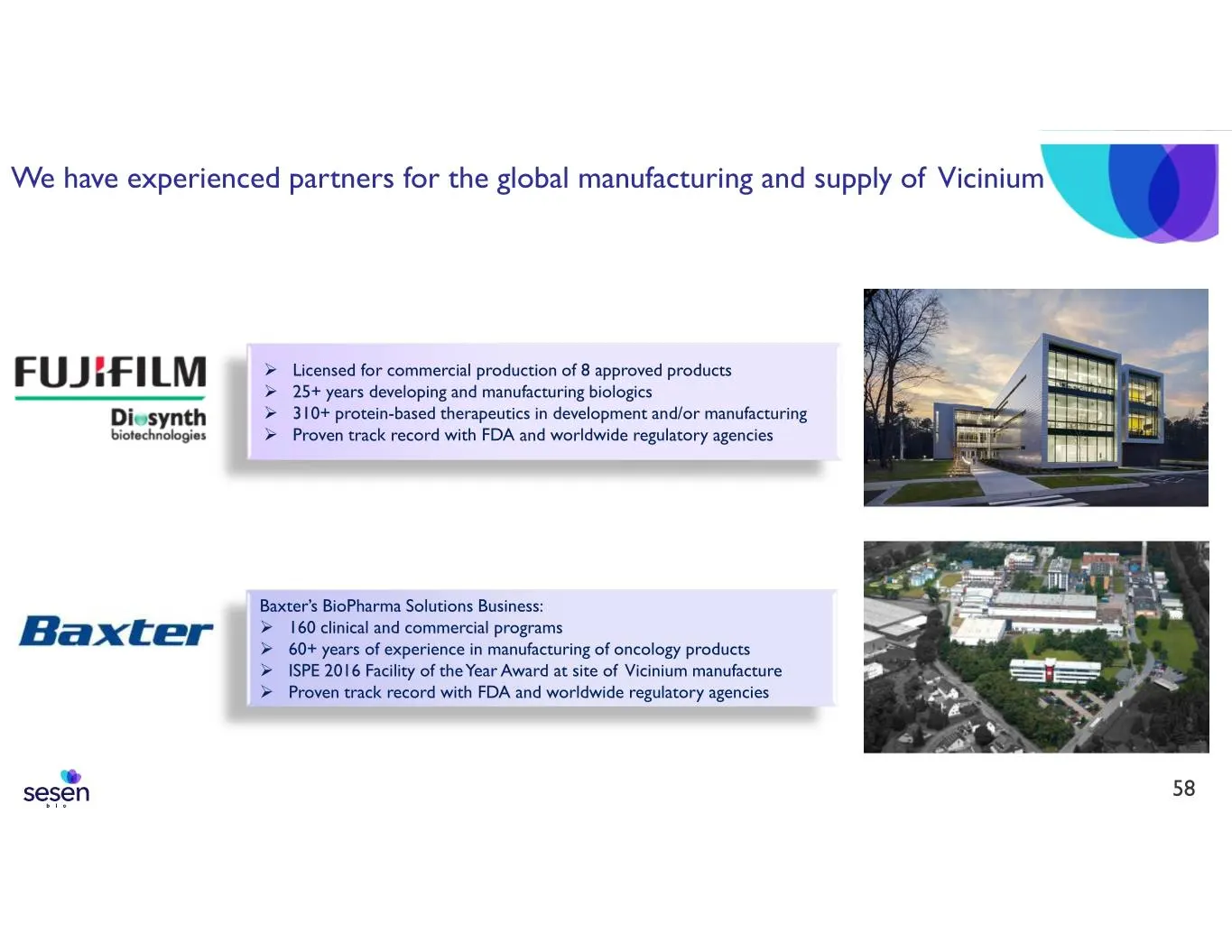
Slide 58: Experienced partners for global manufacturing and supply of Vicinium
We have experienced partners for the global manufacturing and supply of Vicinium � Licensed for commercial production of 8 approved products � 25+ years developing and manufacturing biologics � 310+ protein-based therapeutics in development and/or manufacturing � Proven track record with FDA and wor
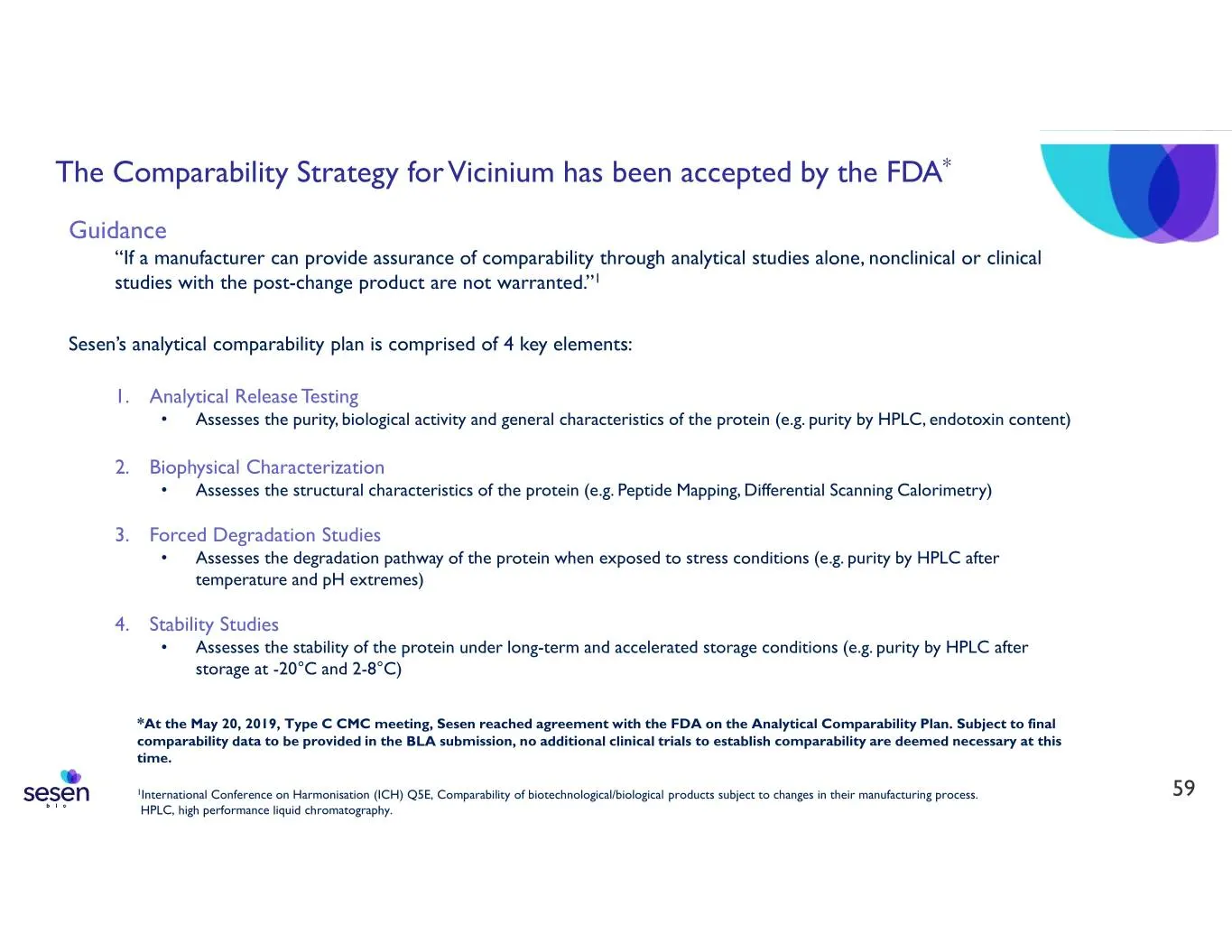
Slide 59: Comparability Strategy for Vicinium accepted by FDA
The Comparability Strategy for Vicinium has been accepted by the FDA* Guidance “If a manufacturer can provide assurance of comparability through analytical studies alone, nonclinical or clinical studies with the post-change product are not warranted.”1 Sesen’s analytical comparability plan is compri
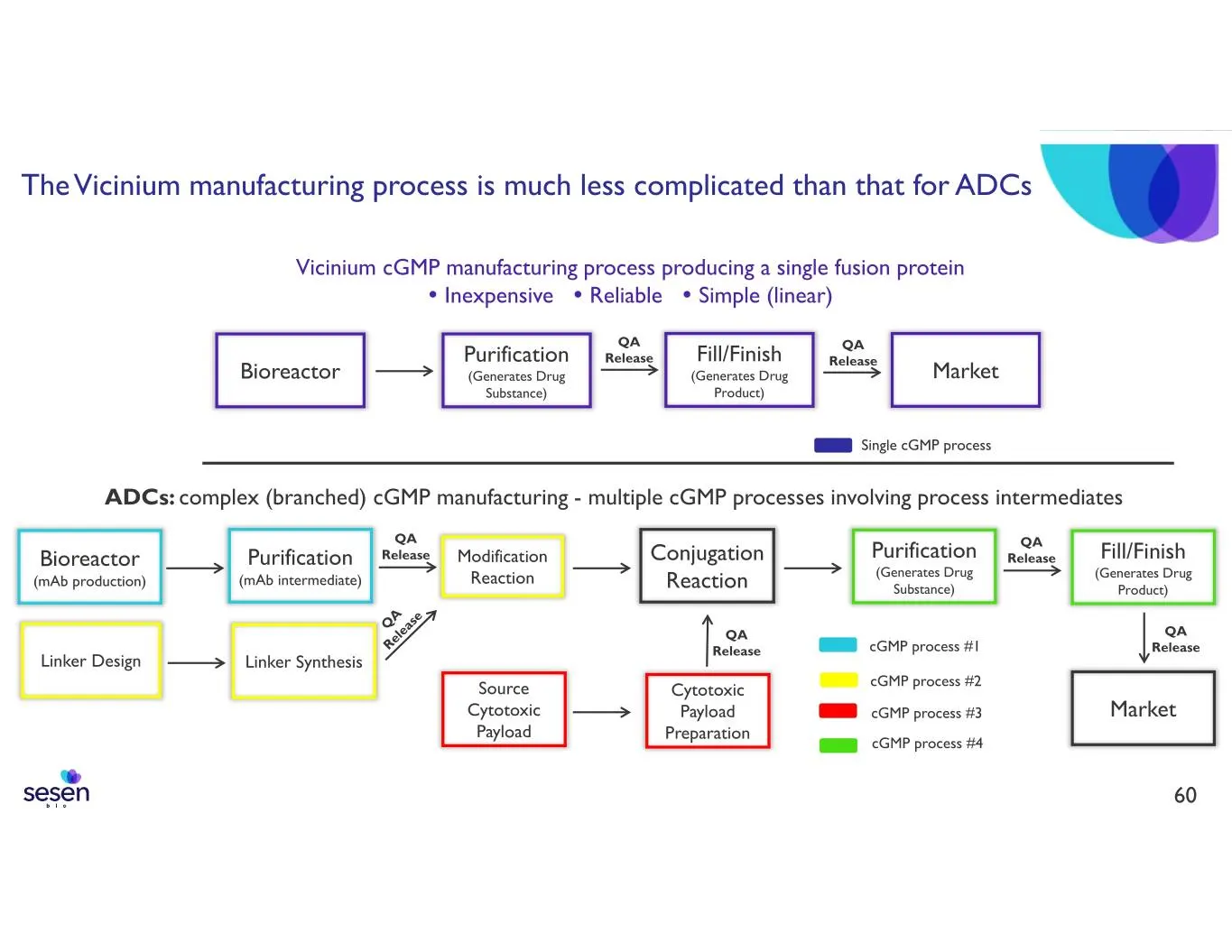
Slide 60: Vicinium manufacturing less complicated than ADCs
The Vicinium manufacturing process is much less complicated than that for ADCs Vicinium cGMP manufacturing process producing a single fusion protein � Inexpensive � Reliable � Simple (linear) QA QA Purification Release Fill/Finish Release Bioreactor (Generates Drug (Generates Drug Market Substance)
Slide 61: Appendix: Intellectual Property
Appendix Intellectual Property 61
Slide 62: Vicinium patent life
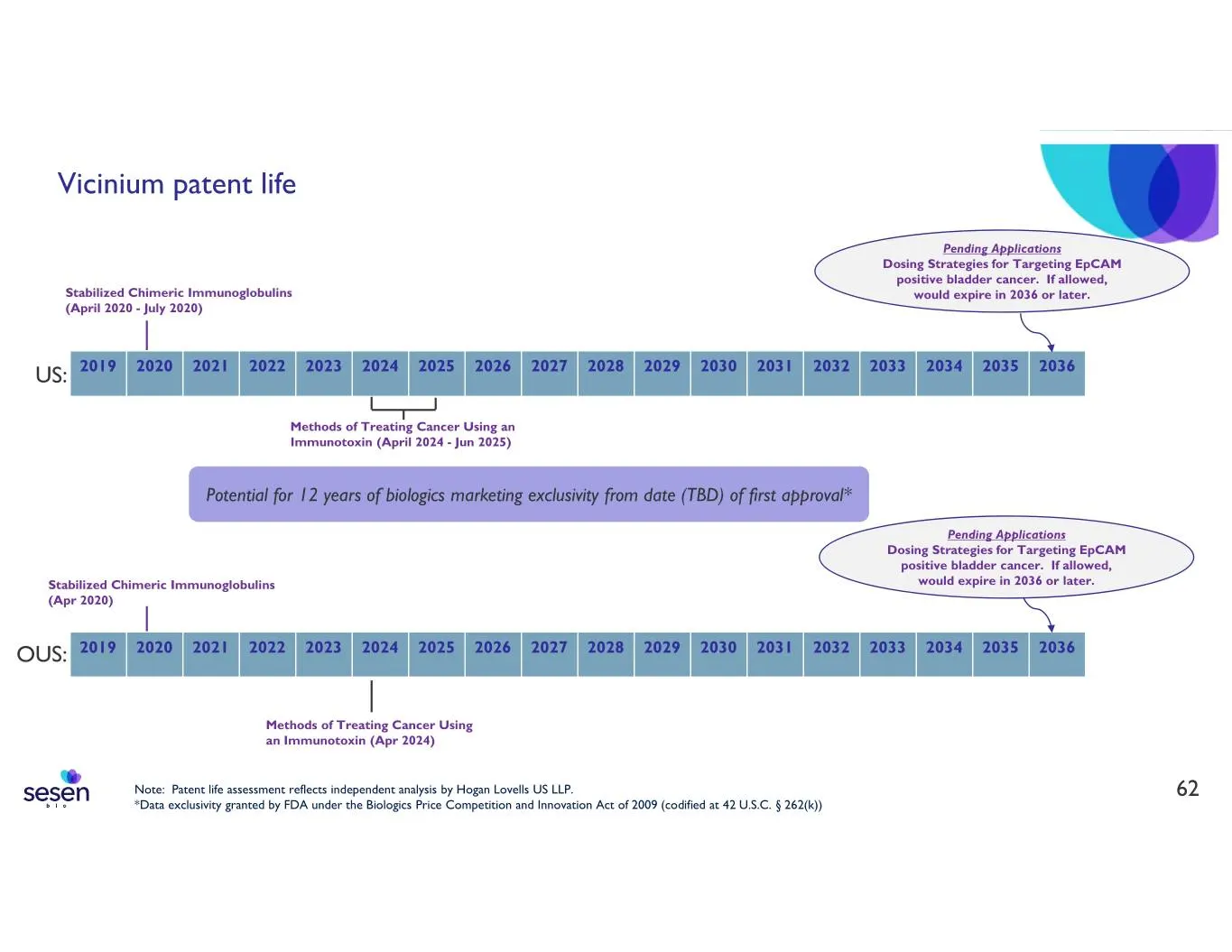
Vicinium patent life Pending Applications Dosing Strategies for Targeting EpCAM positive bladder cancer. If allowed, Stabilized Chimeric Immunoglobulins would expire in 2036 or later. (April 2020 - July 2020) US: 2019 2020 2021 2022 2023 2024 2025 2026 2027 2028 2029 2030 2031 2032 2033 2034 2035 20
Source: SEC EDGAR · 8-K filed Sep 10, 2019
More decks from Sesen Bio Inc
 Carisma Therapeutics — Technical Presentation (April 2024)9 slides · Apr 10, 2024
 Carisma Therapeutics — CAR-TCR Summit 202320 slides · Sep 1, 2023
 Merger or Acquisition (February 2023)17 slides · Feb 2, 2023
 Merger or Acquisition (December 2022)24 slides · Dec 12, 2022
 Merger or Acquisition (September 2022)26 slides · Sep 27, 2022
 Technical Presentation (September 2021)17 slides · Sep 10, 2021