TG Therapeutics, Inc. · NASDAQ:TGTX
TG Therapeutics — American Association for Cancer Research (AACR) Annual Meeting 2019
15 slides from TG Therapeutics's conference presentation, Mar 29, 2019
Slide 1: Umbralisib monotherapy in relapsed/refractory marginal zone lymphoma: phase 2 study
Umbralisib monotherapy demonstrates efficacy and safety in patients with relapsed/ refractory marginal zone lymphoma: a multicenter, open-label, registration directed phase 2 study Nathan H. Fowler1, Felipe Samaniego1, Wojciech Jurczak2, Ewa Lech-Maranda3, Nilanjan Ghosh4, Bertrand Anz5, Piers Patte
Slide 2: Disclosures
Disclosures ▪ Scientific advisory boards: • TG Therapeutics, Inc. • Bayer • Gilead Sciences • Verastem Oncology • Celgene ▪ Research funding • TG Therapeutics, Inc. Fowler et al., AACR 2019 2
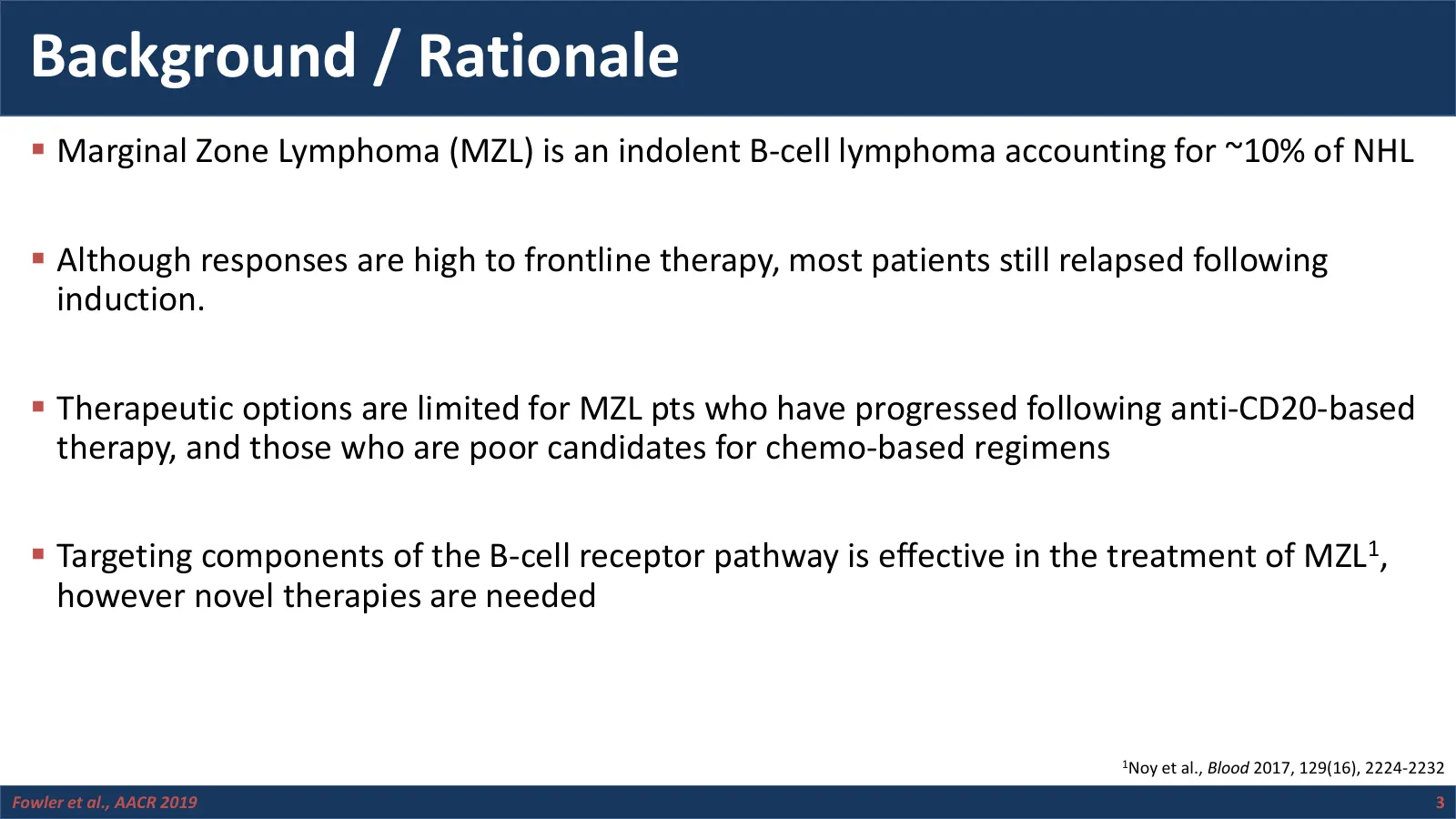
Slide 3: Background / Rationale
Background / Rationale ▪ Marginal Zone Lymphoma (MZL) is an indolent B-cell lymphoma accounting for ~10% of NHL ▪ Although responses are high to frontline therapy, most patients still relapsed following induction. ▪ Therapeutic options are limited for MZL pts who have progressed following anti-CD20-
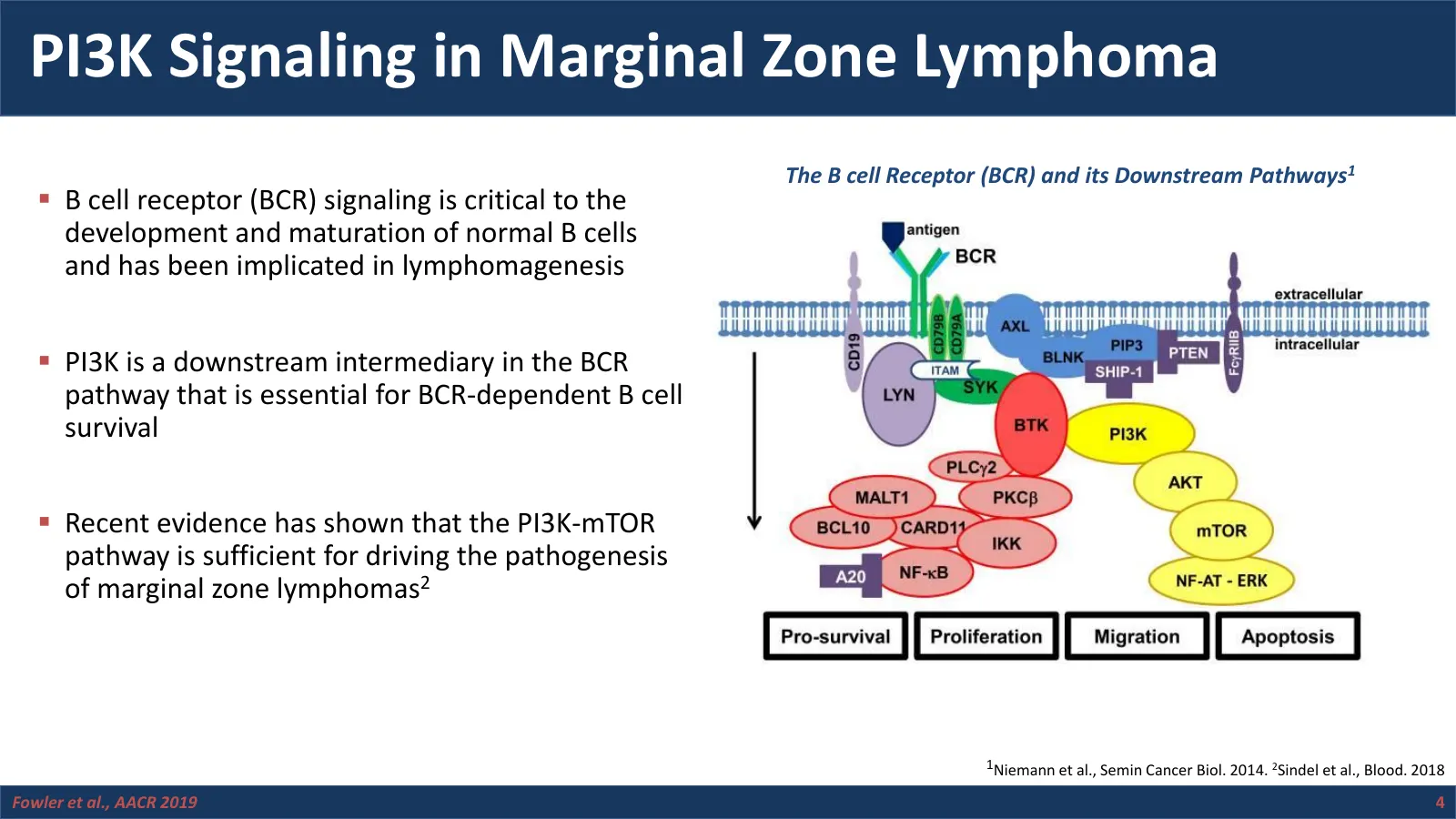
Slide 4: PI3K Signaling in Marginal Zone Lymphoma
PI3K Signaling in Marginal Zone Lymphoma The B cell Receptor (BCR) and its Downstream Pathways1 ▪ B cell receptor (BCR) signaling is critical to the development and maturation of normal B cells and has been implicated in lymphomagenesis ▪ PI3K is a downstream intermediary in the BCR pathway that is
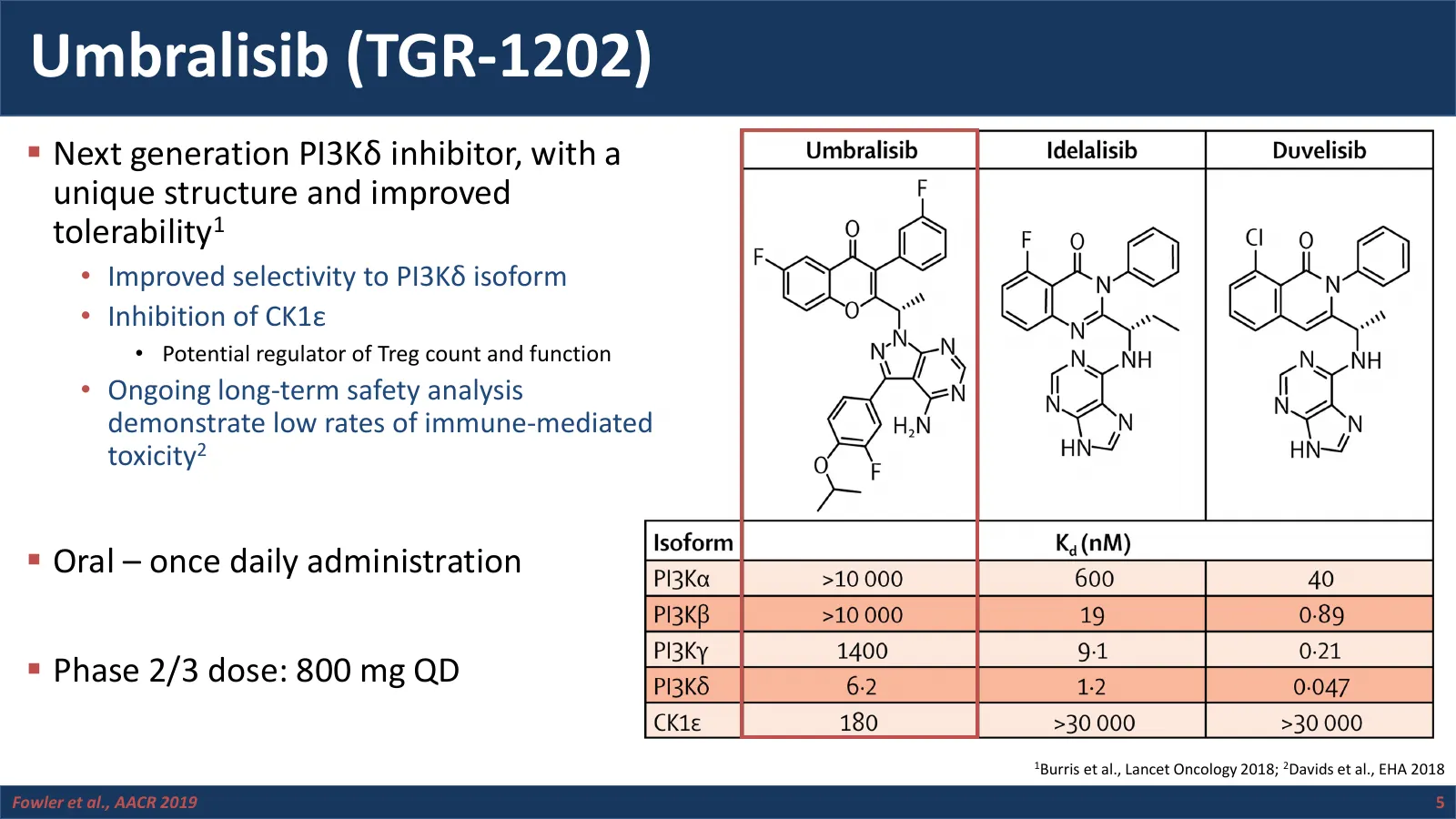
Slide 5: Umbralisib (TGR-1202)
Umbralisib (TGR-1202) ▪ Next generation PI3Kδ inhibitor, with a unique structure and improved tolerability1 • Improved selectivity to PI3Kδ isoform • Inhibition of CK1ε • Potential regulator of Treg count and function • Ongoing long-term safety analysis demonstrate low rates of immune-mediated toxic
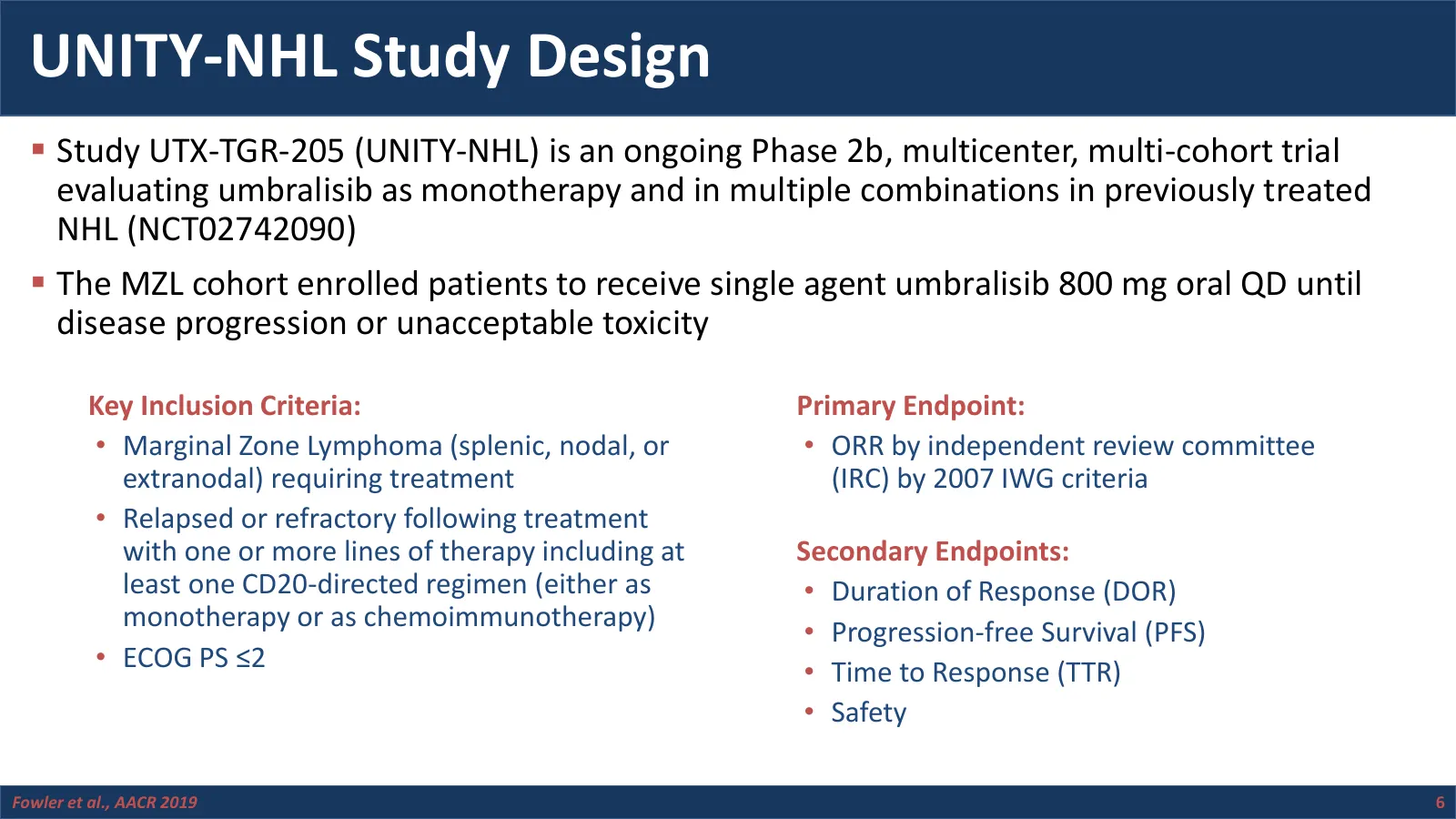
Slide 6: UNITY-NHL Study Design
UNITY-NHL Study Design ▪ Study UTX-TGR-205 (UNITY-NHL) is an ongoing Phase 2b, multicenter, multi-cohort trial evaluating umbralisib as monotherapy and in multiple combinations in previously treated NHL (NCT02742090) ▪ The MZL cohort enrolled patients to receive single agent umbralisib 800 mg oral Q
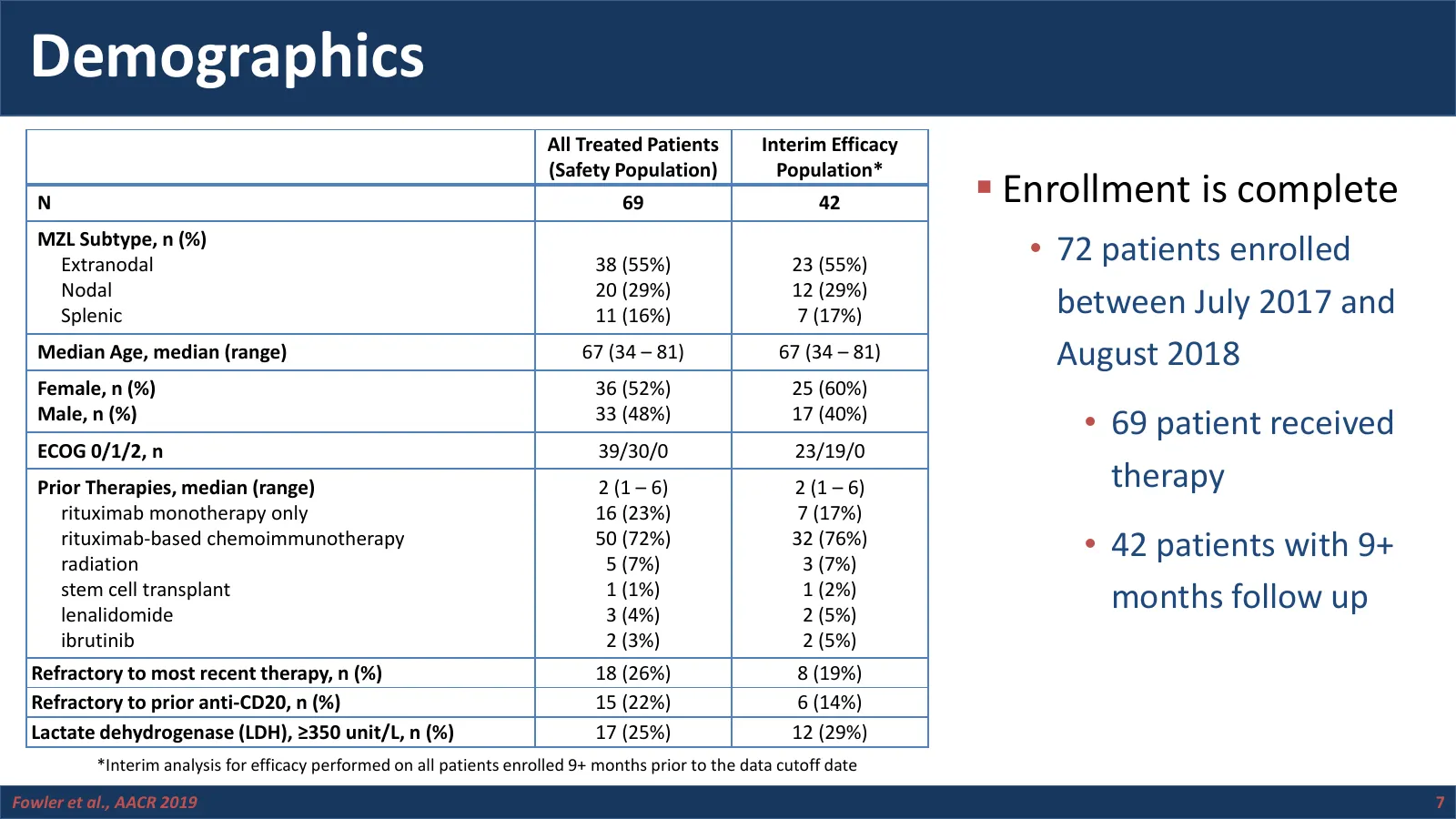
Slide 7: Demographics
Demographics All Treated Patients Interim Efficacy (Safety Population) Population* N 69 42 ▪ Enrollment is complete MZL Subtype, n (%) Extranodal 38 (55%) 23 (55%) • 72 patients enrolled Nodal 20 (29%) 12 (29%) Splenic 11 (16%) 7 (17%) between July 2017 and Median Age, median (range) 67 (34 – 81) 67
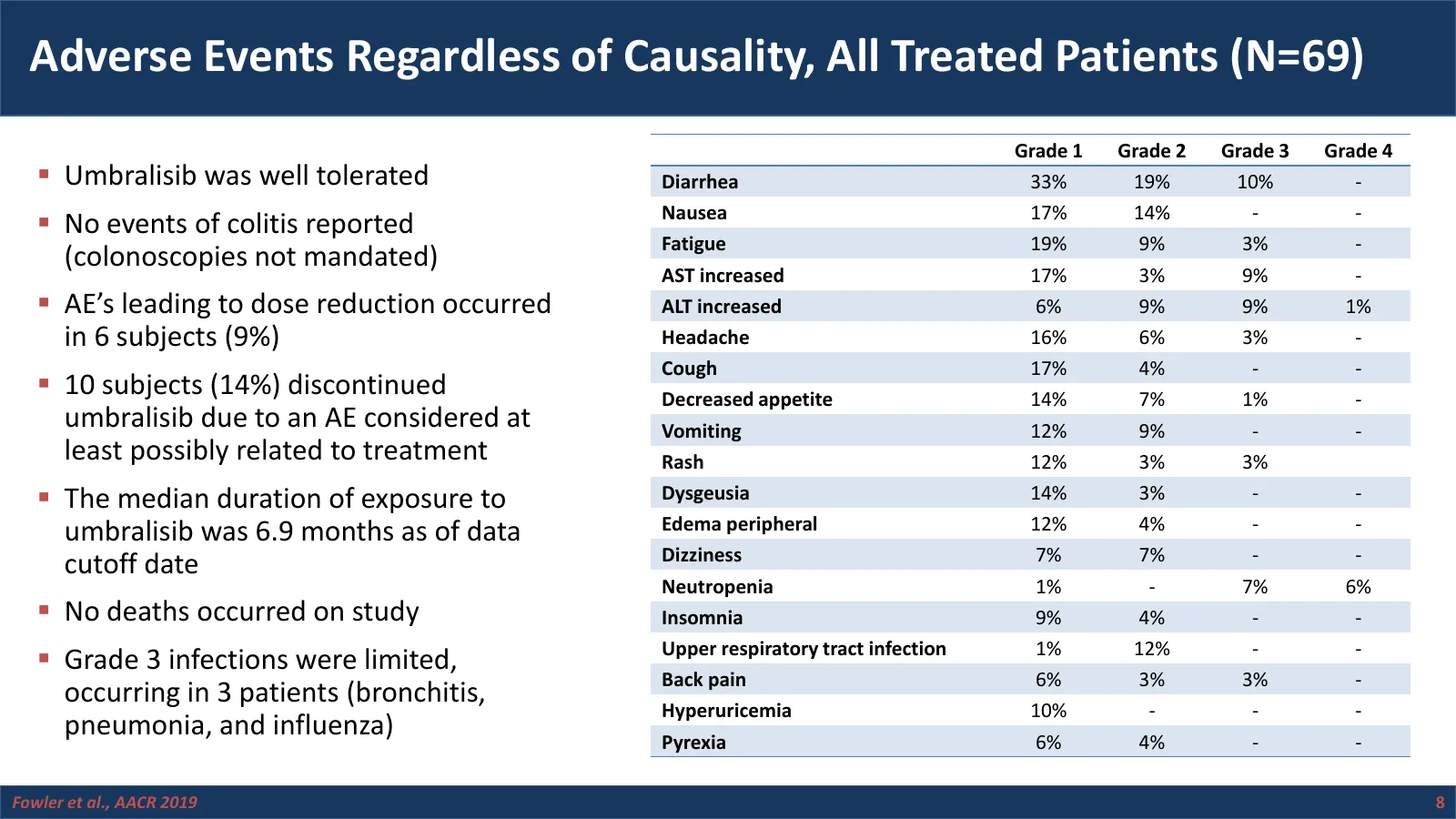
Slide 8: Adverse Events Regardless of Causality, All Treated Patients (N=69)
Adverse Events Regardless of Causality, All Treated Patients (N=69) Grade 1 Grade 2 Grade 3 Grade 4 ▪ Umbralisib was well tolerated Diarrhea 33% 19% 10% - Nausea 17% 14% - - ▪ No events of colitis reported Fatigue 19% 9% 3% - (colonoscopies not mandated) AST increased 17% 3% 9% - ▪ AE’s leading to d
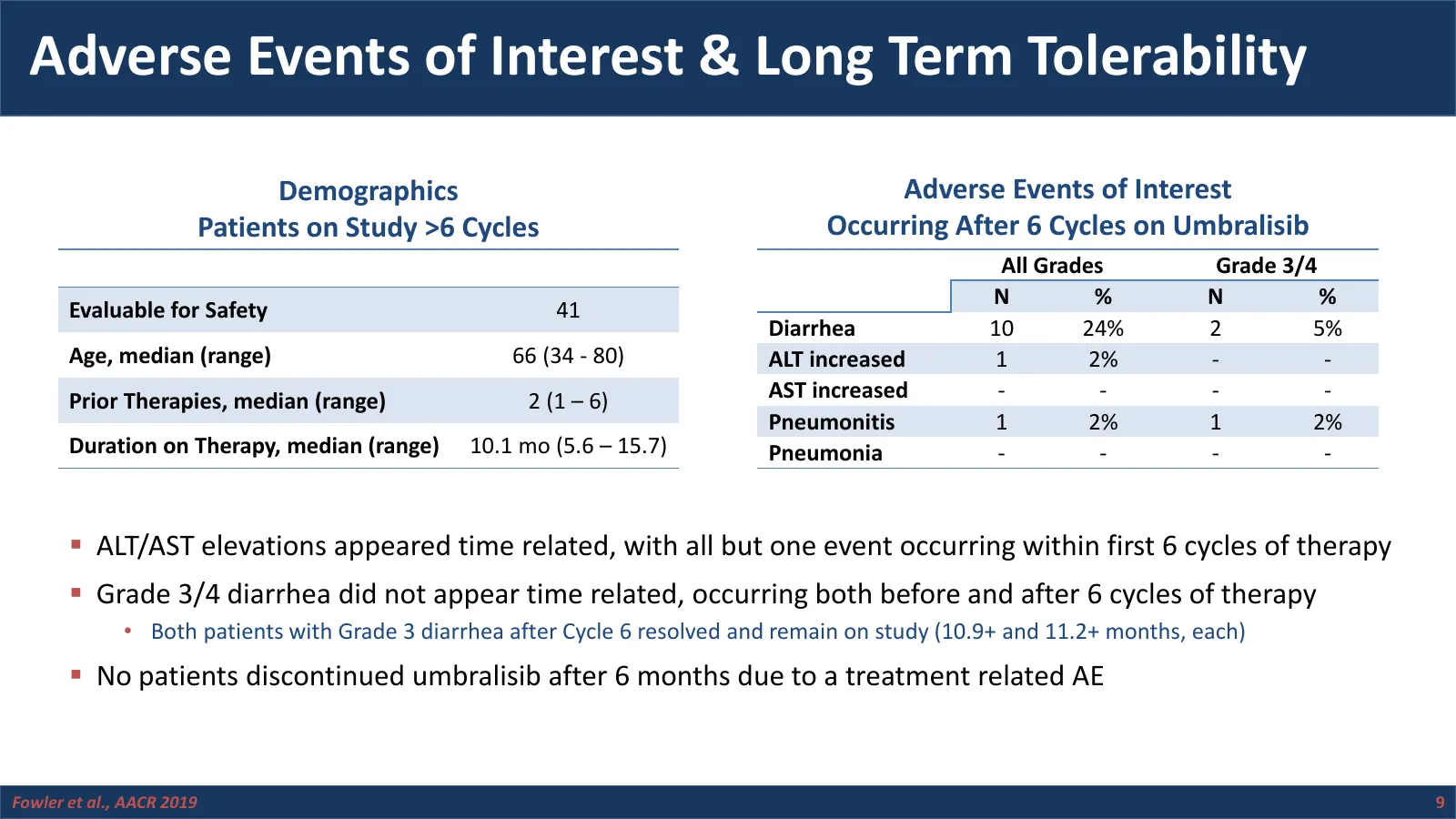
Slide 9: Adverse Events of Interest & Long Term Tolerability
Adverse Events of Interest & Long Term Tolerability Demographics Adverse Events of Interest Patients on Study >6 Cycles Occurring After 6 Cycles on Umbralisib All Grades Grade 3/4 N % N % Evaluable for Safety 41 Diarrhea 10 24% 2 5% Age, median (range) 66 (34 - 80) ALT increased 1 2% - - Prior Thera
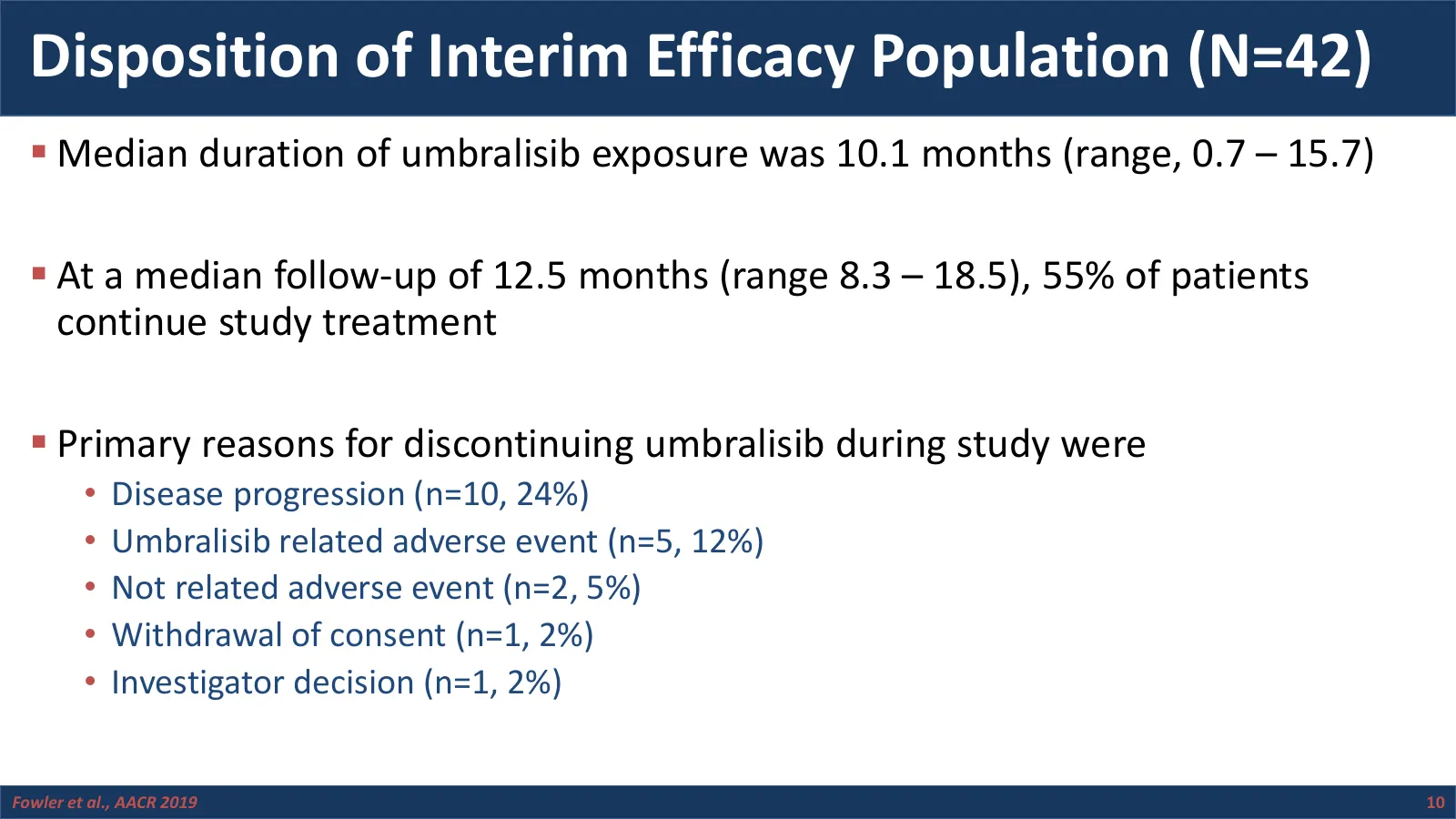
Slide 10: Disposition of Interim Efficacy Population (N=42)
Disposition of Interim Efficacy Population (N=42) ▪ Median duration of umbralisib exposure was 10.1 months (range, 0.7 – 15.7) ▪ At a median follow-up of 12.5 months (range 8.3 – 18.5), 55% of patients continue study treatment ▪ Primary reasons for discontinuing umbralisib during study were • Diseas
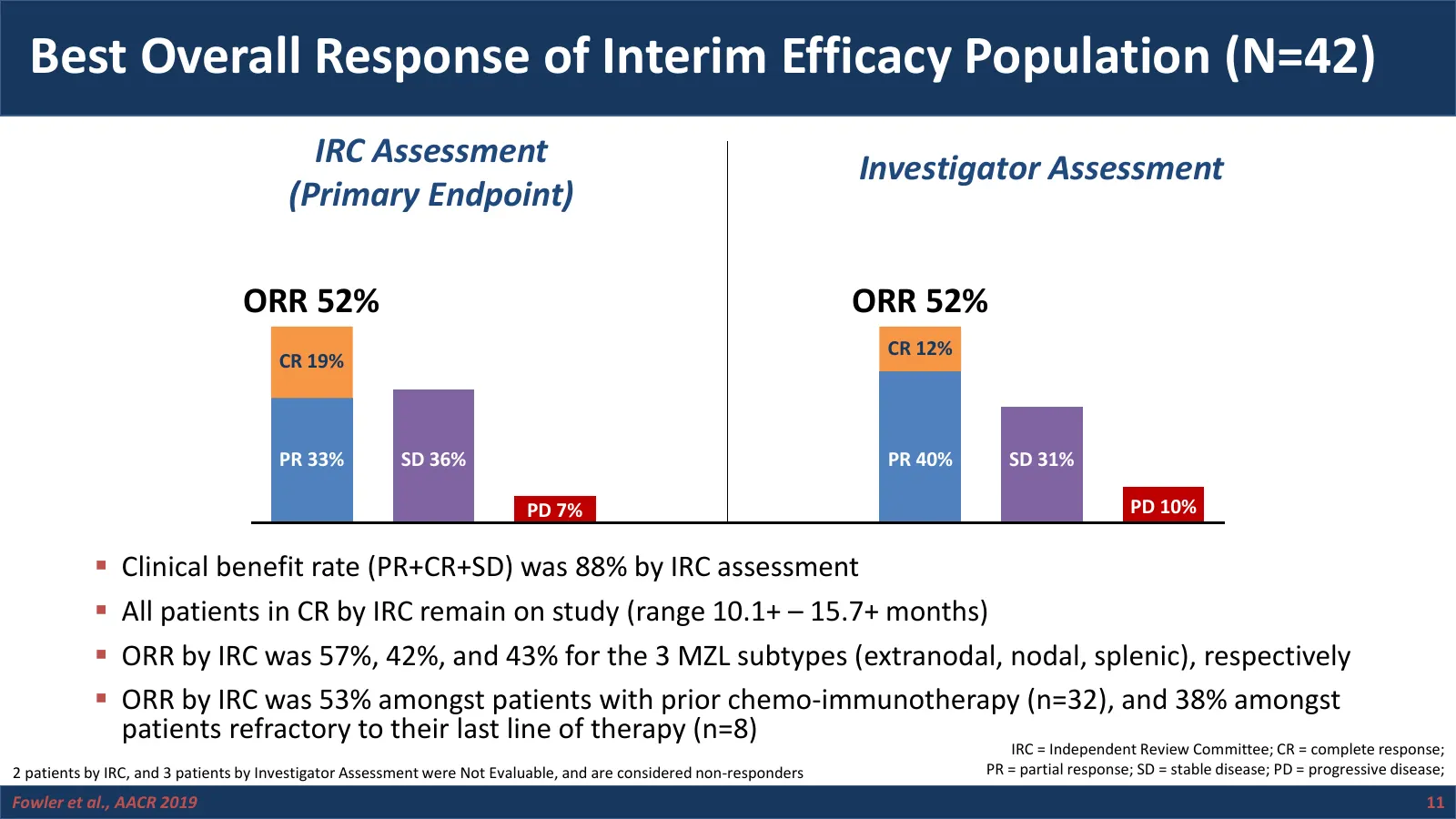
Slide 11: Best Overall Response of Interim Efficacy Population (N=42)
Best Overall Response of Interim Efficacy Population (N=42) 100 IRC Assessment Investigator Assessment 90 (Primary Endpoint) 80 70 60 ORR 52% ORR 52% 50 CR 12% CR 19% 40 30 20 PR 33% SD 36% PR 40% SD 31% 10 PD 7% PD 10% - ▪ Clinical benefit rate (PR+CR+SD) was 88% by IRC assessment ▪ All patients in
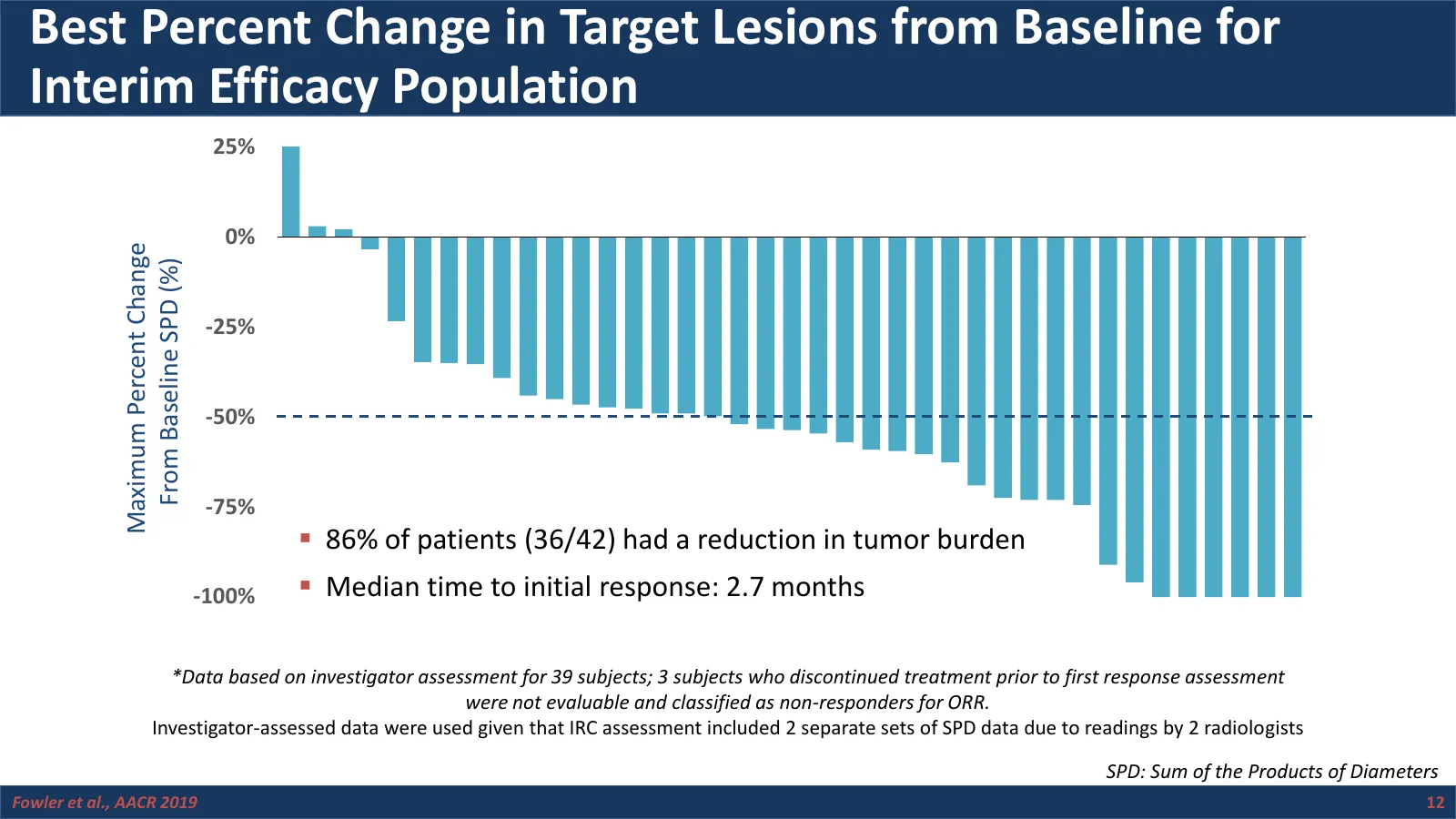
Slide 12: Best Percent Change in Target Lesions from Baseline
Best Percent Change in Target Lesions from Baseline for Interim Efficacy Population 25% 0% Maximum Percent Change From Baseline SPD (%) -25% -50% -75% ▪ 86% of patients (36/42) had a reduction in tumor burden -100% ▪ Median time to initial response: 2.7 months *Data based on investigator assessment
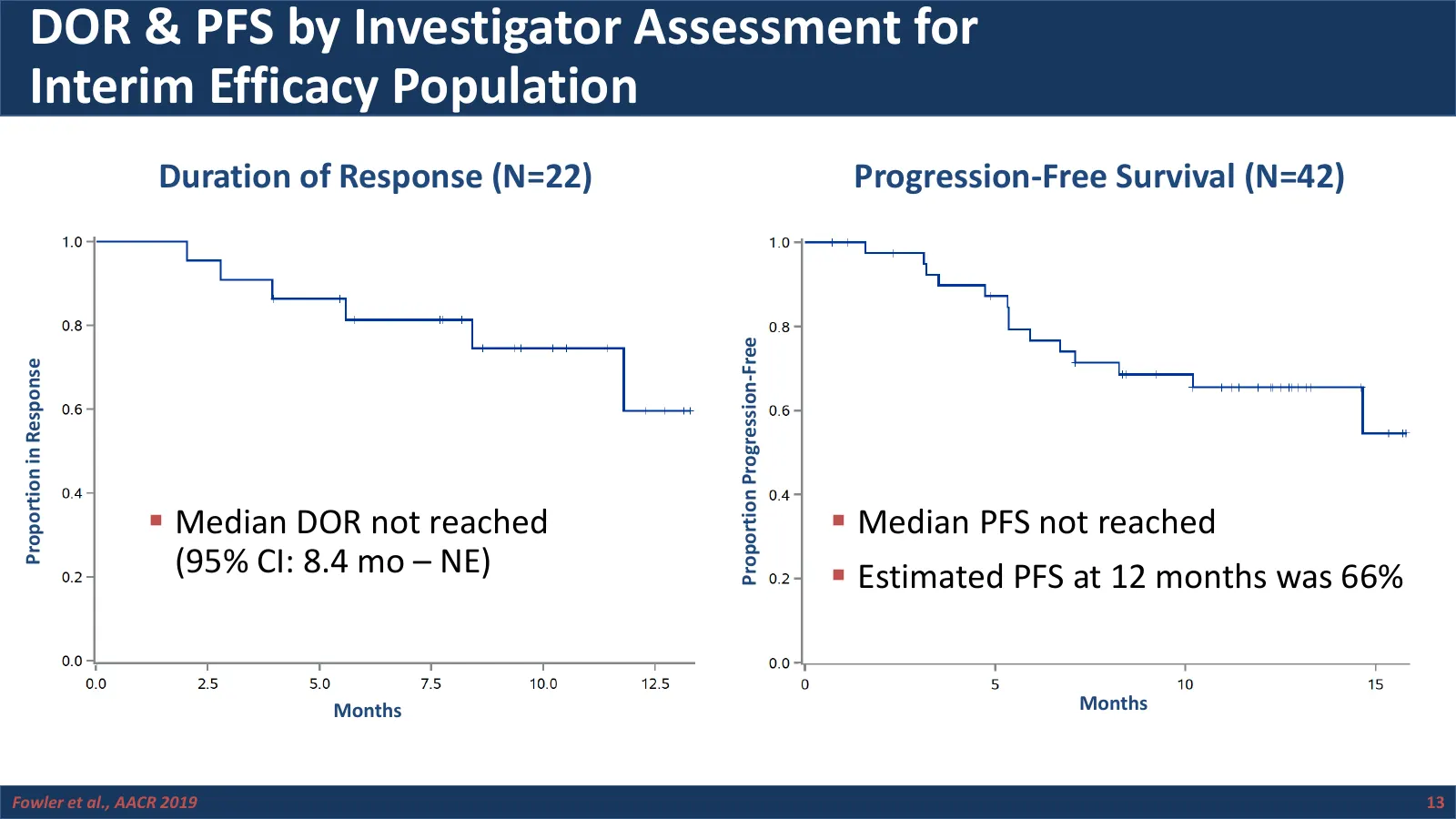
Slide 13: DOR & PFS by Investigator Assessment
DOR & PFS by Investigator Assessment for Interim Efficacy Population Duration of Response (N=22) Progression-Free Survival (N=42) Proportion Progression-Free Proportion in Response ▪ Median DOR not reached ▪ Median PFS not reached (95% CI: 8.4 mo – NE) ▪ Estimated PFS at 12 months was 66% Months Mon
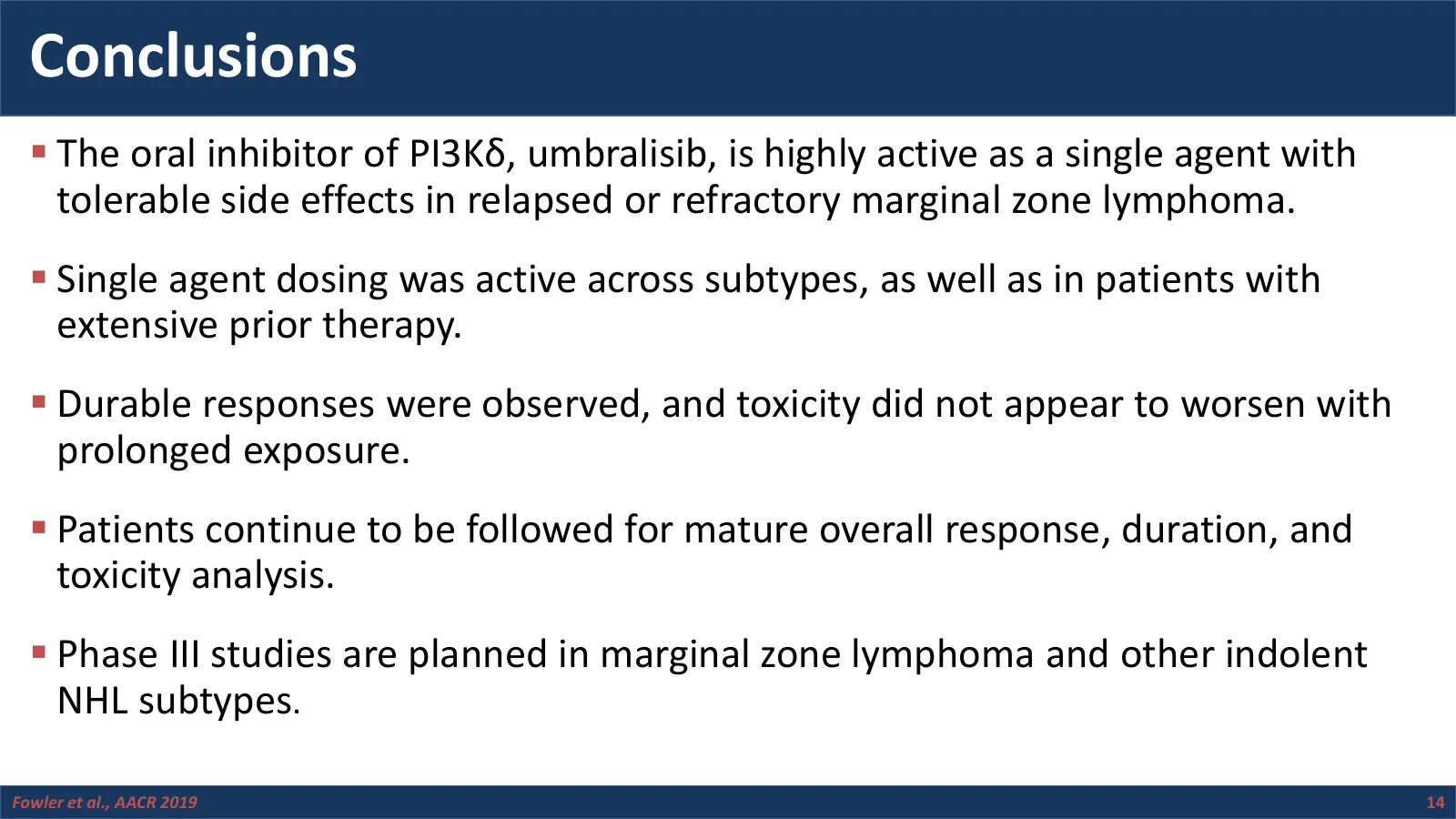
Slide 14: Conclusions
Conclusions ▪ The oral inhibitor of PI3Kδ, umbralisib, is highly active as a single agent with tolerable side effects in relapsed or refractory marginal zone lymphoma. ▪ Single agent dosing was active across subtypes, as well as in patients with extensive prior therapy. ▪ Durable responses were obse
Slide 15: Acknowledgements
Acknowledgements ▪ Thank you to the patients and their families for their participation ▪ Thank you to the investigators, nurses, and study coordinators ▪ This study was sponsored by TG Therapeutics, Inc. Fowler et al., AACR 2019 15
Source: company website
More decks from TG Therapeutics, Inc.
 10th Joint ACTRIMS-ECTRIMS Meeting 202615 slides · Oct 23, 2026
 J.P. Morgan Healthcare Conference 202521 slides · January 2025
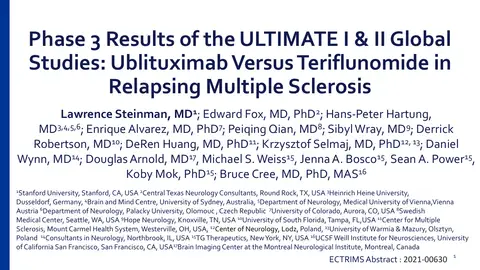 Technical Presentation (October 2021)22 slides · October 2021
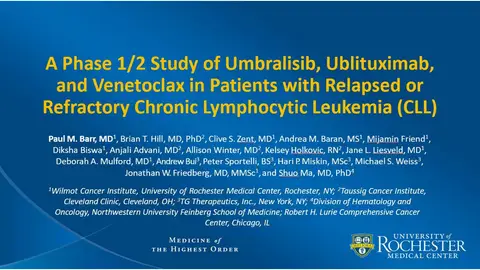 Technical Presentation (September 2021)15 slides · September 2021
 Investor Presentation (October 2020)21 slides · October 2020
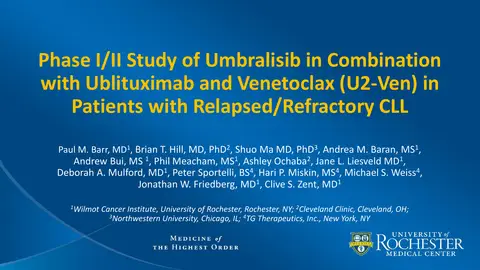 ASH 201918 slides · December 2019