Bluebird bio — EORTC-NCI-AACR Molecular Targets and Cancer Therapies Symposium 2016
22 slides from Bluebird bio's conference presentation, Dec 1, 2016
Slide 1: EORTC-NCI-AACR Molecular Targets and Cancer Therapies Symposium
EORTC-NCI-AACR Molecular Targets and Cancer Therapies Symposium December 1, 2016 Exhibit 99.2
Slide 2: Forward Looking Statements
These slides and the accompanying oral presentation contain forward-looking statements and information. The use of words such as “may,” “might,” “will,” “should,” “expect,” “plan,” “anticipate,” “believe,” “estimate,” “project,” “intend,” “future,” “potential,” or “continue,” and other similar expre
Slide 3: Our Vision: Make Hope a Reality
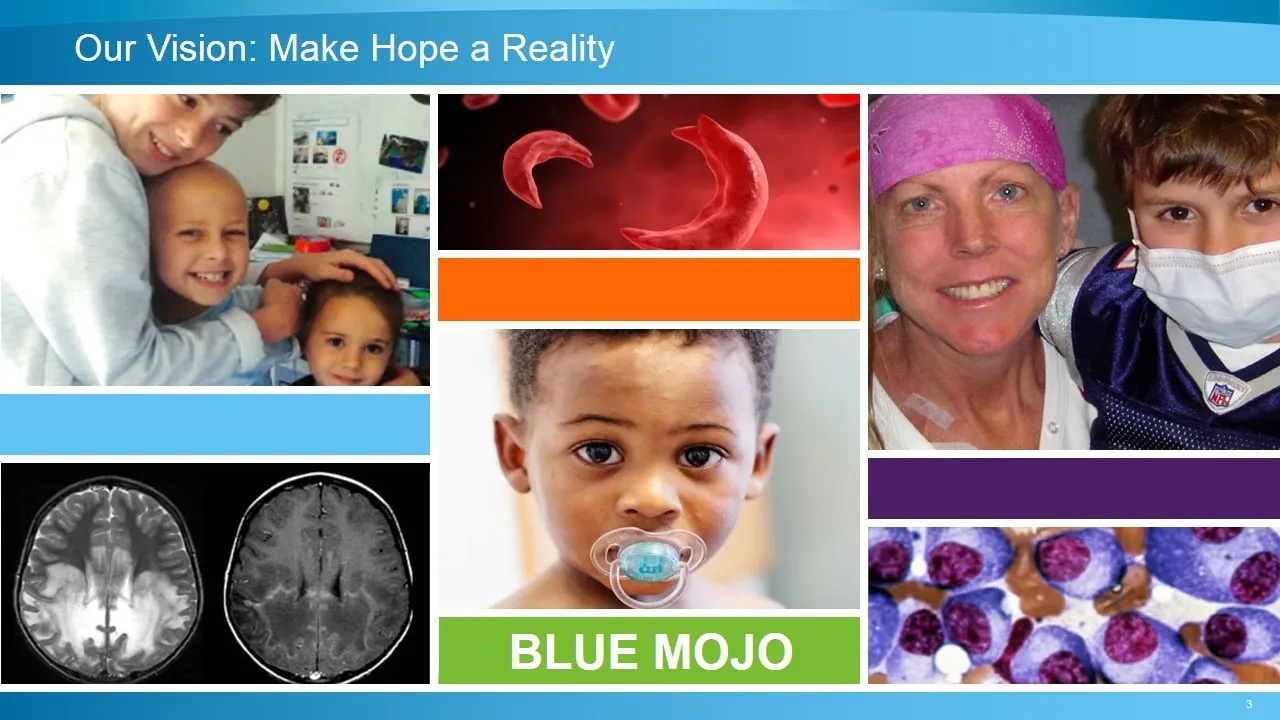
Our Vision: Make Hope a Reality BLUE MOJO
Slide 4: Our Strategic Intent
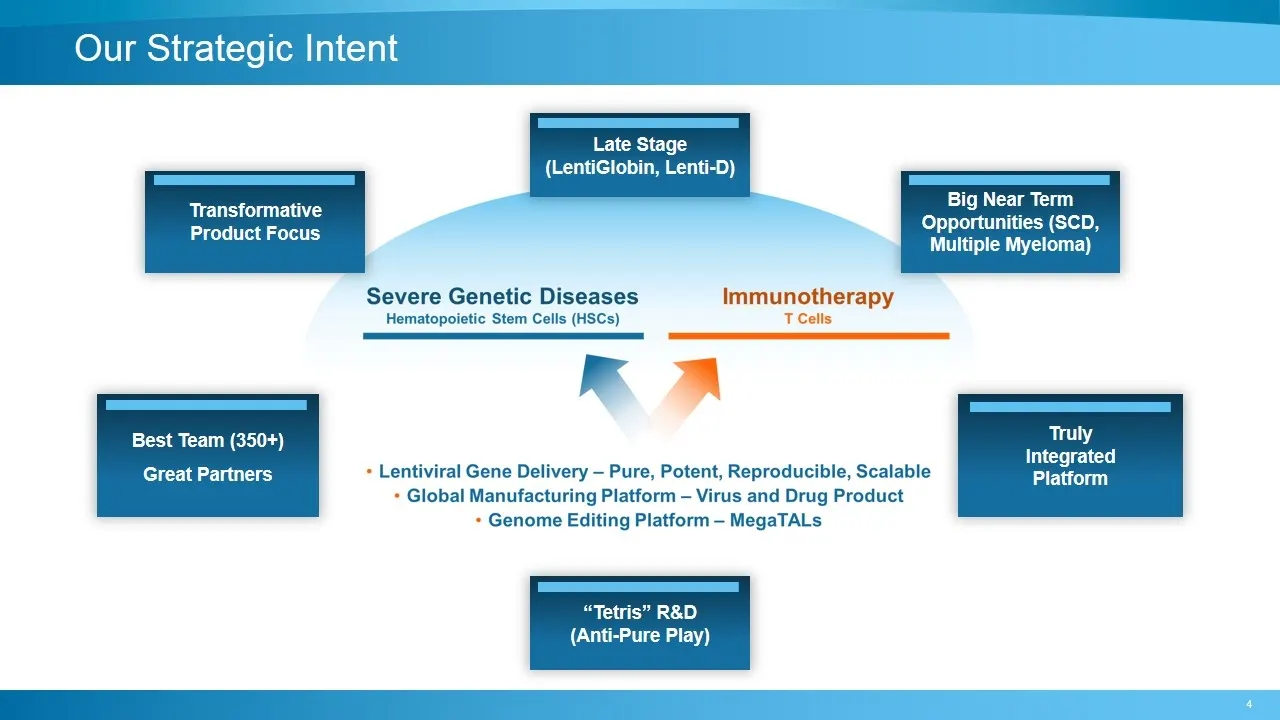
Our Strategic Intent Late Stage (LentiGlobin, Lenti-D) Transformative Product Focus Big Near Term Opportunities (SCD, Multiple Myeloma) “Tetris” R&D (Anti-Pure Play) Best Team (350+) Great Partners Truly Integrated Platform
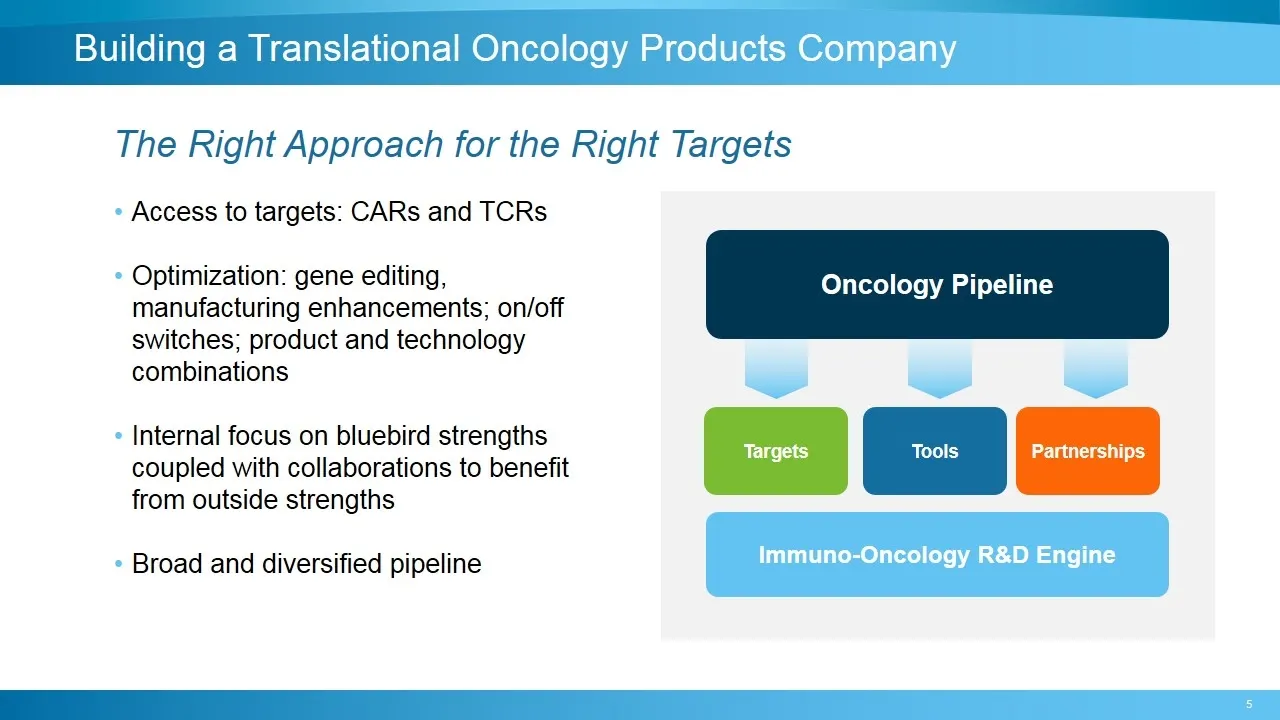
Slide 5: Building a Translational Oncology Products Company
Building a Translational Oncology Products Company Access to targets: CARs and TCRs Optimization: gene editing, manufacturing enhancements; on/off switches; product and technology combinations Internal focus on bluebird strengths coupled with collaborations to benefit from outside strengths Broad an
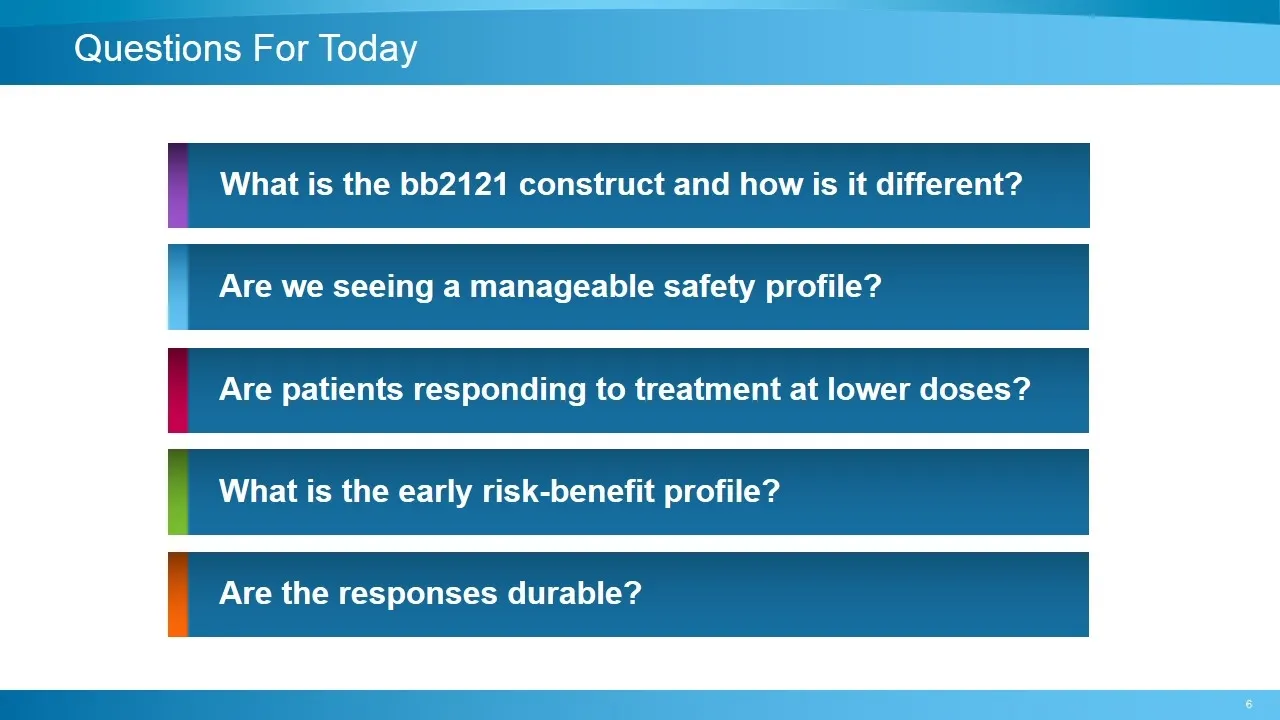
Slide 6: Questions For Today
Questions For Today Are we seeing a manageable safety profile? Are patients responding to treatment at lower doses? What is the early risk-benefit profile? Are the responses durable? What is the bb2121 construct and how is it different?
Slide 7: Clinical responses with bb2121, a novel anti-BCMA CAR T cell therapy
Clinical responses with bb2121, a novel anti-BCMA CAR T cell therapy: Initial results from a Phase 1 multi-center trial in relapsed/refractory multiple myeloma Jesus Berdeja, MD, Yi Lin, MD, PhD, Noopur Raje, MD, David Siegel, MD, PhD, Nikhil Munshi, MD, PhD, Ashley Turka, Ping Lam, M. Travis Quigle
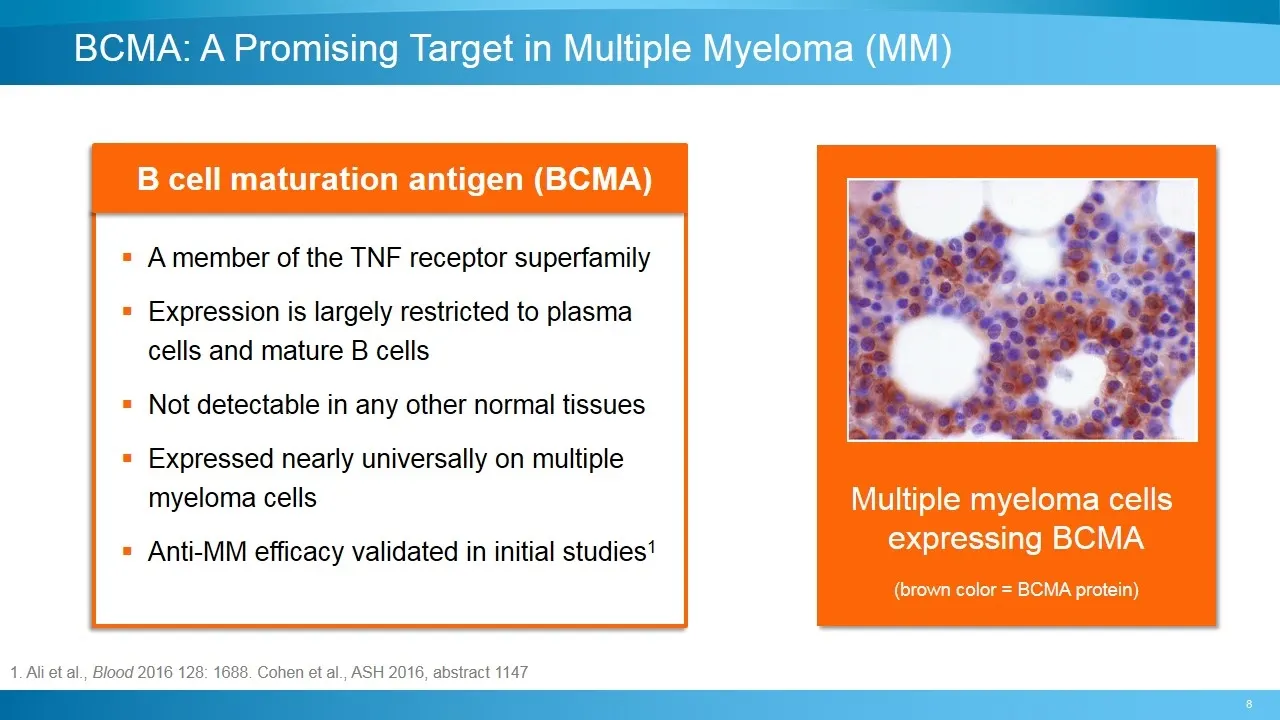
Slide 8: BCMA: A Promising Target in Multiple Myeloma
BCMA: A Promising Target in Multiple Myeloma (MM) B cell maturation antigen (BCMA) Multiple myeloma cells expressing BCMA (brown color = BCMA protein) A member of the TNF receptor superfamily Expression is largely restricted to plasma cells and mature B cells Not detectable in any other normal tissu
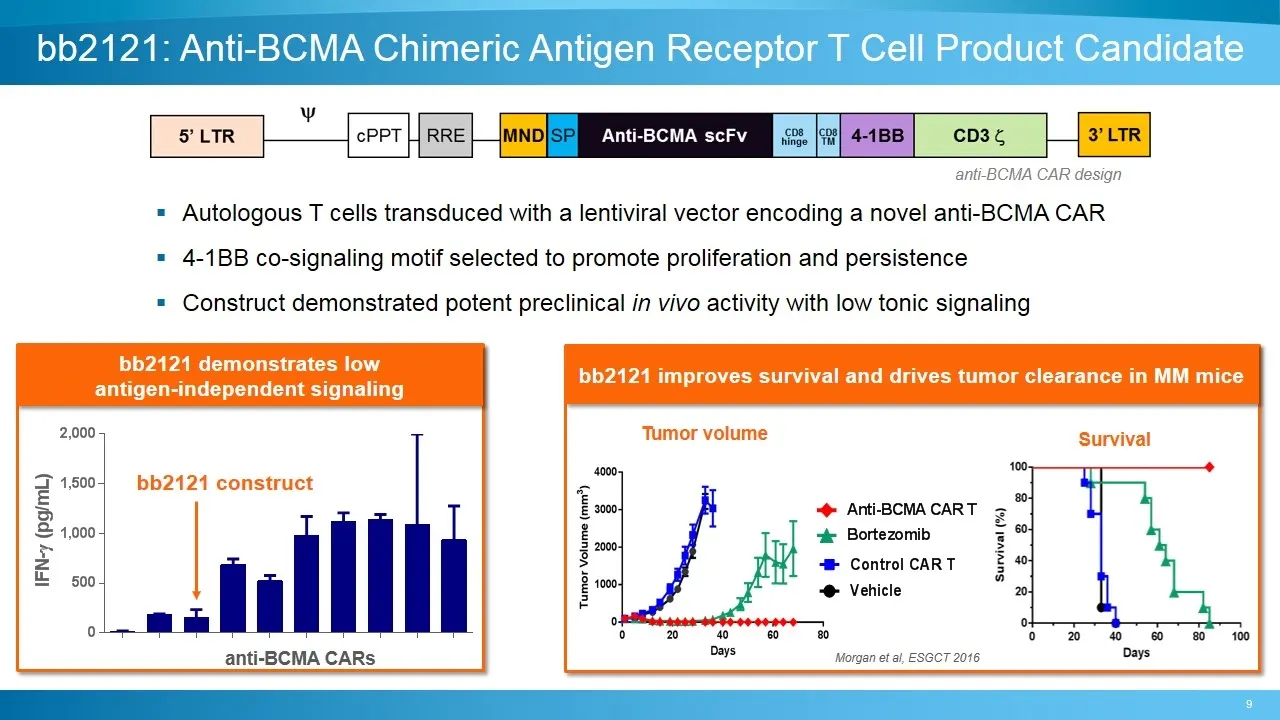
Slide 9: bb2121: Anti-BCMA Chimeric Antigen Receptor T Cell Product Candidate
bb2121: Anti-BCMA Chimeric Antigen Receptor T Cell Product Candidate Autologous T cells transduced with a lentiviral vector encoding a novel anti-BCMA CAR 4-1BB co-signaling motif selected to promote proliferation and persistence Construct demonstrated potent preclinical in vivo activity with low to
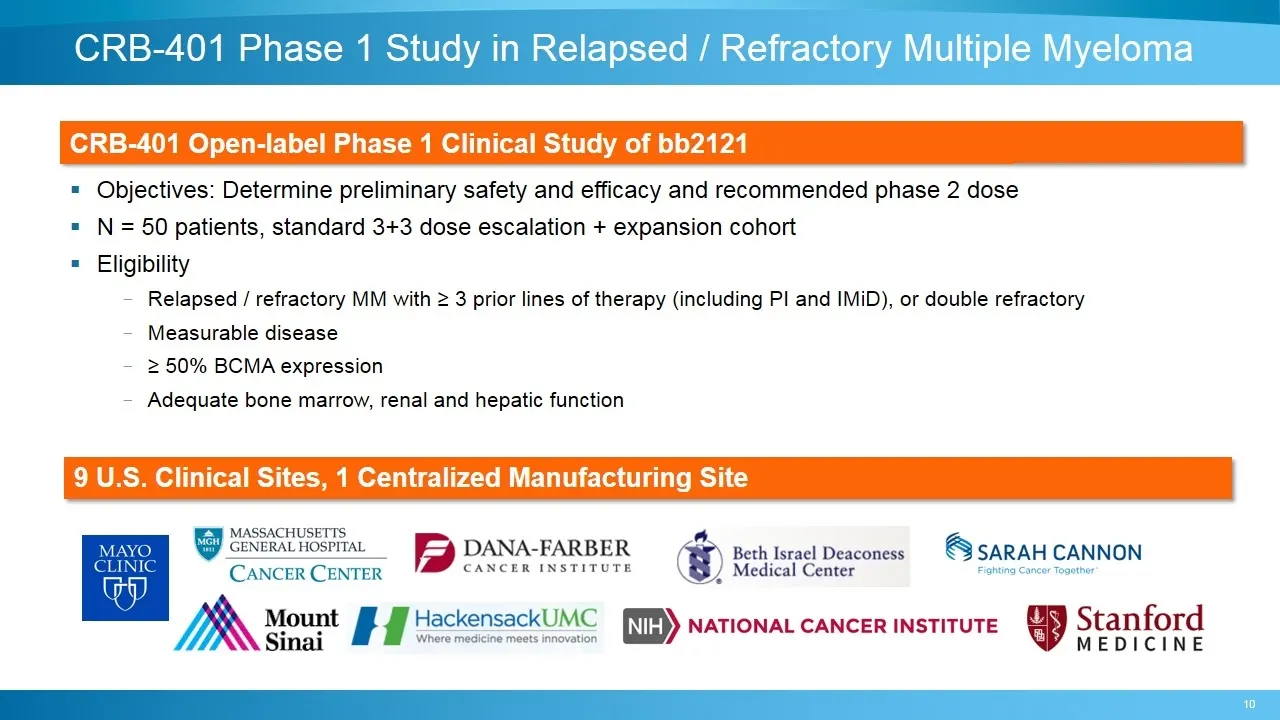
Slide 10: CRB-401 Phase 1 Study in Relapsed / Refractory Multiple Myeloma
CRB-401 Phase 1 Study in Relapsed / Refractory Multiple Myeloma Objectives: Determine preliminary safety and efficacy and recommended phase 2 dose N = 50 patients, standard 3+3 dose escalation + expansion cohort Eligibility Relapsed / refractory MM with ≥ 3 prior lines of therapy (including PI and I
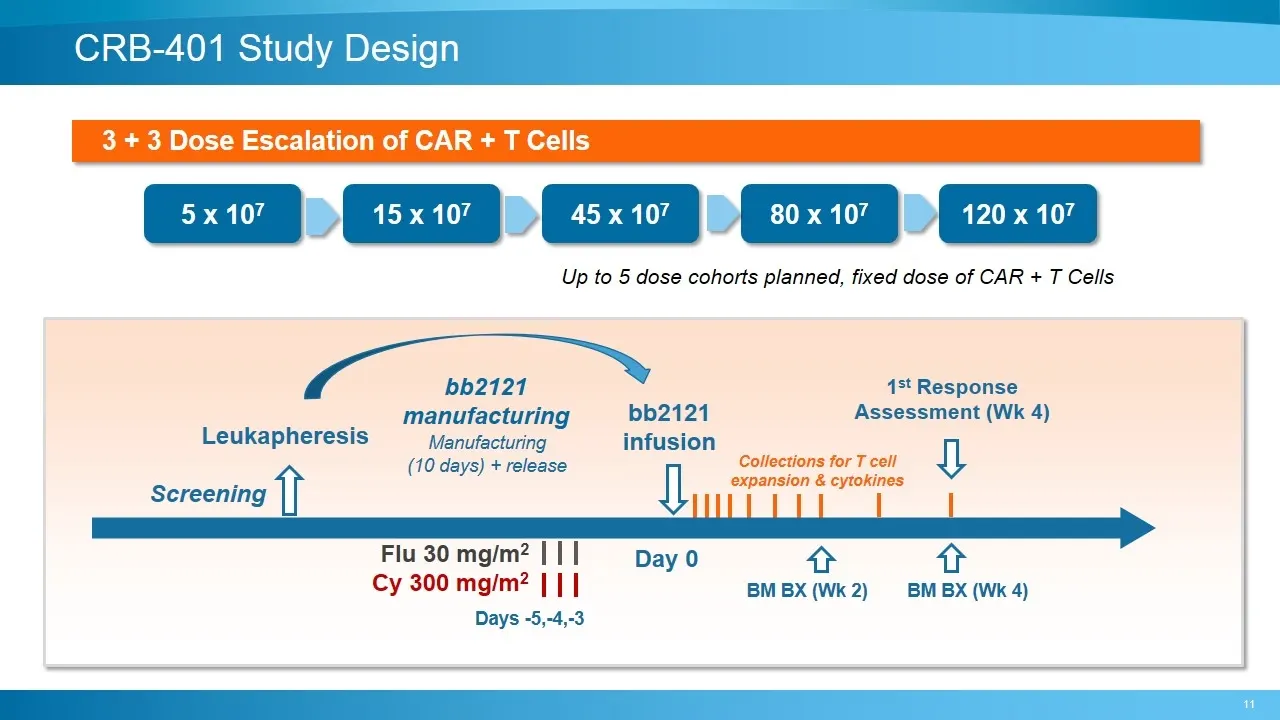
Slide 11: CRB-401 Study Design
Leukapheresis Flu 30 mg/m2 Cy 300 mg/m2 bb2121 infusion bb2121 manufacturing BM BX (Wk 4) Days -5,-4,-3 Day 0 Screening BM BX (Wk 2) CRB-401 Study Design 5 x 10⁷ 15 x 107 45 x 107 80 x 107 120 x 107 1st Response Assessment (Wk 4) Collections for T cell expansion & cytokines Manufacturing (10 days) +
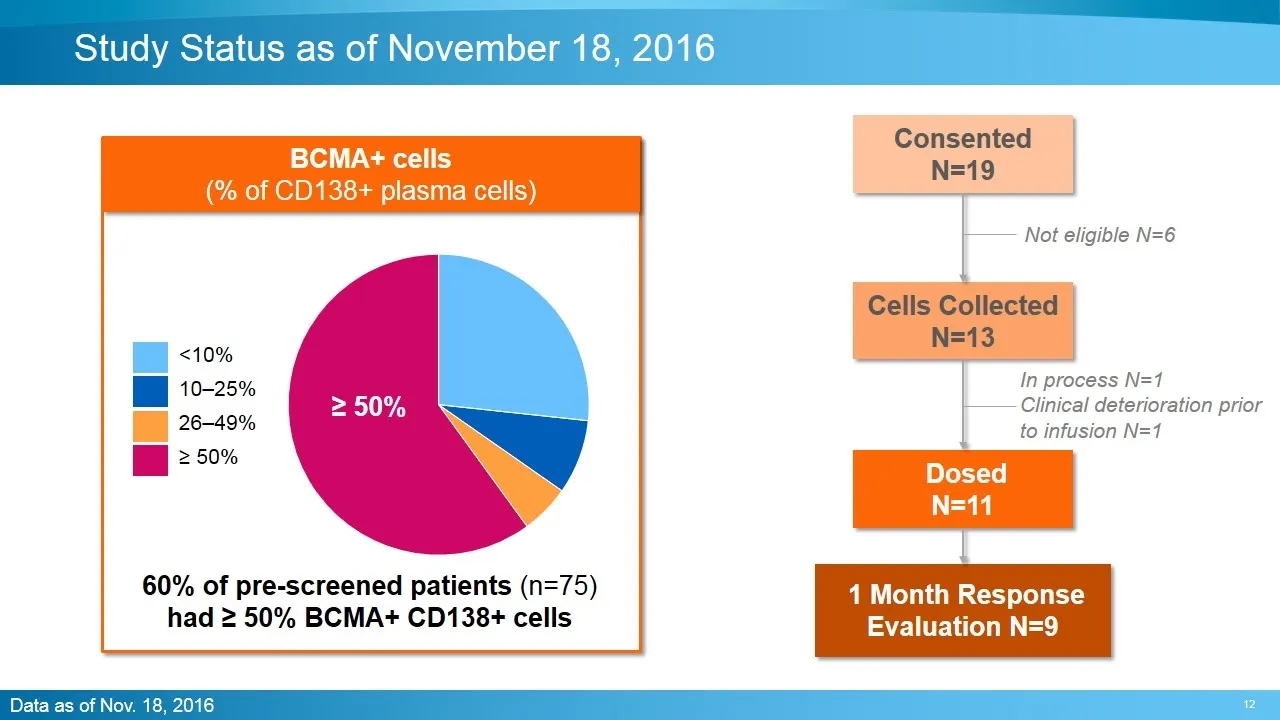
Slide 12: Study Status as of November 18, 2016
Study Status as of November 18, 2016 BCMA+ cells (% of CD138+ plasma cells) <10% 10–25% 26–49% ≥ 50% ≥ 50% Consented N=19 Cells Collected N=13 Dosed N=11 Not eligible N=6 In process N=1 Clinical deterioration prior to infusion N=1 1 Month Response Evaluation N=9 60% of pre-screened patients (n=75) h
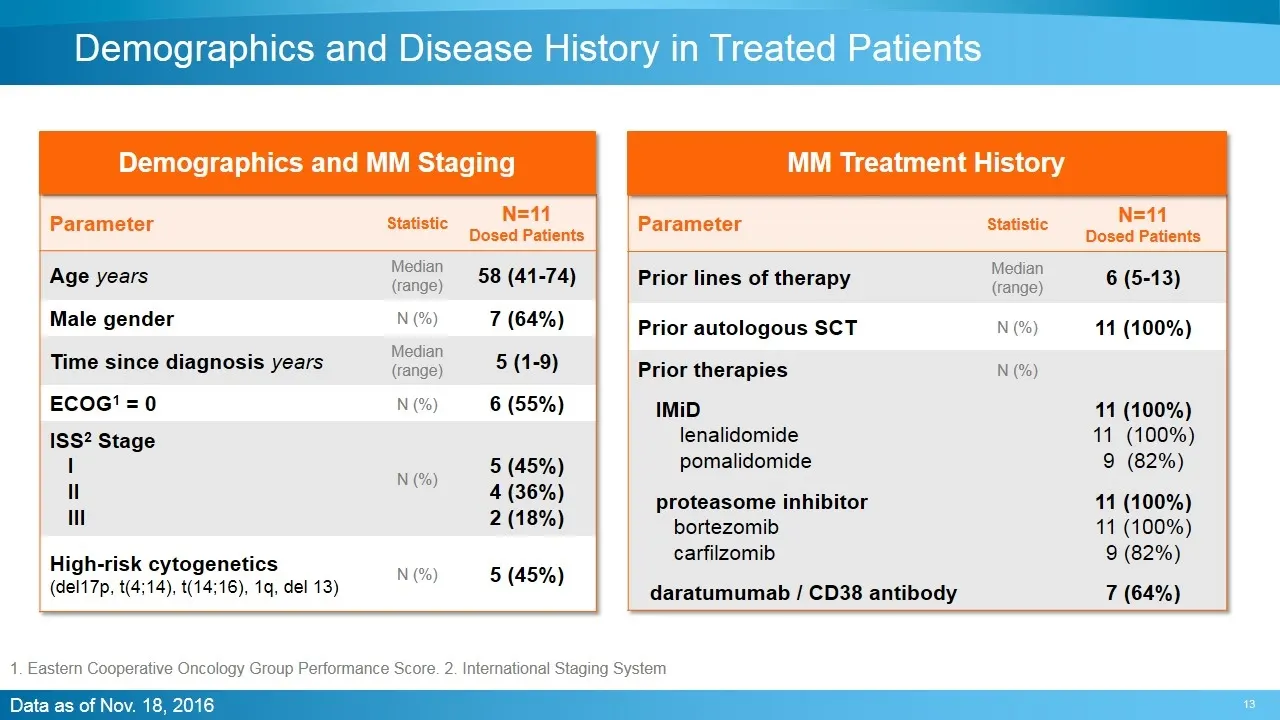
Slide 13: Demographics and Disease History in Treated Patients
Demographics and Disease History in Treated Patients 1. Eastern Cooperative Oncology Group Performance Score. 2. International Staging System Parameter Statistic N=11 Dosed Patients Age years Median (range) 58 (41-74) Male gender N (%) 7 (64%) Time since diagnosis years Median (range) 5 (1-9) ECOG1
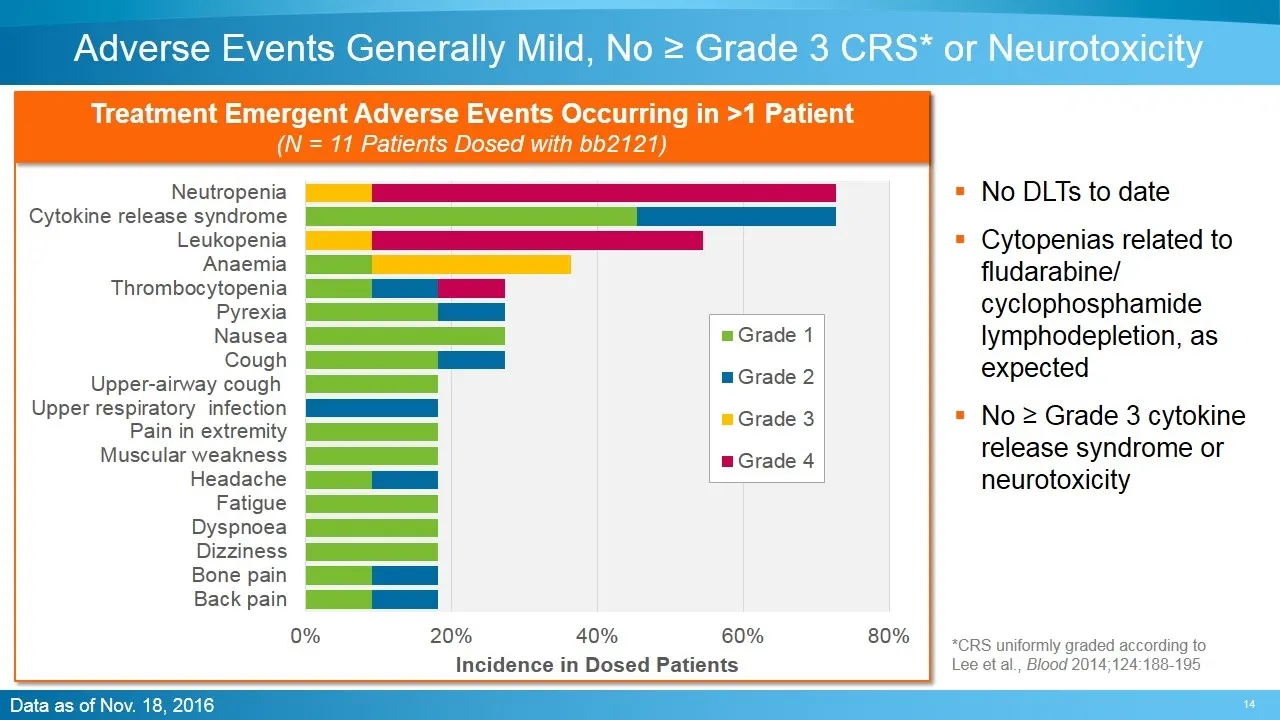
Slide 14: Adverse Events Generally Mild, No ≥ Grade 3 CRS or Neurotoxicity
n Adverse Events Generally Mild, No ≥ Grade 3 CRS* or Neurotoxicity Treatment Emergent Adverse Events Occurring in >1 Patient (N = 11 Patients Dosed with bb2121) No DLTs to date Cytopenias related to fludarabine/ cyclophosphamide lymphodepletion, as expected No ≥ Grade 3 cytokine release syndrome or
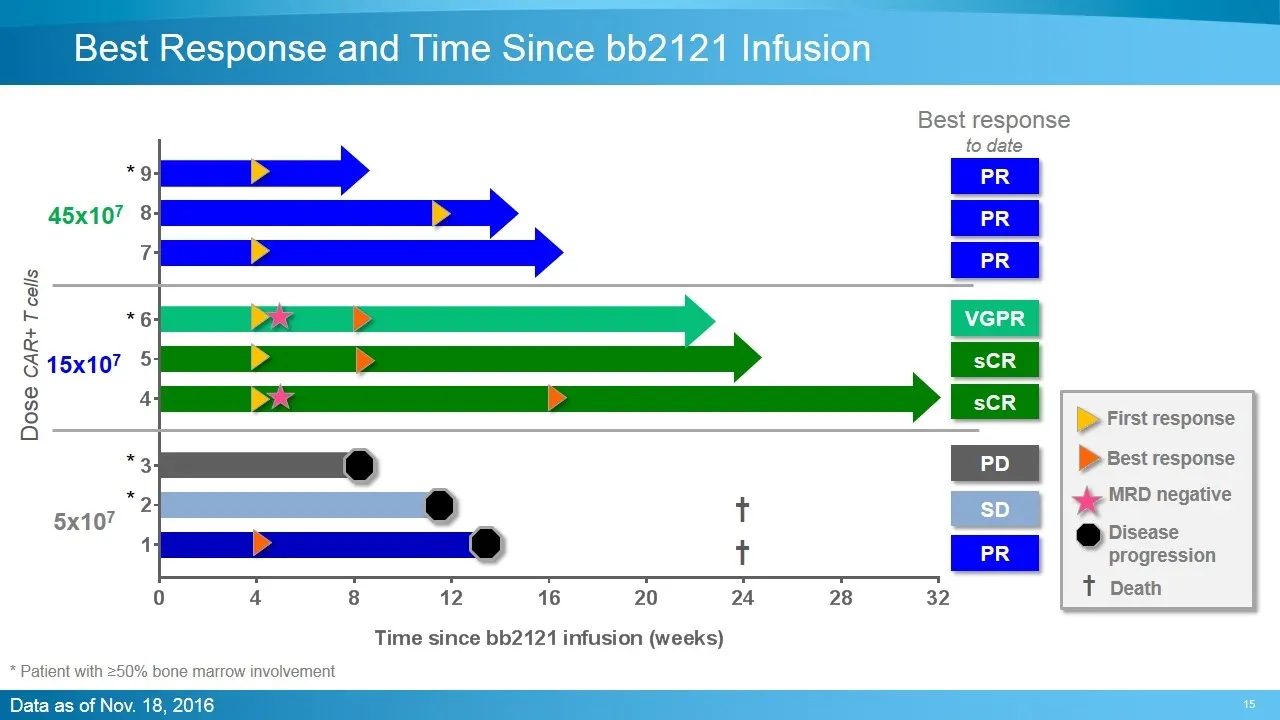
Slide 15: Best Response and Time Since bb2121 Infusion
Best Response and Time Since bb2121 Infusion † † PR PR PR VGPR sCR Best response to date sCR PD SD PR MRD negative Best response First response Disease progression Death 45x107 15x107 5x10⁷ * * * * * Patient with ≥50% bone marrow involvement Dose CAR+ T cells Data as of Nov. 18, 2016 †
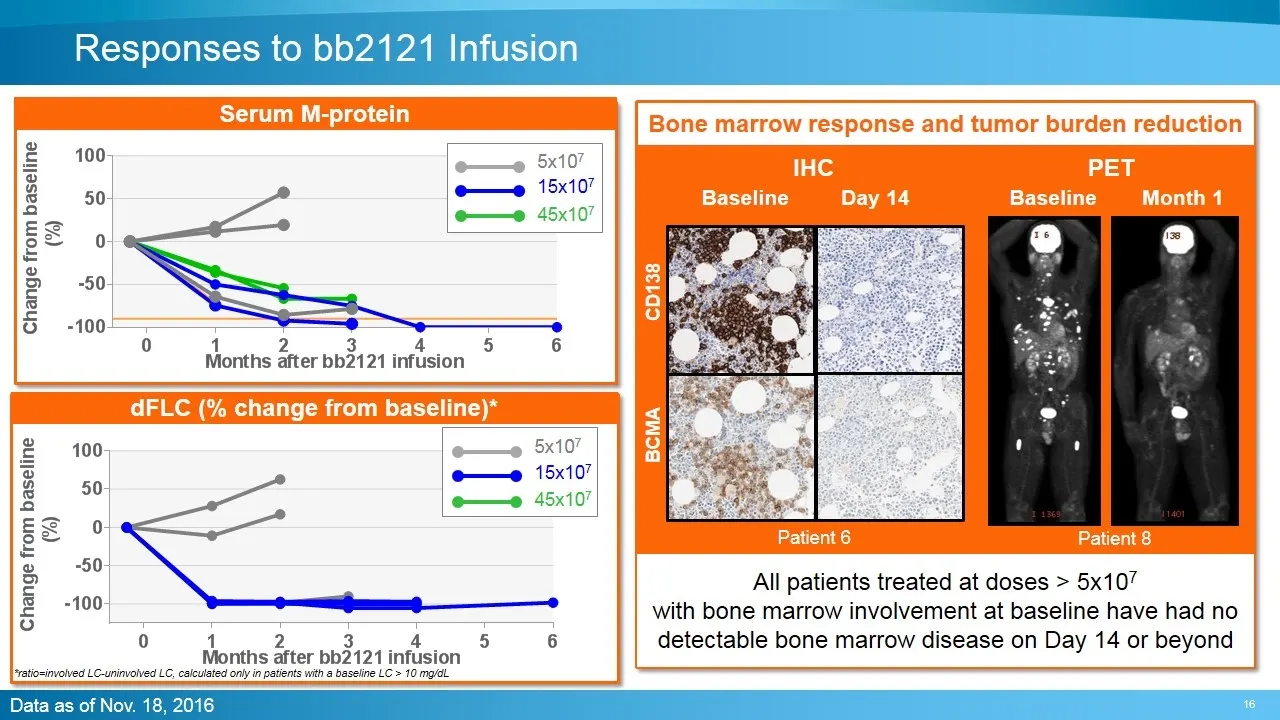
Slide 16: Responses to bb2121 Infusion
Responses to bb2121 Infusion Baseline Day 14 All patients treated at doses > 5x10⁷ with bone marrow involvement at baseline have had no detectable bone marrow disease on Day 14 or beyond Baseline Month 1 Serum M-protein dFLC (% change from baseline)* CD138 BCMA IHC PET Bone marrow response and tumor
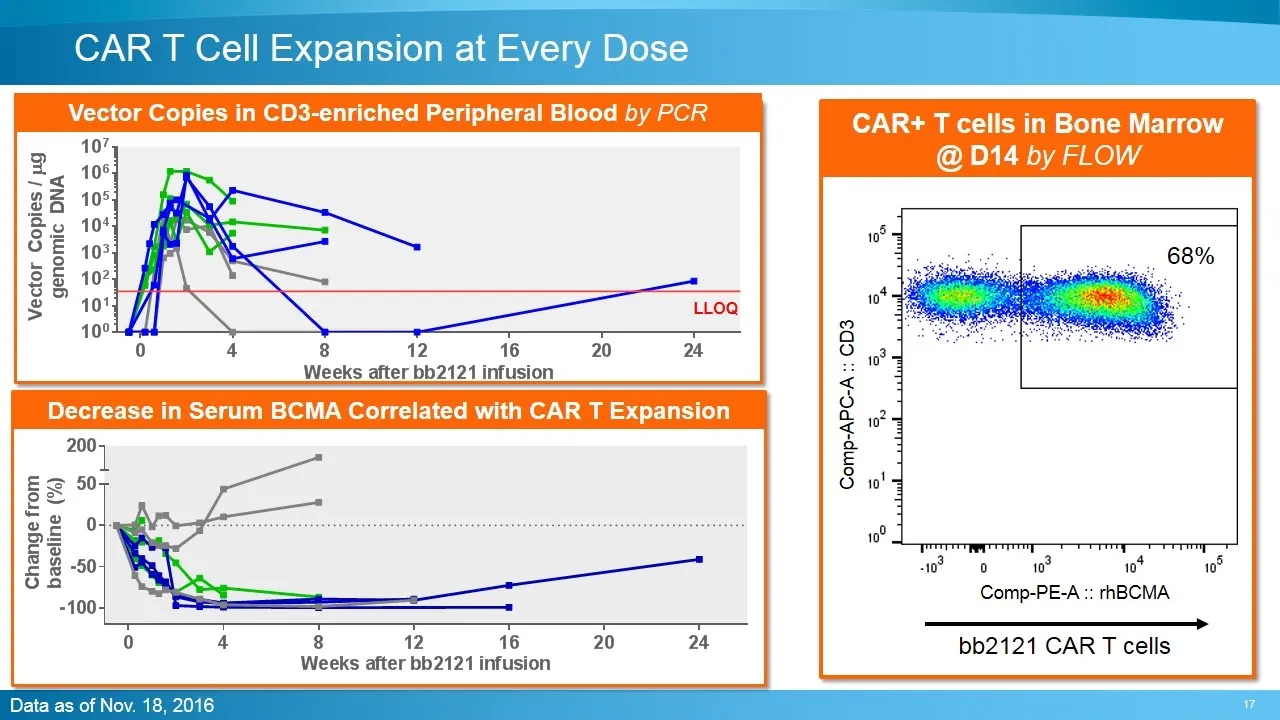
Slide 17: CAR T Cell Expansion at Every Dose
Vector Copies in CD3-enriched Peripheral Blood by PCR Decrease in Serum BCMA Correlated with CAR T Expansion CAR T Cell Expansion at Every Dose LLOQ CAR+ T cells in Bone Marrow @ D14 by FLOW Data as of Nov. 18, 2016 Comp-PE-A :: rhBCMA Comp-APC-A :: CD3 68% bb2121 CAR T cells
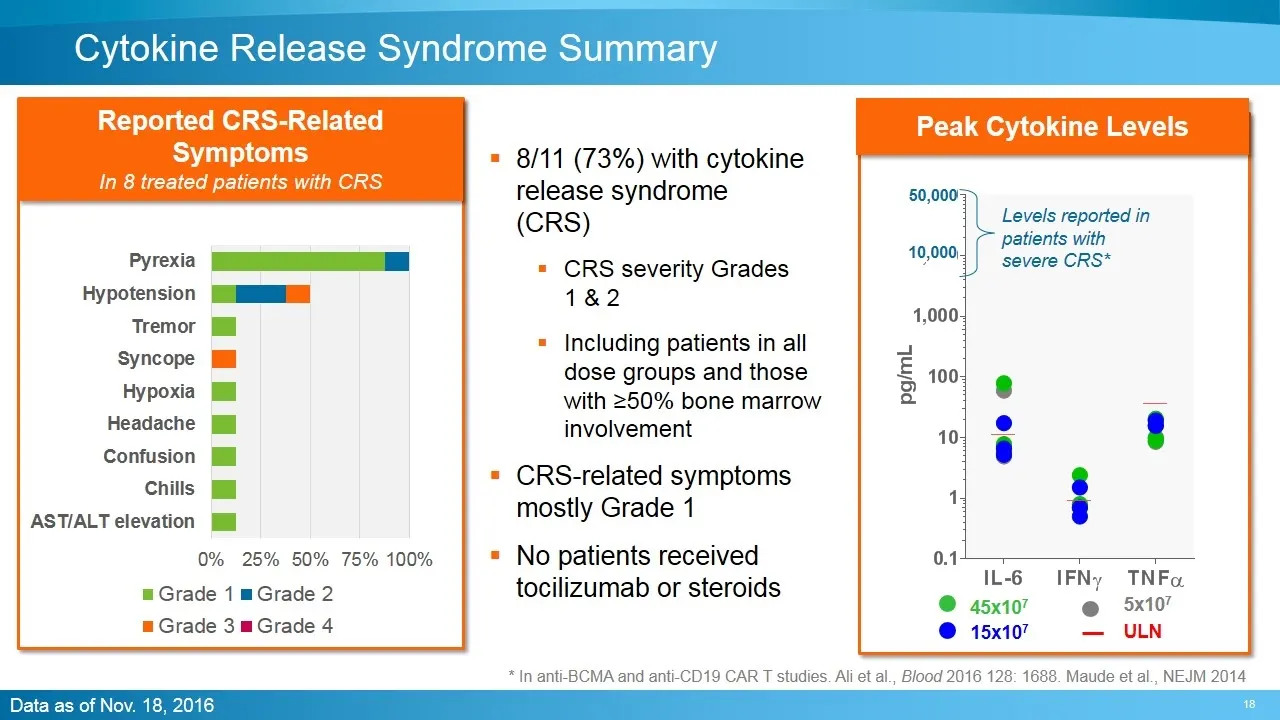
Slide 18: Cytokine Release Syndrome Summary
Cytokine Release Syndrome Summary 8/11 (73%) with cytokine release syndrome (CRS) CRS severity Grades 1 & 2 Including patients in all dose groups and those with ≥50% bone marrow involvement CRS-related symptoms mostly Grade 1 No patients received tocilizumab or steroids Reported CRS-Related Symptoms
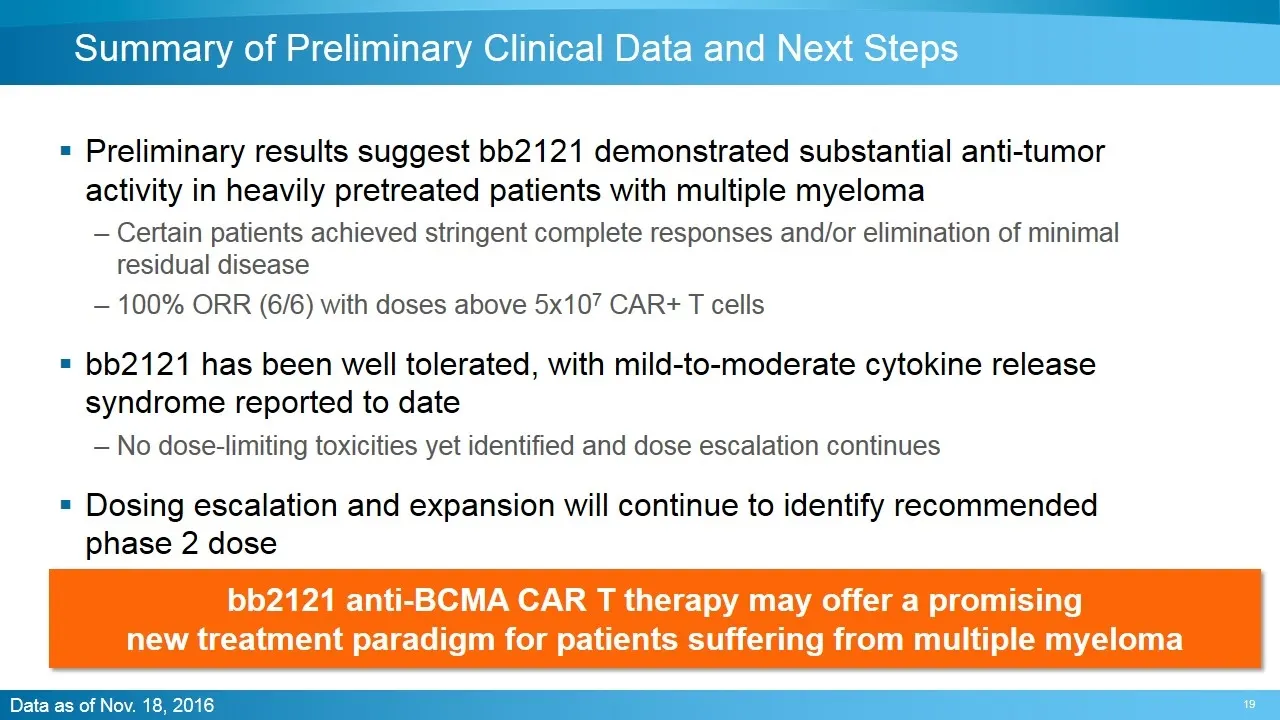
Slide 19: Summary of Preliminary Clinical Data and Next Steps
Summary of Preliminary Clinical Data and Next Steps Preliminary results suggest bb2121 demonstrated substantial anti-tumor activity in heavily pretreated patients with multiple myeloma Certain patients achieved stringent complete responses and/or elimination of minimal residual disease 100% ORR (6/6
Slide 20: Acknowledgements
Acknowledgements Beth Israel Deaconess PI: Jacalyn Rosenblatt, MD Dana Farber Cancer Institute PI: Nikhil Munshi, MD, PhD Hackensack University Medical Center PI: David Siegel, MD, PhD Massachusetts General Hospital PI: Noopur Raje, MD Mayo Clinic PI: Yi Lin, MD, PhD Mount Sinai PI: Sundar Jagannath
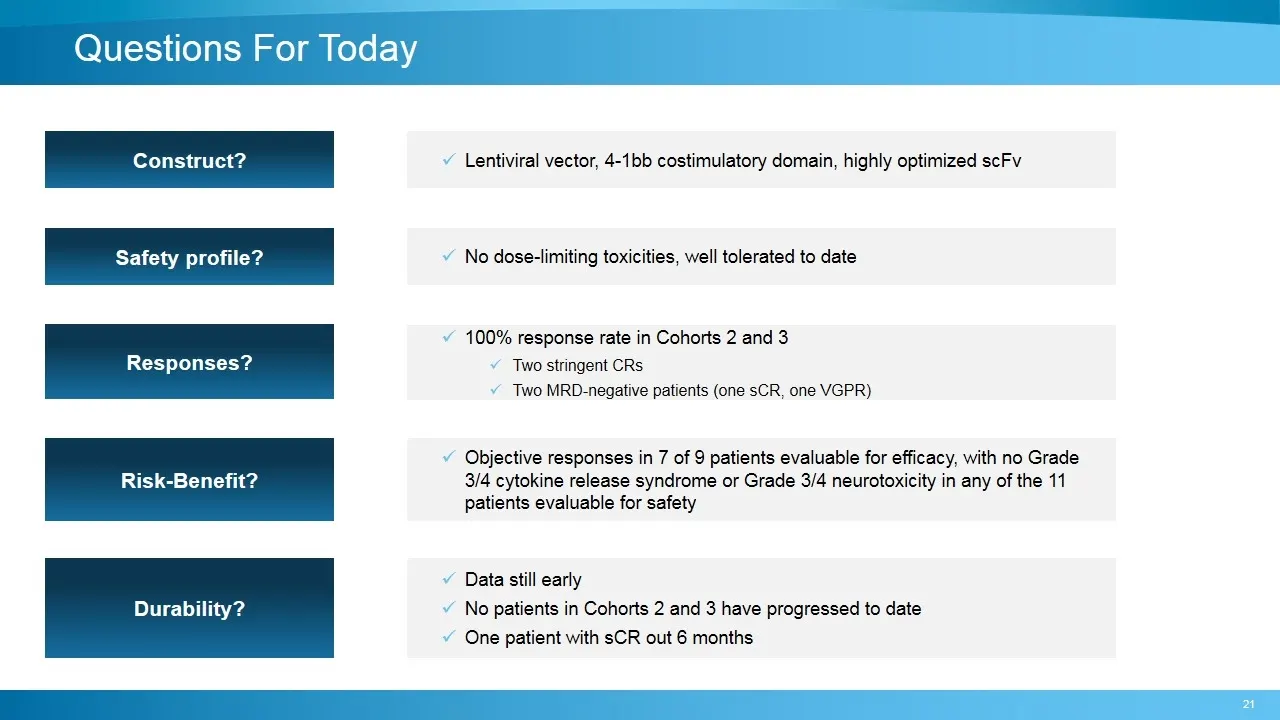
Slide 21: Questions For Today
Questions For Today No dose-limiting toxicities, well tolerated to date Safety profile? Responses? Risk-Benefit? Durability? 100% response rate in Cohorts 2 and 3 Two stringent CRs Two MRD-negative patients (one sCR, one VGPR) Objective responses in 7 of 9 patients evaluable for efficacy, with no Gr
Slide 22: EORTC-NCI-AACR Molecular Targets and Cancer Therapies Symposium
EORTC-NCI-AACR Molecular Targets and Cancer Therapies Symposium December 1, 2016
Source: SEC EDGAR · 8-K filed Dec 1, 2016
More decks from Bluebird bio Inc
 J.P. Morgan Healthcare Conference 202423 slides · Jan 8, 2024
 Corporate Update (December 2023)17 slides · Dec 11, 2023
 Q2 2023 Earnings Presentation16 slides · Aug 8, 2023
 Investor Presentation (July 2023)27 slides · Jul 12, 2023
 Investor Presentation (June 2023)27 slides · Jun 12, 2023
 J.P. Morgan Healthcare Conference 202329 slides · Jan 9, 2023